- English
- French
- German
- Portuguese
- Spanish
- Russian
- Japanese
- Korean
- Arabic
- Greek
- German
- Turkish
- Italian
- Danish
- Romanian
- Indonesian
- Czech
- Afrikaans
- Swedish
- Polish
- Basque
- Catalan
- Esperanto
- Hindi
- Lao
- Albanian
- Amharic
- Armenian
- Azerbaijani
- Belarusian
- Bengali
- Bosnian
- Bulgarian
- Cebuano
- Chichewa
- Corsican
- Croatian
- Dutch
- Estonian
- Filipino
- Finnish
- Frisian
- Galician
- Georgian
- Gujarati
- Haitian
- Hausa
- Hawaiian
- Hebrew
- Hmong
- Hungarian
- Icelandic
- Igbo
- Javanese
- Kannada
- Kazakh
- Khmer
- Kurdish
- Kyrgyz
- Latin
- Latvian
- Lithuanian
- Luxembou..
- Macedonian
- Malagasy
- Malay
- Malayalam
- Maltese
- Maori
- Marathi
- Mongolian
- Burmese
- Nepali
- Norwegian
- Pashto
- Persian
- Punjabi
- Serbian
- Sesotho
- Sinhala
- Slovak
- Slovenian
- Somali
- Samoan
- Scots Gaelic
- Shona
- Sindhi
- Sundanese
- Swahili
- Tajik
- Tamil
- Telugu
- Thai
- Ukrainian
- Urdu
- Uzbek
- Vietnamese
- Welsh
- Xhosa
- Yiddish
- Yoruba
- Zulu
Aluminum Flush Windows with UV Protection for Energy-Efficient Buildings
By fusing cutting-edge UV protection technology with a simple design, Aluminum flush windows are changing how buildings are built in the United States to be more energy efficient. These systems were carefully designed to have sashes that are level with the outer frame. This makes the profile look smooth, and they also have thermal break technology and special glass treatments that block up to 99% of UV rays.
Unlike regular stepped-profile windows, flush designs don't add to the visual clutter and keep dirt from building up. This is especially helpful in seaside areas where salt spray speeds up rusting. These windows give developers, general builders, and curtain wall integrators who are in charge of business projects measurable returns by lowering HVAC loads, extending the life of indoor furnishings, and meeting more strict energy codes such as ASHRAE 90.1 and IECC 2021.
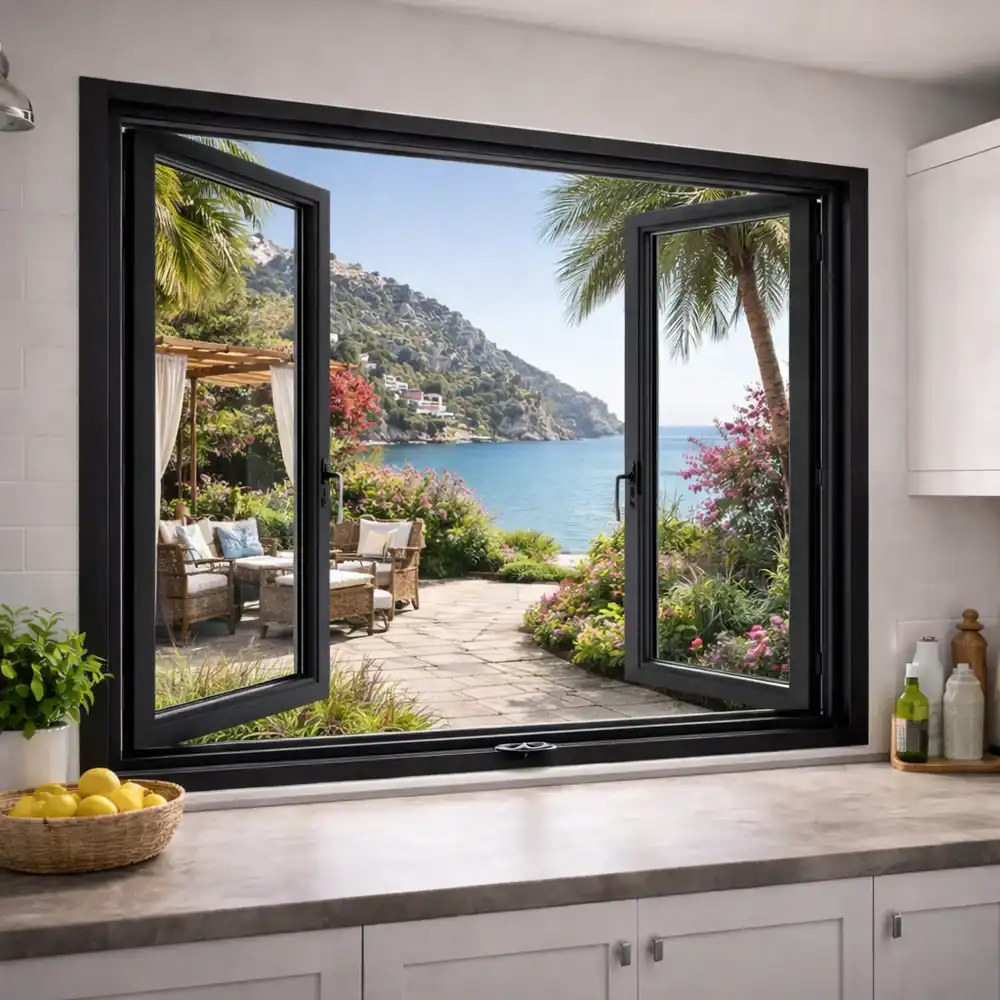
Understanding Aluminum Flush Windows and Their Benefits
What Defines Flush Sash Architecture
The flush sash form is very different from standard casement windows, where the sash sticks outward. We use 6063-T5 Aluminum flush windows alloy extrusions with profile widths ranging from 1.4mm to 2.0mm in our manufacturing process. This lets us make frames that are structurally sound while still having sightlines that are less than 60mm thick.
This engineering method makes the most of the glass area, letting about 15-20% more natural light in than larger uPVC or wood systems. The smooth, clean look fits right in with modern architectural language, whether you're designing a glass-heavy office block in Manhattan or a simple housing development in Austin.
Material Advantages Over Alternative Window Systems
Aluminum is stronger than uPVC and wood, and it is lighter than both of them. Wooden flush windows need to be painted every three to five years and can bend in wet places. Our powder-coated aluminum surfaces meet Qualicoat Class 2 standards and keep their colour for 25 years or more without fading. In coastal projects, the material's natural resistance to corrosion is very important.
For example, we've provided systems to areas along the Gulf Coast where marine-grade finishes (60–80 micron coating thickness) can withstand salt fog testing according to ASTM B117 for over 3,000 hours. Aluminum flush windows integrate seamlessly with these systems, offering a sleek, flat-profile design that does not compromise corrosion resistance. Polyamide PA66 thermal breaks, which are usually 24mm to 34mm wide and divide the frame into inner and outer zones, help with thermal conductivity issues. This gets U-values as low as 1.1 W/m²K, which is 60–70% better than systems that aren't thermally broken.
UV Protection Technology in Modern Glazing
UV radiation makes up only about 3% of sun energy, but it fades linens, floors, and artwork inside 90% of the time. We use argon or krypton gas to fill our double-glazed units (5+12A+5mm as usual), and they have Low-E coatings on either side #2 or #3 of the insulated glass unit. These very thin layers of metal reflect UV and infrared waves while letting more than 70% of visible light through.
It was found that our UV-protected flush windows kept cloth from fading by 85% over three years in a west-facing curtain wall installation in Phoenix compared to normal clear glass. Solar Heat Gain Coefficients (SHGC) can be changed from 0.25 to 0.40 based on the needs of the project. This technology also reduces solar heat gain, which is important for lowering cooling loads in southern climates.
Durability isn't just about the glass. When the temperature goes from -40°C to +120°C, our EPDM gasket sealing systems stay flexible. This means that they meet the airtightness requirements of EN 12207 Class 4 even after decades of UV exposure. This is why we get repeat orders from companies that bring building materials to markets in the Middle East and the Caribbean, where heat and UV light make materials break down faster.
Energy Efficiency and Performance Optimization
Thermal Break Technology and Climate-Specific Applications
Whether you choose thermally broken or non-thermally broken frames relies on the climate zone of your project and the energy code standards. In IECC Climate Zones 4–8, which include most of the northern U.S. states, thermally broken systems are required by law. The PA66 polyamide strips we use as insulation stop the aluminum's high thermal conductivity from making a "cold bridge" that brings temperatures from the outside in. In the winter, this lowers the chance of condensation forming on the inside of the frame, which is a frequent place where things go wrong in multifamily housing and causes mould growth and complains from residents.
Acoustic Performance and Coastal Weatherproofing
Especially for urban building projects and hotel developments, sound insulation is important. Depending on the type of glass used, our Aluminum flush windows systems get Sound Transmission Class (STC) values of 32 to 42. Standard tempered units don't block low-frequency traffic noise as well as laminated glass choices, which usually have 6.38mm or 8.38mm PVB interlayers.
For a hotel project near Miami International Airport, we recommended laminated glass with uneven pane widths (6 mm on the outside and 10 mm on the inside). This achieved STC-40 performance, which lowered noise levels inside to below 45 decibels, meeting comfort standards in the hospitality business.
Coastal areas have their own problems to solve. Any weak spot in the window assembly is used by wind-driven rain, salt spray, and sand particles in the air. The flush form naturally cuts down on horizontal areas where dirt can gather, but the choice of material is just as important. In high-exposure situations, we use PVDF (polyvinylidene fluoride) coats, which are three times better at resisting salt fog than regular powder coatings. According to ASTM E547 tests, our systems can handle pressure differences of up to 12 psf without leaking, which is the same as Category 4 storm wind-driven rain.
Maintaining Performance Through Lifecycle Management
Without proper upkeep, energy efficiency goes down over time. We give our customers technical parameter sheets and installation movies that show them how to properly check gaskets and keep hardware oiled. Every year, you should check the multi-point locking mechanisms and friction stays to make sure the smooth alignment stays accurate. If they aren't, air leaks out, which lowers the heat performance. Only pH-neutral soap and water are needed to clean aluminum frames; strong chemicals damage surfaces and void warranties.
How well a UV protection works depends on how clean the glass is. A pile of outside pollutants changes how solar heat is gained and how much visible light gets through. In the dusty Southwest, skilled cleaning every three months keeps the system working well. We have records of windows that were not taken care of losing 15% of their original energy efficiency within five years. This was only because top dirt made the Low-E covering less effective.
Our installation guides go into great depth about these upkeep tasks and include suggestions that are special to each area. Projects can also choose to have repair contracts that include regular checks and hardware changes. Property management companies that are in charge of multiple buildings really value this service.
Comparison and Decision-Making Guide for B2B Buyers
Material Performance Analysis
When choosing between aluminum, wood, and uPVC for a purchase, there are trade-offs in terms of cost, longevity, and appearance. Timber flush windows have true period looks that are valued in historic makeovers, but they need a lot of upkeep—every year you should budget $8 to $12 per square foot for painting and replacing hardware. Within 12 to 15 years, structural movement caused by changing levels of moisture also leads to seal failures.
UPVC systems are easier to maintain, but they aren't as strong; their frame profiles are usually 70 mm or more, which means that the glass area is 10-15% smaller than with aluminum's 60 mm profiles. In harsh regions, thermal expansion rates make things even more difficult for uPVC. For example, we've seen frame distortion in sites in the desert where temperatures change by more than 50°C every day.
Application-Specific Selection Criteria
Priorities are different for commercial and household uses. Energy efficiency and low maintenance are important to office buildings. Our 70 series with 24mm thermal breaks and double Low-E glazing fits LEED v4.1 fenestration standards and has been tested for 50,000 cycles. Customisation is a big deal in residential projects. We offer wood grain finishes, anodised surfaces, and special RAL colours that uPVC can't really match.
Coastal projects need guarantees that they are resistant to rust. Marine-grade powder finish (minimum 60-micron thickness) and stainless steel tools are required to keep things from breaking down too soon. As a result of ASTM G85 Annex 5 (Prohesion) tests, the condos we provided in South Florida had no coating delamination after 2,000 hours, which is something that performance wood and normal uPVC can't do.
Procurement Considerations and Supplier Evaluation
Structures for volume prices have a big effect on project costs. When you buy more than 500 units, you can usually get 12–18% off the list price. Lead times from our plant are 25 to 30 days for normal setups and 35 to 45 days for special powder coating or hardware that isn't standard. Optimising containers is important. Our engineers can ship in parts that aren't put together (knock-down kits), which cuts freight costs by 30–35% compared to fully built units. This method works especially well for wholesalers who handle shipping containers to places in the middle of the United States.
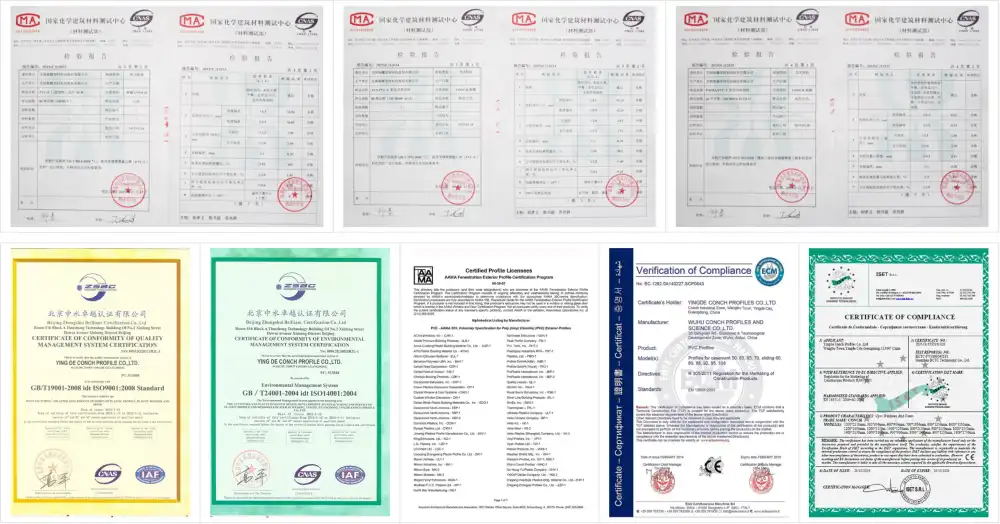
Certifications lower the risk of buying something. Check to see if the product has NFRC labelling (mandatory in many U.S. areas), AAMA proof for performance class, and meets local energy rules. ISO 9001 certification proves that you have quality management systems in place, and ISO 14001 certification shows that you care about the environment, which is becoming more and more important for getting LEED and BREEAM credits.
Disclaimer: You should check the real performance specs against reports of tests done on the goods and certificates from a third party. Performance measures change depending on the location, the setup, and the quality of the installation. In this context, Aluminum flush windows performance should be verified specifically.
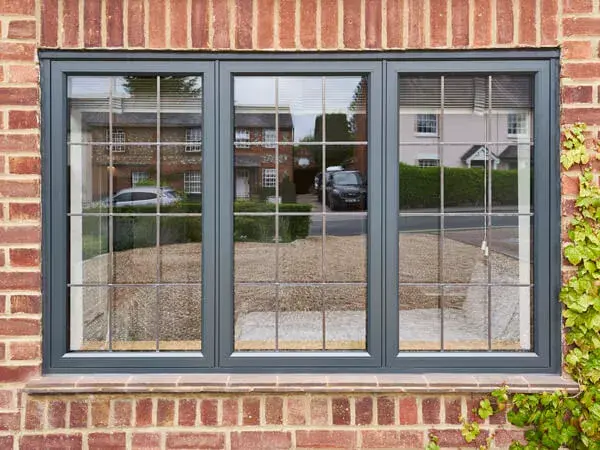
Installation Process and Supplier Selection Criteria
Professional Installation Requirements
If the performance from the plan works in the field, it depends on how well it was installed. For rough opening preparation, the dimensions must be within ±3 mm; gaps that are too big make weatherproofing less effective, no matter what kind of window it is. We suggest hiring experienced workers who know how to line up Aluminum flush windows correctly. The relationship between the sash and the frame must stay flat within 1 mm to keep the flush look and make sure the gaskets are properly compressed.
Following the steps in ASTM E2112 for flashing integration makes a drainage path that sends water away. Installers often fail when they use inner sealant beads without providing outdoor drainage paths, which traps water inside the wall assembly. There are movies on our site that show how to properly install floor pans, jamb flashing lapping sequences, and head flashing integration with weather-resistant barriers. These tools cut down on warranty claims and returns by a large amount.
Evaluating Manufacturing Partners
Supplier choice is more than just unit price. It's important to know if the maker can provide stamped engineering estimates for structure loads. Do they offer CAD data and BIM models that can be added to building documents? Our engineering team looks over architectural plans for free and points out any problems that might arise before the building process starts.
After-sales support is what sets trustworthy providers apart from transactional ones. We keep an inventory of extra parts for 15 years after the project is finished. This way, we can make sure that new hardware is always available for the life of the building. The terms of the warranty should make it clear what it covers. For example, our normal warranty covers mechanical parts for 10 years, the finish for 5 years, and insulated glass seal fails for 2 years.
For design-build jobs, the ability to customise becomes very important. Can the seller work with shapes that aren't rectangles, corners that are rounded off, or connection with curtain wall systems? We've made trapezoidal units for gable uses and matched mullion levels to match shopfront systems next to each other, which is something that smaller suppliers can't do.
Future Trends and Innovations in Window Technology
Advanced Coating Technologies
Triple-silver layer stacks are used in next-generation Low-E coatings, which make light-to-solar-gain rates better than current double-silver technology. These coverings let more than 70% of visible light through while lowering SHGC below 0.23. This makes them perfect for areas that tend to be cool where daylighting is still important. We are keeping an eye on the merging of electrochromic glass, in which power changes the tint levels on the fly. The high prices ($100–$150/sq ft) mean that it can only be used for high-end projects for now, but as production increases, prices are going down.
Smart Building Integration
IoT-enabled windows with built-in sensors keep an eye on things like temperature differences, the quality of the air inside, and who is using the space. When predictive maintenance is combined with building management systems, site managers are notified when hardware needs to be oiled or when high levels of air leakage indicate that gaskets are wearing out. We're testing sensor packages that send data using LoRaWAN protocols so that we don't have to do expensive hardwiring upgrades.
Sustainability and Circular Economy Practices
Aluminum is better than polymer-based options because it can be recycled over and over again. Post-consumer scrap has 95% of the qualities of new material and only needs 5% of the energy needed for primary production. We've teamed up with recycling networks to make sure that old windows go back into the supply chain instead of ending up in a dump. This closed-loop method works with LEED Materials and Resources points and matches up with the ESG promises made by companies.
Some improvements in manufacturing are water-based powder coatings (which get rid of VOC pollution) and extrusion facilities that are driven by green energy. Third-party Environmental Product Declarations (EPDs) measure the amount of carbon that is built into a product over its entire lifetime. This lets builders choose materials based on data in order to meet carbon-neutral building goals. As more places set limits on embodied carbon—Seattle and Vancouver already do—clear supply chain paperwork for Aluminum flush windows becomes a way to stand out from the competition.
Conclusion
Aluminum flush windows with UV protection combine good looks with engineering performance that meets the needs of energy-efficient buildings. Their open sash design lets in the most light, and thermal break technology and advanced glass cut energy use by amounts that can be measured. For people who buy things for other businesses, like real estate developers who are in charge of commercial portfolios, general contractors who are working on design-build projects, or distributors who serve regional markets, these systems reduce risk by being long-lasting, compatible with changing energy codes, and able to adapt to different climate zones.
The material is resistant to corrosion and doesn't need much upkeep, so it has a good lifecycle economics. It can also be customised to fit a variety of building settings. As rules for building performance get stricter and measures for sustainability become more important, choosing aluminum systems with proven energy ratings helps projects last for a long time and follow the rules.
FAQ
Are aluminum flush windows suitable for extreme climate zones?
When properly defined, thermally broken Aluminum flush windows devices work well in all climate zones in the United States. In northern areas (IECC Zones 6–8), U-factors that meet strict energy rules can be reached with 34mm PA66 thermal breaks and triple-glazed Low-E glass. Low SHGC coatings help southern locations because they lower the cooling loads. Coastal projects need marine-grade powder coating and stainless steel gear that can handle being exposed to fresh water. We regularly meet these requirements for developments along the Gulf Coast and the Atlantic coast.
How do lifecycle costs compare with uPVC and timber alternatives?
Aluminum costs 15–25% more than uPVC at first, but it doesn't need much upkeep over 30 years or more. Wood needs to be refinished and its hardware replaced every year, which costs $8 to $12 per square foot and adds up to more than aluminum's total cost of ownership in 12 to 15 years. Aluminum's physical stability also stops seal failures that happen a lot in wood systems, so you don't have to pay for expensive replacements of insulated glass units too soon.
What customization options support architectural design requirements?
Custom RAL colour matching, wood grain finishes that look like real wood, and anodised surfaces in bronze, champagne, or black are some of the things we can make. Profile levels range from 60 to 80 series, so they can be used with different glass thicknesses and thermal performance goals. Custom extrusion and fabrication make it possible for non-rectangular forms, radius corners, and integration with neighbouring curtain wall systems. This is very important for design-build projects that have specific aesthetic needs.
Can you provide documentation for LEED and energy code compliance?
We offer complete technical data sets that include NFRC labels, AAMA performance proof, and Environmental Product Declarations (EPDs) for each product that measure the amount of carbon that is built into the product. Astm E283 tests for air leakage, ASTM E547 tests for water penetration, ASTM E330 tests for structure performance, and ASTM F588 tests for forced entry resistance. These certificates make it easier for projects that want to get LEED v4.1, WELL Building Standard, or Passive House recognition to get approved.
Partner with a Trusted Aluminum Flush Window Manufacturer
Haolv Building Materials has been making specialised products for 18 years and sells Aluminum flush windows and uPVC window systems to general builders, curtain wall integrators, and building material dealers in North America. Our production center is ISO-certified and has automatic CNC cutting, precision extrusion lines, and advanced surface treatment tools. This makes sure that the quality of all high-volume project orders is the same. We have long-term agreements with top material sources like CONCH that give us steady access to high-quality 6063-T5 aluminum metals and approved hardware parts.
Our engineering team offers a wide range of custom options, from non-standard sizes to colour matching for special projects. They also offer free technical advice and CAD coordination services. Container freight costs can be cut by up to 35% with our knock-down packaging choices. Our 25–30 day lead times and ample inventory levels also support tight building schedules. For full technical details, installation tutorial videos, and UV protection test results on our flush window systems, email kristin@haolvwindows.com or go to haolvbuilding.com and ask for our export team. We provide full paperwork packages that include stamped performance badges, which speeds up the approval process for your energy-efficient building projects.
References
1. American Architectural Manufacturers Association (AAMA). (2021). AAMA/WDMA/CSA 101/I.S.2/A440: North American Fenestration Standard/Specification for Windows, Doors, and Skylights. Schaumburg, IL: AAMA Publications.
2. National Fenestration Rating Council (NFRC). (2020). NFRC 100-2020: Procedure for Determining Fenestration Product U-factors. Greenbelt, MD: NFRC Technical Publications.
3. Carmody, J., Selkowitz, S., Lee, E. S., Arasteh, D., & Willmert, T. (2004). Window Systems for High-Performance Buildings. New York: W.W. Norton & Company.
4. U.S. Department of Energy. (2021). Energy Savings Potential of Highly Insulated Residential Windows in the United States. Washington, DC: Building Technologies Office Technical Report Series.
5. Lstiburek, J. W. (2006). Builder's Guide to Cold Climates: Details for Design and Construction. Westford, MA: Building Science Press.
6. Straube, J., & Burnett, E. (2005). Building Science for Building Enclosures. Westford, MA: Building Science Press.
Fast simple channel to send demands lock favorable price for building window door bulk purchases.