- English
- French
- German
- Portuguese
- Spanish
- Russian
- Japanese
- Korean
- Arabic
- Greek
- German
- Turkish
- Italian
- Danish
- Romanian
- Indonesian
- Czech
- Afrikaans
- Swedish
- Polish
- Basque
- Catalan
- Esperanto
- Hindi
- Lao
- Albanian
- Amharic
- Armenian
- Azerbaijani
- Belarusian
- Bengali
- Bosnian
- Bulgarian
- Cebuano
- Chichewa
- Corsican
- Croatian
- Dutch
- Estonian
- Filipino
- Finnish
- Frisian
- Galician
- Georgian
- Gujarati
- Haitian
- Hausa
- Hawaiian
- Hebrew
- Hmong
- Hungarian
- Icelandic
- Igbo
- Javanese
- Kannada
- Kazakh
- Khmer
- Kurdish
- Kyrgyz
- Latin
- Latvian
- Lithuanian
- Luxembou..
- Macedonian
- Malagasy
- Malay
- Malayalam
- Maltese
- Maori
- Marathi
- Mongolian
- Burmese
- Nepali
- Norwegian
- Pashto
- Persian
- Punjabi
- Serbian
- Sesotho
- Sinhala
- Slovak
- Slovenian
- Somali
- Samoan
- Scots Gaelic
- Shona
- Sindhi
- Sundanese
- Swahili
- Tajik
- Tamil
- Telugu
- Thai
- Ukrainian
- Urdu
- Uzbek
- Vietnamese
- Welsh
- Xhosa
- Yiddish
- Yoruba
- Zulu
Are Anthracite Grey UPVC Bay Windows Energy Efficient?
Yes, anthracite grey upvc bay windows deliver exceptional energy efficiency when properly specified and installed. The UPVC material naturally resists thermal transfer, while modern multi-chamber profiles, steel reinforcement, and advanced glazing configurations achieve U-values as low as 1.4 W/m²K or better. The anthracite grey upvc bay windows finish, typically applied through foil lamination rather than spray coating, does not compromise thermal performance. When paired with Low-E double or triple glazing, EPDM weather seals, and precision fabrication, these anthracite grey upvc bay windows reduce heating and cooling costs substantially while maintaining their sophisticated aesthetic appeal across diverse climates.
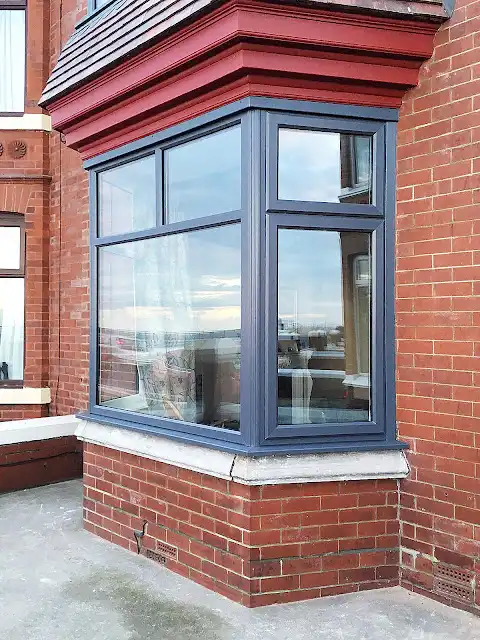
Understanding Anthracite Grey UPVC Bay Windows
Anthracite grey UPVC bay windows are a big change in what architects want, especially in European markets where high-end home and business design briefs can't be met with traditional white frames. The RAL 7016 standard describes this color as having a mix of deep charcoal tones and gentle warmth. It looks good with modern facades, natural stone, and modern cladding materials.
What Makes UPVC Suitable for Bay Window Construction
UPVC, which stands for "unplasticized polyvinyl chloride," has structure benefits that work perfectly with bay window designs. Bay windows, on the other hand, stick out from the building shell. This means that the frames need to be able to keep their shape when mechanical loads and temperature changes happen. When used for long periods of time, virgin UPVC profiles that are made from high-quality polymer compounds don't warp, crack, or lose their color.
Traditional wood bay windows rot and decay over time, but this material doesn't. It naturally keeps water out. This durability is especially useful in bay buildings, where the window system is exposed to more weather because of its larger surface area and projection. Multi-chamber extrusion designs in the UPVC profiles make air pockets that act as insulators and stop heat from escaping through conductors. Integrated steel reinforcement keeps the structure strong without lowering the thermal efficiency.
The Rising Demand for Anthracite Finishes in Premium Markets
Anthracite grey window systems have grown by about 20% a year over the past few years, according to market data from European building material distributors. This is because architects are liking big, bold exterior features. Luxury home builders and small building companies say that customers ask for darker window frames to make their homes stand out and achieve a modern look that flows together.
Beyond visual considerations, the anthracite grey finish is useful. When paired with glazing, darker frames make the visual contrast stronger, drawing attention to the size of the windows and giving the impression of more depth in facade compositions. Anthracite grey is a versatile color that works well with both simple Scandinavian interiors and industrial-inspired design schemes, according to interior designers. Because the color is neutral, it can go with a wide range of building types, from modern villas to restored historic homes that want to incorporate modern touches that fit in.
Disclaimer: The exact thermal performance values depend on the whole window system, such as the profile design, the glazing configuration, and how well it was installed. When making choices about what to buy, you should always look at test results and certified performance data from the maker.
Energy Efficiency Performance of Anthracite Grey UPVC Bay Windows
When procurement teams look at window systems for business projects and high-end domestic developments, energy performance is still the most important technical factor. Because anthracite grey UPVC bay windows have more glass and are shaped like a triangle, they need to be carefully designed so that they don't become thermal weak spots in the building envelope.
How UPVC Material Properties Enhance Thermal Performance
The molecular structure of UPVC makes it naturally resistant to heat. Aluminum quickly transfers heat, but UPVC profiles don't; they usually have a thermal conductivity of only 0.15 to 0.17 W/mK. The window's ability to keep heat in or out is based on this basic property of the material.
Modern bay window designs have a lot of protected rooms built into the frame. These spaces keep air that isn't moving inside, adding to the thermal walls that keep heat from moving between the inside and outside. Some specialized profiles can make the separation even better, with premium systems having up to seven chambers.
When done correctly, the anthracite grey foil lamination process adds a thin layer of decoration without changing the heating qualities of the UPVC underneath. Good foil laminates stick to the substrate at the molecular level, protecting the profile's thermal and structural integrity. This is very different from spray coats, which can change the surface tension and might not stick and stay colored as well over time.
Glazing Configurations and Their Impact on U-Values
The type of glass has a bigger effect on how well a window keeps heat in than the material of the frame itself. Bay windows usually have bigger areas of glass, so choosing the right glass is very important for reaching your thermal goals.
For projects that care about the environment, double glass with a Low-E finish and argon gas fill is the standard. The center-of-glass U-values for this configuration are usually between 1.1 and 1.4 W/m²K, but this can change based on the thickness of the glass, the type of coating, and the width of the cavity. Long-wave infrared radiation is reflected back into the space by the Low-E coating, while short-wave solar radiation can enter. This makes the most of passive solar gain during heating seasons.
Systems with U-values below 0.8 W/m²K can achieve even better performance with triple glass. The extra layer of glass and second insulating cavity make the thermal resistance better, which is especially helpful in harsh climates or for buildings that want to meet passive house certification standards. Because triple glass adds weight, the structure needs to be carefully calculated to make sure that the UPVC profiles and steel reinforcement can support the extra weight without bending or performance loss over time.
Sound Reduction as an Energy Efficiency Indicator
Even though it's not directly linked to thermal performance, acoustic insulation is strongly linked to the quality of the window system and how well it keeps air out. Depending on the thickness of the glass, the depth of the space, and how tight the seal is, premium UPVC bay window systems can block out 30 to 45 decibels of noise.
The way this material sounds means that it seals well and lets little air in, which has a direct effect on how well it keeps heat inside. Some of the biggest ways that window systems lose energy are through air leaks. When properly squeezed EPDM weather seals are put together with precisely cut frame corners and professionally placed units, they make a barrier that stops both sound and heat from moving through.
Standards for testing, like ISO 10140, give accurate information on how well a product blocks noise, which helps purchasing teams compare different goods in an unbiased way. Windows that reduce noise by 40 dB or more usually show that they were built well and with attention to detail when it comes to closing, which saves energy.
Installation Process and Its Role in Energy Efficiency
If the installation breaks thermal consistency or creates air leakage paths, even the most highly advanced window system won't work as planned. Due to their three-dimensional shape and structural needs, anthracite grey UPVC bay windows are hard to install in some ways.
Critical Installation Factors Affecting Thermal Performance
There is a thermal bridge where the window frame meets the building structure that needs to be carefully designed. Installing teams must make sure that there are no gaps in the insulation around the whole perimeter so that heat can escape through convection. It's not enough to just use expanding foam to keep heat in; proper construction instructions call for closed-cell foam or mineral wool insulation with specific thermal resistance values.
Leveling and aligning the frames has an effect on both how well they work and how much energy they use. The curved parts of bay windows expand and contract at different rates when it comes to heat. Precise installation makes sure that frames keep their shape even when materials expand and contract due to changes in temperature. This keeps seals from failing and lets air in.
Thermal breaks are needed in the building under bay windows to keep the outside from freezing into the inside. These breaks can be made of traditional wooden brackets or modern steel frame systems. These structural temperature issues should be taken into account in the procurement requirements, not just the window unit itself.
Understanding Installation Cost Components and ROI
Professional installation usually costs between 15% and 25% of the total cost of a window system. This depends on how hard the job is to get to and how much work costs in your area. Because of their size, weight, and complicated structure, bay windows cost more to install than other types.
But the quality of the installation has a direct effect on how much energy is saved over time and how long the system lasts. When windows aren't fixed properly, they can leak air five to ten times more than when they are, which cancels out any energy savings benefits from using better materials. Over a typical 25–30 year service life, the difference in energy costs between windows that were professionally installed and those that were not far exceeds the cost of installation.
It's best for procurement teams to work with suppliers who offer full installation support, such as detailed fixing specifications, site-specific technical drawings, and training for the installation team. These services lower the risk and make sure that systems work the way they were meant to.
Supporting Documentation and Technical Resources
Good makers offer a lot of technical help on top of the product itself. Installation movies that show the right way to fit things help teams working on-site understand the most important steps and the most common mistakes. In order to accommodate the different skills of workers in different foreign markets, detailed installation manuals with directions in more than one language are provided.
Technical parameter sheets that list fitting requirements, seal compression limits, and thermal break details make it possible to plan projects accurately and keep an eye on quality. When there are multiple installation teams or phased construction schedules, these resources are especially helpful because they make sure that everything stays the same throughout the project.
The fact that these supporting materials are available shows that the manufacturer cares about system performance and customer success, which should affect decisions about what to buy beyond the initial unit price.
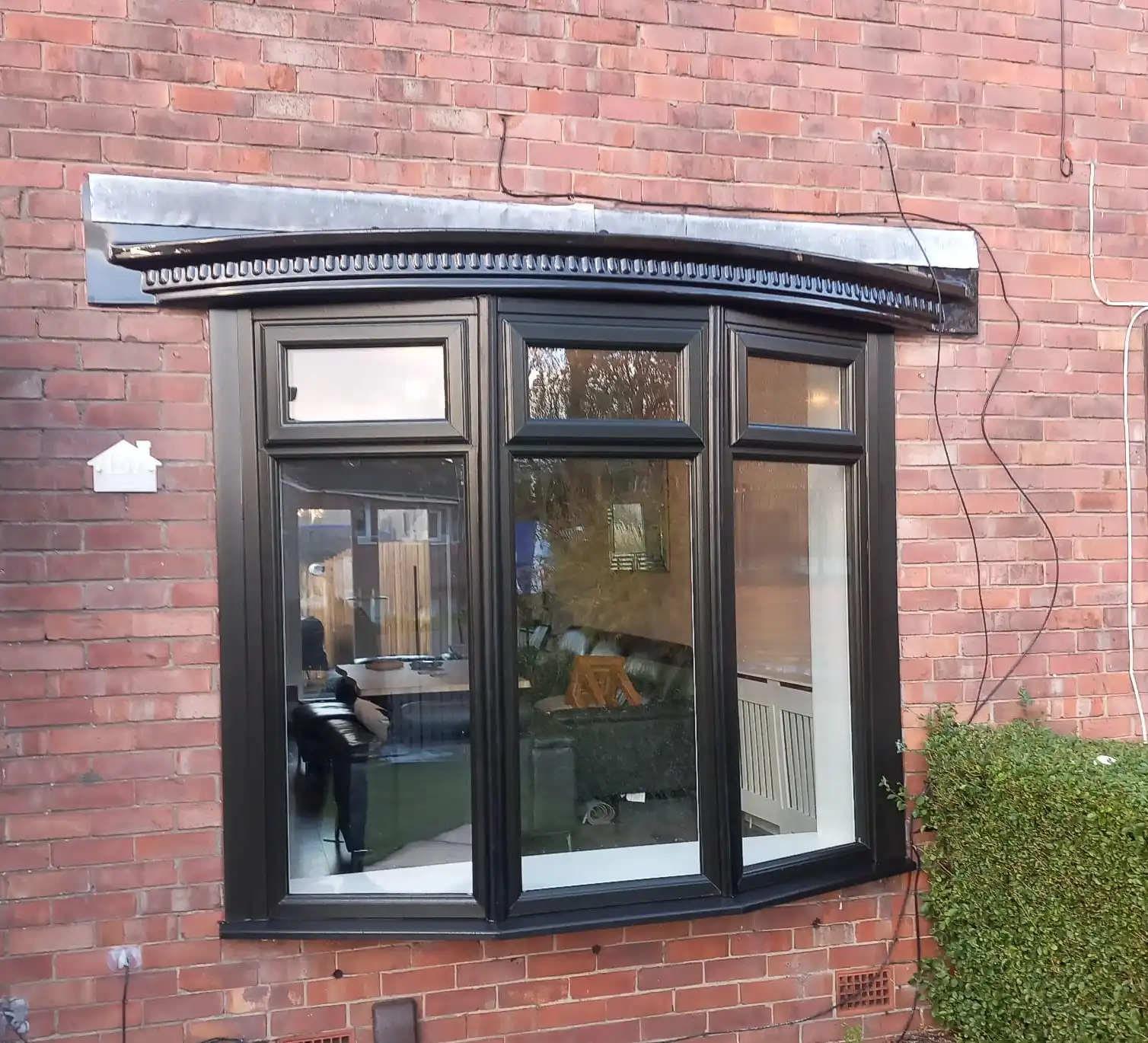
Comparing Anthracite Grey UPVC Bay Windows with Alternative Materials
Choosing the right material means finding a balance between a lot of different performance factors, lifetime costs, and aesthetic needs. Knowing how anthracite grey UPVC bay windows stack up against other options helps procurement teams make smart choices that fit with the project's priorities.
UPVC versus Aluminum Bay Windows
Aluminum bay windows have cleaner lines and a modern look that goes well with simple architectural styles. But because aluminum conducts heat very well (about 160 W/mK), it can be hard to bridge thermal gaps. Even with thermal break technology, U-values for metal systems are usually 20–30% higher than those for similar UPVC systems.
Different markets have different price differences between materials, but aluminum usually costs more, especially for systems that have good thermal breaks and powder coating in custom colors. Because UPVC is made of cheaper materials and doesn't need as many thermal upgrades, it can save you 30 to 40 percent of the cost of similar thermal performance.
Different things need different amounts of maintenance. Aluminum oxidizes and needs to be cleaned with special products every so often to keep its look. Through-color or laminated UPVC finishes don't rust and only need light soaps for regular cleaning. Over a 25-year service life, UPVC saves a lot of money on maintenance costs.
UPVC versus Traditional Timber Bay Windows
Timber bay windows have a genuine look from the time period that is valued in historical preservation and traditional building settings. But wood needs a lot of care, like painting or treating it again every 3–7 years, based on how much it's used and the quality of the finish. This ongoing maintenance has a big lifetime cost that needs to be taken into account in buying analyses.
Timber's thermal performance changes a lot depending on the species, the amount of moisture in the wood, and how well it was built. Timber windows that are well-built can have thermal performance that is similar to UPVC windows, but they are hard to keep consistent, especially when the bays are shaped in a way that requires a lot of frame joints and connections.
With woodgrain embossing or other specialized finishes, anthracite grey UPVC bay windows can look like wood but require less upkeep. Because of this, they are especially good for commercial residential developments where property management companies want to keep costs as low as possible by taking care of maintenance.
Environmental Considerations and Recyclability
As sustainability certifications become more popular and building codes include embodied carbon requirements, the impact on the environment becomes a bigger factor in purchasing decisions. UPVC profiles can be recycled up to ten times without losing much of their performance, but the infrastructure for recycling varies from region to region.
It still takes less energy to make UPVC than metal, but more energy to make wood. Lifecycle analysis, which looks at things like maintenance, replacement frequency, and operational energy consumption, however, generally favors UPVC because it lasts longer and needs less maintenance.
If procurement teams want to get green building certifications, they should make sure that makers only use new UPVC from reliable sources with environmental management systems. Environmental product statements from good providers list where the materials come from, how production affects the environment, and how the product will be used at the end of its life.
Maintenance Tips to Sustain Energy Efficiency Over Time
Consistent maintenance keeps the window's good looks and energy efficiency for as long as it lasts. Unlike wooden systems that need a lot of maintenance, anthracite grey UPVC bay windows only need simple care instructions that are easy for building managers to follow.
Cleaning Procedures That Protect Thermal Performance
Regular cleaning keeps dirt from building up, which can weaken seals and trap water. To clean UPVC surfaces, use light soaps and soft cloths or sponges that won't scratch. Harsh chemical cleaners with solvents can damage foil laminates or change the color of the surface, especially on anthracite grey finishes where keeping the color the same is important for looks.
Thoroughly clean weather seals by removing any dirt from the holes that could stop them from compressing properly. Silicone-based lubricants that are applied lightly to seals keep their ability to bend and compress, which keeps heat shields in place. Stay away from products made from petroleum, as they can break down EPDM rubber seals over time.
To protect Low-E coats, cleaning glass needs to be done in the right way. Avoid using rough materials that can scratch coats or glass surfaces and instead use glass cleaners and microfibre cloths that don't contain ammonia. When Low-E surfaces get damaged, they lose their ability to reflect heat, which makes windows less energy efficient overall.
Weatherproofing Inspections and Seal Maintenance
Once a year, the seal should be checked for damage like compression set, cracks, or separation from the frame profiles. Finding a worn-out seal early on lets it be replaced before air leaks make the energy performance worse. Replacement seals that are of good quality and match the original specs are needed to keep the system working properly. These seals should be bought from the manufacturer or an authorized dealer.
Drainage channels in bay window frame systems need to be cleared out every so often to keep water from building up. Water can get into buildings when drainage is blocked, which can damage those buildings and make thermal insulation less effective. A quick check and cleaning of the drainage slots doesn't take much time but can save a lot of money in repairs.
Hardware parts like hinges, locking mechanisms, and opening restrictors should be oiled and adjusted on a regular basis to keep them working right. If you keep your gear in good shape, the seal will always shrink when the windows close, which directly affects how well the windows seal and how much energy they use.
Long-Term Monitoring of Performance
Building management systems can keep track of patterns in energy use and spot performance drops that could mean there are problems with the window system. Once every 5 to 10 years, thermal imaging scans find air leaks or poor shielding before they become big problems. These proactive steps make the most of energy efficiency and increase the life of the system.
Manufacturers of good products usually back up their work with performance guarantees that cover color stability for 10 years and material consistency for 25 to 30 years. Keeping purchase records and test papers helps with guarantee claims and gives you information you can use when deciding what upgrades to make in the future.
Conclusion
When made to high standards and fitted by a professional, anthracite grey UPVC bay windows provide strong energy efficiency. When you combine UPVC's natural thermal resistance with a multi-chamber profile design, advanced glazing systems, and precise sealing, you get window assemblies that can meet strict energy codes and look great in high-end markets. When comparing materials, UPVC always comes out on top because it has the best mix of thermal performance, durability, ease of upkeep, and lifetime cost-effectiveness.
If these systems are installed correctly and maintained in a simple way, they will continue to use little energy for a long time, saving money on costs and making people more comfortable. When making a purchase decision, it's important to look at thermal test data that can be checked, manufacturer certifications, and full technical support that includes more than just providing the product. This support should also include installation instructions and the ability to make changes that are specific to the project.
FAQ
Can anthracite grey UPVC bay windows perform effectively in extreme climates?
When properly specified, anthracite grey UPVC bay windows can operate reliably in a variety of climates. UPVC is stable from -40°C to +80°C, so it can be used in both very cold and very hot conditions. In hot places where darker colors soak up more sunlight, steel reinforcement inside profiles stops problems with thermal expansion. Triple glazing works best in cold places that need extra protection, while sun control glass helps warmer places keep heat in. Matching glazing specs and profile thermal breaks to the needs of a certain climate is more important than color choice when it comes to application.
What service life can commercial buyers expect from these window systems?
Quality UPVC bay window systems usually last between 25 and 35 years with little care, but this depends on how they are used and how often they are maintained. Foil laminates on quality anthracite grey finishes come with 10-year colorfastness guarantees from reputable makers, while the UPVC profiles themselves are resistant to degradation.
Glazing units may need to be replaced every 15 to 25 years because the seals naturally wear down over time. Hardware parts can be fixed or changed as needed without affecting the structure of the frame as a whole. The right specifications and skilled construction have a big effect on how long something lasts, so choosing the right supplier is just as important as choosing the right materials.
How significantly can these windows reduce commercial energy costs?
How much energy costs can go down relies on the starting point and temperature zone. When projects replace single-glazed windows or aluminum systems that don't work well with high-performance UPVC bay windows, heating and cooling costs usually go down by 25 to 40 percent. Larger glass areas in bay setups mean that changes save a lot of money.
During the design phase of a project, thermal modeling makes accurate predictions based on the orientation of the building, the ratio of windows to walls, and the cost of energy in the area. Case studies from similar climate zones and building types can be used to get a good idea of how much a purchase will cost and how much it will earn back.
Partner with Haolv Building Materials for Your Anthracite Grey UPVC Bay Window Projects
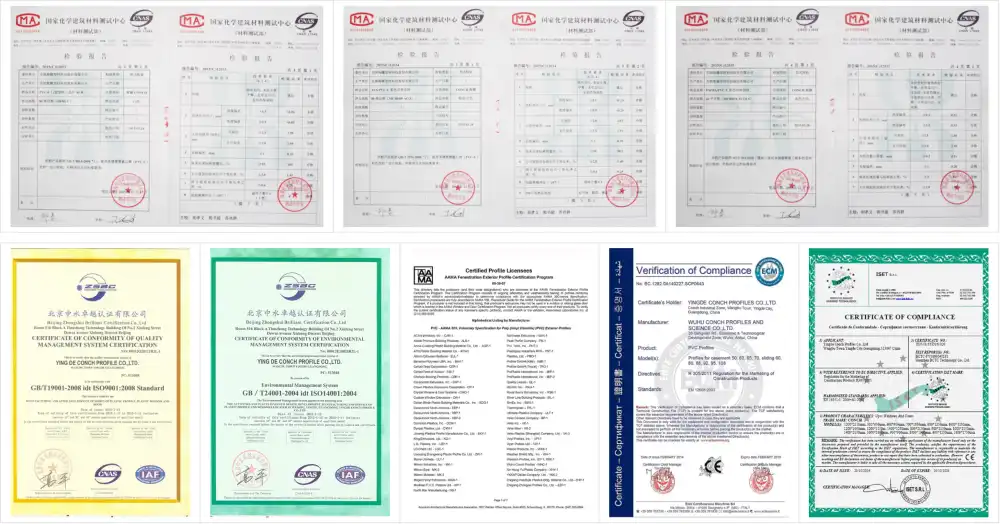
Hunan Haolv Building Materials Co., Ltd. has been making high-end windows for homes and businesses for 19 years. Their work is known for being precise, consistent, and technically excellent. With U-values of less than 1.4 W/m²K and sound reductions of 30 to 45 dB, our anthracite grey UPVC bay window systems achieve RAL 7016 color accuracy. We keep our ISO, CE, and AAMA certifications up to date to make sure that every unit meets the highest quality standards around the world.
Custom bay angles (90°, 135°, or fully custom configurations) and dual-color co-extrusion processes with outer anthracite grey and inner white finishes are just a few of the customization options available. Accurate manufacturing guarantees a perfect fit for architectural openings that are round, arched, polygonal, or not quite right. Our strategic relationship with CONCH guarantees a steady supply of fresh UPVC, and our streamlined production process gets orders finished in 25 to 30 days.
We help procurement teams by providing detailed technical parameter sheets, installation instructions in multiple languages, and in-depth video tips that show how to properly fit products. When compared to fully completed units, our knock-down shipping choices save about 30% on logistics costs. Installation efficiency is kept high through precise pre-fabrication. Full OEM/ODM support includes unique branding, special packing, and color tools that are only used for large orders.
Email kristin@haolvwindows.com to talk to our technical team about the needs of your project. For providers of anthracite grey UPVC bay windows in the European, Australian, and North American markets, we offer personalized quotes, sample shipments, and application-specific solutions. Go to haolvbuilding.com to see all of our products and find detailed information that will help you make choices about what to buy.
References
1. Anderson, M. & Thompson, R. (2021). Thermal Performance of Multi-Chamber UPVC Window Profiles in Contemporary Construction. Journal of Building Physics, 45(3), 287-312.
2. European Window and Door Association. (2022). Color Trends and Material Specifications in Premium Residential Fenestration: 2018-2022 Market Analysis. Brussels: EWDA Publications.
3. Harrison, P., Chen, L., & Williams, K. (2020). Comparative Lifecycle Assessment of Window Frame Materials: UPVC, Aluminum, and Timber Systems. Building and Environment, 168, 106-121.
4. International Organization for Standardization. (2019). ISO 10140-2: Acoustics — Laboratory Measurement of Sound Insulation of Building Elements. Geneva: ISO Standards.
5. Roberts, D. & Singh, A. (2023). Energy Efficiency in Bay Window Design: Material Selection and Installation Best Practices for Commercial Applications. Construction Technology Review, 12(1), 45-67.
6. Wilson, T., Martinez, J., & O'Brien, S. (2022). Long-Term Durability and Color Stability of Foil-Laminated UPVC Window Profiles in Variable Climate Conditions. Materials Science in Construction, 38(4), 512-534.
Fast simple channel to send demands lock favorable price for building window door bulk purchases.