- English
- French
- German
- Portuguese
- Spanish
- Russian
- Japanese
- Korean
- Arabic
- Greek
- German
- Turkish
- Italian
- Danish
- Romanian
- Indonesian
- Czech
- Afrikaans
- Swedish
- Polish
- Basque
- Catalan
- Esperanto
- Hindi
- Lao
- Albanian
- Amharic
- Armenian
- Azerbaijani
- Belarusian
- Bengali
- Bosnian
- Bulgarian
- Cebuano
- Chichewa
- Corsican
- Croatian
- Dutch
- Estonian
- Filipino
- Finnish
- Frisian
- Galician
- Georgian
- Gujarati
- Haitian
- Hausa
- Hawaiian
- Hebrew
- Hmong
- Hungarian
- Icelandic
- Igbo
- Javanese
- Kannada
- Kazakh
- Khmer
- Kurdish
- Kyrgyz
- Latin
- Latvian
- Lithuanian
- Luxembou..
- Macedonian
- Malagasy
- Malay
- Malayalam
- Maltese
- Maori
- Marathi
- Mongolian
- Burmese
- Nepali
- Norwegian
- Pashto
- Persian
- Punjabi
- Serbian
- Sesotho
- Sinhala
- Slovak
- Slovenian
- Somali
- Samoan
- Scots Gaelic
- Shona
- Sindhi
- Sundanese
- Swahili
- Tajik
- Tamil
- Telugu
- Thai
- Ukrainian
- Urdu
- Uzbek
- Vietnamese
- Welsh
- Xhosa
- Yiddish
- Yoruba
- Zulu
Bi-Fold Doors vs Sliding Doors: Trade Insights That Matter
Contractors and developers have to make a tough choice between bi-fold and sliding door systems when planning large-scale projects. The Multi-Panel Folding Door is a well-thought-out solution that gets around some of the problems with regular sliding systems. For example, it can open up to 90% of an opening, while regular slides can only do 50%. Knowing the changes between these systems in terms of structure, temperature, and how they work has a direct effect on project costs, installation times, and how well the building works in the long run. This study looks at the trade issues that procurement managers care about the most when they are choosing door systems for businesses, high-end homes, and public buildings.
Understanding the Basics of Bi-Fold and Sliding Doors
Operating Mechanisms and Core Design Principles
The simple horizontal track system that slides doors works by moving panels in a straight line along the wall. Usually, this style has two to three panels, with at least one solid panel that stays in place. When the hole is fully opened, only half of it can be seen, which shows that the action is limited.
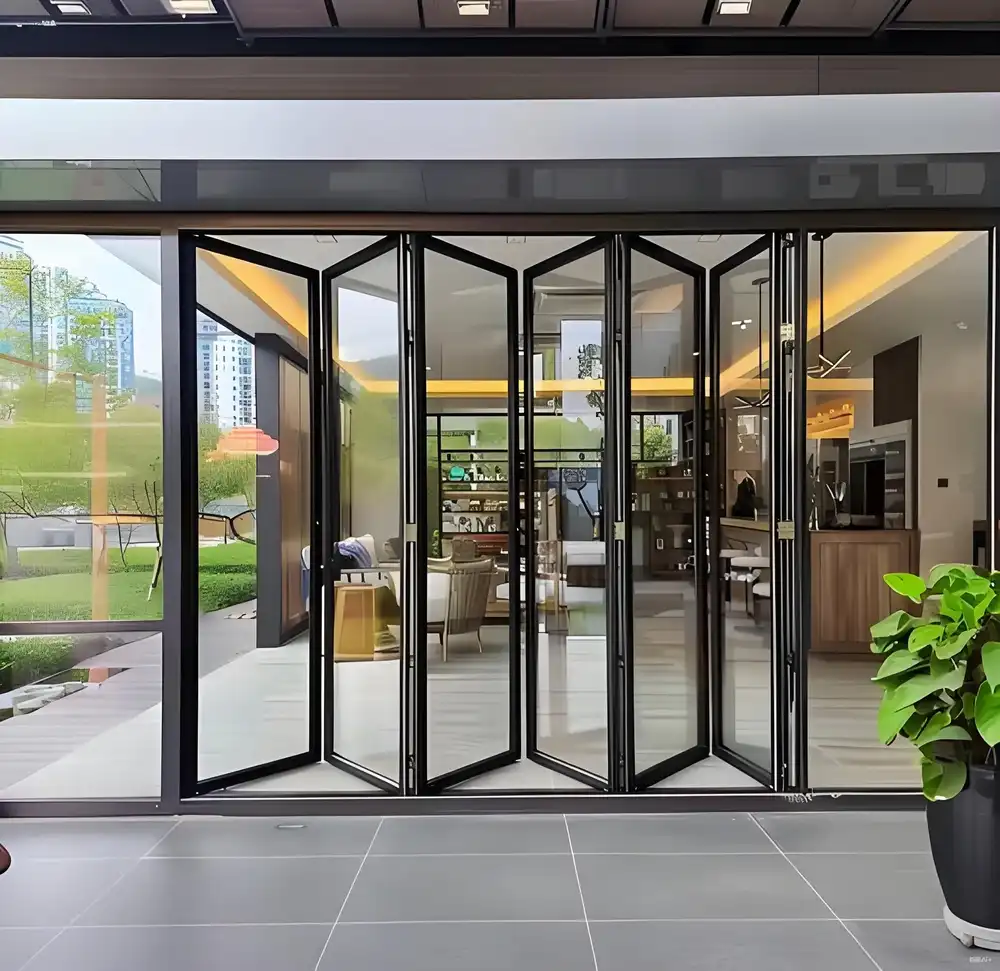
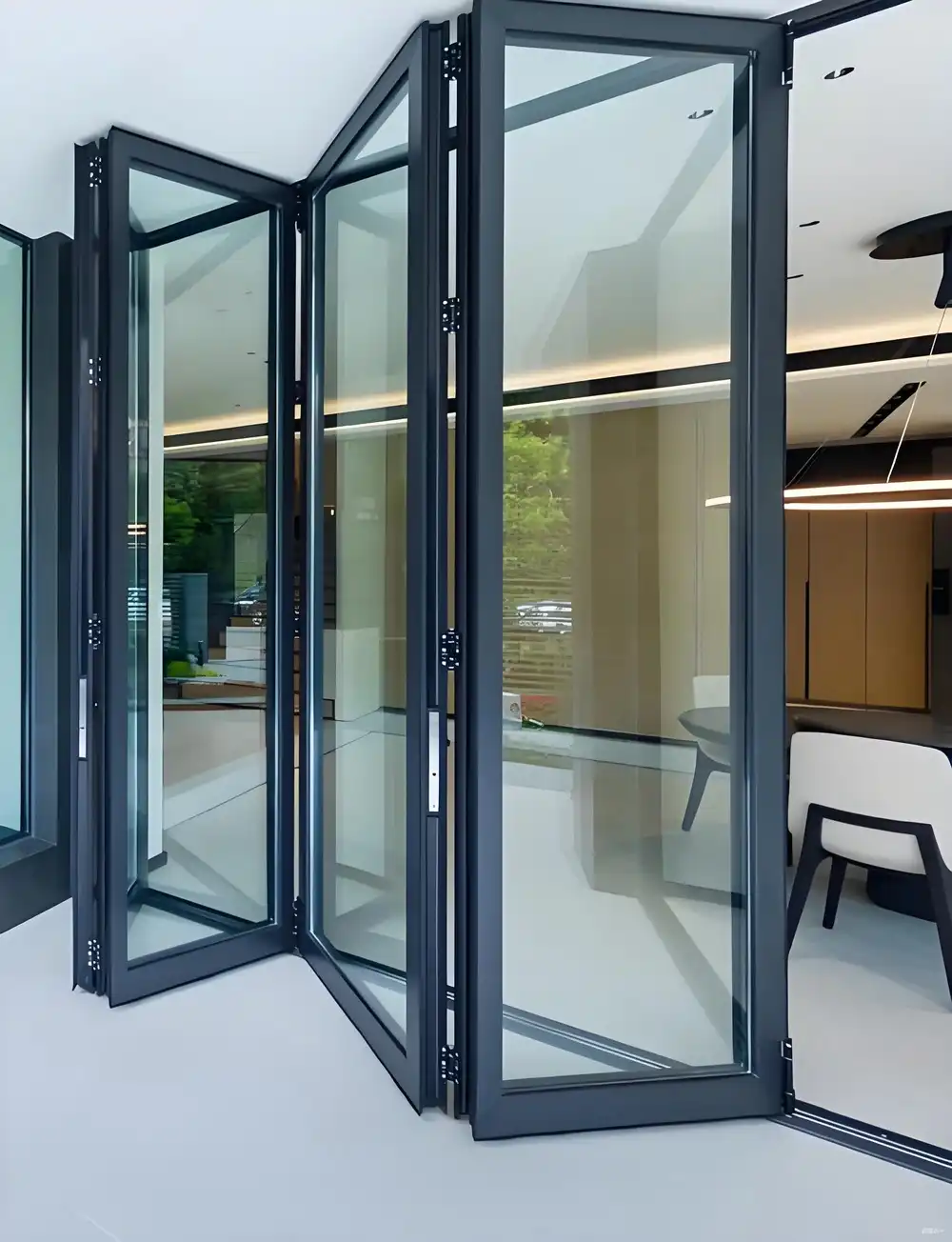
Bi-fold systems, which are also called multi-panel folding designs, use panels that are fixed and fold along a track like an accordion. The panels fit tightly against one or both sides of the opening, making the span clear for almost the whole thing. This basic difference in physics leads to big differences in how room is planned, how loads are distributed in structures, and what hardware is needed. Knowing these differences in how things work helps expert teams figure out which system best fits the design goals and functional needs.
Material Considerations Across System Types
Aluminum, uPVC, wood, and hybrid materials are used in both types of doors, but the performance of these materials changes a lot depending on the purpose. Aluminum is the most common material used in industrial applications because it is strong for its weight and can hold bigger glass panels without having a frame that is too deep. The 6063-T5 aluminum material that is often used in folding systems gives the structure the strength it needs to hold panels that weigh 120–150 kg each while keeping the sightlines small.
Metal frames have a problem with heat movement that can be fixed by using thickened aluminum shapes with built-in thermal breaks. Polyamide thermal breaks separate the profile physically, which lowers U-factors by a large amount compared to systems that aren't thermally broken. This engineering detail is especially important for projects that want to get LEED approval or follow strict energy rules in colder areas.
Defining Multi-Panel Folding Door Systems
A Multi-Panel Folding Door system is made up of four to ten panels that are linked to each other and hang from a heavy-duty track system at the top. Commercial-grade folding systems are made with industrial-grade springs and stainless steel wheels that are designed to last more than 50,000 operations. This is in contrast to smaller domestic bi-folds. The strengthened metal shapes cover big openings—sometimes more than 40 feet—without any mullions in the middle. This lets the most natural light and views through.
The low-threshold design meets accessibility standards and keeps the structure weathertight with EPDM sealing systems and special drainage lines. When ADA rules and longevity standards come together in healthcare and leisure projects, this design factor becomes very important. Customizing the panel count lets builders perfectly fit systems to opening sizes, without the odd look of panels with different widths that often comes with stock setups.
Comparative Analysis: Bi-Fold Doors vs Sliding Doors
Space Utilization and Design Flexibility
Sliding systems need specific wall space next to panel storage holes. For moving panels to fit through a 20-foot hole, there needs to be an extra 10 feet of clear wall space. This makes it harder to place furniture and takes up more useful floor space. This physical cost gets worse when structures that are already there make it harder to change the layout.
When fully opened, folding systems usually take up less than 18 inches of wall space because they stack panels in a small space. This use of space is useful in business stores where making the best transitions between indoor and outdoor eating areas has a direct effect on income per square foot. Being able to fold panels to one side or split the stack between both sides gives operators more options for managing traffic during rush hours.
Energy Performance and Thermal Efficiency
The thermal performance of big spaces with glass varies a lot on the type of glass used and how the frame is built. With Low-E coatings and triple-glazed insulated glass units, U-factors can reach around 0.30. However, the effect is lessened if the frame system doesn't have good thermal bridging control. When folding door systems use PA66 nylon thermal breaks along with EPDM and brush seal combinations, they keep air out much better than slide systems that only use compression gaskets.
When tested according to ASTM E283 guidelines for air entry, performance changes when wind speeds are higher. In folding systems, the multi-point locking devices squeeze the weatherstripping evenly across the whole height of the panel, making a continuous seal. When there is a lot of wind blowing at once, edge seals on sliding systems can let more air in. This is especially true as hardware adjustment tolerances get looser over time.
Acoustic Insulation Characteristics
When properly set up, folding systems with sound transmission class rates between 35 and 50 dB can be used in mixed-use projects where apartments are above shops on the street. To get better STC ratings, you need to pay attention to the glass thickness (at least 24 mm IGU), choose the right gaskets, and make sure there are no air gaps at the joints of the panels. Laminated glass layers add weight without making the frame bigger, which gives you more options for how to build the soundproofing.
Most of the time, sliding systems get lower STC ratings because they need more practical openings to make panel movement smooth. There is a space between the solid frame and the moving panels that lets sound flanking happen. Gaskets can't fully stop this. When sound separation is very important, like in meeting rooms next to busy hallways, folding systems with better sealing features are usually chosen over sliding configurations.
Security Features and Access Control
When folding door hardware has multi-point locking systems built in, they connect at three to five places along the height of the panel. This spreads out the force loads and makes it harder to pry open than single-point locks. Anti-lift devices stop panels from being taken off of tracks, which fixes a flaw in the way some slide systems are made. These security improvements meet the needs of business property insurance and give high-value sites peace of mind.
Different methods have different ways of integrating electronic access. When a building's management system tells motorized folding doors when to open and close, it can also watch them from afar, which is useful for places that need to record who comes in and out after hours. The complicated gear needs more upkeep, but it has practical benefits that make the investment worth it for business and governmental uses.
Durability Considerations and Maintenance Requirements
Cycle life testing gives us a way to compare systems in a fair way. Commercial-grade folding gear is put through 20,000 to 50,000 cycles of use before it breaks. This tells us how often to change the rollers and fix the hinges. In high-traffic areas, sliding systems with less durable gear may wear out faster, especially if they are subject to wind-driven rain that brings dirt into the track sections.
Maintenance schedules for different devices are very different. Cleaning the tracks of sliding doors on a daily basis is important to keep the rollers from getting stuck. For folding systems, upkeep includes lubricating the hinge pivot points and checking the weatherstripping. Durability of the surface finish affects how it looks over time. Powder coating and PVDF finishes that meet AAMA 2605 standards don't break down in UV light and keep their color over decades of contact. Upgrades to gear made of stainless steel that doesn't rust in salt spray settings are good for projects near the coast.
Disclaimer: Actual performance parameters should be verified through product testing reports and third-party certifications specific to your project requirements.
Installation Complexity and Project Timelines
It's easy to install a sliding door—just level the track, hang the panels, and set the rollers. This ease of use cuts down on worker costs and speeds up project plans. When installing folding systems, you need to be more precise. The tracks need to be lined up perfectly, and the panels need to be adjusted carefully so that the system works smoothly throughout the whole opening cycle. Compared to slide systems of the same size, the extra time needed to install these systems usually adds 20–30% to the cost of work.
The standards for structural planning are also different. Folding systems put most of the weight at the points where the tracks are attached, so for big setups, they need strengthened frames that can hold more than 1,500 pounds of weight spread out evenly. Sliding systems spread the weight more widely, but the barrier needs to be built strongly so it doesn't bend when the panels are moved over and over again. Figuring out these structure needs during the planning phase keeps you from having to make expensive changes in the field.
Procurement Insights: Choosing the Right Door for Your Project
Identifying Project-Specific Requirements
Setting speed goals for a Multi-Panel Folding Door makes it clear which type of system works best for the project. Coastal homes put a high value on gear that doesn't rust or break when hit by wind. Urban mixed-use projects put a lot of emphasis on security and noise separation. Extreme temperature changes in some climate zones mean that thermal breaks and high-performance windows are needed to improve thermal performance. By making a weighted criteria grid, buying managers can compare seller offers in a more objective way, instead of automatically choosing the cheapest option that might not work as well.
When doing an environmental exposure study, you should look at wind pressure zones that meet ASCE 7 standards, the amount of rain that is predicted, and the directions of UV exposure. When they work in covered areas versus open plazas, door systems have different problems to deal with. By matching system specs to the conditions at the spot, you can keep the system from breaking down early and lower its total costs.
Evaluating Supplier Capabilities and Support
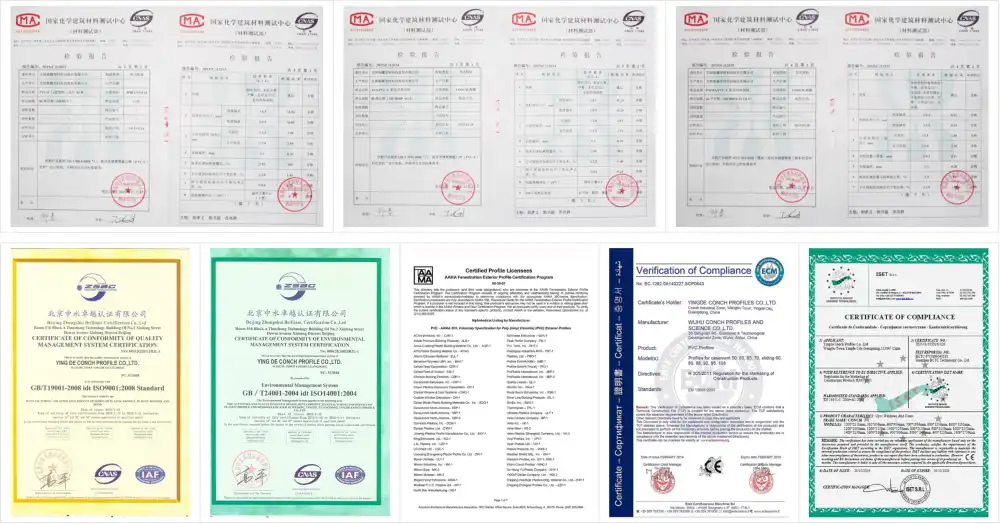
In addition to looking at product listings, vendors are also judged on their ability to make things, their quality control systems, and their technical support infrastructure. Suppliers with ISO-certified buildings and testing tools on-site show that they are dedicated to quality control. Being able to change the layout of panels and add project-specific hardware shows a high level of engineering that comes in handy when dealing with unusual opening conditions.
When buying things from other countries, export knowledge is very important. The approval process goes more quickly when suppliers know the building rules and license standards of the target country. References from finished projects in similar areas can help you figure out how reliable the delivery is and how quickly the company can respond to problems in the field. Before placing big orders, buying teams can be sure that the quality of the goods being made by asking for plant checks or inspection reports from a third party.
Cost Dynamics and Negotiation Strategies
Material costs for metal folding systems are usually 40–60% higher than for similar slide systems. This is because the hardware is more complicated and the structural shapes are stronger. When comparing systems with similar thermal and sound performance, this extra becomes smaller. This is because getting better scores in slide systems means spending more money on materials. A 20-year service life should be taken into account in a lifecycle cost study, along with estimated repair times and energy saves.
Different providers set different levels at which volume price is possible. Container-load numbers often lead to savings of 15–20%, and promises to work on more than one project can lead to better prices and fixed production schedules. Negotiating payment terms should strike a balance between managing cash flow and reducing source risk. Payments based on milestones like sending and finishing production protect both parties and keep the project moving forward.
Certification Requirements and Compliance Verification
U.S. projects need to make sure they meet the standards that apply, such as AAMA/WDMA/CSA 101/I.S.2/A440 for performance ratings, NFRC for energy ratings, and any local changes to the International Building Code. The CE mark means that the product meets European standards, but it doesn't mean that it meets U.S. standards immediately. Asking for copies of test results from approved labs gives you the proof you need for checks and permit applications.
Impact resistance testing must be done according to TAS 201/202/203 standards for hurricane-rated uses in coastal areas. These specific tests make sure that systems can survive hits from wind-borne debris without breaking. This is a very important safety condition in storm zones with high winds. Making sure that planned systems have the right design pressure values stops having to make expensive changes to the specifications during the permit review process.
Installation, Maintenance, and Long-Term Performance Optimization
Best Practices for Seamless Installation
Accurate field measures and working together with the building trades are the first steps to a successful Multi-Panel Folding Door installation. The maximum displacement limits for header beams must take into account the door system's tolerances. Too much movement leads to binding and premature wear. For continuous drainage planes to stay in place and stop water from getting in, door fitters and envelope experts need to work together to waterproof the entryway.
Working with factory-trained workers cuts down on problems during setup and makes sure that the guarantee is valid. Many makers need a qualified operator to keep the guarantee valid. This is especially true for complicated folding systems that won't work as well in the long run if they aren't properly adjusted. Setting up the work for a time when the weather is good saves the materials and gives the sealant time to cure properly.
Routine Maintenance Protocols
Setting up routines for preventative maintenance increases the life of a system and keeps its working quality. Tracks are cleaned every three months to get rid of dirt that builds up and wears down rollers too quickly. Lubricating hinges and pivot points every six months with oils recommended by the makers keeps them from sticking and makes sure they work smoothly. Inspections of weatherstripping once a year find the tension set and allow replacement before leaks happen.
Making changes to hardware is the most usual upkeep task. Adjusting the roller height fixes any movement issues in the building and keeps the panels lined up correctly. Adjustments to the locking system make sure that multi-point locks work fully at all touch places. By keeping track of maintenance tasks, you can make service history records that can be used for insurance claims and to find problems that keep happening and need expert attention.
Performance Enhancement Opportunities
Retrofitting lets you improve speed without having to rebuild the whole system. Using Low-E glass instead of regular glass greatly improves energy efficiency while keeping the frame systems that are already in place. Adding automated workers makes things easier and lets you connect them to building control systems. Better weatherstripping updates make older systems that are having trouble keeping air out better.
Smart security integration turns door systems into active parts of managing a building. Integration of access control records entry events and lets you watch from afar. Automation systems that use sensors can shut down when it rains or when people leave or come back. These improvements make the system more useful and give practical data that helps building managers make decisions.
Decision-Making Framework for Procurement Managers
Establishing Screening Metrics
Objective evaluation criteria prevent subjective bias from skewing vendor selection. Weighting factors based on project goals, you get score systems that are more in line with what people really need. In a hotel project, noise reduction and ease of use might be very important. In an industrial building, on the other hand, sturdiness and safety are more important. Writing down the factors used to make the decision also makes it easier to explain the choice of source to people involved in the project.
Technical specs, costing, shipping times, guarantee terms, and the ability of the provider to provide help should all be part of scoring systems. Comparing things is more organized when you give number amounts to subjective factors like how quick a seller is. This organized method finds the seller that gives the best value overall, not just the lowest price at first.
Matching Systems to Use Cases
Commercial storefronts can benefit from moving systems that make the most of the opening width and make the shift from indoors to outdoors smooth. The working freedom allows for different uses throughout the day—closed in the morning for setup, partly open when the weather is nice, and fully open when a lot of people are eating. Openings that aren't blocked off improve the customer experience and help with business goals.
Conference centers and meeting rooms that can be split up use folding systems as dividers that can be moved around quickly to change the layout of the space. The structure stability and sound performance support this tough application where systems may run several times a day. Sliding systems don't have the ability to close quickly or shut well enough to divide room effectively.
More and more, high-end home projects call for folding systems to connect indoor and outdoor living and entertainment areas. The low level makes it easier for people with disabilities to reach, and the large glass walls frame views. Customization choices, such as powder-coated finishes that match building features, make it easy to fit door systems into larger design ideas.
Risk Mitigation Strategies
Some common mistakes people make when they are buying things are not being clear enough about the structure needs, missing the need for approval, and not checking the supplier's production capacity. When you require reviews of the submittals during the design phase, mistakes are found before production starts. Adding "just in case" time to project plans allows for possible shipping delays without putting important finish dates at risk.
Structures for payments should protect buying interests while also encouraging success. Withholding the final payment until installation and testing go smoothly keeps the provider involved until the project is finished. Performance bonds give buyers a way to get their money back if sellers don't follow through on their promises. This is especially important when buying things from other countries, where legal options can be complicated.
Conclusion
When deciding between Multi-Panel Folding Door and sliding door systems, you need to think about how well they work, how much they cost, and what your practical goals are. When you need the biggest opening possible and the best performance envelopes, folding versions are the best choice. They save more room, seal better, and give you more design options. Installing sliding systems is easy and doesn't cost much at first, so they're good for jobs that don't need a lot of performance. The success of procurement rests on matching the system's skills to the needs of the project. This can be done by carefully writing specifications, carefully screening suppliers, and using formal decision frameworks. Technical teams that get involved early in a project to clearly describe objectives and systematically analyze choices are good for the project.
FAQ
How do maintenance requirements differ between folding and sliding systems over a 10-year service life?
When compared to slide systems, folding systems need to have their hinges oiled and bolts adjusted more often. However, current industrial-grade parts make service times much shorter. Tracks in sliding systems need to be cleaned regularly so that debris doesn't build up and stop the rollers from working properly. When both systems use high-quality parts, the overall maintenance costs stay about the same. The key difference is the type of service tasks that need to be done, not the total amount of money spent on maintenance. Setting up regular preventative repair plans for both types of systems lowers their long-term service costs.
Can folding door systems achieve the same energy ratings as fixed windows?
Modern folding systems with thermal breaks, triple glass, and better weatherstripping are getting close to the thermal performance of good movable windows. To get U-factors below 0.30, you need to pay close attention to the glass specifications and the thermal bridges in the frame. The performance gap between fixed window systems and other types of insulation has shrunk a lot thanks to advances in engineering. When figuring out how well a building shell works, energy modeling should use real numbers that have been tried instead of guesses.
What structural considerations affect installation costs most significantly?
The main thing to think about when building something is how much weight a header beam can hold. Folding systems need strong structure parts that can safely carry loads that are spread out. When a building doesn't have a strong enough foundation, it needs extra steel or bonded beam improvements, which cost more. The strength of the threshold building also affects the cost of installation. For example, systems that need flat thresholds need special frame and drainage features that require more work than normal raised steps.
Partner with Haolv Building Materials for Your Multi-Panel Folding Door Requirements
Haolv Building Materials can help you with your door system buying problems because they have 18 years of experience in specialized making. Our heavy-duty folding systems can handle setups with anywhere from four to ten panels, and each panel can hold up to 150 kg. They were designed for industrial and large domestic uses. The strengthened metal shapes with built-in thermal breaks provide measured energy performance, and our EPDM and brush seal pairs provide weather protection that meets the standards for CE, ISO, and AAMA approval.
We keep enough supplies to support delivery times of 25 to 30 days from order confirmation to shipping. We also do full-process project follow-up to make sure specifications are met. Our customization services help buying teams match the system's features to the needs of the project, and our technical advice services help with starting situations that standard goods can't handle. We are a reliable Multi-Panel Folding Door maker that works with top material sources to give your projects the technical help and dependability they need. Email our team at kristin@haolvwindows.com to talk about your unique needs and ask for scientific information for your next proposal.
References
1. American Architectural Manufacturers Association. (2021). AAMA/WDMA/CSA 101/I.S.2/A440: North American Fenestration Standard/Specification for Windows, Doors, and Skylights. AAMA Publications.
2. Carmody, J., Selkowitz, S., & Heschong, L. (2023). Residential Windows: A Guide to New Technologies and Energy Performance (4th ed.). W.W. Norton & Company.
3. Lstiburek, J. (2022). Building Science Principles for Door and Window Systems in Commercial Construction. Building Science Press.
4. National Fenestration Rating Council. (2023). NFRC Technical Document 100: Procedure for Determining Fenestration Product U-factors. NFRC Publications.
5. Patterson, M.R. & Vaglio, J.A. (2024). Specifications for Commercial Building Envelopes: Materials, Installation, and Performance Testing. Construction Specifications Institute.
6. Straube, J. & Burnett, E. (2023). Building Science for Building Enclosures: Door and Window Performance in High-Performance Buildings. Building Science Press.
Fast simple channel to send demands lock favorable price for building window door bulk purchases.