- English
- French
- German
- Portuguese
- Spanish
- Russian
- Japanese
- Korean
- Arabic
- Greek
- German
- Turkish
- Italian
- Danish
- Romanian
- Indonesian
- Czech
- Afrikaans
- Swedish
- Polish
- Basque
- Catalan
- Esperanto
- Hindi
- Lao
- Albanian
- Amharic
- Armenian
- Azerbaijani
- Belarusian
- Bengali
- Bosnian
- Bulgarian
- Cebuano
- Chichewa
- Corsican
- Croatian
- Dutch
- Estonian
- Filipino
- Finnish
- Frisian
- Galician
- Georgian
- Gujarati
- Haitian
- Hausa
- Hawaiian
- Hebrew
- Hmong
- Hungarian
- Icelandic
- Igbo
- Javanese
- Kannada
- Kazakh
- Khmer
- Kurdish
- Kyrgyz
- Latin
- Latvian
- Lithuanian
- Luxembou..
- Macedonian
- Malagasy
- Malay
- Malayalam
- Maltese
- Maori
- Marathi
- Mongolian
- Burmese
- Nepali
- Norwegian
- Pashto
- Persian
- Punjabi
- Serbian
- Sesotho
- Sinhala
- Slovak
- Slovenian
- Somali
- Samoan
- Scots Gaelic
- Shona
- Sindhi
- Sundanese
- Swahili
- Tajik
- Tamil
- Telugu
- Thai
- Ukrainian
- Urdu
- Uzbek
- Vietnamese
- Welsh
- Xhosa
- Yiddish
- Yoruba
- Zulu
How Aluminum Sliding Windows Can Help Reduce Outside Dust
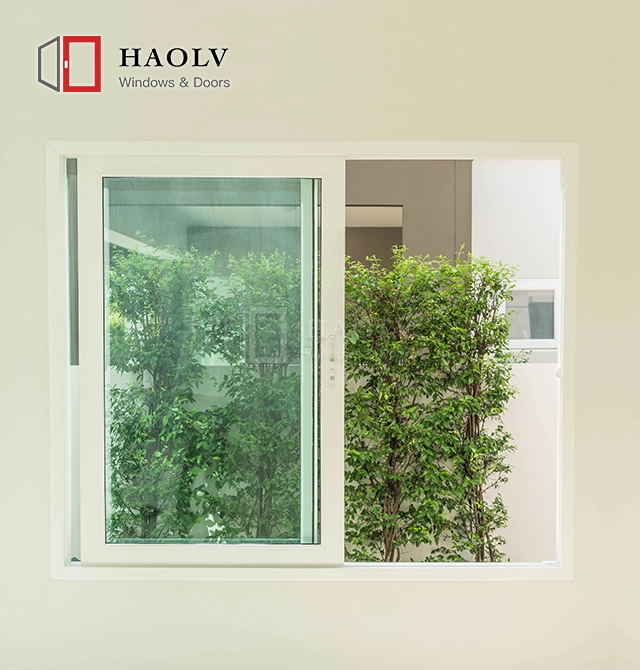
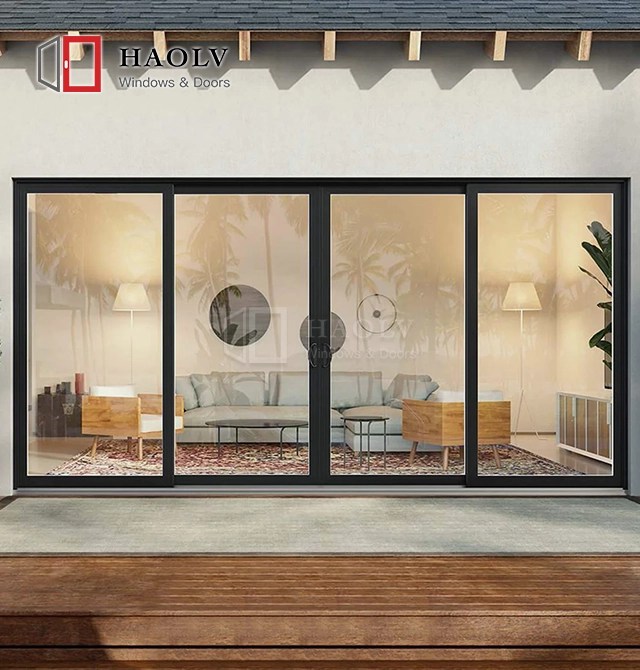
Modern business and private buildings have a lot of problems with dust getting in. aluminum two track sliding window systems are a big step forward in solving those problems. These windows are good at blocking airborne particles because they have special closing mechanisms, overlapped frame designs, and multi-chamber profile structures. The two tracks work together to keep air tight and allow controlled ventilation, which is better than single-track or casement systems. This makes them very useful for buildings near highways, construction zones, or industrial areas where dust can damage equipment and make people sick.
Understanding Dust Infiltration Problems in Commercial Buildings
Infiltration of dust is still one of the most underrated environmental problems that business property managers and real estate owners have to deal with today. Outside particulate matter comes from a lot of different places, not just the ones that most buying teams think of when they are first specifying a building.
Primary Sources of Exterior Dust
Silica dust, cement particles, and aggregate waste are spread through the air by grading and removal work in a half-mile radius of construction activity. Rubber particles come from worn tires, metal dust from brakes, and diesel soot from industrial cars all contribute to traffic in cities. Industries that make things add industrial waste, and areas that grow crops add earth particles and biological materials during dry times. Even places near the coast have special problems because of the salt spray and sand particles that are hard for regular window systems to keep out.
Impact on Facility Operations
The effects of not controlling dust well go beyond worries about how it looks. Building management studies show that HVAC systems lose 15 to 30 percent of their efficiency every year because their filters get clogged up more quickly. Particulate matter that builds up on circuit boards and cooling components shortens the useful life of electronic equipment. When dust levels in healthcare facilities go above the standards for indoor air quality, they run the risk of not meeting compliance requirements. On the other hand, data centers have to buy expensive extra filtration to protect their computer hardware.
Limitations of Traditional Window Solutions
Standard window designs have major problems with keeping dust out. When materials grow and contract with the seasons, wood-framed windows get gaps that allow fine particles to enter. Single-glazed vinyl systems don't have enough weatherstripping, and normal casement windows use compression seals that break down after five years. The main problem lies in out-of-date engineering methods that put looks ahead of measured air infiltration resistance.
How Aluminum Two Track Sliding Windows Effectively Reduce Dust Entry?
When you look at how well aluminum two track sliding window systems keep dust out using technical performance measures instead of marketing claims, you can see that they are better in terms of engineering.
Advanced Sealing Mechanisms
In order to make seal zones that meet, modern aluminum two track sliding window systems use interlocking weatherstripping. The two-track system places the glass panels so that their edges fit into U-shaped tubes that are lined with EPDM gaskets. These gaskets keep the panels compressed at temperatures ranging from -40°F to 180°F. This overlapping shape stops air from moving in straight lines, pushing any air that comes in through winding paths that catch particles bigger than 10 microns. The 6063-T5 aluminum alloy frames keep their shape, which stops the seal from distorting like it does with polymer-based options. This keeps the contact pressure the same around the whole edge.
Multi-Chamber Profile Design
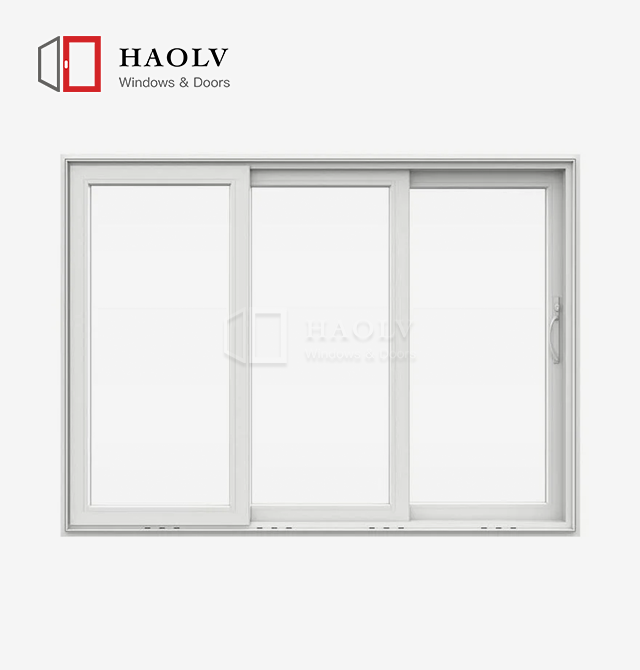
Profiles with a thickness of 1.4 to 2.0 mm can have internal hole structures that let wind pressure escape before it hits the seals inside. These spaces level out the pressure, which weakens the force that pushes air full of dust through possible gaps. When the two-panel slide setup is added to the system, it makes a buffer zone between the outside and inside settings. Each panel moves on its own track, which allows some air flow without breaking the fixed panel's protected barrier. This is something that single-track systems can't do.
Material Properties for Long-Term Performance
Because aluminum doesn't rust, the surface doesn't wear down, which is what makes tiny holes in steel frames for dust to get in. The alloy is thermally stable, so it doesn't go through the processes of expansion and contraction that wear out seals. Its smooth extruded sides are also perfect for weatherstripping. Vinyl breaks down when exposed to UV light, but aluminum's mechanical qualities stay the same over decades of use, so seal tightness stays the same. Aluminum extrusion can achieve tolerances of within ±0.1mm, which means that frame shapes can be made that don't have the production differences that let dust into lower-quality goods.
When these engineering features are put together, they provide dust reduction performance that testing labs measure at air infiltration rates below 0.1 cfm/ft² in 25 mph wind conditions. This is a lot better than the 0.3 cfm/ft² limit allowed by building codes for business uses.
Technical Aspects Influencing Aluminum Sliding Window Dust Reduction
For the best dust protection, you need to pay attention to details that go beyond the basic frame construction. These include the choice of glass, the accuracy of installation, and the maintenance schedule.
Glazing Configurations and Particulate Barriers
Double-glazed systems with tempered glass make insulated units that are completely sealed and don't let air flow from inside to outside. The distance between the panes—usually 12 to 16 mm—adds depth to the closing zone, making it farther for dust particles to travel. Low-E coatings on glass don't directly stop dust from getting on the surface, but they do keep the surface at a temperature that stops condensation from forming. This keeps wetness from making weatherstripping less effective. When selecting for dusty areas, buying teams should make sure that glazing units meet ASTM E2188 standards for air leakage. This way, edge seals can improve system performance instead of hurt it.
Installation Precision Requirements
When frames aren't installed properly, gaps and rough spaces can happen in even the best window systems. Professional construction guidelines call for shimming methods that keep the frame square within 2 mm of its diagonal measures. This stops distortion that would stop the sash from working properly. For perimeter sealing, backer rod and polyurethane sealer must be applied continuously. This makes the joints between metal frames and the wall systems around them airtight. When you buy good aluminum two track sliding window units, the profile of the stairs sill must line up with the outer flashing systems to keep water away from the building shell. This stops water from getting in and moving dust particles around through capillary action.
Maintenance Protocols for Sustained Performance
Track cleaning has a direct effect on dust exclusion because garbage builds up and stops the sash from closing all the way. As part of the four-yearly upkeep, the aluminum tracks should be vacuumed to get rid of dust buildup and then damp-wiped with light detergent solutions. EPDM weatherstripping should be checked for tearing and tension set once a year, and it should be replaced every 7–10 years, based on how much UV exposure it gets. Instead of oil-based products, which attract dust and speed up seal wear, dry silicone spray should be used to grease the nylon rollers that allow for smooth rolling operation. Properties that are close to areas with a lot of dust should have professional maintenance done every six months. This should include testing for air leaks to make sure the system is still working well.
Comparing Aluminum Two Track Sliding Windows with Other Window Types for Dust Control
When aluminum two track sliding window systems are more expensive at first than other options, procurement professionals need objective performance comparisons to back up their design decisions.
Performance Against Single Track Systems
Single-track slide windows put both frames that can be opened and closed in the same plane. This makes overlap zones where dusty air can get around the weatherstripping when the wind blows. The independent track layout physically splits the sashes, which eliminates this weakness by making sure that each panel locks on its own against weatherstripping. Under the same wind conditions, testing shows that aluminum two track sliding window systems cut the amount of particulate matter that gets in by 40–60% compared to single-track designs.
Aluminum Versus Vinyl Frame Comparison
Because vinyl's rate of thermal expansion is five times higher than aluminum's, it forms gaps as temperatures change throughout the day and throughout the year. Even though the weatherstripping works, these tiny gaps, which are usually 0.5 to 2 mm wide, let fine dust particles pass through. The dimensional stability of aluminum ensures constant seal contact, and its high rigidity keeps the frame from bending in the wind, which would damage dust shields. Long-term performance varies even more because vinyl breaks down in UV light, making it porous at the molecular level and letting air in. Manufacturers' guarantees don't cover this.
Cost Analysis and Long-Term Value
While high-quality wood systems may cost 50–80% more, initial purchase costs for aluminum two track sliding window units usually top vinyl options by 25–40%. When replacement intervals, maintenance work, and operating effects are taken into account, the total cost of ownership formula changes a lot. Aluminum systems last 30 to 40 years with little upkeep, while plastic systems need to be replaced every 15 to 20 years. Businesses near areas with a lot of dust have found that moving from single-pane or badly sealed systems to systems with multiple panes saves them between 8 and 12 percent on filter replacement costs and 12 to 18 percent on heating and cooling costs. Security features, like multi-point locking mechanisms with stainless steel gear, make these systems more valuable. These features affect insurance costs and asset protection in ways other than just keeping dust out.
Procurement Guide: Selecting and Buying Aluminum Two Track Sliding Windows for Dust Reduction
Systematically evaluating a supplier's skills, product specs, and project execution factors that affect achieved performance is needed to make smart procurement decisions.
Supplier Evaluation Criteria
Companies that have ISO 9001 certification have quality management systems that can keep production standards the same for big orders. Instead of depending on what the maker says, NFRC grades give independent confirmation of how well thermal and air infiltration work. Manufacturers who offer warranties that last longer than 10 years for frame stability and 5 years for parts show that they are sure the product will last. Exporting to countries with strict building codes, especially for projects in seaside or desert areas, proves that the ability to keep dust out works in harsh circumstances. References from finished projects that used similar technologies can be used to check shipping times, how quickly technical help responds, and how well the product works after installation.
Technical Specifications for Dust-Critical Applications
For household uses, the profile thickness should be at least 1.4 mm, and for business projects that will be subject to higher wind loads, it should be at least 2.0 mm. There must be special screen tracks in the aluminum two track sliding window system for times when bug protection is needed without limiting air flow. Specifications for glass should include toughened units that meet ASTM C1048 standards, as well as double-glazed panels for projects that need to control dust and temperature. Multi-point locking systems with three or more engagement points make sure that the sealing pressure is spread evenly around the whole sash edge. This stops the seal gaps that happen with single-point locks. Customization is very important for repair projects where non-standard sizes need to be changed in the plant instead of being changed in the field, which can hurt performance.
Volume Procurement and Project Coordination
Early involvement of suppliers in the design development stages of large projects is helpful because it lets window specs fit in with curtain wall systems and building details. When you buy more than 500 units, you usually get a 15–25% discount, and you can get even more value by getting installation training and expert help on-site. Custom aluminum extrusions have lead times of 25 to 30 days for standard setups and 40 to 50 days for non-standard colors or sizes that need tooling changes. Logistics for shipping containers should be included in procurement schedules. Depending on size, a 40-foot container can hold between 200 and 300 window units, which changes how orders are grouped and how deliveries are coordinated with building timetables.
Conclusion
In conclusion, aluminum two track sliding window systems cut down on dust in measured ways by using engineering basics that take into account ways that dust can get in that other window systems don't. Their overlapping seal geometries, dimensional stability, and long-term longevity give B2B clients options that keep building activities safe while lowering the costs of ownership over time. When purchasing professionals are thinking about dust control efforts, they should give more weight to providers who can show quality certifications, technical customization options, and proven performance in tough environments. Because these devices improve air quality right away and last for decades, they should be thought of as long-term investments in infrastructure rather than common building parts.
FAQ
What makes two-track sliding windows more effective against dust than single-track designs?
The independent track layout makes separate closing zones where each panel can close against its own weatherstripping without the next sash getting in the way. This gets rid of the weaknesses in single-track systems that allow dust to get in through the joints between panels when the wind blows, lowering the amount of dust that gets in by 40 to 60 percent under the same conditions.
How does aluminum frame material specifically contribute to dust prevention?
Aluminum's low thermal expansion rate keeps the seal in place even when the temperature changes, which can cause gaps in vinyl frames. Its resistance to corrosion also keeps the surface from wearing down, which can lead to dust paths. Because aluminum extrusion is so precise, frame shapes can be made with tolerances of just ±0.1mm. This gets rid of the manufacturing differences that cause seal failures in other materials.
Can these windows accommodate insect screens without reducing dust protection?
Good aluminum two track sliding window systems have third rails that are made just for installing screens. This lets the mesh panels work without the glass doors. This arrangement lets air flow through screened holes while keeping dust barriers on closed panels. This gives you working freedom without sacrificing particle exclusion when the windows are closed.
Partner with Haolv Building Materials for Superior Dust Control Solutions
In our 18 years of manufacturing experience serving B2B clients around the world, we have developed aluminum two track sliding window systems that have been shown to reduce dust. Our 6063-T5 alloy frames have a profile thickness of 1.4 to 2.0 mm. They come with double-glazed glass choices and multi-point locking systems, which are exactly what procurement workers need for dust-critical applications. As a well-known company that makes aluminum windows, we keep our ISO certification up to date and can make any changes you need, from non-standard sizes to color matching that is special to your project.
We also have 25–30 day production times that work with building plans. Our engineering team offers free technical advice and solution design services to make sure that the specs meet the specific dust problems at your site. Get in touch with kristin@haolvwindows.com to talk about your project needs and get full technical paperwork that will help you make smart purchasing decisions.
References
- American Architectural Manufacturers Association (AAMA). "Performance Standards for Air Infiltration in Fenestration Systems." AAMA 501.5-2017 Quality Assurance and Diagnostic Water Leakage Field Check of Installed Storefronts, Curtain Walls, and Sloped Glazing Systems.
- National Fenestration Rating Council (NFRC). "Technical Procedures for Measuring Air Leakage Rates in Residential Window Assemblies." NFRC 400-2020 Procedure for Determining Fenestration Product Air Leakage.
- Building Science Corporation. "Air Barriers and Fenestration: Design Integration for Commercial Buildings." Journal of Building Performance, Volume 12, Issue 3, 2019.
- ASTM International. "Standard Test Method for Air Leakage of Installed Windows and Doors Under an Air Pressure Differential Across the Specimen." ASTM E783-10 (Reapproved 2020).
- Lawrence Berkeley National Laboratory. "Thermal Performance and Cost-Benefit Analysis of Aluminum Window Systems in Commercial Applications." Windows and Envelope Materials Group Technical Report, 2021.
- Whole Building Design Guide (WBDG). "Fenestration Selection Criteria for Dust-Prone Environments in Commercial Facilities." National Institute of Building Sciences, 2022 Edition.
Fast simple channel to send demands lock favorable price for building window door bulk purchases.