- English
- French
- German
- Portuguese
- Spanish
- Russian
- Japanese
- Korean
- Arabic
- Greek
- German
- Turkish
- Italian
- Danish
- Romanian
- Indonesian
- Czech
- Afrikaans
- Swedish
- Polish
- Basque
- Catalan
- Esperanto
- Hindi
- Lao
- Albanian
- Amharic
- Armenian
- Azerbaijani
- Belarusian
- Bengali
- Bosnian
- Bulgarian
- Cebuano
- Chichewa
- Corsican
- Croatian
- Dutch
- Estonian
- Filipino
- Finnish
- Frisian
- Galician
- Georgian
- Gujarati
- Haitian
- Hausa
- Hawaiian
- Hebrew
- Hmong
- Hungarian
- Icelandic
- Igbo
- Javanese
- Kannada
- Kazakh
- Khmer
- Kurdish
- Kyrgyz
- Latin
- Latvian
- Lithuanian
- Luxembou..
- Macedonian
- Malagasy
- Malay
- Malayalam
- Maltese
- Maori
- Marathi
- Mongolian
- Burmese
- Nepali
- Norwegian
- Pashto
- Persian
- Punjabi
- Serbian
- Sesotho
- Sinhala
- Slovak
- Slovenian
- Somali
- Samoan
- Scots Gaelic
- Shona
- Sindhi
- Sundanese
- Swahili
- Tajik
- Tamil
- Telugu
- Thai
- Ukrainian
- Urdu
- Uzbek
- Vietnamese
- Welsh
- Xhosa
- Yiddish
- Yoruba
- Zulu
All You Need to Know About Aluminium Sliding Windows
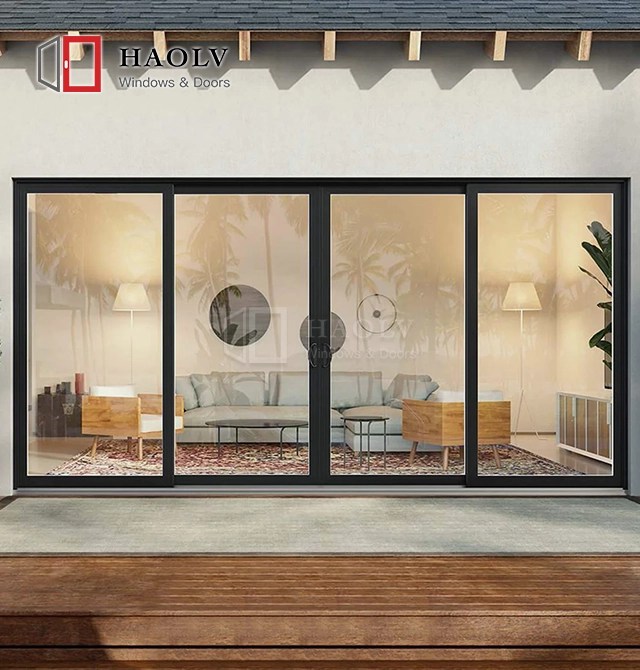
When looking at window choices for both business and private buildings, horizontal sliding aluminum windows are a tried-and-true engineering solution that offers both usefulness and architectural flexibility. The sashes in these systems move horizontally along precision-engineered tracks, so they don't take up as much space as outward-opening systems do. These windows are made from 6063-T5 aluminum alloy and have profile widths that range from 1.4 to 2.0 mm. They are structurally sound and have thin sightlines that make the most of the glass area. The sliding mechanism solves important problems in densely populated cities where limited space limits traditional window options. The material's natural resistance to corrosion and low maintenance needs make these systems especially cost-effective for large-scale installations in a range of climates.
Understanding Aluminium Sliding Windows: Features and Benefits
The basic structure of horizontal sliding aluminum windows is the result of many years of improving business window engineering. Unlike casement or awning configurations, horizontal sliding windows do not open outward, making them an ideal choice for spaces where exterior clearance is limited. They work well in a wide range of settings, from high-rises on the coast to business buildings that are located in more remote areas.
Core Design Elements and Configurations
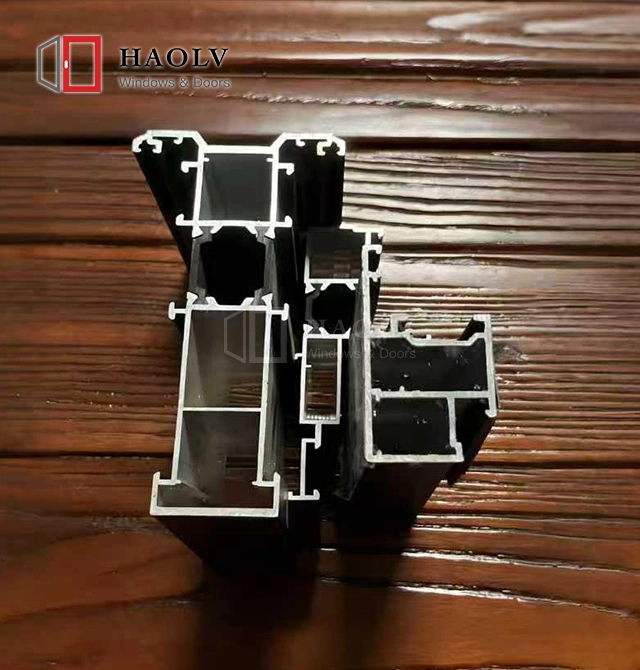
Modern sliding aluminum window systems are made up of many parts that are all linked to each other and work together to provide stable performance. Extruded 6063-T5 aluminum alloy is used to build the frame. This type of metal was picked because it is the best combination of strength and workability. This metal has higher tensile strength than regular aluminum types, so it can hold bigger glass panels without weakening the structure.
The functional base of these windows is the track system. One sash can slide on a single-track setup, while the other stays fixed. This creates what the industry calls an XO or OX arrangement, based on which panel works. Double-track designs let both sashes move separately, giving you the most options for airflow. One of the most common places for sliding window systems to fail is where water builds up, so the track lines are designed with drainage routes built in.
Material Advantages in Commercial Applications
The way aluminum performs helps builders and producers deal with certain problems that come up in different types of projects. The substance is very resistant to breaking down when it comes in contact with water. It can keep its shape in seaside areas where salt air speeds up the rusting of ferrous metals. Aluminum stays the same size in temperatures ranging from -40°F to 140°F, while wood frames bend when the humidity changes or vinyl frames break when it gets very cold.
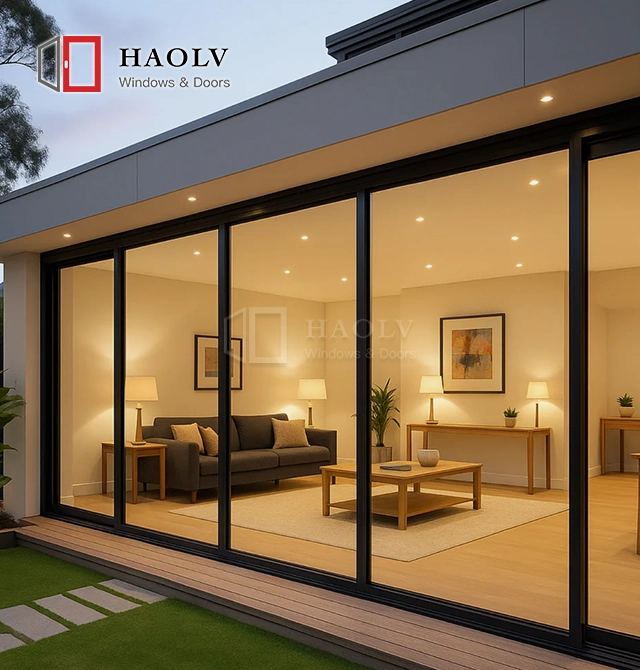
When procurement professionals look at aesthetic needs, they should pay extra attention to how aluminum frames can have thin profiles. Aluminum has a better strength-to-weight ratio than other building materials, so makers can make frames narrower while still keeping the structural performance. This technical advantage means that windows of the same size have 15 to 20 percent more glass area, which affects the amount of natural light that comes in and how well you can see the connection between inside and outside.
Thermal Performance and Energy Considerations
Thermal economy is one of the most important criteria for current building projects. Early aluminum window systems had problems with conducting heat too quickly. Newer designs use thermal break technology that places polyamide strips between the inside and outside of aluminum parts. This designed barrier blocks the conductive path, which slows heat transfer by 40–60% compared to frames that aren't thermally broken.
Choices in how the glass is arranged improve energy efficiency even more. Using a thermal break structure combined with double Low-E insulated glass, the overall window U-value can reach 0.35–0.45 W/(m²·K). The actual performance depends on whether a thermal break design is applied. This meets the strict energy code standards in northern temperature zones. When thermally improved frames are combined with high-performance glass, the demand for HVAC equipment goes down. This lowers running costs and improves the project's return on investment (ROI).
Acoustic Performance in Urban Environments
Controlling sound transfer is very important for business buildings near transportation routes or in crowded cities. Sound Transmission Class (STC) grades for aluminum sliding windows with laminated glass assemblies range from 32 to 38. This means that they effectively block out road noise and make the inside of the building more comfortable. By combining brush seals with EPDM gaskets, the sealing system reduces the number of ways air can get in and hurt the sound control, so the window will continue to work well for a long time.
Comparative Analysis: Choosing the Right Sliding Window Solution
Before a purchase choice can be made, all available window technologies must be carefully compared to specific performance standards and price limits for the project. This study looks at how horizontal sliding aluminum windows stack up against other options in the ways that engineering clients and procurement managers care about the most.
Performance Comparison Across Window Types
There is a certain performance area that horizontal sliding aluminum windows fill that makes them perfect for certain building projects. When compared to casement windows, which open outward, sliding windows don't get in the way of the outside view. This makes them perfect for setups near walks, buildings next door, or landscaping features. The sliding action also works consistently in places with a lot of wind, where outward-opening sashes can get too stressed out and break.
When compared to vertical sliding (double-hung) windows, horizontal sliding windows offer more clear views because the moving sash moves next to the fixed panel instead of in front of it. However, this difference in design works well in business settings that value wide views or visual marketing. The horizontal track system also lasts longer than gravity-driven vertical slide mechanisms, whose balance systems and pull mechanisms wear out faster.
Cost Analysis and Lifecycle Value
The initial costs of buying something are only one part of the total costs of owning. Prices for horizontal sliding aluminum windows are generally higher than those of vinyl windows of similar size and configuration. However, lifecycle considerations suggest that this upfront investment can be offset over time through reduced maintenance needs and a longer service life. Industry observations often indicate that aluminum windows tend to have greater durability and longevity when properly maintained, while vinyl and vertical sliding systems may have comparatively shorter lifespans depending on usage and environmental conditions. This can significantly influence how cost-per-year estimates are evaluated.
Aluminum's thin profile saves money in indirect ways by making the most of the glass area within normal rough opening dimensions. This efficiency cuts down on the need for structure changes during renovations and on material waste during new building. These are all things that affect project budgets in more ways than just the cost of the window units themselves.
Environmental Suitability and Code Compliance
When choosing a material, it's important to think about how the site's weather will affect how well the windows work and how long they last. Marine-grade surface treatments on aluminum sliding windows keep them from rusting in salty air, which makes them perfect for seaside homes. In places where temperatures change a lot from day to night, the material's ability to keep its shape is very important because it keeps things from sticking together and giving you problems that happen with materials that expand and contract more easily.
Building codes and licensing standards must be followed at all times during the buying process. American Architectural Manufacturers Association (AAMA) certifications show that high-quality aluminum sliding window systems work as expected under normal testing procedures. These certificates show that the structure works well, doesn't let water in, and keeps air from getting in. They help with design approval during the permitting process in many places.
Procurement Guide: Sourcing and Ordering Aluminium Sliding Windows
Strategic buying changes window selection from a one-time purchase to a relationship that helps the project succeed. Procurement professionals can find the best solutions that meet technical needs, meet delivery deadlines, and stay within budget by learning about sourcing methods, customization options, and how to evaluate suppliers using horizontal sliding aluminum windows as a primary specification.
Identifying Qualified Manufacturing Partners
There are both well-known worldwide brands and specific regional producers that make windows around the world. Companies like Andersen and Pella keep large distribution networks and standard product lines that work well for projects that need to make sure that spare parts are easy to find and the brand is well known. These companies usually work with dealer networks, which add a markup to the price of sales while also setting up local support systems.
Specialized makers have clear benefits for projects that need to be customized or that aim to achieve strong overall value. With fully integrated production facilities, automated assembly systems, precise CNC cutting tools, and complete extrusion lines, these manufacturers are often better positioned to maintain consistent quality and adapt to non-standard requirements. This level of integration can also help reduce the additional costs and longer lead times that are sometimes associated with custom orders through larger brand outlets.
Customization Capabilities and Technical Specifications
Standard product options don't always perfectly match project needs, so the ability to customize is a very important factor in choosing a seller. Full-service makers offer freedom across a wide range of specification measurements. The sizes can be changed to fit different building needs, from small 24-inch units to large 120-inch areas that support modern design styles. The frame depth and structural capacity depend on the series number you choose—60, 70, 80, or 90. Higher series numbers offer better performance for difficult tasks.
Surface treatment options go beyond just choosing a color. They include powder coating for long-lasting and consistent color, anodizing for better corrosion resistance, wood grain finishes that look like real materials, and PVDF coatings that are better at resisting weathering in harsh environments. You can choose from tempered safety glass, double-glazed insulation units, and laminated parts that are resistant to pressure and offer better security. Optional mosquito screens work perfectly with the slide mechanism, keeping bugs out without affecting the ability to let air flow.
Managing Wholesale Orders and Logistics
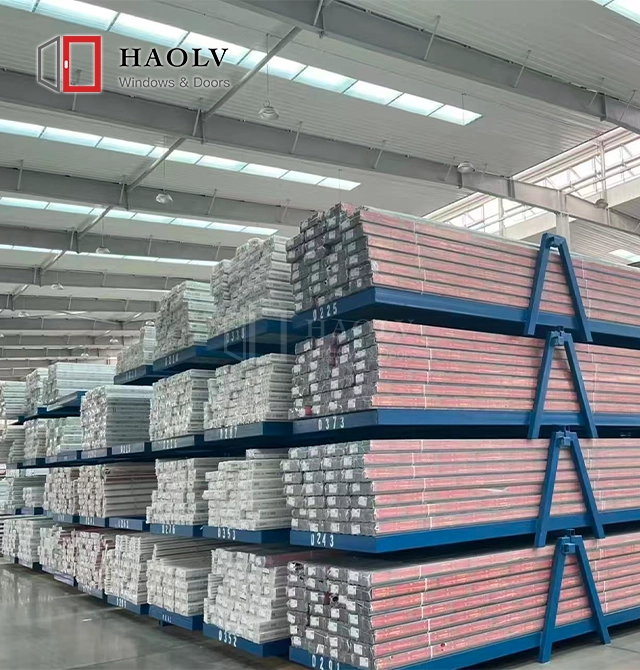
Managing orders, planning production, and making sure deliveries happen on a large scale all need to be managed. Expert makers keep enough raw materials on hand so that production can begin 25 to 30 days after an order is confirmed and ends with shipment. This is an important requirement for projects with tight deadlines for building. Knowing the wait times helps procurement managers set up orders in a way that supports just-in-time delivery. This reduces the need for on-site storage and keeps projects from being delayed, which costs a lot of money.
Another thing to think about when buying things internationally is how to optimize containers. Standard 20-foot and 40-foot containers can hold between 250 and 500 window units, based on their size and shape. Full-container loads that are guaranteed in volume get rid of less-than-container-load surcharges and lower per-unit shipping costs. This saves money that more than makes up for any price differences between local and foreign sourcing choices.
After-Sales Support and Service Infrastructure
The relationship with buying goes far beyond the release of the first product. Comprehensive providers offer technical advice services to help with developing specifications, free sample programs so that products can be seen and tested before full orders are placed, and engineering support during the installation phase. These services come in handy for projects involving design firms and curtain wall builders that need detailed shop drawings and the ability to work with building systems next to them.
When it comes to business projects, where window failures can cost a lot, warranty coverage and quick after-sales help lower the risk. Look for providers with clear warranty terms that cover material defects and mistakes in manufacturing, as well as easy-to-reach technical support lines that can answer questions about installation and deal with problems that come up in the field during large-scale rollouts.
Maintenance and Longevity of Aluminium Sliding Windows
Reliable performance over many decades is what horizontal sliding aluminum windows offer, but how long they last depends a lot on following the right care steps. Facility managers can keep assets' value while avoiding expensive emergency fixes by knowing what regular maintenance needs to be done and spotting early signs of possible problems.
Routine Maintenance Protocols
Regular cleaning is the most important part of keeping your windows in good shape. If you don't take care of it, the air layers, environmental pollutants, and biological growth that form on aluminum frames and glass panels make them look bad and stop working properly. Use pH-neutral cleansers mixed with water to clean frames. Do not use alkaline or acidic cleaners, as they can damage protective surface treatments. Soft brushes or microfiber cloths can remove layers without scratching finishes. Trained professionals can use pressure washers set below 1000 PSI to clean multi-story systems effectively.
Track lines need extra care during maintenance rounds. Building up debris in the tracks makes them less flexible during operation and speeds up the wear on the rollers. Use crevice tools to vacuum the tracks, and then wipe the channels clean with wet cloths to get rid of any leftover dust. This easy step, done every three months, stops 80% of practical complaints about slide actions that are too hard to use. Scheduled lubrication keeps things running smoothly and increases the life of gear. Every six months or so, use silicone-based oils on the roller sections and track surfaces instead of petroleum-based ones, which attract dirt and make movement harder over time. Graphite-based dry lubricants should be used on locking devices once a year.
Troubleshooting Common Issues
Even windows that are well taken care of sometimes have problems that need to be diagnosed and fixed. If it's hard to slide, it's probably because of track dirt or worn rollers. After cleaning the tracks well, test the operation. If the resistance stays, the rollers need to be replaced. Quality rollers have protected bearings that keep dirt out, but they wear out over time when they are used. Changing the rollers is a simple repair task that can be done by hand with simple tools in 15 to 20 minutes per window.
Weather seal deterioration happens when the weather seal breaks down and lets more air or water in during rain events. UV light and repeated compression cycles make EPDM gaskets and brush seals less flexible over time. It's easy to get replacement seals; all that needs to be done to install them is carefully remove any worn-out parts and press the new seals into the openings. Taking care of seal decline right away stops water from getting in and damaging finishes inside and parts of the building around them.
Factors Affecting Service Life
Material quality and processing accuracy have a big effect on how long something works. Windows made from 6063-T5 aluminum alloy and having profile widths between 1.4 and 2.0 mm are more structurally stable than windows with thinner walls that gradually bend when put under stress. Surface processes also have an effect on how long something lasts. For example, powder coating and anodizing protect against damage from the surroundings.
Exposure to the environment is another factor that affects how long a window lasts. The air along the coast is full of salt, which speeds up the rusting process. Windows in industrial areas are exposed to corrosive air. It is much cheaper to choose the right surface treatments when the materials are first bought than to try to fix problems after rust has started. Moving from twice-yearly to three-monthly cleaning processes for maintenance in tough settings greatly extends service life by getting rid of corrosive deposits before they get through protection finishes.
Enhancing Energy Efficiency and Security with Aluminium Sliding Windows
Modern horizontal sliding aluminum windows use cutting edge technologies to improve two important aspects of building performance: security and energy economy. When procurement workers know about the available improvements, they can choose options that offer measurable operational benefits and reduce risk.
Advanced Glazing Technologies
Since glass makes up about 80% of a window's surface area, the choice of glazing is the most important factor in determining how well it keeps heat in or out. Double-glazed insulating glass units are now the standard for business buildings. They have two glass panes separated by spacer systems that create insulating air areas. Low-emissivity coatings on glass surfaces block infrared radiation while letting visible light pass through. This makes heat movement 30–40% less efficient than with clear glass systems.
Triple-glazed designs offer the best thermal performance, with two insulated spaces that achieve U-factors close to 0.20. Triple glazing is more expensive and heavier than double glazing, but it is a good investment in areas where heating is important because the lower energy use pays for itself quickly through practical saves. The extra layer of glass also improves soundproofing, which is a two-for-one benefit that is valued in business projects in cities.
Thermal Break Engineering
When it comes to a window's general energy efficiency, the frame's thermal performance is just as important as the glass. Using thermal break technology, low-conductivity polyamide strips are put between the inside and outside aluminum parts. This blocks the conductive path that would normally let heat move straight through the frame. This improvement in engineering lowers frame U-factors from 1.0 to 1.2 in systems that aren't thermally broken to 0.35-0.50 in designs that are thermally improved. This makes frame performance more in line with current high-performance glazing.
Weather protection systems work with thermal break technology to keep air from getting in. When you put brush seals and compression EPDM gaskets together, they make overlapped shields that stop air from moving through the area where the moveable and fixed parts meet. This multi-layer method keeps working well over time, even if individual parts wear out. This is because it has design redundancies that make it reliable.
Security Enhancement Features
When it comes to business settings with valuable tools or private operations, security worries go beyond residential settings. Multi-point locking systems connect the sash at three or more places along the frame's edge. This makes it harder to break in from outside by spreading the resistance across several stronger contact points. This setup is much safer than single-point locks and doesn't add much to the cost of base window layouts.
Both safety and security needs are met by impact-resistant glazing that uses laminated glass construction. Laminated systems connect layers of glass to polymer films that hold on to glass pieces during contact, stopping dangerous shard projection. This construction doesn't let an intentional attack or an accidental hit get through. It meets the approval standards needed for areas that are prone to hurricanes and high-security uses. Frame strengthening is another security feature that can be added to high-end systems using steel or aluminum reinforcement channels.
Conclusion
Horizontal sliding aluminum windows are designed solutions that balance efficiency, durability, and cost-effectiveness in a wide range of home and business settings. The horizontal sliding layout makes the most of limited space while still ensuring stable operation through simpler mechanical design. Due to its corrosion resistance, dimensional stability, and ability to have a thin shape, aluminum is a great material for challenging settings and modern building styles.
To be successful at procurement, you need to carefully consider the customization choices, evaluate the supplier's skills, and understand that the original investment is only one part of the overall value over the lifecycle. Using the right repair procedures and strategically adding features that save energy and make the building safer will help you get the most out of your investment and meet your building performance goals.
FAQ
What soundproofing capabilities do aluminum sliding windows provide for commercial environments?
With the right sealing systems and laminated glass panels, aluminum sliding windows with Sound Transmission Class ratings of 32 to 38 can successfully block out road sounds and other outside noises. When mass-loaded glass and multi-layer weather seals are used together, they stop sound from traveling at frequencies that are common in cities. The acoustic performance rests a lot on how well the frame is installed and sealed all the way around.
How do maintenance requirements compare between aluminum and vinyl sliding windows?
Vinyl sliding windows need to be fixed up more often than aluminum ones. Aluminum keeps its shape, so thermal expansion doesn't cause problems with functionality, and surface treatments keep them from wearing down, so they only need to be cleaned with light soaps every so often. Vinyl windows need more care to keep them from discoloring, and they may stop working properly in very cold or very hot weather. Regularly cleaning the tracks and lubricating the tools will help both materials last longer.
What are typical lead times for custom orders of aluminum sliding windows?
Orders for custom aluminum sliding windows usually take 25 to 30 days to ship from the time the specifications are finalized. This schedule shows when to buy materials, make things, finish the outside, check for quality, and package them. You may be able to pay extra for fast production, but it may take longer for complicated custom setups that use non-standard hardware or specialized glazing. International shipping can take an extra two to four weeks, based on where the package is going and how long it takes to clear customs.
Partner with Haolv Building Materials for Your Aluminum Sliding Window Needs
Procurement decisions benefit from partnering with experienced horizontal sliding aluminum windows makers who know what B2B projects need. The people at Haolv Building Materials have worked in the business for 18 years and have state-of-the-art factories that can make custom solutions that fit your exact needs. We make sure that the quality of our extrusion, surface treatment, and assembly work is always the same, and our production is flexible enough to handle both standard and special orders.
General builders, real estate developers, curtain wall companies, and building material dealers are welcome to look at our wide selection of horizontal sliding aluminum windows that are available through our network of suppliers. Our engineering team offers free technical advice and solution design services to help with developing specifications. We also offer free sample shipping so that you can see the product for yourself before committing to a full production order. This product has demonstrated excellent performance in durability testing (Note: Specific performance shall be subject to official product test reports). You can ask for full product catalogs, project-specific quotes, and technical specs by emailing kristin@haolvwindows.com. Our large inventory and organized 25–30 day production plans help us meet tight project deadlines, and our ISO, CE, and AAMA certifications guarantee that we meet international quality standards.
References
- American Architectural Manufacturers Association (AAMA). "Performance Standards for Aluminum Windows and Sliding Glass Doors." Schaumburg: AAMA Publication, 2021.
- Carmody, John, Stephen Selkowitz, Eleanor S. Lee, Dariush Arasteh, and Todd Willmert. "Window Systems for High-Performance Buildings." New York: W.W. Norton & Company, 2004.
- National Fenestration Rating Council (NFRC). "Certified Products Directory: Energy Performance Ratings for Windows, Doors, and Skylights." Silver Spring: NFRC Technical Publication, 2023.
- Straube, John F., and Eric F.P. Burnett. "Building Science for Building Enclosures." Westford: Building Science Press, 2005.
- Construction Specifications Institute. "Aluminum Windows and Doors: Specification Guide for Commercial Construction Projects." Alexandria: CSI Industry Standards, 2022.
- Wigginton, Michael, and Jude Harris. "Intelligent Skins: Materials and Technologies for Adaptive Architecture." Oxford: Butterworth-Heinemann Architectural Press, 2002.
Fast simple channel to send demands lock favorable price for building window door bulk purchases.