- English
- French
- German
- Portuguese
- Spanish
- Russian
- Japanese
- Korean
- Arabic
- Greek
- German
- Turkish
- Italian
- Danish
- Romanian
- Indonesian
- Czech
- Afrikaans
- Swedish
- Polish
- Basque
- Catalan
- Esperanto
- Hindi
- Lao
- Albanian
- Amharic
- Armenian
- Azerbaijani
- Belarusian
- Bengali
- Bosnian
- Bulgarian
- Cebuano
- Chichewa
- Corsican
- Croatian
- Dutch
- Estonian
- Filipino
- Finnish
- Frisian
- Galician
- Georgian
- Gujarati
- Haitian
- Hausa
- Hawaiian
- Hebrew
- Hmong
- Hungarian
- Icelandic
- Igbo
- Javanese
- Kannada
- Kazakh
- Khmer
- Kurdish
- Kyrgyz
- Latin
- Latvian
- Lithuanian
- Luxembou..
- Macedonian
- Malagasy
- Malay
- Malayalam
- Maltese
- Maori
- Marathi
- Mongolian
- Burmese
- Nepali
- Norwegian
- Pashto
- Persian
- Punjabi
- Serbian
- Sesotho
- Sinhala
- Slovak
- Slovenian
- Somali
- Samoan
- Scots Gaelic
- Shona
- Sindhi
- Sundanese
- Swahili
- Tajik
- Tamil
- Telugu
- Thai
- Ukrainian
- Urdu
- Uzbek
- Vietnamese
- Welsh
- Xhosa
- Yiddish
- Yoruba
- Zulu
Comparative Analysis: Aluminum Horizontal Sliding Windows vs. Other Window Types
When looking at window systems for both business and household projects, horizontal sliding aluminum windows are the best value because they save room, are structurally strong, and are easy to use. Instead of outward-swinging casement windows or traditional double-hung configurations, these sliding systems move laterally along precision-engineered tracks. This makes them ideal for high-density urban developments, balcony installations, and projects where space limits allow for minimal exterior protrusions. These windows are made from 6063-T5 aluminum alloy and have profile thicknesses ranging from 1.4 to 2.0 mm.
They meet important buying criteria, such as performing consistently in a range of climates, requiring little maintenance over their lifetime, and meeting international standards such as CE, ISO, and AAMA certifications. This study helps people who buy things, like general builders and architectural specifiers, choose between different types of windows and sliding metal systems. It does this by matching technical requirements with the cost of the project and the windows' long-term needs.
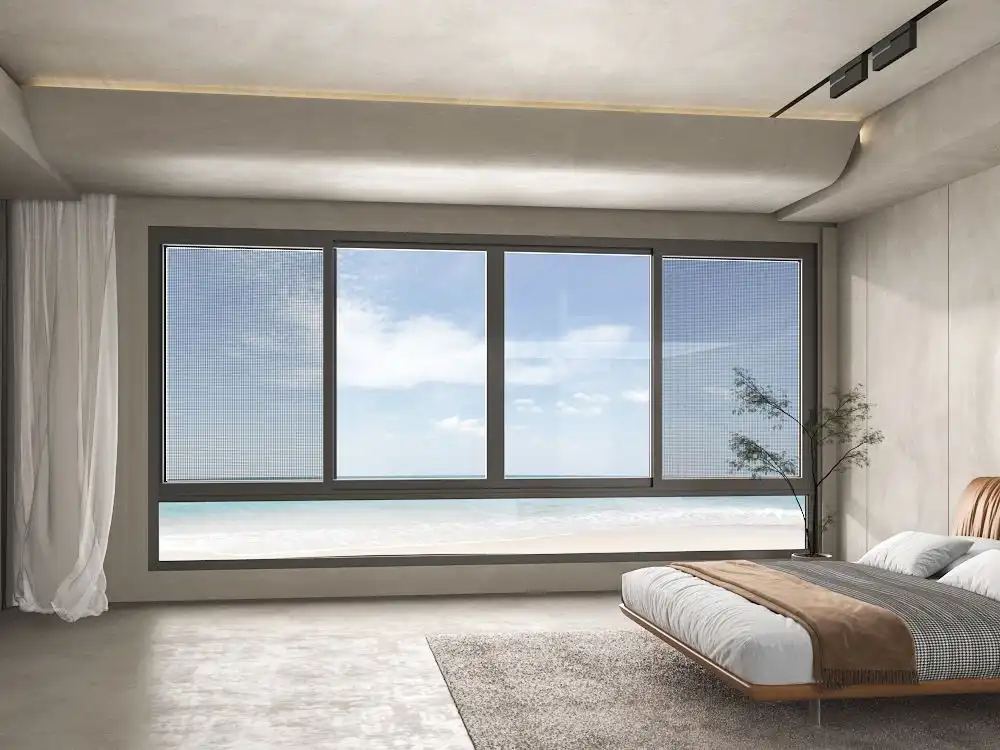
Understanding Aluminum Horizontal Sliding Windows
Core Design and Operational Mechanics
Sliding aluminum window systems work by moving the sash horizontally along the upper and lower track sections. They are different from vertically opening systems because they move the sash horizontally. High-quality rollers, which come in standard or heavy-duty versions, make the system work. They allow for smooth, quiet movement even in large-format setups.
Track options include single-track designs that make the most of room for holes and double-track systems that can accommodate screens or better air flow. This horizontal movement gets rid of the hinges and crank systems that are common in casement windows. This makes them less likely to break and makes hardware upkeep easier over the span of a building.
Material Composition and Structural Benefits
The skeletal base of these devices is made of aluminum alloy 6063-T5, which is stronger and lighter than plastic options. Profile thickness standards between 1.4 mm and 2.0 mm keep the structure of big glass panels strong while keeping sightlines thin to make the most of the window area that can be seen.
Surface treatments like powder coating, anodization, wood grain finishes, and PVDF applications do more than just change the way something looks. They also make it more resistant to rust, which is important for seaside sites and industrial settings. Aluminum doesn't naturally catch fire, so it meets fire safety standards that can be hard to meet with wood-framed options.
Glass Integration and Thermal Performance
Modern sliding aluminum frames can fit different types of glazing, such as toughened glass for impact resistance, double-glazed units for thermal insulation, and laminated glass for safety and soundproofing needs. When you combine brush seals with EPDM gaskets, you get multi-layer security against water, dust, and air leaks, which has a direct effect on energy performance measures. These glass choices fit perfectly with the thin metal shapes, giving you clear views and better natural light flow—important in modern business building where strategies for daylighting lower the need for artificial lighting.
Comparative Overview: Aluminum Horizontal Sliding Windows vs. Other Window Types
Aluminum Sliding vs. Vinyl Sliding Windows
Material longevity is a big difference between these choices. The initial cost of vinyl sliding windows is cheaper, but horizontal sliding aluminum windows are more stable in terms of their shape when temperatures change. Vinyl frames can bend when exposed to strong sunlight, especially in southern countries. Maintenance needs are very different. Vinyl surfaces collect static-charged dust and need to be cleaned often, while anodized aluminum only needs to be rinsed every so often to keep its look.
Aluminum profiles' structural capacity allows for bigger panel sizes without the need for strengthening, which isn't possible with vinyl because it has a smaller compression strength. Aluminum is resistant to salt air and UV light, which is good for coastal projects because vinyl breaks down over time due to UV light and chloride contact.
Aluminum Sliding vs. Wood Sliding Windows
Wood slide systems look nice because they are classic, but they need a lot of upkeep that aluminum systems don't. Refinishing, protecting against water damage, and controlling pests are all things that wood needs on a regular basis. These upkeep costs add up over many decades of use. Different materials have very different thermal expansion rates.
Wood's changes in size when the humidity changes can make seals less reliable, but aluminum's regular expansion lets engineers make precise weatherstripping systems. Cost analysis initially favors wood in domestic markets, but business companies handling multiple properties will save money because aluminum lasts longer and needs less maintenance.
Aluminum Sliding vs. Vertical Sliding (Double-Hung) Aluminum Windows
This analysis is based on operational mechanics. Vertical sliding aluminum windows look classic and let you direct air flow from the top or bottom, but they are more difficult to install because the sashes need to be balanced with springs or counterweights. With horizontal moving arrangements, these parts are not needed, so there are fewer repair calls and hardware replacement rounds.
Most of the time, slide systems let more air in than double-hung designs because the weatherstripping is in constant touch with the surface. Vertical sliders work best in small spaces, while horizontal systems make the most of wall parts where the width is greater than the height, which is popular in modern business surfaces.
Aluminum Sliding vs. Casement Aluminum Windows
When closed, casement windows seal better and let in more air because they are compressed against the weatherstripping by crank-operated systems. But outward projection causes problems with space near walks, nearby structures, or within the setback standards for buildings, which aren't a problem with slide designs. Different types of windows handle wind loads differently.
If you leave casement sashes open during quick gusts, they can get damaged, but sliding panels stay inside their frames no matter where they are placed. When it comes to hardware life, sliding systems tend to do better. Crank operators and hinge parts in casements wear out and need to be replaced, but sliding roller systems have longer service times when they are used normally.
Disclaimer: The actual performance qualities rely on the tests and approval reports for each product. Checking the technical paperwork from the maker and test results from a third party makes sure that the project's needs are met.
Performance and Durability Considerations
Energy Efficiency and Glazing Technology
How well horizontal sliding aluminum windows keep out heat depends on the type of glass used and how the frames are made. According to industry testing standards, double-glazed units with low-emissivity surfaces work much better than single-pane designs, blocking heat movement by 40 to 50 percent. The use of thermally broken frames, in which polyamide strips block the aluminum's conductivity path, solves the material's natural thermal bridge problems.
These requirements are helpful for projects that want to get Energy Star approval or follow strict energy code rules. This is especially true in climate zones with high temperature changes. While vinyl naturally insulates, properly designed aluminum systems achieve similar U-values while still having structural benefits.
Weather Resistance and Environmental Durability
Window systems are put to the test by salt spray, changing levels of wetness, and strong UV rays in coastal and high-humidity areas. Aluminum's non-porous surface doesn't let water in, which breaks down wood options. Anodized or PVDF-coated finishes can handle acidic environments that break down other surface treatments.
The combined brush seal and EPDM gasket system keeps out water even after many thermal expansion cycles. This is very important in places where vinyl's features let water in through compression set gaskets. Impact resistance depends on the type of glass used. Laminated and toughened glass are good choices for sliding systems in hurricane-prone areas and security-conscious settings because they meet or beat ASTM impact testing standards.
Maintenance Requirements and Lifecycle Costs
When compared to other options, sliding aluminum windows don't need as much regular upkeep. Cleaning the tracks (removing any buildup of dirt and grime) and checking the rollers every so often are the main maintenance tasks that are usually done every six months. Casement window crank devices, on the other hand, need to be oiled and eventually replaced, and wood systems need to be refinished many times.
Because there aren't any spring balances, counterweights, or complicated gear systems, there are fewer service calls and lower labor costs. Factory-applied finishes that last a long time mean that you don't have to paint them as often as you do with wood and some vinyl systems. This helps lower the total cost of ownership figures that are important for business property management.
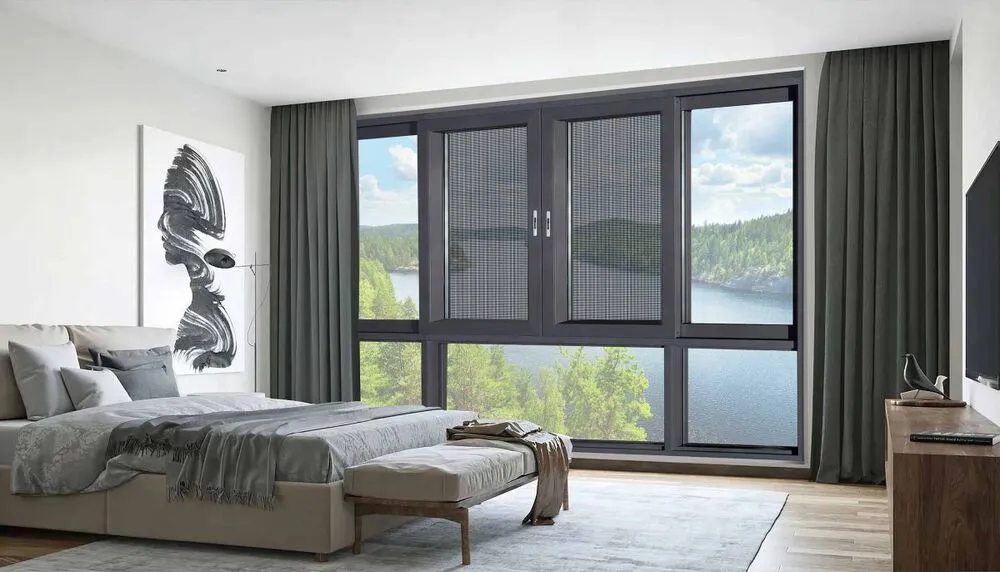
Procurement Insights for B2B Clients: How to Choose and Source Aluminum Horizontal Sliding Windows?
Technical Specification Criteria
Procurement teams should focus on profile thickness specs that are in line with the project's wind loads and panel sizes. For example, 1.4mm profiles are good for normal home uses, while 2.0mm widths meet the needs of business high-rise buildings. The quality of the roller assembly directly affects how long it will last. In high-traffic areas, selecting heavy-duty roller systems keeps them from needing to be replaced too soon. The type of track layout chosen relies on the need for screening and the way airflow is to be managed.
Double-track systems can handle bug screens without reducing the opening area. Thermal performance goals, noise requirements, and safety rules must all be taken into account in glass standards. For most business projects, double-glazed units with tempered safety glass represent baseline specifications for horizontal sliding aluminum windows.
Certification and Compliance Verification
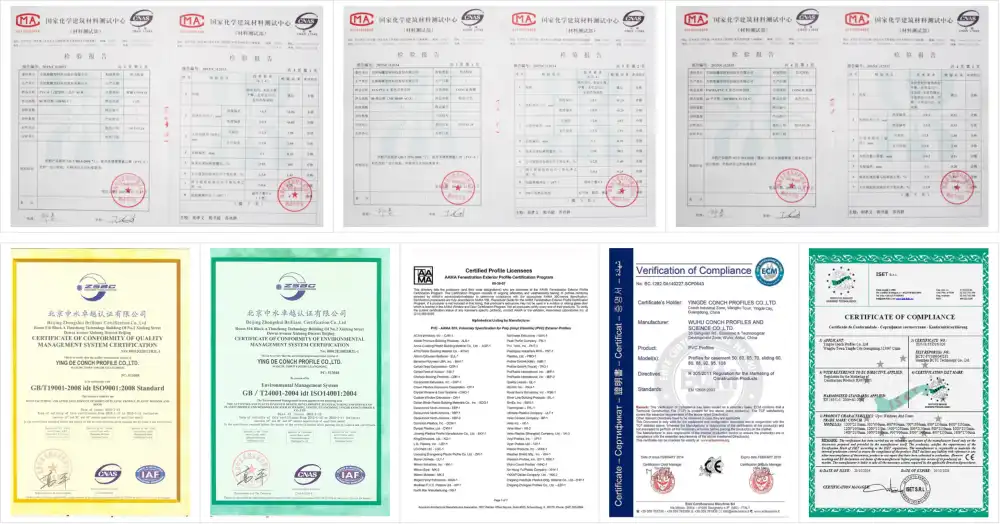
Following international norms lowers risks, which is very important for buying things across borders. If something has a CE mark, it means it meets European safety and performance standards. If it has an AAMA mark, it means it meets North American testing standards. For projects in certain countries, like the U.S., they need NFRC labels to show that they meet energy standards, and for projects in Australia, they need AS2047 approval. Check to see if the seller can provide testing paperwork and installation directions that are specific to the market and follow local building codes. This extra work keeps buying workers from being held responsible if products don't meet standards, which could cause expensive project delays.
Supplier Evaluation and Customization Capabilities
When looking for trusted providers, it's important to look at more than just prices. You should also look at their production ability, quality systems, and tech support. Manufacturers with ISO-certified facilities show consistent quality control, which is important for big projects. Customization is very important, so make sure that the provider can make non-standard sizes, match the color of current building parts, and add hardware that is special to the project.
Stable lead times affect project schedules. To reduce the risk of delays, providers should keep enough raw materials on hand and be flexible with their production plans. Request case studies that show similar-sized projects that were completed successfully in similar markets. This will lower the risk of the bidding process by providing a past of proven performance.
Pricing Models and Commercial Terms
When it comes to large sales, wholesale price systems are very different from retail-oriented models. Quantity breaks usually start at full container loads, and discounts get bigger as more containers are committed to. Make it clear if the price includes glazing that is applied at the factory or if glazing will be done on-site.
Glazing that is applied at the factory ensures quality control and cuts down on site labor, but it does affect the cost of shipping. There are a lot of different types of guarantees. Long-term warranties that cover materials, finish quality, and gear performance show that the maker trusts you and protect your money. Payment terms, shipping duties, and rules for changes in currency must be negotiated so that they fit with the project's cash flow and risk tolerance.
Installation and Aftercare for Aluminum Horizontal Sliding Windows
Professional Installation Considerations
While installing a sliding window may seem easy, there are important details that need to be paid attention to in order for it to work perfectly. Proper frame alignment keeps operations from getting stuck and makes sure that the weatherstripping touches the frame. Usually, specs call for level and straight limits of within 1/8 inch over the frame measurements. Schedules for fastening must take into account both the loads on the structure and the wind conditions in the area. If the connection isn't done right, it can affect both working performance and safety.
For waterproofing systems to work with building envelope systems, window fitters and wall builders need to work together. If the changes aren't done right, leaks can happen no matter how good the horizontal sliding aluminum windows are. Factory-authorized installation teams that know about product details are helpful for big business projects because they cut down on guarantee issues and make sure that performance is confirmed.
Aftercare and Service Support
How long an operation lasts varies in part on how easy it is to get help support. It's important to have spare parts for aluminum parts, glass panels, and weatherstripping kits on hand from reliable sources in case something goes wrong. Fast shipping cuts down on downtime in business settings where operating windows can affect the happiness of people who are already there. Service paperwork, such as parts diagrams, maintenance plans, and repair guides, lets building care staff fix small problems without having to call a third party. When installation problems or questions about performance come up during a project, manufacturers who offer direct contact routes for expert support can be very helpful.
Conclusion
Horizontal sliding aluminum windows are great for business-to-business purchases across a wide range of project types because they save room, last a long time, and lower costs over their entire life. The comparison shows that slide designs work better in cases where room is limited, where low upkeep is needed, where large-format glass is needed, and where other materials don't work well. Casement windows let in more air, while wood windows look more classic. Aluminum slide systems, on the other hand, balance performance across a number of important business decision-making factors. A successful procurement relies on carefully crafting specifications, vetting suppliers based on more than just price, and knowing how technical details affect the long-term value of a project.
FAQ
How do sliding aluminum windows perform in extreme climates?
When the right glass and frame are chosen, horizontal sliding aluminum windows that are properly described work successfully in a wide range of temperatures. Double-glazed units with thermal breaks work well in cold countries because they keep heat in, and anodized finishes can handle strong sun in hot places. Marine-grade surface treatments that stop salt rust are useful for sites near the coast. The EPDM and brush seal together keep the rain out even when temperatures change, which is hard for other sealing methods.
Can aluminum sliding windows be customized for large commercial projects?
Customization options vary by maker, but usually include changing the size or color, upgrading the hardware, and changing the glass specifications. By choosing a series (60, 70, 80, or 90), you can adjust the structure's ability to fit different panel sizes and wind load needs. Reliable providers can do project-specific engineering, including giving shop sketches and performance estimates to help with permit applications and showing that they follow the rules.
What maintenance do sliding aluminum windows require?
Routine upkeep involves cleaning the tracks every six months to get rid of dirt, and checking the roller sections for signs of wear on a regular basis. The state of the gasket should be checked once a year, and replacements can be found through the manufacturer's repair systems. Unlike wood systems that need to be refinished or casement windows that need to have their operators oiled, sliding aluminum configurations don't need much maintenance. This means that they cost less to run over the life of the building.
Why Choose Haolv Building Materials as Your Aluminum Sliding Window Supplier?
Haolv Building Materials brings 18 years of specialized manufacturing knowledge to your project by making designed horizontal sliding aluminum windows that meet strict industrial standards. Our automatic production facilities include precision CNC cutting, surface treatment, assembly, and extruding metal. They are managed by ISO-certified quality professionals who make sure that high-volume orders are always the same. We make whole systems out of shapes from the 60, 70, 80, and 90 series. The sizes can be changed, and the finishes can be powder coated or anodized. The glass can be single-tempered or double-glazed. Strategic relationships with top providers of expensive materials guarantee the quality of profiles while keeping prices low for container-load orders.
Our engineering team is happy to give you free technical advice and will look over your building plans to help you find the best options for your climate zone and performance goals. Customization goes beyond standard sizes; we can match colors, integrate hardware, and coordinate screen systems based on the needs of each project. With enough supplies and organized production, it only takes 25 to 30 days from the time an order is confirmed to the time it is shipped, which works well for tight building plans. As part of full project support, samples are provided, installation instructions are given, and expert help is available during the purchase and installation stages. Get in touch with kristin@haolvwindows.com to talk about the details of your project and get full quotes that come with proof that they meet AAMA, CE, and ISO standards.
References
1. American Architectural Manufacturers Association, "AAMA 101: Voluntary Specifications for Aluminum, Vinyl, and Wood Windows and Glass Doors," 2020.
2. National Fenestration Rating Council, "Technical Document on Energy Performance Certification for Residential Windows, Doors, and Skylights," 2021.
3. Construction Specifications Institute, "Aluminum Windows: Performance Standards and Specification Guidelines," Division 08 – Openings, 2019.
4. Green Building Council, "Sustainable Window Design: Material Comparisons and Lifecycle Assessment," 2022.
5. International Building Code, "Chapter 24: Glass and Glazing – Requirements for Commercial Fenestration Systems," 2021 Edition.
6. Journal of Architectural Engineering, "Comparative Thermal Performance of Aluminum, Vinyl, and Wood Window Frames in Mixed Climate Zones," Volume 28, Issue 3, 2020.
Fast simple channel to send demands lock favorable price for building window door bulk purchases.