- English
- French
- German
- Portuguese
- Spanish
- Russian
- Japanese
- Korean
- Arabic
- Greek
- German
- Turkish
- Italian
- Danish
- Romanian
- Indonesian
- Czech
- Afrikaans
- Swedish
- Polish
- Basque
- Catalan
- Esperanto
- Hindi
- Lao
- Albanian
- Amharic
- Armenian
- Azerbaijani
- Belarusian
- Bengali
- Bosnian
- Bulgarian
- Cebuano
- Chichewa
- Corsican
- Croatian
- Dutch
- Estonian
- Filipino
- Finnish
- Frisian
- Galician
- Georgian
- Gujarati
- Haitian
- Hausa
- Hawaiian
- Hebrew
- Hmong
- Hungarian
- Icelandic
- Igbo
- Javanese
- Kannada
- Kazakh
- Khmer
- Kurdish
- Kyrgyz
- Latin
- Latvian
- Lithuanian
- Luxembou..
- Macedonian
- Malagasy
- Malay
- Malayalam
- Maltese
- Maori
- Marathi
- Mongolian
- Burmese
- Nepali
- Norwegian
- Pashto
- Persian
- Punjabi
- Serbian
- Sesotho
- Sinhala
- Slovak
- Slovenian
- Somali
- Samoan
- Scots Gaelic
- Shona
- Sindhi
- Sundanese
- Swahili
- Tajik
- Tamil
- Telugu
- Thai
- Ukrainian
- Urdu
- Uzbek
- Vietnamese
- Welsh
- Xhosa
- Yiddish
- Yoruba
- Zulu
What Makes a Smooth and Durable Aluminum Two Track Sliding Window?
Premium 6063-T5 aluminum alloy construction, precision-engineered roller systems with nylon parts, and proper track orientation during installation are the three main components of a smooth and long-lasting aluminum two track sliding window. The two tracks separate the glass panels from the screens, so they don't interfere with each other and can move freely. Durable nylon rollers easily move along tracks, reducing noise and friction while they're in use. A frame thickness of 1.4 to 2.0 mm keeps the structure strong without being too heavy, and toughened or double-glazed glass choices make it safer and better at keeping heat in. Multi-point locking systems make things safer, and sizes can be changed to fit the needs of different household and business projects.
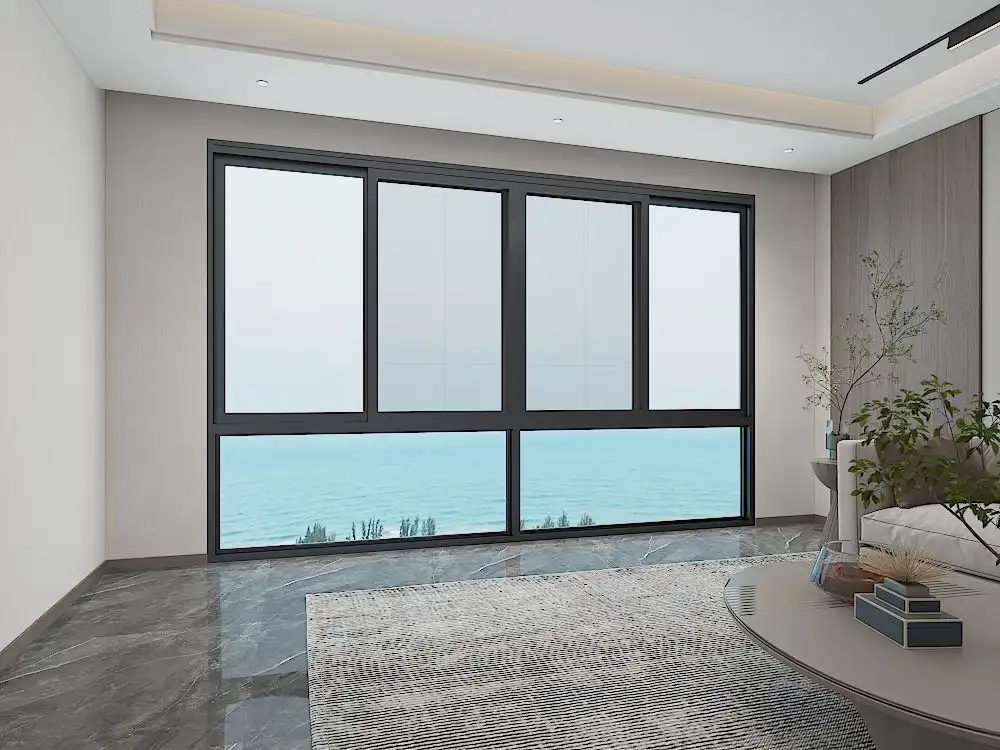
Understanding Aluminum Two Track Sliding Windows: Features and Benefits
Modern building has made a lot of changes to sliding window systems to meet both functional and aesthetic needs. The aluminum two-track sliding window is a more polished way to install windows, and builders, developers, and building material dealers like it because it has useful benefits.
What Defines the Two-Track System?
The two tracks make two different paths for glass panels that can be opened and closed and optional bug screens. This separate process keeps things from getting stuck and lets air flow while keeping bugs out. In single-track designs, parts have to fight for room, but in two-track designs, the performance stays the same even after many uses.
Structural Advantages of Aluminum Construction
The 6063-T5 aluminum material that these window systems are made of is what makes them strong and easy to work with. This type of metal goes through a thermal process that makes it stronger in tension while keeping its resistance to corrosion. With a profile thickness between 1.4 mm and 2.0 mm, sashes up to normal household sizes can be structurally stable without adding extra weight. The thin frame design makes the most of the glass's surface area, letting more natural light in while keeping the lines of sight clear.
Glazing Options for Performance Enhancement
When tempered glass is hit, it breaks into small, harmless pieces that meet safety standards for impact resistance. Double-glazed windows have blocked air gaps between the panes, which stops heat from escaping and makes the insulation better for sound. These options for glass meet the needs for energy economy in a range of climates, from mild areas to places where the seasons change a lot.
Security and Operational Features
Multiple locking points along the frame's edge work together to spread the force and keep people from getting in without permission. The two-panel slide design works well for everyday use because it lets you open one panel for limited air flow or both panels for full access when needed. This feature can be enhanced with an optional screen integration, which is especially useful in places where natural air is still chosen over mechanical systems.
Key Factors That Ensure Smooth Operation and Durability
When procurement professionals look at sliding metal window systems, they have to look at certain technical factors that have a direct effect on how well they work in the long run. Knowing these things lowers the costs of upkeep and the time it takes to finish a project because a part fails before it's supposed to. An aluminum two track sliding window depends on these quality standards to maintain its value.
Material Selection and Surface Treatment
High-quality aluminum extrusions naturally form an oxide layer that protects them from rusting, but surface processes make this protection even better. For added protection against salt spray at the coast and UV damage at high elevations, powder coating and PVDF finishes are available. The 6063-T5 alloy standard makes sure that the qualities of the material are the same from one production batch to the next. This is very important for big projects that need to have consistent performance.
Surface treatments also affect how long something looks good by stopping color fading and chalking, which are both bad for the look of a building. These protective layers keep the underlying metal strong, especially around fastener points and drainage paths where water builds up, which extends the product's useful life.
Precision Engineering of Track and Roller Systems
A smooth sliding motion relies on how well the track is aligned and how the rollers are made. When compared to metal rollers, nylon rollers are quieter and can lubricate themselves. Roller systems with ball bearings spread the weight evenly, so there are no flat spots that make the action uneven. To keep the track profiles straight within very small limits, they must not bind. This is especially important for bigger sashes, where even a small shift causes visible resistance.
Professional installs usually use a stairwell sill profile that has drainage lines with weep holes placed so that water can drain out but wind-driven rain can't get in. This technical feature keeps water from building up in track systems, which would otherwise speed up the rusting of metal parts and allow mold to grow.
Installation Standards and Quality Control
Installing things correctly is still very important for getting the speed levels that were planned. To keep operations from getting stuck and to make sure the weatherstripping stays in contact, the frame's squareness must stay within certain limits. Placement of fasteners and shimming methods affect how the load is distributed in a structure. This is especially important in areas with a lot of wind, where differences in pressure put stress on mounting points.
Before final weatherproofing, professional fitters make sure the sash works by changing the roller height and track alignment to make movement easy. These steps in quality control stop callbacks and guarantee claims, which is good for the project budget and the manufacturer's image.
Performance Disclaimer: The exact working properties and longevity measurements rely on the testing results for each product, the installation conditions, and external factors. For efficiency validation relevant to the project, look at the technical papers and independent testing certificates.
Maintenance Tips to Prolong the Life and Performance
Even window systems that are well-designed need to be serviced every so often to keep working at their best for as long as they are in use. Setting up routine maintenance plans lowers the cost of ownership over time and stops small problems from getting worse and needing expensive fixes. For anyone utilizing an aluminum two track sliding window, consistency in care is essential.
Routine Cleaning Protocols
Track channels collect dust, pollen, and building waste that makes it hard for rollers to move and keeps water in the channels. Particulate buildup can be removed by cleaning it every three months with soft brushes and vacuum tools. Don't use rough cleaners on metal because they can scratch the surface or wear away protection coatings. Cleaning glass and frames with mild detergents works well and doesn't harm weatherstripping substances.
During cleaning rounds, drainage weep holes need to be checked to make sure water can flow freely. Weep holes can be cleaned out with compressed air instead of direct touch, which could damage the internal drainage pathways. This easy step stops problems with water buildup that cause frame rust and mold growth.
Lubrication and Component Inspection
When dry silicone lubricants are put on roller systems and track surfaces, they keep things running smoothly without attracting dust. Oil-based lubricants leave behind sticky remains that make it easier for trash to build up. Residential installations that don't get a lot of use should be oiled once a year, while business installations that get a lot of use should be serviced every six months.
When you lubricate, check the weatherstripping for cracks and compression set, especially around bends where stress builds up. To keep air and water from getting in, replace any seals that are damaged right away. Check the locking mechanisms to make sure they connect smoothly. If necessary, fix the strike plates to make sure the security is maintained without forcing the parts.
Climate-Specific Considerations
Salty air speeds up corrosion in coastal locations, so bolts and tools need to be checked more often. When you rinse frames with clean water after a storm, you get rid of salt deposits before they build up and damage the protection coats. Extreme temperature changes in the desert can cause problems with thermal expansion, so frame space must be checked to keep things from sticking when it's really hot. These proactive care methods keep things looking good and make them last longer, which supports the value argument for building owners and facility managers who decide when to replace things.
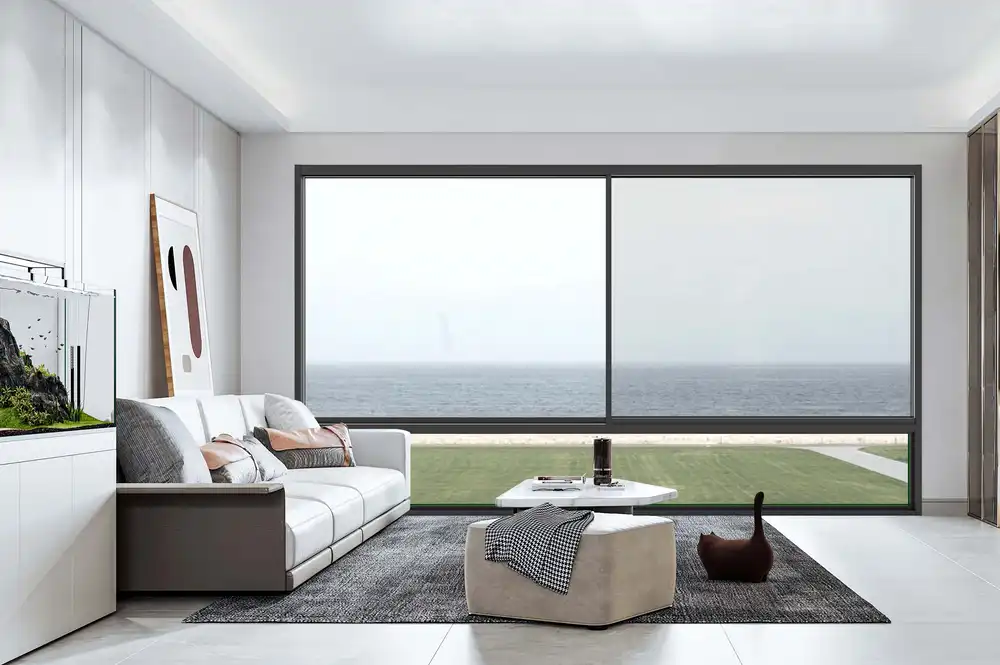
Comparative Overview: Aluminum Two Track Sliding Windows vs Other Window Types
Material and design choices have a big effect on how well window systems work in a wide range of building situations. Understanding comparison benefits helps buying teams choose products that meet the needs of the project and don't go over budget. The aluminum two track sliding window stands out in many commercial and residential applications.
Material Comparisons: Aluminum vs Alternatives
When compared to plastic and wood, aluminum extrusions have better strength-to-weight ratios. This feature lets frame shapes be thinner while still holding their shape, which increases the amount of glass that can fit into rough spaces. Vinyl systems need bigger parts to be as strong, which cuts down on light transfer and makes the panels look heavier.
Wood frames look classic, but they need to be maintained regularly to keep them from rotting and getting damaged by bugs. Because aluminum is inorganic, it blocks these biological routes for breakdown. This is especially helpful in humid areas where wood breaks down more quickly. Because metal stays the same size at different temperatures, it doesn't warp, which can cause problems with how wood and vinyl systems work and close.
Configuration Benefits: Two Track vs Single Track
Single-track sliding windows have moving screens on top of each other on a shared path. This means that the largest space for air flow is limited to about half of the frame area. Two-track systems put frames on parallel tracks, which lets you set up the window so that either both panels move or one stays in place while the other lets in full-width air flow. This makes it easier to handle a wide range of use cases without having to make separate product lines.
In two-track systems, the separate screen track keeps the screen safe from damage caused by moving sashes and keeps bugs out no matter where the panel is placed. Single track systems often damage the integrity of the screen or need to be taken off in certain working situations.
Operational Comparison: Sliding vs Casement Windows
When there isn't enough room for a swing-out mechanism to work, sliding setups are a good option. Sliding systems are better for high-rise buildings because they don't open outward, which can be dangerous for people who might fall. When it comes to hung windows, horizontal action takes less physical effort than vertical lifting, which meets the standards of universal design.
Compression weatherstripping usually does a better job of sealing out air around casement windows, while contact seals on sliding systems may only let a small amount of air in under pressure. Modern slide windows with multi-point locking, on the other hand, close this speed gap by a large amount while still being easy to use.
Cost-Performance Analysis for B2B Procurement
Installing aluminum two-track sliding window systems on big jobs doesn't cost too much. When compared to complex casement hardware fitting, simpler installation methods require less work. Standardized sizes for series 70, 80, and 90 profiles allow for a range of rough opening sizes with little custom fabrication. This makes it easier for wholesalers to handle their inventory and cuts down on wait times for builders.
When making extrusions, treating surfaces, and getting tools, buying in bulk can save you money by taking advantage of economies of scale. When you have established ties with suppliers, you can be sure of stable prices and on-time deliveries, which are important for phased building schedules. Because of these economic factors, aluminum sliding windows are a good choice for home developments, business buildings, and educational projects where choosing the best material is based on value engineering.
Procurement and Supplier Selection Guide for Aluminum Two Track Sliding Windows
When buying window systems from manufacturing partners, it's important to carefully look at their skills, safety documents, and service infrastructure. Strategic choices about where to get materials affect how well a project is carried out and how satisfied customers are with the result in the long run. Quality aluminum two track sliding window production requires specialized expertise.
Manufacturing Capability Assessment
Production capacity tells us if providers can meet the number needs of the project within the time frame for building. Automatic assembly systems and CNC precise cutting tools show that the production process is advanced, which means that the standard is always the same. Integrated operations that include extrusion, surface treatment, and final assembly make the supply chain simpler and make it easier to keep an eye on quality than when parts are bought from multiple vendors.
If you can, go to production sites to see how quality control systems work in real life. ISO certification is a basic way to make sure that methods are followed, but direct viewing shows how well they are being carried out. The reliability of delivery is affected by operating stability, which can be seen in the state of equipment, how it is used, and the level of training of the workforce.
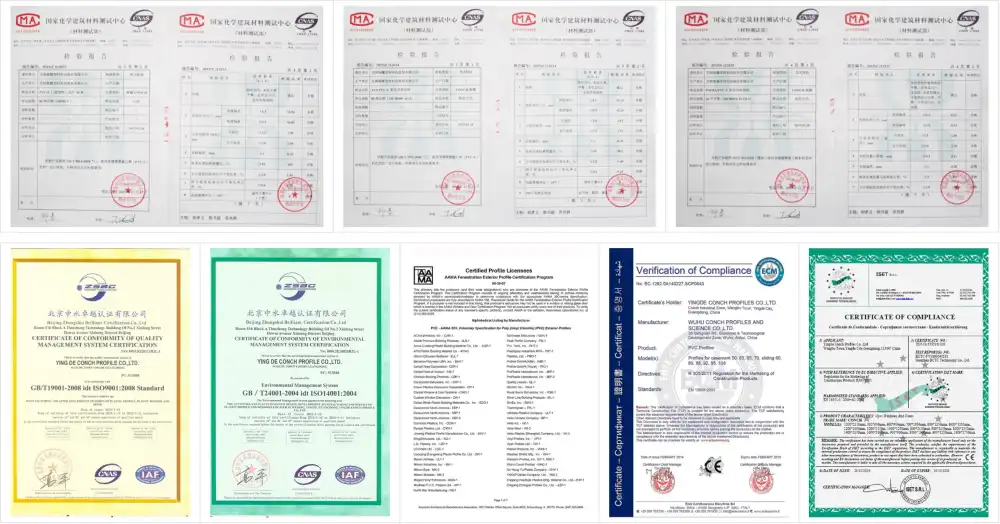
Certification and Checking for Compliance
In order to sell goods in the United States, buildings must meet certain efficiency and code requirements. Certification from the National Fenestration Rating Council (NFRC) gives uniform scores for thermal transmittance, solar heat gain, and air leaks. The American Architectural Manufacturers Association (AAMA) sets guidelines for building materials and how well structures should work.
Request copies of test results from licensed labs that show they meet the standards in question. Make sure that the tried configurations match the goods that were ordered, since differences in glazing, hardware, or profile sizes can affect how well they work. Suppliers with a history of exporting usually keep all of their licensing paperwork in an easy-to-find place in case a project needs to be submitted.
Ability to customize and technical support
Standard product lines work for most uses, but project-specific needs often mean that they need to be customized. Check to see how flexible the provider is with size, color matches, hardware choices, and glazing needs. Production-to-drawing skills make architectural integration possible in places where standard sizes make installation difficult or go against the design purpose.
Project risk is lower when you get technical support services like engineering advice and help with installation. Suppliers who offer help with calculations for structure loads, thermal performance, and noise rates make it easier to come up with specifications and get building department approvals. This help is especially useful for distributors and companies whose own tech teams are focused on core tasks rather than specializing in window systems.
Thoughts on the Supply Chain and After-Sales
Critical path schedule in building projects is affected by how reliable delivery dates are. When suppliers keep enough standard profiles and metal parts in stock, they can respond more quickly to changes in orders and urgent needs. Shipping items in secure packaging keeps them from getting damaged in transport, which can delay installation and lead to guarantee issues.
Warranty terms and infrastructure for after-sales support help buying teams lower their risks. No arguments will happen if the guarantee wording is clear about what it covers, how long it lasts, and how to file a claim. When problems come up during the installation and testing phases, the project stays on track thanks to responsive customer service lines that deal with technical questions and problems in the field.
Conclusion
Aluminum two track sliding window systems work well because the right materials are used, they are made precisely, and they are installed correctly. The 6063-T5 alloy design and engineered roller systems make it run smoothly over long periods of time. Dual-track versions are also more useful than single-track ones. Long-term performance is maintained by maintenance plans that are matched to the surroundings. This protects procurement investments. Comparative research shows that aluminum is stronger, lasts longer, and costs less over its entire existence than other materials. Contractors, developers, and building material sellers looking for reliable fenestration solutions can be sure that their projects will go smoothly if they choose suppliers carefully and look at their manufacturing skills, certifications, and support services.
FAQ
Q1: Does the aluminum two track sliding window meet energy efficiency requirements?
A: How well a frame keeps heat in or out depends on the type of glass used and how it is designed. Double-glazed units with Low-E finishes stop heat from escaping, so they meet strict energy rules in a range of climates. Check the NFRC scores for certain designs to make sure they meet the energy goals of the project for every aluminum two-track sliding window.
Q2: How do two-track systems prevent water infiltration?
A: Professional designs use sill profiles that are sloped and have drainage channels and weep holes built in to let water out and block rain that comes from the wind. Weatherstripping around the windows acts as a first line of defense against water, and drainage paths take care of any water that gets past these barriers.
Q3: What are the biggest sash sizes that two-track systems can handle?
A: Standard setups can handle sashes that are up to 1500 mm wide and 2400 mm tall, but the real limits rely on the profile series and the weight of the glass. Structures that need to be strengthened or split up may be needed for areas that are bigger. For project-specific size needs, check the manufacturer's specs.
Q4: Are there ways to retrofit current holes to fit two-track sliding windows?
A: How possible it is to retrofit depends on the rough hole size and how easy it is to remove the current frame. Two-track systems need a little more depth than single-track systems, which could make them less useful in wall panels that are very thin. Before making a purchase pledge, the connectivity of the site is checked.
Partner with Haolv Building Materials for Your Aluminum Two Track Sliding Window Needs
Haolv Building Materials has been making aluminum and UPVC window systems for 18 years and works with builders, developers, and wholesalers all over the world. Our cutting-edge production facilities use extrusion, precise CNC cutting, and automatic assembly systems to make sure that the quality of both standard and special orders is always the same. As a seasoned aluminum two-track sliding window maker, we use ISO-certified quality management at every stage of the production process, from choosing the 6063-T5 metal to finishing the exterior and checking it for quality.
Our product line includes series 70, 80, and 90 layouts, and the sizes, colors, and parts can be changed to fit the needs of each project. Partnerships with top material suppliers ensure consistent sourcing of parts, and having enough inventory supports delivery times of 25 to 30 days, which are necessary for building plans. Full-process project follow-up and technical advice services lower the risk of procurement and speed up implementation. Learn more about our production skills and how they can help your project succeed by contacting our team at kristin@haolvwindows.com to discuss your aluminum two-track sliding window needs.
References
1. American Architectural Manufacturers Association. (2021). AAMA 101: Voluntary Standard for Aluminum Prime Windows and Sliding Glass Doors. Schaumburg: AAMA Publications.
2. Carmody, J., Selkowitz, S., Lee, E., Arasteh, D., & Willmert, T. (2004). Window Systems for High-Performance Buildings. New York: W.W. Norton & Company.
3. National Fenestration Rating Council. (2020). NFRC 100: Procedure for Determining Fenestration Product U-factors. Greenbelt: NFRC Technical Documents.
4. Straube, J., & Burnett, E. (2005). Building Science for Building Enclosures. Westford: Building Science Press.
5. Aluminum Association. (2019). Aluminum Design Manual: Specification for Aluminum Structures. Arlington: The Aluminum Association.
6. Patterson, M. (2017). Structural Glass Facades and Enclosures: Design Standards and Failure Analysis. Hoboken: John Wiley & Sons.
Fast simple channel to send demands lock favorable price for building window door bulk purchases.