- English
- French
- German
- Portuguese
- Spanish
- Russian
- Japanese
- Korean
- Arabic
- Greek
- German
- Turkish
- Italian
- Danish
- Romanian
- Indonesian
- Czech
- Afrikaans
- Swedish
- Polish
- Basque
- Catalan
- Esperanto
- Hindi
- Lao
- Albanian
- Amharic
- Armenian
- Azerbaijani
- Belarusian
- Bengali
- Bosnian
- Bulgarian
- Cebuano
- Chichewa
- Corsican
- Croatian
- Dutch
- Estonian
- Filipino
- Finnish
- Frisian
- Galician
- Georgian
- Gujarati
- Haitian
- Hausa
- Hawaiian
- Hebrew
- Hmong
- Hungarian
- Icelandic
- Igbo
- Javanese
- Kannada
- Kazakh
- Khmer
- Kurdish
- Kyrgyz
- Latin
- Latvian
- Lithuanian
- Luxembou..
- Macedonian
- Malagasy
- Malay
- Malayalam
- Maltese
- Maori
- Marathi
- Mongolian
- Burmese
- Nepali
- Norwegian
- Pashto
- Persian
- Punjabi
- Serbian
- Sesotho
- Sinhala
- Slovak
- Slovenian
- Somali
- Samoan
- Scots Gaelic
- Shona
- Sindhi
- Sundanese
- Swahili
- Tajik
- Tamil
- Telugu
- Thai
- Ukrainian
- Urdu
- Uzbek
- Vietnamese
- Welsh
- Xhosa
- Yiddish
- Yoruba
- Zulu
Are Aluminum Flush Windows Safer?
When looking at window systems for business projects, safety is one of the most important things to consider. Aluminum flush windows are very safe because they are made of a precision-engineered 6063-T5 aluminum metal and have a profile width that is usually between 1.4 and 2.0 mm. This strong base material works with multi-point locking systems and laminated or tempered glass choices to make a window solution that answers worries about fire safety, structural stability, and resistance to break-ins. The flush sash design, in which the window sits level with the outer frame, gets rid of any protrusions on the outside that could collect trash or make it harder for the window to seal against the weather. This makes the window even safer in high-exposure areas.

Understanding the Safety Aspects of Aluminum Flush Windows
The safety features of current flush casement window systems go beyond just working. When procurement workers know what makes these architectural glazing options safe, they can make decisions that protect both people who live in the building and their investments.
Material Strength and Structural Integrity
The qualities of the material are what make a safe window system work. Aluminum flush windows use extrusions made of the 6063-T5 metal, which is designed especially for use in architecture. This type of metal has a better strength-to-weight ratio than most other materials, and its dimensions stay the same even when the temperature changes. The normal profile thickness of 1.4 to 2.0 mm makes the structure rigid enough to hold up big areas of glass without weakening the frame.
Because it spreads wind loads more widely across the frame, the flush design itself makes it safer. Quality aluminum systems show wind load resistance scores that meet strict performance standards when tested in situations that mimic extreme weather events. This structural performance is especially important for business buildings with many stories or homes near the coast, where wind-driven rain and changes in pressure make normal window designs difficult.
Advanced Security Hardware Systems
These days, security worries call for more advanced closing systems. High-quality Aluminum flush windows have locking systems with multiple points that connect in different places around the frame's edge when the handle is pulled. With these shoot-bolt systems, steel supports are extended into the frame, making a security barrier that is much harder to break through than a single-point lock.
Both security and working safety are directly affected by the quality of the gear. Premium stainless steel or marine-grade metal knobs won't rust and will keep working smoothly for the life of the window. This dependability is important in an emergency when you need to get out quickly. Casement openings that open inward or outward give you options for how to get out in case of an emergency. The way of the opening should be carefully chosen based on building rules and evacuation plans.
Fire Safety and Non-Combustible Properties
Aluminum is naturally non-combustible, which is a very important safety feature in fire situations. Aluminum doesn't release any harmful fumes or help fires spread like uPVC or wood alternatives do. It also keeps its shape at high temperatures and doesn't give off any gases that can catch fire. The biggest fire risk in any window system is still the glass, but the metal frame won't help the fire spread faster.
People with this trait will find it especially useful in business places where strict fire safety rules apply. Because Aluminum flush windows are made of a certain material, they often meet the fire resistance standards needed for certain building zones. This means that you don't need to add extra fire protection around window spaces.
Weather Sealing and Water Resistance
Protection from environmental dangers is part of safety, along with resistance to entry and fire. The EPDM gasket closing system found in high-quality Aluminum flush windows stops water from getting in in several ways. These synthetic rubber seals don't become weak over a wide range of temperatures, which is a problem that older sealing materials have.
The flush design cuts down on the number of outside areas where water can collect or freeze, which lowers the risks that come with ice or standing water. When building in places where bad weather happens often, this design detail is very important for long-term safety because it stops water damage that could weaken the structure.
Comparative Analysis: Are Aluminum Flush Windows Safer Than Other Types?
To choose the best window system, you need to know how different types of materials and styles measure up against different safety standards. This article compares Aluminum flush windows to popular alternatives, focused on performance factors that can be measured and are important for B2B buying choices.
Aluminum vs. Timber Flush Windows
Timber flush windows look nice, especially in historic buildings, but they are hard to maintain, which affects their long-term safety. Wood naturally takes in water, which can change its size in ways that affect how well it works and how well the seal works. Over time, this contact to wetness makes it possible for rot or fungus to grow, which could weaken the structure.
Aluminum completely gets rid of these risks of biological breakdown. Aluminum metal that has been properly handled stays in good shape for decades of use because it doesn't rust. Protective coats on wood need to be refinished every couple of years, but powder-coated or anodized metal surfaces don't break down in UV light and keep their protective qualities with little work.
Aluminum vs. uPVC Window Systems
uPVC windows became popular because they were cheaper and better at keeping heat in. However, their structural weaknesses become clear when they are used in bigger spaces. Vinyl is not as strong as other materials, so it needs thicker curves to be as rigid. This means that the glass area is smaller and the visual mass is higher. When there is a lot of wind or a big hole, uPVC frames may need steel support to meet building codes. This makes them more complicated and makes them more likely to rust.
Aluminum is very strong, so it can be used to make thin profiles that make the most of the glass area without losing structural performance. Because it is naturally strong, the panels can be bigger while still being safe from wind loads and impact forces. In business projects with vast glazing that serves both attractive and practical needs, this is especially important.
Flush vs. Stepped Profile Designs
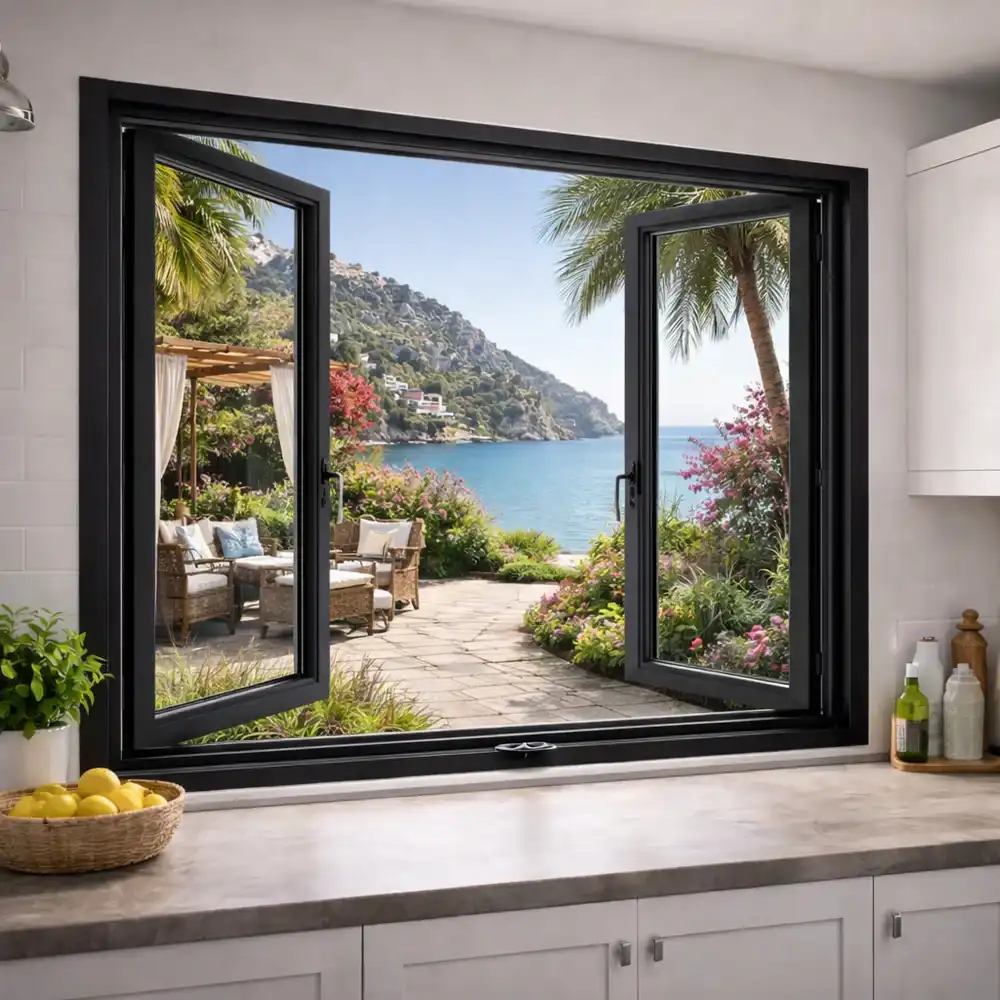
When traditional stepped casement windows are closed, the frame sticks out in a way that can be seen. This makes it easier for trash to gather and makes weather proofing harder. The flush shape gets rid of these outside ledges, leaving a smooth surface that drains water better and gives thieves fewer places to insert tools during attempts to break in.
When it comes to security, the flush design is better because it makes it harder for people who might try to break in to use the sash against them. When compared to designs with clear steps or projects, designs with a continuous line between frame and sash make it harder for people to get in.
How Aluminum Flush Windows Enhance Workplace Safety and Compliance?
In addition to protecting the window unit physically and making sure it is structurally sound, Aluminum flush windows help achieve larger safety goals in the workplace by controlling the surroundings and following the rules.
Thermal Performance and Occupant Safety
Extreme temperatures are a real safety risk in business settings. Too much heat gain from windows that don't close properly makes the space uncomfortable, which lowers output and, in the worst cases, can lead to health problems related to the heat. On the other hand, cold drafts from windows that aren't properly sealed make some areas uncomfortable and raise the need for warmth.
With available thermal break technology, good Aluminum flush windows take care of these issues. The thermal path through the metal frame is blocked by polyamide PA66 strips, which greatly reduces heat absorption. When these windows are used with double glass setups like 5+12A+5 mm assemblies, they provide good thermal performance that keeps the inside of a building warm while lowering the load on the HVAC system.
Acoustic Performance for Noise Control
Noise levels that are too high at work can cause worry, trouble focusing, and long-term hearing problems. When used with the right glazing designs, Aluminum flush windows can reduce noise levels by a certain amount. This is especially useful for buildings near industrial activities or transportation routes.
Dense window materials, insulated glass units with well-designed air gaps, and full EPDM seals all work together to stop sound from getting through. While acoustic rates depend on the type of glass and frame design, properly installed Aluminum flush windows significantly lower noise levels inside compared to normal single-glazed options.
Code Compliance and Certification
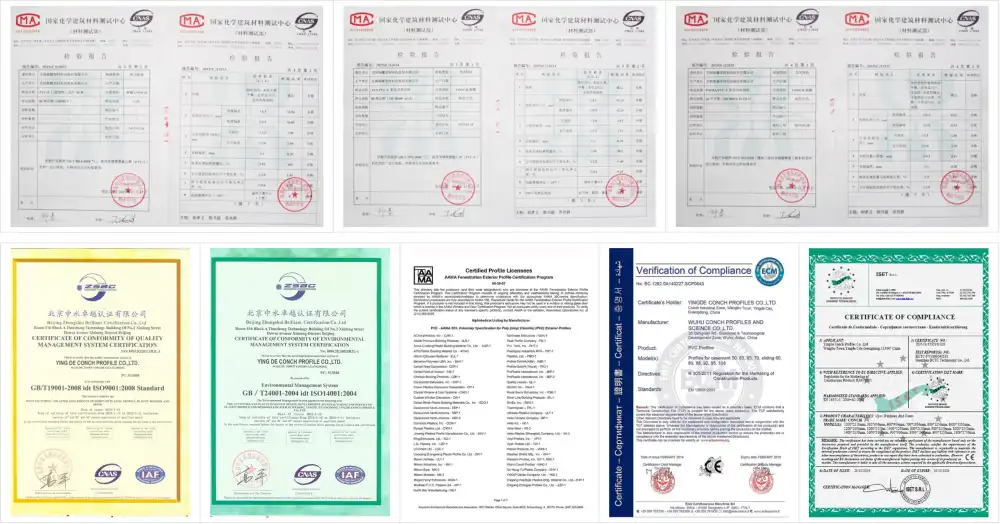
When installing commercial windows, they have to meet building rules that cover things like safety, energy efficiency, and how well the structure works. Aluminum flush windows from well-known brands usually come with certifications that show they meet the standards that apply. In the US market, approvals may include NFRC scores for thermal performance and meeting local building rules for areas that are prone to hurricanes when it comes to wind load resistance and impact resistance.
Having testing paperwork makes it easier for architects and procurement teams to write specifications. It also gives them objective proof that the goods they choose meet the needs of the project. This paperwork is especially helpful when applying for permits and then having the building inspected.
Disclaimer: The exact performance features depend on how the product is configured and how it is tested. Professionals in charge of buying things should ask for thorough reports on tests and certifications that are important to their project needs and local code requirements.
Procurement Considerations for Safer Aluminum Flush Windows
To make smart buying choices, you need to look at more than just the initial unit cost. A organized way of choosing suppliers and describing Aluminum flush windows lowers project risks and makes sure safety goals are met.
Manufacturer Evaluation and Quality Verification
The name of the supplier is the basis of good buying. Well-known window makers keep quality management systems that are written down and usually approved to ISO 9001 standards. This makes sure that the production methods are always the same. When analyzing possible sources, procurement teams should ask to see proof of quality certifications, proof of production capacity, and examples from projects that are similar to the one being looked at.
The process of creation is very important. Companies that use automatic assembly systems and precise CNC cutting tools consistently make better products than companies that do most of their work by hand. Integrated production lines that handle extrusion, surface treatment, cutting, welding, and assembly all under one roof make it easier to keep track of quality and make it harder for people to cheat.
Certification and Testing Documentation
Ask for full testing records that include information on how well the structure works, how it handles heat and water, and how safe it is. Legitimate companies keep libraries of test records from approved labs that show how well their products work against established standards. Instead of making general claims about performance, these reports should include clear test procedures, sample requirements, and numbers that show how well the tests were done.
Before they can be sold in the U.S., products must show that they meet the relevant NFRC standards for thermal performance and the relevant ASTM standards for structural and water proof tests. Projects in areas that are prone to hurricanes need to have their impact resistance and pressure cycling performance checked more thoroughly.
Customization Capabilities and Project Support
Standard goods are rarely used in big business projects. Check to see if the providers can make changes like non-standard sizes, custom color matching, unique glass arrangements, and connecting to building management systems. When a manufacturer has its own engineering team, it can help with drawing coordination, look over architectural specs, and find possible problems before production starts.
Technical support goes beyond customizing products and includes help with installation, managing warranties, and service after the sale. Suppliers who give full help lower the risks of a project and make it easier to solve problems that come up during building or the first few weeks of occupancy.
Long-Term Cost Considerations
The initial buying price is only one part of the total cost of owning. High-quality Aluminum flush windows with strong fittings and finishes that last longer need less upkeep over their lifetime, which lowers the ongoing costs of running the business. If you choose the right thermal break systems, they will save you money on your power bills over time because they work better with energy. Carefully read the guarantee terms because they show how confident the maker is in the product's durability. Full warranties that cover flaws in the material, finish, and hardware performance give project capital extra safety and show that the product is of high quality.
Conclusion
To rate the safety of Aluminum flush windows, you have to look at a number of factors, including the windows' structural stability, the performance of their security gear, their fire safety features, and how well they seal out the environment. The data shows that aluminum systems that are properly designed and kept provide reliable safety performance in a wide range of business settings. They are strong, have security features, and don't react badly to the environment. This makes them good for difficult projects where keeping people safe and ensuring long-term dependability are important. When buying things, it's best to choose certified goods from companies that can consistently control quality and offer full expert support.
FAQ
Q1: How do aluminum flush windows compare to timber flush windows in terms of maintenance requirements?
A: Wooden windows need to be refinished every so often to keep the protective coats in good shape and stop water from getting in, which can cause the windows to become less stable. Aluminum flush windows don't need to be maintained because the materials are naturally immune to corrosion and the finishes are made at the factory and won't wear off in UV light. Less upkeep means lower costs over the life of the product and more regular safety performance.
Q2: Can aluminum flush windows achieve adequate thermal efficiency without compromising security?
A: Modern thermal break technology, which uses PA66 polyamide strips, stops heat from moving through metal frames while keeping the structure's strength. When these systems are combined with double glass, they meet current energy codes and can support strong multi-point locking gear. The security and thermal efficiency functions don't work against each other; they work with them.
Q3: What certifications should procurement teams verify when specifying aluminum flush windows?
A: U.S. projects should check NFRC certification for thermal performance, ASTM standards for structural and water protection tests, and any local code needs that are specific to the project site. Impact resistance and pressure cycling performance must be checked against relevant standards more often for projects near the coast or in areas with a lot of wind.
Partner with Haolv Building Materials for Premium Aluminum Flush Window Solutions
People who work in procurement who need reliable Aluminum flush window suppliers will find that Haolv Building Materials has the manufacturing capabilities and technical help that are needed for business projects to go smoothly. Our ISO-certified production plant uses advanced CNC cutting equipment and automatic assembly lines to make sure that the quality of both standard and custom orders is the same. We have over 18 years of experience making both aluminum and uPVC window systems.
Our Aluminum flush window systems have 6063-T5 alloy shapes that come in 60, 70, and 80 series forms. The surfaces can be powder coated, anodized, or finished with wood grain. Each unit has hardware that locks multiple points, EPDM sealing systems, and the choice to use thermal break technology with PA66 strips. We keep enough stock on hand to meet shipping times of 25 to 30 days from the confirmation of the order. We also offer full professional support and advice services throughout the whole project.
Email our team at kristin@haolvwindows.com to talk about the details of your project and get thorough technical information. As a well-known company that makes Aluminum flush windows for businesses around the world, we offer the customization options, quality assurance, and technical support that are needed for projects where safety and efficiency cannot be compromised.
References
1. "Aluminum Window Systems: Performance Standards and Testing Protocols for Commercial Applications," American Architectural Manufacturers Association Technical Standards Publication, 2022.
2. "Comparative Analysis of Window Frame Materials: Structural Performance, Thermal Characteristics, and Lifecycle Durability," Journal of Building Engineering Research, Volume 45, 2021.
3. "Security Hardware Systems for Commercial Fenestration: Multi-Point Locking Mechanisms and Forced Entry Resistance," International Association of Certified Building Security Specialists Technical Guide, 2023.
4. "Thermal Break Technology in Aluminum Window Systems: Engineering Principles and Energy Performance Validation," Building Science Review Quarterly, Issue 3, 2022.
5. "Weather Resistance and Seal Performance in Flush Casement Window Designs: Long-Term Field Testing Results," Construction Materials Testing Journal, Volume 38, Number 2, 2023.
6. "Fire Safety Characteristics of Non-Combustible Building Materials: Aluminum Alloy Performance in High-Temperature Exposure Scenarios," Fire Safety Engineering Research Institute Technical Report, 2021.
Fast simple channel to send demands lock favorable price for building window door bulk purchases.