- English
- French
- German
- Portuguese
- Spanish
- Russian
- Japanese
- Korean
- Arabic
- Greek
- German
- Turkish
- Italian
- Danish
- Romanian
- Indonesian
- Czech
- Afrikaans
- Swedish
- Polish
- Basque
- Catalan
- Esperanto
- Hindi
- Lao
- Albanian
- Amharic
- Armenian
- Azerbaijani
- Belarusian
- Bengali
- Bosnian
- Bulgarian
- Cebuano
- Chichewa
- Corsican
- Croatian
- Dutch
- Estonian
- Filipino
- Finnish
- Frisian
- Galician
- Georgian
- Gujarati
- Haitian
- Hausa
- Hawaiian
- Hebrew
- Hmong
- Hungarian
- Icelandic
- Igbo
- Javanese
- Kannada
- Kazakh
- Khmer
- Kurdish
- Kyrgyz
- Latin
- Latvian
- Lithuanian
- Luxembou..
- Macedonian
- Malagasy
- Malay
- Malayalam
- Maltese
- Maori
- Marathi
- Mongolian
- Burmese
- Nepali
- Norwegian
- Pashto
- Persian
- Punjabi
- Serbian
- Sesotho
- Sinhala
- Slovak
- Slovenian
- Somali
- Samoan
- Scots Gaelic
- Shona
- Sindhi
- Sundanese
- Swahili
- Tajik
- Tamil
- Telugu
- Thai
- Ukrainian
- Urdu
- Uzbek
- Vietnamese
- Welsh
- Xhosa
- Yiddish
- Yoruba
- Zulu
Thermal Break Casement Windows Explained
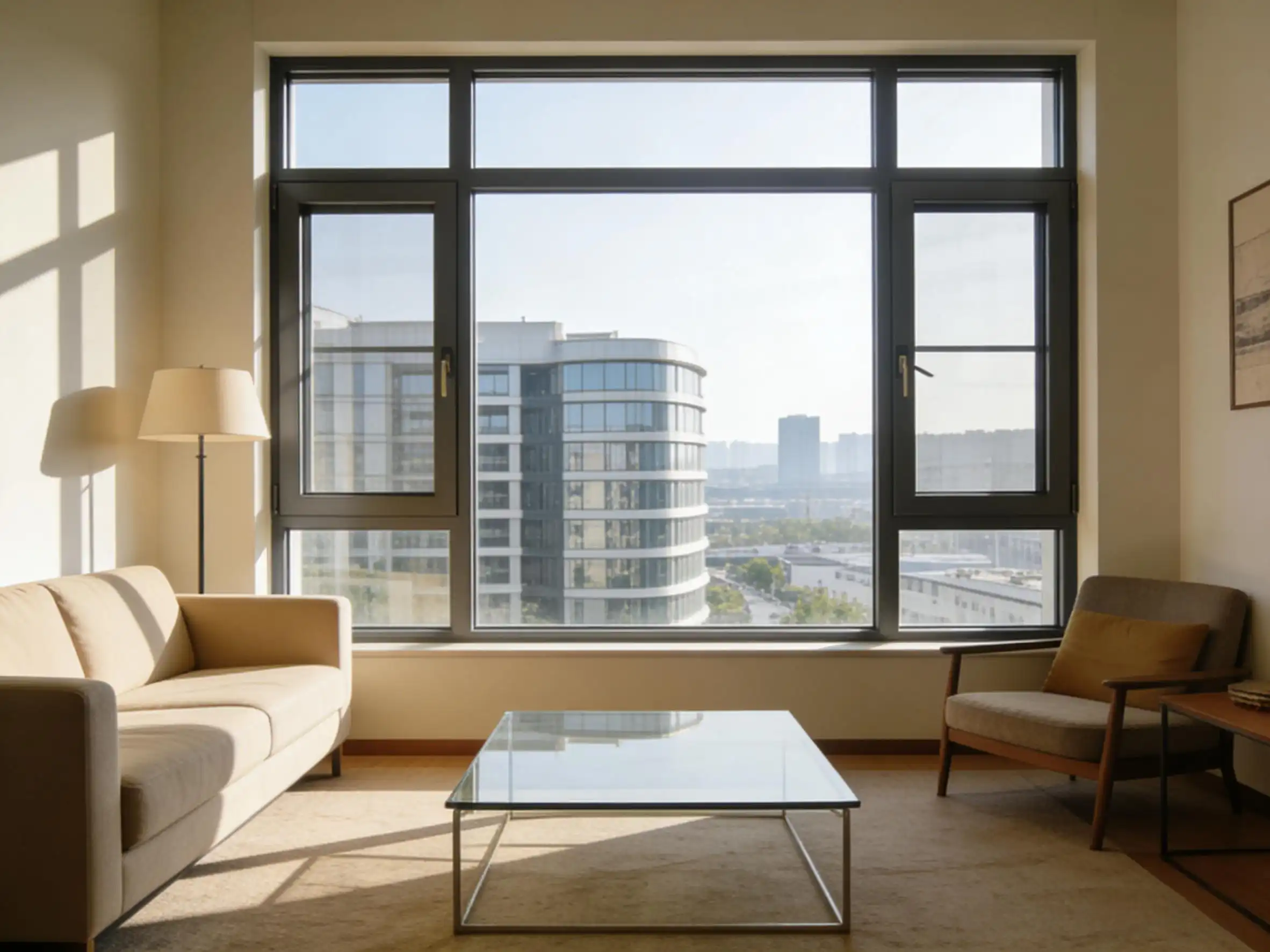
A Thermal Break Casement Window has a polyamide strip that acts as insulation between the inside and outside metal shapes. This makes a barrier that stops heat from moving. As a result, this design successfully stops heat movement, keeping indoor temperatures stable while consuming a lot less energy. Standard metal windows let heat escape, but these designed systems use PA66GF25 material, which is polyamide reinforced with 25% glass fiber, to provide better insulation. The technology fixes condensation problems that often happen with old-fashioned metal windows and meets standards for both home comfort and business building efficiency in a wide range of climates.
Understanding Thermal Break Technology in Modern Window Systems
How Thermal Barriers Interrupt Heat Transfer?
The multi-part frame design is what makes it new. Heat and cold can move easily between indoor and outdoor spaces when traditional metal extrusions are used. Thermal Break Casement Window systems separate this path by adding a low-conductivity strip that holds the frame parts together physically while keeping them cool. As a result, U-values drop by a huge amount, usually between 1.0 and 1.8 W/m²K dependent on how the glass is set up. This means that a lot less energy is lost when the house is heated or cooled in the winter or summer.
The costs of running the HVAC system go down measured amounts when these windows are added to the building envelope. Findings from U.S. According to the Department of Energy, improving fenestration in business buildings can cut energy use by 15 to 30 percent. This idea goes beyond simple insulation. It also stops condensation that ruins finishes and grows mold by keeping the inside of the frame warmer than room temperature. This keeps the moisture in the air below the dew point limits.
Material Engineering and Structural Performance
The 6063-T5 aluminum alloy used in high-quality Thermal Break Casement Window profiles has great strength-to-weight ratios that are needed for big business installs. This material is good for architecture because it doesn't rust and stays strong even when wind loads are higher than 4000Pa. Profile width is usually between 1.4 mm and 2.0 mm, and is adjusted based on the project's strength needs and span limits.
You can choose from double glazing (24 mm), triple glazing (up to 52 mm), and reinforced safety setups for the glass. Each configuration changes the general amount of security, thermal efficiency, and sound dampening. Triple-glazed panels can cut sound levels by up to 45dB, which is an important requirement for mid-rise buildings in cities that have to deal with road noise and high population densities. The thermal break is paired with a multi-layer EPDM closing system that provides Class 4 air permeability and E1050 water tightness grades that can withstand typhoons and salt spray from the coast.
Design Flexibility Through Dual-Color Capabilities
Architects and developers can define different styles for inside and outside surfaces, which is a useful feature. The Thermal Break Casement Window strip naturally splits the frame assembly in two, letting one side be treated with powder painting, anodizing, or PVDF to meet the needs of the face and the other side being treated to match the look of the inside. This ability to work with two colors gets rid of the design problems that come up with unified frame systems.
Surface treatments aren't just for looks. In harsh climates, PVDF coatings last for decades and keep their color, while powder coatings are more cost-effective for mild temperatures. Seaside systems benefit from special treatments and 304/316 stainless steel gear that stops galvanic corrosion. These are the kinds of things that have a direct effect on property managers' costs over time and how often they need to do upkeep.
Comparing Performance Characteristics Against Alternative Window Solutions
Energy Efficiency Benchmarks Across Window Categories
Thermal performance measures make it easy for procurement teams to tell the differences between choices. Standard metal windows with only one pane of glass and no thermal breaks usually have U-values above 5.0 W/m²K, which is too high for most U.S. building rules today. uPVC windows insulate only moderately (U-values of 1.6 to 2.0 W/m²K), but they aren't strong enough for big spaces or high-rise buildings where wind resistance is very important.
Wood windows have a classic look and provide decent protection, but they need to be maintained regularly and can be damaged by moisture in wet places. When properly engineered Thermal Break Casement Window systems are used, aluminum systems work as well as or better than uPVC in terms of thermal performance. They also provide the structural strength needed for floor-to-ceiling glazing, which is popular in modern business building. The slim profile form makes the most of the glass area that can be seen, making rooms brighter without lowering the energy economy.
Functional Differences in Operation and Longevity
When the sash closes against the frame, the weatherstripping bends to make a tight seal. This is how casement devices seal better than other types of windows. When compared to sliding methods that use brush covers that let some air in, this is very different. Different types of tilt-and-turn hardware give you more ventilation choices. They let you open the vents from the side for full access or tilt them up from the top for safe airflow in empty rooms.
Operational lifecycles last longer than 30 years when quality hardware systems and the right surface techniques are used. Unlike wood alternatives that need to be refinished every so often, they don't need much upkeep. Facility managers like the simple care instructions—regularly cleaning the tracks and lubricating the hardware is all that's needed to keep things running smoothly and protect the weatherseals for decades of use.
Certification Standards and Performance Validation
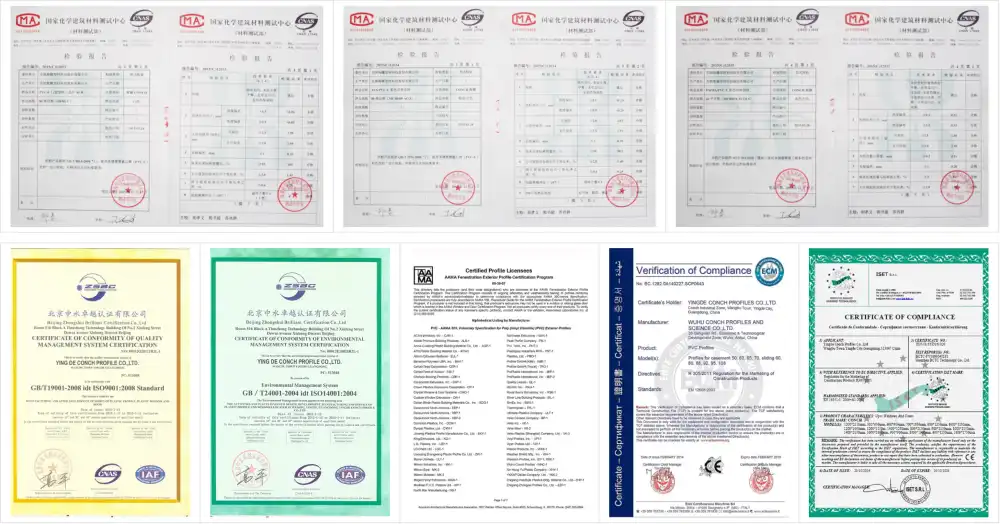
For thermal efficiency proof, U.S. projects often use NFRC (National Fenestration Rating Council) approvals. Standards set by the American Architectural Manufacturers Association (AAMA) cover things like structural stability and water protection. Third-party testing reports should be required as part of the procurement process to show that these standards are being met. This is especially important for university projects that want to get LEED certification, as the number of windows has a big impact on the energy modeling results.
Teams can make better comparisons when they understand how scoring systems work. A window that is certified for LEED compliance has been tested and shown to work well in normal circumstances. This lowers the risk of buying the window. Reports from independent labs back up what manufacturers say about U-values, Solar Heat Gain Coefficients, and Visible Transmittance. These are important pieces of information that affect how big a mechanical system is and how much it costs to run.
Strategic Procurement Considerations for Commercial Projects
Evaluating Manufacturer Capabilities and Supply Chain Reliability
Assessing suppliers is the first step to successful window buying. Teams must look at more than just the product specs. They must also look at the production capacity, the ability to make changes, and the track record of project performance. Manufacturers with ISO-certified facilities and automatic assembly lines show they care about quality stability, which is very important when orders include thousands of units that need to be made to exact measurements.
Haolv Building Materials is a good example of this level of production development because they use high-tech extrusion lines and CNC cutting tools that make sure that large orders are always the same. Managing project-specific color matching, hardware variations, and non-standard sizes makes it easier for general builders who are in charge of tight building plans to coordinate. Stable lead times are just as important—reliable 25–30 day production processes let you plan things correctly while still staying on schedule for the whole project.
Specification Development for Custom Requirements
Clear specs keep mistakes from costing a lot of money. The buying papers should list the profile series (70, 80, 100, and 120), surface treatments, glazing combinations, hardware names, and finish colors. Being able to send shop models for review before production starts makes sure that the finished product matches what was planned in the design. Technical support during the design creation process helps teams figure out how to balance speed, looks, and cost.
You can even choose which operating gear to use. In academic settings, high-security multi-point locking systems are useful, but normal lever handles are fine in low-risk areas. Integrated insect screens, decorative muntin grids, and special coatings for marine installs are all common customization requests that can be met by makers who are good at what they do without requiring too much wait time.
Cost Analysis Beyond Initial Pricing
Comprehensive buying looks at more than just the purchase price. It also looks at the total cost of ownership. Energy modeling can figure out how much money a building saves over its lifetime. For example, Thermal Break Casement Window installations that lower HVAC loads can pay for themselves in 5 to 7 years in harsh climates. Hardware and finish warranties that last between 10 and 20 years protect against early failures, but how responsive the maker is to problems in the field affects long-term happiness.
Volume savings for large orders make projects more cost-effective, especially when the same provider offers a range of window types for both homes and businesses. Value-added services, such as expert training for installation teams, on-site project support during key building phases, and the availability of replacement parts, cut down on hidden costs that eat away at budget reserves.
Maintenance Protocols to Maximize Window Lifespan
Routine Care Procedures for Commercial Installations
Regular care keeps things working well and looking good for many years. Every three months, the weatherseal should be checked for damage, the tools should be tested, and the drainage path should be clear. If you want to clean glass surfaces, use non-abrasive solutions instead of ammonia-based ones, which break down seals over time. Vacuuming the track channels is necessary to get rid of dirt that blocks the drainage weeps and makes it hard to move the tracks smoothly.
Hardware parts need to be oiled once a year using products suggested by the maker. Multi-point locking systems and hinge units have moving parts that can wear out. Lubrication keeps these parts from binding and increases their useful lives. Facility management teams should keep logs of all the repair work that is done. This will make everyone responsible and help them figure out which units need help right away before small problems get worse.
Troubleshooting Common Field Issues
Condensation between the glass panes means the seal has broken, which means the glass unit needs to be replaced. It is normal for surface mist to form on internal glass when temperatures are very different. This can be fixed by controlling the humidity instead of replacing the windows. Drafts around the edges could mean that the weatherseal isn't compressed properly or wasn't installed correctly. Either way, the problem can be fixed by replacing or adjusting the seal.
Most of the time, hard to use equipment is caused by too much dirt or not enough grease, not by broken hardware. Binding during opening and closing cycles could mean that the building has settled, which is making the frame less straight. Shimming and adjusting the frame should fix these problems without having to replace any parts. Knowing when to call a professional service and when to do regular repair can save you money and make sure that problems are handled by the right people.
Refurbishment Options for Aging Installations
Windows that are getting close to the end of their useful life may be better off being fixed up instead of being replaced completely. Upgrading hardware brings features and protection up to date, which adds another ten years to its useful life. Resealing and replacing the weatherstrips can bring back the heat performance for a lot less money than buying new ones. Powder coat refinishing gives frames that are looking worn a new look. This is especially helpful for keeping the look of big building faces consistent.
Performance Disclaimer: The temperature, structural, and auditory performance of a product will vary depending on how it is configured, how well it is installed, and the conditions of the site. When evaluating items for project-specific needs, you should always look at certified test results and detailed documentation from the maker.
Investment Value Analysis for Building Owners and Developers
Quantifying Energy Cost Reductions
Thermal Break Casement Window systems save money on power bills that add up over the life of a building. If business buildings lower their window U-values from 3.0 W/m³K to 1.2 W/m³K, they can expect 20–35% less heat loss through their shell. Using this to figure out HVAC operating costs, an office building with 50,000 square feet could save between $8,000 and $15,000 a year, based on the temperature zone and energy rates. Over a 30-year service life, these saves are much greater than the original cost of the premium windows.
Another financial gain is a drop in peak demand. By using selective low-E glass coats to cut down on solar heat gain and thermal barriers to cut down on electrical losses, mechanical systems work better when utility rates go up because of bad weather. Demand charge cuts on business power bills add up to monthly savings that go beyond basic usage data.
Occupant Comfort and Productivity Impacts
In addition to saving energy, the Thermal Break Casement Window improves the quality of the air inside. Stable surface temperatures inside get rid of cold drafts near the edges of the building, making more space useful and lowering complaints from residents. Better soundproofing makes the workplace more productive in cities where noise from traffic and building can get through weak window systems.
Optimizing daylighting with thin curves and larger glass areas lowers the need for artificial lighting and helps the body's circadian cycle, both of which are linked to employee health and retention. These benefits can't be precisely measured, but they do affect how happy tenants are and how often business owners renew their leases.
Environmental Responsibility and Green Building Alignment
As companies try to meet environmental requirements, LEED and BREEAM standards are becoming more and more important in their purchasing decisions. High-performance Thermal Break Casement Window products earn points in a number of credit areas, such as energy efficiency, daylighting, and choice of materials. Aluminum can be recycled over and over again without losing any of its quality, which benefits the circular economy and material health standards.
Cutting down on practical energy use and lowering the company's carbon footprint are both in line with its ESG goals. Nearly 40% of the world's carbon emissions come from buildings; envelope changes have an instant effect. Choosing windows with Environmental Product Declarations makes things clear and helps with green building paperwork and reporting to stakeholders.
Conclusion
The Thermal Break Casement Window is a tried-and-true building solution that meets both efficiency and aesthetic needs in modern construction. The technology gets rid of the heat bridging that happens in regular metal systems while keeping the structural benefits that are needed for business uses. Instead of just looking at the original cost, procurement teams should judge suppliers based on their production skills, ability to accommodate customizations, and assistance throughout the product's lifecycle. When properly installed and cared for, these window systems will last for decades and save you money on energy costs and make your home more comfortable, which makes the higher initial investment worth it.
FAQ
Q1: Can thermal break windows perform effectively in extreme climates?
A: Yes, the Thermal Break Casement Window works effectively in all climate zones in the United States. For places in the north with harsh winters, triple-glazed setups work best. In the south, where cooling is more common, solar-control glass choices work best. The thermal barrier principle works even when temperatures are very high or very low. The right window choice depends on the climate.
Q2: What kind of warranty support should buying teams look for?
A: Hardware parts from reputable manufacturers come with 10-year warranties, and finishes come with 15–20-year guarantees against peeling or fading. Most sealed glass units come with a 10-year promise that the seal won't break. There are times when expensive product lines offer longer guarantees. When evaluating a supplier, you should always look at the guarantee terms. Coverage shows how confident the maker is in the product's durability.
Q3: How do upkeep needs compare to those of windows that don't break heat?
A: Maintenance procedures stay mostly the same. The Thermal Break Casement Window part doesn't need any extra care—its longevity is the same as that of the metal profiles it joins. No matter what thermal efficiency features are used, standard cleaning, lubrication, and check plans still apply. Overall upkeep is still a lot easier than with wood choices that need to be refinished.
Partner with Haolv Building Materials for Your Next Project
With 18 years of experience making specialized products, Haolv Building Materials is ready to meet your Thermal Break Casement Window needs. Our ISO-certified factories have automatic assembly lines and precise CNC tools that make sure the quality of all bulk orders is the same. We can meet even the most specific customization needs, such as dual-color finishes and hardware integration that is specific to the project. Our steady 25–30 day production cycles will also work with your building schedule.
As a dedicated Thermal Break Casement Window maker, we offer full support, including technical talks, shop drawing development, and free sample programs (freight collect) so that you can make an informed decision before committing. Our engineering team works directly with your specifications team to make sure that goods meet the needs of NFRC, AAMA, and local codes.
Get in touch with Haolv Building Materials right away to talk about the details of your project. Email our expert team at kristin@haolvwindows.com for full quotes, performance data, and case study references that show how we can help with both business and home projects. We offer the quality, flexibility, and supply chain dependability that will help your project purchase go smoothly.
References
1. American Architectural Manufacturers Association. "AAMA 507-16: Standard Practice for Determining the Thermal Performance Properties of Fenestration Products." 2016.
2. Carmody, John, Stephen Selkowitz, Eleanor S. Lee, Dariush Arasteh, and Todd Willmert. "Window Systems for High-Performance Buildings." Norton & Company, 2004.
3. National Fenestration Rating Council. "NFRC 100: Procedure for Determining Fenestration Product U-factors." National Fenestration Rating Council, 2020.
4. U.S. Department of Energy. "Energy Efficiency and Renewable Energy: Windows and Glazing." Building Technologies Office, 2021.
5. Passive House Institute. "Criteria for the Passive House, EnerPHit and PHI Low Energy Building Standard." Passive House Institute, 2016.
6. Efficient Windows Collaborative. "The Efficient Windows Collaborative: Window Technologies, Selection, and Management." Alliance to Save Energy and Department of Energy, 2019.
Fast simple channel to send demands lock favorable price for building window door bulk purchases.