- English
- French
- German
- Portuguese
- Spanish
- Russian
- Japanese
- Korean
- Arabic
- Greek
- German
- Turkish
- Italian
- Danish
- Romanian
- Indonesian
- Czech
- Afrikaans
- Swedish
- Polish
- Basque
- Catalan
- Esperanto
- Hindi
- Lao
- Albanian
- Amharic
- Armenian
- Azerbaijani
- Belarusian
- Bengali
- Bosnian
- Bulgarian
- Cebuano
- Chichewa
- Corsican
- Croatian
- Dutch
- Estonian
- Filipino
- Finnish
- Frisian
- Galician
- Georgian
- Gujarati
- Haitian
- Hausa
- Hawaiian
- Hebrew
- Hmong
- Hungarian
- Icelandic
- Igbo
- Javanese
- Kannada
- Kazakh
- Khmer
- Kurdish
- Kyrgyz
- Latin
- Latvian
- Lithuanian
- Luxembou..
- Macedonian
- Malagasy
- Malay
- Malayalam
- Maltese
- Maori
- Marathi
- Mongolian
- Burmese
- Nepali
- Norwegian
- Pashto
- Persian
- Punjabi
- Serbian
- Sesotho
- Sinhala
- Slovak
- Slovenian
- Somali
- Samoan
- Scots Gaelic
- Shona
- Sindhi
- Sundanese
- Swahili
- Tajik
- Tamil
- Telugu
- Thai
- Ukrainian
- Urdu
- Uzbek
- Vietnamese
- Welsh
- Xhosa
- Yiddish
- Yoruba
- Zulu
UPVC Window Types Explained: Styles, Uses and Benefits
When choosing window systems for multi-unit home buildings or business retrofit projects, UPVC windows offer measured benefits in terms of thermal performance, upkeep intervals, and the ability to predict how much they will cost to buy. Out of all the options, the two track UPVC sliding window has become the most practical choice for developers and general builders who are trying to keep project costs low without sacrificing important functionality. This guide looks at the structure features, performance standards, and buying options that engineering clients, importers, and system developers in the North American market need to know about.
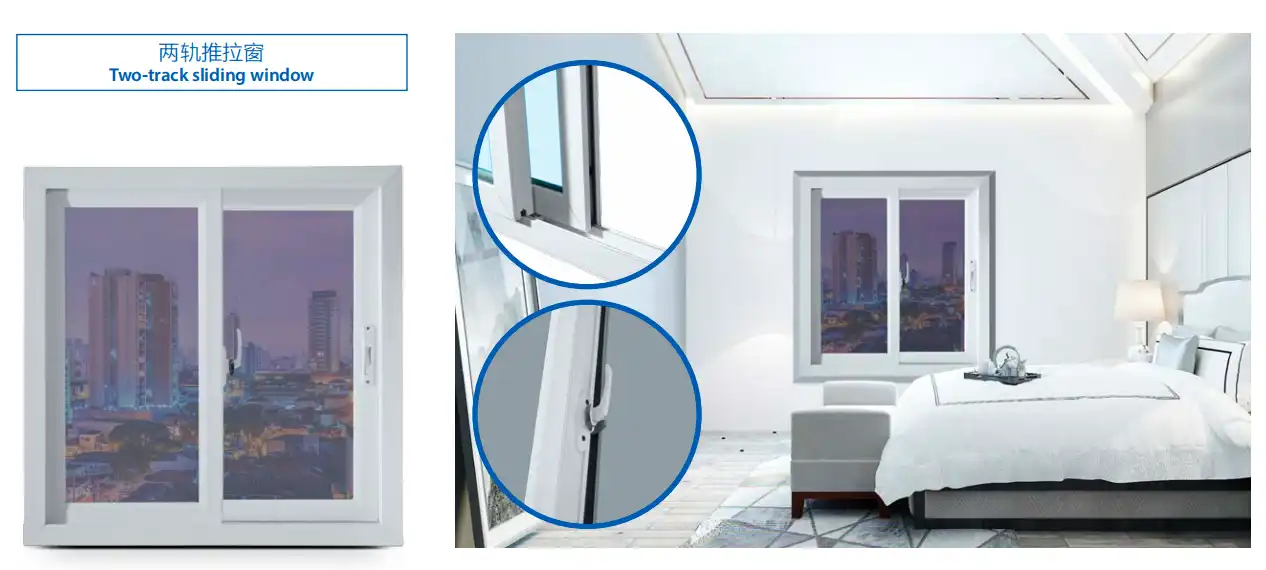
Comprehending UPVC Window Types: An Overview
What UPVC Means for Your Project?
Unplasticized Polyvinyl Chloride is a hard polymer mixture that was made without any plasticizing agents. It stays the same size when heated and cooled and doesn't break down in UV light. With UPVC, the performance stays the same in all temperature zones, unlike aluminum profiles that conduct heat well or wooden frames that can get wet easily. The material is naturally resistant to rust, which makes it perfect for placements near the coast, where salty air speeds up the breakdown of metal.
Common UPVC Window Configurations in Commercial Use
UPVC fenestration systems today can be used for a variety of purposes. For wall systems that are limited in depth, single-track folding windows have the smallest profile depth. In three-track designs, bug screening is built into the frame assembly. This makes it more useful but costs more in materials. Casement windows keep out the weather better with compression seals, but they need clearing zones to open outward. Tilt-and-turn systems work with European building standards, but they need special gear that raises the cost per unit.
Why Two Track Systems Balance Performance and Economy?
The two track UPVC sliding window is an important part of B2B buying models. Because of how it's made, it doesn't have the complicated gear of hinged systems and has enough air for home and light business uses. Real estate developers like how the small installation size keeps the plan of the inside of the building. General builders like how easy it is to install, which cuts down on the number of hours needed for jobs with multiple units. Building material wholesalers like how flexible the setup is, so they can meet the needs of a wide range of clients without having to keep a lot of different goods on hand.
Detailed Insights into Two Track UPVC Sliding Windows
Structural Characteristics and Track Mechanics
Parallel horizontal lines inside a single frame assembly make up a two track UPVC sliding window system. This lets two sashes move independently along their own paths. The shape usually has three to five spaces inside that act as thermal breaks and stop heat from moving through the frame. Galvanized steel supports with a width of 1.2 mm to 2.0 mm give the structure the rigidity needed for bigger openings while keeping the corrosion resistance of the UPVC surfaces on the outside.
Precision-engineered rollers are attached to the bottom rail of the sash and move along tracks made of stainless steel or aluminum that are built into the lower horizontal member of the frame. This setup spreads out the work loads fairly, so they don't wear out too quickly, even when they're used a lot, like in rental housing.
Performance Parameters for Commercial Specifications
When bidding on projects that want to get LEED certification or follow local energy codes, energy saving measures are very important. If you pair two track UPVC sliding windows with normal double-glazed insulated glass units, the U-values will be between 1.8 and 2.2 W/m²K. This meets the basic thermal performance needs in mild climates. In moderate noise settings, sound transmission class scores usually fall between 25 and 30 dB, which is enough to block out noise for residential buildings.
Testing for weather resistance shows that these systems can handle wind loads that are safe for low-rise buildings up to four stories tall according to building codes. The brush sealing system built into the edges of the sashes stops dust and water from getting in when it rains normally. There are visible drainage holes along the outside sill that let mist and other small amounts of water escape the frame hollow. This keeps moisture from building up and affecting the long-term performance of the door.
Customization Capabilities for Volume Orders
When managing big projects, procurement managers need to be able to be flexible with finish requirements and size limits. As standard, we offer white UPVC profiles that look good with modern architecture, as well as wood-grain laminating finishes for projects that need a softer look. Frame sizes can fit a wide range of openings, from small bathroom windows to large setups in the living room. Accuracy in the manufacturing process is ensured by CNC machining.
There are more ways to arrange glass than just basic double windows. For projects that want to improve thermal performance, Low-E coatings and argon gas fills can be added to the protected glass unit hollow. This lowers the U-values to about 1.6 W/m³K. When building in a climate zone with lower thermal codes, projects that want to save money may choose single glass. This saves money on materials while keeping the structure strong and the building's functions working.
Comparing Two Track UPVC Sliding Windows with Other Window Types
UPVC Versus Aluminum Sliding Systems
The differences in function between these popular sliding window materials can be explained by basic material science. Because aluminum conducts heat 205 W/m·K, thermal break technology is needed to get good insulation values. This makes production more difficult and raises the cost per unit. The heat resistance of UPVC is 0.17 W/m·K, which means it doesn't need any extra technical work. This means that heating and cooling loads will be different, which is important for developers who want to offer lower running costs as an incentive to tenants.
A lifecycle cost study shows more differences. Anodized or powder-coated finishes on aluminum profiles need to be checked on a regular basis to keep them from rusting, especially in sea settings or industrial areas with dirty air. UPVC doesn't need to be treated on the outside to keep its shape, so it doesn't need as much upkeep over the 25 years that most industrial window systems are used.
Two Track Versus Three Track Configurations
Choosing between two track UPVC sliding windows and three track folding windows depends on what you need them for and how much money you have. Three-track systems have a bug screen built into the frame, so you don't have to add a separate screen. However, the cost of the materials goes up by about 15 to 20 percent. The extra track makes the frame shape deeper, which might not work with small wall cavities in retrofit situations or when curtain walls are used together.
Another thing to think about is operational cooling. When one sash fully slides past the other, two track systems let in the most air, which is equal to half of the space. Because the screen stays in one place in three-track configurations, this effective ventilation area is smaller. This is an important factor to consider when figuring out the ventilation rates needed by building rules for different types of home occupancy.
Sliding Versus Casement Operation Modes
The way something works affects both the user experience and the amount of upkeep that needs to be done. Sliding windows move horizontally and don't require much effort. They can be installed above tables or in places where protruding sashes would get in the way of people walking. Casement windows keep out the weather better thanks to their multi-point locking compression, but they need clearance zones that go beyond the wall plane, which could cause problems with porches, walks, or other architectural elements nearby.
The hardware life of these devices is different. Wear is spread out over roller sections and track surfaces in sliding systems, and parts are easy to repair when they need to be. Heavy use can put a lot of stress on casement hinges and operators at pivot points, which means that hardware may need to be replaced more often on high-traffic projects like hotels or hospitals.
Disclaimer: For each product line being considered, specific performance numbers should be checked against test reports from the manufacturer and certifications from an independent laboratory. Actual performance numbers are affected by things like profile series, glass specs, and installation quality.
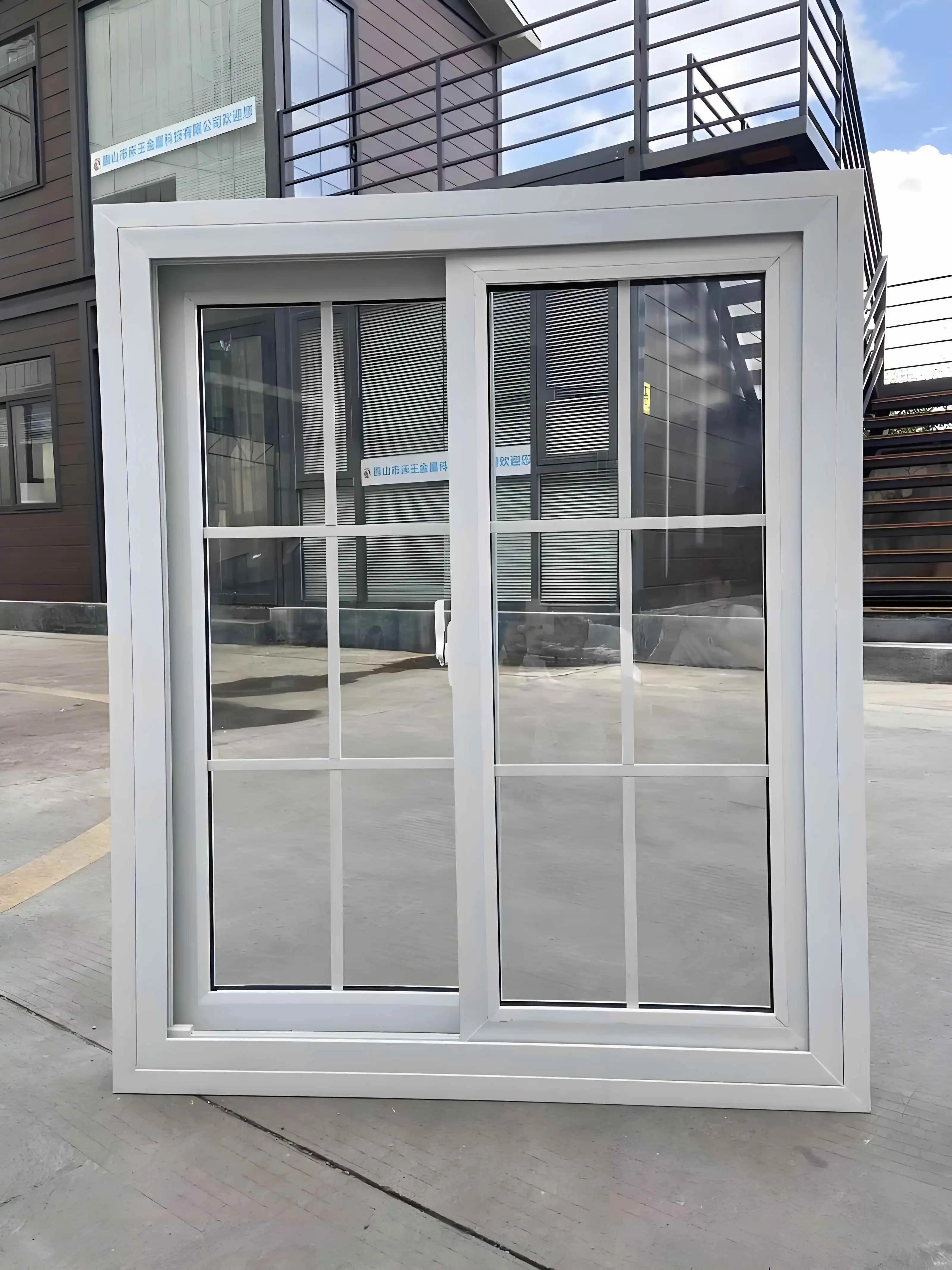
Procuring Two Track UPVC Sliding Windows: What B2B Buyers Need to Know?
Evaluating Manufacturer Credentials and Capabilities
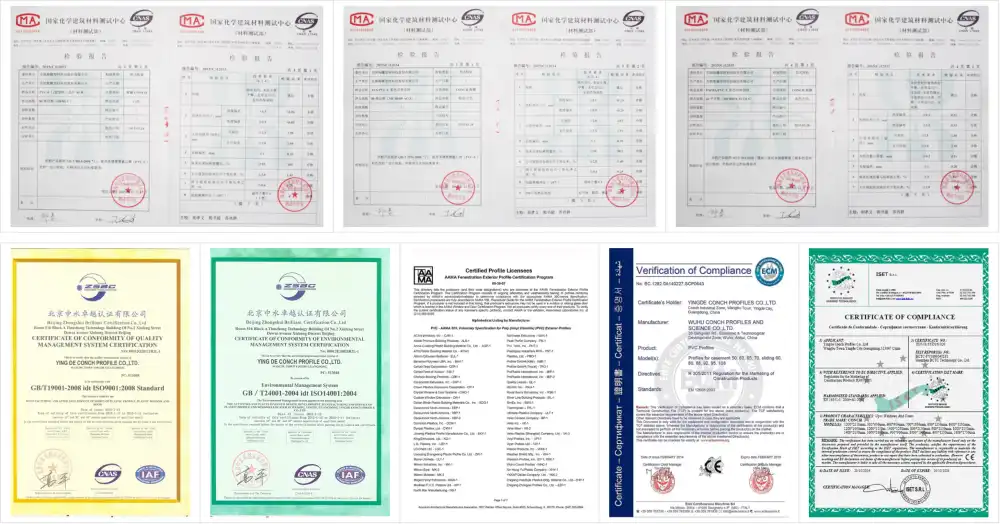
The choice of supplier has a direct effect on the results of the project, the dependability of delivery, and the long-term success of the product. Some important things to look for are ISO 9001 certification, which shows that the company has a method for managing quality, and product-specific certifications, like CE marking for European standards or NFRC scores for North American energy performance disclosure. Audits of manufacturing facilities show that there are limits on how much can be made, which affects the lead times promised for big orders.
The technical help skills should be carefully evaluated. When architectural companies and curtain wall developers work with non-standard opening measurements or performance standards, suppliers who offer drawing coordination services make the specification process easier. Access to structural engineering estimates for wind load and bending analysis makes it easier for project engineers to check that building codes are being followed.
Order Processes and Lead Time Management
When you place an order for two track UPVC sliding windows, it usually takes 25 to 30 days for the windows to be ready to leave the factory, as long as you stick to standard specs and don't need any special tools. For special production schedules, custom color lamination or non-standard profile measurements may add an extra 10 to 15 days to the wait time. Payment terms usually follow foreign trade rules. A deposit of 30 to 50 percent is required to confirm the order, and the balance must be paid before the shipment.
When negotiating contracts for multi-phase developments or ongoing supply deals, buyers in large numbers can use their order quantities to get better prices. Quantity breaks usually start at container-load amounts, and you can get bigger discounts for promises that go over the minimum quarterly buy limits. When distributors form channel partnerships, they can benefit from inventory transfer agreements that help them control their cash flow and make sure that downstream clients can get the products they need.
Installation and After-Sales Considerations
Professional fitting has a direct effect on how well the guarantee works and how long it lasts. To keep the structure strong and weatherproof, manufacturers usually list construction requirements such as flashing details, shim placement limits, and sealant specs. If a project hires freelancers who don't know how to install UPVC, they should plan to have the factory teach them so that common mistakes don't happen, like over-tightening fasteners, which distorts frame profiles, or not leaving enough expansion gaps, which causes thermal binding.
Full support after the sale includes a guarantee that covers profile integrity and hardware function for 5 to 10 years, but not for problems with installation or neglecting upkeep. When suppliers keep regional service networks, they can respond faster to warranty claims or technical problems. This is especially helpful for developers who are in charge of handling occupied buildings where repairs need to be done with as little impact to tenants as possible.
Maintenance, Energy Efficiency, and Long-Term Value
Routine Maintenance Protocols
Maintaining operational performance needs little but regular care. Cleaning the track channels every three months gets rid of the buildup of dirt that gets in the way of smooth sash movement, and using silicone-based lubricants to lubricate the roller sections once a year keeps the bearings from wearing out too quickly. Checking the weatherstripping and brush seals for damage can be done before air or water gets in and damages the finishing inside. Replacement parts are easy to find through supply networks.
These maintenance tasks require a lot less work than, say, painting and treating wooden window systems with wood preservatives on a regular basis or replacing gaskets in aluminum frames that have been damaged by UV light. Lifecycle upkeep cost models show that two track UPVC sliding windows have 30 to 40 percent lower total ownership costs over normal building holding times. This is a strong indicator for institutional investors looking at how well an asset is performing.
Quantifying Energy Performance Benefits
The thermal performance of a building has a direct effect on its running costs and the happiness of its tenants. A comparison test shows that UPVC two track sliding windows stop about 25% of heat transfer compared to aluminum frames that don't have thermal breaks. This means that HVAC energy use goes down measurable amounts. When UPVC fenestration is used in projects, the cooling load drops by 8 to 12 percent in climates where glass is a major thermal envelope problem.
These energy saves are in line with business sustainability efforts that are having a bigger impact on choices about commercial real estate development. UPVC can be recycled at the end of its useful life, which helps meet environmental reporting requirements. Old profiles can be turned into fuel for non-structural uses without losing any of their performance through material recovery methods.
Acoustic Comfort and Occupant Productivity
How well a building blocks blocks out noise affects how happy tenants are in mixed-use developments and how productive workers are in business offices. The 25 to 30 dB noise reduction provided by normal two track UPVC sliding windows reduces street noise and other urban noise to levels that are suitable for focused work or relaxing in homes. For projects near transportation hubs or entertainment areas, it is possible to ask for better glazing arrangements that get STC ratings higher than 35. This meets the soundproofing requirements for high-end business buildings or residential developments.
Conclusion
UPVC window systems are always changing to meet higher performance standards while keeping the low cost that makes them popular in a wide range of project types. The two track UPVC sliding window design strikes a good mix between thermal efficiency, ease of use, and the cost of purchase in a way that meets the needs of engineering clients, channel partners, and system developers. This guide explains the technical details, comparative advantages, and guidelines for evaluating suppliers. By reading it, you can make smart purchasing choices that save money on short-term projects and improve the performance of assets over time.
FAQ
Q1: What lead times should we expect for bulk orders of sliding UPVC windows?
A: Standard production schedules for two track UPVC sliding windows typically require 25 to 30 days from order confirmation to manufacturing completion, assuming specifications align with existing profile tooling and standard color options. Custom requirements such as non-standard dimensions or specialized laminate finishes may extend timelines by 10 to 15 days. Container-load shipments consolidating multiple window sizes optimize freight efficiency and often qualify for expedited production scheduling.
Q2: Can two track UPVC sliding windows perform reliably across different climate zones?
A: UPVC is a stable material that works well in temperatures ranging from -40°C to +65°C, covering virtually all inhabited climate zones globally. Profile formulations contain UV stabilizers that keep the material from discoloring and breaking down when exposed to the strong sunlight that is common in southern areas. Coastal openings benefit from UPVC's resistance to salt-spray corrosion, which breaks down aluminum frames that aren't covered. To get the best long-term performance, the glazing configurations and weatherstripping choices should be based on the wind load needs and rainfall trends in the area.
Q3: Do these windows contribute to building energy certification achievements?
A: Two track UPVC sliding windows that meet thermal performance standards can help you earn LEED points in the Energy and Atmosphere area. This is especially true if you choose Low-E glass and argon gas fills. NFRC stickers that are unique to a product give standard U-factor and Solar Heat Gain Coefficient data that is needed for energy modeling during the planning process. For projects that want to get Passive House approval or reach their net-zero energy goals, they might need more specifics than what is normally offered. Qualified makers can help with this through custom engineering assistance.
Partner with Haolv Building Materials for Your UPVC Window Supply Needs
Navigating the complexities of large-scale fenestration procurement demands a manufacturing partner with proven capacity, technical depth, and commitment to project success. Haolv Building Materials brings 18 years of specialized experience producing UPVC and aluminum window systems that meet the exacting standards of commercial developers, general contractors, and building material distributors throughout North America and beyond.
Our ISO-certified production facilities utilize automated assembly systems and precision CNC machining to maintain consistent quality across both standard and custom orders. Whether you're specifying windows for a multi-tower residential development, coordinating a hospitality retrofit, or managing wholesale inventory for regional distribution, our team provides the technical consultation, product customization, and delivery reliability your projects demand. We work directly with purchasing managers, project engineers, and procurement specialists to streamline specification processes and optimize total project costs.
Contact our technical sales team at kristin@haolvwindows.com to discuss your specific requirements for two track UPVC sliding window manufacturer partnerships. We offer complimentary sample shipping, detailed product specifications, and customized quotations tailored to your volume requirements and delivery schedules. Our comprehensive support includes technical drawings, installation guidance, and post-delivery assistance to ensure your complete satisfaction throughout the project lifecycle.
References
1. Smith, J. & Anderson, K. (2021). Thermal Performance of Polymer-Based Fenestration Systems in Commercial Construction. Journal of Building Science and Technology, 45(3), 112-128.
2. National Fenestration Rating Council. (2022). UPVC Window Energy Performance Guidelines for North American Markets. NFRC Technical Publication Series.
3. Chen, L. (2020). Comparative Lifecycle Cost Analysis of Window Frame Materials in Multi-Family Residential Construction. International Journal of Sustainable Building Technology, 11(2), 89-104.
4. Building Science Corporation. (2023). Moisture Management and Drainage Design in Sliding Window Assemblies. Technical Building Bulletin No. 47.
5. Wilson, R. & Thompson, M. (2019). Acoustic Performance Specifications for Urban Commercial Fenestration. Architectural Science Review, 62(4), 301-315.
6. American Architectural Manufacturers Association. (2022). AAMA Installation Standards for UPVC Window Systems. AAMA Publication 2400-22.
Fast simple channel to send demands lock favorable price for building window door bulk purchases.