- English
- French
- German
- Portuguese
- Spanish
- Russian
- Japanese
- Korean
- Arabic
- Greek
- German
- Turkish
- Italian
- Danish
- Romanian
- Indonesian
- Czech
- Afrikaans
- Swedish
- Polish
- Basque
- Catalan
- Esperanto
- Hindi
- Lao
- Albanian
- Amharic
- Armenian
- Azerbaijani
- Belarusian
- Bengali
- Bosnian
- Bulgarian
- Cebuano
- Chichewa
- Corsican
- Croatian
- Dutch
- Estonian
- Filipino
- Finnish
- Frisian
- Galician
- Georgian
- Gujarati
- Haitian
- Hausa
- Hawaiian
- Hebrew
- Hmong
- Hungarian
- Icelandic
- Igbo
- Javanese
- Kannada
- Kazakh
- Khmer
- Kurdish
- Kyrgyz
- Latin
- Latvian
- Lithuanian
- Luxembou..
- Macedonian
- Malagasy
- Malay
- Malayalam
- Maltese
- Maori
- Marathi
- Mongolian
- Burmese
- Nepali
- Norwegian
- Pashto
- Persian
- Punjabi
- Serbian
- Sesotho
- Sinhala
- Slovak
- Slovenian
- Somali
- Samoan
- Scots Gaelic
- Shona
- Sindhi
- Sundanese
- Swahili
- Tajik
- Tamil
- Telugu
- Thai
- Ukrainian
- Urdu
- Uzbek
- Vietnamese
- Welsh
- Xhosa
- Yiddish
- Yoruba
- Zulu
The Benefits of uPVC Flush Casement Windows: Style and Security
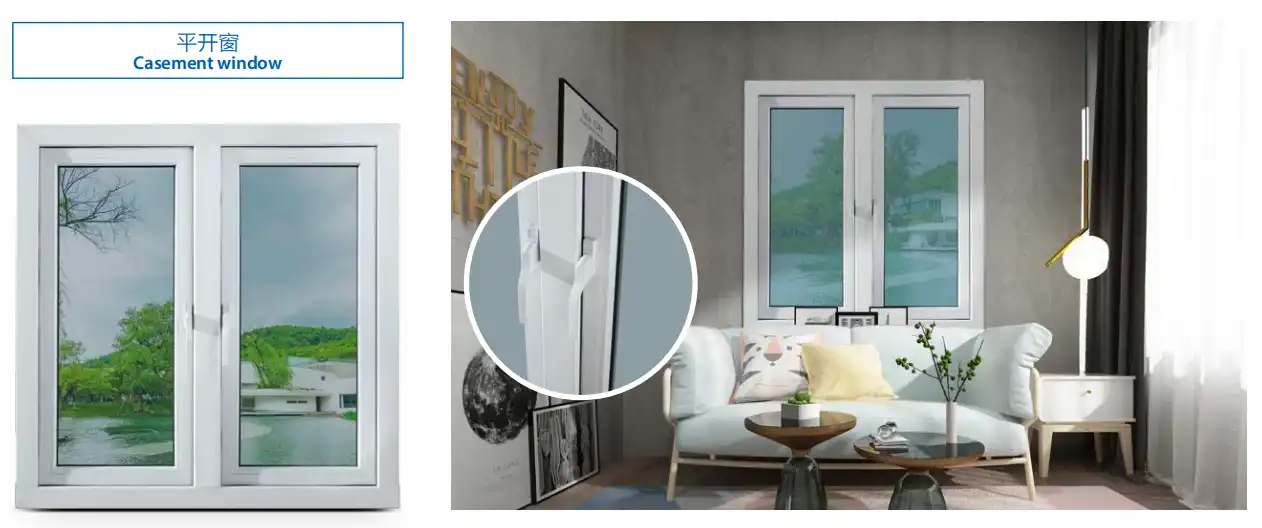
uPVC windows flush casement systems offer a great mix of current style and high security, which are two important factors for B2B procurement pros. When these windows are closed, the sash sits flush with the outside frame. This gives the windows a clean, simple look that goes with both modern and classic home styles. The unplasticized polyvinyl chloride material has great thermal performance, and the built-in multi-point locking systems protect both business and household projects well. Because of these features, flush casement uPVC windows are very useful for builders, developers, and marketers who need reliable window options that meet strict building codes without sacrificing style.
Understanding uPVC Flush Casement Windows: Design and Functional Benefits
What Defines the Flush Casement Design?
There is something special about the uPVC windows flush casement design: the window sash lines up perfectly with the frame surface instead of sticking out over the top of it. This design makes clean sightlines and makes the most of the glass area that can be seen. This lets more natural light in and makes it easier to see how indoor and outdoor places link. The profile system usually comes in 60 or 70 series forms, with different depths to meet the needs of different glass types and building codes.
Multi-chambered uPVC profiles are used in the frame building to give it strength and keep heat out. These chambers catch pockets of air, which greatly reduces heat movement and helps the energy output be better. Unplasticized polyvinyl chloride is a material that doesn't bend, rust, or break down in UV light, so it can be used in a wide range of climates, from seaside areas to high-altitude sites.
Security Features That Meet Commercial Standards
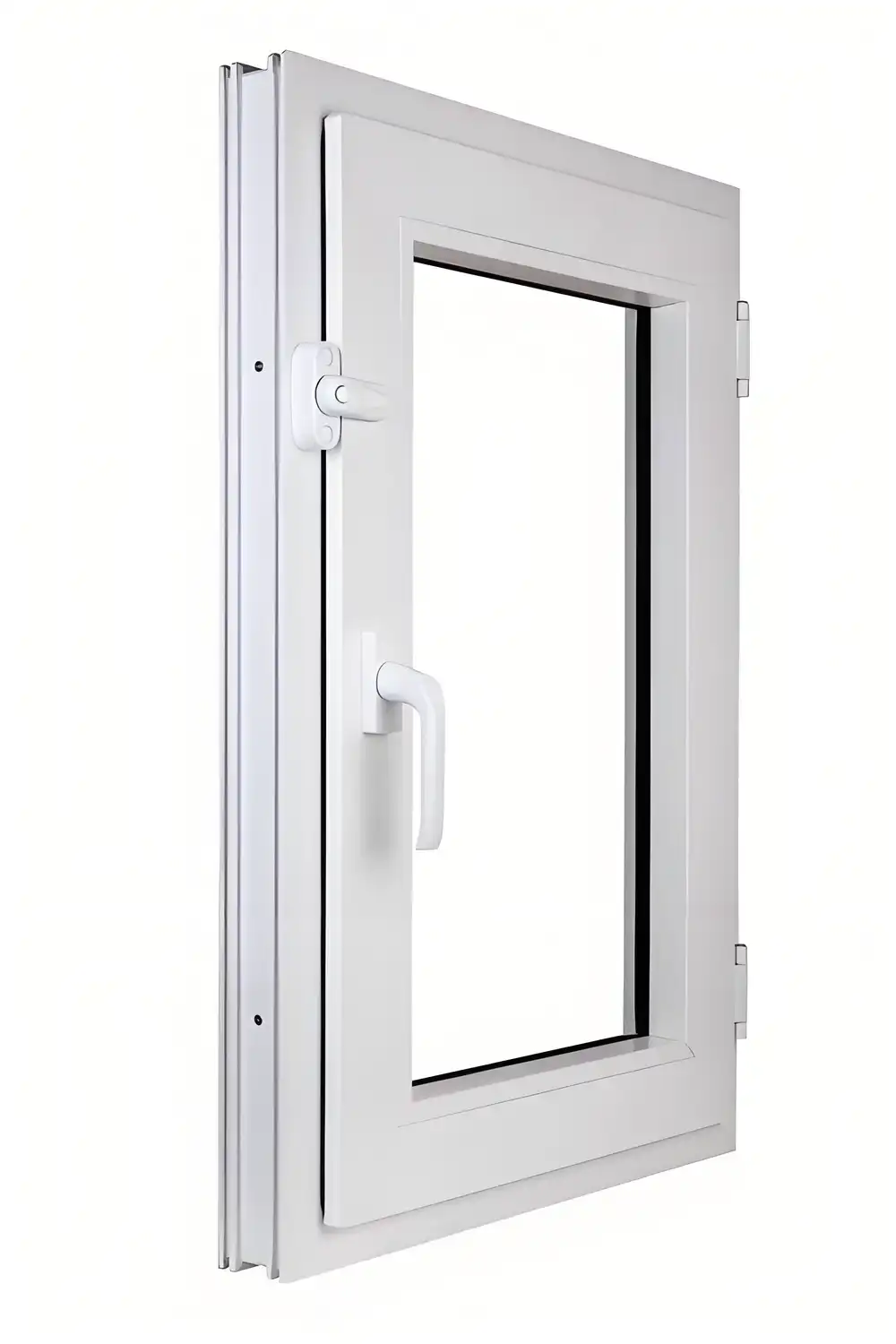
When project managers and facility directors look at window systems for big installations, security is still their main worry. These problems can be fixed with flush casement windows, which have built-in multi-point locking systems that connect the frame at multiple places when the window is closed. When compared to single-point locks, this spread locking system makes breaking in much harder.
Most of the time, the hardware has shootbolt systems that stick out vertically into the frame and add extra protection. Galvanized steel reinforcements with a thickness of 1.4 mm to 2.0 mm can be added to the uPVC profiles as an option to make the structure stronger and more resistant to impact. This reinforcement is especially helpful for setups on the ground floor and buildings in places that need to be very safe.
Another important security element is the internal glass beads. When it comes to externally beaded systems, the glass can be taken out from the outside. But with internal beading, the glazing units can only be reached from the inside, adding another layer of security against break-ins.
Thermal and Acoustic Performance Characteristics
Thermal performance is an important specification factor because it directly affects how much a building costs to run for both owners and renters. Because they have multi-chambered frames, triple EPDM seal systems, and high-performance glass choices, flush casement windows have very low U-values. When compared to single-pane options, double or triple-glazed units filled with argon gas can cut heat movement by a large amount.
The triple sealing method makes gasket shields that meet and stop air and water from getting in. Because these EPDM (ethylene propylene diene monomer) seals don't change shape when the temperature does, they will keep working well even when the seasons change. When the seal is closed, the flush design makes the seal contact uniformly compressed and reduces gaps, which helps keep air out.
In cities and mixed-use projects, acoustic shielding is becoming more and more important. The weight of the uPVC frames and the laminated or double-glazed units work well to block out noise. These windows block out more noise, which makes projects near transportation routes, entertainment districts, or industry areas more comfortable for residents and raises the value of the property.
Comparing uPVC Flush Casement Windows with Other Window Types
Material Performance: uPVC versus Timber and Aluminum
Knowing the important differences between things helps buying teams make smart choices that meet the needs of the project and take into account the costs over its lifetime for a uPVC windows flush casement installation. Timber windows have a classic look, but they need to be painted, sealed, and treated on a regular basis to keep them from rotting and getting damaged by bugs. Wood usually needs to be taken care of every couple of years, which costs money in work and materials.
Aluminum frames are very strong and have thin outlines, but they easily conduct heat without any thermal breaks, which could make them less energy efficient. Modern metal systems have thermal barriers, but they usually need more complicated engineering to get the same thermal performance as uPVC with multiple chambers. Aluminum is also usually more expensive as a material, which can affect project funds, especially when a lot of it is ordered.
Aside from being long-lasting, uPVC flush casement windows don't need much upkeep. The material does not need to be painted, does not let water in, and keeps its structural stability for decades. Because the color is either built into the profile or sprayed with high-performance foils that stick to the surface forever, you don't have to worry about the paint peeling or fading that can happen with painted finishes.
Operational Considerations: Casement versus Sliding and Tilt-Turn
The type of window action affects both how it works and how well the building does its job. The moving track system in sliding windows makes them more space-efficient, but it also makes them less good at sealing. The gap in slide designs can make it easier for air to get in, which can lower the energy efficiency.
Tilt-and-turn windows let in more air and are easier to clean, but they have more complicated hardware that can make them more expensive and need more upkeep. When compared to easier casement designs, the dual-operation system needs more adjustment points and moving parts.
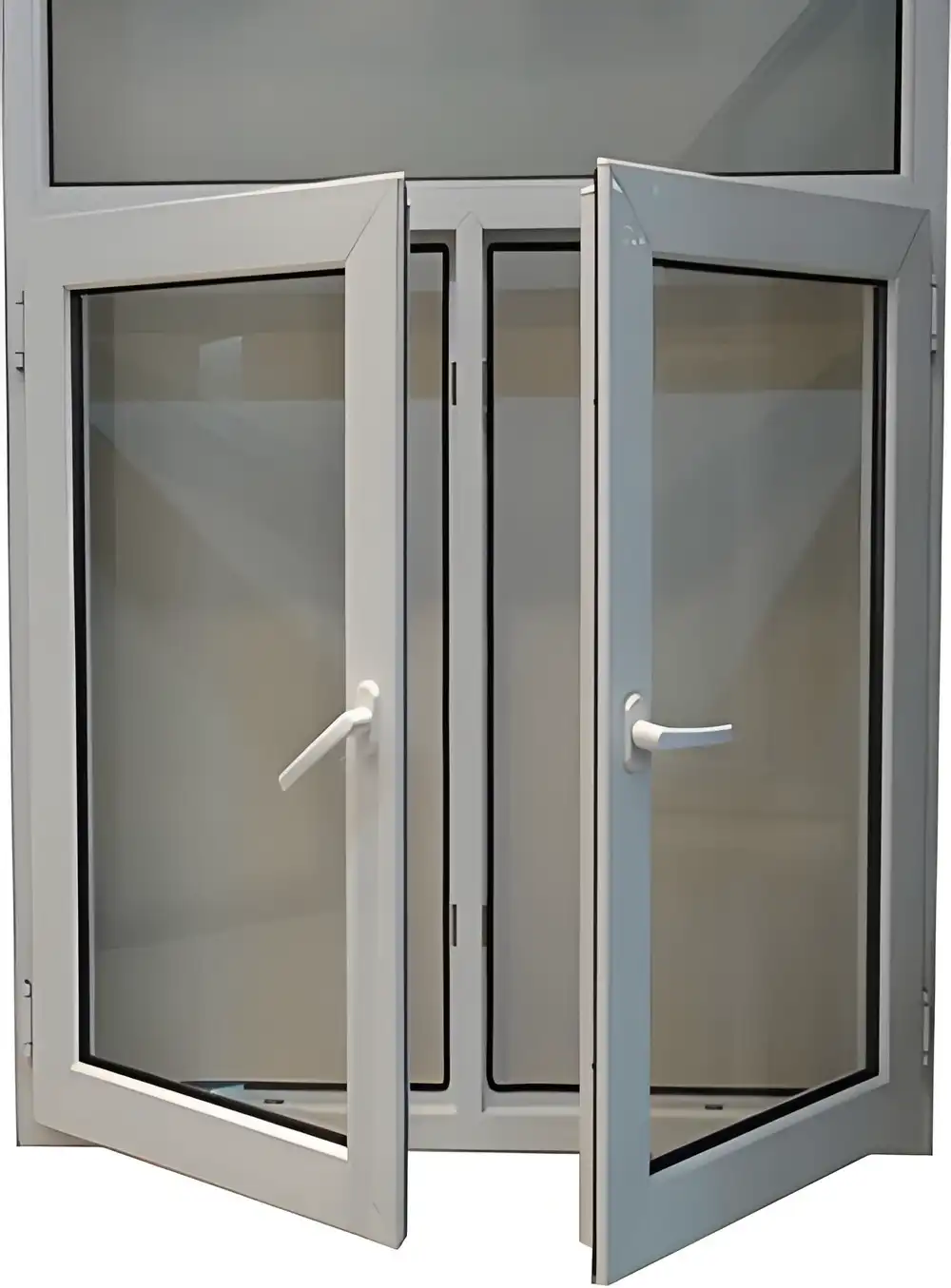
Whether they open inward or outward, side-hung casement windows make clear spaces that let the most air flow through. Because it is movable, the whole sash can swing out of the way of the opening. This lets air flow in ways that can improve natural ventilation. The positive closing action evenly presses down on seals around the edges, making the door more airtight than slide systems.
Glazing Options and Climate Adaptability
Choosing the right glazing has a big effect on how well windows work in all kinds of climates. In mild areas where even temperature control is important all year, double glass with low-emissivity coatings works well. The space between the panes, which is filled with air or gas, stops heat from conductively transferring but lets light pass through.
Triple glass is useful in harsh areas where heating or cooling needs are very high. The extra pane and hollow add to the heat resistance, which means that HVAC systems use less energy. During the heating season, projects in the north benefit from better insulation. In hot areas, installations are protected from sun heat gain when they are coated properly.
Safety and security needs can be met by tempered and toughened glass. Tempered glass doesn't break into sharp bits when it does, so it's less likely to hurt someone. A polymer barrier in laminated glass keeps pieces together even when they break, making it safer and more resistant to impact.
Note: To be sure of exact performance numbers, you should look at product testing reports and certifications that are important to your project requirements and local building codes.
Maintenance and Longevity: Ensuring Sustainable Performance
Routine Care Requirements
Total cost of ownership estimates for building stocks are affected by how easy the maintenance is for uPVC windows flush casement systems. These windows don't need much care to keep working well for as long as they're in use. For regular cleaning, wipe the frame's surfaces down with water and light soap. Do not use rough cleaners that could damage the seals or surface finishes.
Moving parts in hardware, like hinges, closing points, and handles, work better when they are oiled from time to time. Using silicone spray or light machine oil once a year keeps gears running easily and stops them from wearing out too quickly. Check the frame's drainage lines on a regular basis to make sure they aren't clogged and water can flow freely. This will keep moisture from building up and affecting performance.
To find signs of compression set, splitting, or removal from the frame, weather seals need to be looked at visually. Even though EPDM seals last a long time, they should be replaced every so often to keep them airtight and watertight. This simple maintenance job doesn't take much skill and helps keep energy efficiency over time.
Service Life Expectations and Warranty Considerations
uPVC flush casement windows last longer, which means they don't need to be replaced as often and cause as much trouble. When used normally, high-quality systems with UV-stabilized features can keep their structure and visual integrity for a long time. The real lifespan depends on the environment, how well it was installed, and how often it is maintained.
Buying groups should look at maker guarantees as signs of how confident and committed to support the product the company is. Large investments are less likely to go wrong when they come with full guarantees that cover material flaws, hardware performance, and seal integrity. The terms of a warranty usually list the conditions under which it will be covered, such as proper fitting, regular upkeep, and normal use.
uPVC's ability to resist corrosion makes it especially useful in harsh settings, such as seaside areas exposed to salt, industrial areas with airborne contaminants, and places where temperatures change quickly. In contrast to metal frames that can rust or wood that can rot, uPVC stays the same size and strength in a variety of environments.
Procurement Guide: Selecting and Buying uPVC Flush Casement Windows
Evaluating Manufacturer Capabilities
A careful evaluation of the seller is the first step to successful procurement of uPVC windows flush casement units. A supplier's manufacturing ability shows how well they can handle project numbers and deadlines. Facilities with automated extrusion lines, precise CNC cutting tools, and combined assembly systems show the level of production speed needed for big orders.
When projects need non-standard sizes, color finishes, or gear setups, the ability to customize becomes very important. Manufacturers that offer design coordination support help turn building standards into fabrication plans. This cuts down on mistakes and speeds up the approval process. This expert advice is especially helpful for complicated projects that have strict standards for look or performance.
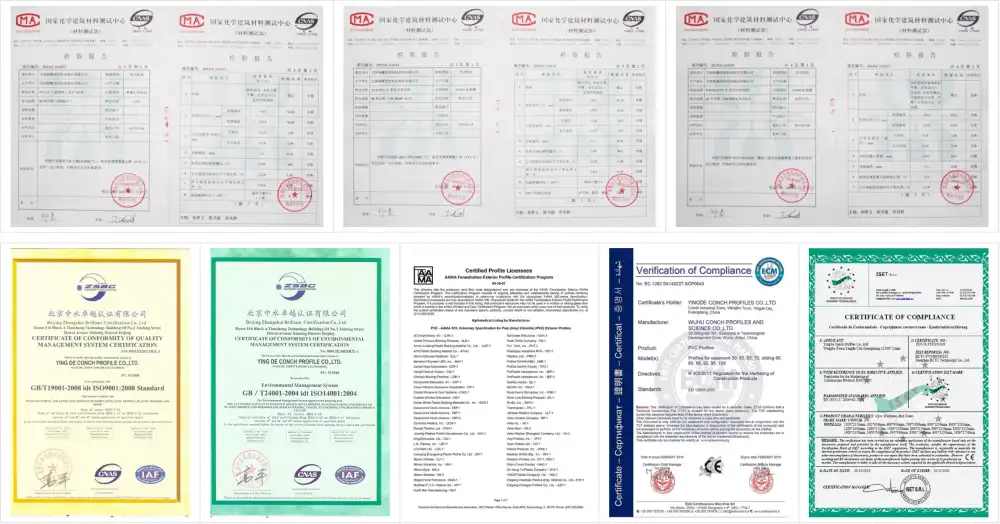
Quality management systems that are approved to ISO standards and that meet regional certifications like CE, NFRC, and AAMA make sure that production processes are always the same and that products are reliable. For standard confirmation, third-party testing records for thermal performance, structural strength, water resistance, and forced-entry security should be easy to find.
Cost Structure and Value Analysis
Understanding the different parts of prices helps buyers bargain well and make good budgets. The cost of a base unit depends on the type of frame, the type of support, and the finish chosen. Standard white profiles are usually the least expensive option. Wood grain foils and unique colors, on the other hand, come with extra costs that are worth it for the way they look.
The design of the glazing has a big effect on the price. According to most building codes, double glass is the standard. Triple glazing costs more, but it saves more energy. Low-E coats, gas fills, and special types of glass, like laminated or soundproof glass, add value by making things work better.
The cost and dependability of hardware are both affected by the quality of the hardware. Multi-point locking systems from well-known brands make sure that they work consistently and last a long time. Premium gear costs more up front, but less upkeep and a longer service life often make up for the difference over the course of a project's lifecycle. Large projects can get volume savings, which makes involving suppliers early on a good way to build a budget. Manufacturers may offer better prices for orders that are bigger than a certain number of units. This can help the project's costs while also getting production capacity.
Logistics and Lead Time Planning
Shipping operations and time management need to be carefully thought out when doing business internationally. Standard wait times for production are 25 to 30 days from the time an order is confirmed until the plant finishes the job. Custom specs may make this time frame longer, so it's important to place your order early to make sure you don't miss the deadline.
Shipping costs are affected by optimizing containers. Figuring out how much freight costs and how much waste there is is easier when you know how window units fit into normal crates. Manufacturers who have experience exporting can give advice on how to protect the goods in transit, what paperwork is needed, and how to clear customs.
Coordinating delivery and installation dates keeps sites from getting crowded and storage fees from becoming too high. Setting clear communication rules with suppliers about production goals, tracking shipments, and receiving methods makes it less likely that delays will affect activities that are on the critical path.
uPVC Flush Casement Windows in Practice: Use Cases and Client Benefits
Residential Development Applications
The consistent look and reliable performance of uPVC windows flush casement systems make them a good choice for multi-family living projects. The clean look on the outside helps the architecture of the building blend together and meets the energy code requirements that are getting stricter for domestic construction.
uPVC systems are useful for renovation jobs because they can be cut to fit different sizes. Most of the time, new windows can fit into existing spaces with little to no structure changes. This lowers the cost of installation and shortens the time it takes to build. Immediate performance improvements in older buildings make them more marketable and make residents happier by making them more comfortable and lowering their energy costs.
Premium uPVC flush window lines are great for villa and custom home projects because they can be customized in many ways. Wood grain finishes imitate the look of traditional wood without the upkeep that comes with it. They meet current performance standards while still pleasing design tastes.
Commercial and Hospitality Installations
Along with user comfort, office buildings put daylighting and energy saving at the top of their lists. The thin sightlines of flush casement designs make the most of the window area, which helps with tactics that use natural light to lower the need for artificial lighting. Being better at blocking out noise is helpful in cities where outside noise can make it hard to get work done.
Hotel projects need long-lasting, low-maintenance options that can stand up to heavy use while still looking good. uPVC flush casement windows don't get damaged easily when they are used and cleaned a lot, which is common in hotel settings. The safety features keep guests safe and protect property assets, which is important for owners who are worried about responsibility.
Because these windows can be used in a variety of ways, they are good for retail and mixed-use projects. Being able to match window styles between residential, commercial, and retail areas in the same development makes the whole thing look better while making the most of each room for its purpose.
Green Building Certification Support
Sustainability standards like LEED, BREEAM, and local green building programs are having a bigger impact on how projects are planned. uPVC flush casement windows help meet certification requirements in a number of ways, such as by earning energy performance points, letting you choose better materials, and making the indoor air quality better.
Because it is thermally efficient, less heating and cooling is needed, which directly supports the energy reduction goals that are at the heart of most certification systems. Low-VOC materials and production methods meet the health standards for materials. More sunshine coming in through bigger windows helps with occupant well-being, which is a factor that is valued in modern green building assessments.
Conclusion
uPVC windows flush casement systems meet important requirements for B2B buyers, such as performance stability, security standards, and lifetime value. Because these systems are both stylish and reliable, they can be used on a wide range of projects, from business developments to home improvements. Longevity of the material, low upkeep needs, and the ability to be customized all support both short-term project needs and long-term operating goals. As building rules push for more energy efficiency and owners expect lower running costs, the thermal and acoustic performance of high-quality flush casement systems offers measurable benefits that buyers should think about when specifying.
FAQ
Q1: Are uPVC flush casement windows suitable for coastal environments?
A: Because uPVC doesn't corrode, flush casement windows are perfect for coastal homes where salt spray would quickly break down metal frames and speed up the deterioration of wood. The three-part EPDM seal system does a great job of keeping water out, even when it rains hard in marine settings where wind blows rain. Hardware should identify marine-grade parts to make sure the whole system lasts a long time.
Q2: How do these windows perform in extreme temperature conditions?
A: Multi-chambered designs keep their shape over a wide range of temperatures. The material doesn't change shape as much as metal does, which makes seals and bolts less stressed. If you put it correctly with the right gaps and use good glass units, it will work reliably in both very cold and very hot weather. Climate-specific glass layers make the glass work better in different climates.
Q3: Can flush casement windows integrate with building security systems?
A: Modern hardware for locking multiple points can work with alarm tracking systems that use sensors. Magnetic links are easy to attach to uPVC frames and don't weaken the structure. The internal glazing bead design stops people from messing with it from the outside, which supports the full security plans needed for business setups and high-security domestic uses.
Q4: What reinforcement options enhance structural performance?
A: Galvanized steel reinforcements ranging from 1.4 mm to 2.0 mm thick can be put inside uPVC shapes to make them stiffer and better able to hold weight. This is especially useful for bigger windows, high-rise setups that are vulnerable to wind loads, and situations where forced-entry resistance needs to be raised. The steel core keeps the shape straight, and the uPVC outer protects against the weather and keeps the temperature from rising too high.
Partner with Haolv Building Materials for Your uPVC Flush Casement Window Needs
Haolv Building Materials has been making specialized products for 18 years and can help contractors, developers, distributors, and system designers who need dependable providers of flush casement uPVC windows. Our cutting-edge production center combines automated extrusion lines with precise CNC fabrication. This makes sure that the quality is always the same, whether you buy standard configurations or unique specs made to fit the needs of a complicated project.
We know what problems B2B buyers have, like having to meet tight deadlines, make sure products meet specifications, and make sure quality is maintained. Our quality management system is ISO-certified, and we follow CE, AAMA, and other foreign standards. This gives your buying team the proof they need. The engineering support team helps with everything from writing specifications to helping with installation, which lowers the risk of the project.
Pricing models based on volume and production processes of 25 to 30 days from order confirmation help plan projects more efficiently. As a result of our partnerships with top material providers like CONCH, we can guarantee high-quality parts. Our wide range of products, which includes windows, doors, glass, and hardware, also makes it easier to handle transportation. Email kristin@haolvwindows.com to talk about your future projects, get technical specs, or set up a free review. We offer free expert advice and solution creation services, as well as samples to help you with your decision-making.
References
1. Smith, R.A. & Johnson, M.K. (2021). Fenestration Performance in Commercial Construction: Comparative Analysis of Frame Materials. Building Science Publications, pp. 147-189.
2. Thompson, L.E. (2020). Energy Efficiency Standards for Window Systems in Multi-Family Housing. Journal of Sustainable Architecture, Vol. 15, Issue 3, pp. 78-94.
3. Martinez, C.D. & Williams, P.H. (2022). Security Features in Modern Window Design: Testing and Certification Standards. International Building Components Review, pp. 203-225.
4. Anderson, J.B. (2019). UPVC Material Science: Durability and Performance Characteristics in Fenestration Applications. Polymer Construction Materials Quarterly, Vol. 8, Issue 2, pp. 112-134.
5. Chen, Y. & Roberts, K.L. (2023). Thermal Bridging Mitigation Strategies in Window Frame Systems. Energy Performance in Buildings, Vol. 29, pp. 345-367.
6. Davis, M.R. (2021). Life Cycle Cost Analysis of Window Systems for Commercial Projects. Construction Economics and Management Journal, Vol. 42, Issue 4, pp. 156-178.
Fast simple channel to send demands lock favorable price for building window door bulk purchases.