- English
- French
- German
- Portuguese
- Spanish
- Russian
- Japanese
- Korean
- Arabic
- Greek
- German
- Turkish
- Italian
- Danish
- Romanian
- Indonesian
- Czech
- Afrikaans
- Swedish
- Polish
- Basque
- Catalan
- Esperanto
- Hindi
- Lao
- Albanian
- Amharic
- Armenian
- Azerbaijani
- Belarusian
- Bengali
- Bosnian
- Bulgarian
- Cebuano
- Chichewa
- Corsican
- Croatian
- Dutch
- Estonian
- Filipino
- Finnish
- Frisian
- Galician
- Georgian
- Gujarati
- Haitian
- Hausa
- Hawaiian
- Hebrew
- Hmong
- Hungarian
- Icelandic
- Igbo
- Javanese
- Kannada
- Kazakh
- Khmer
- Kurdish
- Kyrgyz
- Latin
- Latvian
- Lithuanian
- Luxembou..
- Macedonian
- Malagasy
- Malay
- Malayalam
- Maltese
- Maori
- Marathi
- Mongolian
- Burmese
- Nepali
- Norwegian
- Pashto
- Persian
- Punjabi
- Serbian
- Sesotho
- Sinhala
- Slovak
- Slovenian
- Somali
- Samoan
- Scots Gaelic
- Shona
- Sindhi
- Sundanese
- Swahili
- Tajik
- Tamil
- Telugu
- Thai
- Ukrainian
- Urdu
- Uzbek
- Vietnamese
- Welsh
- Xhosa
- Yiddish
- Yoruba
- Zulu
Aluminum Flush Window Styles for Modern Homes with Better Energy Efficiency
Aluminum flush windows are a smart choice for contractors, developers, and distributors managing residential and commercial projects because they combine sleek architectural aesthetics with quantifiable energy efficiency. Instead of standard stepped-profile windows, flush casement systems have shutters that line up perfectly with the outside frame, giving the window a clean, modern look. Engineered 6063-T5 aluminum construction gives them better structural integrity and resistance to corrosion.
Advanced thermal break technology and precise seals stop heat transfer and air leaks. This means that building owners will have lower HVAC costs and will be able to meet strict energy codes, both of which are important for project requirements. For procurement teams, being able to get these systems in modular, knock-down formats cuts down on shipping volumes and freight costs, which is helpful when planning international deliveries or installations at multiple sites.
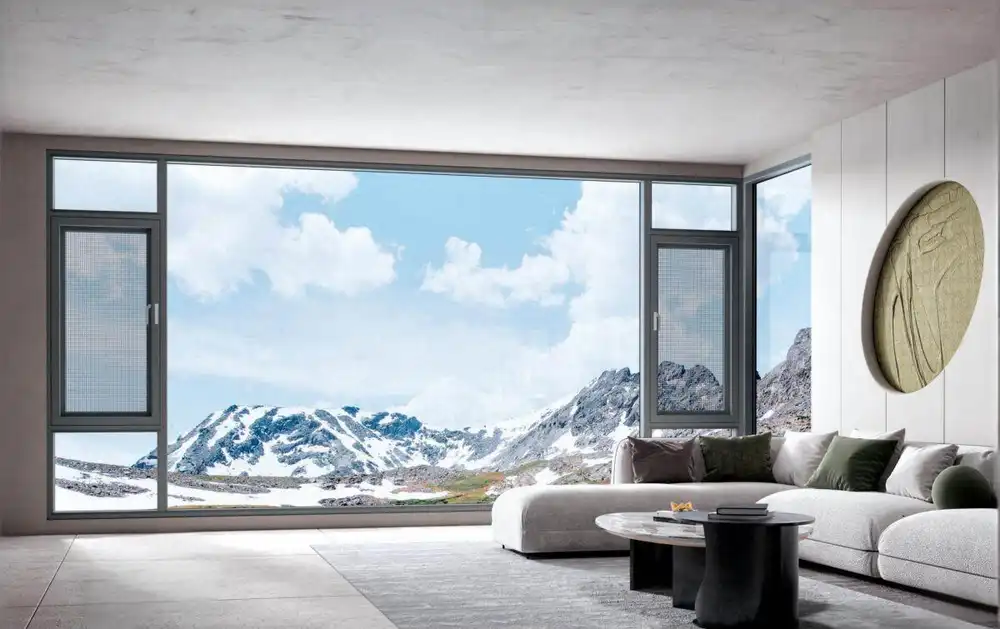
Understanding Aluminum Flush Windows and Their Energy Efficiency
What Makes Flush Casement Systems Structurally Different
The main difference between flush window systems and regular casement or slide designs is how the sash is aligned with the frame. When the window is closed, the sash sits flat against the outside of the frame. This gets rid of the typical stepped shape that sticks out from the frame. It is important to think about external ledges where water, salt, and debris can build up, and this flush configuration reduces them to a minimum.
This is especially important for coastal or high-exposure projects. Precision-milled 6063-T5 aluminum alloy extrusions with profile thicknesses ranging from 1.4mm to 2.0mm are used in the building. These extrusions have a high strength-to-weight ratio that allows for bigger glazing units without adding too much bulk to the frame. The clear sightlines not only make the building faces look more connected, but they also let in more natural light, which is becoming an increasingly important part of green building design.
Thermal Break Technology and Insulation Performance
Adding thermal breaks to modern flush window systems is the key to making them more energy efficient. Between the inside and outside aluminum profiles is a polyamide (PA66) strip that is usually 24mm to 34mm wide. This stops the metal from conducting electricity, which would normally let heat move. When double-glazed units are added, like a 5+12A+5mm design (two 5mm glass panes divided by a 12mm argon-filled cavity), the window often has a U-value below 1.3 W/m²K.
How well it works depends on the type of glass, the frame depth (60, 70, or 80 series profiles), and the quality of the gasket. In EN 12207 testing, EPDM rubber seals are pressed down evenly around the edge of the sash, keeping it airtight to Class 4 standards and watertight to Class 9A standards. These standards have a direct effect on a building's energy rating and its long-term costs to run.
Material Advantages Compared to Timber and uPVC
Aluminum is different from wood, which changes size when the humidity changes, and uPVC, which can sag over time when temperatures change. To keep weather seals in good shape and stop rot, wooden flush windows need to be painted every few years, which adds to the cost of their lifecycle maintenance. Even though uPVC profiles are low-maintenance, they are not structurally rigid enough for large openings without steel reinforcement, which makes the frame thicker overall.
Aluminum extrusions keep their shape even when the temperature changes a lot. Finishes like powder coating or anodizing protect them from UV light and keep their color for decades. Because the material can be recycled over and over again, it meets the environmental requirements of LEED and BREEAM certifications, which helps project teams that are trying to get green building points. Product test reports should be used to confirm the durability of certain items.
Top Aluminum Flush Window Styles Suited for Modern Homes and Offices
Minimalist Flush Designs for Contemporary Architecture
The unique look of flush windows comes from the way their surfaces don't meet. Architects choose these systems for projects that focus on minimalist modernism, like high-end apartment buildings, small hotels and corporate offices where visual clutter gets in the way of the design intent. The thin sightlines—often less than 60 mm—allow large glass areas that make it hard to tell the difference between inside and outside spaces.
This style of design works especially well with curtain walls and full-height glazing, where the window is more of an architectural feature than a practical afterthought. Customizing the color through powder coating makes it possible to match the material of the facade perfectly. Standard colors include matte black, anthracite grey, and custom RAL colors that can be made through PVDF or wood-grain finishes that look like real wood but don't require as much upkeep.
Functional Configurations for Ventilation and Light
Besides how something looks, operational flexibility is what drives specification decisions. It is possible for flush casement windows to open inwards or outwards, depending on the fitting situation. In high-rise buildings, inward-opening sashes make it easier to clean the outside, while outward-opening designs make the best use of interior room and meet egress standards in business buildings. Multi-point locking systems with shoot-bolt mechanisms keep the sash in place at multiple frame points.
This makes it more resistant to wind loads and meets higher security standards like PAS 24. Standard aluminum handles and high-end stainless steel fittings are available for hardware, and friction stays are made to last for 50,000 cycles or more. Optional built-in screens can be installed at the factory, which can help keep bugs out without changing the way the outside looks.
Advanced Acoustic and Weather Sealing Systems
Better sound reduction is needed in cities and other places with a lot of traffic. By stopping sound waves from traveling, laminated glass choices that combine tempered panes with interlayer films cut down on noise transfer. When coupled with the continuous EPDM gasket system, flush windows achieve acoustic performance scores that make people more comfortable in apartment buildings close to transportation routes or in businesses next to busy streets. When building near the coast, where salty wind-driven rain can be hard on regular window systems, weather sealing performance becomes very important.
The low profile of the flush design on the outside reduces wind pressure points, and the marine-grade powder coating (60–80 microns thick) doesn't rust in ISO 9227 salt spray tests. These engineering details have a direct effect on warranty claims and replacement cycles, which lowers the building's total cost of ownership over its useful life.
Comparing Aluminum Flush Windows to Other Window Types for Procurement Decisions
Cost Analysis: Initial Investment Versus Lifecycle Value
When purchasing managers look at window systems, they have to weigh the initial cost against the value over time. Aluminum flush windows usually cost more at first than normal casement or uPVC windows. This is because they are more precisely made and have more advanced thermal break integration. Buying in bulk for big projects can save you money, and prices can often be negotiated based on the size of the order and the difficulty of the specifications. Aluminum frames usually last more than 40 years with little care.
This makes up for the higher initial cost by lowering the number of replacements needed and the cost of maintenance. Powder-coated products don't need to be painted as often as wood does, and the inert qualities of the material keep it from yellowing and breaking when exposed to UV light for a long time. Detailed cost modeling should include the energy saves that come from better heat performance and the possibility of downsizing HVAC equipment.
Operational Mechanisms and Maintenance Requirements
Facility management teams have to do different kinds of maintenance on different kinds of windows. Sliding windows get dirt and dust in their track systems over time, so they need to be cleaned regularly to keep working smoothly. Tilt-and-turn mechanisms add to the complexity of the hardware, and hinge assemblies need to be oiled and adjusted on a regular basis. On the other hand, flush casement systems use simple pivot hardware with easy-to-reach adjustment points.
Maintenance procedures include using pH-neutral solutions to clean the frame's surfaces every six months and lubricating the locking points and friction stays. This is work that building maintenance staff can do without any special training. The thermal break is placed inside the system, so it is protected from the elements. This keeps it from breaking down, which can happen in cheaper systems where cavities don't drain properly and water gets in. All of these things work together to lower the costs and downtime of lifecycle maintenance.
Suitability Across Project Typologies
When renovating a home that wants to keep its history look, flush windows can be used because they can look like traditional wood features while still meeting modern building codes. The systems are part of the approval process for conservation areas, where planners want buildings to look like they did in the past while also meeting modern thermal performance standards. Commercial developments that are brand new put a lot of weight on the systems' ability to support large glazing units and their resistance to wind loads in high-rise applications, where frame deflection and water infiltration risks rise with building height.
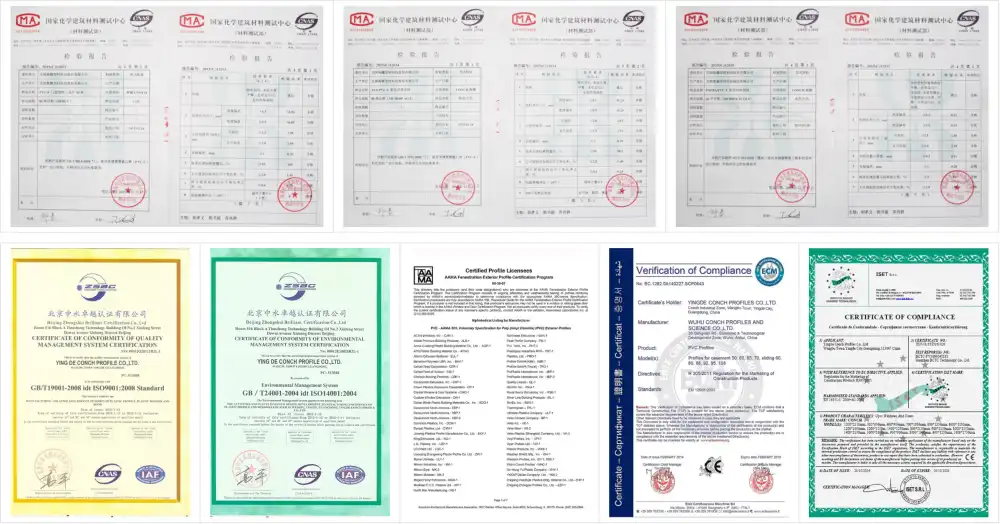
Bulk housing developments like the modular customization options because they let them keep economies of scale while giving each unit its own look. Standardized frame dimensions with variable glazing and hardware configurations make this possible, and Aluminum flush windows fit seamlessly into this approach by offering clean aesthetics and reliable performance across varied designs. Because different types of projects need different certification paperwork, a supplier's ability to provide test reports and compliance declarations is an important thing to think about when buying something.
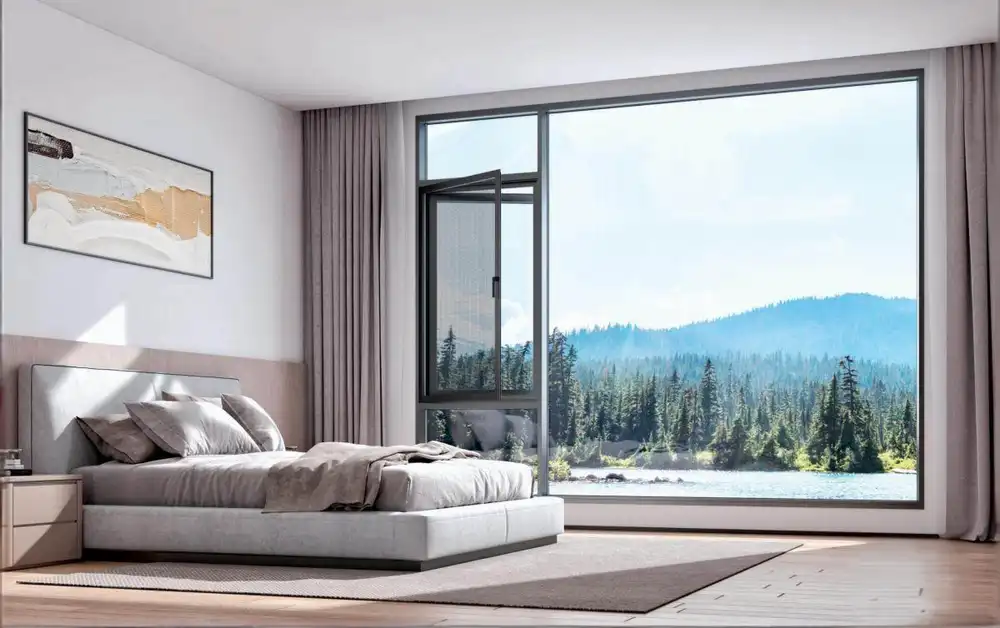
Best Practices for Specifying and Installing Aluminum Flush Windows
Procurement Specifications and Lead Time Planning
Clear standards for size and speed are the first step in writing a good specification. Early on in the procurement process, technical teams should decide on the frame series (60, 70, or 80), profile thickness (1.4 to 2.0 mm), glass configuration (tempered, laminated, or double-glazed), and finish options (powder coat, anodized, or PVDF). Customization includes sizes that aren't standard, colors that aren't standard, and built-in extras like insect screens or ventilation grilles. Lead times for custom orders are usually 25 to 30 days from the time the order is confirmed until it is sent out from the plant.
This is an important time frame for planning projects. When managing multi-phase developments, procurement managers should set up framework deals that lock in prices and specifications while allowing phased call-offs that match the order of building. Suppliers who keep track of their goods well can cut down on delays, especially for projects in faraway markets where shipping takes weeks and delivery times are longer.
Installation Protocols for Performance Assurance
Whether the performance goals are met on-site is directly related to how well the product was installed. Frames must be straight and square within a certain range, and the fixings in the cavities must be securely attached to structural substrates that can handle wind load reactions. To keep the thermal break continuity, you need to pay close attention to the joint details. If they are not put together correctly, frame corners and mullion connections can turn into thermal bridges. When you put sealant around the edges of the window, you need to use silicone or polyurethane formulations that are approved by the window manufacturer.
This is to keep the air and water out without affecting the gasket's function. Technical help should be given to installation teams, ideally through video tutorials and thorough assembly directions that show important steps. These resources cut down on mistakes that happen on-site and make sure that warranties are valid, which often depends on proof that installation protocols were followed.
Modular Assembly and Logistics Cost Optimization
Buying things from other countries adds to the cost and difficulty of logistics. Shipping fully completed window units wastes space in containers, which raises freight costs and leaves a bigger carbon impact. Knock-down (KD) formats are now available from many manufacturers. In these formats, frames, sashes, and hardware are shipped as separate parts that need to be put together at the destination or on-site.
This modular approach can cut shipping volumes by about 30%, which means that more units can fit in each container and the cost of shipping each unit is lower, which is a big plus for overseas contractors who are trying to stick to tight project budgets. Aluminum flush windows fit seamlessly into this system, as their flat, compact design further optimizes container space without compromising the modular assembly logic.
The process of putting the parts together doesn't need any special tools because the mechanical bolts and sealing systems are made to be installed in the field. When suppliers give detailed assembly instructions and technical help by email or video chat, foreign teams can easily put things together, which keeps the quality high and saves money on shipping.
Future Trends and Innovations in Aluminum Flush Windows for Modern B2B Markets
Emerging Thermal Break and Glazing Technologies
Progress in material science keeps making energy efficiency better. Next-generation thermal breaks use aerogel-enhanced polyamide mixtures that lower U-values to less than 1.0 W/m²K, which is close to the standards for passive houses. Traditional argon-filled double glazing isn't as good at insulation as triple-glazed units with krypton or xenon gas fills. However, because they are heavier, they need stronger hardware and more careful structure estimates.
Low-emissivity coatings on glass surfaces reflect infrared radiation while letting visible light through. This balances solar heat gain with natural light, which is important in a lot of climate zones. When looking at a building's long-term performance, procurement teams should talk to providers about new requirements. They should compare the extra cost to energy modeling predictions that show how much the building will save in running costs over its design life.
Integration With Smart Building Systems
Integration of building automation is becoming a more important requirement for specifications. Centralized building management systems (BMS) can connect flush windows with motorized opening mechanisms. This allows for scheduled ventilation, automatic responses to sensors that measure the quality of the air inside, and interaction with fire safety routines that open windows for smoke venting.
Frames with sensors check to see if the windows are open and send security alerts or make HVAC changes when they do. Right now, smart hardware is mostly used in high-end homes and high-end business projects. But as the price of electronics goes down and communication protocols like BACnet and Modbus become more common, they will be able to be used in a wider range of situations. Procurement teams should check with suppliers to see if they can provide pre-wired frames or designs that can be retrofitted so that future automation upgrades can be made without having to replace the frames.
Supply Chain Transparency and Warranty Programs
More and more, sophisticated B2B buyers want to see the whole supply chain and have strong warranty protection. Leading manufacturers provide detailed records of where the aluminum comes from, how it is treated on the outside, and where the hardware comes from. This is important information for projects that want to get material transparency credits under LEED v4 or keep track of embodied carbon under whole-life carbon assessments. Longer guarantee periods, usually 10 to 25 years for structural integrity and finish resilience, move the performance risk from the buyer to the maker.
This makes it easier to justify buying high-end systems. Partnering with suppliers that offer technical training, audits after installation, and quick response service networks lowers the risk of the project and improves the building's performance over time. When there are multiple makers that meet basic technical requirements, these value-added services help sellers stand out in competitive procurement situations.
Disclaimer: To be sure of certain performance values, certifications, and technical parameters, you should compare them to manufacturer test reports and third-party certification paperwork that is relevant to the project's location and building code needs.
Conclusion
Aluminum flush windows offer a great mix of modern looks, energy efficiency, and long-lasting structure that addresses the main concerns of builders, developers, and purchasing officials. Their flush sash design makes the lines of the wall look clean, and their improved thermal breaks and precision sealing systems meet strict energy codes and lower operating costs. When compared to options like wood or uPVC, aluminum has a better lifecycle value because it stays the same size and doesn't need much upkeep.
With modular assembly options, you can save a lot on shipping costs, which is especially helpful for projects that are done overseas where costs can affect the overall budget. As environmental rules and building codes get stricter, choosing high-performance glazing systems isn't just a matter of taste; it's also a strategic buying decision that affects how well the project sells, how well it meets regulations, and how well it performs in the long run.
FAQ
How do flush casement windows achieve better energy efficiency than standard windows?
The energy savings come from three built-in design features: thermal break strips that block aluminum's conductive path, which lowers heat transfer through the frame; precision EPDM gasket systems that keep air out; and the flush design itself, which gets rid of external ledges that can weaken seals over time. When low-E double or triple glazing is added to these systems, the U-values are much lower than with single-glazed or non-thermally broken frames. This directly lowers the heating and cooling loads.
What are typical lead times for customized aluminum flush window orders?
Standard lead times are 25 to 30 days from the time an order is confirmed until it leaves the factory, assuming that the customer gives clear instructions on sizes, colors, hardware, and glass configurations. Customizations that are hard to do, like using non-standard RAL colors, special glass, or built-in automatic hardware, may make the process take longer. When planning multi-phase building projects, where late deliveries can affect activities on the critical path, procurement teams should make sure that standard parts are in stock and set production plans early on, including for handmade Aluminum flush windows.
Can these window systems integrate with automated building management platforms?
Modern flush windows can be equipped with motorized operators that work with BACnet, Modbus, and other BMS protocols. This lets airflow, security tracking, and environmental response be controlled from one place. Pre-wired frames make installation easier, and aftermarket kits let you add automation without having to change the frame. Different manufacturers offer different integration capabilities, which should be checked during the specification process. These capabilities should include compatibility with certain control systems and the availability of expert help for setting up and fixing problems.
Partner With a Trusted Aluminum Flush Window Manufacturer for Your Next Project
Haolv Building Materials has been making high-quality aluminum and uPVC window systems for more than 18 years, and they work with builders, developers, and distributors in North America, Europe, the Middle East, and Australia. Our modern factories have automatic extrusion lines, precise CNC cutting, and ISO-certified quality control at every step of the manufacturing process, from choosing the raw materials to putting them together in the end.
We can make any changes you want to our 60/70/80 series Aluminum flush windows, such as non-standard sizes, special finishes, and hardware configurations that are specific to the project. We do more than just sell products. We also offer full technical support, free sample packages, thorough assembly directions with video lessons, and full-process project help to make sure that the design and installation go smoothly.
Our knock-down assembly options cut down on the number of containers that need to be shipped, which saves money on shipping costs while keeping the structure strong and protecting your warranty. We can support both large-scale developments and phased buying plans because we keep enough inventory on hand and can deliver within 25 to 30 days of receiving an order. Email our engineering team at kristin@haolvwindows.com to talk about the needs of your project, get technical parameter sheets, or get bulk pricing that fits your needs.
References
1. Anderson, B., & Chapman, R. (2021). Thermal Performance of Aluminum Window Systems: Materials, Design, and Energy Modeling. Cambridge: Building Science Press.
2. International Energy Agency (2022). Energy Efficiency in Buildings: Windows and Glazing Technologies for Climate-Responsive Design. Paris: IEA Publications.
3. Lawson, R. M., & Ogden, R. G. (2020). Aluminum in Modern Construction: Structural Applications and Sustainability. London: Steel Construction Institute.
4. National Fenestration Rating Council (2023). NFRC Technical Guidelines for Fenestration Product Performance Ratings. Silver Spring: NFRC.
5. Patterson, M. (2019). Architectural Glazing Systems: Design, Specification, and Installation Best Practices. New York: Wiley.
6. Wilson, A., & Yost, P. (2021). Green Building Product Specification: Materials Selection for High-Performance Construction. Brattleboro: BuildingGreen.
Fast simple channel to send demands lock favorable price for building window door bulk purchases.