- English
- French
- German
- Portuguese
- Spanish
- Russian
- Japanese
- Korean
- Arabic
- Greek
- German
- Turkish
- Italian
- Danish
- Romanian
- Indonesian
- Czech
- Afrikaans
- Swedish
- Polish
- Basque
- Catalan
- Esperanto
- Hindi
- Lao
- Albanian
- Amharic
- Armenian
- Azerbaijani
- Belarusian
- Bengali
- Bosnian
- Bulgarian
- Cebuano
- Chichewa
- Corsican
- Croatian
- Dutch
- Estonian
- Filipino
- Finnish
- Frisian
- Galician
- Georgian
- Gujarati
- Haitian
- Hausa
- Hawaiian
- Hebrew
- Hmong
- Hungarian
- Icelandic
- Igbo
- Javanese
- Kannada
- Kazakh
- Khmer
- Kurdish
- Kyrgyz
- Latin
- Latvian
- Lithuanian
- Luxembou..
- Macedonian
- Malagasy
- Malay
- Malayalam
- Maltese
- Maori
- Marathi
- Mongolian
- Burmese
- Nepali
- Norwegian
- Pashto
- Persian
- Punjabi
- Serbian
- Sesotho
- Sinhala
- Slovak
- Slovenian
- Somali
- Samoan
- Scots Gaelic
- Shona
- Sindhi
- Sundanese
- Swahili
- Tajik
- Tamil
- Telugu
- Thai
- Ukrainian
- Urdu
- Uzbek
- Vietnamese
- Welsh
- Xhosa
- Yiddish
- Yoruba
- Zulu
Exploring UPVC and Aluminium Profiles for Better Window Performance
Picking the right window profile system has a direct effect on how well your project uses energy, how well it stays together, and how much it will cost. UPVC door & window profiles and aluminium framing systems are two different ways of doing things that buyers, general contractors, and distributors look at every day. Unplasticized polyvinyl chloride profiles have a multi-chamber design that naturally resists heat, while metal systems have thin sightlines and high mechanical strength, making them ideal for large-scale glass.
When engineering teams and purchasing departments know how each material works in the real world in terms of thermal bridging, weatherability, installation logistics, and meeting NFRC and ISO standards, they can better match project goals with specifications. This is true whether they are bidding on a 200-unit residential development or managing channel inventory for retrofit markets.
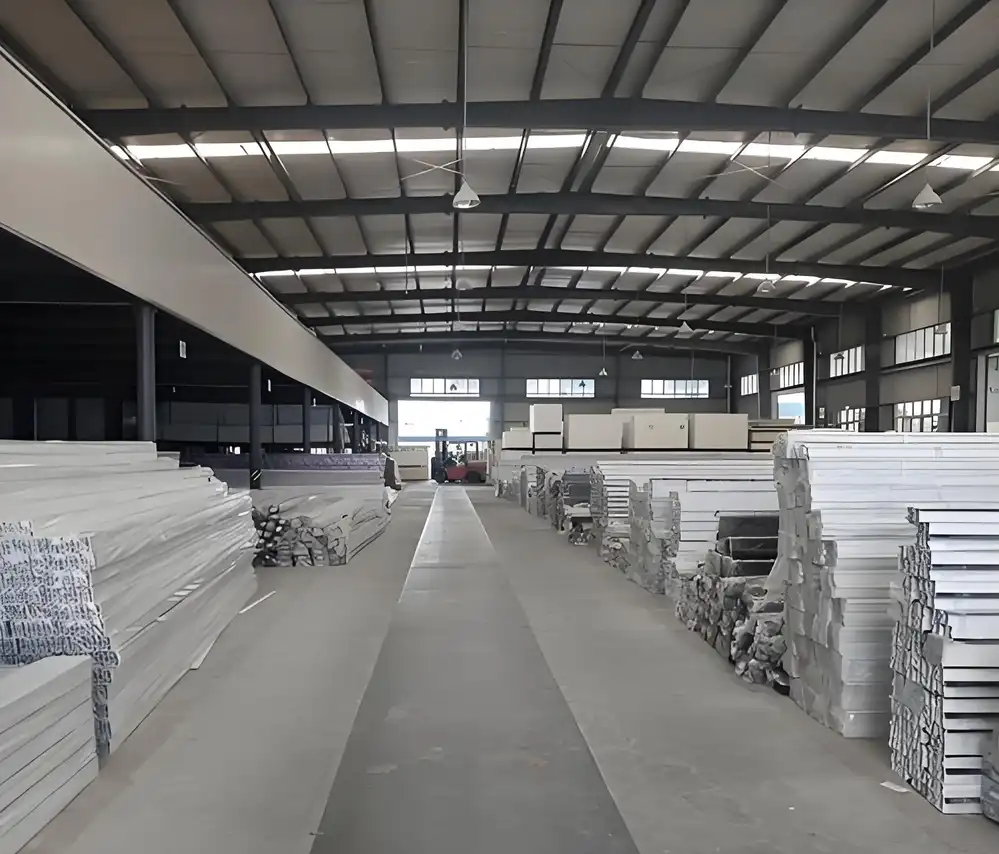
Understanding UPVC and Aluminium Window Profiles
What Makes UPVC Profiles Unique
UPVC, which stands for "unplasticized polyvinyl chloride," is made without plasticisers, so it is stiff and doesn't change shape in the weather. In raw compounds, PVC resin is mixed with titanium dioxide to protect it from UV light, impact modifiers to make it last longer, and heat stabilisers to keep the exact shape during extrusion. Extrusion pushes a heated compound through precise dies, making hollow profiles with chambers inside.
These chambers usually have three to seven spaces that trap air and slow down heat transfer. The thickness of the walls on the outside is between 2 and 3 mm, which meets the building needs of homes and small businesses. When openings are taller or wider and need more rigidity, galvanised steel reinforcement channels can be put into the central chambers. This meets wind-load ratings without affecting thermal performance.
A manufacturing line has places to cut with CNC saws, four-head welding machines that join mitered corners with controlled heat and pressure, and automatic routing tools that cut holes for drainage and hardware pockets. There are more surface finishes than just white. Co-extrusion adds a coloured cap layer during extrusion, lamination sticks artistic films together for wood-grain or shiny effects, and foil wrapping adds even more visual variety. Each method keeps the core material's resistance to water, rot, and corrosion, which means that wood frames don't need to be painted as often.
How Aluminium Profiles Are Engineered
Aluminium profiles are made by heating billets to about 450–500°C and then forcing them through shaped dies to make frame sections. Anodising adds a protective oxide layer that stops corrosion and lets dye stick to the metal for a consistent colour. Powder coating, on the other hand, uses charged particles of resin that stick to the metal and harden into a durable finish.
Wall thicknesses are usually between 1.4 and 2.0 mm, but heavier gauges may be needed for commercial curtain walls. The material naturally conducts heat at about 205 W/m·K, which makes it hard to meet energy codes. To get around this, manufacturers add thermal breaks, which are polyamide or polyurethane inserts that physically separate the inside and outside metal sections. This lowers the U-values to levels that are competitive.
Many alloys of aluminium have a tensile strength of more than 200 MPa, which lets them have thin shapes that make the most of the glass area and fit the current look of architecture. Precision cutting, corner crimping or welding, and CNC machining for hardware preparation are all parts of fabrication. To meet energy efficiency goals, double or triple glass with low-emissivity coatings is needed because metal conducts heat quickly. Aluminium can be recycled because it keeps all of its original qualities even after being melted down many times. This makes it a good material for projects that want to get LEED credits or other sustainability standards.
Quality control is based on industry standards like ASTM E2112 for aluminium curtain walls and ISO 12567 for thermal transmittance. These standards make sure that profiles meet structural and insulation requirements before they get to production shops or distribution stores.
Comparing UPVC vs Aluminium Window Profiles: Which Performs Better?
Thermal Insulation and Energy Efficiency
UPVC profiles with multiple chambers naturally keep heat in. When combined with triple glazing and advanced EPDM sealing systems, U-values as low as 0.8–1.2 W/m²·K are achieved thanks to air trapped in three to seven chambers that stop heat from transferring. This built-in insulation lowers the load on the HVAC system during both the heating and cooling seasons. This saves energy, which can be seen in business building surveys. By adding polyamide strips between metal sections, thermal break aluminium systems can get competitive U-values (often 1.4–1.8 W/m²·K). However, this extra step in the manufacturing process makes it more expensive and difficult to do.
Durability and Maintenance Requirements
UPVC doesn't rust in coastal or industrial settings, stays color-stable after long-term UV exposure with the help of titanium dioxide stabilisers, and doesn't warp when the temperature changes. Regular cleaning with a mild detergent is enough; painting or refinishing doesn't stop the building from working. UPVC door & window profiles share these same durability benefits, making them a low-maintenance choice for frames and sections. Aluminium profiles have a high mechanical strength and can withstand being hit or bent by wind-driven rain. However, in marine settings, unpainted surfaces can rust.
Anodised or powder-coated finishes protect against corrosion, but scratches may show metal underneath. Both materials last longer than traditional wood frames, but how long they last depends on how well they were installed, how well the gaskets are maintained, and how bad the weather is where you live. Testing records for products give accurate information about how well they work in bad weather and how long they should last.
Soundproofing and Acoustic Performance
When paired with laminated or acoustic-grade glass, multi-chamber UPVC construction reduces vibration paths and provides sound insulation values of 30 to 45 dB. Noise is reduced even more by thicker chamber walls and three EPDM seals. This is helpful for residential projects near highways or commercial developments next to airports. For good soundproofing, aluminium profiles depend on thick glazing and good seals.
Metal's rigidity can let vibrations through if the frame design doesn't include dampening gaskets. When buying windows for hotels, hospitals, or multifamily housing, procurement teams look at these acoustic measures along with thermal data to make sure that the happiness of the people who live or work there is balanced with the cost.
Environmental and Lifecycle Considerations
Both products can be recycled when they are no longer useful. UPVC profiles can be ground down, remade, and extruded into new sections. However, colour separation and contamination removal need to be done in a certain way. Aluminium is a good material for talks about the circular economy because it can be recycled over and over again by melting down trash and forming new billets without losing any performance.
Different processes use different amounts of energy at the start of production. For example, melting aluminium uses a lot of electricity, while extruding UPVC needs less heat. Life-cycle studies look at these things along with how much energy they use, how often they need to be maintained, and the recycling facilities in the area.
How to Choose the Right Profile for Your Project: A Decision Support Framework
Matching Material to Application Context
Commercial high-rises with big curtain walls can use aluminum's thin shapes and structural strength to hold up large glass panels without having to use mullions in between. Residential developments, like single-family homes, townhouses and apartment blocks, put a high value on energy efficiency and cost predictability. UPVC's lower unit cost and natural insulation make it a good choice for builders.
For projects that replace old wood or steel frames, the profiles need to fit into the rough holes that are already there. UPVC is often the best choice because it can be cut to any size and is easy to install. When building something new, the architect, energy rules, and the owner's goals can help decide which material to use.
Evaluating Core Performance Parameters
Teams of technicians look at U-values, air infiltration rates (based on ASTM E283), water penetration resistance (based on ASTM E547), and structural test pressure ratings (based on ASTM E330). Profile thickness, chamber count, reinforcement options, and the ability to work with glass all have a direct effect on these metrics. A seven-chamber UPVC system with 3.0 mm walls and triple glazing works differently than a three-chamber profile with 2.0 mm walls and double glazing.
These differences must be spelt out in the sourcing specs to make sure that the goods that are offered meet the needs of the project. Certification marks, like CE for European markets, NFRC stickers in the US, and ISO compliance around the world, show that makers follow quality standards and testing procedures.
Sourcing Reliable Suppliers and Assessing Capabilities
Due diligence includes more than just looking at the product specifications. It also includes factory audits, references from projects that are similar, and a supplier's track record of handling large orders. Some questions to ask are: Does the maker use automatic extrusion and assembly lines that make sure the tolerances for size are always the same? Can they make custom profiles based on plans provided by the builder, taking into account non-standard sizes or hardware?
How do production schedules fit in with construction milestones? What are the lead times for standard orders versus custom orders? Risk is reduced over the life of a building by its warranty terms, expert help after the sale, and availability of spare parts.
Before agreeing to container-load numbers, purchasing managers often ask for samples, such as full-scale corner assemblies or short profile lengths, to check the quality of the welds, the finish on the surface, and how well the hardware fits. UPVC door & window profiles are frequently among the sampled items, as their weldability and surface consistency directly affect hardware compatibility and long-term performance. Being clear about pricing levels for volume breaks, payment terms, and shipping arrangements helps build trust and makes negotiations easier.
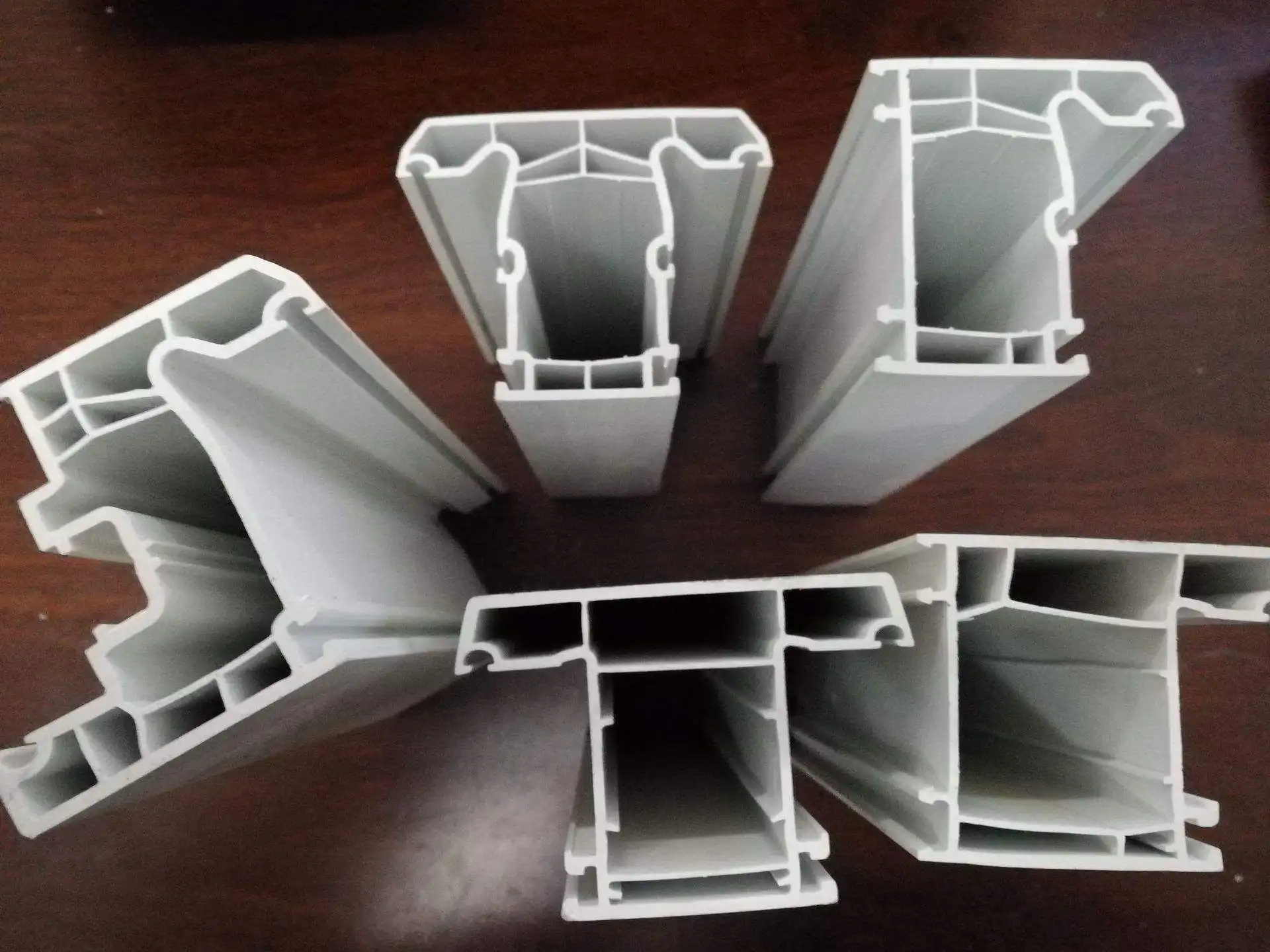
Enhancing Window Performance Through Profile Innovations
Advances in Multi-Chamber UPVC Design
New advances in engineering have made it possible to increase the number of chambers to seven or more. These chambers have strategically placed internal webs that improve airflow resistance and load distribution on the structure. Newer formulas include impact stabilisers that keep the material flexible at low temperatures, so it doesn't break easily in cold places.
Using co-extrusion techniques to bond a UV-resistant cap layer during profile formation makes the colour last longer than 30 years of being outside. These new technologies help buildings follow changing energy rules, like the updated IECC rules in the US, without making the profiles wider or changing the way they look.
Thermal Break Technology in Aluminium Systems
Now that polyamide strips are made with glass-fiber reinforcement, they have higher tensile strength and don't conduct heat well. Manufacturers find the best width and placement for each strip, balancing how well it holds up against how well it keeps heat in. Modern styles use several thermal breaks in one shape to separate heat paths and get U-values that are close to those of UPVC systems. The development of prototypes is guided by computational temperature modelling, which lets suppliers check performance claims before they are put to the test physically.
Modular Assembly and Logistics Efficiency
It costs more to ship fully assembled window units and there is a greater chance that they will get damaged in transit. A new method offers profiles, hardware, glazing, and assembly instructions as knock-down kits, which lets them be built on-site or in the nearby area. This plan cuts the size of containers by up to 30%, which lowers costs and reduces the impact on the environment. Units are put together closer to project sites by regional production facilities that have corner-welding machines and finishing tables.
This cuts down on delivery times and makes schedules more predictable. Technical support packages, which include detailed installation videos, step-by-step guides, and parameter specification sheets, make sure that quality is the same at all of the different assembly points. Customisation is still possible because factories cut profiles ahead of time to the exact measurements of each order, route hardware pockets, and apply surface finishes. Local teams are then only responsible for final welding and glazing.
This modular workflow works well for big projects where centralised fabrication bottlenecks slow down the building stages. It also lets distributors offer just-in-time inventory management, which lowers the cost of keeping inventory in the warehouse. Product testing records and certification papers are sent with every package to make sure that the parts meet certain standards, no matter where they are put together.
Procurement Best Practices for UPVC and Aluminium Profiles
Structuring Sample Requests and Bulk Orders
When making the first enquiries, you should be clear about the type of application (residential vs. commercial, climate zone, and aesthetic preferences) and ask for corner samples that show the integrity of the weld, the installation of the gasket, and the operation of the hardware. Check to see if the drainage channels are clearing water well, if the sash moves smoothly and if the seals are compressed evenly.
Bulk buy orders list the quantities based on profile type, colour, reinforcement needs, and delivery schedule. UPVC door & window profiles are typically specified in these orders with particular attention to colour stability and reinforcement inserts, as they directly affect on-site handling and installation. Often, the schedule is set up as phased releases that match the progress of the building. To get big discounts without lowering quality, you need to be able to communicate clearly. Be sure to include acceptance criteria, testing methods, and ways to fix shipments that don't meet standards.
Quality Inspection Upon Delivery
Receiving teams use precise measuring tools to check the accuracy of the dimensions, look for holes or misalignment in the corner welds and make sure that the hardware works smoothly. Surface finishes shouldn't have any scuffs, stains, or other damage on them. Random testing of gaskets and seals proves that the materials are correct—EPDM rubber stays flexible at different temperatures, keeping things airtight and watertight for decades. Reviewing the paperwork makes sure that each package comes with certifications, test reports, and material safety data sheets, which are needed for guarantee claims and getting permits.
Warranty Provisions and After-Sales Support
Full warranties cover flaws in the material, colour fading, seal degradation, and hardware problems for set amounts of time, usually ten years for profiles and five years for moving parts. Make it clear what isn't covered, like damage caused by bad installation or being exposed to chemicals that break down metal. Reliable suppliers offer technical advice throughout the whole project, such as answering questions from workers in the field, suggesting the best order for installations, and fixing problems with assembly. Replacement parts, like seals, corner keys, and drainage caps, are easy to get. This keeps whole window units from being rendered useless when small parts fail.
Technical parameter charts show profile sizes, chamber layouts, strengthening choices, glazing bead profiles, and hardware types that work with them. Installation videos show how to do things like shimming, fastener spacing, sealant application, and trim attachment correctly, which cuts down on callbacks and ensures long-term performance. These resources are very helpful when managing distributed fabrication or teaching subcontractor crews that aren't familiar with certain profile systems.
Conclusion
When choosing between UPVC and metal shapes, you have to think about how well they keep heat in, how well they look, and your budget. For residential and light business uses, UPVC systems offer natural insulation, low upkeep, and cost-effectiveness. On the other hand, aluminium profiles offer thin sightlines, mechanical strength, and design freedom for curtain walls and high-rise projects. Performance varies on how the room is designed, how it is reinforced, what kind of glass is used, and how well it is installed.
Using modular assembly methods cuts down on logistics costs by a lot, making large purchases more flexible and faster. Factory audits, sample testing, and certification verification are all strict ways to evaluate suppliers. UPVC door & window profiles, in particular, require thorough testing for UV stability, impact resistance, and dimensional accuracy, as these properties are critical to long-term performance in varying climates. This lowers risk and makes sure that products meet project requirements. Specific performance results depend on tested data that has been confirmed; check product test reports and certification documents to make sure they meet the standards that apply.
FAQ
What advantages do multi-chamber UPVC profiles offer for thermal insulation?
Multiple chamber designs, with three to seven compartments, keep air inside sealed spaces, which slows down the transfer of heat. This built-in insulation lowers U-values, which can reach 0.8 to 1.2 W/m²·K with triple windows. This means that less energy is used for heating and cooling, and no extra thermal breaks are needed. The result is measurable energy savings that can be proven by keeping an eye on how well the building is doing.
How does steel reinforcement affect UPVC profile strength?
When galvanised steel tubes are put into the center rooms, they make the structure less likely to bend and more able to hold weight, which is important for areas with lots of wind or bigger window openings. Because steel is contained within insulated chambers, it doesn't directly conduct heat, so adding reinforcement doesn't affect how well it keeps heat in. This mix makes the structure strong while still being energy-efficient.
Can aluminium profiles achieve thermal performance comparable to UPVC?
Using thermal break technology, which includes polyamide strips between the inside and outside metal parts, lowers aluminum's natural conductivity, resulting in U-values of 1.4 to 1.8 W/m²·K. Even though they are affordable, these systems cost more and need more steps to be made than UPVC options. Performance suitability varies on the energy rules and design goals of the particular project.
What customization options exist for window profile systems?
Custom sizes, hardware configurations, colour choices, and surface finishes can all be made by manufacturers. Profiles can be cut to the exact measurements given by the architect, routed for custom locking mechanisms, and finished with metal or wood-grain laminates. Systems can be customised to fit the needs of each project by changing things like the thickness of the glazing, the shape of the seals, and the placement of the reinforcements.
Partner with a Proven UPVC Door & Window Profiles Manufacturer
Haolv Building Materials has been making high-performance window and door profile systems for demanding B2B markets for 18 years. Our production plant is ISO and CE-certified and has four-head welding stations, automated extrusion lines, and precise CNC cutting. This makes sure that the dimensions are always the same and that quality control is maintained from choosing the raw materials to the final review.
We are experts in multi-chamber UPVC profiles, which have two to seven chambers, a wall thickness of 2.0 to 3.0 mm, and galvanised steel support that can be added if needed. These profiles can be used with single, double, or triple glazing up to 36 mm thick. With double or triple EPDM sealing systems, you can keep out more air and water, and co-extruded and laminated finishes give you more design options for home, business, and vacation uses.
Our all-in-one service model includes technical parameter tables, installation video libraries, and detailed assembly manuals. This allows for distributed fabrication and cuts down on shipping costs by up to 30% with knock-down kits. Profile sizes, colour matching, hardware integration, and project-specific glazing bead designs can all be customised. This is backed up by dedicated engineering consultation and full-process project follow-up. We make sure that delivery dates work with your building goals by keeping enough product on hand and allowing 25–30 day wait times.
You can email our team at kristin@haolvwindows.com or go to haolvbuilding.com to get samples, talk about your needs, and get a personalised quote. Please let us help you find certified, reliable UPVC door & window profiles that meet your performance standards and budget goals.
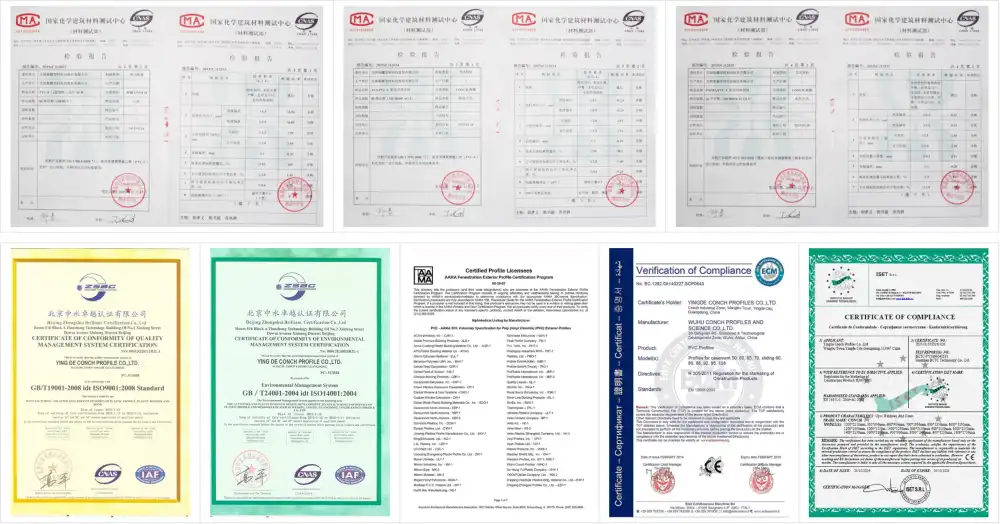
References
1. Smith, J. & Thompson, R. (2021). Thermal Performance of Multi-Chamber UPVC Window Systems in Residential Construction. Journal of Building Envelope Design, 15(3), 45–62.
2. European Committee for Standardization. (2020). ISO 12567-1: Thermal Performance of Windows and Doors – Determination of Thermal Transmittance by the Hot-Box Method. Brussels: CEN Publications.
3. Williams, A. (2019). Aluminium Extrusion and Thermal Break Technology: Engineering Solutions for Energy-Efficient Facades. International Journal of Architectural Engineering, 8(2), 112–130.
4. National Fenestration Rating Council. (2022). NFRC 100: Procedure for Determining Fenestration Product U-factors. Silver Spring, MD: NFRC Technical Publications.
5. Chen, L., Martinez, P., & O'Brien, K. (2020). Life-Cycle Assessment of UPVC and Aluminium Window Frames: Environmental Impact and Recyclability. Sustainable Building Materials Quarterly, 12(4), 201–218.
6. Anderson, M. (2018). Best Practices in B2B Procurement of Window and Door Systems for Large-Scale Construction Projects. Construction Supply Chain Management Review, 6(1), 78–95.
Fast simple channel to send demands lock favorable price for building window door bulk purchases.