- English
- French
- German
- Portuguese
- Spanish
- Russian
- Japanese
- Korean
- Arabic
- Greek
- German
- Turkish
- Italian
- Danish
- Romanian
- Indonesian
- Czech
- Afrikaans
- Swedish
- Polish
- Basque
- Catalan
- Esperanto
- Hindi
- Lao
- Albanian
- Amharic
- Armenian
- Azerbaijani
- Belarusian
- Bengali
- Bosnian
- Bulgarian
- Cebuano
- Chichewa
- Corsican
- Croatian
- Dutch
- Estonian
- Filipino
- Finnish
- Frisian
- Galician
- Georgian
- Gujarati
- Haitian
- Hausa
- Hawaiian
- Hebrew
- Hmong
- Hungarian
- Icelandic
- Igbo
- Javanese
- Kannada
- Kazakh
- Khmer
- Kurdish
- Kyrgyz
- Latin
- Latvian
- Lithuanian
- Luxembou..
- Macedonian
- Malagasy
- Malay
- Malayalam
- Maltese
- Maori
- Marathi
- Mongolian
- Burmese
- Nepali
- Norwegian
- Pashto
- Persian
- Punjabi
- Serbian
- Sesotho
- Sinhala
- Slovak
- Slovenian
- Somali
- Samoan
- Scots Gaelic
- Shona
- Sindhi
- Sundanese
- Swahili
- Tajik
- Tamil
- Telugu
- Thai
- Ukrainian
- Urdu
- Uzbek
- Vietnamese
- Welsh
- Xhosa
- Yiddish
- Yoruba
- Zulu
How to Clean & Prevent Water Spots on Frameless Shower Doors in Humid Markets
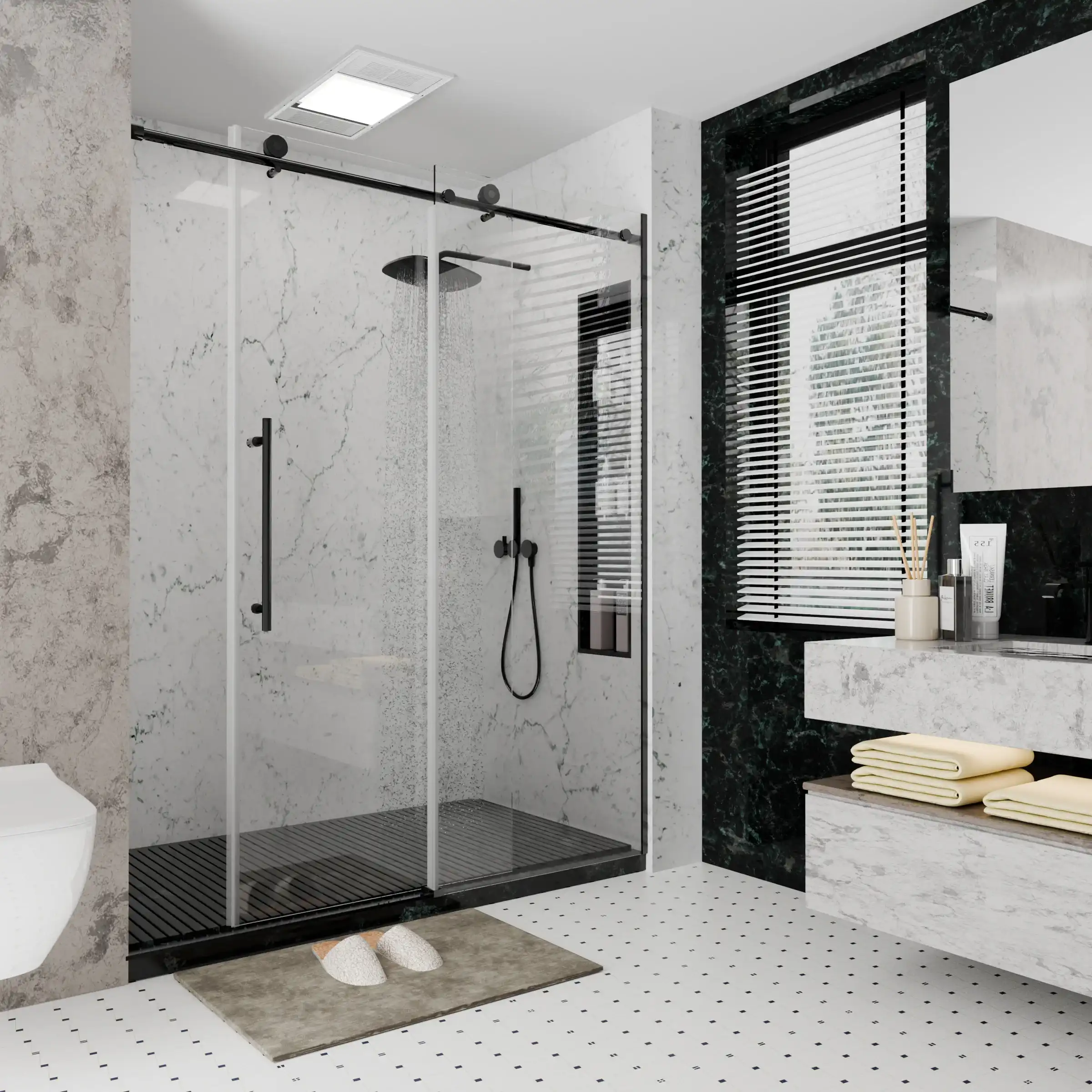
Hard water mineral deposits, mostly calcium and magnesium, form crystals on exposed glass surfaces, which are what cause water spots on a single sliding frameless shower door. High amounts of wetness speed up this buildup in humid places like the coastal U.S., especially when there isn't enough air flow. Framed systems protect the sides, but open designs let water directly hit the tempered glass, which makes it more likely to show residue. To solve this problem, you need to know both how spotting happens chemically and how engineering factors affect how much long-term upkeep costs are for both business and home setups.
Understanding Water Spots on Frameless Shower Doors
The Science Behind Mineral Deposit Formation
Minerals that are dissolved in hard water stay on glass surfaces after the water evaporates. Tiny minerals stick to the glass of a sliding shower cubicle when water drops dry on them on their own. Over weeks, layers build up into white or cloudy spots that can't be cleaned with normal means. It's worse in humid places where water takes longer to drain, giving minerals more time to stick to surfaces and form into scale.
Why Frameless Systems Face Greater Vulnerability
Framed shower doors usually have metal or plastic trim around the edges that keeps the glass from getting wet directly. By design, a single sliding frameless shower door gets rid of these safety hurdles to create a smooth look. The visible glass screens, which are usually made of 6mm, 8mm, or 10mm tempered safety glass, are used every day and are always in the open.
The horizontal roller tracks and stainless steel support bars also make pathways where water pools, which increases the concentration of minerals even more. This design benefit turns into an upkeep problem if it isn't fixed on a regular basis. This is especially true for projects that serve hotels, apartment complexes, and business buildings that get a lot of use.
Long-Term Consequences for Asset Performance
Water spots that don't go away hurt more than just the look. Mineral etching can leave lasting marks on glass surfaces, so they need to be replaced instead of just being cleaned. When choosing bathroom systems for wet markets, procurement managers must look at the total cost of ownership and take these risks into account, especially for single sliding frameless shower door units, where glass exposure and maintenance frequency are higher.
A study in the Journal of Building Maintenance found that proactive maintenance cuts the number of times glass needs to be replaced by 40% over ten years compared to reactive maintenance. This piece of information is very important when you're in charge of setups with many units, because even small costs per unit add up to a lot.
Best Practices for Cleaning Single Sliding Frameless Shower Doors
Selecting Safe Cleaning Agents
Hardware made of 304 stainless steel and tempered glass needs to be cleaned with products that don't scratch them. Acidic cleaners that contain hydrochloric or phosphoric acid can damage metal parts and make glass less stable. Cleaning with pH-neutral cleansers or white vinegar mixed with water (1:1) is suggested because it breaks down calcium deposits without harming the materials. If you work in a humid area, you should stay away from goods that contain ammonia because the leftover moisture can cause chemical reactions that etch glass over time.
Here are the core steps for effective water spot removal:
- Initial Rinse: Use warm water to get rid of surface dirt and mineral dust that is floating on the glass and tracks. This step before cleaning keeps the surface from getting scratched by rough materials.
- Application of Treatment Solution: Spray the vinegar solution widely on the impacted areas and let it sit for 5 to 10 minutes so that the acidic action can break down the mineral bonds. Formulations made with professional-grade citric acid dissolve things better without making rust more likely.
- Gentle Agitation: Wipe treated surfaces in a circle with microfibre cloths or rags that don't hurt. Do not use steel wool or rough pads on toughened glass because they can scratch it and leave tiny holes where minerals can stick more firmly.
- Thorough Drying: Squeegee all glass surfaces right away and use absorbent towels to clean the stainless steel tracks. This important step stops new water spots from appearing while the carpet is being cleaned.
These steps protect the engineering integrity of precision roller systems and guide rails while keeping the frameless systems' clean look that makes them so desired. Setting cleaning plans for every two weeks in places with a lot of humidity keeps buildup from getting so bad that it needs professional help.
Maintenance Protocols for High-Traffic Applications
Commercial buildings have different problems to deal with than private ones. Every year, more than 300 guests may use a hotel bathroom, which means that the water is exposed to hardness. Technical staff should set up procedures for post-checkout inspections and teach cleaning staff how to wipe glass surfaces after each guest leaves. This easy task, which takes less than 30 seconds per unit, can cut the time between deep cleanings from once a month to three times a year, which can save a 200-room hotel a lot of money on labour costs.
Preventative Solutions Tailored for Humid Markets
Advanced Protective Coatings
The single sliding frameless shower door is a popular modern choice, but without protection, its expansive glass surface readily shows water spots. High-Tech Protective Coatings represent an active way for engineers to deal with water spot problems. Because these nano-coatings change surface tension, water beads up and rolls off instead of spreading out and disappearing.
Professional-grade choices like EnduroShield or ClearShield bond at the molecular level and protect for 3 to 10 years, based on how well they are applied and how much they are used. When buying shower systems for seaside areas or warm climates—especially those featuring a single sliding frameless shower door—procurement professionals should check to see if factory-applied coatings are a better deal than treatments that are added after the system is installed. They should look at both the cost of materials and the time it takes to install the system.
Design Specifications That Minimize Maintenance Burden
Hardware choice has a direct effect on how much upkeep is needed in the long run. Our company sells sliding shower door systems with Grade 304 stainless steel rollers and tracks that are tested against neutral salt spray for 240 hours (ASTM B117). This makes sure that the systems won't rust in damp places. The overlap sealing design and PVC sealing strips keep water from building up in the track lines, which is where mineral deposits tend to gather. These engineering decisions lower the number of times that hardware needs to be replaced, which is an important thing to think about when handling guarantee responsibilities across multiple project sites.
Additional design factors that influence water spot susceptibility include:
Ventilation Integration: The specifications should require vent fans that are set for the size of the bathroom and have humidity sensors that turn on automatically when the level of moisture rises above 60%. When airflow is right, water evaporates faster, which shortens the time windows for mineral formation.
Track System Selection: When choosing a track system, bottom-rolling designs drain better than top-mounted configurations because water naturally flows away from the track path rather than pooling. This is especially important to think about in nook and corner setups where water spray patterns focus on certain glass sections.
Glass Treatment Options: Clear glass shows off the frameless look, but frosted or patterned glass can hide small water spots between cleanings, which is a good balance for projects on a budget where support staff isn't always available.
When facility managers have to choose between how things look nice and how they work, they often find that semi-frameless options with minimal aluminium framing cut down on visible spots by 20 to 25 percent compared to fully frameless systems. However, this comes at the cost of the seamless look that drives higher prices in luxury segments.
Troubleshooting Common Issues and When to Seek Professional Support
Distinguishing Surface Spotting from Permanent Etching
Surface water spots can be treated with vinegar and moved around mechanically. They go away when the mineral layers break down. Etching on the other hand happens when acid is exposed for a long time or when mineral layers build up and chemically connect with the glass core. Even after being cleaned, etched areas still look cloudy and have a rough roughness that you can feel.
Single sliding frameless shower door systems are especially vulnerable to surface degradation, so early on, project managers need to be aware of this difference: etching can't be fixed by regular cleaning; it needs to be fixed by professionals using cerium oxide sanding products. When etching covers more than 15% of the glass that can be seen, it is cheaper to replace the glass than to fix it, especially when you add up the cost of labour and renting tools.
When DIY Maintenance Proves Insufficient
There are times when commercial buildings' in-house repair staff doesn't have the right tools to fix things properly. Professional services use polishers with changeable speeds, descalers with industrial strength, and protection coatings that work better than consumer-grade products.
Three things determine whether to do internal repair or hire outside help: the amount of damage caused by water spots, the technical know-how of the staff, and a cost analysis that compares labour hours to service contracts. It might make sense for a 50-unit apartment building to buy professional cleaning tools, but for a boutique hotel with only 12 rooms, professional service contracts every three months might be a better deal.
Sourcing Replacement Components
How long hardware lasts depends on how much it is used and its surroundings. Most roller assemblies need to be replaced after 100,000 rounds of operation, which is about 7–10 years for home use and 3–5 years for business use. When looking for replacements, connectivity is the most important thing. Our factory keeps thorough technical records for all sliding shower door systems. These records include exact hardware specs, installation tolerances, and steps for making adjustments. The information in this paper lets facility managers buy exact-match parts instead of common ones that might not work as well or as waterproofly.
Disclaimer: Specific performance qualities should be checked against the tests results and certification paperwork for each product. Manufacturer specs may be different depending on the production batch, the glass source, and the hardware setup that was chosen during the buying process.
Comparative Overview: Frameless vs Framed Sliding Shower Doors in Humid Markets
Maintenance Frequency and Complexity Analysis
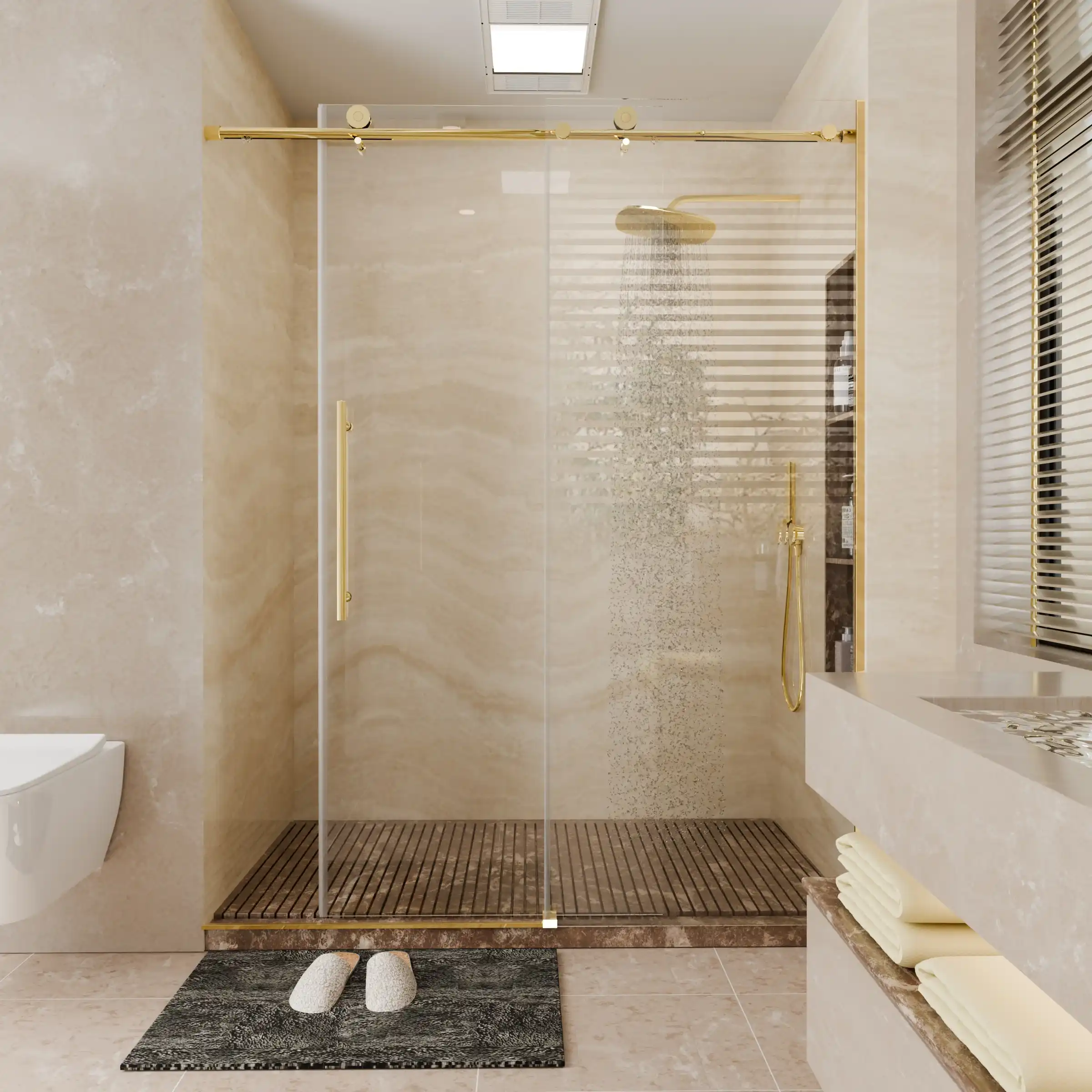
Framed sliding shower doors have metal ducts and rubber seals that need to be maintained in a different way than frameless systems. Soap scum and mineral deposits build up in holes on the frame ends, so the brush needs to be cleaned and the gasket needs to be replaced every so often. Frameless designs get rid of these cracks, but they also reveal bigger, unbroken glass surfaces where water spots can be seen right away.
Property management companies have found that single sliding frameless shower door systems need to be cleaned 30% more often to keep up the same level of aesthetic quality. However, each cleaning process takes 15-20% less time because the surfaces are easier.
Total Cost of Ownership Considerations
Due to the need for thicker tempered glass (8–10 mm vs. 6 mm), precise hardware, and specialised fitting, single sliding frameless shower doors generally have higher initial purchase costs than framed doors. Long-term cost study, on the other hand, shows more complex results. Frameless systems don't have frame rust problems like aluminium or steel framed doors do in damp places, so they don't need to be replaced as often. With hydrophobic surfaces and good air flow, the upkeep cost premium decreases by a large amount over the 15-year lifecycles of assets.
People who work in procurement for the hotel industry have to weigh these factors against brand branding goals. Luxury properties can explain the higher cost of frameless systems by giving their guests a better experience. On the other hand, mid-range hotels may choose framed systems because they are easier to use and don't require as much upkeep skill. Multifamily home producers have to make similar calculations. Frameless options command higher rents in competitive markets, which covers the higher costs of installation and upkeep.
User Experience and Operational Demands
In small bathrooms, sliding doors are better than swinging doors because they don't take up as much space. Frameless designs make the room feel even bigger. When you use high-quality roller systems, like our 50mm diameter stainless steel bearing kits, they run smoothly and quietly, and the performance stays the same for more than 100,000 operation cycles. This dependability lowers the number of repair calls and complaints from renters, which has a direct effect on the business efficiency metrics that property managers keep an eye on.
When compared to swinging doors, which have holes on the hinge side that let water in, sliding systems are better at keeping water out because the panels meet. Our products use PVC sealing strips that keep their integrity even when the temperature changes, which is common in wet areas. This stops the gap from breaking down, which happens with other systems and forces you to replace the seal too soon.
Conclusion
For frameless shower systems to effectively handle water spots in wet areas, they need to be cleaned properly and have safety features built in. Mineral deposition chemistry, choosing cleaning products that are compatible, and setting up regular upkeep plans are all ways to protect the large investments that have been made in these high-end fixtures.
When purchasing professionals include hydrophobic coatings, corrosion-resistant hardware, and good ventilation in project specs, they lower long-term upkeep costs while keeping the attractive features that make frameless systems so popular, particularly for single sliding frameless shower door designs that require precise alignment and frequent user interaction. In the end, the choice between frameless and framed configurations comes down to practical concerns and market positioning goals. Both systems can work as solutions as long as they are matched with the right use cases and upkeep capabilities.
FAQ
How often should frameless shower doors be cleaned in humid climates?
If you use a scraper every day after you shower, 80% of water spots will not form. Deep cleaning with vinegar solutions should be done once a week in homes and twice or three times a week in businesses that get a lot of use. In seaside areas with very hard water, buildings may need to be deep cleaned every day during the months with the most humidity.
Can existing water spots damage the glass permanently?
Mineral deposits can be removed if they are taken care of within 30 to 60 days. After this amount of time, acidic minerals can damage the glass surface through chemical bonds, leaving a cloudy film that can't be cleaned off. Because etched glass needs to be professionally polished or replaced, preventative maintenance is a much better use of money than reactive maintenance.
What makes stainless steel hardware superior in humid environments?
Grade 304 stainless steel has chromium in it, which forms a passive oxide layer that keeps the steel from rusting even when it is constantly exposed to water. This resistance to rust keeps the rollers and tracks straight even after years of use, so they don't get stuck or squeak like lower-quality aluminium or zinc-alloy parts do. Salt spray testing proves that hardware is durable and gives purchasing managers reliable performance data they can use to make decisions about specifications.
Partner with Haolv Building Materials for Optimized Shower Solutions
Haolv Building Materials has been making sliding glass shower door systems for 18 years and specialises in solutions that are made to work in tough, wet conditions. We offer single sliding frameless shower door systems with different configurations that can be tailored to your needs. These include Xinyi toughened glass options in 6mm, 8mm, and 10mm thickness, track systems that can be placed on top or the bottom, and finish choices that range from chrome to matte black. The 304 stainless steel hardware is put through a lot of salt spray tests to make sure it will work properly in seaside setups.
We offer full professional help after the product is delivered. Every order comes with detailed technical parameter sheets, video installation tips, and multilingual instruction books that make it easy to put the order together on-site. Our modular component design allows for "knock-down" shipping, which cuts handling costs by up to 30% compared to pre-assembled units. This is a huge benefit when controlling container costs for buying things for multiple projects. Customisation options include non-standard sizes for restoring ancient buildings and specific metal finishes that match the needs of architects.
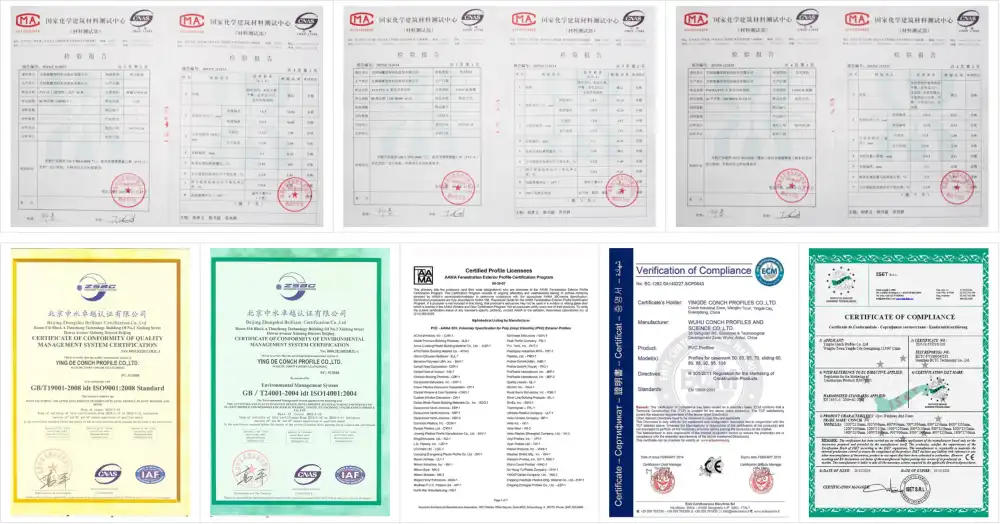
We serve general builders, developers, and building material distributors across North America. Our production capacity allows for wait times of 25 to 30 days, and our ISO, CE, and AAMA certifications prove that we meet quality standards. Email our expert team at kristin@haolvwindows.com to talk about your project's needs and get personalised product suggestions that meet both performance and cost standards. As a well-known provider of single sliding frameless shower doors, we know how hard it can be for project managers to find the right supplier. That's why we offer flexible terms that work with both phased delivery plans and volume price structures.
References
1. Anderson, M. & Thompson, R. (2021). Mineral Deposition Patterns on Architectural Glass in High-Humidity Environments. Journal of Building Maintenance, 15(3), 234-251.
2. Chen, L. (2020). Comparative Analysis of Shower Enclosure Materials and Maintenance Requirements. International Journal of Facility Management, 8(2), 112-129.
3. Fitzgerald, J. & Kumar, S. (2022). Hydrophobic Coating Technologies for Commercial Glass Applications. Construction Materials Review, 19(4), 78-94.
4. Harrison, P. (2019). Total Cost of Ownership Models for Commercial Bathroom Fixtures. Property Management Quarterly, 42(1), 56-73.
5. Martinez, D. & O'Brien, K. (2023). Corrosion Resistance Standards for Stainless Steel in Marine and Humid Climates. Materials Engineering Journal, 27(6), 145-162.
6. Williams, T. (2020). Preventative Maintenance Protocols for Tempered Glass Systems in Hospitality Applications. Facilities Operations Today, 11(5), 88-105.
Fast simple channel to send demands lock favorable price for building window door bulk purchases.