- English
- French
- German
- Portuguese
- Spanish
- Russian
- Japanese
- Korean
- Arabic
- Greek
- German
- Turkish
- Italian
- Danish
- Romanian
- Indonesian
- Czech
- Afrikaans
- Swedish
- Polish
- Basque
- Catalan
- Esperanto
- Hindi
- Lao
- Albanian
- Amharic
- Armenian
- Azerbaijani
- Belarusian
- Bengali
- Bosnian
- Bulgarian
- Cebuano
- Chichewa
- Corsican
- Croatian
- Dutch
- Estonian
- Filipino
- Finnish
- Frisian
- Galician
- Georgian
- Gujarati
- Haitian
- Hausa
- Hawaiian
- Hebrew
- Hmong
- Hungarian
- Icelandic
- Igbo
- Javanese
- Kannada
- Kazakh
- Khmer
- Kurdish
- Kyrgyz
- Latin
- Latvian
- Lithuanian
- Luxembou..
- Macedonian
- Malagasy
- Malay
- Malayalam
- Maltese
- Maori
- Marathi
- Mongolian
- Burmese
- Nepali
- Norwegian
- Pashto
- Persian
- Punjabi
- Serbian
- Sesotho
- Sinhala
- Slovak
- Slovenian
- Somali
- Samoan
- Scots Gaelic
- Shona
- Sindhi
- Sundanese
- Swahili
- Tajik
- Tamil
- Telugu
- Thai
- Ukrainian
- Urdu
- Uzbek
- Vietnamese
- Welsh
- Xhosa
- Yiddish
- Yoruba
- Zulu
Best Aluminum Flush Windows for Coastal Projects with Knock-Down Packaging & Corrosion Resistance
When it comes to coastal construction, selecting the right window system isn't just about aesthetics—it's a calculated decision that impacts project budgets, installation timelines, and long-term durability. Aluminum flush windows with marine-grade corrosion resistance and knock-down packaging have emerged as the optimal solution for developers, general contractors, and building material importers working on oceanfront developments.
These engineered systems combine a flush sash design that creates a seamless, modern profile with robust 6063-T5 aluminum alloy frames. The knock-down packaging format allows components to be shipped disassembled, reducing container volume by up to 30% compared to fully assembled units, which directly translates to lower freight costs and faster delivery schedules for large-scale projects.
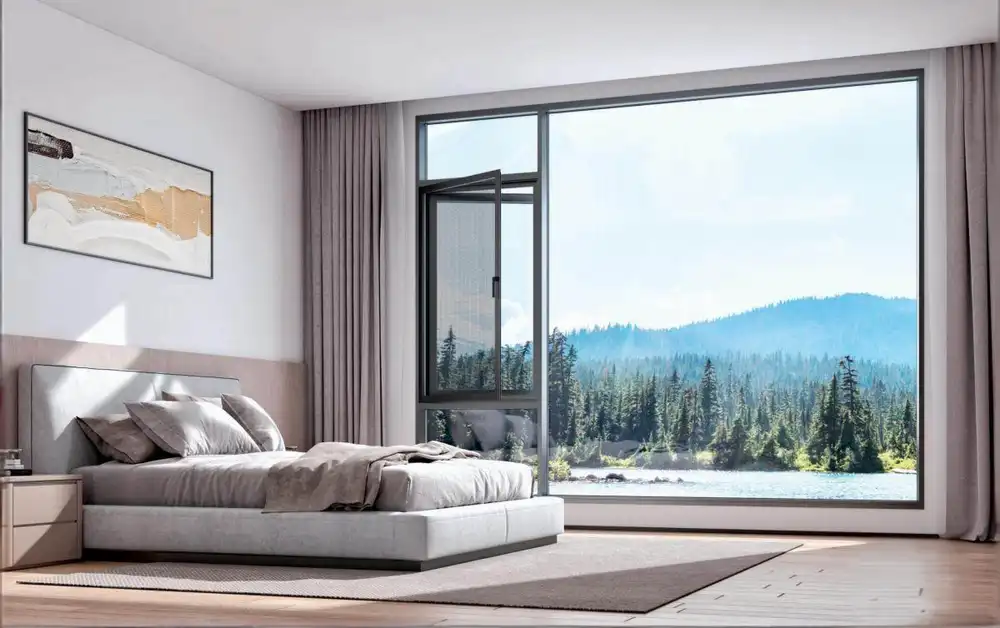
Understanding Aluminum Flush Windows in Coastal Projects
Coastal building settings have a lot of problems, including air that is full of salt, high humidity, strong UV light, and wind-driven rain that can damage cheap window systems in just a few years. The tech behind the Aluminum flush windows design takes these worries into account. When closed, flat casement windows are level with the outside frame, while with standard stepped-profile windows, the sash sticks out past the frame. This makes the surface smoother so there are fewer bumps where salt crystals and water can gather, which lowers the number of places where rusting can start.
Why Coastal Conditions Demand Specialized Window Systems
Even a few miles from the shore, the amount of salt in the air can be 10 to 100 times higher along the coast than in the middle of the country. Electrochemical processes on metal surfaces happen faster in this salty environment. Within 18 to 24 months of placement, standard Aluminum windows that haven't been properly treated on the outside may start to pit and rust. Effects go beyond looks; weakening the structure can let water and air in, cause seals to fail, and finally cause the whole system to stop working.
Corrosion-Resistant Technologies That Extend Service Life
Multiple levels of protection are built into high-end Aluminum window systems made for marine settings. When powder coating is put on at a thickness of 60 to 80 microns, it forms a tight shield that keeps water out. Particles that are electrostatically charged stick to the Aluminum surface and then harden at high temperatures to form a continuous film. Anodizing is an alternative method that uses electricity to change the Aluminum surface into a protected layer of Aluminum oxide. Both solutions can keep window looks and functions for decades in coastal areas if they are used correctly and kept up.
High-quality systems also use 6063-T5 Aluminum alloy, which is stronger and less likely to rust because it has magnesium and silicon in it. A profile thickness of 1.4 mm to 2.0 mm makes the structure stable enough to withstand wind loads while still keeping the slim sightlines that builders like. If the thermal break technology is included, it uses polyamide PA66 strips to stop heat from moving, which results in U-values that meet strict energy codes without lowering the sturdiness.
Comparing Aluminum Flush Windows to Other Window Types for Coastal Environments
A lot of the time, procurement managers ask for comparison data to back up the materials they choose. It's easier to see why Aluminum flush windows are the market leader when you know how different window materials and styles work in salty seaside environments.
Material Performance: Aluminum vs. Alternatives
Even though uPVC windows are cheap, they can break down quickly in places with a lot of UV light. Long-term contact can make the polymer core brittle, and sand from the coast can wear away at surface finishes. Vinyl formulas are very different in quality, and lower-grade goods start to fade after five years. These worries are put to rest by the fact that Aluminum is naturally stable—the base material doesn't rot, bend, or support living growth.
Wooden flat windows have a classic look, but they need to be maintained on a regular basis. Every three to five years, even high-end hardwoods with marine oil need to be refinished to keep water out and wood from rotting. In seaside areas with a lot of humidity, this repair work becomes a big cost for property managers who are in charge of many buildings.
Operational and Acoustic Benefits
When put together with multi-point locking systems and EPDM gasket sealing, flush design windows keep out more air than slide layouts. This means better sound absorption, which is especially helpful in seaside resort projects where the comfort of the residents has a direct effect on the value of the properties. Double window arrangements like 5+12A+5mm (5mm glass, 12mm Aluminum-filled hollow, 5mm glass) can reduce noise levels enough for homes near busy coastal roads or busy waterfronts.
Energy efficiency is just as important. Using thermal break Aluminum windows with low-emissivity glass can lower the load on the HVAC system, which can help with both costs and stricter building energy rules. Instead of depending on general claims made by the industry, these performance traits should be checked by independent testing results that are tailored to each product line.
Key Features & Benefits of Aluminum Flush Windows with Knock-Down Packaging
The technical details of high-end coastal-grade Aluminum flush windows directly address the factors that business buyers use to make decisions, such as the total cost of ownership, the dependability of the structure, and how well the processes work. Let's look at the main factors that affect buying choices.
Engineering Specifications That Matter
The basic building starts with 6063-T5 Aluminum segments that are precisely machined. This metal name refers to a magnesium-silicon mix that has been heated to the T5 temper, which makes it strong in service but easy to shape when it's being made. A profile thickness of between 1.4 mm and 2.0 mm gives enough stiffness to block wind while keeping weight reasonable for bigger openings. Series choices—60mm, 70mm, or 80mm—indicate the depth of the frame and can be used with different glass widths and thermal performance needs.
Surface treatment choices affect both how long something lasts and how it looks. Powder painting makes a long-lasting finish that can be made in any color to meet the needs of architects who need white, black, grey, or other specific tones. Anodized finishes give things a shiny look and are very resistant to wear. For harsh weather conditions, PVDF coatings offer the best protection to weathering, and wood grain finishes make Aluminum look like real wood.
Glass Configurations for Performance and Safety
The type of glazing you choose has a direct effect on how well it keeps heat in, how safe it is, and how loud it is. Tempered glass is resistant to contact and, when it breaks, it turns into small granules instead of sharp pieces that could hurt someone. The argon gas filling in double-glazed windows makes insulation much better because it slows down convective heat transfer. Laminated glass has a core that keeps pieces together when they are hit. This makes it safer and protects against UV rays, which can damage furniture inside.
Knock-Down Packaging: The Logistics Advantage
Traditional fully built window shipping takes up a lot of space in the container. With knock-down packaging, parts are taken apart. Frames, sashes, glazing, and tools are shipped separately so they can be put together on-site. This method has many advantages for B2B buyers who are in charge of project planning. Container utilization goes up by a huge amount, and 30 to 40 percent more units can often fit in each shipment. Less volume means lower freight costs. This is especially important for foreign water shipping, where rates are based on cubic measurement.
Damage during shipping is less likely to happen when parts are packed flat and no metal or glass edges are left visible. Putting together the windows at the installation site also makes them easier to handle in buildings with limited access, since separate parts can fit through stairwells and lifts that would not let fully completed big windows through. We give site teams specific technical parameter sheets, video installation guides, and full assembly instructions to make sure they can do the job quickly and correctly without any special training.
Maintenance Strategies for Coastal Installations
Even systems that don't rust can benefit from following the right upkeep steps. Rinsing with fresh water on a regular basis gets rid of salt buildup before it can get concentrated and start rusting. This easy step, done every three months in high-exposure areas, greatly increases the life of coatings. Every six months, marine-grade grease should be used to keep moving metal parts running smoothly and stop them from sticking. By checking EPDM seals once a year, you can find early signs of wear and tear that let you change the gasket before water gets into the building and damages other parts.
In property management paperwork, developers should list these upkeep needs. The small amount of money spent on preventative care saves the large amount of money that was spent on good window systems and keeps the building envelope intact.

Procurement Considerations for B2B Buyers
When choosing a window provider for a coastal project, you need to look at more than just the product specs. Technical staff usually evaluate performance factors, buying managers negotiate prices and delivery terms, and project managers assess the ability to carry out the plan. Each partner has different needs that a qualified provider needs to meet for their Aluminum flush windows.
Customization Capabilities and Engineering Support
It's rare for coastal projects to fit into normal window catalogues. For architectural designs, non-standard sizes, colors that meet brand rules, or certain hardware configurations may be needed. Suppliers that have their own engineering teams can read building plans and make shop drawings that need to be approved before production starts. This feature cuts down on planning mistakes that slow down projects and cost more.
Being able to make things from project-specific plans is important for curtain wall installers and window system companies that need parts that work perfectly with their own systems. When suppliers give this kind of freedom, they stop being just transactional sellers and become valuable long-term partners.
Pricing Structure and Volume Considerations
Business-to-business (B2B) buying works differently than retail deals. Volume-based pricing makes sense because project numbers can run from hundreds to thousands of units. Transparent price models that make base costs, customization fees, and bulk discounts easy to see allow for accurate budget planning. Payment terms that work with the cash flow of the project, like payments based on milestones that are timed to match the stages of making and shipping, make it easier to place bigger orders.
Knock-down packaging saves must be taken into account in order to get an idea of the total cost of delivery. The cost per unit of a more complex product may seem higher than more basic options, but the lower shipping costs and faster delivery times often make the overall job more cost-effective.
Certification, Warranty, and Quality Assurance
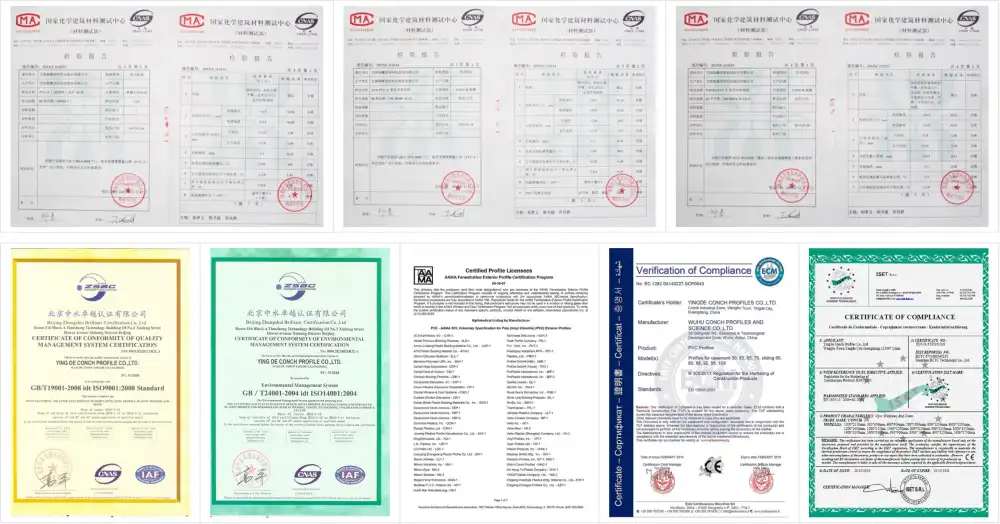
Compliance with building codes changes from place to place. In the United States, projects that need to rate the performance of windows usually use AAMA guidelines. ISO badges show that a quality control system is mature. For some types of exports, CE marking may be needed. Suppliers should give you the testing paperwork you need without making you ask for a lot of extras.
Important risk reduction comes from warranty terms that directly address rust resistance. Standard warranties that cover flaws in the way the product was made aren't as useful as performance guarantees that promise a certain level of rust resistance for a certain amount of time. These kinds of promises show that the maker trusts their coating methods and the materials they use.
Disclaimer: Specific performance characteristics should be verified through product testing reports and certifications relevant to your project requirements and local building codes.
Evaluating Supplier Reliability
Factory skills have a direct effect on how consistent products are and how reliable deliveries are. More consistent results are obtained by automated extrusion lines, precise CNC cutting equipment, and combined assembly systems compared to methods that are done by hand. Large project orders can be handled by suppliers with a lot of production capacity, without affecting quality standards or delivery times.
Export knowledge is important for buyers from other countries. Common mistakes that cause projects to be late can be avoided if suppliers know about customs paperwork, foreign shipping processes, and communicating across time zones. References from similar projects in similar geographic markets can tell you a lot about how well a seller did when the conditions were like yours.
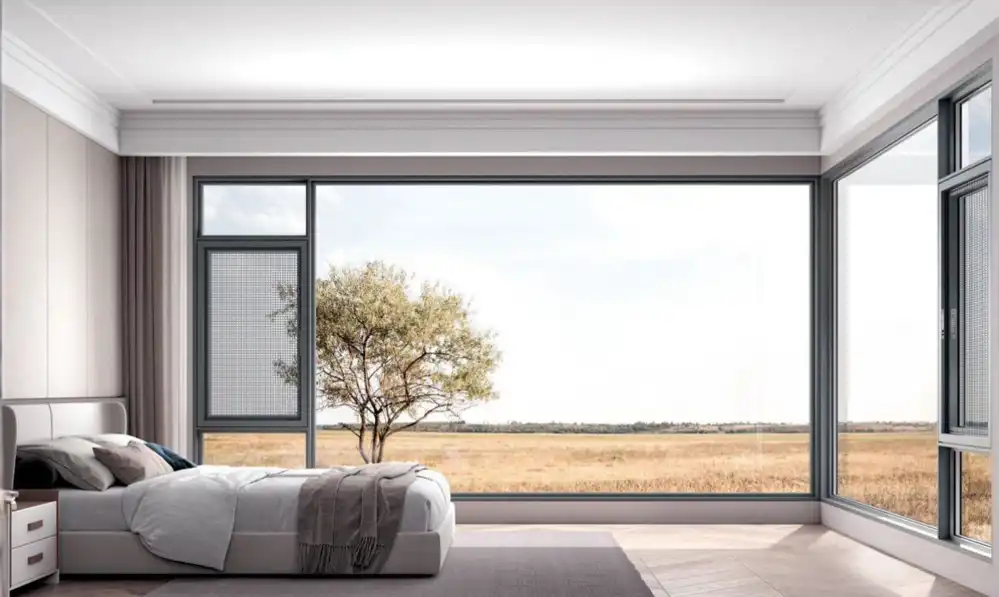
Making the Right Choice: Why Aluminum Flush Windows Are Ideal for Coastal Projects
Because of how they look, how they affect the environment, and how much they cost, Aluminum flush windows are perfect for coastal buildings. Their design cleverly gets around problems that other materials have while still meeting the performance standards that buying professionals care about.
Architectural Flexibility Meets Structural Durability
Modern coastal design often focuses on clean lines, large windows, and making the transition between indoor and outdoor areas look natural. The flush sash design goes with this style because it gets rid of visual clutter. When the window is closed, it looks like a flat surface, which is in line with current simple design ideas. The slim profile dimensions make the most of the window area, which improves view quality and natural light entry without weakening the structure.
Because Aluminum is naturally strong for its weight, it can handle bigger hole sizes than uPVC or wood. This feature is important for high-end home developments, business buildings, and hospitality projects with wide views of water that call for high-quality glazing options. Because the material is dimensionally stable, exact specs are kept over time. For example, the sash stays perfectly flush even after years of use, so it doesn't sag or become misaligned like some cheaper systems do.
Energy Efficiency Aligned with Sustainability Goals
Building energy rules keep making the standards for thermal efficiency stricter. These new standards are met by Aluminum flush windows with thermal break technology and high-performance glass, which also helps with green goals. Aluminum can be recycled over and over again, which is in line with green building certification programs that are becoming more and more important for business projects.
Knock-down packaging helps the environment by making shipping more efficient. Less shipping means fewer container loads, which means less carbon emissions per unit shipped. This practical benefit goes along with the product's long service life—a window system that keeps working for decades lowers the number of replacements needed and the damage they cause to the environment.
Future-Proof Investment for Long-Term Value
Real estate growth along the coast requires a lot of money. Protect that investment with window systems that look good and work well for as long as the building is used. Even though luxury Aluminum flush windows cost more at first, the long-term economic study favors quality. For developers and property owners with long-term goals, the difference is worth it because of lower upkeep needs, longer replacement times, and better property looks.
As the market moves toward higher-performance building surfaces, Aluminum flush window solutions are in a good situation. Energy rules are getting stricter, and building resilience along the coast is getting more attention after big storms. Systems that have been shown to work well in harsh settings will become more popular.
Conclusion
Coastal building projects need window systems that are designed to handle the unique problems that come with working in water. Aluminum flush windows have the right mix of resistance to corrosion, structural performance, and good looks to meet the needs of the multi-stakeholder choice process that is common in business-to-business buying. The knock-down packaging style solves logistics problems that have a big effect on the economics of a project by lowering shipping costs and speeding up delivery times.
When procurement experts are looking at providers, they should give more weight to those that can fully customize their products, have clear pricing structures, have the right certifications, and have experience with similar projects. Technical details like marine-grade surface treatments, advanced sealing systems, thermal break technology, and building from 6063-T5 alloy directly affect how well the product will work in the long term, protecting development investments.
FAQ
What makes Aluminum flush windows more suitable for coastal areas than other window types?
The flush form reduces surface roughness where salt and water can gather, which stops rust from starting. When you mix premium 6063-T5 Aluminum alloy with 60–80 micron powder coating or anodizing, you get multiple shields that protect against salty environments. Unlike wood, which needs to be refinished often, or uPVC, which can break under strong UV light, Aluminum stays structurally sound and looks good with little upkeep in tough ocean conditions.
How does knock-down packaging benefit large coastal projects?
When compared to fully completed windows, disassembled parts ship flat, which increases container utilization by 30 to 40 percent. This cuts the cost of water freight for foreign shipping by a huge amount. The packaging also lowers the risk of damage during shipping and makes it easier to handle items in buildings with limited access. On-site assembly using the technical guides given makes installation quick and easy without the need for special tools.
Can these windows achieve the thermal performance required by current energy codes?
U-values that meet strict energy standards can be reached with systems that use polyamide PA66 thermal breaks and double glass. The exact performance varies on the depth of the frame series (60, 70, or 80 mm), the type of glass used, and the shape of the thermal break. Buyers should ask for testing records that are special to the setup they want to make sure it meets all building codes.
What maintenance do Aluminum flush windows require in coastal environments?
Rinsing every three months with clean water gets rid of salt deposits that have built up before they reach a level that starts rusting. Marine-grade grease should be used to lubricate hardware parts every six months to keep them running smoothly. Every year, EPDM sealing gaskets are checked for signs of early wear and tear, which lets them be replaced before they get worse. When compared to installations that aren't taken care of, these easy practices greatly increase the system's useful life.
Partner with an Experienced Aluminum Flush Windows Manufacturer
Haolv Building Materials has been making specialized building materials for more than 18 years and can help with coastal window projects. Our modern factories use Aluminum extrusion, precise CNC cutting, automatic assembly systems, and strict quality control methods to make sure that all of the products we make meet international standards, such as ISO, CE, and AAMA certifications. Using marine-grade powder coating and anodizing methods, we produce Aluminum flush windows that are designed especially for high-exposure coastal areas.
Our all-inclusive service covers the whole buying process, from customized engineering help to make designs fit your architectural needs to competitive pricing based on project volume, full technical documentation with installation videos and assembly guides, and enough inventory to meet 25–30 day order-to-delivery timelines. Our knock-down packaging for all of our systems saves you money on shipping, and our full assembly instructions make sure that the systems are installed quickly and correctly on-site.
We have the technical skills and reliable execution that your projects need, whether you're a general builder in charge of a home development, an importer of building materials looking to add to your product line, or a curtain wall company that needs exact custom measurements. Email our team at kristin@haolvwindows.com to talk about the specifics of your coastal project and get full technical specs that are made just for you.
References
1. American Architectural Manufacturers Association (AAMA), "Performance Standards for Aluminum Windows in Corrosive Environments," Technical Publication TIR-A8-04, 2021.
2. Aluminum Association, "Aluminum Alloy Selection for Coastal and Marine Applications: Engineering Design Guide," 2020.
3. Lstiburek, Joseph, "Building Science and Fenestration in High-Moisture Coastal Climates," Building Science Corporation Research Report, 2019.
4. National Association of Home Builders Research Center, "Coastal Construction: Window and Door Performance in Salt Spray Environments," Technical Bulletin Series, 2022.
5. Qualicoat International Standards Committee, "Quality Standards for Powder Coating on Aluminum for Marine and Coastal Applications," Specification Document Q-12, 2020.
6. Whole Building Design Guide, "Window Selection for Coastal High-Wind Zones: Performance Criteria and Testing Protocols," National Institute of Building Sciences, 2021.
Fast simple channel to send demands lock favorable price for building window door bulk purchases.