- English
- French
- German
- Portuguese
- Spanish
- Russian
- Japanese
- Korean
- Arabic
- Greek
- German
- Turkish
- Italian
- Danish
- Romanian
- Indonesian
- Czech
- Afrikaans
- Swedish
- Polish
- Basque
- Catalan
- Esperanto
- Hindi
- Lao
- Albanian
- Amharic
- Armenian
- Azerbaijani
- Belarusian
- Bengali
- Bosnian
- Bulgarian
- Cebuano
- Chichewa
- Corsican
- Croatian
- Dutch
- Estonian
- Filipino
- Finnish
- Frisian
- Galician
- Georgian
- Gujarati
- Haitian
- Hausa
- Hawaiian
- Hebrew
- Hmong
- Hungarian
- Icelandic
- Igbo
- Javanese
- Kannada
- Kazakh
- Khmer
- Kurdish
- Kyrgyz
- Latin
- Latvian
- Lithuanian
- Luxembou..
- Macedonian
- Malagasy
- Malay
- Malayalam
- Maltese
- Maori
- Marathi
- Mongolian
- Burmese
- Nepali
- Norwegian
- Pashto
- Persian
- Punjabi
- Serbian
- Sesotho
- Sinhala
- Slovak
- Slovenian
- Somali
- Samoan
- Scots Gaelic
- Shona
- Sindhi
- Sundanese
- Swahili
- Tajik
- Tamil
- Telugu
- Thai
- Ukrainian
- Urdu
- Uzbek
- Vietnamese
- Welsh
- Xhosa
- Yiddish
- Yoruba
- Zulu
Aluminum Two-Track Sliding Windows with Soundproofing for Urban Projects
More and more, urban building projects have to offer quiet, energy-efficient living spaces without going over budget. By using precise engineering and flexible design, an aluminum two track sliding window that can block out noise solves this problem. These systems use architectural-grade 6063-T5 aluminum extrusions and double-glazed units to block out noise levels in cities that often go over 75 decibels. The people in charge of buying things for residential towers, mixed-use complexes and hotel upgrades know that the right windows have a direct effect on how happy the tenants are and how quickly the building is approved by the government.
While keeping things as simple as possible to use, the dual-track configuration delivers measured acoustic performance, with sound reduction indices of 32 to 38 dB when placed properly. Because two-track sliding systems offer a good mix of cost control, performance certainty, and installation speed, contractors are choosing them over fixed or casement options more and more in crowded cities.
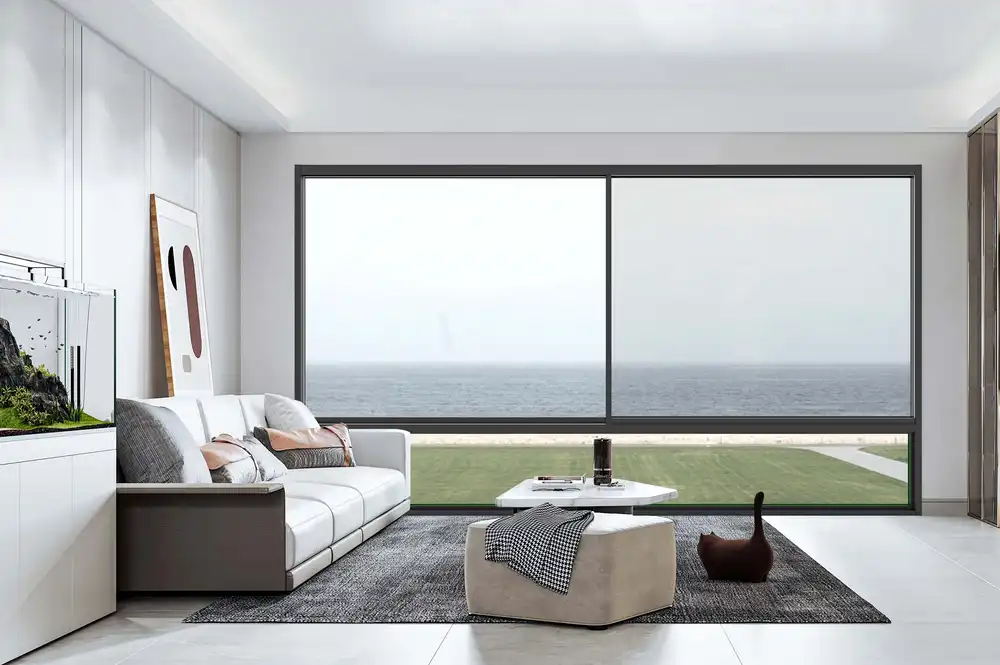
Understanding Aluminum Two-Track Sliding Windows and Their Soundproofing Benefits
What Defines a Two-Track Sliding System
An aluminum two-track sliding window moves on parallel horizontal rails that let the sashes and possible bug screens move separately. The different track system makes sure that each glass pane slides easily without any problems, unlike single-track versions where panels have to overlap completely. Durable nylon wheels are attached to the bottom of the sash in this design. They spread the weight evenly across the track and stop the binding that happens in badly designed systems.
The 6063-T5 alloy used to make the aluminum frame gives the structure the strength it needs to withstand wind loads and changes in temperature. Wall widths range from 1.4 mm to 2.0 mm. Adding screens to this dual-rail system doesn't get in the way of ventilation or sight, which is a common problem in urban makeovers where people want fresh air without pests getting in.
Acoustic Performance Through Glazing and Sealing
The soundproofing in these windows comes from the carefully measured glass parts and the sealing around the edges. When you use tempered or double-glazed windows, air holes form that soak up sound energy before it gets inside. Double glazing usually has two 5 mm glass panes that are spaced out by a 12 mm to 16 mm gap filled with inert gas or dehumidified air. This gap stops sound from escaping by blocking vibration paths. Multi-point locking systems make sure that the weatherstripping is compressed evenly around the outside of the window.
This gets rid of any holes that let noise and conditioned air out. The sill in the shape of a staircase has hidden weep holes with check valves that let water drain and stop wind-driven sound waves. This is an important feature in certain towns with both high humidity and loud traffic. For projects that want to get LEED approval or follow city noise laws, these built-in design elements are necessary to lower the noise level inside.
Durability and Thermal Control in Urban Climates
Aluminum doesn't rust, so it's better than wood or plastic in seaside and industrial areas where pollution and salt spray make materials break down faster. PVDF or powder-coated finishes that meet AAMA 2605 standards protect against UV light and acid rain, so the structure and look stay the same for decades. When these frames are fitted with polyamide thermal break strips, they stop heat from moving through the metal.
This lowers U-values to below 2.0 W/m²K, which is necessary to meet energy codes in both hot and cold countries. This thermal performance means that the HVAC system doesn't have to work as hard, which saves money on running costs that real estate owners who care about lifetime economics like. The thin frame shape makes the window area bigger without lowering the strength. This lets in a lot of natural light while keeping the sound and heat barriers that people in cities need.
Key Factors When Choosing Aluminum Two-Track Sliding Windows for Procurement
Material Comparison: Aluminum vs. Vinyl vs. Wood
Important Things to Think About When Buying aluminum two track sliding windows. Aluminum, vinyl, and wood: a comparison of their materials. Aluminum frames are most common in B2B urban projects because they are strong for their weight and don't need much upkeep. Vinyl systems are cheaper at first, but they have a problem called thermal expansion that makes the seal less reliable in places where temperatures change a lot. This lets air leak through and makes the insulation less effective over time.
Wood looks nice, but it needs to be refinished every so often and can be damaged by moisture in damp places. These things raise the costs over time and make it hard for tenants to live in during repair periods. From -40°C to +80°C, aluminum extrusions keep their shape, which means that weatherstripping compression and soundproofing work the same way every time. The ability to recycle the material also helps with sustainability goals, since post-consumer aluminum only needs 5% of the energy needed for main production.
Track Configuration: Two-Track vs. Single- and Three-Track Systems
All of the screens on a single-track sliding window have to fit on one rail, which cuts views and light and limits air to half of the opening. Three-track systems are more complicated and expensive, but they don't improve noise levels by the same amount. This is because the extra rail creates more possible leak tracks and makes it harder to keep the weatherstripping in place. Two-track designs are the best mix because they give you 50% more work space while keeping clear sightlines and simple seal shape.
The separate screen track works on its own, so residents can keep the unit safe from intruders while still getting air flow, which is especially useful in ground-floor flats in cities. Two-track systems make it easier to handle inventory, which is helpful for procurement teams that need to place a lot of orders. Standardizing parts across projects cuts down on the work that needs to be done to coordinate with suppliers and shortens wait times.
Glazing Selection: Single vs. Double Glazing Impact
Single-glazed windows don't offer much in the way of thermal or acoustic insulation. They usually have sound reduction values below 25 dB, which is too low for urban projects next to roads or airports. When air gaps are optimized in double windows, performance goes up to 32–38 dB, which is an area where people can hear a big difference in noise reduction. The tempered glass choice is safer because when it breaks, it breaks into small, dull pieces instead of dangerous shards.
This is important for meeting building rules for high-rise buildings and schools. Adding Low-E coatings to double-glazed units makes them even better at keeping heat inside. This is because they reflect infrared radiation, which lowers sun heat gain in hot climates and keeps heat inside in cold climates. Purchasing managers have to find a mix between these performance levels and the project budget.
Installation and Maintenance Best Practices for Optimal Performance
Step-by-Step Installation Protocol for Urban Sites
The first step in a proper installation is to compare the rough hole measurements to the shop plans. Leave 10-15 mm of space on all sides for shimming and weatherproofing. Installers place the frame in the hole and use non-shrinking shims to make sure it is plumb, level, and square within ±2 mm standards. Deviations beyond this limit cause the rollers to bind and wear out too quickly.
Around perimeter gaps, a closed-cell brace rod is used, and then low-modulus polyurethane sealant is used. This sealant is rated for ±25% joint movement, which can accommodate the settling that happens a lot in new high-rises. Mechanical bolts placed 300–400 mm apart hold the frame securely to structural walls. This prevents wind loads from damaging the frame solely through sealant adhesion. Trim on the inside and outside of a building hides fixings and gives it a finished look that meets design standards.
Routine Maintenance for Long-Term Acoustic Performance
Cleaning the track once a year gets rid of the dust and other things that build up and make the moving friction and noise worse. Using a stiff nylon brush and gentle soap to remove dirt from aluminum without scratching it, then rinsing and drying it well. Using a dry silicone spray lube on rollers and track surfaces makes them work smoothly again. This is better than using oil-based products, which attract dirt and break down weatherstripping elastomers.
Checking the weatherstripping visually for tension set, cracks, or glue split are signs that it needs to be replaced to keep the soundproofing up. Multi-point locks need to be adjusted every so often to make sure that the compression around the sash edge is even. If the contact is too free, air can leak out and vibrations can get through, which lowers the acoustic rating. Facility managers should plan these tasks for times of the year when the seasons are changing and tenants are moving in or out so that there is as little disturbance as possible.
Troubleshooting Common Operational Issues
Sash binding during operation is usually caused by frame warping from structural movement or bad shimming during installation. Racking can be found by measuring the diagonals across the frame. If the differences are more than 3 mm, the frame needs to be re-shimming to get it back to being square. Misaligned tracks show up as higher rolling resistance or holes that can be seen at the meeting rails.
Most alignment issues can be fixed without replacing the frame by slightly loosening the base screws, leveling the track again with shims, and then tightening them back up. If air leaks through even though the weatherstripping is still in place, it means that the lock is not compressed enough. By moving strike plates up and down or moving lock guards inward, you can tighten the seal and get back to normal temperature and acoustic performance.
Aluminum two track sliding window designs, in particular, benefit from these adjustments because their dual-track structure relies on precise leveling and latch pressure to seal properly. A small wire or compressed air can be used to clear a clogged weep hole, which stops water from getting in and keeping the check valve working.
Procurement Insights: Pricing, Suppliers, and Customization Options
Cost Structure Breakdown for Budget Planning
About 45 to 50 percent of the total unit price is made up of the costs of raw materials, mostly aluminum extrusions and glass. These costs change with the world commodity markets. Another 20–25% comes from labor for manufacturing, assembly, and quality control. Hardware parts like rollers, locks, and weatherstripping make up the other 10–15%.
Depending on how complicated it is, customization that includes non-standard shapes, special finishes, or structural changes usually adds 15 to 30 percent to the base price. Installation prices vary by region, but in cities with well-established contractor networks, they are usually between 10 and 20 percent of the cost of the materials. When you buy in bulk for projects that need more than 100 units, you can often get 8–15% off the price.
Identifying Reputable Suppliers and Manufacturers
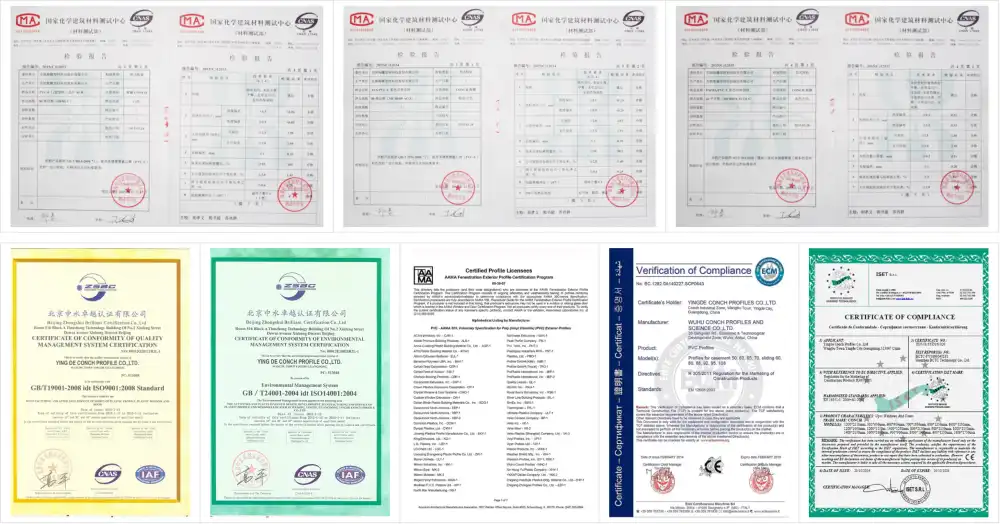
Suppliers you can trust show that they have ISO 9001 certification, which shows that they handle quality consistently throughout the whole production process, from extrusion to final review. Products that have the CE marking, AAMA approval, or AS2047 compliance show that they meet regional performance standards for structural stability, resistance to water entry, and control of air infiltration. Factory inspections that show automatic CNC cutting, precision welding stations, and climate-controlled assembly areas show that the factory is able to keep standards tight for a lot of orders.
You can be sure of the sound and thermal performance of a supplier by looking at references from finished projects in similar areas and building types. If you need to get aluminum two track sliding windows, you can trust Haolv Building Materials. The 25,000 m² factory that Haolv Building Materials uses has German-made extrusion lines and Italian powder-coating systems that make sure that the profiles are the same across multiple phases of a project.
Customization Capabilities and Lead Time Management
Modern makers can meet specific needs for each project, such as custom sizes (up to 1500 mm width x 2400 mm height for aluminum two-track sliding windows), RAL color matching for architectural continuity, and different types of screen mesh. Changes to the structure, like adding strengthened corner gussets for areas with a lot of wind or built-in blinds between glass panes, are made to meet specific performance requirements.
Early in the design phase, procurement teams should send thorough specs that include elevation drawings, finish samples, and performance goals. When special extrusion dies are needed, lead times get longer. Usually, this adds 3–4 weeks to normal production plans. When frames, sashes and hardware are shipped unassembled, the amount of freight used drops by up to 40%. These modular methods also make replacement and guarantee service easier, since only the parts that need to be shipped are needed instead of the whole unit being sent back.
Disclaimer: The performance numbers given are within the normal ranges for the industry. The real acoustic and thermal measurements will depend on the design and quality of the installation. Before making a final choice about what to buy, you should always check the specifications using product testing results and third-party certifications.
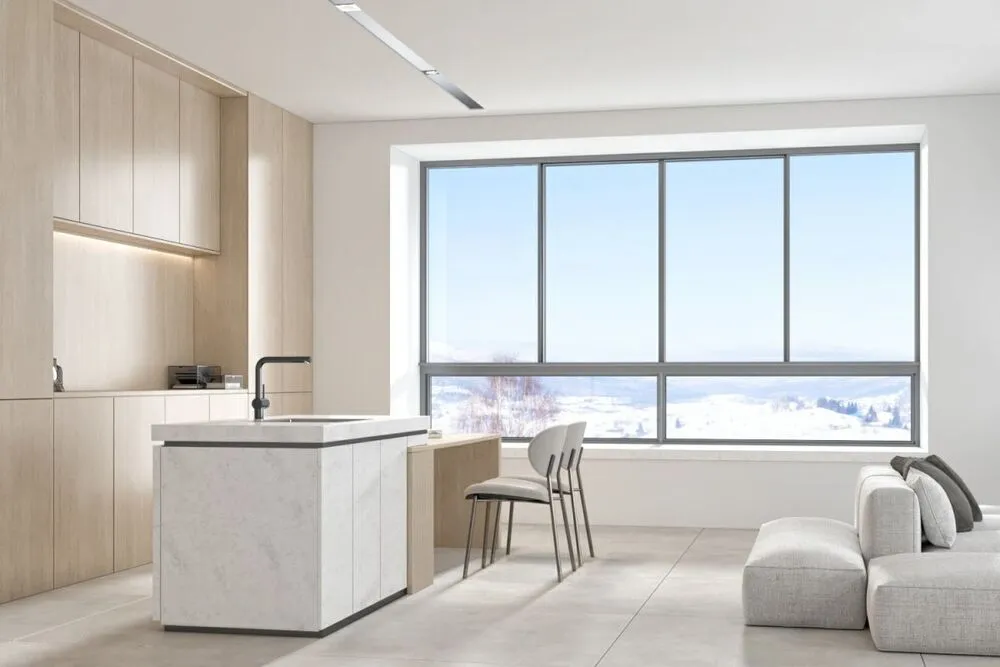
Why Aluminum Two-Track Sliding Windows Are the Preferred Choice for Urban Soundproofing Projects
Case Studies Demonstrating Real-World Performance
In Chicago's Loop area, an old 24-story apartment building changed its single-hung windows with double-glazed aluminum two-track sliding windows. This cut the noise level inside from 72 dB to 38 dB, which residents said made their living experience completely different. The project's contractor said that the modular design and pre-assembled roller tracks made the systems 35% more efficient than casement options when it came to construction time.
A makeover at a hotel in Miami Beach earned LEED Silver approval in part by upgrading the windows to two-track sliding units with Low-E glass. This helped cut annual cooling costs by 22%. These examples show that proper design and installation can lead to measured improvements in noise reduction, energy efficiency, and building timelines.
Emerging Innovations in Materials and Glazing
Nano-coatings research could lead to glass surfaces that actively reduce vibration, which could raise sound reduction values by 3–5 dB without the need for stronger laminates. Fiber-reinforced polyamide strips are now added to thermally broken extrusions. These strips lower U-values to below 1.8 W/m²K while keeping thinner profiles. Triple-glazing with vacuum-insulated holes is now being made commercially. Its goal is to have acoustic values above 40 dB for very quiet places like recording studios and high-end penthouses next to airports. As rules about noise and city growth get stricter, manufacturers who use these technologies will stand out in the buying process.
Sustainability Alignment and Green Building Contributions
Aluminum can be recycled over and over again, which supports the circular economy ideas that are becoming more and more required by city building rules. LEED v4.1 gives points for material openness through Environmental Product Declarations (EPDs), which are reports that reputable suppliers give out that show how their products affect carbon emissions over their whole lifetime.
Aluminum systems last longer than 30 years because they are durable and don't need much upkeep. This means they don't need to be replaced as often and there is less waste from building. When you specify systems with a lot of recovered content—often more than 70% post-consumer aluminum—you show that you care about the environment without sacrificing efficiency. These features make two-track sliding windows forward-compatible investments.
Conclusion
Aluminum two track sliding windows designed to block out noise in cities are the result of combining sound science, material engineering, and smart purchasing. Their two-track design, strong 6063-T5 metal construction, and ability to work with high-tech glazing systems make them great for reducing noise in crowded areas of busy cities. Standardized parts, bulk prices, and the ability to make changes that fit different project needs and budgets are all good for procurement teams. Following the right steps for installation and regular upkeep will protect your investments and keep tenants happy for a long time. As cities grow and noise laws get stricter, these systems offer a tried-and-true, scalable way to balance cost savings with the health and comfort of residents.
FAQ
Is the aluminum two track sliding window energy efficient?
Does the aluminum two-track sliding window save energy? These systems meet strict energy codes in North America and Europe because they have U-values below 2.0 W/m²K when they are set up with thermally broken frames and Low-E double glass. The polyamide thermal break stops heat from moving through the aluminum frame, and the Low-E coats scatter infrared radiation, which significantly lowers the loads for both heating and cooling.
How do you prevent water from entering the room through the tracks?
Professional designs have a sill with a staircase shape that has weep holes and check valves that are covered. When water drains onto the floor, it moves outward through pathways fed by gravity. Check valves stop rain that is driven by wind from going backwards. This designed sewage system stays strong even during the worst storms that often happen in coastal cities.
Can these windows be fitted with insect screens?
The two-track system usually has a third rail built in or mounting places for bug screens that clip on. Different people may want fiberglass, aluminum, or stainless steel mesh for different reasons, such as longevity and accessibility. Installing a screen doesn't get in the way of the sash moving, so air flow and pest control can happen at the same time.
What is the maximum size for a sash in an aluminum two track sliding window?
When it comes to profile thickness and roller load values, sashes can be as wide as 1500 mm and as tall as 2400 mm. For smooth operation and to keep the frame from warping, larger sizes need structural support and heavy-duty twin rollers. Suppliers provide load estimates and technical plans to make sure that oversized combinations are possible.
Partner with Haolv Building Materials for Reliable Aluminum Two-Track Sliding Window Supply
If you are a buyer looking for a reliable seller of aluminum two-track sliding windows, Haolv Building Materials is in a great situation to help with big city projects. Because we've been making things for 18 years, we can make precision-engineered systems that meet AAMA and ISO standards. These systems come with full technical documentation, such as CAD models, installation videos, and step-by-step assembly instructions. We ship parts in a knockdown format, which cuts freight costs by about 35% and makes handling on-site easier. Because we work with CONCH, we can be sure that the aluminum casting will be consistent, and before it ships, automatic quality control stations will check that the dimensions are correct. Let us help your team build urban areas where soundproofing, energy efficiency, and good value for money all work together. For more details or to request a quote, please contact our project consultant directly at kristin@haolvwindows.com.
References
1. American Architectural Manufacturers Association. (2020). AAMA/WDMA/CSA 101/I.S.2/A440: North American Fenestration Standard/Specification for Windows, Doors, and Skylights. AAMA Publications.
2. Beranek, L. L., & Vér, I. L. (2018). Noise and Vibration Control Engineering: Principles and Applications (3rd ed.). Wiley.
3. Carmichael, J., & Davies, M. (2019). Acoustic Performance of Building Envelopes: Case Studies in Urban High-Rise Construction. Journal of Building Physics, 42(4), 487-509.
4. International Code Council. (2021). International Energy Conservation Code (IECC). ICC Publications.
5. U.S. Green Building Council. (2019). LEED v4.1 Building Design and Construction: Materials and Resources Credit Guidance. USGBC.
6. Zhang, H., & Wang, S. (2022). Thermal Break Technology in Aluminum Window Frames: Performance Analysis and Optimization Strategies. Energy and Buildings, 256, 111-124.
Fast simple channel to send demands lock favorable price for building window door bulk purchases.