- English
- French
- German
- Portuguese
- Spanish
- Russian
- Japanese
- Korean
- Arabic
- Greek
- German
- Turkish
- Italian
- Danish
- Romanian
- Indonesian
- Czech
- Afrikaans
- Swedish
- Polish
- Basque
- Catalan
- Esperanto
- Hindi
- Lao
- Albanian
- Amharic
- Armenian
- Azerbaijani
- Belarusian
- Bengali
- Bosnian
- Bulgarian
- Cebuano
- Chichewa
- Corsican
- Croatian
- Dutch
- Estonian
- Filipino
- Finnish
- Frisian
- Galician
- Georgian
- Gujarati
- Haitian
- Hausa
- Hawaiian
- Hebrew
- Hmong
- Hungarian
- Icelandic
- Igbo
- Javanese
- Kannada
- Kazakh
- Khmer
- Kurdish
- Kyrgyz
- Latin
- Latvian
- Lithuanian
- Luxembou..
- Macedonian
- Malagasy
- Malay
- Malayalam
- Maltese
- Maori
- Marathi
- Mongolian
- Burmese
- Nepali
- Norwegian
- Pashto
- Persian
- Punjabi
- Serbian
- Sesotho
- Sinhala
- Slovak
- Slovenian
- Somali
- Samoan
- Scots Gaelic
- Shona
- Sindhi
- Sundanese
- Swahili
- Tajik
- Tamil
- Telugu
- Thai
- Ukrainian
- Urdu
- Uzbek
- Vietnamese
- Welsh
- Xhosa
- Yiddish
- Yoruba
- Zulu
Frameless vs Framed Single Sliding Shower Doors: Benefits for Project Builds
When choosing shower enclosures for business or residential projects, the choice between a single sliding frameless shower door and a framed option affects how the shower looks, how much it costs, how long it takes to build, and how much it costs to maintain over time. The frameless design shows off minimalism with big glass panels and hardware that is hidden. It gives a clean, modern look that is popular in high-end home and hospitality projects. Framed choices, on the other hand, have obvious aluminium or stainless steel profiles around the edges of the glass. These profiles offer structural support and cost savings that make them good for mid-range projects and large-scale purchases.
When project managers, general contractors, and procurement experts know these differences, they can choose doors that fit the design purpose, meet compliance requirements, and meet operational needs in a variety of building settings.
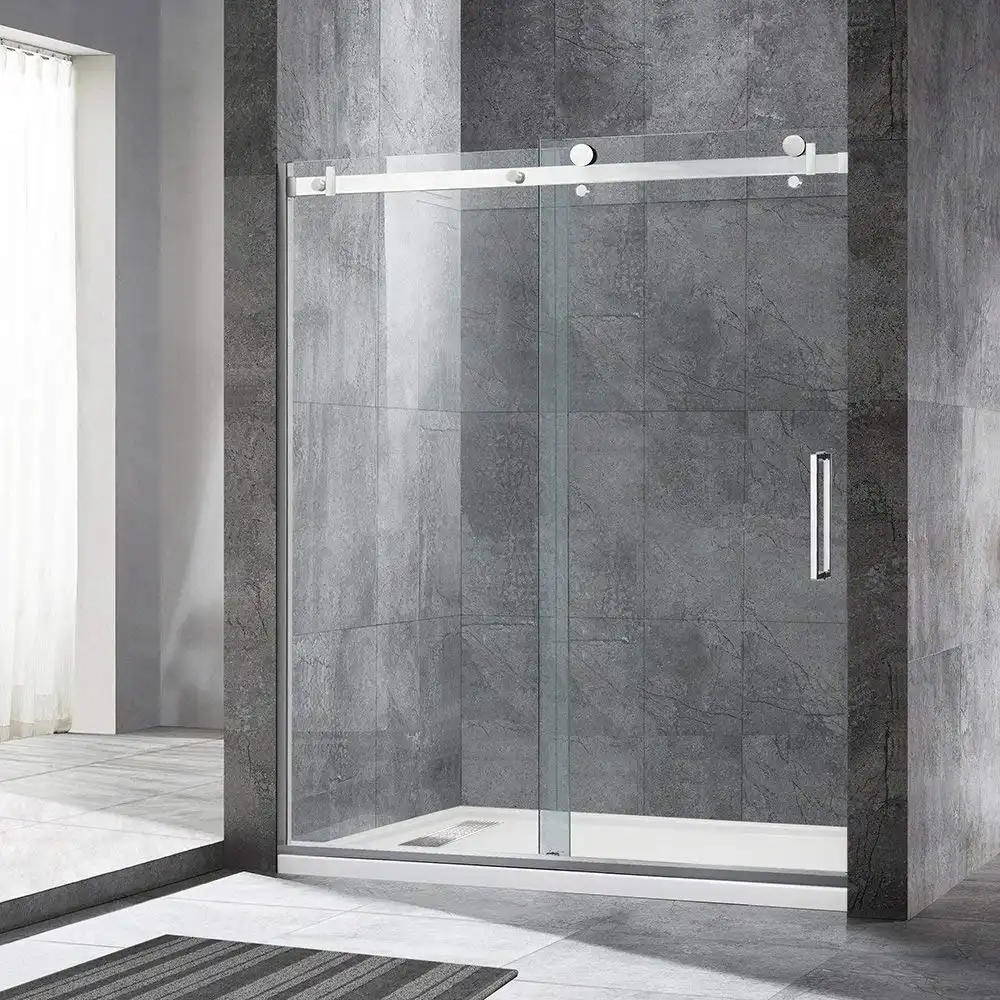
Understanding Single Sliding Shower Doors: Frameless vs Framed
Structural Composition and Material Selection
A single sliding frameless shower door needs thick toughened glass—usually 8mm or 10mm—to hold it together since it doesn't have a frame around it. The glass is held up by 304 stainless steel track systems that can be placed on top or the bottom. These are corrosion-resistant in places with a lot of humidity. Hardware parts like wheels, guide rails, and handles are made to work smoothly and last a long time. They often have soft-closing features like the OPK buffering system to stop them from slamming and make them last longer.
Framed sliding doors have aluminium or stainless steel curves around all four edges of the glass. This lets smaller glass panels (usually 6mm) fit while still being safe and rigid. The frame properly divides the weight and adds more sealing points with PVC strips, making the waterproofing better. Both designs use toughened safety glass that meets ANSI Z97.1 standards. When it breaks, it breaks into small, blunt pieces that make injuries less likely.
The choice of material has a direct effect on how well the door works, how it looks, and how much it costs. Stainless steel gear doesn't rust and can stand up to harsh Neutral Salt Spray Testing (NSS), and aluminium frames are easier to handle and install because they are light. For developers and wholesalers who handle large orders, choosing high-quality materials protects the project's profits and image by making sure products last longer and lowering the number of guarantee claims.
Sliding Mechanism and Track Systems
The moving system makes a difference in how well operations run and how the user feels. Heavy-duty rollers made from high-grade POM (Polyoxymethylene) or stainless steel bearings are used in single sliding frameless shower doors. These rollers can hold panel weights of more than 150 pounds while still moving smoothly and quietly. Deep-groove rollers with anti-jump blocks keep the glass in place on the support bar. They can withstand 100 kg of force and won't come off by chance while they're being used.
Framed systems spread the weight around the outside frame, which lets you use smaller rollers and make track layouts easier. Rollers on bottom-rolling designs are placed under the door, making it easier to clean and maintain. Top-mounted tracks hide gear above, keeping the sightlines clear. Both methods allow horizontal change ranges of 5 mm to 10 mm, which can fix walls that aren't straight, which is common in older buildings or areas prone to earthquakes.
When working on big projects, installation freedom is very important. Alcove, corner and wall-to-wall designs can be used in a variety of bathroom plans, making the best use of limited space in hotel rooms, apartments and home renovations. Customisable sizes make sure a perfect fit in non-standard spaces, which cuts down on changes that need to be made in the field and the cost of labour for installation while keeping projects on schedule.
Aesthetic and Design Considerations
A buyer's choice is affected by how something looks, especially in high-end home buildings and high-end hospitality projects. With single sliding frameless shower doors, you can see through them completely, giving your bathroom a more open and airy feel. This also lets more light in. Modern architecture trends emphasise clean lines and unobstructed views, which makes the simple design appealing to developers who want to attract picky buyers.
Framed options give you more design options because they come in different styles, like chrome, matte black, and brushed nickel, which lets them match with other hardware and fixtures. The frame that can be seen adds a clear architectural element that works well in traditional or transitional homes where structural details go with the overall style. You can make even more changes to the glass because it comes in clear, frosted, patterned, and tinted options that meet private needs and aesthetic tastes in both home and business settings.
Procurement choices are based on balancing how something looks with how useful it is. When project managers look at their choices for multi-unit developments, they weigh the high-end look of single sliding frameless shower door designs against the low cost and ease of upkeep of framed options. They choose configurations that meet the needs of their target market and their budget.
Core Benefits of Frameless vs Framed Single Sliding Shower Doors for Project Builds
Aesthetic Impact and Market Positioning
Single sliding frameless shower doors raise the worth of a home by creating a high-end, spa-like atmosphere that is sought after in high-end condos, boutique hotels and senior housing projects. You can see the tile work and inner finishes clearly because there is no obvious framing. This lets the design elements stand out without being blocked. This visual premium is a good reason for higher material costs in projects where buyers and renters decide to buy based on how unique and high-quality the building is thought to be.
Framed doors are a useful and cost-effective way to save money on large-scale home builds, hotel companies, and renovation projects that want to keep costs low without losing safety or functionality. The structured look suggests longevity and dependability, which are qualities that building managers look for in places with a lot of foot traffic where equipment is used a lot. Surface finishes that are made to match water devices keep the design cohesive while keeping costs down for large purchases.
Strategies for placing in the market affect the choice of door. The cost-performance ratio of framed systems is good for developers working with middle-range customers. On the other hand, single sliding frameless shower door designs are used as marketing tools for luxury projects to show off their high-quality craftsmanship and attention to detail.
Durability and Maintenance Demands
Total cost of ownership is affected by durability measures, which is an important thing for property managers and wholesalers who sell stocks of properties to think about. Single sliding frameless shower doors use stronger toughened glass that is more durable and less likely to break when it hits something. However, the sides that are visible need protective coats or polished finishes to keep them from chipping. Stainless steel hardware works well in wet places and doesn't need much care. It just needs to be inspected every six months and any dirt removed to keep the rollers running smoothly.
Framed systems spread stress around the frame's edges, keeping the glass's edges safe from direct impact and increasing the system's useful life even when it's being used hard. The protection built into the frame lowers the chance of water getting in, which stops mould from growing and prevents long-term damage to the structure. But aluminium profiles can rust if they aren't properly anodised or powder coated, so the style you choose needs to be in line with how the metal will be used and how to keep it in good shape.
Costs for operations are affected by maintenance needs in business settings. Single sliding frameless shower doors have hydrophobic coats that keep minerals from building up and make cleaning easier. Framed systems, on the other hand, need extra care for the sealing strips and frame joints where soap scum and moisture build up. When looking for things for hotel companies or apartment buildings, procurement teams weigh these factors against the cost of housekeeping staff and the frequency of planned upkeep.
These success factors help with smart sourcing. People looking for low-maintenance solutions for areas with a lot of people usually choose single sliding frameless shower door options. On the other hand, people who are trying to save money on remodelling choose framed options that are easier to maintain and repair.
Safety Standards and Water-Sealing Efficiency
Safety compliance is still a must for both business and private projects. Tempered safety glass that meets ANSI Z97.1 and EN 12150 fracturing standards is used in both single sliding frameless shower doors and framed slide doors. This makes sure that people inside are safe if the glass breaks. Single sliding frameless shower door systems are waterproof because the glass is perfectly lined up, the seams are sealed, and there are continuous PVC strips along the bottom edges. This gives the system high water resistance without any frame barriers that can be seen.
Framed doors have multiple points of sealing, which are done by putting PVC strips inside the frame lines. This makes extra defences against water getting out. The overlapping panel design of sliding mechanisms adds extra safety by moving water inward and keeping the floor from getting wet while showering. Different installation styles, like nook, corner, or wall-to-wall, affect how well the seal works, so it's important to carefully choose a style that fits the bathroom's layout and how it's used.
Following the rules makes the process of getting permits and inspections easier. Specifiers who list approved goods that meet local building codes speed up the approval process and cut down on project delays. This is especially true in places with strict safety and accessibility rules. Manufacturers who offer test paperwork, load certifications, and warranty support boost the trust of freelancers and developers who are handling the risk of liability across multiple projects.
Water-sealing saves building parts that are close by. Effective barriers stop water from getting in and damaging plasterboard, subflooring and structural framing. This saves money on fixes and keeps the property's stability for decades. When these lifecycle factors are taken into account in procurement choices, investment returns and renter happiness are maximised.
Cost, Procurement, and Installation Insights for Project Managers
Budget Considerations and Pricing Structures
Framed and single sliding frameless shower doors cost different amounts because of the materials used and the complexity of the design. Single sliding frameless shower door systems are more expensive—often 30% to 50% more than framed options—because they need stronger glass, more precise hardware engineering, and a better look. The choice of glass thickness (6mm, 8mm, or 10mm) has a direct effect on unit costs, since bigger panels need better roller systems and structural supports.
Framed doors are a cheap option that works well for value-engineered projects that need to keep costs low in line with their growth plans. Thinner glass and standard frame shapes lower the cost of materials, and making hardware combinations easier lowers the cost and difficulty of manufacturing. Making deals with makers to buy in bulk can save you money by letting you get discounts on large orders. This is especially helpful for multi-unit developments or chain hotel projects.
Customisation raises prices but provides custom solutions that meet the specific needs of an architecture. Differentiation is possible with non-standard sizes, speciality glass finishes (like frosted, patterned or tinted), and improved hardware (like soft-closing systems and quality finishes), but the base price goes up by 10 to 25 percent. Procurement managers weigh the benefits of customisation against the limits of their budgets, choosing which improvements to make in order to get the most value for the money.
Clear pricing makes it easier to figure out how much a job will cost. It's easier to compare sellers when they give detailed quotes that break down the prices of glass, hardware, finishing, and packaging. This helps with competitive bids and making smart buying decisions.
Installation Complexity and Timeline Management
Frameless and framed systems require very different amounts of installation work and are much more complicated. This can affect project plans and subcontractor costs. Single sliding frameless shower doors need to be perfectly aligned and levelled to make sure they slide smoothly and close properly. This is usually best done by experienced fitters who know how to work with heavy glass and calibrate hardware. Installation times vary from 3 to 5 hours per unit and depend on the state of the wall, the number of adjustments that need to be made, and the ease of entry.
Framed systems make installation easier by having fixing points built into the frame and lighter glass, which lowers the risk of damage and the need for skill. Installations that take only two to three hours on average per unit save money on labour costs and speed up the project changeover, which is especially helpful for quick-turnaround developments or renovations. The frame's ability to be adjusted takes into account the unevenness of the wall, which cuts down on field changes and material waste.
Modern makers are more and more likely to offer knock-down (KD) packaging, which means that sending parts that need to be put together on-site. By using this method, shipping amounts are cut by about 30%, which saves a lot of money on logistics costs for big orders across regional supply lines. Contractors save money on freight costs and make storage easier. Detailed installation guides and training videos make sure that all units are put together correctly and consistently.
Technical help makes installation go more smoothly. When suppliers offer dimensional sketches, advice on how to make adjustments, and help with fixing, the number of mistakes and callbacks goes down. This protects contractors' names and project profits. Specifications for purchases should include installation instructions and the ability to get technical help, so that the job goes smoothly no matter how experienced the user is.
Procurement Channels and Supply Chain Optimization
Pricing, lead times, and help after delivery are all affected by sourcing methods. When you deal directly with the maker, you get cheap prices because there are no middle-man markups. This is especially helpful for orders of more than 50 or 100 units. Established companies like Haolv Building Materials have been in the business for more than 18 years and can offer customised single sliding frameless shower doors, technical advice and reliable shipping schedules that are necessary for planning projects.
Local distributors and wholesalers make it easier to get merchandise for smaller projects or replacements in a situation. They do this by cutting down on wait times and making transportation easier. But restricted customisation choices and higher unit costs compared to factory-direct sourcing may make it harder to choose for builds that need to stick to a budget. Online business-to-business (B2B) sites make it easier to find and compare vendors, but you need to be very careful when checking out product certifications, guarantee terms, and post-sales support.
Warranty coverage and claims processes keep investments in buying safe. Reliable sellers offer multi-year guarantees that cover production flaws, hardware failures, and broken glass. These warranties give customers options for repair or replacement, which lowers their financial risk. Reviewing the warranty terms when choosing a seller makes sure that they are in line with the client's standards for product stability and the project's risk management strategies.
Shipping procedures are important to think about, especially when ordering from other countries. Total landed costs and meeting deadlines are affected by containerised goods, customs paperwork, and transport planning. Suppliers with experience in foreign markets can help you figure out how to deal with rules, tariffs, and freight handling. This makes it easier to buy things across borders and lowers the risk of delays.
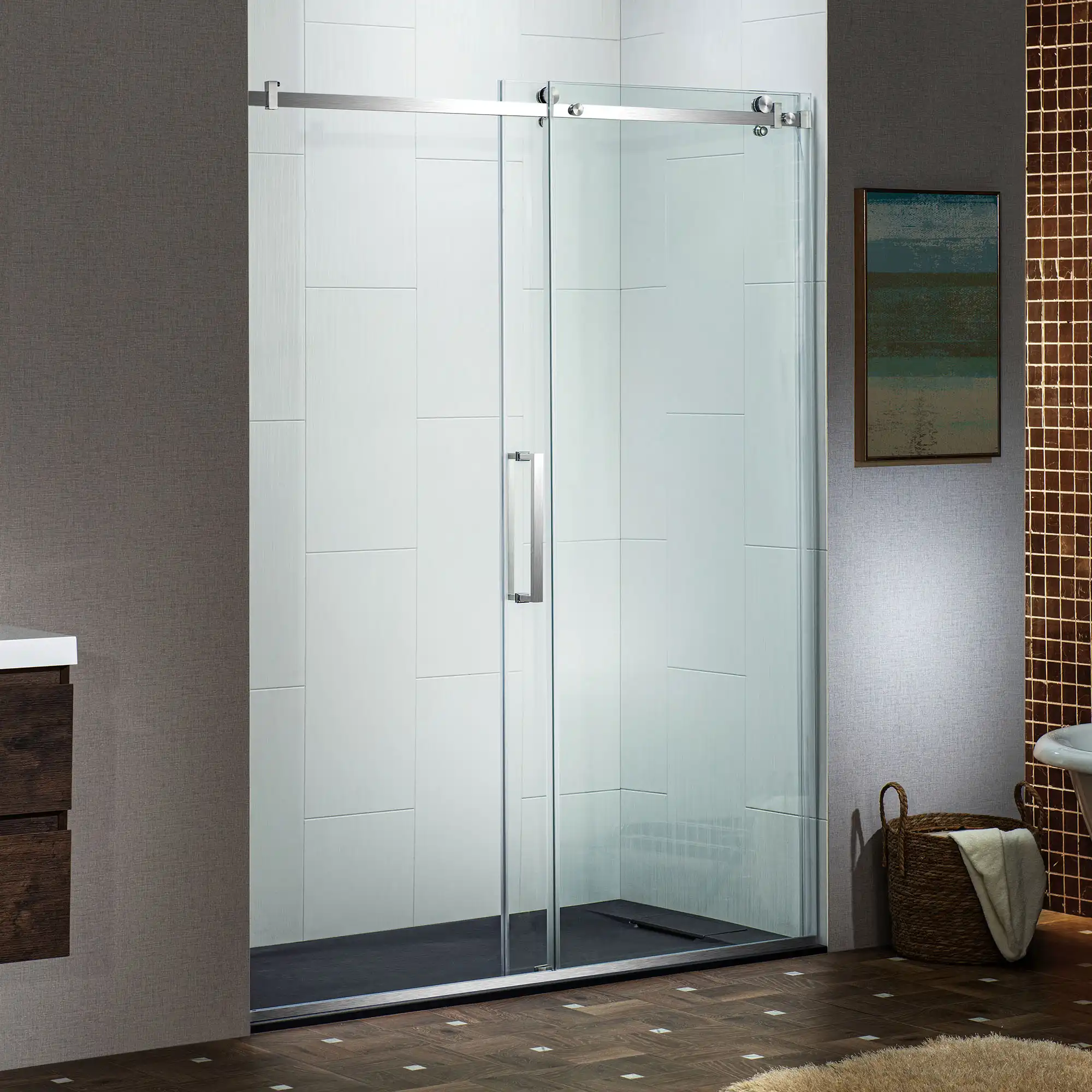
Comparative Analysis: Frameless vs Framed Single Sliding Shower Doors
Performance and Functionality Comparison
Frameless and framed sliding doors perform differently in key operational measures that are important to the success of the project. Because the rollers are precisely designed and the panel weights are balanced, single sliding frameless shower door systems operate quietly and smoothly, providing the best user experiences that are valued in high-end residential and commercial settings. The simple design lets in the most light and makes space seem bigger, making the bathroom feel better without sacrificing functionality.
Framing doors work well in places with a lot of foot traffic and in situations where cost-effectiveness is more important than good looks. The frame's structural support allows for heavy use without parts coming loose or the alignment moving, so it works the same way for long periods of time. In both setups, the overlapping panel designs effectively contain water, but frame-integrated closing systems provide extra reliability in difficult installation conditions.
Functionality goes beyond just being able to do things. Both types of doors can be installed in alcoves, corners or wall-to-wall, so they can fit a variety of bathroom plans and the limited space that is common in hotels, apartment buildings and residential developments. Customisation options that work with non-standard openings keep field changes from being too expensive and make sure the right fit, which protects installation timelines and supplier schedules.
Comparative evaluation should consider project-specific priorities. Developers who want to stand out and put their products in the market prefer single sliding frameless shower door aesthetics, while developers who are trying to save money prefer framed options that offer reliable performance at reasonable prices.
Alternative Shower Door Configurations
There are many different types of shower enclosures, and single sliding frameless shower doors are just one of them. Each one meets different practical and space needs. Hinged doors open outward, taking up a lot of room, but they allow full-width entry, which is great for wheelchairs and accessibility standards. But because they take up a lot of space, they can't be used in small baths like those in apartment buildings and hotel rooms.
Bi-fold doors have panels that fold inward or outward, saving room on the floor while still allowing easy entry. Concerns about hinge reliability and mechanical complexity may stop them from being specified in hospitality settings that want low-maintenance operation, but they work well in home remodelling where space doesn't allow for swinging or sliding choices.
Sliding doors make the best use of space by moving panels in line along set tracks. This means that there is no need for swing clearance and the doors are easy to operate and maintain. The form saves space and works well in small bathrooms, modern architecture, and high-density housing developments where floor space is highly valued. By learning about these options, you can choose a barrier that fits the size of the bathroom, the design goal, and the needs of the people who will be using it.
Project managers should look at all of its possible layouts and choose the best one based on things like space efficiency, mobility needs, personal taste, and financial limitations that are specific to the project and what everyone involved expects.
Brand Selection and Warranty Considerations
Trusted names offer guarantees about the quality of their products, as well as compliance licenses and warranty support that are very important for managing risks in both business and household projects. Kohler, DreamLine, and CR Laurence are stars in their fields and have built their names on consistent quality, thorough testing, and reliable after-sale support. They can charge higher prices because they are less likely to make mistakes and the specification process is easier.
Mid-tier makers offer affordable options that combine acceptable quality standards with good prices. This makes them appealing to cost-conscious developers who are ready to do their research and confirm certifications, material specs, and warranty terms. The screening method should make sure that the glass meets ANSI Z97.1 standards, that the hardware has NSS testing documents, and that replacement parts are available to ensure long-term serviceability.
Different sellers offer very different warranty arrangements. Full protection against defects and early fails, including broken glass, hardware failure, and finish degradation over 3 to 5 years, lowers replacement costs and customer unhappiness. Reviewing the claims process, wait times for replacements, and service network availability makes sure that the guarantee is useful in real life, beyond what it says in the contract.
Supplier dependability goes beyond the standard of the goods they sell. On-time delivery, quick expert help, and the ability to make changes all affect how well a job turns out and how happy the contractor is with it. References, case studies, and testimonials from similar projects help procurement teams make sure that a provider can handle big orders before they commit to them.
Maintenance, Cleaning, and Longevity Tips for Project Success
Routine Maintenance Protocols
Setting up regular care schedules for doors protects their usefulness and appearance over many years, keeping project investments safe and occupants happy. Single sliding frameless shower doors need roller checks every six months to make sure they don't have any buildup of debris and that the tracks move smoothly. Self-lubricating POM bearings don't need to be oiled as often, but silicone-based oils should be used on a regular basis for best performance under heavy use.
Framed systems benefit from having their sealing strip checked every three months. If any old PVC parts are found, they are replaced to keep water out and the overlap sealing working well. Frame corners and joints collect soap residue and moisture, so they need to be cleaned regularly to stop mould growth and finish wear. Taking care of small problems right away keeps them from getting worse and costing a lot to fix, like replacing panels or fixing the structure.
Making changes to the hardware keeps the orientation and integrity of the seals. Roller height changes fix problems caused by building movement or wear, putting panels back in the right place and keeping water out. Tightening fixing screws and handles stops them from coming loose over time, which increases the life of the parts and makes the user happier. Facility managers who are in charge of properties with multiple units should make standard inspection plans to make sure that all of the properties get the same level of care.
When compared to reactive methods that fix problems after they happen, proactive maintenance cuts lifetime costs by a large amount. Setting aside money for regular checks and replacements of parts keeps things running smoothly and keeps people comfortable, which protects property values and management reputations.
Cleaning Strategies and Product Recommendations
When you clean glass the right way, you keep its brightness and finish without damaging it or speeding up wear. Daily use of a squeegee to remove water drops before mineral deposits form and weekly use of pH-neutral glass cleaners to stop soap scum buildup are both good ways to take care of single sliding frameless shower doors. Putting on hydrophobic coatings during production makes cleaning easier, but you need to use non-abrasive items to keep the covering from wearing down.
Framed systems need extra care at the points where the frame and glass meet, where dirt and dust can build up. Soft-bristle brushes or microfibre cloths can get rid of dirt and grime without hurting finishes. Mild soaps mixed with warm water can get rid of organic buildup. Aluminium anodisation and stainless steel finishes are protected by not using harsh cleaners, bleach, and products with ammonia. This keeps the finishes from discolouring and cracking.
Stainless steel gear keeps its shine by being wiped down with damp cloths and special cleaners made just for stainless steel. This restores the shine and gets rid of fingerprints. Corrosion can be avoided by not using cleaners with chlorine. This is especially important near the coast, where salt air speeds up oxidation. Setting up cleaning rules and teaching housekeeping staff makes sure that the same things are done every time, which protects the state of assets.
Protective coats or layers on glass make it possible to go longer between deep cleanings, which saves money on labour costs in business settings. When doing a cost-benefit analysis, it's important to look at how long the coating will last and what the guarantee covers. This is especially important in hotel settings where there are hundreds of showers in guest rooms that need regular upkeep.
Warranty Management and Lifespan Optimization
Understanding what the guarantee covers and how to file a claim helps the maker provide the best support and extends the life of the product. Documentation needs usually include papers for purchases, pictures of the installation, and accounts of problems. This means that property managers who are in charge of more than one place need to set up organised ways to keep records. Quickly filing claims within the allotted time limits keeps coverage from being denied, which protects against unexpected substitute costs.
How long a product lasts depends on how often it is used, how well it is maintained, and the setting it is in. In single-family homes, single sliding frameless shower door installations usually last between 15 and 25 years with little upkeep. However, in high-traffic hotel settings, parts may need to be replaced every 10 to 15 years because they wear out faster. Choosing commercial-grade gear and thicker glass in harsh settings makes it possible to go longer between major renovations.
Long-term serviceability is affected by the supply of replacement parts. When suppliers keep rollers, handles, seals, and glass panels in stock, single sliding frameless shower doors can be fixed instead of being replaced completely, which saves money and the environment over time. Specifications for purchases should confirm the availability and cost of parts, as well as useful ways to keep the product in good shape throughout its life.
Capital improvement budgets are made with expected replacement cycles in mind during strategic planning. By planning ahead for when doors will need to be replaced, property managers can make sure that reserves are used correctly, which keeps costs down when multiple units need to be remodelled at the same time. This methodical technique keeps assets in good shape and tenants happy throughout the lifecycles of properties.
Disclaimer: The exact performance traits, sizes, and technical specs rely on the product testing results, the manufacturer's paperwork, and the conditions at the site. Look at technical data sheets and hire skilled experts to help you with your job and make sure you're following the rules.
Conclusion
When deciding between single sliding frameless shower doors and framed options, you need to think carefully about your project's budget, fitting needs, and overall costs over the project's lifetime. Single sliding frameless shower door options have a high visual impact and a modern beauty that makes them perfect for high-end developments, while framed options offer reliable performance at a lower cost for mid-range developments and high-volume uses. Specification of materials, quality of tools, and dependability of suppliers all have a big impact on performance, upkeep needs, and long-term happiness.
A thorough analysis that balances design purpose with practical factors is helpful for project managers. This makes sure that the door choice is in line with what stakeholders want and what works in the real world. When buying things from other countries, it's especially helpful to use tactics like bulk ordering, knock-down packing, and working directly with manufacturers to cut down on transportation costs and improve the efficiency of the supply chain.
FAQ
What distinguishes frameless from framed sliding shower doors?
Single sliding frameless shower doors don't have any frames around the edges. Instead, they depend on thick tempered glass (8mm to 10mm) and precise metal to keep them strong. This gives them a simple look. Framed doors have smaller glass (6 mm) surrounded by aluminium or stainless steel features. This makes the structure stronger and saves money on production costs by making it easier to make.
Can these doors accommodate irregular wall surfaces?
Modern single sliding frameless shower door systems can be adjusted horizontally by 5 mm to 10 mm using wall bolts and wheels. This can fix walls that aren't straight, which can happen during repairs or in earthquake zones. Installation freedom makes sure that the seals and alignment are correct even if the building isn't perfect.
Are bulk purchase discounts available for large projects?
Manufacturers usually offer bulk discounts for orders of more than 50 to 100 units. You can save even more by using knock-down packing, which cuts shipping costs by about 30%. When compared to distributor routes, working directly with the plant saves the most money for single sliding frameless shower door projects.
How do I ensure hardware longevity in humid environments?
Corrosion resistance is guaranteed by choosing 304 or 316 stainless steel gear that passes 240 hours of neutral salt spray testing. Regular checks every six months and cleaning with non-corrosive products keep single sliding frameless shower door goods working at their best for their entire lives.
What installation support is available for contractors?
Reliable providers offer scientific parameter sheets, installation videos, and thorough assembly manuals to help with the installation process on-site. Consulting engineers and getting help with problems lowers the number of mistakes and makes sure that quality is the same across all units for single sliding frameless shower doors.
Partner with Haolv Building Materials for Your Single Sliding Frameless Shower Door Projects
Delivering exceptional single sliding frameless shower door solutions to developers, contractors, and distributors requires a manufacturing partner combining technical expertise, production capacity, and responsive support. Haolv Building Materials brings 18+ years of specialized experience producing premium sliding glass shower door systems for residential, commercial, and hospitality applications throughout North America and global markets.
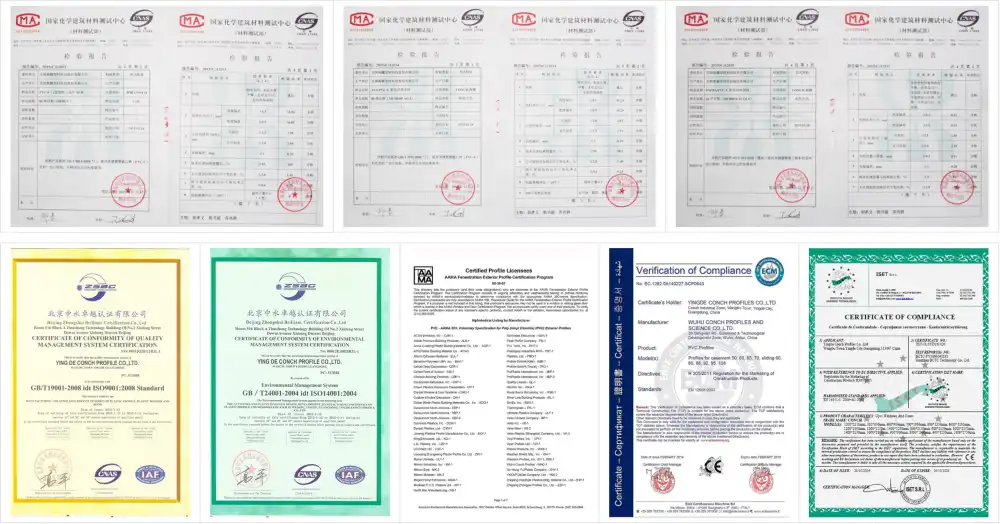
Our manufacturing capabilities encompass tempered glass processing from 6mm to 10mm thicknesses, 304 stainless steel track systems with soft-closing OPK buffering, and comprehensive customization addressing project-specific requirements. ISO-certified quality management ensures consistent product excellence from raw material selection through final inspection, while our state-of-the-art facilities integrate precision CNC cutting, automated assembly systems, and rigorous testing protocols meeting international safety standards.
Haolv's competitive advantages include knock-down packaging reducing logistics costs by 30%, 25-30 day delivery schedules from order confirmation, and complete technical support featuring parameter sheets, installation videos, and engineering consultation. Whether sourcing single sliding frameless shower door systems for luxury condominiums, hotel renovations, or wholesale channel inventory, we deliver reliable solutions backed by comprehensive warranties and responsive after-sales service.
Procurement specialists searching for dependable single sliding frameless shower door manufacturers benefit from our one-stop product support, free technical consultation, and bulk order pricing structures optimizing project economics. Contact our team at kristin@haolvwindows.com or visit haolvbuilding.com to discuss your requirements and discover how our customized solutions, efficient delivery, and competitive pricing can elevate your next project build.
References
1. National Glass Association. (2022). Tempered Glass Standards and Safety Requirements in Commercial Construction. Technical Publication Series.
2. American Architectural Manufacturers Association. (2021). AAMA Standards for Shower Door Systems: Performance Testing and Certification Guidelines.
3. Building Design + Construction Magazine. (2023). Shower Enclosure Specification Trends in Hospitality and Multi-Family Residential Projects.
4. Journal of Building Materials Science. (2022). Comparative Analysis of Corrosion Resistance in Stainless Steel Hardware for Wet Environments.
5. International Code Council. (2021). International Building Code Provisions for Glass and Glazing in Bathroom Applications.
6. Construction Specifier Institute. (2023). Cost-Benefit Analysis of Frameless versus Framed Shower Enclosures in Commercial Development Projects.
Fast simple channel to send demands lock favorable price for building window door bulk purchases.