- English
- French
- German
- Portuguese
- Spanish
- Russian
- Japanese
- Korean
- Arabic
- Greek
- German
- Turkish
- Italian
- Danish
- Romanian
- Indonesian
- Czech
- Afrikaans
- Swedish
- Polish
- Basque
- Catalan
- Esperanto
- Hindi
- Lao
- Albanian
- Amharic
- Armenian
- Azerbaijani
- Belarusian
- Bengali
- Bosnian
- Bulgarian
- Cebuano
- Chichewa
- Corsican
- Croatian
- Dutch
- Estonian
- Filipino
- Finnish
- Frisian
- Galician
- Georgian
- Gujarati
- Haitian
- Hausa
- Hawaiian
- Hebrew
- Hmong
- Hungarian
- Icelandic
- Igbo
- Javanese
- Kannada
- Kazakh
- Khmer
- Kurdish
- Kyrgyz
- Latin
- Latvian
- Lithuanian
- Luxembou..
- Macedonian
- Malagasy
- Malay
- Malayalam
- Maltese
- Maori
- Marathi
- Mongolian
- Burmese
- Nepali
- Norwegian
- Pashto
- Persian
- Punjabi
- Serbian
- Sesotho
- Sinhala
- Slovak
- Slovenian
- Somali
- Samoan
- Scots Gaelic
- Shona
- Sindhi
- Sundanese
- Swahili
- Tajik
- Tamil
- Telugu
- Thai
- Ukrainian
- Urdu
- Uzbek
- Vietnamese
- Welsh
- Xhosa
- Yiddish
- Yoruba
- Zulu
Bay Windows Double Glazed vs Single Glass: Which Is Better?
When you're managing a renovation project with tight deadlines and a homeowner expecting their classic bay window to transform their living space, the glazing choice matters more than most people realize. Bay windows double glazed consistently outperform single-pane alternatives across thermal efficiency, acoustic control, and durability—three factors that directly affect your reputation and your client's long-term satisfaction. After nearly two decades working with home improvement contractors and window retailers across North America and Europe, we've seen how the right glazing decision protects project timelines, reduces callback headaches, and delivers measurable energy savings that homeowners actually notice on their utility bills.
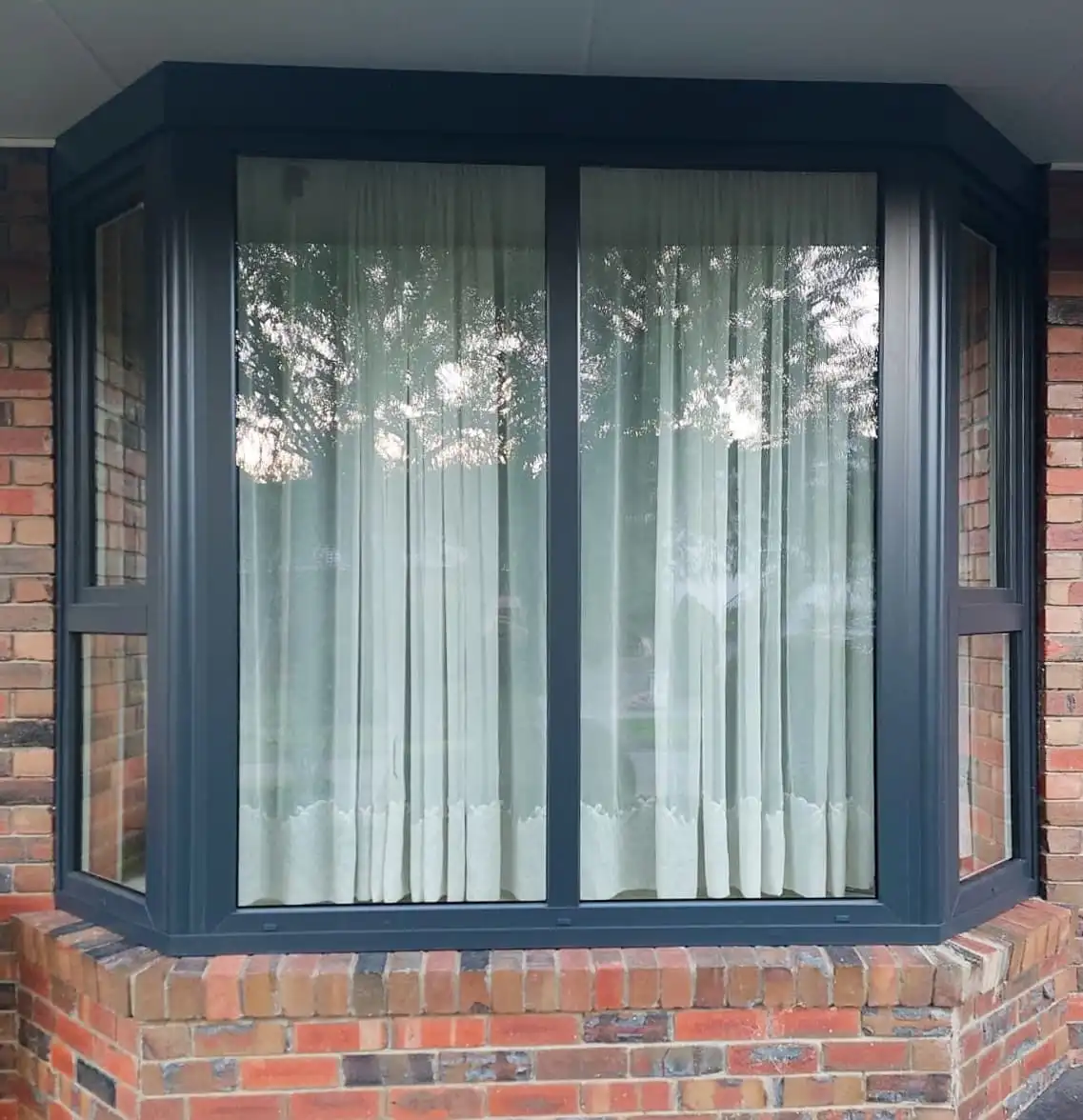
Understanding Bay Windows and Glazing Types
Bay windows add character to traditional houses and let in natural light and useful room inside. The basics of building are the same whether you're looking for a Victorian-era repair in Boston or a neighborhood ranch retrofit in Ontario.
Frame Materials and Structural Considerations
There are three main types of frame materials used in modern bay window designs. UPVC is the most popular material for home renovations because it keeps heat in and doesn't need much upkeep. White profiles are still the norm, but woodgrain finishes that look like oak or mahogany are now available for heritage projects.
When combined with thermal break technology that stops heat from moving through the metal, reinforced aluminum frames work well in commercial settings or modern home designs that value slimmer sightlines. Traditional timber frames can still be found in conservation areas where planning rules require materials that are appropriate for the time period. However, these frames need to be maintained regularly, which raises the cost of ownership over time.
Single Glazing: Basic Functionality and Limitations
By today's building standards, single-pane glass only lets light through and keeps out the weather. A single 4mm or 5mm sheet of glass doesn't block heat flow very well, so the inside of the building gets cold in the winter, which can lead to condensation problems and pain near the window. Sound transmission is still mostly unhindered. Sounds of traffic, neighborhood activity, and the weather pass through with little loss of quality. The simple structure makes it lighter and cheaper to make, but these benefits aren't really there when you consider the wasted energy and unhappy residents.
Double Glazing: Engineered Insulation Systems
Double-glazed units have two panes of glass that are separated by a carefully controlled air gap. The size of the air gap can be 12mm, 16mm, or 20mm, based on the performance needs. When compared to single glass, the sealed cavity makes an insulating barrier that makes heat transfer much slower. When low-emissivity coatings are put on the inside of glass, they reflect infrared radiation back into the room while still letting visible light pass through.
This improves thermal performance without lowering brightness. The spacer bar between the panes is made of desiccant material that soaks up any leftover moisture from manufacturing. This stops internal condensation that would make it impossible to see and indicate a failed seal. This building has U-values between 1.4 and 2.0 W/m²K, which means it meets or beats the energy code requirements in most cold and mixed climate zones.
Knowing about these structural differences helps people who are buying things go beyond just comparing prices and look at the whole picture of how well the product works. The glazing specification impacts everything from the number of workers needed for installation to the frequency of long-term maintenance. It is an important decision that has effects throughout the whole project lifecycle.
Performance Comparison: Double Glazed vs Single Glazed Bay Windows
Real-world performance is what sets good windows apart from great ones. This is especially true in bay configurations, where the projecting structure creates unique thermal and acoustic problems.
Thermal Efficiency and Energy Conservation
A big chunk of the energy used in homes is lost through windows, especially in bay window assemblies that stick out and cover more surface area on the outside. The insulating air gap and low-E glass layers in double-glazed units work together to slow down the passage of heat. Test results show that double glazing with the right specifications can get U-values of 1.4 to 2.0 W/m³K, while single glazing usually gets values of 5.0 W/m³K or higher.
This means that the inside glass surfaces will be noticeably warmer when it's cold outside. This lowers the risk of condensation and gets rid of the uncomfortable cold radiation zone that forms near single-pane windows. This means that homeowners will be more comfortable and save money on their heating bills, and workers will get fewer calls about drafty windows or moisture problems.
This performance stays the same in all kinds of weather thanks to the insulated glazing unit (IGU) construction. The sealed cavity stops convective heat transfer that would happen if air moved between the panes, and the low-E coating sends long-wave thermal radiation back into the space inside. The material of the spacer bars also affects how well they keep heat in.
For example, modern warm-edge spacers stop heat loss at the edge of the glass, while old-fashioned aluminum spacers make thermal bridges. These technical details add up to big energy savings for the whole building, which are being required by building code officials more and more through updated thermal performance standards.
Acoustic Performance in Urban and Suburban Settings
When bay windows face busy streets, commercial areas, or even active neighborhoods where outside noise bothers your comfort, sound attenuation is very important. Double-glazed assemblies are much better at blocking noise than single-glazed ones because they have more mass and damping.
A gap of air between the two layers of glass creates a resonant system that absorbs sound energy. This is especially true when the thickness of the panes is different to avoid resonance increase at certain frequencies. Sound reduction values of about 38 dB can be reached with well-designed double-glazed bay windows. This makes road noise, sirens, and neighborhood activity much quieter.
There are more than just double versus single glazing that affect how well the soundproofing works. Sound propagation class scores are affected by the thickness of the glass, the depth of the cavity, and whether the room is filled with air or heavier gasses like argon. Bay Windows Double Glazed systems, in particular, introduce additional variables such as angled panes and larger surface areas, which can further influence overall acoustic performance beyond these standard factors.
The viscoelastic interlayer between the laminated glass layers reduces sound waves even more. This is done by releasing vibration energy. Contractors who work in noise-sensitive areas, like homes near roads, business districts, or airports, find that selecting the right acoustic glazing keeps clients happy and avoids project disagreements over noise levels inside the home that single glazing can't handle.
Security and Impact Resistance
Physical security issues depend on where you live and what the client wants, but bay windows are inherently unsafe because they are easy to get to and have a lot of glass. Forced entry is less likely to happen through double-glazed units than through single panes, especially if they are made with tempered or laminated glass.
Tempered glass is heated, which makes it about four times stronger than annealed glass, but when it breaks, it falls apart into small, granular pieces. When two or more layers of glass are laminated together with a polymer interlayer, the pieces stay together even after being hit. This makes it much harder for people to break in and gives people time to respond or set off an alarm.
Protection also depends on frame construction and hardware integration. Multi-point locking systems that act at numerous frame locations divide the strain and prevent prying assaults better than single-point locks. These technologies, together with impact-resistant laminated double glass, provide a sturdy wall that deters burglars while preserving bay windows' architectural appeal. In construction projects that prioritise security due to high-value objects or the local crime rate, appropriately selected double glass gives additional protection.
Because they are better at keeping heat in, noise out, and keeping things safe, double-glazed bay windows have become the standard in new homes and renovations today. The benefits go beyond vague test results; they include real comfort for occupants and real cost savings that make the extra investment worth it.
Installation and Maintenance Considerations
For bay window projects to go well, they need to be installed correctly and have realistic upkeep plans. This is especially important when coordinating renovation schedules with resident occupancy.
Site Measurement and Custom Fabrication Requirements
Before replacing bay windows, the openings must be carefully measured in the field. This is important because accurate measurements are what determine whether the new windows fit correctly and work as planned. Because the shape sticks out, it needs to be measured at several places: the width at the hole in the wall, the depth of the projection, and the angles between the window parts (usually 90°, 135°, or 150°).
Measurement mistakes lead to delays in installation, gaps that make weatherproofing less effective, and possible reorders that wreck project schedules. These risks are greatly reduced when you work with suppliers who offer detailed measurement guides and technical support during the quoting phase.
Custom fabrication takes longer than stock goods but ensures proper fit in residential openings that don't always match conventional measurements. Making double-glazed units is harder than single-pane. The sealed IGU system must be stored in a controlled environment to prevent moisture, and the added weight requires frame strengthening and hardware sizing. Reliable providers plan manufacture to supply bespoke bay window units 25–30 days following order confirmation. Contractors may arrange installation alongside other renovation parts without waiting for supplies.
Installation Complexity and Labor Requirements
Due to the extra layer of glass and insulated construction, double-glazed bay windows are much heavier than single-pane equivalents. A typical residential bay unit could weigh between 150 and 300 pounds, depending on its size and shape. Because of their weight, these units usually need three to four installers instead of two for lighter single-glazed units.
This is to make sure that the crew is big enough to safely move and handle them. Setting the assembled unit into the rough opening, making sure that all of the sections are level and plumb, attaching the frame to the structural members, and finishing the exterior and interior trim work as well as weatherproofing details are all part of the installation process. Bay Windows Double Glazed units, however, require extra care during these steps due to their heavier weight and complex angular geometry, which demands precise alignment and additional sealing to maintain both structural integrity and thermal efficiency.
Pay extra attention to the weatherproofing on the top section because bay window roofs often leak when the flashing doesn't fit together properly. When installed correctly, the exterior wall covering, flashing membranes, and the bay window roof covering should be put on in the right order so that water doesn't get into the joints.
Contractors who have installed bay windows before know these important details. For those who have never installed one before, technical installation paperwork that shows the right order of steps and sealing methods is helpful. Good providers offer installation drawings, video tutorials, and specification sheets that help less-experienced teams do a professional job and cut down on mistakes.
Maintenance Requirements and Service Life
Most of the time, double-glazed windows don't need as much upkeep as single-glazed ones. This is because the sealed IGU construction keeps dirt from building up on the inside of the glass and removes the need to clean between the panes. As part of routine care, the outside and inside glass surfaces need to be cleaned and oiled, and the weatherstripping needs to be checked for damage or wear from tension. UPVC frames only need to be washed once in a while with a light detergent, while well-finished metal frames will look great for years with little upkeep.
The service life depends on the quality of the glazing and the standards of installation, not just whether the building is double or single. Well-made sealed units have long-lasting edge seals that keep out water and keep the air gap between the panels insulated for a long time. When the seal finally fails, it shows up as condensation inside the container that makes it hard to see and lets you know that the thermal performance has dropped.
Good makers back their goods with warranties that cover the integrity of the seals and offer new IGUs when they fail too soon. This guarantee support gives contractors and clients faith in the product's durability and lets them get their money back if there are problems with the way it was made.
Disclaimer: The exact performance metrics, service life, and maintenance intervals depend on the testing reports for each product, the quality of the installation, and the conditions of the environment. For confirmed performance figures, look at the technical documentation from the provider you've picked.
When contractors keep technical parameter tables, installation videos, and assembly directions on hand, their installation teams work faster and do a better job. These resources are especially helpful for projects that require modular delivery and on-site assembly. This way of buying cuts shipping costs by about 30% compared to fully assembled units while keeping the quality of installation high by giving clear technical instructions.
Cost and Procurement Insights for B2B Clients
The budget takes into account more than just the purchase price. It also takes into account the total cost of ownership. This makes procurement analysis more complicated than just comparing unit costs.
Initial Investment and Long-Term ROI
When you buy them, double-glazed bay windows cost more than single-pane windows because they have an extra layer of glass, are made in sealed units, and have better frame construction, all of which add to the cost of materials and labor. When replacing a normal bay window in a home, double glazing might cost 40% to 60% more than similar single glazing. At first glance, this seems to favor the cheaper choice. This limited cost analysis doesn't look at the energy savings that come from running the window over its lifetime.
Because double glazing improves thermal performance, it lowers the amount of energy used for heating and cooling. This saves money on utility bills every month, which adds up to savings every year. The return time depends on the climate zone. In colder areas with longer heating seasons, the extra money spent on double glazing is recouped faster than in mild climates where heating and cooling needs are low.
Studies that use energy models show that payback times can be anywhere from five to twelve years, based on how much energy costs in the area and how bad the weather is. In addition to the money they save, residents value the increased comfort and fewer condensation problems even before the money saves reach the point where they break even.
A lifecycle cost study should also look at how often things need to be maintained and when they need to be replaced. Most of the time, double-glazed units with good seals and strong frames last longer than single-pane windows. This means that you don't have to pay as much to repair them and you save money every year. When contractors show their customers these detailed cost comparisons, they show that they are skilled experts and help homeowners make choices that are in line with their initial budget and will add value in the long run.
Supplier Evaluation and Quality Assurance
Picking dependable suppliers is just as important for the success of a project as picking the right products. This is especially true when it comes to custom-built bay windows, where the fit and performance depend on how precisely they are made. When evaluating a supplier, you should look at their certification standards.
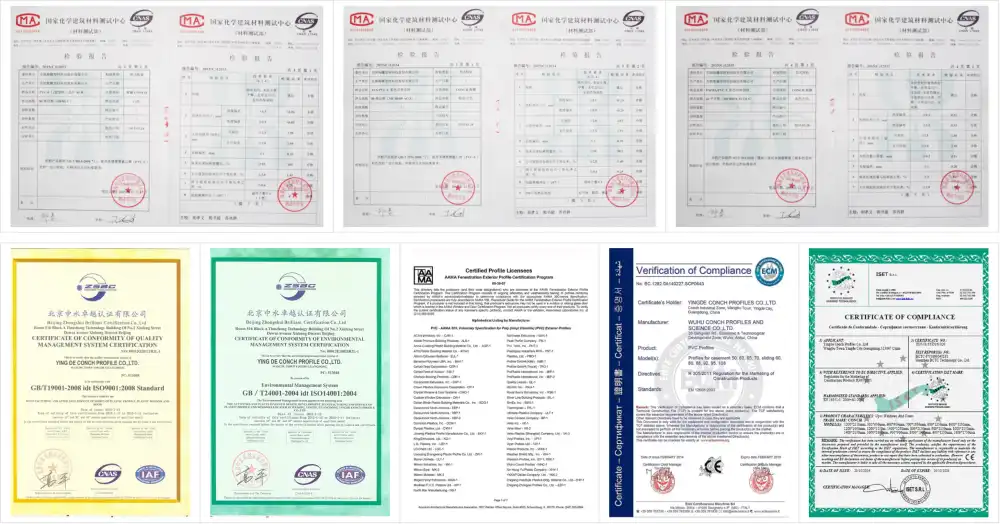
For example, ISO quality management systems, CE marking for European markets, and AAMA certifications for North American markets all show that the supplier follows well-known standards for performance and manufacturing. With these certifications, you can be sure that the products you buy meet minimum quality standards and go through regular quality control tests.
Manufacturing partnerships with well-known material suppliers also show a stable supply chain and consistent quality of the parts. Suppliers who have long-term relationships with major profile manufacturers and glass processors get priority access to materials when supplies are low and technical support when questions about specifications come up.
The supplier's ability to make things and history of getting orders done are very important. Contractors can't afford shipping delays that leave homes with gaps in their windows while they wait for replacements. Reliable sellers keep enough merchandise on hand, give customers realistic production schedules, and let customers know ahead of time about any possible delays. They don't just miss dates without warning.
The ability to provide technical support is what sets true manufacturing partners apart from commodity suppliers. Having access to engineers who can look over installation details, suggest changes to specifications for unusual situations, and fix problems in the field adds a lot of value on top of the product itself. This knowledge is very important when projects run into problems that were not expected, like structure flaws, moisture issues, or issues with measurements that need unique solutions to keep the project on schedule and meet performance goals.
Procurement Strategies for Cost Optimization
There are several ways for contractors and window stores to buy things that help them keep costs down without lowering quality. Freight costs are greatly reduced when units are shipped as parts that can be put together on-site. For example, broken bay window sections pack more efficiently than fully completed units, which cuts shipping volume and weight by about 30%. This method needs clear instructions on how to put it together and a crew with enough skills to do it right, but for many projects, the savings in shipping costs make up for the extra work.
When you buy in bulk through annual supply deals or project bundling, you can negotiate prices that lower the cost per unit and make sure you get your supplies first during busy building seasons. Suppliers like it when they know how many orders they will be getting, which helps them plan their production more efficiently. They also like it when you share the cost saves by offering different price levels based on volume or longer payment terms. Instead of negotiating each job separately, contractors should look into these possibilities as part of their strategic planning.
Customization options should be carefully looked at—suppliers that offer a range of frame colors, glass configurations, and hardware options can better meet the needs of a specific project without compromising on important requirements. You can choose from different Low-E coatings, argon gas fills, decorative glass choices, and specialized hardware. This gives you the freedom to use these options for both normal production homes and unique repair projects.
This range of options from a single seller source makes purchasing easier and ensures that all of a contractor's projects are consistent. Bay Windows Double Glazed units, in particular, benefit from this customization flexibility, as their distinctive shape and larger glass area often require tailored frame colors, specific gas fills, and reinforced hardware to achieve both aesthetic appeal and optimal thermal performance.
Making the Decision: Which Bay Window Glazing Is Best for Your Project?
Instead of following general advice, the best glazing choice for each project balances the needs of the climate, the performance priorities, and the budget constraints.
Climate Zone and Weather Exposure
Heat performance and glazing choice depend on where you reside. The thermal advantages of double windows are greatest in cold areas with extended heating seasons. Reduced heat loss reduces winter energy expenses and comfort. In locations with both hot and cold seasons, the insulating glass unit reduces heat loss in winter and solar heat gain in summer (particularly with sun-controlled low-E coatings). Single-pane windows may accumulate moisture when the interior drops below the dew point in humid and occasionally chilly weather. This makes double glazing preferable in moderate coastal regions.
The choice is also based on how much wind there is and how bad the storm is. Coastal areas that are likely to be hit by hurricanes or other severe storms need impact-resistant glazing that meets the building code's requirements for wind load and debris impact. This safety is provided by double windows made of laminated glass layers, which also keeps the thermal and acoustic benefits that make the design useful even in mild conditions. Because bay windows stick out, they have special problems with wind loads. For this reason, the design of the structural frame and the glazing retention systems are very important for long-term durability.
Noise Environment and Acoustic Requirements
The soundproofing properties of double windows are very good in cities and suburbs with a lot of traffic, business activity, or closeness to airports. When you use the right glass specifications, you can reduce noise inside, making rooms noticeably quieter. This can help you sleep better, feel less stressed, and enjoy your home more overall. Noise control is often just as important to people who live in these areas as saving energy, so acoustic-rated double glazing is a clear choice for the specification.
The noise reduction goals should affect more than just the choice between single and double windows when it comes to glass configuration. Laminated glass layers are better at blocking noise than regular tempered or annealed glass. Asymmetric IGU construction, which uses different thicknesses of glass on the inside and outside panes, stops certain sound frequencies from resonating more loudly. Talking to providers about acoustic performance goals helps make specs better for different types of noise. For example, different glass configurations are needed for low-frequency traffic rumble and high-frequency business machine noise.
Budget Constraints and Value Priorities
In the end, project costs decide what specifications are possible, which means being honest about what clients can pay and what trade-offs make sense. When homes are more concerned with the initial cost than the long-term value, premium double glazing might be hard for contractors to sell in price-sensitive remodeling markets. In these cases, it's important to be clear about the differences in performance and the cost-benefit analyzes that support the higher-quality specification.
Giving people a range of standard choices at varying price points lets them make smart decisions. A base specification with standard double glazing, a mid-tier option with Low-E coatings and argon gas fill, and a premium specification with acoustic laminated glass make it easy to compare costs and performance. This method takes into account clients' limited budgets while teaching them about the value offer of higher specifications. Once homeowners see the real benefits, they often decide to improve.
Conclusion
Bay Windows Double Glazed outperform single-pane choices in heat retention, noise management, and structural safety for house renovations. The greater price is attributed to technical advancements that make the automobile more comfortable, energy-efficient, and durable. Contractors and window retailers in North America and Europe have discovered that appropriate double glazing specification prevents consumers from complaining and establishes a reputation for excellent work that customers appreciate long after installation. The buyer should consider climate, sound, security, and price to discover the appropriate specification for each project rather than utilising general guidelines.
FAQ
How long do double glazed bay windows typically last compared to single-pane units?
Lifespan is affected by the quality of the seal and the standards of fitting more than the type of glass used. When installed correctly, well-made double-glazed units keep their thermal performance and visual clarity for a long time. The exact length of time depends on the environment and how well they are taken care of. Good sellers offer guarantees that cover the integrity of the seal, so you can be sure that it will work well for a long time.
Can double glazed bay windows be customized for heritage properties with specific architectural requirements?
Different suppliers offer different customization options, but most of the time, they offer frame color choices, decorative glass patterns, and hardware styles that keep the traditional look of the building while also incorporating modern thermal performance. Woodgrain finishes on UPVC profiles make them look like old-fashioned wood without the upkeep, and slimline frame designs keep sightlines as similar as possible to single-glazed installations.
Do double glazed bay windows work effectively in extreme cold climates?
In cold places, double glazing with Low-E coatings and argon gas fills works well because it keeps heat inside and raises the temperature of the glass surfaces above the condensation limits. The shielding gap keeps frost from forming, which makes it hard to see and shows that there are problems with the temperature performance. When properly specified, units meet the energy code requirements in all northern climate zones, such as those in Canada and the northern United States.
What technical resources should I expect from a reliable bay window supplier?
Professional suppliers offer installation drawings that show the right way to flash and attach structures, video tutorials that show how to put together modular delivery systems, and technical specification sheets that list thermal performance, acoustic ratings, and structural test results. These resources help installation crews do a good job and cut down on mistakes that lead to callbacks or performance complaints.
Upgrade Your Bay Window Projects with Professional Double Glazed Solutions from Haolv Building Materials
Haolv Building Materials has been making windows for 19 years and has supplier ties with builders and stores in North America and Europe for double-glazed bay windows. Our reinforced aluminum and UPVC frame systems use thermal break technology to get U-values as low as 1.4 W/m²K. This meets the strictest energy codes and gives your renovation projects the durability they need. Every unit comes with ISO, CE, and AAMA certifications, as well as a lot of quality testing to back them up.
We can make configurations that fit the needs of your project. There are 90°, 135°, or 150° bay angles, toughened or laminated glass choices, and glazing holes that range from 12mm to 20mm. By efficiently packing each component, our modular delivery system cuts freight costs by about 30%. Detailed installation videos and technical papers help your teams do a professional job. Strategic relationships with suppliers like CONCH guaranty stable material quality, and our streamlined production process means that custom units are delivered 25 to 30 days after the order is confirmed.
Get in touch with kristin@haolvwindows.com to talk about your project needs and get technical parameter tables that are made just for you. You can look at all of our products at haolvbuilding.com and ask for samples to see how good they are before you decide to buy in bulk.
References
1. American Architectural Manufacturers Association. "AAMA Product Certification Program Standards for Windows and Doors." AAMA Technical Documents, 2021.
2. Canadian Standards Association. "Energy Performance of Windows and Doors: CSA A440.2 Testing and Rating Procedures." CSA Standards Publications, 2020.
3. Lawrence Berkeley National Laboratory. "Residential Windows and Window Coverings: Energy Efficiency and Thermal Comfort Assessment." Building Technologies Department Research, 2019.
4. National Fenestration Rating Council. "Certified Products Directory: Thermal Performance Ratings for Residential Window Systems." NFRC Technical Bulletin, 2022.
5. Royal Institute of British Architects. "Conservation and Retrofit of Traditional Buildings: Guidance on Thermal Upgrade Strategies." RIBA Practice Publications, 2020.
6. U.S. Department of Energy. "Energy Savings from Window Replacement: Climate Zone Analysis and Payback Calculations." Building Energy Efficiency Programs Research, 2021.
Fast simple channel to send demands lock favorable price for building window door bulk purchases.