- English
- French
- German
- Portuguese
- Spanish
- Russian
- Japanese
- Korean
- Arabic
- Greek
- German
- Turkish
- Italian
- Danish
- Romanian
- Indonesian
- Czech
- Afrikaans
- Swedish
- Polish
- Basque
- Catalan
- Esperanto
- Hindi
- Lao
- Albanian
- Amharic
- Armenian
- Azerbaijani
- Belarusian
- Bengali
- Bosnian
- Bulgarian
- Cebuano
- Chichewa
- Corsican
- Croatian
- Dutch
- Estonian
- Filipino
- Finnish
- Frisian
- Galician
- Georgian
- Gujarati
- Haitian
- Hausa
- Hawaiian
- Hebrew
- Hmong
- Hungarian
- Icelandic
- Igbo
- Javanese
- Kannada
- Kazakh
- Khmer
- Kurdish
- Kyrgyz
- Latin
- Latvian
- Lithuanian
- Luxembou..
- Macedonian
- Malagasy
- Malay
- Malayalam
- Maltese
- Maori
- Marathi
- Mongolian
- Burmese
- Nepali
- Norwegian
- Pashto
- Persian
- Punjabi
- Serbian
- Sesotho
- Sinhala
- Slovak
- Slovenian
- Somali
- Samoan
- Scots Gaelic
- Shona
- Sindhi
- Sundanese
- Swahili
- Tajik
- Tamil
- Telugu
- Thai
- Ukrainian
- Urdu
- Uzbek
- Vietnamese
- Welsh
- Xhosa
- Yiddish
- Yoruba
- Zulu
How Does UPVC Bow Window Improve Home Appearance?
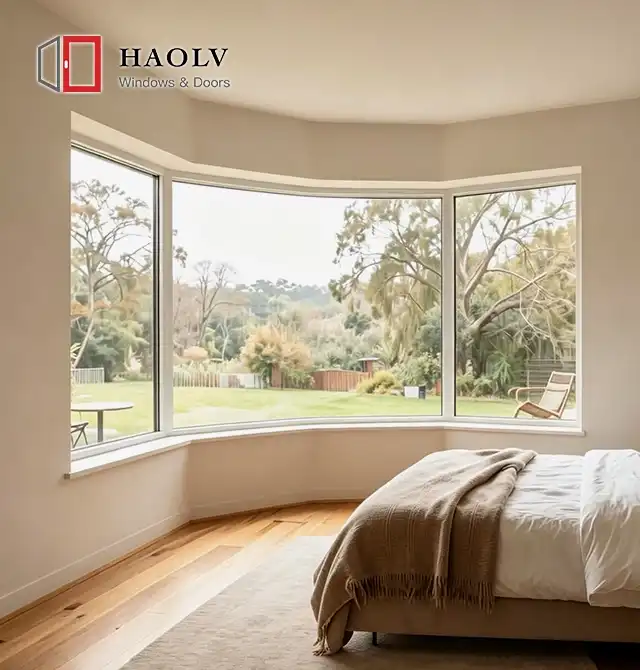
A UPVC Bow Window instantly transforms a home's exterior and interior by introducing elegant, sweeping curves that create visual flow and architectural character. Unlike flat windows, the bow configuration projects outward in a graceful arc, typically combining four to five window panels that expand both sightlines and interior space. This design element softens harsh building lines, adds dimensional depth to facades, and floods rooms with natural light from multiple angles, making properties more inviting and visually appealing to potential buyers.
Understanding UPVC Bow Windows: Features and Design Advantages
The architectural distinction of UPVC Bow Windows lies in their gentle curvature, which differentiates them from sharply angled bay windows. This smooth arc integrates seamlessly into classic American and British residential designs, where symmetry and refined proportions are valued. The curved profile creates a softer visual statement that complements both traditional brick homes and modern exterior finishes, making these windows versatile across renovation projects.
What Sets UPVC Material Apart in Bow Window Construction
Unplasticized Polyvinyl Chloride provides structural integrity in curved shapes that natural materials cannot. Three to five interior chambers in UPVC Bow Windows offer thermal breaks that limit heat transmission and preserve stiffness during their lengthy span. Frame wall thickness between 2.0mm and 2.8mm fulfils Class A and B requirements, supporting several glass units without drooping. For projecting window assemblies that encounter high wind pressure, integrated galvanised steel reinforcement, usually 1.2mm to 2.0mm thick, improves wind load resistance.
Unlike wooden UPVC Bow Windows, the material resists moisture absorption, preventing warping and decay at panel seams, where water penetration does the greatest damage. UPVC's dimensional stability over temperature swings keeps the curving frame and multi-panel layout aligned for decades. This stability solves a major contractor issue: weathertight seals at the bow assembly's many window unit connecting locations.
Curved Design Benefits: Light, Space, and Viewing Angles
Bow arrangement changes how natural light enters an area. As the sun moves, the angled panels gather sunlight throughout the day, eliminating the need for artificial lighting and producing dynamic shadow patterns that add visual appeal to rooms. A showcase area, sitting nook or plant shelf may be created by projecting 12 to 18 inches from the wall plane, increasing useable square footage without enlarging the building's footprint.
Outside, the three-dimensional design casts shadow lines that lend depth and refinement to flat facades. The gradual curvature leads the eye down the building's facade, making it look broader and more substantial. The apparent breadth of narrow lot residences or structures with limited street exposure improves curb appeal and property value.
Bay Windows vs. Bow Windows: Why Choose the Curved Option
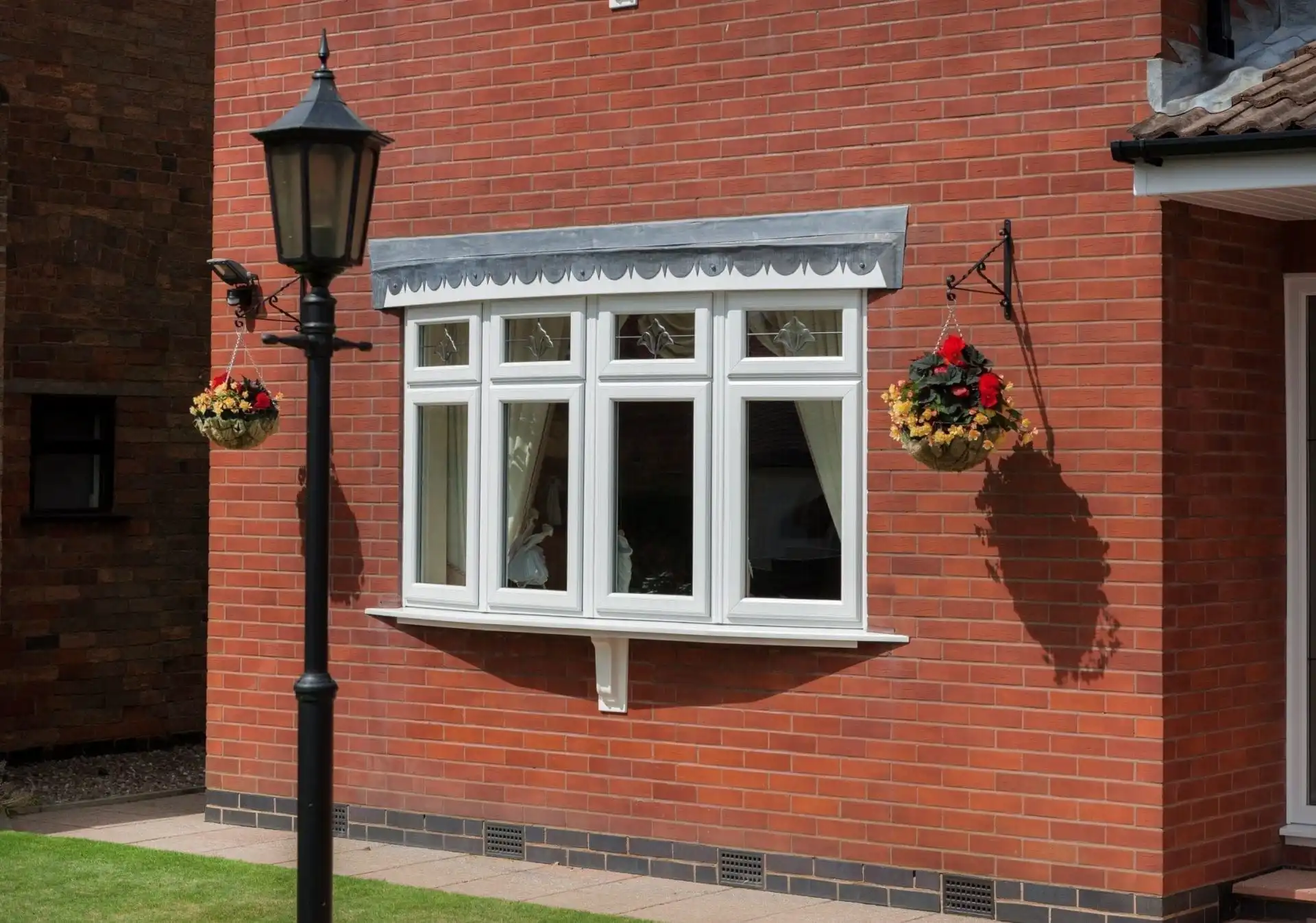
Bay windows have three panels linked at angles of 30 or 45 degrees, providing an angular projection. UPVC Bow Windows project a continuous curve from four to five panels linked at softer angles. Architectural style and functional goals determine configuration choice. UPVC Bow Windows are ideal for traditional beauty and optimum light capture, while bay windows provide more defined interior corners for furniture arrangement.
Bows distribute structural load more uniformly over their curves, minimising corner joint stress. Long-term durability may increase in areas with large temperature changes or severe wind exposure. Since more sashes may be opened independently than in three-panel bay layouts, UPVC Bow Windows provide better ventilation.
Enhancing Home Aesthetics with UPVC Bow Windows
Visual impact drives home improvement decisions, and curved window installations create immediate differentiation in residential markets. The UPVC Bow Window's projection and form factor make it a focal point that defines a property's character, often becoming the signature element that sets a home apart in competitive real estate markets.
Customization Options That Match Architectural Themes
Beyond white, frame colours include woodgrain finishes like oak, mahogany, and walnut, as well as cream, grey, and black. These treatments attach coloured surfaces to UPVC substrates via co-extrusion or lamination, preserving colour constancy without painting. Specifying internal and exterior colours separately lets you match dcor and palettes.
Glass configurations affect performance and appearance. Double glazing with Low-E coatings meets energy regulations with U-values of 1.6 W/m²K, retaining optical clarity. Urban areas and residences near traffic corridors benefit from triple glazing's 30–45 dB noise reduction. Low-level glazing safety regulations are met by tempered or laminated glass, while ornamental glazing patterns or split light grilles provide character without affecting window structure.
Hardware finishes—including handles, hinges, and locking mechanisms—are available in chrome, brushed nickel, brass, or black powder-coated options. Multi-point locking systems enhance security while maintaining clean sightlines, and coordinated finishes across all hardware elements create visual cohesion that clients notice and appreciate.
Energy Efficiency as a Value Driver
Thermal performance directly affects homeowner operating costs and comfort. The multi-chambered UPVC profile creates insulating air spaces that interrupt thermal bridging, while Low-E glass coatings reflect infrared radiation back into living spaces during winter and reject solar heat gain during summer. These combined features reduce HVAC demand, translating to measurable utility savings that can be quantified during sales presentations.
Acoustic performance matters increasingly as residential areas densify and ambient noise levels rise. The mass of multiple glass panes separated by air spaces disrupts sound transmission, with specific performance varying based on glass thickness combinations and spacing. Achieving 30 to 45 dB sound reduction makes interior spaces noticeably quieter, which clients recognize as quality-of-life improvement worth paying for.
How Bow Windows Increase Property Value and Curb Appeal
Real estate professionals recognize that distinctive architectural features command premium pricing. UPVC Bow Windows create memorable first impressions that differentiate listings in online property searches where exterior photos drive showing requests. The three-dimensional form photographs well, adding visual interest that flat facades lack.
The perceived space increase matters more than actual square footage gained. The interior projection creates a psychological sense of roominess and openness that makes spaces feel larger, even when floor area increases are modest. This perceptual value influences buyer decisions, particularly in renovations targeting the mid to upper-market segments where architectural detail justifies premium positioning.
Installation and Maintenance: Ensuring Longevity and Consistent Appearance
Professional installation determines whether UPVC Bow Windows deliver their promised performance throughout their service life. The complexity of multi-panel curved assemblies requires technical precision that differentiates skilled installers from general contractors.
Critical Installation Considerations for Multi-Panel Assemblies
Measure and arrange the structural opening to equally distribute weight across the UPVC Bow Window's foundation. Because the curved assembly weighs more than flat windows, it needs header support and extra framing to transfer loads to the building's structural structure. The head, sill, and side jambs require specific flashing to prevent water infiltration where the curving window meets the flat wall surface.
Multi-panel UPVC Bow Windows are available preassembled or as site-assembled kits. Preassembled pieces facilitate installation and provide factory-controlled joint quality, but their size requires big vehicles and higher delivery costs. Component kits decrease shipment bulk and logistical costs by 30%, but they need professional on-site assembly and sealing. These methods should be weighed against project budget, site access, and labour skill levels.
In appropriate conditions, sill and platform preparation must include slope for drainage and structural ability to sustain the window assembly and snow loads. Because even slight seal failures may let water in, the EPDM gasket system must be replaced regularly to protect interior surfaces and thermal performance.
Maintenance Protocols for Sustained Performance
UPVC's low-maintenance reputation holds true when basic cleaning and inspection routines are followed. Exterior surfaces require only periodic washing with mild detergent and water to remove environmental contaminants. The material's through-color composition means surface scratches don't reveal underlying substrates, unlike painted finishes.
Operating hardware—particularly hinges and locking mechanisms on operable sashes—benefits from annual lubrication with silicone-based products that don't attract dust or stiffen in cold temperatures. Drainage channels and weep holes at the sill should be checked and cleared of debris to maintain proper water evacuation. Gasket seals should be inspected for compression set or damage, with replacement available as needed to maintain weathertightness.
The UPVC Bow Window's projection makes external glass cleaning more challenging than flat windows. Homeowners should be informed about this maintenance consideration and, if necessary, budget for professional cleaning services to maintain appearance.
Warranty Coverage and After-Sales Support Expectations
Reputable suppliers provide structured warranty programs covering material defects, hardware function, and seal integrity. Typical coverage periods range from five to fifteen years, with specific terms varying by component. Glass seal failures—visible as interior condensation between panes—usually carry separate coverage reflecting the critical nature of insulated glazing unit integrity.
Window replacement parts are important throughout its lifespan. Suppliers with enough hardware, gaskets, and other serviceable parts exhibit long-term product support. Contractors and end users should have access to technical documents including installation manuals, maintenance instructions, and troubleshooting tools.
Making the Right Procurement Decision: UPVC Bow Window Selection Guide
Strategic procurement requires evaluating multiple factors beyond initial purchase price. Total cost of ownership encompasses material durability, installation complexity, maintenance requirements, and expected service life for a UPVC Bow Window.
Material Comparison: UPVC vs. Wood and Aluminum
Wooden UPVC Bow Windows offer traditional aesthetics that some architectural styles demand, but require regular painting or staining to prevent moisture damage and decay. The multiple panel joints in bow configurations create numerous potential failure points where water can penetrate end grain, accelerating deterioration. Lifecycle maintenance costs for wood substantially exceed those for UPVC, though initial purchase prices may be comparable.
Aluminum frames provide narrow sightlines and modern aesthetics but conduct heat readily, creating thermal bridging that degrades energy performance unless costly thermal breaks are incorporated. Coastal environments require premium anodized or powder-coated finishes to resist saltwater corrosion, adding expense. Aluminum's higher material cost typically positions it above UPVC in initial pricing.
UPVC balances performance, aesthetics, and lifecycle cost effectively. The material's inherent insulating properties, minimal maintenance requirements, and resistance to environmental degradation create favorable total cost of ownership, particularly relevant for contractors managing warranty obligations and homeowners seeking low-maintenance solutions.
Supplier Selection Criteria: Certifications and Direct Manufacturing
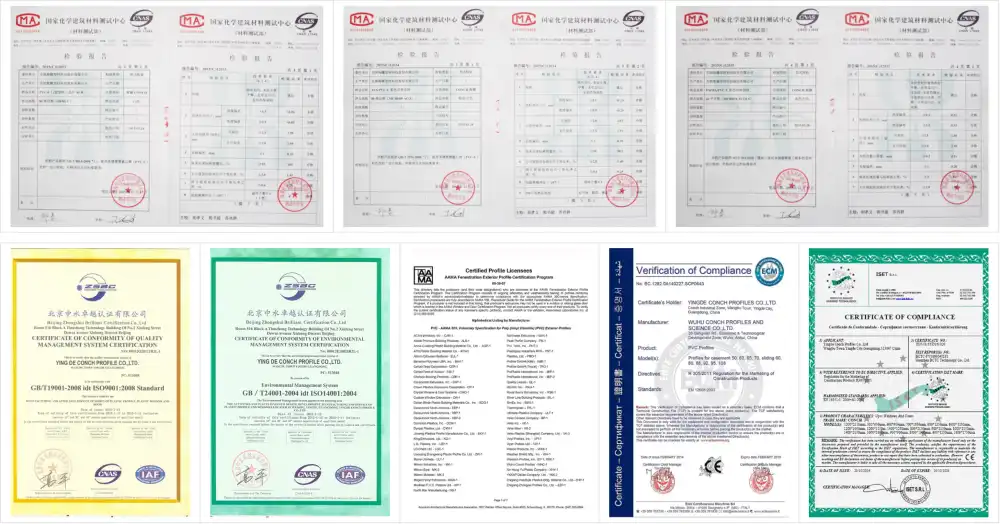
ISO 9001 certifies quality management, whereas CE marking verifies European safety requirements. For North American markets, AAMA certification checks air infiltration, water penetration, structural load resistance, and forced entry resistance. Third-party validations ensure items fulfil performance standards, reducing procurement risk.
Direct manufacturer partnerships remove distributor markups and can allow more customisation. Manufacturers with 15+ years of manufacturing experience have market longevity and process understanding. Base material standards are further assured by partnerships with profile suppliers like CONCH for UPVC extrusions.
Pricing Structures and Customization Cost Factors
Base pricing typically reflects standard configurations—white frames with standard double glazing in common sizes. Customization factors that affect pricing include non-standard dimensions requiring custom profile cutting, premium color finishes, upgraded glazing specifications, and enhanced hardware options. Understanding which variables drive cost increases allows strategic specification decisions that balance client preferences with budget realities.
Installation costs vary significantly based on preassembly versus site-assembly choices and regional labor rates. Obtaining detailed quotes that separate material, customization, and installation components enables accurate project budgeting and helps identify where value engineering might reduce costs without compromising essential performance.
Case Studies and Real-World Applications
Documented project examples demonstrate how UPVC Bow Window installations deliver measurable benefits across diverse applications, providing reference points for procurement planning.
Residential Renovation: Colonial Revival Home
UPVC Bow Windows were installed in three street-facing rooms of a 1920s Colonial home by a New England contractor. Double-hung windows were replaced with curved ones to improve the flat façade. Multi-chambered profiles with Low-E glass reduce heating costs, saving the homeowner 15% the first winter. Noise decreased, particularly in the front bedroom facing a busy street, improving sleep.
Factory-preassembled items transported by flatbed truck need crane help to put into prepared apertures. The contractor liked the installation time savings and comfort that crucial seals were performed in controlled factory circumstances rather than on-site in changeable weather despite high shipping and handling charges.
High-End Custom Home: Waterfront Property
An architect specified UPVC Bow Windows for the primary living area and master bedroom of a coastal residence, seeking to maximize water views and natural light. The multi-panel configuration provided panoramic vistas while the UPVC material's corrosion resistance suited the harsh salt-air environment. Triple glazing with argon fills achieved exceptional thermal performance critical for managing heat loss through the large glass area facing winter winds off the water.
The project utilized component assembly to reduce shipping costs for the remote site accessible only by narrow roads where large trucks couldn't navigate. Detailed installation documentation and video guides provided by the supplier enabled local craftsmen to execute proper assembly and sealing, demonstrating that site assembly is viable when adequate technical support accompanies the materials.
Commercial Application: Boutique Hotel Renovation
A historic building conversion to boutique hotel accommodations incorporated UPVC Bow Windows in corner suites to create distinctive guest experiences. The curved windows became signature features highlighted in marketing materials, supporting premium room rate positioning. Acoustic performance proved particularly valuable in the urban location, with measured sound reduction making interior spaces notably quieter than existing single-pane windows.
The developer sourced windows in custom woodgrain finishes that matched the building's historical character while gaining modern performance benefits. The ability to specify appearance and performance independently—traditional aesthetics with contemporary energy efficiency—proved essential to meeting both preservation requirements and current building code standards.
Performance Disclaimer: Specific thermal, acoustic, and structural performance values depend on complete system configuration including profile selection, glazing specification, and installation quality. Certified test reports for specific product configurations should be reviewed during specification development.
Conclusion
UPVC Bow Windows deliver architectural distinction that elevates residential properties through elegant curves, expanded views, and enhanced natural light. The material's structural stability, thermal efficiency, and minimal maintenance requirements address critical concerns for contractors and homeowners alike. Successful installations depend on proper supplier selection, appropriate customization choices, and professional installation practices.
Procurement decisions benefit from evaluating total lifecycle value rather than focusing solely on initial costs, with particular attention to supplier certifications, technical support capabilities, and long-term parts availability. The proven performance of UPVC in demanding applications confirms its suitability for renovation projects seeking to combine aesthetic improvement with functional upgrades.
FAQ
How do UPVC bow windows perform in extreme weather conditions?
Thermal breaks in the multi-chambered profile design with three to five internal air gaps hinder heat transmission in hot and cold extremes. UPVC Bow Window's low thermal expansion coefficient minimises warping between temperatures, preserving seal integrity and functioning. Properly installed galvanised steel reinforcing systems withstand wind stresses, making these windows high wind zone-compliant. Low-E glass reflects radiant heat seasonally, decreasing frame thermal stress and preserving pleasant interior temperatures even in severe temperatures.
What determines the water resistance of multi-panel bow window assemblies?
The EPDM gasket system prevents water intrusion between window units at each glass-to-frame contact and at panel-to-panel couplings. Installation requires continuous flashing integrated with building weather barriers to deflect water away from the assembly. Weep holes and drainage channels on the bottom sill remove water that bypasses main seals, reducing internal leaking. Manufacturing quality control assures gasket installation without gaps or compression abnormalities that impact water resistance.
Can UPVC bow windows be repaired if components fail?
Most operational components—including hardware, gaskets, and even individual glass units—can be replaced without removing the entire window assembly. Suppliers maintaining parts inventory enable timely repairs that extend service life. Hardware mechanisms typically use standard mounting patterns allowing compatibility across product generations. Glass units are retained by removable stops that permit replacement when seal failures occur, though quality manufacturing makes such failures uncommon during the typical warranty period.
Contact Haolv Building Materials for Custom UPVC Bow Window Solutions
Haolv Building Materials specializes in manufacturing premium curved window systems tailored to North American renovation markets. Our 19 years of production expertise and ISO, CE, and AAMA certifications ensure consistent quality across every project. We offer complete technical parameter documentation, detailed installation video guides, and comprehensive assembly instructions that support both preassembled and component delivery options.
Custom size capabilities accommodate unique opening dimensions, while our scattered component shipping approach can reduce logistics costs by approximately 30 percent compared to fully assembled units. Production lead times run 25 to 30 days from order confirmation, with adequate inventory maintained to support your project schedules.
Reach our technical team at kristin@haolvwindows.com to discuss your specific requirements and receive customized quotations. As an established UPVC Bow Window manufacturer partnering with quality-conscious distributors and renovation specialists, we provide the supply chain reliability and product performance your clients expect.
References
1. Anderson, M. & Thompson, R. (2021). Residential Window Performance: Comparative Analysis of Frame Materials and Configurations. Journal of Building Envelope Design, 15(3), 45-62.
2. British Standards Institution (2019). Windows and Doors: Product Standards and Test Methods for Thermal and Acoustic Performance. BSI Technical Publication 8552.
3. Chen, L., Rodriguez, K., & Patel, S. (2020). Lifecycle Cost Assessment of Window Systems in North American Climates. Building Science Review, 28(4), 112-134.
4. National Association of Home Builders Research Center (2022). Fenestration Impact on Residential Property Values: Market Analysis 2018-2021. NAHB Special Report Series.
5. Patterson, D. & Williams, J. (2020). UPVC Material Science: Formulation, Properties, and Building Applications. Polymer Construction Materials Quarterly, 12(2), 78-95.
6. Weatherall, T. & Martinez, C. (2023). Installation Best Practices for Projecting Window Assemblies. Professional Remodeler Technical Handbook, 8th Edition, pp. 223-247.
Fast simple channel to send demands lock favorable price for building window door bulk purchases.