- English
- French
- German
- Portuguese
- Spanish
- Russian
- Japanese
- Korean
- Arabic
- Greek
- German
- Turkish
- Italian
- Danish
- Romanian
- Indonesian
- Czech
- Afrikaans
- Swedish
- Polish
- Basque
- Catalan
- Esperanto
- Hindi
- Lao
- Albanian
- Amharic
- Armenian
- Azerbaijani
- Belarusian
- Bengali
- Bosnian
- Bulgarian
- Cebuano
- Chichewa
- Corsican
- Croatian
- Dutch
- Estonian
- Filipino
- Finnish
- Frisian
- Galician
- Georgian
- Gujarati
- Haitian
- Hausa
- Hawaiian
- Hebrew
- Hmong
- Hungarian
- Icelandic
- Igbo
- Javanese
- Kannada
- Kazakh
- Khmer
- Kurdish
- Kyrgyz
- Latin
- Latvian
- Lithuanian
- Luxembou..
- Macedonian
- Malagasy
- Malay
- Malayalam
- Maltese
- Maori
- Marathi
- Mongolian
- Burmese
- Nepali
- Norwegian
- Pashto
- Persian
- Punjabi
- Serbian
- Sesotho
- Sinhala
- Slovak
- Slovenian
- Somali
- Samoan
- Scots Gaelic
- Shona
- Sindhi
- Sundanese
- Swahili
- Tajik
- Tamil
- Telugu
- Thai
- Ukrainian
- Urdu
- Uzbek
- Vietnamese
- Welsh
- Xhosa
- Yiddish
- Yoruba
- Zulu
Benefits of thermal break casement windows for cold climates
Choosing the right fenestration system is very important when building or remodeling in places where winter temperatures regularly drop below freezing. Thermal Break Casement Windows solve the main problem of heat loss through window frames. This has been a problem with metal systems in the past, even though they are strong and look good. By putting a polyamide thermal buffer between the inside and outside metal profiles, these windows stop the path that would normally let cold air in and warm air out. This smart design idea helps buildings keep their interior temperatures stable, use less energy, and make people more comfortable, all while keeping the structural benefits of aluminum construction.
Understanding Thermal Break Casement Windows
The Technology Behind Thermal Breaks
Thermal Break Casement Windows put a separate divider between the inside and outside frame parts, which is usually made of low-conductivity materials. This makes heat movement much less noticeable. The reinforced polyamide strip, which is usually PA66GF25 (polyamide with 25% glass fiber), breaks up the metal shape physically. The metal can't work as a thermal bridge because of this break. If it could, it would carry cold temperatures straight from the outside to the inside. As a result, the frame inside stays closer to room temperature, which stops mist from forming and lessens the cooling effect near windows.
Material Composition and Performance
This technology is very different from regular windows. It provides better insulation by blocking thermal bridges that make energy loss worse. Materials like 6063-T5 aluminum alloy and uPVC are used a lot because they are durable, cheap, and good at keeping heat in. The metal gives the frame great structural strength and a variety of slim profile choices.
The thermal break component makes sure that the frame has U-values between 1.0 and 1.8 W/m²K, depending on how the glazing is set up. In addition, these windows make a big difference in reducing noise, which is important in places like cities and factories. B2B buyers who want to select goods that work best in cold climates need to know how the technology works and what effects it has on materials.
Surface Treatments for Longevity
Powder coating, anodizing, and PVDF treatments are some of the surface finishing choices that can make these systems last longer than normal coatings can. These treatments protect against rust, UV damage, and the hard weather that is common in cold places. The multi-layer EPDM sealing system improves performance even more by keeping air out even when materials grow and contract due to changes in temperature.
Key Benefits of Thermal Break Casement Windows in Cold Climates
Energy Efficiency and Cost Reduction
When it's cold outside, Thermal Break Casement Window offers a number of important work benefits. Better energy economy means lower carbon emissions and measurable drops in heating costs, which helps companies meet their environmental goals. When buildings have properly installed thermal break systems, the heating load can go down because the windows keep heat from escaping through the frame parts. When temperatures stay below freezing for a long time, this performance edge stands out even more. This is because continuous heating costs a lot of money.
Casement designs usually have a multi-point locking system that compresses against weather stripping better than slide designs. With a Class 4 air flow grade, this compression seal stops cold air from getting in, which would otherwise make heating systems run more often.
Condensation Control and Indoor Air Quality
These windows also make the space inside more comfortable by reducing drafts and dampness. This makes the space healthy and more productive. Because of the thermal break, the inside of the frame stays warm, so the moisture in the air inside can't reach its dew point on the frame. This stops condensation from forming, which saves internal finishes from water damage, lowers the chance of mold growth, and keeps glass surfaces clear. Controlling the humidity around windows in business and industry settings keeps products from getting damaged and equipment from rusting.
Durability and Maintenance Advantages
When it comes to upkeep, the strong design makes the windows last longer, even when they are exposed to bad weather. This means that they last longer and cost less over their lifetime. The structural stability of 6063-T5 aluminum and high-grade stainless steel hardware make sure that the door will work reliably for thousands of open and close rounds. When the profile thickness is between 1.4 mm and 2.0 mm, it doesn't bend when the wind load is up to 4000Pa. This means that these systems can be used for high-rise installations in open places.
Their sound-absorbing properties make buildings work better and reduce outside noise in busy industry areas. Because they can cut sound transfer by up to 45dB, these windows are useful for buildings near traffic hubs or factories. These features work together to make a strong return on investment (ROI) and improve the value offer for partners in procurement.
Comparing Thermal Break Casement Windows with Alternative Window Types
Thermal Performance Comparisons
When buying teams look at window systems, they need to carefully compare Thermal Break Casement Windows to other types like slide, tilt-and-turn, and double-glazed windows. Even though double-glazed windows insulate well through the glass, thermal break casement designs often do a better job of keeping heat in at the frame joints where the glass meets the metal. A big problem with systems that don't break thermally is fixed by the constant thermal shield around the frame's edge.
Material Trade-offs
When choosing between aluminum and uPVC as a material, you have to make trade-offs between power, cost, and upkeep. These choices can affect costs over time and the environment. Thermal Break Casement Window systems made of aluminum with thermal breaks have a thin shape that makes the most of the glass area and a strong structure that can handle big openings. Being able to fit triple glazing units up to 52 mm thick in the 70 series and above gives you the freedom to choose the right amount of insulation for your area.
Operational Functionality
Differences in functionality affect how well different projects can be used and what kinds of applications can be used. This affects client tastes in business-to-business (B2B) areas like commercial, industrial, and residential building. When compared to sliding windows, casement windows have bigger areas for air flow, and because they swing outward, they leave more floor space inside. The tilt-and-turn version has two uses: it can be fully opened or locked in place for airflow. By looking at both short-term and long-term savings, buying choices can be made that get the most value and efficiency for the business.
Procurement Considerations for Thermal Break Casement Windows
Supplier Evaluation Criteria
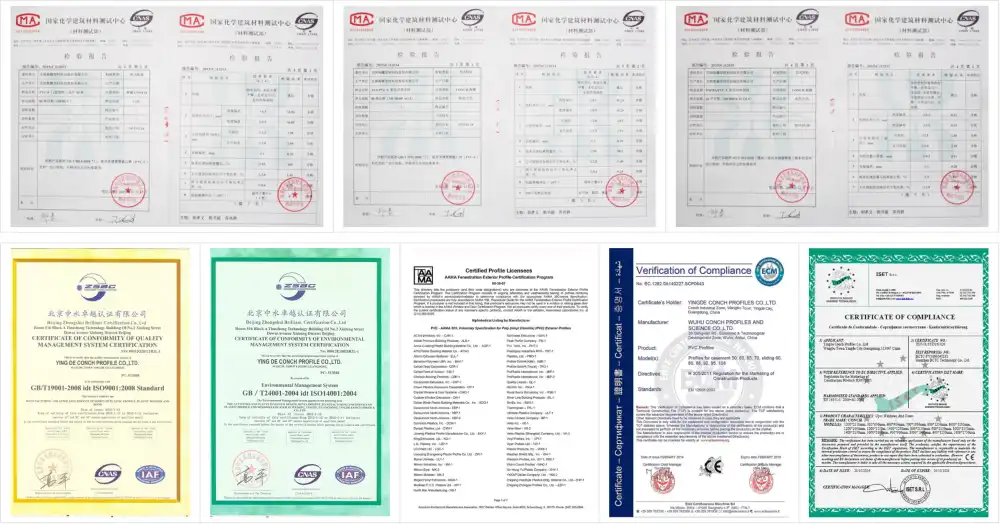
To get Thermal Break Casement Windows that work, you need to work with reputable makers that can prove their quality and green credentials. Checking for ISO approval, NFRC scores for the U.S. market, and AAMA compliance shows that the product meets well-known performance standards. Suppliers should make the results of thermal tests, estimates of structure loads, and material makeup specs easy to see.
For supply chain logistics to work with project timelines, things like the ability to customize, discounts for buying in bulk, and solid wait times are very important. It's very helpful to be able to work with custom sizes, two-tone finishes that match both the inside and outside, and hardware arrangements that are based on how the building will be used. Automated assembly systems and CNC precise cutting are used in production sites to make sure that big orders are all made the same way.
Supply Chain and Support Services
Also, full support after the sale, such as installation instructions, insurance coverage, and upkeep services, lowers risks and the overall cost of ownership. It's easier to trust and believe in providers when you judge them based on clear product data and customer comments. This part gives people who work in buying useful criteria for finding windows that meet high performance standards and help strategic building projects in cold places. Good inventory management that guarantees delivery windows of 25 to 30 days from the time an order is placed helps keep the building plan on track.
Performance Note: To be sure of the exact thermal, structural, and acoustic performance values, you should look at independent testing results and product certificates that are specific to your project needs and local building codes.
Case Studies and Real-World Applications in Cold Climates
Residential Development Projects
Case studies from real life show that Thermal Break Casement Windows have measurable benefits in a wide range of settings, from business office buildings to industrial warehouses and home developments. In the northern United States, a multi-unit home project called for 80 series Thermal Break Casement Windows with triple glass. These windows met strict energy code standards while still keeping the architectural design purpose for large window-to-wall ratios.
Commercial and Industrial Applications
These examples show how to save energy, make people more comfortable, and make buildings strong in difficult weather. When single-pane aluminum windows were replaced with thermal break casement systems during commercial office upgrades, tenants were less likely to complain about drafts and cold spots near desks around the edges. Industrial buildings that used these windows in their office areas said their heating costs went down while still meeting their air needs.
Implementation Lessons
Learning about common problems that come up during purchase and installation, as well as the solutions that were used, can help with future projects. It was very important for curtain wall builders and window providers to work together on structural integration points, weatherproofing transitions, and dimensional limits so that the installs went smoothly. B2B buyers can get a better idea of how a project will turn out, improve their relationships with suppliers, and make sure the implementation goes smoothly by looking over recorded outcomes and best practices.
Conclusion
Through their designed way of reducing heat movement, Thermal Break Casement Windows offer big benefits for building in cold climates. When you put together reinforced aluminum profiles, polyamide thermal barriers, and improved sealing systems, you get fenestration options that meet both the needs for energy efficiency and long-term use.
When procurement workers look at window systems, the technical specs—which include U-values, air permeability ratings, and structural load capacities—make it easy to compare different choices. Long-term value comes from lower heating costs, longer service life, and more comfortable living conditions in homes, businesses, and factories.
FAQ
What makes Thermal Break Casement Windows good for places that are very cold?
The nylon thermal bridge keeps the inside of the frame from heating up to the temperature outside. This keeps the frame warm and stops condensation from forming even when it's well below freezing outside. Multi-layer EPDM seals keep air out even when the material expands and contracts due to changes in temperature.
In what ways do the prices compare to regular double-glazed windows?
The initial cost of thermal break casement systems is usually higher than non-thermally broken options. However, a lifetime cost study shows that these systems save a lot of money over time because they last longer and use less energy. The time it takes for an investment to pay off depends on how bad the weather is and how much energy costs.
How long do you think it will last in bad weather?
When Thermal Break Casement Windows are properly defined and have good surface processes and hardware, they work reliably for long periods of time. The PVDF or anodized finishes protect against elements, and the 6063-T5 aluminum metal doesn't rust. Operational hardware that is meant to be used a lot stays working after thousands of rounds.
Can I ask for different colors for the inside and outside?
The thermal break design naturally makes two different shapes for the inside and the outside. This lets you use two different colors that go with the outside wall systems and the inside finishes.
Partner with Haolv Building Materials for Your Thermal Break Casement Window Supplier Needs
Haolv Building Materials has been making specialized building materials for over 18 years and can help you with your cold climate window and door projects. Our factories use both automatic assembly systems and precise CNC equipment to make sure that the quality of all of our 70, 80, 100, and 120 series Thermal Break Casement Window systems is always the same. We work together with top material sources to make sure that the 6063-T5 aluminum alloys and PA66GF25 thermal strips we sell are real and meet international building standards.
Our engineering team offers free, in-depth technical advice. They look at building plans and suggest the best series choices, glazing configurations, and hardware specs based on the performance needs of your project. With good inventory management that supports delivery times of 25 to 30 days and ISO, CE, and AAMA certifications that back up our quality systems, we lower the risk of buying while still being able to stick to schedules. Email kristin@haolvwindows.com to get full technical specs, quotes that are tailored to your project, and sample shipping arrangements that show how much we care about your success.
References
1. American Architectural Manufacturers Association. (2017). AAMA 507-16: Standard Practice for Determining the Thermal Performance of Fenestration Systems Through Calculation. Schaumburg, IL: AAMA.
2. Department of Energy. (2019). Window Technologies: Improving Energy Efficiency in Cold Climates. Washington, DC: Office of Energy Efficiency and Renewable Energy.
3. European Aluminium Association. (2018). Thermal Break Technology in Aluminum Window Systems: Performance Analysis and Application Guidelines. Brussels: European Aluminium.
4. Lstiburek, J. (2006). Understanding Vapor Barriers and Condensation Control in Building Envelopes. Building Science Corporation Technical Report.
5. National Fenestration Rating Council. (2020). NFRC 100-2020: Procedure for Determining Fenestration Product U-factors. Greenbelt, MD: NFRC.
6. Straube, J., & Burnett, E. (2005). Building Science for Building Enclosures. Westford, MA: Building Science Press.
Fast simple channel to send demands lock favorable price for building window door bulk purchases.