- English
- French
- German
- Portuguese
- Spanish
- Russian
- Japanese
- Korean
- Arabic
- Greek
- German
- Turkish
- Italian
- Danish
- Romanian
- Indonesian
- Czech
- Afrikaans
- Swedish
- Polish
- Basque
- Catalan
- Esperanto
- Hindi
- Lao
- Albanian
- Amharic
- Armenian
- Azerbaijani
- Belarusian
- Bengali
- Bosnian
- Bulgarian
- Cebuano
- Chichewa
- Corsican
- Croatian
- Dutch
- Estonian
- Filipino
- Finnish
- Frisian
- Galician
- Georgian
- Gujarati
- Haitian
- Hausa
- Hawaiian
- Hebrew
- Hmong
- Hungarian
- Icelandic
- Igbo
- Javanese
- Kannada
- Kazakh
- Khmer
- Kurdish
- Kyrgyz
- Latin
- Latvian
- Lithuanian
- Luxembou..
- Macedonian
- Malagasy
- Malay
- Malayalam
- Maltese
- Maori
- Marathi
- Mongolian
- Burmese
- Nepali
- Norwegian
- Pashto
- Persian
- Punjabi
- Serbian
- Sesotho
- Sinhala
- Slovak
- Slovenian
- Somali
- Samoan
- Scots Gaelic
- Shona
- Sindhi
- Sundanese
- Swahili
- Tajik
- Tamil
- Telugu
- Thai
- Ukrainian
- Urdu
- Uzbek
- Vietnamese
- Welsh
- Xhosa
- Yiddish
- Yoruba
- Zulu
The Role of Aluminum Cutting Machines in Modern Fabrication
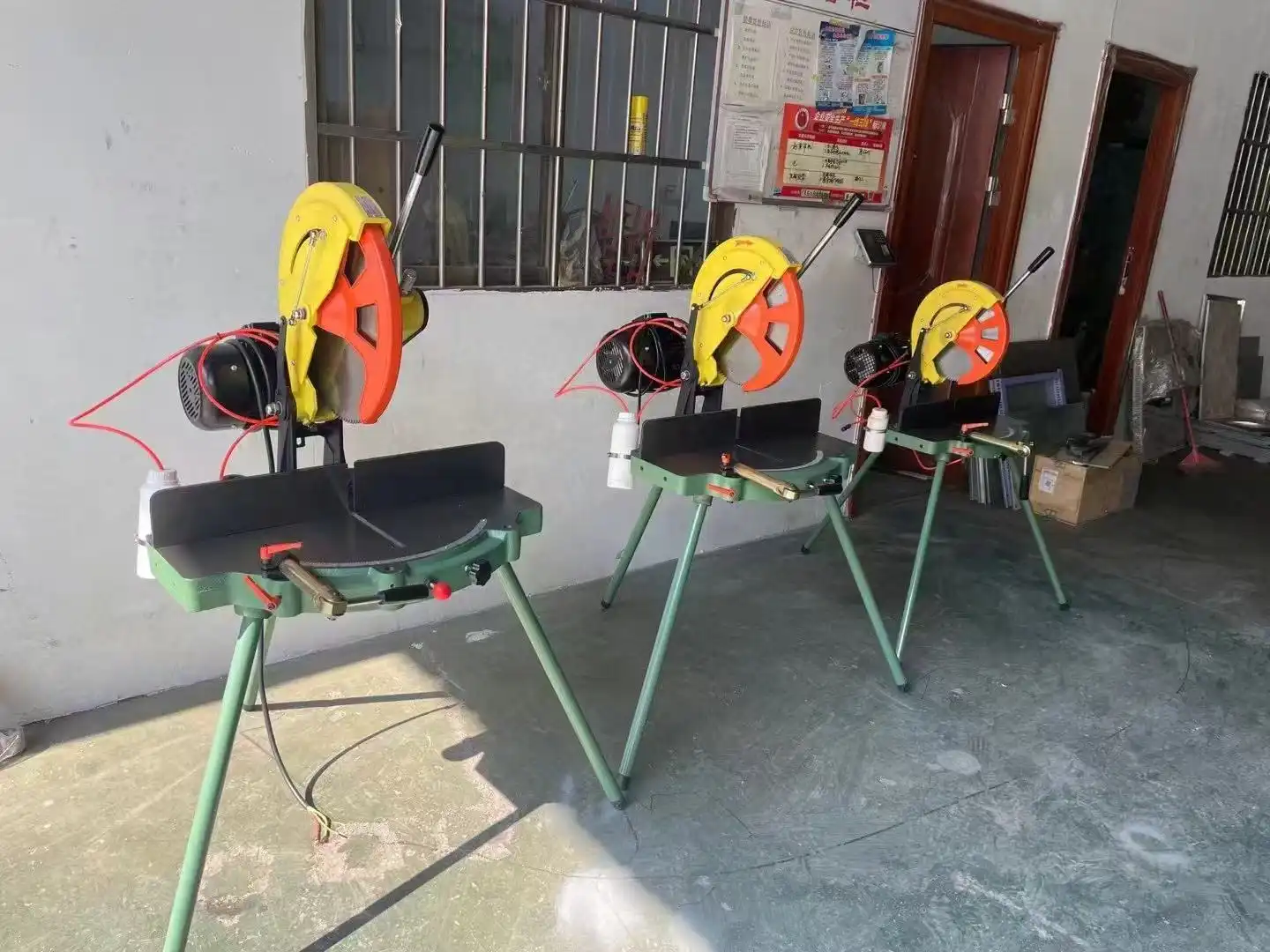
The The Aluminum Profile Cutting Machine is the machine that everyone looks at when you walk into a professional fenestration workshop or window manufacturing facility. This specialized industrial tool turns raw extruded metal into exactly measured parts that are used to make modern architecture's windows, doors, and curtain wall systems. Unlike regular metal cuts, these tools can produce the precise measurements and smooth finishes needed in building construction, where every millimeter counts and surface quality has a direct effect on the strength and beauty of the building.
Understanding Aluminum Profile Cutting Machines: How They Work and Why They Matter?
An Aluminum Profile Cutting Machine does a simple but effective job: it cuts aluminum extrusions at specific lengths and angles. However, this simple function hides complex engineering that is meant to solve important manufacturing problems that the building materials industry faces.
The Cutting Mechanism: Precision Through Engineering
High-speed carbide-tipped (TCT) saw blades, usually between 350mm and 500mm in diameter, are used in modern tools for cutting aluminum. The motors that power these blades make them spin at speeds between 2800 and 3200 rpm. The carbide makeup was chosen on purpose. Unlike steel blades, which lose their sharpness quickly when cutting aluminum, TCT blades stay sharp for thousands of cuts, which cuts down on downtime and replacement costs.
The gas or hydraulic clamping systems hold profiles in place without breaking them, which is very important when working with thin-walled extrusions or thermal-break window frames. We've seen that using the wrong clamping pressure can change the dimensions of the part, which can lead to problems with assembly later on when frame parts don't line up properly. Clamping forces on good machines stay between 800 and 1200 N, which is enough to keep things stable without deforming the material.
Adjustable Angle Capabilities and Their Business Impact
Being able to switch between 45° and 90° cutting angles gives you more than just technical freedom; it also affects your ability to make changes in production and your ability to compete in the market. When making miter joints for window frames, the accuracy of 45 degrees decides whether the corners seal properly or form heat bridges. Most professional-grade machines can place themselves to within ±0.1mm, which means that cuts will be consistent across full production runs.
In business jobs with hundreds of identical window units that need to stay the same size, this level of accuracy is very important. Even a small difference of 0.5 mm can cause alignment problems and expensive rework on a big fenestration job. Checking and adjusting things by hand would take hours of skilled work that are not needed at all with automatic cutting accuracy.
Safety Protocols and Maintenance Requirements
Industrial cutting tools need to be treated with care and follow the right repair procedures. Protective blade covers, emergency stop devices, and interlock systems that stop action when guards are open are all important safety features. Noise levels during operation are usually between 82 and 85dB when the machine is under load. This means that workers in working settings need to wear the right hearing protection.
Regular repair greatly increases the life of a machine. When you clean it every day, you get rid of the metal chips that build up in the guide rails and make cutting less accurate. Checking the state of the blade once a week finds wear patterns before they hurt the quality of the cut. The mechanical accuracy that makes professional production equipment unique is kept up by lubricating moving parts once a month and checking their alignment every three months.
Note: To make sure the performance specs given are correct, you should look at product testing results and manufacturer documentation that is relevant to your equipment type.
Comparing Aluminum Profile Cutting Solutions: Choosing the Right Machine for Your Business
When choosing cutting tools, you need to know how the different types of machines fit with your work needs, budget, and plans for future growth. The market has a number of different groups, each of which is best for a certain set of operating situations. For example, an Aluminum Profile Cutting Machine is ideal for applications that require precision and efficiency in cutting aluminum profiles, making it an excellent choice for businesses in this specific sector.
Manual Versus Semi-Automatic Systems
When someone uses a manual cutting machine, they have full control over how it works. These systems need profiles to be physically placed, angles to be adjusted by hand, and cutting processes to be started by an operator. Some of the benefits are a lower initial investment (usually 40–60% less than automatic options) and easier upkeep. Smaller fabrication shops that handle a variety of special orders and don't make enough to justify investing in technology can use manual systems.
In semi-automatic systems, pneumatic feeding devices and automated cutting processes are added, but profiles are still loaded by hand. Our observations in the industry show that this mixed method greatly increases throughput—efficiency gains of 30–40% compared to fully manual operation—while keeping prices low. For growing companies that are moving from starting up to sticking to set output plans, semi-automatic setups are the best option.
Digital controls, automatic feeding, and customizable cutting routines are all parts of fully automated CNC systems. These tools work best in places with a lot of production where the same window and door shapes are made over and over again. Even though the cost is high, the saves in work and accuracy make it worth it when processing thousands of linear meters every month. CNC technology also gets rid of the skill variations that come with manual work, so the standard is the same no matter how experienced the user is.
A number of measurable factors form the basis of the choice structure. Production rate is still the most important thing to think about—cutting less than 500 square meters per month rarely makes the case for investing in automation. Complexity of the product doesn't matter either way; manual flexibility is best for special design projects where sizes change a lot, while automatic speed is best for production runs that are done over and over again. Total ownership costs, such as energy use (usually 2.2 to 4 kW when in use), upkeep costs, and work needs over the equipment's expected service life, should be taken into account in the budget analysis.
Evaluating Cutting Capacity and Technical Specifications
When you go beyond the automatic level, your equipment's real cutting ability tells you what kinds of profiles it can handle. Standard machines can cut up to 120 mm wide, and they can also cut up to 200 mm high. These measurements must allow enough space for your biggest frame shapes. Trying to work with things that are too big puts people in danger and breaks tools.
Motor steadiness makes sure that it works the same way under load. Cutting systems have to deal with a range of different material thicknesses, from normal 6063 aluminum alloy to strengthened thermal-break profiles. Quality motors keep the stated RPM even when the resistance changes. This keeps the blade from sticking and makes sure that the cuts are clean no matter what the profile is made of.
Procurement Insights: How to Source Aluminum Profile Cutting Machines Effectively?
Buying industrial fabrication tools is a big purchase that will have long-lasting effects on your ability to make things. Taking a planned approach to buying lowers risk and makes sure you get equipment that really fits your needs.
Evaluating Supplier Credibility and Manufacturing Quality
In the building products and tools industry, a supplier's image tells you which ones are reliable and which ones are troublesome. Well-known brands usually have track records that go back several years and can be checked by customers who have installed their products. Ask for specific examples from companies that work in similar markets. A supplier's experience with making windows for homes might not apply to making curtain walls for businesses.
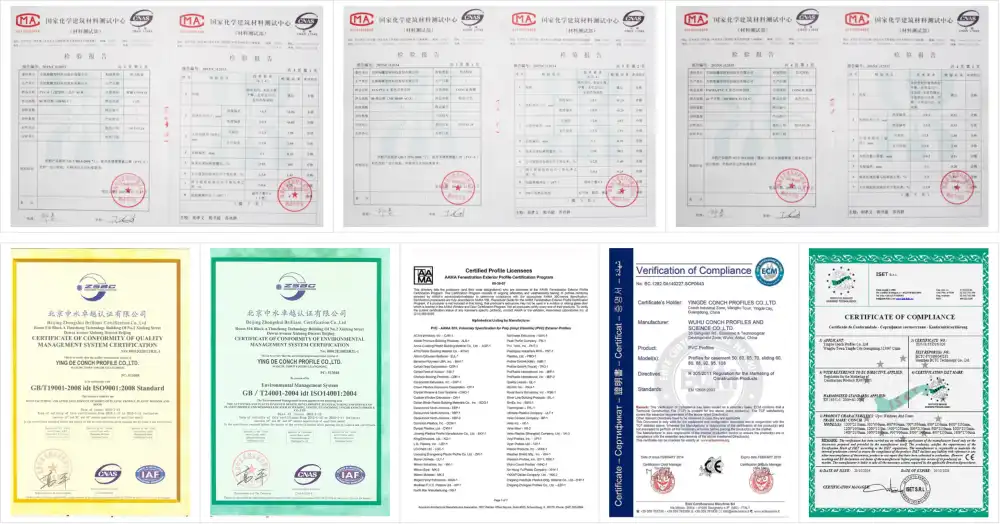
Some things that show how good a factory is at making things are ISO 9001 certifications for quality control, clear inspection processes, and the ability to trace where parts come from. When putting together machines, ones that use high-quality parts like Japanese bearings, German hydraulic systems, and named electrical controls are more reliable than cheaper ones that use generic parts. For example, an Aluminum Profile Cutting Machine that incorporates these high-quality components will offer better performance, longer service life, and less downtime, making up for the higher initial cost over time.
Technical help should also be taken into account. Troubleshooting, new parts, and sometimes repairs are all things that machinery needs. Suppliers who offer quick technical support, a large collection of extra parts, and clear guarantee terms give operating security that suppliers who are far away or don't respond can't match. Before finalizing buy deals, we suggest checking the reaction times for help and the availability of parts.
Understanding Warranty Coverage and After-Sales Service
Standard warranty terms for aluminum cutting tools usually cover 12 to 24 months for important parts like motors, hydraulic systems, and structural frames. However, shorter warranties are given for things like blades, seals, and belts that are used up quickly. Carefully read through the warranty terms to make sure you understand what they actually cover. For example, some makers don't cover work costs or require you to ship the equipment for repair, which can cause longer downtime and extra costs.
After-sales service methods are very different. Some sellers have regional service networks with factory-trained technicians, while others offer technical help over the phone and send replacement parts right away. For businesses where machine breakdowns stop production right away, being able to get nearby service is an important factor that should be considered when buying, even if it costs more at first.
New Equipment Versus Used Machinery Considerations
The market for used equipment seems like a good way to save money—often 50–70% less than the price of a new machine—but it also comes with risks that need to be carefully considered. Used machines have unknown repair records, parts that may be worn out, and warranties that aren't very good or don't cover anything at all. If you don't buy from a good store that offers certified secondhand equipment with a guarantee, you're more likely to end up with broken equipment than to save money.
Buying new tools has many practical benefits, in addition to protecting your warranty. New tools have up-to-date control systems, safety standards that are in line with current practice, and ways to use less energy. You can choose the exact setups, including voltage needs (220V/380V or customizable), control options, and built-in features, so the machine fits your building and operating needs without any problems.
Optimizing Fabrication Workflow with Aluminum Profile Cutting Machines
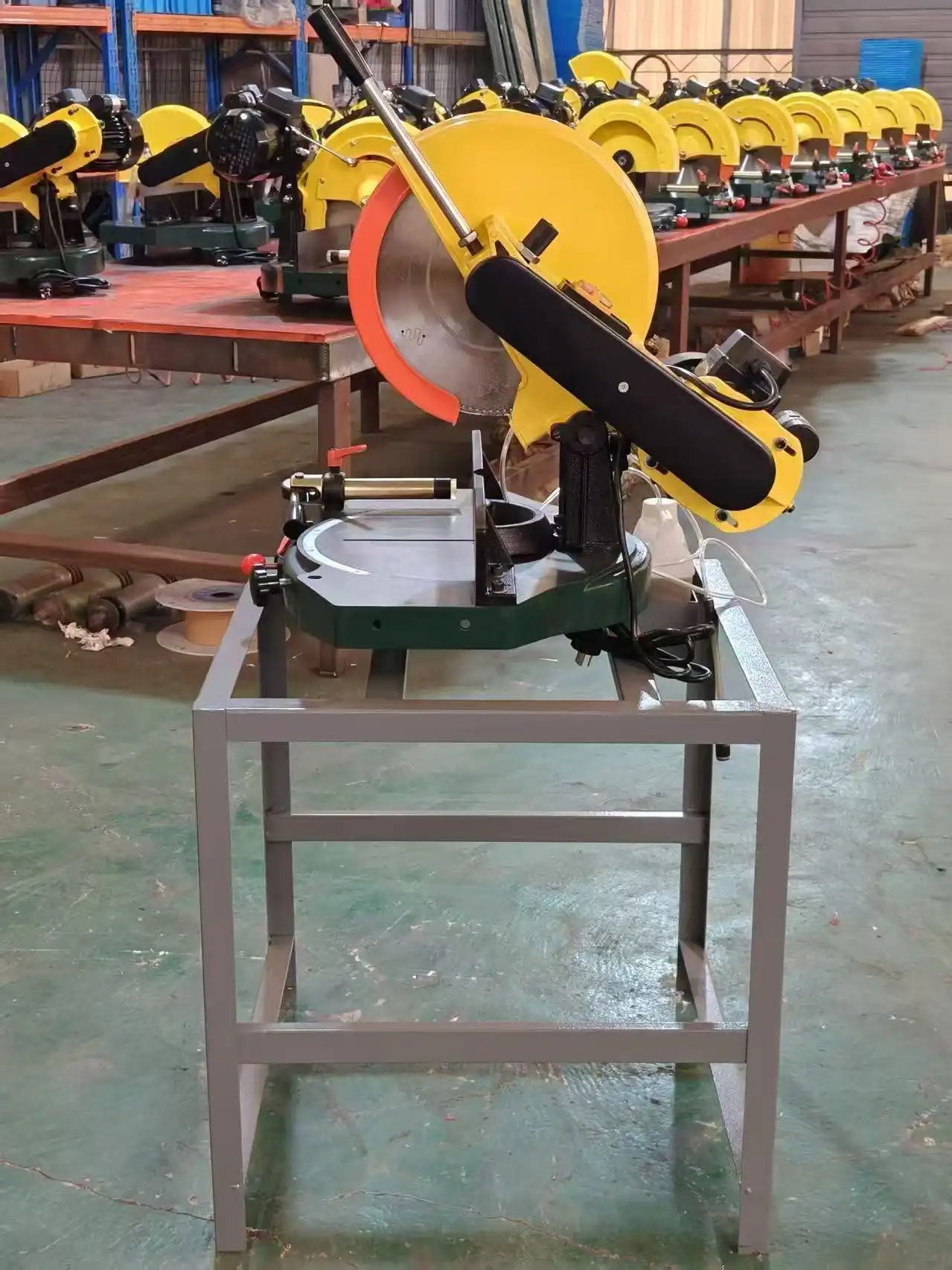
Getting good cutting tools is only the first step toward making manufacturing processes run more smoothly. To get the most out of your investment, you need to carefully integrate it into larger production processes and follow best practices that make both the machine and the user more productive.
Material Handling and Setup Best Practices
Cutting processes that work well start before the blade touches the object. Using the right profile staging—putting extrusions in order by size and type—cuts down on search time and mistakes made while handling. We've seen that shops that organize their materials in a structured way cut the time it takes to cut something by 15-20% just by making the process better. For instance, when using an Aluminum Profile Cutting Machine, efficient material staging can significantly streamline operations, further improving overall productivity.
Choice of blade and upkeep have a direct effect on the quality of cuts and prices of operations. Carbide blades can handle a lot of use, but over time they lose their effectiveness. Quality problems can be stopped before they affect production by checking regularly for tooth damage, pitch buildup, and general wear. Setting replacement schedules based on linear meters cut instead of random time intervals ensures uniform performance and stops people from saving money by letting blades last longer than their best performance windows.
Cooling systems do important things besides just keeping things cool. Automatic spray cooling systems built into high-quality machines stop aluminum chips from welding to blade teeth, which lowers the quality of the cut and the finish on the surface. Making sure there is enough water and keeping the system clean stops the slow loss of performance that workers often don't notice until quality issues become clear.
Integration with Complementary Fabrication Processes
Cutting aluminum is rarely done by itself in manufacturing processes. The cut shapes move on to the next steps, which are corner crimping, installing the hardware, applying the seal, and final assembly. When you look at cutting as one point in a fully integrated production line, you can find ways to improve efficiency that you might miss if you only look at the tools itself.
Coordinating the accuracy of the cutting with the limits of the assembly process below stops errors from building up over time. When making window systems with more than one part, each step of the process can cause differences in the sizes of the parts. Maintaining tight cutting limits (within 0.1 mm) gives you room for future tasks without lowering the quality. Instead, too much difference in the cutting process leads to changes further down the line, which slows down assembly and raises the cost of labor.
New automation technologies give forward-thinking makers a lot of interesting options. Smart factory ideas combine cutting tools with digital production management systems. This lets jobs be scheduled automatically, materials be tracked, and quality records be kept. Larger producers are still the only ones using connected production tools, but that is starting to change as technology gets cheaper and better at what it does.
Conclusion
The modern Aluminum Profile Cutting Machine is more than just a tool for cutting—it's the precise base that makes it possible to make high-quality fenestration. From knowing how operations work and comparing different types of tools to making smart purchasing choices and making the most of workflow integration, making well-informed decisions has a direct effect on your production efficiency, product quality, and place in the market.
Professional fabrication shops are set apart from failing rivals by equipment that consistently cuts with ±0.1mm accuracy, can work at both 45° and 90° angles, and works well over thousands of cutting cycles. As building projects call for tighter standards and faster delivery times, it's not only a good idea but also necessary for businesses to invest in the right cutting technology.
FAQ
Q1: What materials can aluminum profile cutting machines process?
A: Most of the time, these tools cut metal extrusions that are used to make door systems, window frames, and curtain walls. Many models can also work with PVC profiles and light metals, though the cutting settings may need to be changed to account for the different thicknesses of the materials. Before working with new materials, you should always make sure that they are compatible with the manufacturer's requirements.
Q2: How do I choose between manual and semi-automatic cutting systems?
A: The clearest way to make a choice is to look at the production rate. Manual methods are usually fine and cost-effective for businesses that work less than 500 linear meters per month. When production goes above this level or when labor costs have a big effect on running costs, semi-automatic equipment becomes useful. You should also think about the mix of products you sell. For example, frequent custom orders work best with human freedom, while repetitive production works best with automation.
Q3: What maintenance schedule should I follow?
A: Aluminum chips are taken off of work areas and guide bars every day by cleaning them. A weekly check of the blade shows any wear that needs to be fixed. Cutting accuracy is kept up by lubricating moving parts once a month and checking the balance every three months. Set up a written repair log to keep track of the work that was done and how well the equipment was working.
Partner with Haolv Building Materials for Your Aluminum Fabrication Equipment Needs
Aluminum and UPVC window and door making has been Haolv Building Materials' specialty for 18 years. They have a lot of experience with the construction equipment that makes precise fenestration possible. Our current production sites have cutting systems that give the accurate (±0.1mm) cuts and smooth finishes that modern building projects need. We know the Aluminum Profile Cutting Machine not just as people who sell them, but also as people who use them every day and know the changes in performance that make some tools better than others.
We offer free consultations from our technical team to help you find the right cutting tools specs for your business needs. We give you honest advice based on real operating experience instead of sales goals, whether you're setting up new manufacturing capabilities or improving current equipment. To talk about your needs for manufacturing tools, email our experts at kristin@haolvwindows.com. We welcome inquiries from suppliers of aluminum profile cutting machines, contractors, and building material distributors looking for dependable manufacturing partners who offer high-quality goods, quick technical support, and full project management from the initial inquiry to ongoing operational support.
References
1. Smith, J. R., & Thompson, M. K. (2021). Precision Metal Cutting Technologies in Architectural Fabrication. Industrial Manufacturing Press.
2. Martinez, L. C. (2020). "Comparative Analysis of Manual and Automated Aluminum Processing Equipment." Journal of Building Materials Technology, 45(3), 287-304.
3. Chen, W., & Anderson, P. T. (2022). Modern Fenestration Manufacturing: Equipment Selection and Workflow Optimization. Construction Industry Publications.
4. Roberts, D. M. (2019). "Safety Protocols and Maintenance Best Practices for Industrial Cutting Equipment." Manufacturing Safety Quarterly, 12(2), 156-171.
5. European Fenestration Standards Committee. (2021). Technical Guidelines for Aluminum Profile Processing Equipment. EFSC Technical Document Series.
6. Williams, K. A., & Zhang, H. (2023). "Emerging Automation Technologies in Building Materials Fabrication." International Journal of Construction Manufacturing, 38(1), 94-112.
Fast simple channel to send demands lock favorable price for building window door bulk purchases.