- English
- French
- German
- Portuguese
- Spanish
- Russian
- Japanese
- Korean
- Arabic
- Greek
- German
- Turkish
- Italian
- Danish
- Romanian
- Indonesian
- Czech
- Afrikaans
- Swedish
- Polish
- Basque
- Catalan
- Esperanto
- Hindi
- Lao
- Albanian
- Amharic
- Armenian
- Azerbaijani
- Belarusian
- Bengali
- Bosnian
- Bulgarian
- Cebuano
- Chichewa
- Corsican
- Croatian
- Dutch
- Estonian
- Filipino
- Finnish
- Frisian
- Galician
- Georgian
- Gujarati
- Haitian
- Hausa
- Hawaiian
- Hebrew
- Hmong
- Hungarian
- Icelandic
- Igbo
- Javanese
- Kannada
- Kazakh
- Khmer
- Kurdish
- Kyrgyz
- Latin
- Latvian
- Lithuanian
- Luxembou..
- Macedonian
- Malagasy
- Malay
- Malayalam
- Maltese
- Maori
- Marathi
- Mongolian
- Burmese
- Nepali
- Norwegian
- Pashto
- Persian
- Punjabi
- Serbian
- Sesotho
- Sinhala
- Slovak
- Slovenian
- Somali
- Samoan
- Scots Gaelic
- Shona
- Sindhi
- Sundanese
- Swahili
- Tajik
- Tamil
- Telugu
- Thai
- Ukrainian
- Urdu
- Uzbek
- Vietnamese
- Welsh
- Xhosa
- Yiddish
- Yoruba
- Zulu
Choosing Between Aluminium Casement Windows and Other Popular Window Styles
When procurement managers choose fenestration systems for business or private building projects, they have to choose from dozens of different window configurations. In addition to the more conventional aluminum frame styles, Aluminum flush windows have become very popular. Both provide structural stability and thermal performance, but knowing the technical differences, application scenarios, and purchase effects of each type helps you make better decisions about project specs and the long-term value of an asset.
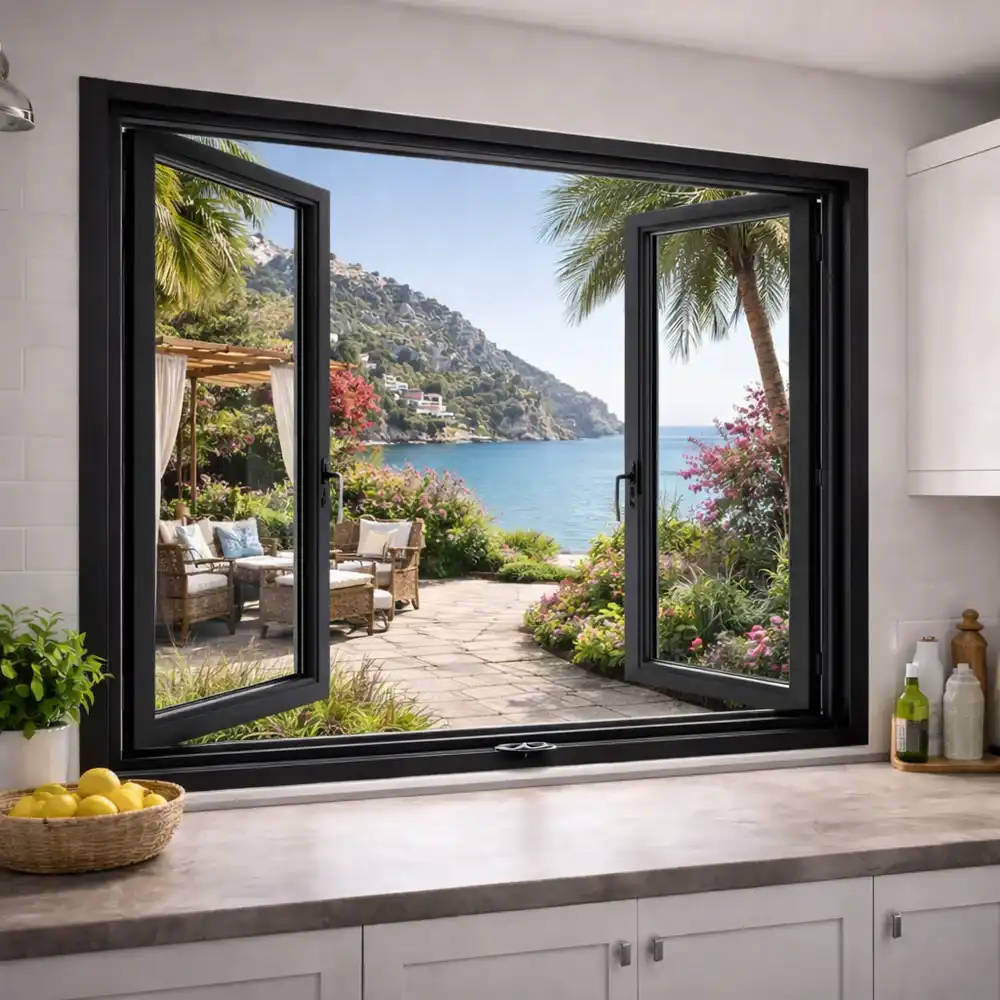
Understanding Aluminium Casement and Flush Windows: Features and Benefits
Core Design Characteristics
With their flexible design, aluminum casement windows can open inward or outward to let in as much air as possible. When the door is closed, flush sash designs go one step further by making the sash perfectly level with the outside frame. This gets rid of the raised shape that you see in most casement systems. This perfect alignment gives the piece a smooth, simple look that is especially popular in modern architecture. Both designs use 6063-T5 aluminum alloy extrusions with profile widths ranging from 1.4mm to 2.0mm. These have a high strength-to-weight ratio that is important for large-format installs. The material is naturally resistant to corrosion, which makes it good for seaside areas and high-humidity conditions where steel or wood systems would need to be maintained often.
Thermal and Structural Performance
Polyamide (PA66) thermal breaks are insulating strips that are placed between the inside and outside surfaces of modern Aluminum flush windows. This technical feature stops heat conductivity, which means that U-values can be as low as 1.1 W/m²K when the right glazing is used. As standard, double glazing comes with 5mm toughened glass, 12mm of air space, and 5mm of air space. Laminated choices are also available for better security and soundproofing.
Aluminum's structural strength lets for thin sightlines—often less than 60 mm—that maximize glass area without sacrificing frame integrity. This is especially important in business buildings where maximizing natural light affects both how happy tenants are and how much energy is used for fake lighting. These systems can usually withstand wind loads that are up to Class CE2400 levels, which means they can be used in mid- to high-rise buildings.
Security and Weatherproofing
Security credentials that meet the standards for PAS 24 approval have multi-point locking systems that work with friction stays and shoot-bolt systems. EPDM gasket closing makes sure that the seal is airtight according to EN 12207 Class 4 and watertight according to EN 12208 Class 9A. When project teams need to show that they are following local building rules or getting certain energy scores for certifications, these details are very important.
Comparing Aluminium Casement Windows with Other Popular Window Styles
Aluminium vs. uPVC Systems
uPVC windows are a good value for money when used in homes, but aluminum systems are better for bigger openings and business projects because they are stronger. The rigidity of the material keeps the sash from dropping over long periods of time, which is a typical way for polymer-based frames that are exposed to thermal cycles to fail.
Aluminum can be recycled over and over again, which meets the sustainability standards that are becoming more and more important for green building approvals. Powder-coated aluminum finishes meet Qualicoat or Interpon standards, which means they are resistant to UV light and keep their color for more than 25 years. Even though uPVC systems don't need much upkeep, they can chalk and change color in high-UV areas, which can be a problem for clients who are in charge of building portfolios.
Aluminium vs. Timber Systems
Timber flush windows give heritage repair projects windows that look like they were made in the same era, but they need more upkeep than aluminum options. Every couple of years, wood needs to be repainted to keep it from getting wet, rotting, and losing its shape. With wood-grain surface treatments, aluminum can look warm like wood without expanding and contracting with the seasons or needing to be refinished all the time.
Performance requirements are very different. For example, wood systems rarely meet the airtightness grades required for aluminum building, which can have an impact on energy efficiency in places where temperature differences are big. The accurate measurements of CNC-cut aluminum shapes make sure that the limits stay the same from one production run to the next, which is very important for curtain wall integration and modular building methods.
Aluminium vs. Sliding and Tilt-Turn Configurations
While sliding windows offer the best views without any obstructions, they also let less air in and tend to have lower security scores because they have simpler locking methods. Tilt-and-turn systems have a lot of different ways to work, but they make hardware specifications and servicing procedures more complicated. Aluminum flush windows with a flush sash design strike a good mix between ease of use, security, and good looks. This means they can be used in a wide range of projects, from high-end home developments to government buildings.
The flush sash design is especially made for building situations where outside protrusions collect dirt or make it hard to clean. Coastal projects benefit from areas that aren't exposed to salt, which can speed up corrosion. This is especially true when marine-grade powder coatings with a 60-80 micron thickness are used. These similarities should help you make your first specification choices, but the real performance results will rest on how well the product is tested and installed. For definitive proof of success, project teams must look over test results given by the manufacturer.
Procurement Considerations for Aluminium Casement and Flush Windows
Supplier Evaluation Criteria
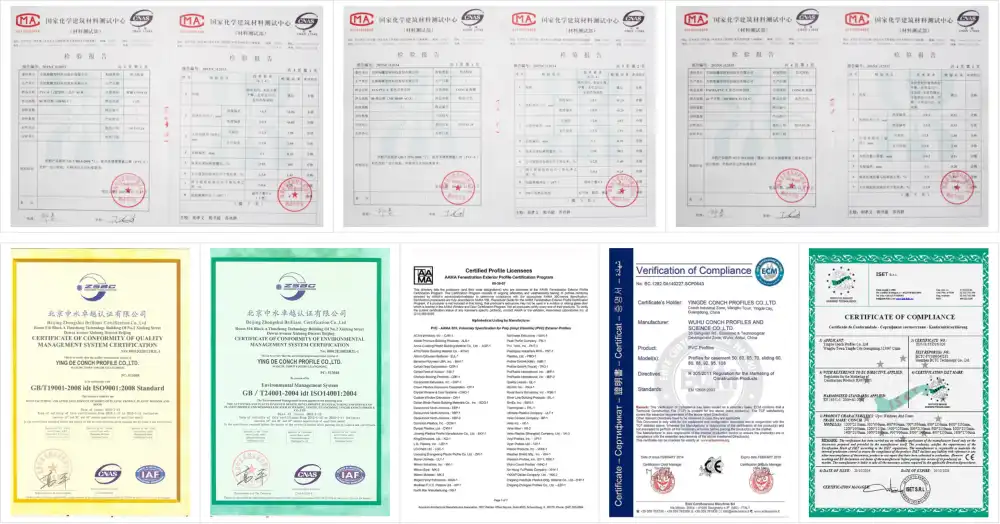
Assessing manufacturing skills is the first step in effective buying. Some important signs are the company's ability to make both standard configurations and custom ones from architectural drawings, as well as its certification collection (NFRC for US markets and CE marking for foreign ones) and project case studies that can be checked out for similar uses. Suppliers with quality control systems that are ISO-certified show that their processes are consistent, which is important for big orders.
The technical help skills deserve the same amount of care. Suppliers who can provide submittal packages, heat modeling data, and assembly instructions lower the risk of a project and make it easier for engineering teams and building officials to give their approvals. When you see automatic assembly systems, precise CNC cutting equipment, and combined surface treatment facilities, it means that money has been spent on building a good infrastructure, which means that the products you make will last.
Pricing Structure Analysis
Window system costs depend on more than just the price of the frame. Specifications for the glass have a big effect on the total cost. For example, triple glazing with low-E coatings and argon fill costs a lot more than normal double glazing but keeps heat in better. Choosing hardware with normal or high-end parts affects both the cost up front and the longevity over time.
Customizations made just for a project, like non-standard sizes, colors, or built-in screens, make production more difficult and raise the cost per unit. So that they can accurately plan their budgets and find ways to save money when needed, procurement managers should ask for thorough reports that separate material, fabrication, finishing, and hardware components. Construction plans are directly affected by how reliable deliveries are. Costly project delays can be avoided if suppliers keep enough inventory on hand and offer regular wait times (usually 25 to 30 days for custom orders). Warranty terms that cover both product flaws and poor installation work reduce risk even more. This is especially important for large-scale projects where costs for fixing problems can rise quickly.
Installation and After-Sales Support
Professional placement is still necessary to get the results you want. Even the best goods can be ruined by bad lighting details, poor sealant application, or frames that aren't lined up right. This risk is lower when suppliers offer installation supervision or networks of trained contractors. Comprehensive after-sales support, such as technical troubleshooting, availability of new parts, and handling of guarantee claims, sets sellers who are ready for long-term partnerships apart from those who are just looking to make sales.
Maintenance and Longevity: Ensuring Maximum Value from Aluminium Flush Windows
Routine Care Protocols
Aluminum flush windows don't need as much care as windows made of other materials, but following basic rules will keep them looking good and working well for longer. To clean, pH-neutral soap solutions are used on both the frame and the glass. Scrubbing cleaners that damage powder coating treatments should not be used. How often depends on how often it will be exposed to water or dirt. Coastal or industrial areas need to be cleaned every three months, while safe areas may only need to be cleaned every six months.
Hardware and Seal Inspection
Lubricating hinges, closing points, and friction stays with silicone-based items on a regular basis is good for operational parts. Hardware cycle testing standards usually go over 50,000 processes, but cleaning every 6 to 12 months keeps things running smoothly and stops them from wearing out too quickly. An check of an EPDM gasket can find early signs of compression set or UV damage, which lets the gasket be replaced before air or water gets in.
Long-Term Performance Monitoring
Building managers should write down performance problems like dampness patterns, operational issues, and seal failures so that widespread problems can be found that need the manufacturer's attention. Finding small problems early on keeps them from getting worse and needing expensive fixes or a whole new system being bought too soon. Aluminum frames are naturally strong, so if you keep them in good shape, your installs will last for decades. Updating the hardware every so often will make them last even longer. Regular maintenance plans that are part of facility management practices get the most out of an investment while keeping people comfortable and protecting the building envelope for as long as the window system lasts.
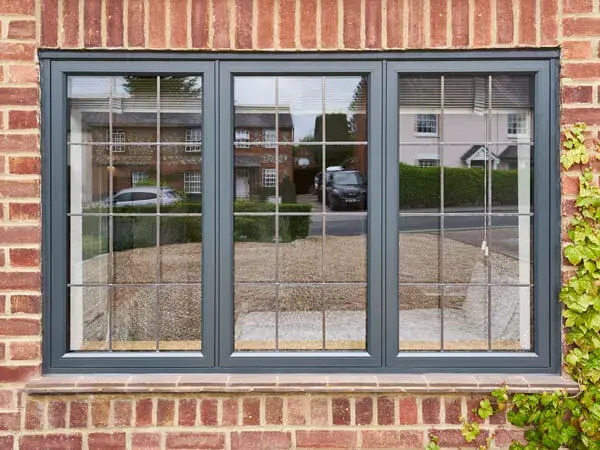
Making the Right Choice: Decision Framework for B2B Procurement Clients
Project-Specific Requirement Assessment
Setting project requirements is the first step in making a good window design. The type of building sets the functional objectives. For example, residential projects may focus on acoustic comfort and energy economy, while business uses may focus on making the most of natural light and making upkeep easier. Specifications for glass and thermal break needs depend on the temperature. Climates in the north benefit from triple glazing, while high-quality double glazing works well in temperate areas. Aesthetic goals affect the choice of frame shape and finish.
In modern architecture, thin sightlines and flush sash designs that don't block the view are preferred. On the other hand, traditional building makeovers may call for bigger shapes with details that fit the style of the time. Knowing these needs ahead of time makes it easier to write specifications and choose suppliers.
Decision Matrix Development
To balance different goals, you need to do a systematic review. Cost factors include the initial investment, the cost of installation, and the expected upkeep needs over the product's lifetime. Ratings for thermal efficiency, protection, weather defense, and acoustic insulation are all examples of performance factors. There are many things that determine how reliable a supplier is, such as their ability to make things, their track record with deliveries, and their access for technical help.
A organized decision grid that is weighted based on the project's goals makes it possible to compare multiple seller offers in an objective way. Technical staff check that performance requirements are met, buying managers look at how competitive prices are and how long it takes to pay, and project managers make sure that delivery dates can be met. This method with many stakeholders lowers the risk of buying while making sure that it fits with the project's goals.
Customization and Advanced Glazing Considerations
Standard product designs work well for many uses, but for more complicated projects, they often need to be changed. For non-standard sizes, built-in shading systems, blast-resistant glazing, or fire-rated assemblies, providers need to have the technical tools and manufacturing options to meet customer needs. Electrochromic glass, vacuum insulated glazing, and acoustic laminate interlayers are some of the more advanced glazing technologies that can be used.
These technologies make windows more useful, but they need to be carefully specified to make sure that frame systems can handle the weight and size requirements. In the end, the decision framework leads buying teams to aluminum casement or flush window options that are in line with the project's strategic goals, while also taking into account performance requirements, budget limits, and long-term asset management issues.
Conclusion
To choose between aluminum casement windows and other window systems, you need to carefully look at the technical details, the needs of the project, and the supplier's abilities. Aluminum flush windows have strong benefits in terms of structural performance, thermal economy, security features, and design flexibility that meet the needs of building owners, builders, and developers. The material's natural durability, low upkeep needs, and ability to be recycled are all in line with today's standards for sustainability while also meeting strict building code requirements.
A successful procurement relies on carefully evaluating suppliers, making clear specifications, and paying close attention to the quality of installation and servicing procedures. By using the decision models described here, B2B buying professionals can safely choose window systems that meet the needs of both the current project and future generations.
FAQ
Q1: How do aluminum flush windows compare to timber flush windows in commercial applications?
A: Wooden systems need to be painted and treated on a regular basis to keep them from getting damaged by water and changing sizes. Aluminum, on the other hand, stays stable without any problems with rot or seasonal growth. Aluminum allows for tighter margins in building, which improves airtightness performance that is necessary for energy compliance. Wood-grain finishes on aluminum give it a warm look without the need for regular upkeep.
Q2: Are aluminium flush windows suitable for large-scale commercial projects?
A: 6063-T5 aluminum extrusions can hold up big openings and setups with multiple stories, and they can also withstand high wind loads. Suppliers with quality standards and automated production systems can successfully fill large orders while making sure that all units are the same size. Architectural plans can be used to make changes that meet the needs of a particular project.
Q3: What maintenance is required to preserve warranty coverage?
A: Most warranties say that the item must be cleaned every six months with pH-neutral treatments and have any moving parts oiled every six to twelve months. Warranty compliance is ensured by keeping records of repair actions and reporting performance problems right away. These basic standards are better than those for wood or steel systems, which need more frequent maintenance.
Partner with Trusted Aluminum Flush Windows Manufacturer
Haolv Building Materials has 18 years of experience working with aluminum and uPVC window systems. They can help businesses buy things from each other. Our modern factories have automatic assembly lines, precise CNC fabrication, and a wide range of surface treatment options. This means that we can make a lot of things at once or make each one individually to meet the needs of a particular project. We follow ISO approval standards for all of our quality control steps, from choosing the raw materials to the final inspection. This makes sure that we always meet foreign performance standards.
Our product line includes 60, 70, and 80 series flush sash casement windows with a wide range of glass options, high-quality hardware, and finishes. We help buying teams by giving them expert advice, designing solutions, and keeping an eye on the whole project from the specification stage to delivery. Standard wait times of 25 to 30 days work with building plans, and our partnerships with top material sources keep the supply chain stable. Email kristin@haolvwindows.com to talk about the details of your project, get detailed documentation, or set up a sample review for your next project.
References
1. Anderson, Brian R. Thermal Performance of Aluminum Window Systems: Engineering Standards and Testing Protocols. Construction Research Press, 2021.
2. Carmody, John, Stephen Selkowitz, Eleanor S. Lee, Dariush Arasteh, and Todd Willmert. Window Systems for High-Performance Buildings. W.W. Norton & Company, 2018.
3. Davies, Michael. Aluminium Architecture: Construction and Details. Birkhäuser, 2020.
4. National Fenestration Rating Council. Certified Products Directory: Energy Performance Ratings for Windows, Doors, and Skylights. NFRC Technical Documentation, 2023.
5. Payne, Andrew. Modern Curtain Wall and Window System Design: Technical Guide for Architects and Engineers. Architectural Press, 2019.
6. Wilson, Alex and Paula Melton. Green Building Products: The GreenSpec Guide to Residential Building Materials. New Society Publishers, 2022.
Fast simple channel to send demands lock favorable price for building window door bulk purchases.