- English
- French
- German
- Portuguese
- Spanish
- Russian
- Japanese
- Korean
- Arabic
- Greek
- German
- Turkish
- Italian
- Danish
- Romanian
- Indonesian
- Czech
- Afrikaans
- Swedish
- Polish
- Basque
- Catalan
- Esperanto
- Hindi
- Lao
- Albanian
- Amharic
- Armenian
- Azerbaijani
- Belarusian
- Bengali
- Bosnian
- Bulgarian
- Cebuano
- Chichewa
- Corsican
- Croatian
- Dutch
- Estonian
- Filipino
- Finnish
- Frisian
- Galician
- Georgian
- Gujarati
- Haitian
- Hausa
- Hawaiian
- Hebrew
- Hmong
- Hungarian
- Icelandic
- Igbo
- Javanese
- Kannada
- Kazakh
- Khmer
- Kurdish
- Kyrgyz
- Latin
- Latvian
- Lithuanian
- Luxembou..
- Macedonian
- Malagasy
- Malay
- Malayalam
- Maltese
- Maori
- Marathi
- Mongolian
- Burmese
- Nepali
- Norwegian
- Pashto
- Persian
- Punjabi
- Serbian
- Sesotho
- Sinhala
- Slovak
- Slovenian
- Somali
- Samoan
- Scots Gaelic
- Shona
- Sindhi
- Sundanese
- Swahili
- Tajik
- Tamil
- Telugu
- Thai
- Ukrainian
- Urdu
- Uzbek
- Vietnamese
- Welsh
- Xhosa
- Yiddish
- Yoruba
- Zulu
What are the common problems with bifold doors?
Bifold doors are still popular for both business and private projects because they make the best use of space and make the transition from indoors to outdoors smooth. Even though they have these benefits, they often cause practical problems that delay projects, blow up upkeep budgets, and make clients unhappy. Misalignment problems, track obstructions, and panels that won't move can all make operation less smooth. These problems are usually caused by poor fitting techniques or worn-out parts. Lack of weatherproofing lowers heat efficiency, which raises energy costs in climate-controlled buildings.
Material degradation shortens service life and makes replacements more often, especially when the metal is of lower quality or hasn't been properly treated against rust. There are security holes in closing devices that let people in who aren't supposed to. When purchasing managers look at Multi-Panel Folding Door systems, knowing about these common issues helps them see where Multi-Panel Folding Door solutions with reinforced frames, industrial-grade hardware, and advanced sealing technologies offer real benefits in terms of durability, energy efficiency, and dependability.
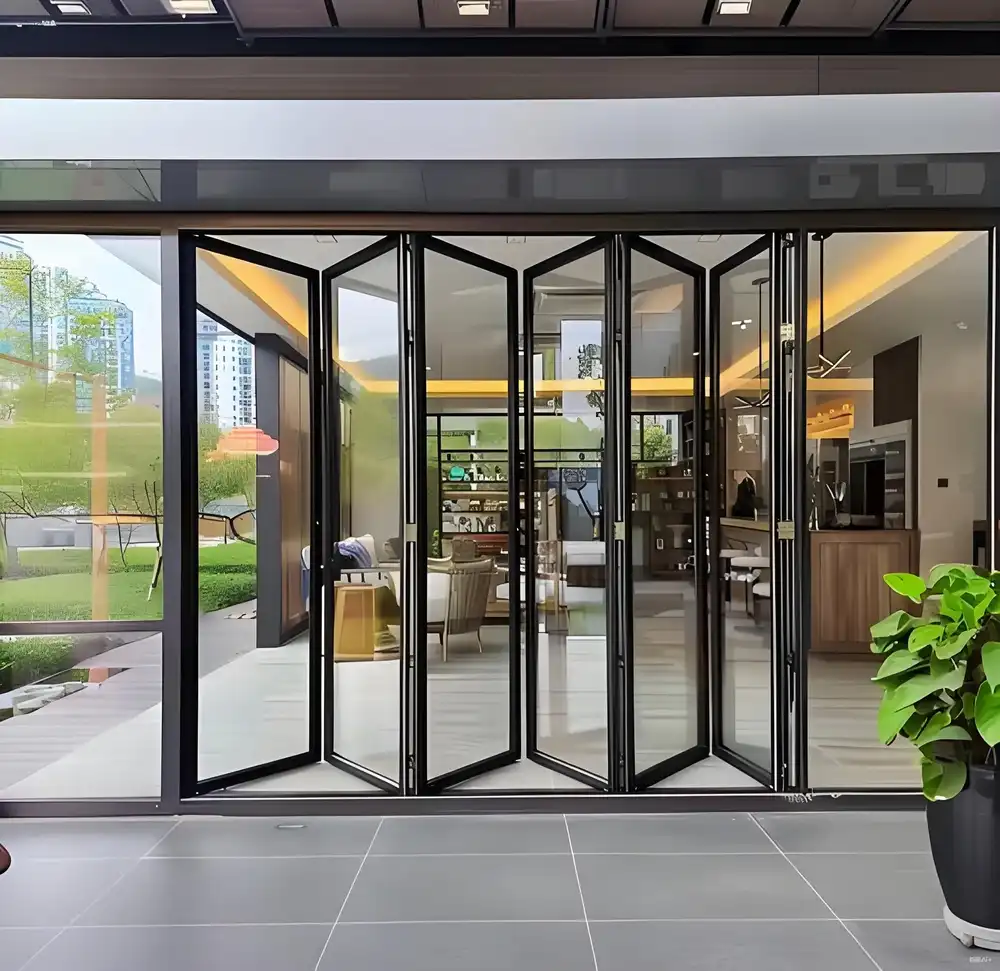
Common Problems Experienced with Bifold Doors
Most of the complaints about standard bifold door setups are about problems with how they work. Panels that won't move smoothly or that stick, jam, or refuse to move make people angry and can be a sign of deeper technical or alignment problems. These problems usually happen when fitting tolerances aren't tight enough and the track position is even slightly off from what the maker says it should be. Over time, hinge wear and roller degradation make the problem worse. This is especially true in business settings with a lot of foot traffic where doors turn hundreds of times every day.
Misalignment and Track Issues
Most alignment problems are caused by mistakes during installation. Within months of being put into use, panels will move out of line if the tracks don't sit level or the mounting bolts aren't properly reinforced. When dirt builds up in the track channels, it makes the problem worse by causing friction spots that put stress on the rollers and hinges. Doors that serve outdoor entry points have extra problems with trash getting in and track corrosion caused by moisture. Teams in charge of buying things should make sure that the specs include heavy-duty top-hung systems with track shapes that don't collect dirt and finishes that won't rust.
Weatherproofing and Seal Failures
Loss of thermal efficiency is a secret cost driver that only becomes clear when utility bills go up or people complain about their comfort. Normal EPDM seals get stiffer and less flexible after being heated and cooled many times. This lets air leak around the edges of panels and between stiles. When water gets in during wind-driven rainstorms, it means that the seals aren't working right, which could damage internal finishes and help mold grow. For projects in places where temperatures change a lot, door systems need to have thermal break technology and multi-stage closing methods that keep working even when temperatures change with the seasons.
Material Durability Concerns
The choice of aluminum metal for a Multi-Panel Folding Door has a direct effect on the total costs. When wind blows, thin-wall profiles that aren't properly reinforced bend, which speeds up the breaking of fasteners and the failure of weatherseals. Corrosion resistance depends on how the surface is treated. In seaside or industrial settings with flying contaminants, powder coating is better protection than anodizing. Even though wood parts look nice, they need to be carefully maintained to keep them from getting damaged by water and losing their shape. Specifications for buying things should include minimum wall thickness, reinforcement plans, and surface treatment standards that are right for the conditions of the place.
Note: The actual performance qualities rely on the testing results for each product, how well it was installed, and how well it was maintained. When judging product claims, look at the manufacturer's paperwork and test certificates from a third party.
Analyzing Root Causes Behind Bifold Door Problems
Three things affect failures over and over again: how the work was done, the quality of the materials used, and how well the system was maintained. Fixing these problems during the planning and buying stages of a project will save a lot of money later on.
Installation Quality Impact
Professional installation is what separates door systems that work from ones that keep giving you problems. Certified fitters know the exact steps to follow for putting together products, the right amount of force for each fastener, and how to make adjustments that will ensure the best performance. They know when the base conditions need extra support or shimming to get things lined up right. Installation mistakes like too-tight bolts that bend profiles, not integrating flashing properly, or not securing the threshold correctly can lead to a chain reaction of failures that get worse over time. Contracts for buying things should include standards for installer certification and checking procedures at key stages of building.
Material Selection Consequences
Premium materials cost more, but their overall cost of ownership is significantly lower. Thick aluminum alloy profiles with thermal break chambers don't bend when they're loaded, and they also keep thermal bridges to a minimum. Industrial-grade gear, like stainless steel hinges, sealed bearing rollers, and hardened steel tracks, can handle operating loads that wear out cheaper options very quickly. Specifications for the glass don't matter much; fused or tempered units with the right thickness (24–36mm for business uses) give you the strength and soundproofing you need. Using producers whose materials can be tracked and verified by a third party lowers the risk of buying.
Maintenance Program Necessity
Without regular upkeep, even high-end door systems break down. Schedules for lubrication, cleaning, and checking of seals all help to extend the life of parts and keep operations running smoothly. Facilities that don't have organized repair plans see faster wear and unplanned downtime when important parts break down without warning. Manufacturer-recommended repair schedules should be included in the procurement specs. Long-term service agreements that give maintenance duty to qualified providers should also be thought about.
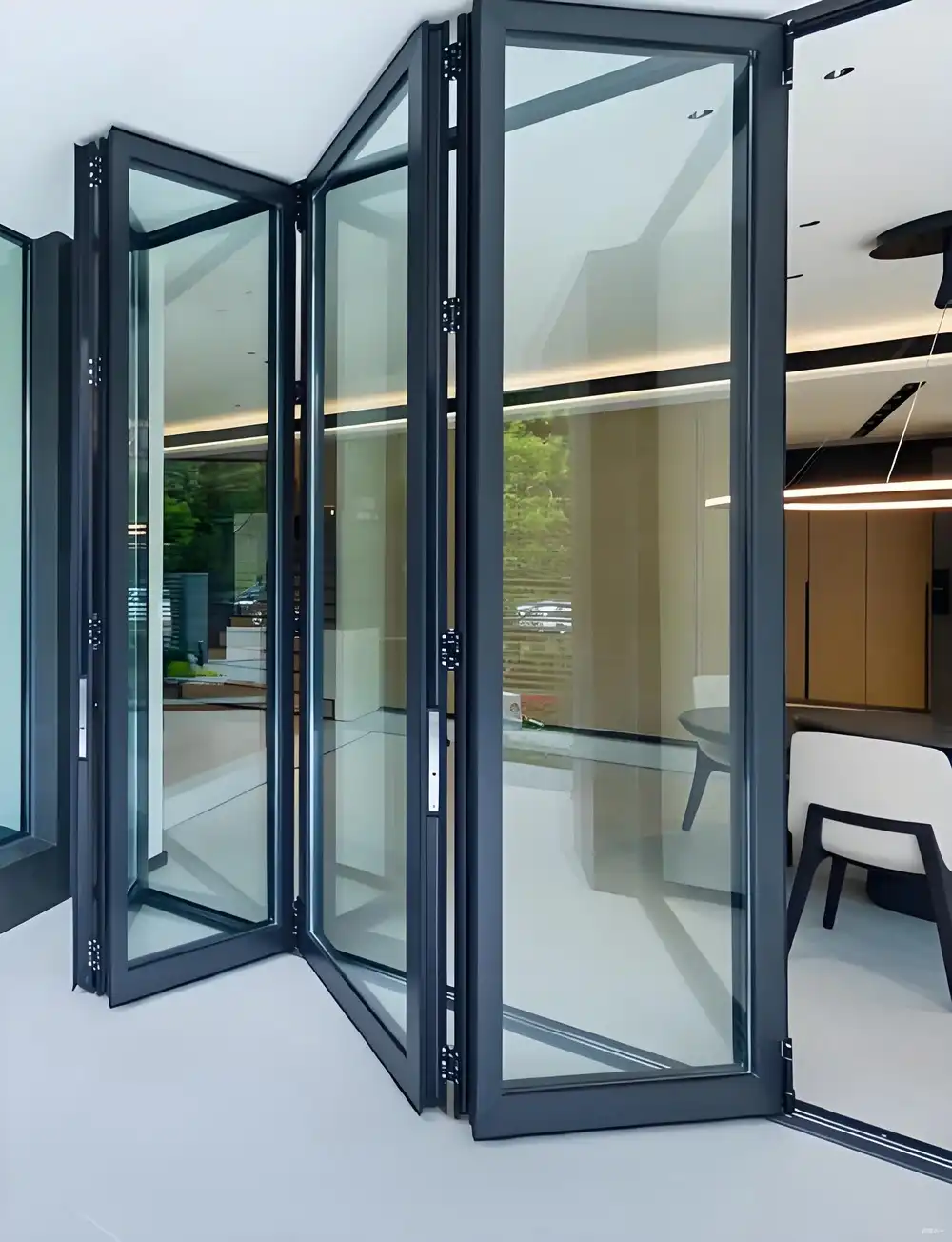
Comparative Insight: Bifold Doors vs Multi-Panel Folding Doors
When buying teams know the structural and functional differences between Multi-Panel Folding Door designs, they can match solutions to the needs of each application. Both methods fold panels to make holes, but the ways they are built and the things they can do are very different. Standard bifold doors usually have two to four panels and can fit smaller spaces. They use lighter-duty hardware that is good for home or light business use. Panels can hold between 50 and 80 kg, which limits the width of the glass and the types of reinforcements that can be used. Bottom-rolling layouts are often used in track systems to make barriers at cutoff heights and gather waste.
Heavy-duty folding systems are made for business use and can hold four to ten panels that cover openings that are more than 50 feet wide and 12 feet high. These systems use top-hung track setups that get rid of floor obstructions to make smooth steps that are great for ADA compliance and moving equipment. It can hold up to 120–150 kg per panel, which means it can handle triple glazing, laminated security glass, and reinforced metal profiles that are needed for large-span installs.
Enhanced sealing systems that use EPDM gaskets and brush seals at meeting stiles improve thermal performance and achieve sound insulation values of 35–50 dB, compared to 25–35 dB for normal bifolds. Heavy-duty systems can be used in high-rise buildings and open seaside areas where standard doors fail structural load tests because they meet wind resistance standards. The system's capability makes installation more difficult, requiring specialist workers and longer commissioning times. However, the system's lifecycle value makes up for it by lasting longer and needing less upkeep.
Practical Solutions and Upgrade Options for Bifold Door Challenges
Getting rid of common bifold door problems requires a plan that includes better materials, better installation, and careful upkeep.
Advanced Material Technologies
Modern aluminum alloys are made with thermal break chambers that stop heat from moving along conductive paths while keeping the structure stiff. Powder-coated products that are certified by AAMA 2604 or 2605 are better at protecting against rust and keeping their color than other treatments. Upgrading the hardware to industrial-grade parts like protected roller bearings, flexible hinge systems, and multi-point locking mechanisms makes the system much more reliable. Industry standards (AAMA, NFRC) should be used in procurement requirements, and manufacturers should be asked to provide test certifications that back up their performance promises.
Installation Excellence Standards
By working with qualified construction teams, problems that happen after the system is up and running are greatly reduced. Before installing, qualified workers check the site to see if there are any problems with the base, make sure the dimensions are within the acceptable ranges before placing the order, and follow the manufacturer's instructions for assembly. They know important things like how to fit panels correctly, how to choose the right sealant for the joint conditions, and how to integrate flashing with weather-resistant barriers. Contracts for buying things should include enough time for installation—short deadlines are strongly linked to higher failure rates—as well as performance testing after installation before final acceptance.
Predictive Maintenance Integration
New sensor technologies for Multi-Panel Folding Door allow condition tracking that can tell when a part will break down before it affects operations. Vibration monitors find worn-out bearings, and door cycle counters schedule repair based on how often the door is used, not just at random times. Routine inspection routines find small problems like loose bolts, seal compression, and track contamination early on, before they get worse and cause system failures that need emergency service calls. Facilities that use structured repair plans see a 40–60% drop in unexpected downtime and lower costs for replacing parts. When planning to buy something, you should include money in your budget for original training and regular repair service agreements that keep the system working well for as long as it was designed to.
Strategic Procurement Tips for Folding Door Systems
The best value is found by balancing performance needs, supplier skills, and lifecycle cost factors in buying.
Performance Specification Development
The operational surroundings should be taken into account in the technical needs. ASCE 7 rules say that wind load rates must take into account the different types of site exposure. Specifications for thermal efficiency (U-factor, SHGC) should match the needs of energy codes and environmental goals. Security features like laminated glass, multi-point locks, and anti-lift hardware are based on risk estimates of the building. Ratings for sound insulation are important in mixed-use buildings and near traffic corridors. Architectural experts should be hired by procurement teams to turn functional needs into measurable performance standards that can be used to evaluate suppliers in an unbiased way.
Supplier Qualification Criteria
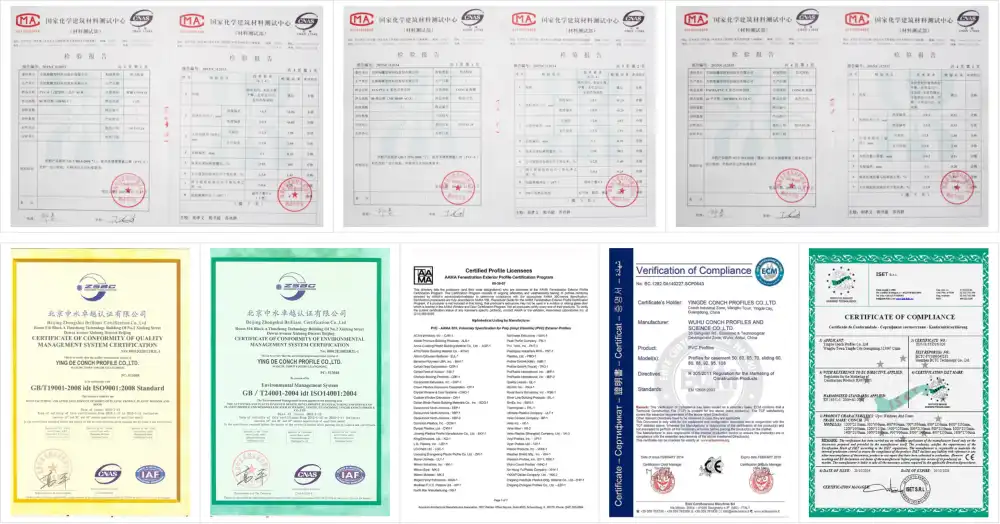
The ability to manufacture has a direct effect on the quality of both the products and the project support. Tighter tolerances can be achieved in facilities with automatic assembly systems and CNC precise cutting tools than in facilities where parts are made by hand. Product-specific certifications (CE, AAMA, NFRC) show that independent testing has been done and met the requirements. ISO 9001 certification shows that quality management processes have been recorded. Exporting knowledge with projects that are related lowers the risks of the learning curve. When evaluating a supplier, you should visit the plant, check the references, and look at the expert support resources that are available during the specification, installation, and warranty times.
Total Cost of Ownership Analysis
The purchase price is only one part of the total costs over the life of the product. The cost of installation depends on how complicated the system is and how the place is set up. Long-term financial risk is affected by warranty coverage, including its scope, length, and how quickly claims are handled. When fixes need to be done, the length of downtime is determined by the availability of maintenance services and parts supplies. How well a building uses energy affects its running costs over its entire life. When these factors are fully modeled into the costs, it is often found that premium systems offer better value, even though they cost more at first. To get a full picture of the economic effect over 20–30 years, lifecycle analysis should be used in procurement choices.
Conclusion
Multi-Panel Folding Door problems, like not working right, not keeping out the weather, materials wearing down, and security holes, are caused by bad fitting, not following material specs, and not doing regular maintenance. These risks can be reduced by procurement workers using performance-based specs, hiring certified manufacturers with well-documented quality systems, and putting in place preventive maintenance plans. When compared to residential-grade options, heavy-duty folding systems made for business use have clear benefits in terms of load capacity, thermal performance, and operating longevity. When you buy something strategically, you should look at its total lifetime value instead of just the purchase price. This way, you can get reliable door options that support long-term building performance and user happiness.
FAQ
Q1: What causes bifold doors to stick or jam during operation?
A: Panels can stick for a number of reasons, including tracks that aren't lined up right because they weren't installed correctly, debris building up in the track lines, worn roller bearings that create friction spots, or frame distortion from the building settling. Heavy-duty top-hung tracks and industrial-grade wheels in high-quality systems make these problems less likely, but even high-end products still need to be serviced regularly so that the tracks are cleaned and the hardware is oiled.
Q2: How do I improve thermal performance in existing bifold installations?
A: The most cost-effective way to update is to change the weatherseal. If you switch from normal EPDM systems to mixed brush-and-gasket systems, a lot less air will get in. Adding thermal break replacement parts to meeting stiles can help, but how well they work depends on how the original frame was built. Replacing all the panels with thermally broken shapes and double or triple glass gives the best performance, but it costs a lot of money. For upgrade choices, energy studies figure out how much money could be saved.
Q3: What kind of panel arrangement works best for commercial applications?
A: The best arrangement is based on the opening width, traffic patterns, and available room. Six- to eight-panel systems work best for business spaces that are 20 to 40 feet wide because they have reasonable panel sizes and make the widest opening possible. When there is room on the wall next to the folded stack, single-side stacking works. When wall space is limited, double-side setups split panels between both sides. After six panels, heavy-duty tools and reinforced profiles are needed to handle the extra weight and keep the process running smoothly.
Q4: Can folding door systems meet hurricane wind load requirements?
A: Heavy-duty industrial systems made with reinforced metal profiles, structural glazing, and approved impact-resistant glass assemblies can withstand Design Pressure ratings high enough to be used in storm zones with high winds. To be compliant, products must be tested by a third party and validated according to ASTM E1886/E1996 standards. They must also have product-specific NOAs (Notices of Acceptance) from area code officials. Standard residential-grade folding doors don't have the structural strength needed for these uses—verification of specifications is still very important in coastal markets.
Partner with Haolv Building Materials for Reliable Multi-Panel Folding Door Solutions
When procurement teams are looking for reliable aluminum folding door systems, they can get a lot out of working with experienced Multi-Panel Folding Door makers who know what business projects need. Haolv Building Materials has been specializing in engineering-grade aluminum and UPVC window and door products for 18 years. They have ISO-certified quality management and the most up-to-date production equipment. Our heavy-duty folding systems can handle loads of 120–150 kg per panel and can be set up with 4–10 panels. They have thermal break technology, EPDM combined sealing, and industrial-grade parts that can handle harsh business settings.
We keep enough material on hand to allow delivery times of 25 to 30 days, and we offer full technical support, custom engineering, and project management throughout the whole process. Strategic relationships with top material sources make sure that you can always get approved parts and high-quality aluminum alloys. Our team offers options that meet AAMA, CE, and ISO standards, whether your project is a large-scale business development, a hotel, or a high-end residential building. Get in touch with kristin@haolvwindows.com to talk about your unique needs and ask for technical information that will help you make smart purchasing decisions.
References
1. American Architectural Manufacturers Association. "AAMA 101: Voluntary Standard for Aluminum Windows and Glass Doors." Performance specifications and testing protocols for commercial fenestration products, 2020.
2. Building Research Establishment. "Thermal Performance of Windows and Doors in Commercial Buildings: A Lifecycle Analysis." Comparative study of energy efficiency across glazing systems and frame materials, 2019.
3. National Association of Home Builders Research Center. "Durability Assessment of Folding Door Systems in Coastal Environments." Long-term corrosion resistance testing of aluminum alloy profiles and hardware components, 2021.
4. Construction Specifications Institute. "MasterFormat Division 08: Openings—Specification Best Practices for Multi-Panel Folding Systems." Procurement guidelines for commercial door systems, 2022.
5. International Code Council. "International Building Code Chapter 24: Glass and Glazing Requirements for Commercial Applications." Structural loading, safety glazing, and wind resistance standards, 2021.
6. American Society of Civil Engineers. "ASCE 7: Minimum Design Loads for Buildings—Wind Load Provisions for Large Openings." Engineering calculations for fenestration products in various exposure categories, 2022.
Fast simple channel to send demands lock favorable price for building window door bulk purchases.