- English
- French
- German
- Portuguese
- Spanish
- Russian
- Japanese
- Korean
- Arabic
- Greek
- German
- Turkish
- Italian
- Danish
- Romanian
- Indonesian
- Czech
- Afrikaans
- Swedish
- Polish
- Basque
- Catalan
- Esperanto
- Hindi
- Lao
- Albanian
- Amharic
- Armenian
- Azerbaijani
- Belarusian
- Bengali
- Bosnian
- Bulgarian
- Cebuano
- Chichewa
- Corsican
- Croatian
- Dutch
- Estonian
- Filipino
- Finnish
- Frisian
- Galician
- Georgian
- Gujarati
- Haitian
- Hausa
- Hawaiian
- Hebrew
- Hmong
- Hungarian
- Icelandic
- Igbo
- Javanese
- Kannada
- Kazakh
- Khmer
- Kurdish
- Kyrgyz
- Latin
- Latvian
- Lithuanian
- Luxembou..
- Macedonian
- Malagasy
- Malay
- Malayalam
- Maltese
- Maori
- Marathi
- Mongolian
- Burmese
- Nepali
- Norwegian
- Pashto
- Persian
- Punjabi
- Serbian
- Sesotho
- Sinhala
- Slovak
- Slovenian
- Somali
- Samoan
- Scots Gaelic
- Shona
- Sindhi
- Sundanese
- Swahili
- Tajik
- Tamil
- Telugu
- Thai
- Ukrainian
- Urdu
- Uzbek
- Vietnamese
- Welsh
- Xhosa
- Yiddish
- Yoruba
- Zulu
Differences between thermal break casement and non-thermal break casement windows
When choosing aluminum fenestration systems for business or home projects, the choice between Thermal Break Casement Windows and Non-Thermal Break Casement Windows has a big effect on how well they use energy and how much they cost. A Thermal Break Casement Window has a polyamide divider between the inside and outside metal profiles.
This makes it much harder for heat to move through the window and makes the insulation much better. Non-Thermal Break systems don't have this barrier, so heat can continue to flow from metal to metal, which lowers their efficiency. When procurement workers understand this main structural difference, they can make sure that the window standards meet the performance needs of the project, the budget, and the sustainability goals.
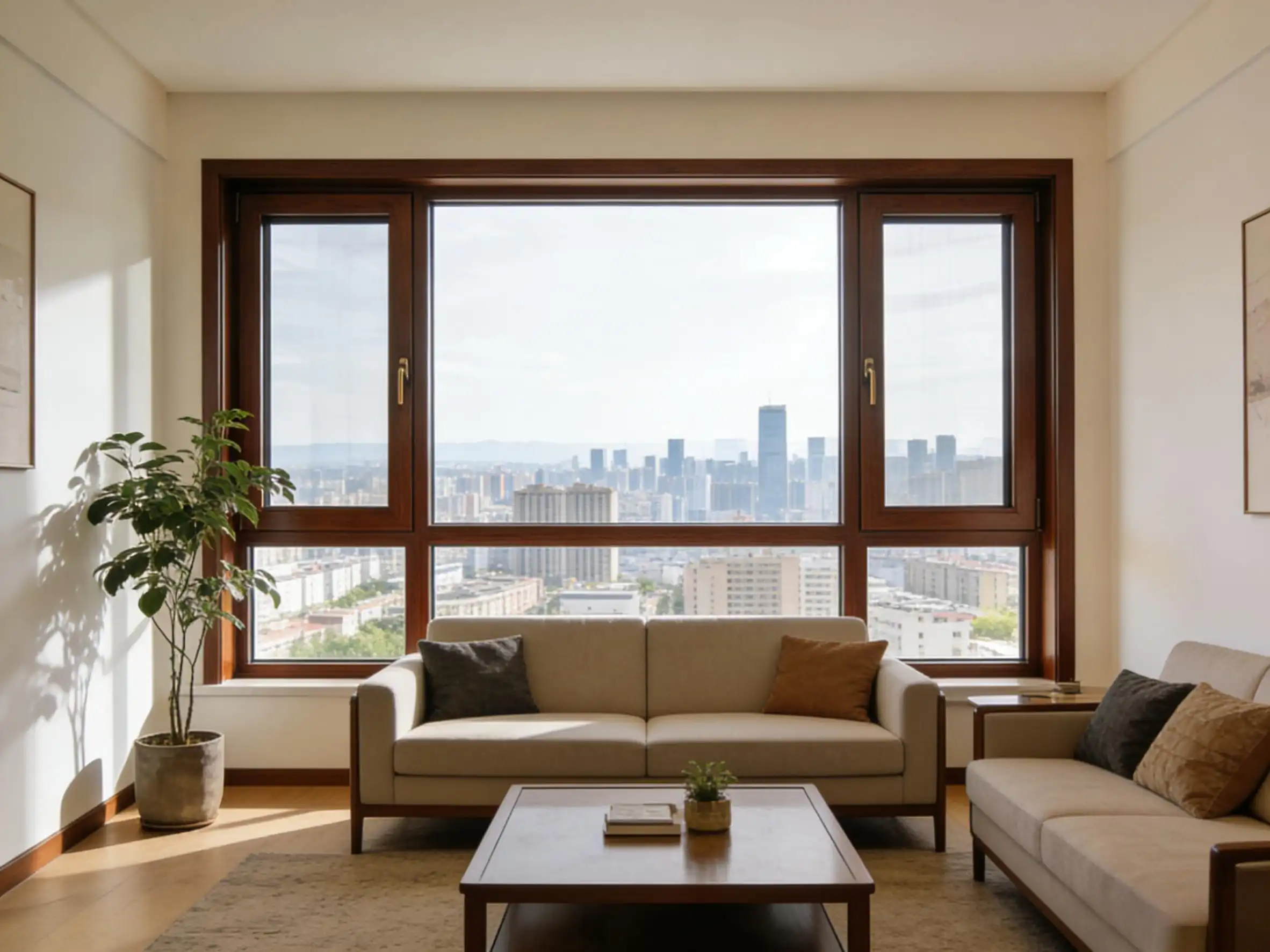
Introduction
In the United States, aluminum casement windows are still the most popular choice for business buildings, multifamily developments, and high-end home projects. They meet the high standards of builders, developers, and curtain wall installers because they are structurally sound, have minimal sightlines, and are reliable in their operations.
Thermal Break technology is an important factor for buying managers and technical teams to consider when looking at window systems for large-scale purchases. Thermal shields that stop energy from moving through window frames are very helpful for projects in temperature zones that need to be heated or cooled. The original cost difference between Thermal Break and Non-Thermal Break systems is often not that big when you look at how much energy they save over their lifetime, how little upkeep they need, and how comfortable the building occupants are.
This guide talks about the technical, financial, and practical issues that business buyers need to think about when choosing casement window systems. We look at differences in structure, performance measures, certification standards, and best practices for buying things that help you choose a good vendor and lower your risk across project timelines.
What Are Thermal Break Casement Windows?
Core Structural Design
Thermal Break Casement Windows use a multi-part profile system. The inside and outside metal pieces are mechanically connected through a non-conductive Polyamide strip, usually PA66GF25 (polyamide reinforced with 25% glass fiber). This man-made barrier breaks the thermal bridge, which would let heat pass through the metal frame without any problems. The Polyamide filler keeps the structure strong and offers the same level of heat protection as standard insulating materials.
Profile systems are made from 6063-T5 architectural-grade aluminum metal, which was chosen because it has the best mix of strength, extrudability, and resistance to rust. Depending on the series (70, 80, 100, or 120 series), wall thicknesses are usually between 1.4mm and 2.0mm. Heavier shapes support bigger glass units and higher wind load needs.
Performance Characteristics
When Polyamide thermal breaks are added, U-values drop to between 1.0 and 1.8 W/m²K, based on the type of glazing and the width of the profile. This is a big gain over metal systems that don't break thermally, which usually have values above 3.0 W/m²K. Because U-values are lower, HVAC loads are lower as well, especially in buildings with a lot of glass.
With Thermal Break technology, condensation protection gets a lot better. By keeping the temperature of the inside of the frame closer to the temperature of the room as a whole, the moisture in the air stays below its dew point. This stops water from building up and damaging the frame and the inside. This trait is especially useful in wet places or buildings that have a lot of moisture inside them.
According to European testing standards, multi-layer EPDM sealing systems built into Thermal Break shapes give scores for Class 4 air permeability and Class E1050 water tightness. These standards make sure that weather safety is provided in harsh seaside areas and high-rise settings where wind pressure is higher than 4000Pa. When paired with the right glazing specs, acoustic performance can reduce sound by up to 45dB, which helps with noise pollution problems in cities.
Comparing Thermal Break and Non-Thermal Break Casement Windows
Heat Transfer and Energy Efficiency
Thermal Break Casement Windows stop the electrical path through Polyamide plugs with thermal conductivity below 0.3 W/mK. Aluminum casement windows that don't break thermally have continuous metal surfaces that conduct heat very well. With a thermal conductivity value of about 200 W/mK, aluminum makes it easy for heat to move from inside to outside surfaces. This means that conditioned areas lose a lot of energy. During the winter, the inside of the frame gets cold, which makes it more difficult to heat. In the summer, this action is the opposite; heat from the outside moves inside.
This 600-fold drop in conductivity makes a real heat shield inside the frame assembly. Buildings that have been retrofitted with Thermal Break windows have shown that they use 20% to 40% less HVAC energy, based on the temperature zone and the features of the original building envelope. However, the real performance depends on how the windows were installed and how the building is designed as a whole.
Structural Performance and Longevity
When made and put in the right way, both Thermal Break and Non-Thermal Break metal systems offer good weather protection and structural strength. Putting together Thermal Break patterns mechanically adds to the complexity, but if it's done right, it doesn't affect how well the structure works. These days, Thermal Break systems are just as good at withstanding wind loads, impacts, and operational cycle tests as non-thermal options.
Powder coating, anodizing, or PVDF finishes are all surface treatment choices that make both types of systems last the same amount of time. Over long lengths of time, these finishes protect against UV damage, rust, and color loss. By lowering the difference in thermal expansion between the inside and outside profile parts, Thermal Break systems may make frames more stable in places with very high or very low temperatures.
Cost Considerations
When bought for the first time, Thermal Break metal casement windows usually cost 15% to 30% more than Non-Thermal Break versions. This difference is due to higher performance standards, higher material prices, and more complicated production. Lifecycle cost analysis gives better economic information than upfront price alone for B2B procurement pros who are in charge of project budgets.
Energy modeling shows that Thermal Break windows can save between $2 and $8 per square foot of glass area each year in locations with a range of temperatures, with bigger savings in areas with very high or very low temperatures. Energy savings and less upkeep are two ways that projects with 20-year running horizons usually pay for themselves in 5 to 12 years. These estimates depend a lot on how much energy costs in the area, the weather, and how the buildings are used.
The costs of maintaining both types of systems are about the same, though Thermal Break windows may help keep the inside of the building from getting damaged by water. The biggest economic gain comes from operational energy saves that grow every year for the life of the building.
Key Factors for B2B Decision Makers When Choosing Between Thermal Break and Non-Thermal Break Casement Windows
Climate Zone Analysis
The U.S. Department of Energy's temperature zone classifications can help you figure out if Thermal Break Casement Windows are necessary. Because of the large number of heating and cooling degree days, Thermal Break technology works best in cold and mixed-humid climates (zones 4–7). Thermal efficiency should be a top priority for projects in these areas in order to meet energy codes and meet operating cost goals.
When it comes to mild temperature zones (2–3), things are more complicated. Even though Thermal Break designs still make things work better, the amount of energy they save might not be enough to support the higher cost for all types of projects. Before defining Thermal Break systems in these areas, procurement teams should do project-specific energy modeling to figure out how much money they can expect to make.
Certification and Code Compliance
Different temperature zones have different requirements for ENERGY STAR windows. In northern areas, Thermal Break systems are more likely to meet the standards. Labels from the National Fenestration Rating Council (NFRC) give procurement teams standard performance data that they can use to compare goods from different makers. You can directly compare efficiency using U-factor, Solar Heat Gain Coefficient (SHGC), and Air Leakage scores.
Minimum thermal performance levels are being required by the International Building Code (IBC) and state-specific energy codes more and more. In many places, this means that Thermal Break technology is needed. The specifications for the purchase should include a list of all the relevant building codes and make sure that the suggested window systems meet or go beyond these basic standards. Not following the rules can cause delays in the project and extra costs that are much higher than the saves from using cheaper options in the first place.
Supply Chain and the Ability to Customize
For large projects to go smoothly, suppliers need to have enough production capacity, solid lead times, and the ability to offer expert help. Making Thermal Break windows is more complicated than making normal aluminum systems, which could affect production plans. During factory checks, reference project reviews, and capacity studies, procurement teams should make sure that manufacturers can do what they say they can do.
Customization needs, like non-standard sizes, two-color finishes, or unique glass arrangements, affect both prices and wait times. Suppliers who have their own automatic assembly systems and extrusion skills usually have more options and faster response times. For normal specs, production lead times are usually between 25 and 45 days. If you have special needs, this time frame could be longer.
Evaluating Market Options: Leading Suppliers of Thermal Break Casement Windows
Manufacturer Selection Criteria
There are a lot of companies in North America that make Thermal Break Casement Windows. These companies range from big multinationals to specialized regional suppliers. Technical skills, quality certifications, project knowledge, and service infrastructure should all be part of the evaluation factors.
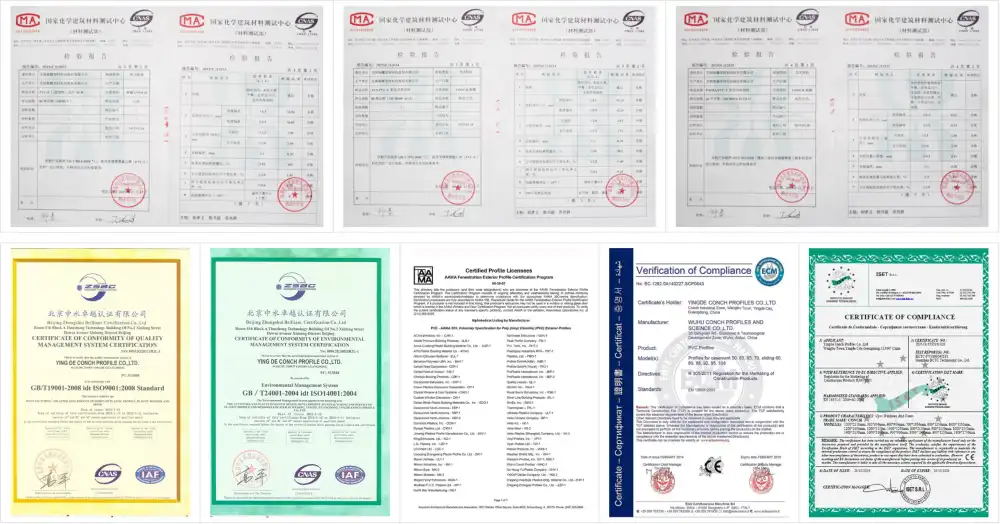
Standardized quality management methods are shown by ISO 9001 certification, and performance claims are backed up by product certifications from the NFRC, AAMA (American Architectural Manufacturers Association), or similar testing groups. Manufacturers that sell to businesses should offer structural engineering support, such as wind load estimates, thermal models, and help with specifications that make design cooperation easier.
OEM and Private Label Opportunities
Distributors and window system businesses are looking for OEM partnerships more and more to get Thermal Break technology without having to build their own factories. These deals let brands be customized while using already-built production facilities and technical know-how. When procurement workers look at OEM choices, they should look at how reliable the manufacturer is, how much they require in orders, how consistent their wait times are, and how they protect intellectual property.
Through volume agreements, private label programs help wholesalers build brand loyalty while keeping prices low. For OEM partnerships to work, there must be clear standards, quality control methods, and ways to communicate that make sure everything is the same from one production run to the next. Checking with current OEM clients for references can give you an idea of how reliable a maker is and how quickly they respond to quality problems.
Sustainability and Environmental Things to Think About
Green building standards like LEED, WELL, and Living Building Challenge have a bigger impact on the materials that are used in business projects. Sustainability scorecards are helped by the fact that aluminum can be recycled and Thermal Break windows save energy. Environmental Product Declarations (EPDs) and aluminum with a lot of recycled material are two things that manufacturers can do to meet the buying needs of projects that want to get environmental certifications.
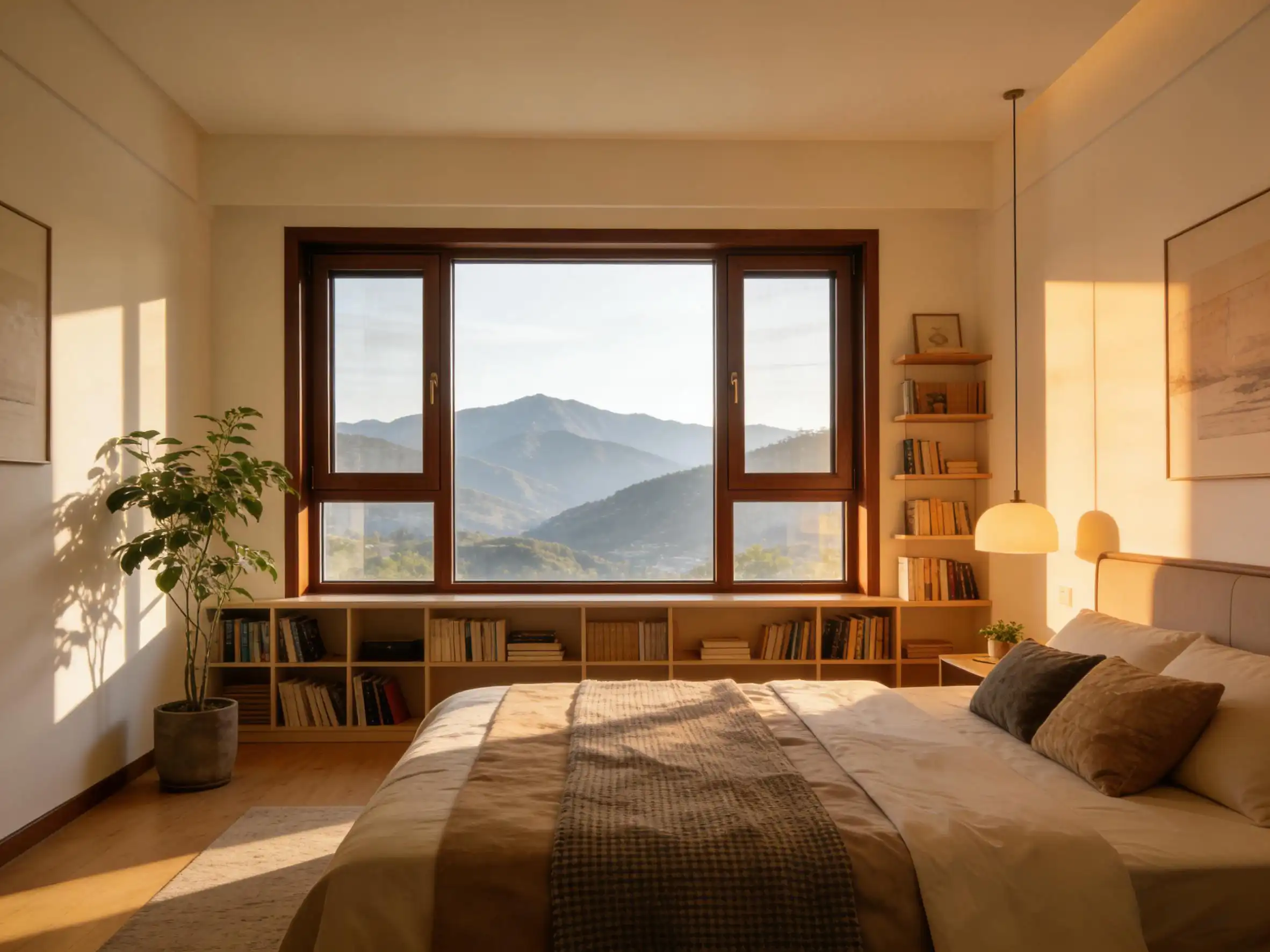
Practical Guide to Procurement and Installation of Thermal Break Casement Windows
Procurement Process and Documentation
For buying Thermal Break Casement Windows to work well, there must be clear specs that include performance needs, size guidelines, finish options, hardware requirements, and quality assurances. In order to be considered for a bid, providers should be asked to provide NFRC performance scores, structural test results, material certifications, and references from past projects.
Price quotes should make it clear what the unit costs are, how much savings apply, how shipping works, when payments are due, and what the guarantee covers. To make true vendor comparisons, you need to include freight, installation labor, and startup costs in your total cost of ownership estimates. Teams in charge of buying things should get more than one quote and do expert reviews that go beyond just price comparisons.
Installation Considerations
Installing a Thermal Break Casement Window takes trained professionals who know how to properly flash, apply sealant, and anchor the frame in metal systems. Poor fitting lowers performance, no matter how good the product is. It causes structural failures, air leaks, and water to get in, which leads to guarantee claims and costs for fixing the problem.
Installation plans are based on the size and scale of the project, the conditions of the spot, and the experience of the team. Installation rates for commercial jobs range from 8 to 15 window units per crew per day, but can change depending on the size, ease of access, and planning needs. Timeline planning is affected by things like weather restrictions, the ready of the building shell, and the order of other trades.
Quality Assurance and Warranty Coverage
Over the course of a certain warranty term, a full guarantee should cover production flaws, finish wear, hardware failures, and seal failures for Thermal Break systems. Standard business warranties last between 5 and 15 years, based on the parts and finish systems. However, coverage terms change a lot from one company to the next. The standards for the warranty should be made clear in the procurement specs, and the suggested coverage should be checked to make sure it meets the needs of the project.
On-site quality checks at important stages, like when materials are delivered, the rough hole is prepared, and the installation is finished, find problems early on before they get worse. Testing and commissioning by a third party make sure that systems placed meet certain performance levels and code standards. Keeping records of inspections, test results, and maker certifications can help protect against performance issues in the future.
Performance Disclaimer: The actual thermal performance, structural ratings, and life rely on how the product is configured, how well it is installed, and the conditions of the site. Instead of general specs, decision-makers about what to buy should look at test reports from the manufacturer and performance modeling that is relevant to the project.
Conclusion
Choosing between Thermal Break Casement Windows and Non-Thermal Break Casement Windows has a big impact on how well a building uses energy, how much it costs to run, and how comfortable its occupants are over the course of its lifetime. It is possible to measure how much more efficiently Thermal Break technology works, and the higher original costs are recouped by lower HVAC loads and better indoor air quality.
Non-thermal break methods might work well in mild temperatures or in low-cost situations where energy efficiency is not a big deal. When purchasing these choices, people in charge must look at them through the lens of climate zone needs, lifecycle cost analysis, code compliance requirements, and performance goals that are specific to the project. By carefully evaluating suppliers, providing clear specifications, and using quality-focused installation methods, it is possible to be sure that the chosen window systems will work as intended and last for a long time.
Additionally, we can provide detailed technical parameter tables, installation videos, and installation instruction manuals to support project execution. We also offer strong customization capabilities, including knock-down solutions, which significantly reduce logistics costs, improve shipping efficiency, and shorten delivery time. These solutions are designed to support high-efficiency project timelines, flexible on-site assembly, and cost-effective global transportation.
FAQ
How much less energy do Thermal Break Casement Windows use than other options that aren't thermal?
Savings on energy depend on where you live, how the building is designed, and how it is used. When fenestration is used in cold climate installations, heating energy use usually drops by 20% to 40%. In warm climates, installations see smaller but still significant gains. For making decisions about purchases, project-specific energy modeling gives the most accurate estimates of how much money can be saved.
What should I do to find out if thermal break technology is needed for my project?
The division of climate zones gives you some starting information. Thermal Break designs are very helpful for projects in DOE zones 4 through 7. In these areas, thermal break efficiency is pretty much required by energy code standards in many places. Lifecycle cost analysis, which compares cash fees to expected energy savings, can help design choices be made with a clear mind about money.
What production lead times should I expect when ordering thermal break casement windows?
Standard requirements say that it should take 25 to 35 days from the time an order is confirmed until it is delivered. However, custom requirements can make the time frame 40 to 50 days. It depends on how much an order there is and how busy the company is. Project plans should have extra time built in in case something goes wrong.
Partner with Haolv Building Materials for Premium Thermal Break Casement Window Solutions
Haolv Building Materials has been a specialist manufacturer for 18 years and can help B2B buyers who are looking for reliable Thermal Break Casement Window providers. Our modern factories have automated assembly lines, precise CNC cutting machines, and metal extrusion lines. This makes sure that the quality of both standard and special orders for builders, developers, and wholesalers across North America is always the same.
Our Thermal Break window systems are made with 6063-T5 aluminum profiles and PA66GF25 Polyamide strips. They also have multi-layer EPDM seals and can be made in any way you want across the 70, 80, 100, and 120 lines. We can meet your needs for double-glazed, triple-glazed, and layered glass with custom-colored powder coating, anodizing, or PVDF coatings on the outside. Every window meets NFRC and AAMA standards thanks to ISO approval and strict quality controls.
We provide full business-to-business support, including free expert advice, solution design services, project follow-up, and enough inventory to allow delivery times of 25 to 30 days. Our engineering team coordinates drawings and makes changes to them so that they meet the difficult architectural needs of high-end home and business projects.
Contact kristin@haolvwindows.com to discuss your project specifications, request technical documentation, or arrange factory evaluations. Visit haolvbuilding.com to explore our complete product portfolio and discover how our manufacturing capabilities can support your procurement objectives with competitive pricing, reliable delivery, and expert technical support.
References
1. American Architectural Manufacturers Association (2021). AAMA TIR-A8-04: Structural Performance of Composite Thermal Barrier Framing Systems. Schaumburg: AAMA Publications.
2. National Fenestration Rating Council (2020). Technical Document 100: Procedure for Determining Fenestration Product U-factors. Silver Spring: NFRC Technical Committee.
3. U.S. Department of Energy (2022). Building Energy Codes Program: Climate Zone Map and Standards. Washington: Office of Energy Efficiency and Renewable Energy.
4. Straube, J. & Burnett, E. (2005). Building Science for Building Enclosures. Westford: Building Science Press.
5. European Aluminium Association (2019). Thermal Break Technology in Aluminum Building Systems: Performance and Design Guidelines. Brussels: EAA Technical Publications.
6. Hart, R., Curcija, D., & Mitchell, R. (2018). "Thermal Performance Impacts of Installing NFRC-Rated Fenestration Products." ASHRAE Transactions, 124(2), 456-468.
Fast simple channel to send demands lock favorable price for building window door bulk purchases.