- English
- French
- German
- Portuguese
- Spanish
- Russian
- Japanese
- Korean
- Arabic
- Greek
- German
- Turkish
- Italian
- Danish
- Romanian
- Indonesian
- Czech
- Afrikaans
- Swedish
- Polish
- Basque
- Catalan
- Esperanto
- Hindi
- Lao
- Albanian
- Amharic
- Armenian
- Azerbaijani
- Belarusian
- Bengali
- Bosnian
- Bulgarian
- Cebuano
- Chichewa
- Corsican
- Croatian
- Dutch
- Estonian
- Filipino
- Finnish
- Frisian
- Galician
- Georgian
- Gujarati
- Haitian
- Hausa
- Hawaiian
- Hebrew
- Hmong
- Hungarian
- Icelandic
- Igbo
- Javanese
- Kannada
- Kazakh
- Khmer
- Kurdish
- Kyrgyz
- Latin
- Latvian
- Lithuanian
- Luxembou..
- Macedonian
- Malagasy
- Malay
- Malayalam
- Maltese
- Maori
- Marathi
- Mongolian
- Burmese
- Nepali
- Norwegian
- Pashto
- Persian
- Punjabi
- Serbian
- Sesotho
- Sinhala
- Slovak
- Slovenian
- Somali
- Samoan
- Scots Gaelic
- Shona
- Sindhi
- Sundanese
- Swahili
- Tajik
- Tamil
- Telugu
- Thai
- Ukrainian
- Urdu
- Uzbek
- Vietnamese
- Welsh
- Xhosa
- Yiddish
- Yoruba
- Zulu
How To Choose Between Horizontal And Vertical Aluminium Sliding Windows
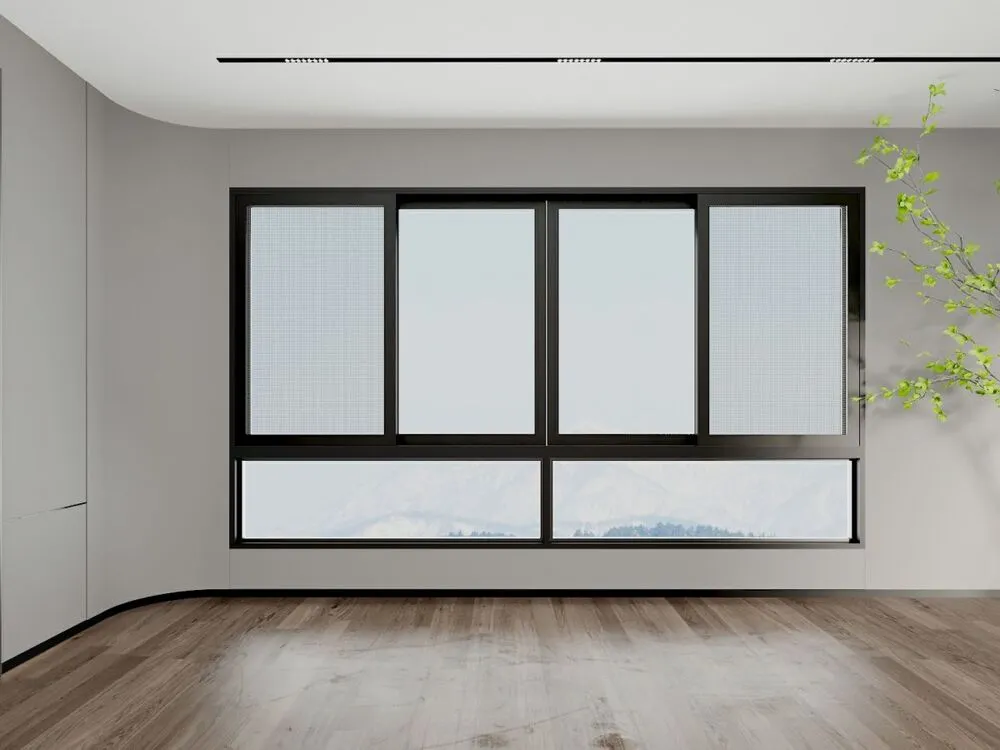
In both business and private buildings, the success of a project depends on whether horizontal or vertical metal sliding windows are used. Horizontal sliding aluminum windows can move from side to side, which saves room and is especially useful in small spaces. Vertical sliding windows, on the other hand, can move the sash in the usual way, which is better for some architectural needs. The choice affects how well ventilation works, how easy it is to do upkeep, how well energy is used, and how hard it is to install. These are all important factors for developers, builders, and building material wholesalers who are in charge of large-scale purchases.
Introduction
Aluminum sliding windows are an important part of modern construction because they provide structural stability, a wide range of aesthetic options, and reliable operation in business complexes, high-rise residential buildings, and industrial facilities. The choice between horizontal and vertical sliding setups has a direct effect on the project's results, changing everything from how quickly the materials are bought to how much they cost to maintain over time.
After 18 years of working in manufacturing, we've seen that B2B buyers who have to make complicated purchasing decisions need to understand operating differences and performance traits. For general builders, real estate investors, curtain wall companies, and building material distributors in the United States market, this guide offers technical comparisons, application insights, and buying strategies that are just right for them. Our goal hasn't changed: to give people who make decisions the practical knowledge they need to match window specs to project needs while minimizing the total cost of ownership.
Understanding Aluminium Sliding Windows: Horizontal vs Vertical
The main difference between these two types of folding windows is how they work, which can be very helpful based on the needs of the building and the available space.
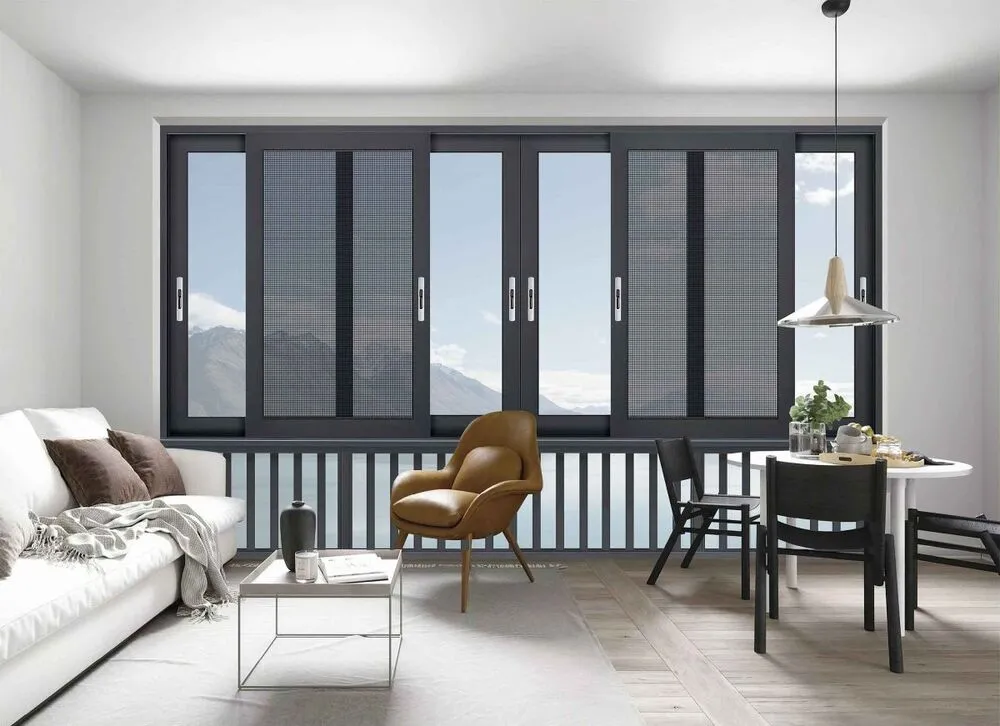
Horizontal Sliding Window Operation
Horizontal sliding aluminum windows have frames that move laterally along the top and bottom tracks to open from side to side. Usually, the system uses stainless steel tandem rollers that are placed on accurate bearings. This makes it possible for the system to work smoothly even with large glass panels. Modern designs use 6063-T5 aluminum alloy profiles with walls that are between 1.4 mm and 2.0 mm thick. These profiles provide structural strength while keeping the sightlines thin. The two types of track systems—single track and double track—meet different practical needs. For example, double-track setups let multiple panels work independently.
This style works really well when there isn't much vertical room or when making things easy to use is important. The horizontal movement only needs a small amount of space above or below the window unit, which makes placement easy in small spaces. This layout works especially well for factory buildings, office complexes along the coast, and business places where being able to reach maintenance areas from inside is important.
Vertical Sliding Window Characteristics
One or both sides can move up and down within a set frame, which is how vertical sliding windows work. The method uses counterbalance devices or friction stays to keep the sashes in place, which makes it work differently than horizontal designs. In high-rise buildings, where managed air through partial opening is useful, these windows usually work well with HVAC systems.
Different types of installations have very different needs. For example, vertical systems need precise frame orientation to keep them from sticking while they're working. The weight distribution and balance systems make the hardware specification more complicated, which affects both the cost of buying it and the amount of upkeep that will be needed over time. In renovation projects, vertical configurations are often used instead of standard double-hung windows to keep the look of the building while changing to metal construction.
B2B Application Scenarios
Choosing between these designs is often based on how they will be used in a certain business. More and more high-rise apartment buildings are choosing horizontal sliding systems because they are safer to use. The slide mechanism gets rid of the risks that come with windows that open outward at elevation. Horizontal layouts are popular in modern business buildings because they allow for big openings that let in a lot of natural light while keeping a simple look with thin metal profiles.
In coastal and humid areas, problems are unique, and the longevity of materials is very important. When marine-grade finishes are combined with better sealing systems like brush seals and EPDM gaskets, horizontal sliding windows can survive conditions like heavy rain and salt air that damage regular materials. Quality horizontal sliding frames are made with drainage sills and weephole systems that keep water out even when the pressure is high. These frames meet ASTM E331 testing standards that B2B clients care about.
Key Decision Criteria for Choosing Between Horizontal and Vertical Aluminium Sliding Windows
A lot of technical and managerial factors that affect project performance and lifetime costs need to be looked at before a procurement decision is made. These factors help technical staff evaluate parameters and give buying managers points of reference for negotiations.
Ventilation Control and Spatial Requirements
The efficiency of ventilation changes a lot depending on the configuration. For horizontal sliding aluminum windows, when there are two panels on a horizontal moving window, the highest opening area is usually only 50%, since one panel has to stay in place. This limitation affects the flow of air in places that need a lot of cooling. Depending on where the sashes are placed, vertical slide setups can offer similar or slightly different ventilation patterns. However, bigger, heavier sashes make the system harder to operate.
Often, the ability to build is limited by the space available inside the building envelope. Horizontal systems don't need to stick out too far into interior or outdoor spaces, so they don't take up too much useful floor space in small homes or businesses. The thin profile design lets big glass panels that let in more natural light without blocking structural spaces. This saves room and makes it easier to coordinate sizes during installation, which is especially helpful for projects that use modular building or prefabricated wall systems.
Environmental Factors and Climate Considerations
The weather has a direct effect on the specifications and performance standards of materials. Humidity and salt spray at the coast make it necessary to improve corrosion protection. This is usually done with 25-micron anodizing or ornamental powder coatings that meet AAMA 2604/2605 standards. When the surface of horizontal sliding aluminum windows is properly treated, they are much more resistant to UV damage and wear from the environment, allowing them to keep working well for much longer.
Because metal is naturally conductive, it needs thermal break technology to work well in cold weather. Reinforced polyamide strips connect the inside and outside metal parts, which greatly lowers the chances of thermal bridges and condensation. Modern horizontal sliding systems with thermal breaks and Low-E double or triple glass can get U-factors as low as 0.30, meeting Energy Star standards that are becoming more important in northern U.S. business building markets.
Security Features and Maintenance Accessibility
When choosing hardware, especially for business and ground-floor setups, security issues play a big role. Horizontal sliding frames have multi-point locking systems that keep people from breaking in, and anti-lift blocks keep windows from being removed from the outside. These features help building managers and property owners with their top risk management concerns.
The difficulty of maintenance has a big effect on lifetime costs. Horizontal track systems need to be cleaned every so often to keep dirt from building up and making the system less smooth to use. This is a simple task that usually just involves vacuuming the tracks and making sure the weepholes stay clear for draining. Accessibility is important. High-quality horizontal slide windows have modular gear designs that let rollers, locks, and seals be serviced or changed without taking the whole unit apart. This cuts down on building operations and labor costs.
These evaluation factors are used to make sure that the chosen window configurations meet the needs of the project and the operating efficiency goals that B2B clients set.
Performance and Cost Comparison: Horizontal vs Vertical Aluminium Sliding Windows
When procurement managers compare performance measures and their financial effects, they get the information they need to make smart decisions and make the most of their budgets.
Energy Efficiency and Thermal Performance
The way business and residential buildings use energy has a direct effect on their running costs. Horizontal sliding aluminum windows with thermal breaks and double glazing do a good job of keeping heat in, but success depends on the type of glass used and the shape of the frame. Low-E coatings on glass surfaces block infrared radiation while letting visible light pass through. This lowers the amount of heat that needs to be cooled in the summer and lost in the winter.
The quality of the closing system decides how much air gets in, which has a big effect on how much energy is used. When you mix brush seals with EPDM gaskets, you get multiple barriers against air leaks, which meets the ASTM E283 testing standards for low infiltration rates. Because of their balancing systems and the wear and tear that comes with operation, vertical sliding windows have a harder time keeping air out. This could lead to higher infiltration rates over time.
Sound Insulation Capabilities
Getting rid of noise is very important in urban business projects and residential buildings close to transportation routes. Sound Transmission Class (STC) scores of 35 to 45 are achieved by horizontal sliding aluminum windows with laminated glass and multi-chambered EPDM seals. These systems block urban noise well and make people more comfortable. The constant seal compression in the closed position ensures steady sound performance that barely changes over time.
The way the glass is arranged has a big effect on how well it absorbs sound. Standard toughened glass doesn't block sound as well as laminated glass, which is made of glass layers attached to acoustic interlayers. To meet standards for sound comfort, B2B buyers who are choosing windows for hospitals, hotels, or offices should focus on choices with laminated glass in horizontal sliding frames.
Installation Complexity and Labor Costs
Installation needs affect the total cost of the job in addition to the cost of buying materials. Horizontal sliding aluminum windows are usually easier to install because they only need to be mounted on a track and barely need to be adjusted. The frames usually come with weatherstripping and hardware already installed, which cuts down on the time and skill needed to do the work on-site.
To make sure the sashes work right and are balanced, vertical slide systems need to be installed with more care. When fitting isn't done right, binding, extra work, and early metal wear are all caused by misalignment. When procurement managers look at the total cost of ownership, they need to take into account the fact that this level of complexity makes work take longer and requires more skilled labor.
Lifecycle Costs and Durability Expectations
Long-term financial success rests on how long something lasts and how much maintenance it needs. Quality horizontal sliding windows made from 6063-T5 aluminum metal and treated properly on the outside last a very long time in a variety of climates. The material doesn't bend, rot, or rust like some other materials do, but its exact performance relies on how well it was made and how long it is exposed to the environment.
Lifecycle costs are greatly affected by how long hardware lasts. Precision bearings and stainless steel wheels that can withstand salt spray and heavy-load cycles make sure that the machine runs smoothly for long periods of time. Specifications for purchases should make sure that providers test hardware cycles according to AAMA 906 standards, making sure that rollers and locking systems can withstand more than 10,000 cycles without breaking.
Disclaimer: If you want to be sure of a product's performance specs, you should check its testing records and certifications. This is because real results can be different depending on how it was made, how well it was installed, and the conditions of the surroundings.
Sourcing and Procurement Guidelines for Aluminium Sliding Windows
To do a good job of buying things, you need to carefully look at each seller and know about their customizable options, quality control methods, and customer service.
Supplier Evaluation Criteria
Business-to-business buyers should look at providers in more ways than just price. How well providers can handle big projects with customization needs depends on how well they can make things. Check to see if the factories that you're thinking about using have automated assembly systems, precise CNC cutting equipment, and integrated production processes that include extrusion, surface treatment, cutting, welding, and assembly for horizontal sliding aluminum windows. This way, you can be sure that the quality of both standard and custom orders will be the same, and the work will be done quickly and well.
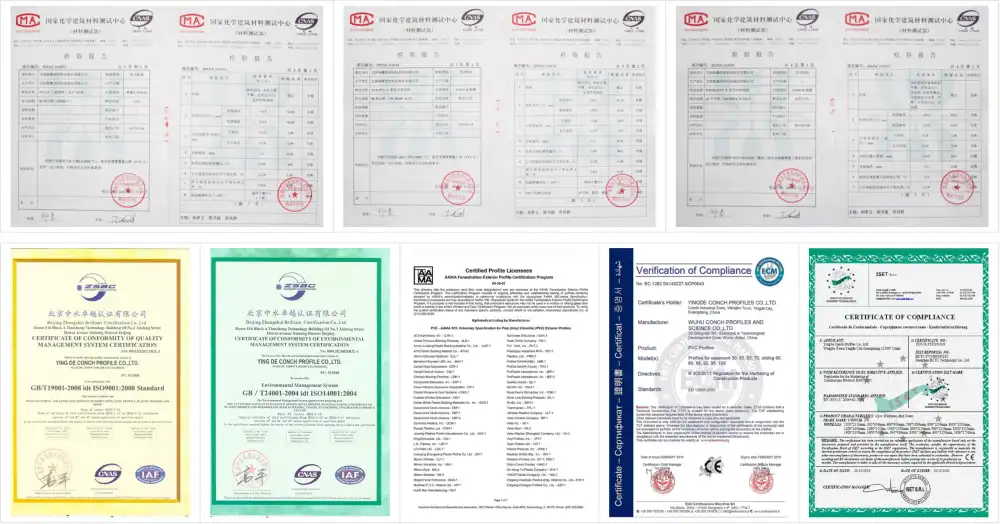
Verification of certification and compliance lowers the risk of buying. Suppliers should show that they follow well-known rules, like ISO quality control systems, CE marks for sales in other countries, and AAMA approval for projects in North America. Local building codes must be followed, so it's important to make sure that providers know about U.S. rules and regulations, such as NFRC scores and energy code compliance.
In competitive procurement settings, providers that offer technical help stand out. Check to see if sellers offer engineering advice during the creation of specifications, help with coordinating drawings for unique projects, and quick support after the sale. For big projects or when a new line of products comes out, being able to offer expert paperwork, installation instructions, and troubleshooting help becomes very useful.
Customization Flexibility and Order Capacity
Customization options are very important for projects that have special architectural needs or measurements that aren't normal. Standard product lists aren't always open when it comes to sizes, colors, finishes, and hardware choices. Suppliers who offer these options make it easier to connect projects. Powder coating, anodizing, wood grain finishes, and PVDF processes can change the way something looks while still protecting it.
Different types of projects have different practical needs that can be met by different track system setups (single vs. double track). Because there are different series (60, 70, 80, and 90 series, among others) with matching profile sizes, the standard can be optimized based on the opening size, the wind load requirements, and the glass thickness that is wanted.
Order volume and shipping reliability have a direct effect on how long a job takes to finish. If suppliers keep enough goods on hand and show that they can produce efficiently, they can usually meet orders within 25 to 30 days, from confirmation to delivery. These are reasonable lead times that don't require too many extra days. Developers and workers who are in charge of multiple projects at once or phased developments that need regular product supply need to be able to place bulk orders.
Warranty and After-Sales Considerations
Warranty coverage shows that the company that made the product is confident in its quality and protects you financially in case it breaks down too soon. Coverage should include material flaws, hardware functionality, and the integrity of the surface finish. The warranty should be very clear about how long it covers things and how to file a claim. Options for longer warranties show that the product was made with higher standards and lower the risk of big investments even more.
After-sales help is very important during installation and for as long as the product is in use. Suppliers should give expert support during the installation process, make sure that new parts are easy to find, and keep their customer service lines open and active. Being able to deal with problems quickly cuts down on project delays and business interruptions that cost more than just the window goods themselves.
Best Practices for Installation and Maintenance in B2B Settings
Proper installation execution and systematic maintenance protocols maximize product longevity and functional performance while controlling lifecycle costs.
Professional Installation Recommendations
For business projects and large-scale domestic developments, professional installation is a must. Installers with a lot of experience know important alignment errors, how to properly integrate waterproofing with building envelopes, and how to hold structures in a way that keeps them stable and protects the guarantee. Putting sliding window systems together with curtain walls or in high-rise building sites is hard and may require specialized knowledge that regular construction teams may not have.
Coordinating before installation should make sure that the sizes of the given units match the sizes of the openings that have been made. To ensure smooth sash operation, horizontal sliding aluminum windows must be installed on level tracks. Even small changes can increase friction during operation and hasten roller wear. When flashing is properly installed and caulk is used around frames, water can't get in and damage nearby building parts, which leads to upkeep issues.
Maintenance Protocols for Commercial Environments
Systematic care keeps things working well and increases their useful life. Track cleanliness, weephole usefulness, hardware operation, and seal state should all be checked every three months. Tracks made of stainless steel or nylon collect dust and other debris that makes moving less smooth. Vacuuming and damp wiping them every so often will keep them working at their best. When weepholes get clogged, they can't drain properly, which can lead to water buildup and frame rust. These problems can be avoided by clearing the holes during regular maintenance.
Hardware should be oiled at regular intervals to keep it running smoothly. When you put silicone-based lubricants on wheels, tracks, and locking systems, they stop wear and friction. Stay away from goods made from gasoline, which can collect dirt and weaken gasket materials. Locks should be tried often to make sure they work properly and to see what changes need to be made before they break.
Troubleshooting Common Issues
Managers of buildings and people who work in repair should know how to solve common problems. Track dirt buildup, wheel wear, or frame misalignment are the most common causes of sticking or difficult operation. Most operating problems can be fixed by cleaning the tracks and checking the rollers for damage. If modular hardware designs were chosen during procurement, new rollers can often be put in without taking out the whole window unit.
Seal decay can show up as more air leaking, water leaking, or worsened soundproofing. After years of being exposed to UV light and being compressed and expanded, EPDM gaskets and brush seals need to be replaced. Quality sellers offer alternative seals that are exactly the same as the originals. This makes it easy to fix problems with performance without having to buy a whole new unit.
Condensation between the glass panes means that the seal on the insulated glass unit has failed. This problem calls for new glass panels, which shows how important it is to choose high-quality windows when you first buy something. This replacement cost can be avoided by buying from suppliers who offer full guarantees that cover broken insulated glass units.
Conclusion
Before choosing between horizontal and vertical metal slide windows, you should carefully think about how they work, what they'll be used for, how well they perform, and how much they will cost over their lifetime. Horizontal sliding aluminum windows save room, make upkeep easier, and work well in a wide range of business and private settings, especially along the coast and in high-rise buildings where safety and durability are most important.
Vertical systems are useful for certain design needs, but they are harder to install and need more care. Systematically evaluating suppliers is important for successful buying. This includes looking at things like manufacturing capabilities, certification compliance, customization freedom, and full support services that lower project risks and maximize long-term value.
FAQ
How do horizontal and vertical sliding windows differ in energy efficiency?
Energy efficiency is mostly affected by how well the thermal break is integrated, the type of glass used, and the quality of the seal. The moving direction has little to do with it. Horizontal sliding aluminum windows with thermal breaks and Low-E double glass have U-factors of around 0.30, which satisfies strict energy requirements. If you specify them correctly, vertical sliding systems can work similarly, though the seals may last longer or shorter depending on how they are used, which can affect their long-term efficiency.
Are horizontal sliding aluminum windows suitable for coastal commercial buildings?
When properly specified with marine-grade surface treatments and improved closing systems, horizontal sliding systems work great in seaside settings. Architectural powder coatings or anodizing are great at stopping rust from salt spray, and brush seal and EPDM gasket pairs work well to stop rain that comes from the wind. These configurations work better than materials that get damaged by water and are effective in coastal conditions with high humidity and wind that test lower-quality goods.
What security features should commercial projects specify?
Multi-point locking systems that engage at multiple frame positions are needed for commercial uses. These systems stop forced entry through lever action. Anti-lift blocks keep sashes from being taken off of their outer places, which is very important for setups on the ground floor. Lockable handles add an extra layer of protection, and toughened or laminated glass is more resistant to attempts to break it than regular annealed glass. Cycle testing guidelines for industrial-grade hardware make sure that security methods work reliably for the whole life of the system.
Partner With Haolv Building Materials for Superior Horizontal Sliding Aluminum Windows
When you need to buy metal windows, Haolv Building Materials can help. They have 18 years of experience making specialized products. Our horizontal sliding aluminum windows seller can fully customize everything, from the profile thickness (1.4–2.0mm) and surface treatments (powder coating, anodizing, wood grain, PVDF) to the type of glass (tempered, double glazed, laminated) and hardware chosen. Our ISO, CE, and AAMA certifications show that our quality control methods and products meet world standards.
Our modern factories have automated assembly lines, precise CNC cutting machines, and metal extrusion lines. This makes it easy to fill both standard and special orders quickly, and we can deliver them within 25 to 30 days. We offer free solution design services, full-process project follow-up support, and in-depth technical advice to make the whole buying process easier, from specification to installation. You can email our team at kristin@haolvwindows.com or go to haolvbuilding.com to get full product catalogs, technical specs, and quotes that are tailored to your specific needs.
References
1. American Architectural Manufacturers Association (AAMA). "Voluntary Specification for Rating the Severe Wind-Load Resistance of Windows, Doors and Unit Skylights." AAMA 450-17, 2017.
2. ASTM International. "Standard Test Method for Structural Performance of Exterior Windows, Doors, Skylights and Curtain Walls by Uniform Static Air Pressure Difference." ASTM E330-14, 2014.
3. National Fenestration Rating Council. "NFRC Certified Products Directory: Energy Performance Ratings for Windows, Doors, and Skylights." NFRC Technical Guidelines, 2023.
4. U.S. Department of Energy. "Energy Star Program Requirements for Residential Windows, Doors, and Skylights: Partner Commitments." Version 6.0, 2022.
5. Aluminum Association. "Aluminum Design Manual: Specification for Aluminum Structures." 2020 Edition, Part I-A, Aluminum Association, Washington, D.C.
6. Construction Specifications Institute. "MasterFormat Division 08: Openings - Aluminum Windows and Sliding Glass Doors." CSI Technical Standards, 2021.
Fast simple channel to send demands lock favorable price for building window door bulk purchases.