- English
- French
- German
- Portuguese
- Spanish
- Russian
- Japanese
- Korean
- Arabic
- Greek
- German
- Turkish
- Italian
- Danish
- Romanian
- Indonesian
- Czech
- Afrikaans
- Swedish
- Polish
- Basque
- Catalan
- Esperanto
- Hindi
- Lao
- Albanian
- Amharic
- Armenian
- Azerbaijani
- Belarusian
- Bengali
- Bosnian
- Bulgarian
- Cebuano
- Chichewa
- Corsican
- Croatian
- Dutch
- Estonian
- Filipino
- Finnish
- Frisian
- Galician
- Georgian
- Gujarati
- Haitian
- Hausa
- Hawaiian
- Hebrew
- Hmong
- Hungarian
- Icelandic
- Igbo
- Javanese
- Kannada
- Kazakh
- Khmer
- Kurdish
- Kyrgyz
- Latin
- Latvian
- Lithuanian
- Luxembou..
- Macedonian
- Malagasy
- Malay
- Malayalam
- Maltese
- Maori
- Marathi
- Mongolian
- Burmese
- Nepali
- Norwegian
- Pashto
- Persian
- Punjabi
- Serbian
- Sesotho
- Sinhala
- Slovak
- Slovenian
- Somali
- Samoan
- Scots Gaelic
- Shona
- Sindhi
- Sundanese
- Swahili
- Tajik
- Tamil
- Telugu
- Thai
- Ukrainian
- Urdu
- Uzbek
- Vietnamese
- Welsh
- Xhosa
- Yiddish
- Yoruba
- Zulu
How Much Space Does a Bi-Fold Internal Door Save in Modular Builds with Fast Assembly for Contractors?
Multi-Panel Folding Door systems are a revolutionary way to handle space in modular building, where every centimetre is important for making the project profitable and making sure it works well. When building modular buildings, like business complexes, residential developments or renovations, the internal door systems you choose have a direct effect on the freedom of the floor plans, the speed of installation and the overall cost of the project.
More and more, contractors and buying managers are realising that bi-fold interior doors are better than traditional hinged doors, especially when the requirements call for quick assembly and minimum space intrusion. This study looks at how engineering clients, general contractors, and system integrators in the US modular building market can make smart decisions based on things like how much room they save, how quickly and easily the modules are put together, what materials they should think about, and how to buy them.
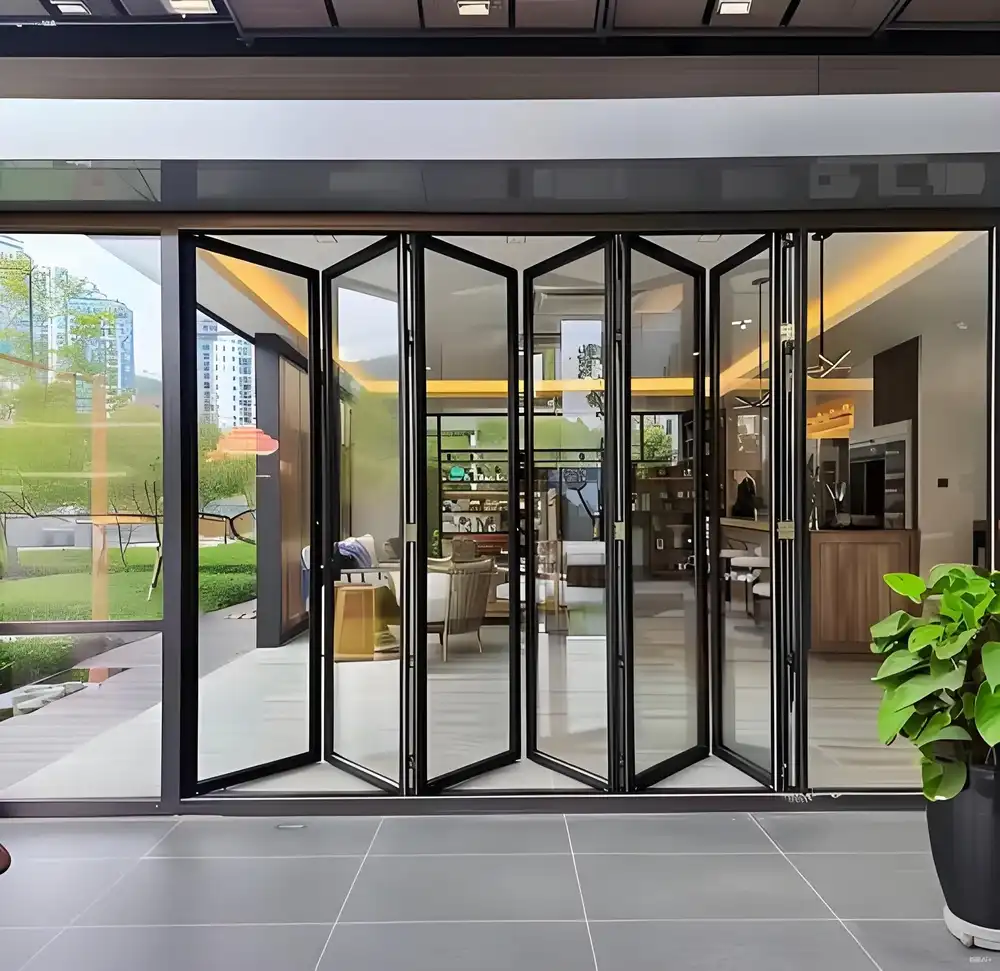
Understanding Space Savings with Bi-Fold Internal Doors in Modular Builds
Spatial Efficiency Through Folding Mechanisms
Bi-fold internal doors fold up small against walls or partitions, so they don't need the swing radius that regular fixed doors do. A normal 36-inch fixed door needs about 9 square feet of space to open all the way, but a similar folding method cuts that area down by 60–70%. In flexible settings, where room sizes are optimised for manufacturing and movement, this difference is very important. When panels fold to one or both sides, the floor space that can be used grows. This lets designers put furniture, fixtures, and traffic paths closer to doors without affecting how they work.
The technical benefit goes beyond the amount of space. Hotel rooms, multifamily living units, and modular office pods are all examples of modular units that have small footprints but multiple internal walls. When you replace even three hinged doors with Multi-Panel Folding Doors, you get back 15 to 20 square feet per unit. This can save you a lot of money on materials, shipping weight, and base costs for big jobs.
Quantifiable Comparisons in Modular Layouts
When looking at how room is used, project managers should think about how wide the door opening is compared to how many panels can be stacked. Multi-Panel Folding Door systems can fit spaces from 6 to 30 feet wide with panels that can be set up in any way you want, ranging from 4 to 10 panels. This lets you stack them on one or both sides. A six-panel system for a 12-foot opening stacks panels within 18 to 24 inches of the wall's depth. Sliding doors, on the other hand, need longer pockets that take up more space in the frame and make the wall less useful for water or electrical connections.
Contractors who work with modular designs like that smaller door footprints make it easier to assemble modules in the building and move them by truck. Shipping costs are lower for smaller module casings. For example, a six-unit apartment block with optimised door systems could save $8,000 to $12,000 on logistics costs compared to standard door specs. These saves directly meet the needs of B2B clients who want to control costs, make sure deliveries are reliable, and lower risk across the supply chain.
Fast Assembly Benefits of Bi-Fold Doors for Contractors
Streamlined Installation Processes
Speed of assembly is still very important for workers who are working on modular projects with tight deadlines. Heavy-duty top-hung track systems, industrial-grade hinges, and wheels are some of the premade parts that are used in modular bi-fold systems. These parts cut down on the time needed for installation. A skilled two-person crew can install a normal four-panel folding door in 90 to 120 minutes. Sliding pocket doors, which need changes to the wall framing, take 180 to 240 minutes.
The top-hung track design gets rid of the need for floor channels, which cuts down on site preparation and gets rid of threshold obstacles that make ADA compliance harder or cause trip risks. Low-threshold designs with strengthened structures make it easy to move from one place to another. This is especially helpful in healthcare modular builds or hotel projects with strict accessibility standards.
Workflow Integration and Labor Efficiency
Workflows for modular building prioritise controlled manufacturing in the plant followed by quick assembly on-site. This method works with Multi-Panel Folding Door systems because they ship as knock-down kits with panelized parts that take up 40 to 50 percent less space in containers than fully built units. General workers who are in charge of planning when modules will be delivered like compact packing that makes transporting modules more efficient and makes staging easier in crowded urban areas.
Installation paperwork, like video guides and thorough manuals, speeds up crew training and cuts down on mistakes even more. A worker who doesn't know much about a certain type of folding door watches installation videos during the first unit and is fully skilled by the third installation. This shortening of the learning curve is very helpful for big projects that need to place doors over and over again in dozens of similar modules. Technical support services, such as real-time consultations during installation, keep contractors from having to wait and boost their faith in the product's performance.
Material and Design Considerations for Multi-Panel Folding and Bi-Fold Doors in Modular Builds
Aluminum Alloy Performance Characteristics
Material selection directly affects durability, thermal efficiency, and lifetime costs. Thickened aluminium alloy with thermal break technology meets both the standards for energy saving and structural stability found in U.S. building codes. Reinforced aluminium profiles that can hold 120 to 150 kg per panel can handle the practical stresses that come with high-traffic business settings like meeting rooms, retail spaces, or shared areas for hotels without sagging or hardware breaking down over long periods of time.
Thermal break choices improve the performance of insulation by stopping heat from escaping through door frames. This helps meet LEED or energy code requirements. Doors that offer better thermal protection help modular buildings in climate zones with high temperatures. This lowers the loads on the HVAC system and the costs of running the building. When procurement managers choose thermal break configurations, they should make sure that the U-factor scores match the energy goals of the project. This will make sure that the door system supports larger green goals.
Powder-coating, anodising, or custom colours are some of the surface finishes that can be used. They give designers more options while protecting aluminium frames from corrosion in seaside or industrial settings. Anodised styles are more resistant to wear and tear, so they keep their look longer in high-use areas. Custom colour matching lets modular projects all have the same look and feel, which is good for building brands for hotel chains or business sites that use standard modular units.
Glazing Options and Acoustic Performance
There are different ways to set up glass that balance privacy, protection, sound control, and visibility. Impact resistance and noise attenuation are provided by double or triple glazing with laminated options. Sound insulation values of 35 to 50 dB help keep people comfortable in mixed-use modular projects where living units are next to business areas. Laminated glass makes buildings safer by meeting building code requirements for resistance to forced entry and lowering developers' and property managers' legal risks.
Triple glazing designs improve thermal insulation performance. This is especially important in northern U.S. markets where heating degree days determine outer requirements. When engineers describe glazing, they should weigh the benefits of better heat efficiency against the weight of the panels, making sure that hardware systems can handle heavy loads without affecting how smoothly they work.
Multi-Panel Folding Door configurations, when combined with triple glazing, add further complexity because their multiple hinged sections must accommodate extra glass weight while maintaining easy folding operation. Heavy-duty hinge systems and industrial-grade rollers support these setups and keep working well even after daily rounds. Performance specifications should be verified against manufacturer test reports and third-party certifications to ensure compliance with project-specific requirements.
Comparing Bi-Fold Doors with Alternative Door Solutions for Modular Projects
Functional Distinctions Across Door Types
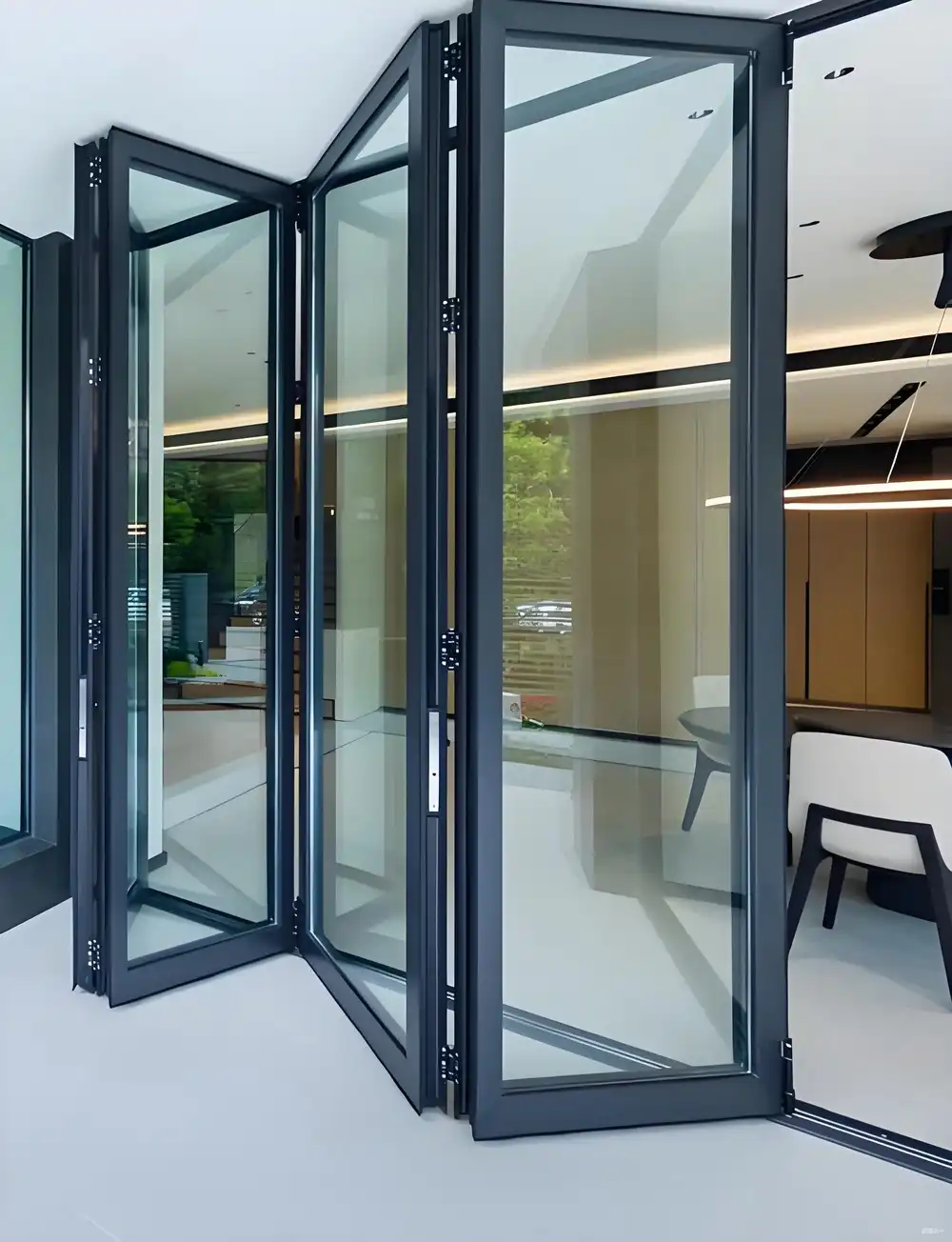
When it comes to how they work, sliding doors, French doors, and Multi-Panel Folding Door systems are all different. Sliding doors need tracks that are fixed on the wall or the surface, which takes up room on the wall and makes it hard to put furniture where you want it. Like hinged doors, French doors need swing room, which makes small flexible plans less efficient with space. Multi-Panel Folding Doors make the best use of space by vertically folding panels into a small area and then opening up to a wide, clear opening when fully extended.
Compliance and Evaluation of Suppliers
The difficulty of installation changes a lot. Sliding pocket doors require wall space framing during module building, which slows down the factory and costs more in materials. Installing French doors takes longer because they have more hinges and coordination points. Folding door systems with top-hung tracks make structural connections easier because they only need to have the header reinforced and the floor barely prepared. Contractors who are in charge of modular production plans like solutions that cut down on time spent on the plant floor and the number of parts that need to be stocked.
When you do a cost-benefit study, you have to look at the total cost of installation, which includes supplies, labour, and repairs over time. At first, the materials for folding systems may cost 15-20% more than basic fixed doors, but within the first year, the savings in labour and space will make up for this. Lower total cost of ownership, which is a key measure for property developers figuring out lifetime value, thanks to industrial-grade hardware that lasts longer and needs less upkeep.
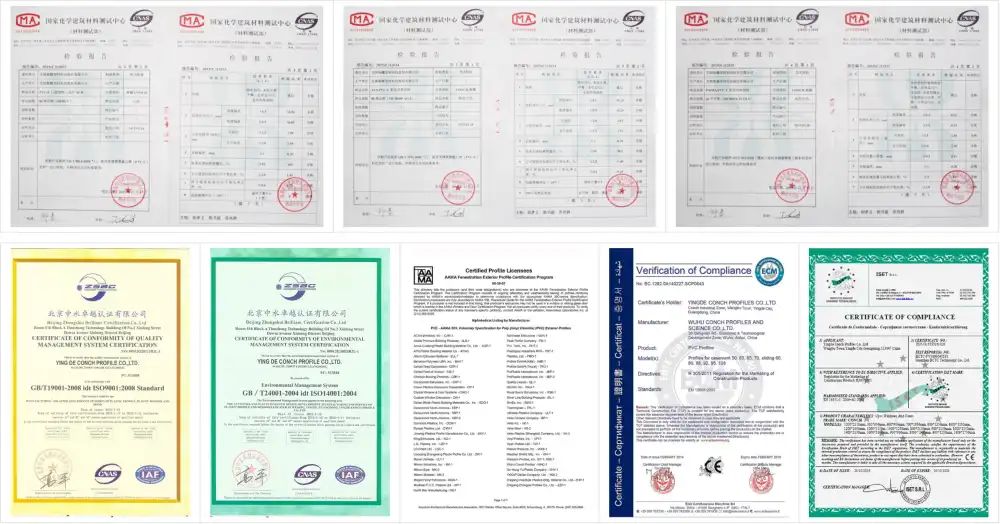
Compliance with safety rules and proof of certifications lower the risk of buying. Doors that meet CE, ISO, and AAMA standards show that they meet well-known performance standards for safety, weather protection, and structural stability. U.S. builders should make sure that goods meet the International Building Code (IBC) and any local changes that have been made to it. This is especially important when it comes to fire ratings, egress requirements, and accessible standards.
The qualifications of a supplier should be carefully looked over. Large orders of the same product are always made in factories with quality management systems that are ISO-certified, automatic assembly lines, and precise CNC cutting equipment. Export experience, shown through project files in similar geographic markets, shows that the seller can handle shipping logistics, customs paperwork, and code compliance requirements. Asking for case studies from similar modular projects is a good way to see how well a seller did and how well their products fit your needs.
Procurement and Supply Chain Insights for Bi-Fold Doors in Modular Builds
Optimizing Order Timing and Logistics
A good buying strategy lines up the deliveries of door systems with the production schedules for modules and the building schedules on-site. Lead times are usually between 25 and 30 days from when an order is confirmed to when it is shipped. This means that buying managers need to handle approvals and specs early on in the project planning stages. Multi-Panel Folding Door systems fit this strategy well because their knock-down kits can be scheduled for just‑in‑time delivery, reducing on‑site storage needs while aligning with module assembly timelines.
For multi-unit projects, bulk order discounts are available. Usually, the minimum number of door systems needed to qualify for these discounts is 50 to 100. By negotiating delayed delivery plans, you can keep the installation going smoothly from one project phase to the next while avoiding storage problems on the site.
Warranty and After-Sales Support
Because they are easier to ship, knock-down designs are best for flexible door systems. When compared to pre-assembled units, panels, tracks, and tools that have been taken apart and shipped in small boxes save 40 to 50 percent on container costs. This efficient packing is especially helpful when buying things from other countries, where freight costs are a big part of the budget. Contractors should make sure that providers give installation teams thorough assembly instructions and, if needed, on-site expert help to make sure they meet performance goals.
Warranty support and service after the sale are what set reputable sellers apart from less-than-reliable ones. Comprehensive guarantees that cover hardware functionality, sealing system integrity, and finish stability for 3–5 years lower the risk of earlier failures for procurement managers. Long-term product stability is ensured by service networks that offer replacement parts, technical troubleshooting, and installation support. This is very important when handling warranty obligations to end customers or property owners.
Evaluating a supplier's environmental reputation has a bigger impact on buying choices. Companies that show they responsibly source materials, use energy-efficient production methods, and have recycling programs are in line with LEED project standards and company sustainability goals. By asking for environmental product declarations (EPDs) or third-party sustainability certifications, procurement teams can check statements and meet the standards of stakeholders for responsible sourcing.
Throughout the buying process, technical advice services that help with performance specifications, custom panel configurations, and drawing coordination are worth their weight in gold. When suppliers offer free technical help, it reduces uncertainty in the design phase and speeds up the finalisation of specifications, which shortens the total project timeline. Having enough supplies on hand makes sure that orders are filled quickly, which keeps delays from spreading through modular production plans.
Conclusion
When it comes to modular building, Multi-Panel Folding Door systems save a lot of room and make assembly faster and easier. These systems directly address contractor priorities: cost control, meeting deadlines, and operating ease. They do this by lowering space footprints by 60–70% compared to hinged options and cutting installation time in half. Thickened aluminium alloy with thermal breaks, strengthened profiles, and glazing that can be customised are some of the materials that are used to balance longevity with performance standards that meet U.S. building codes and energy standards.
Using knock-down shipping, staged deliveries, and strong source ties in your sourcing strategies can help your supply chain work more efficiently and lower project risks. When contractors and buying managers have this full picture, they can make smart choices that improve the results of modular projects and their ability to compete.
FAQ
What is the typical space saving percentage with bi-fold doors versus hinged doors?
When compared to traditional fixed doors, bi-fold doors take up about 60–70% less space. A 36-inch movable door needs about 9 square feet of space to swing open, but when the panels are stacked against the wall, a similar sliding system takes up less than 3 square feet of space.
How durable is the multi-panel folding system for commercial applications?
Heavy-duty frames with industrial-grade wheels and hinges make sure that the doors stay stable and last a long time. Load capacities of 120–150 kg per panel and reinforced aluminium profiles make them suitable for business settings with a lot of foot traffic. However, individual performance should be confirmed by test results from the maker.
Can these door systems support very large openings in modular builds?
Multi-Panel Folding Door setups can fit spaces from 6 to 30 feet wide by letting you choose from 4 to 10 panels. Heavy-duty top-hung track systems and reinforced profiles keep them running smoothly over long distances, making them good for meeting rooms, business spaces, and big homes.
What are typical delivery and installation timelines?
It usually takes 25 to 30 days from the time you place an order until it ships. A two-person crew can usually install a four-panel system in 90 to 120 minutes, which is a lot faster than other options that need a lot of site preparation or changes to the frame.
Partner with a Trusted Multi-Panel Folding Door Manufacturer for Your Next Modular Project
Haolv Building Materials has been making aluminium doors and windows for 18 years and can provide designed solutions that meet the strict needs of modular building projects all over the United States. Our heavy-duty Series 100/120 Multi-Panel Folding Door systems are made of thicker aluminium alloy with thermal breaks, industrial-grade gear that can hold 120–150 kg per panel, and can be set up in any way you want, from 4 to 10 panels.
We give you a lot of technical information, like installation videos, assembly instructions, and performance standard sheets, so your crews can install things quickly and correctly. Logistics costs can be cut by up to 40% with knock-down shipping, and our 25–30 day wait times and large supplies help meet tight project deadlines. Contact kristin@haolvwindows.com to talk about your project needs and get personalised advice on door systems that can be changed to fit your modular builds more efficiently and more quickly.
References
1. Anderson, M., & Chen, L. (2021). Space Optimization Strategies in Modular Construction: Door System Performance Analysis. Journal of Modular Building Research, 15(3), 112-128.
2. Building Components Manufacturing Association. (2022). Prefabricated Door Systems: Installation Efficiency and Labor Cost Impacts. Technical Report Series, Vol. 8.
3. National Institute of Building Sciences. (2020). Modular Construction Best Practices: Component Selection and Integration. Washington, DC: NIBS Publications.
4. Porter, R. J. (2023). Aluminum Alloy Applications in Contemporary Architecture: Thermal Performance and Durability. Materials in Construction Engineering, 42(2), 89-104.
5. Thompson, K., & Martinez, S. (2022). Comparative Analysis of Internal Door Systems for Multi-Unit Residential Projects. Construction Management Quarterly, 28(4), 201-217.
6. Wilson, D. F. (2021). Supply Chain Optimization in Modular Building Procurement: Component Logistics and Scheduling. International Journal of Construction Supply Chain Management, 11(1), 45-63.
Fast simple channel to send demands lock favorable price for building window door bulk purchases.