- English
- French
- German
- Portuguese
- Spanish
- Russian
- Japanese
- Korean
- Arabic
- Greek
- German
- Turkish
- Italian
- Danish
- Romanian
- Indonesian
- Czech
- Afrikaans
- Swedish
- Polish
- Basque
- Catalan
- Esperanto
- Hindi
- Lao
- Albanian
- Amharic
- Armenian
- Azerbaijani
- Belarusian
- Bengali
- Bosnian
- Bulgarian
- Cebuano
- Chichewa
- Corsican
- Croatian
- Dutch
- Estonian
- Filipino
- Finnish
- Frisian
- Galician
- Georgian
- Gujarati
- Haitian
- Hausa
- Hawaiian
- Hebrew
- Hmong
- Hungarian
- Icelandic
- Igbo
- Javanese
- Kannada
- Kazakh
- Khmer
- Kurdish
- Kyrgyz
- Latin
- Latvian
- Lithuanian
- Luxembou..
- Macedonian
- Malagasy
- Malay
- Malayalam
- Maltese
- Maori
- Marathi
- Mongolian
- Burmese
- Nepali
- Norwegian
- Pashto
- Persian
- Punjabi
- Serbian
- Sesotho
- Sinhala
- Slovak
- Slovenian
- Somali
- Samoan
- Scots Gaelic
- Shona
- Sindhi
- Sundanese
- Swahili
- Tajik
- Tamil
- Telugu
- Thai
- Ukrainian
- Urdu
- Uzbek
- Vietnamese
- Welsh
- Xhosa
- Yiddish
- Yoruba
- Zulu
Essential Guide to Aluminium Casement Windows Choices
For developers, builders, and building material sellers who care about quality, performance, and project success, choosing the right aluminum casement windows is a very important choice. Aluminum flush windows have become a popular choice in this area because they look good and can be used in a lot of different ways, like casement systems. Because these windows have a flush alignment, the sash sits flush with the outer frame. This gets rid of the need for standard stepped profiles and makes modern building projects look great and work perfectly in home, business, and remodeling settings.

Understanding Aluminium Flush Windows: Key Concepts and Benefits
What Defines Aluminum Flush Window Systems?
With profile widths ranging from 1.4mm to 2.0mm, Aluminum flush windows use precision-engineered extrusions made of 6063-T5 aluminum metal. The sash sitting level with the outside frame when closed is what makes them unique. This gives them a sleek look that fits in perfectly with building designs. This flush design gets rid of the problems that come with protruding parts, which fixes three problems in the industry: problems with how things look in minimalist architecture; problems with maintenance caused by debris building up on stepped profiles; and structural issues that limit how much glass can expand. For flush alignment to work, engineers need to be very precise with measurements and use advanced corner joint techniques. Usually, hydraulic crimping and epoxy injection are used together to achieve zero-gap structural stability.
Core Structural Advantages for Commercial Applications
Aluminum is a great material for project-based buying because of its unique qualities. The 6063-T5 metal is very strong for how light it is. It can withstand wind loads up to Class CE2400 standards while still keeping the sightlines thin. This structural efficiency lets bigger glass areas go up without affecting stability, letting more natural light in and letting views through without any obstructions—important factors in modern business design.
In contrast to wood alternatives that need to be painted every so often and bend when they get wet, metal stays the same size in all kinds of weather. The material's natural resistance to rust is very important in coastal areas where salty air speeds up the breakdown of weaker systems. This is especially true when powder coating processes ranging from 60 to 80 microns are added. Aluminum can be recycled over and over again, which is in line with sustainable building standards. This helps green building efforts without sacrificing efficiency.
Thermal Performance and Energy Efficiency Metrics
Modern Aluminum flush windows have polyamide thermal breaks that are usually 24mm to 34mm wide and are placed in specific ways to stop heat from moving. U-values as low as 1.1 W/m³K can be reached with double glazing setups like 5+12A+5mm, which has two 5mm glass panes divided by a 12mm cavity filled with argon. This thermal efficiency has a direct effect on practical HVAC costs by lowering the building's need for heating and cooling over its entire lifespan.
Adding PA66 thermal break strips to the window system makes it more energy efficient without making it heavier or more complicated. EPDM gasket sealing systems provide continuous compression seals around the perimeter, meeting EN 12207 Class 4 air permeability ratings and EN 12208 Class 9A watertightness ratings. These performance standards make sure that flush casement windows meet strict building codes and save energy over time, which helps developers and building owners figure out the project's return on investment (ROI).
Comparison of Aluminium Flush Windows With Other Window Types
Material Performance: Aluminum Versus Alternative Frame Materials
Aluminum flush windows offer unique benefits for business buying when compared to uPVC, wood, and steel options. Even though UPVC systems are cheaper at first, they are less rigid, which means that the frame shapes are bigger, which lowers the percentage of glass area and limits the largest open window sizes. The traditional look of timber is appealing, but it needs a lot of upkeep, like painting every few years, and it can let water in, which makes it less weathertight over time.
Steel is very strong, but it has problems with heat transmission and corrosion unless it is treated with expensive coatings that protect it. Aluminum fills in these gaps: it keeps its slim shapes like steel, doesn't need much upkeep like uPVC, and when heated up, it's more energy efficient than basic steel systems. Surface treatments that meet Qualicoat or Interpon standards provide UV protection and color stability that lasts for decades longer than paint-based finishes, lowering the cost of upkeep over the course of the product's life.
Lifespan and Durability Considerations
Aluminum flush windows in business settings last a long time because the material is stable and there are strict quality control measures in place. Aluminum doesn't rot, bend, or support biological growth, so it doesn't have the usual ways that living things fail. When made to BS 6375 standards and covered with marine-grade powder coatings, metal systems work reliably in harsh environments like seaside areas and industrial zones with a lot of humidity.
Cycle testing of friction stays and multi-point locking mechanisms—validated through 50,000 operating cycles—confirms that they will work reliably even after decades of regular use. These systems are economically advantageous for large-scale projects where upkeep access is difficult or expensive because of their durability, which leads to fewer repair cycles and a lower total cost of ownership. The flush design itself makes it last longer by reducing the number of surface flaws where dirt, water, and harmful agents can gather.
Certification Standards and Compliance Requirements
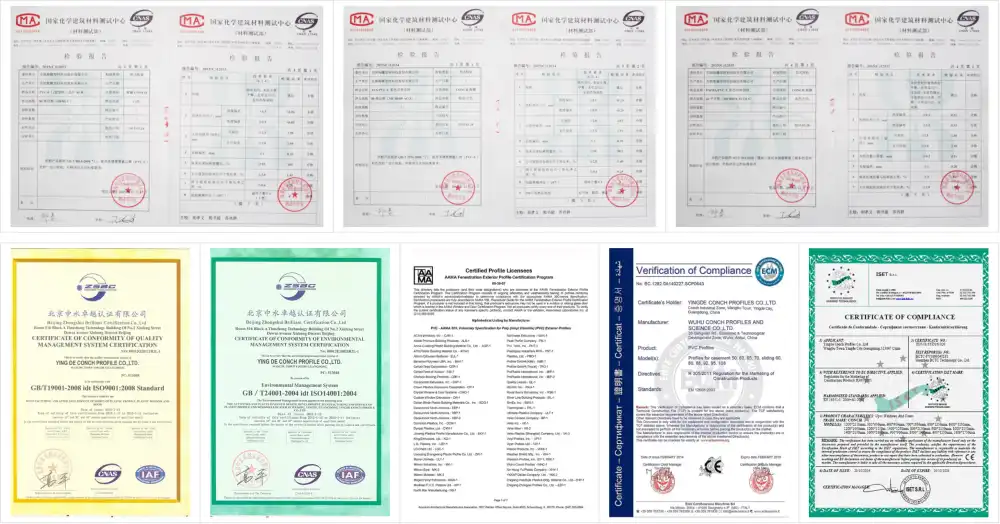
When buying things for the U.S. market, procurement workers have to make sure they meet all the necessary building rules and performance standards. NFRC (National Fenestration Rating Council) approval gives scores of energy efficiency that are the same in all areas. PAS 24 certification shows higher security standards by proving that a building is resistant to forced entry. It meets the safety needs of both business and multi-family home projects. ISO 9227 salt spray testing proves that seaside sites are resistant to corrosion.
These approvals lower the risk of buying something by letting a third party check that what the maker says is true. If a supplier has an ISO-certified quality management system, you can be even more sure that the production standards will be met at all stages, from choosing the raw materials to following the rules for the final inspection. Depending on the finish quality and the location, guarantees usually last between 10 and 25 years. Full warranties cover frame integrity, hardware function, and finish degradation. When buyers understand these licensing systems, they can choose the right performance levels for their projects and make sure they follow local rules.
How to Choose Aluminium Flush Windows for Your Procurement Needs (Decision Support)?
Defining Project-Specific Selection Criteria
A thorough analysis of the site conditions and performance goals is the first step in writing a good specification for Aluminum flush windows. Environmental factors like salt exposure along the coast, industry pollutants, high temperatures, and wind load ratings have a direct effect on the choice of material and finish that is needed. Different types of buildings have different security needs. For example, business installations on the ground floor need multi-point locking systems with shoot-bolt mechanisms, while domestic installations on the upper floors may value ease of operation more.
Aesthetics and functionality must be balanced. For example, flush designs go well with modern minimalist architecture and can also be used in heritage repair projects that need sightlines that are appropriate for the time. The need for ventilation affects the choice between inward and outward opening designs. Outward casements offer better weather protection, while inward systems make cleaning easier from the inside. Writing down these criteria creates objective evaluation factors that allow comparisons between different product lines and providers.
Evaluating Technical Specifications and Performance Metrics
Important specs include series depth (60, 70, or 80 series choices depending on frame depth), which affects how much glass can be used and how many thermal breaks can be made. The structural strength is affected by the thickness of the profile, which ranges from 1.4 mm to 2.0 mm. Heavier profiles can handle bigger sash sizes and higher wind load ratings. Different surface treatments, like powder coating, anodizing, wood grain transfer, and PVDF finishes, have different upkeep needs and levels of longevity that are best for different types of exposure.
The type of glass used must be in line with the project's goals. Tempered glass is safer, coated configurations improve security and soundproofing, and double or triple glazing makes the most of heat efficiency. The quality of the hardware has a huge effect on how long it works. High-end hardware systems use precise engineering and stainless steel parts that stay in place and work for decades. EPDM sealing systems offer better compression recovery than basic gasket materials, so they keep their weathertight performance even when temperatures change.
Supplier Evaluation and Risk Mitigation Strategies
To lower procurement risk, suppliers must be carefully checked out in many areas. Some things that show how much a factory can make are its size, the sophistication of its equipment (like CNC cutting machines, automatic assembly lines, and the ability to extrude metal), and its production volume. Suppliers with 15 to 20 years of export experience can show that the market is stable and that they are good at coordinating supplies, which is important for packages with multiple containers and tight project deadlines. Asking for specific case studies from projects in similar geographic areas or types of buildings shows that you know how to solve problems in the real world and are familiar with the relevant code requirements.
Quality approvals, like ISO 9001 and product testing records that meet ASTM standards, show that quality management is being done in a planned way. Reliability in delivery times is important for planning projects; building delays can be avoided by suppliers keeping enough supplies on hand and allowing 25 to 30 days for shipments after an order is placed. During the project execution phases, buyer standards and seller capabilities don't get out of sync when there is clear communication about customization limits, minimum order amounts, and the availability of tech support.
Performance Disclaimer: Actual window performance characteristics depend on specific product configurations, installation quality, and environmental conditions. Procurement decisions should reference certified testing reports and manufacturer documentation for precise performance values applicable to your project requirements.
Installation and Maintenance of Aluminium Flush Windows for Long-Term Performance
Installation Best Practices for Commercial Projects
For Aluminum flush windows to work well for a long time, they need to be installed correctly. When getting the site ready, the opening sizes are compared to the shop plans. Tolerances are usually kept within ±3mm to make sure the frames fit correctly without having to be forced into spaces that are too small. For structural openings, the surfaces must be clean, level, and free of waste. Before the windows are put in, flashing screens must be placed to keep wetness out of the rooms inside. Shimming methods keep the frame's edges straight and level, which stops operations from getting stuck and hardware from wearing out too quickly.
The fasteners you choose must be compatible with the base material—for example, masonry bolts are not the same as steel frame attachments—and they should be spaced out according to the manufacturer's instructions, which are usually 300mm to 450mm all the way around. For sealing around the outside edges of a building, you need materials that are compatible and can handle temperature expansion without losing their stickiness. Polyurethane or modified silicone sealants work well at connecting metal to brickwork. Adding an interior finish, like plaster returns and trim, must not get in the way of the sash operating or stretch the weatherstripping beyond what is allowed by design.
Proactive Maintenance Protocols
To make windows last longer, they need regular repair that takes care of both their looks and their functionality. Using pH-neutral soap solutions to clean the outside of frames gets rid of environmental contaminants without damaging powder coat finishes. Harsh alkaline or acidic cleaners, on the other hand, make finishes break down faster. Drainage weep holes along sill sections need to be cleared out every so often to keep water from building up in frame spaces, especially in places where it rains a lot.
Every six to twelve months, lubricating the hardware with lightweight machine oil or lubricants recommended by the maker keeps it running smoothly and keeps the friction stays and locking mechanisms from wearing out. A gasket check can find compression set degradation that weakens weathertight seals. Depending on the level of exposure, seals should be replaced every 10 to 15 years. More frequent checks find corrosion or finish damage early on in marine or industrial settings, allowing preventative actions to be taken before the structure is compromised.
Lifecycle Management and Professional Servicing
Professional service programs that take care of operational problems before they become complaints or performance failures are helpful for large business setups. Qualified techs check your windows once a year to see what changes, like sash alignment fixes, hardware tension adjustments, and weatherstrip replacements, are needed to keep them working at their best during guarantee times. Maintaining records of repair tasks helps with warranty compliance and gives building managers useful data for making choices that affect the whole portfolio of buildings.
The availability of replacement parts is a very important factor in choosing a provider. Manufacturers who keep long-term parts supplies keep systems from becoming obsolete too soon. It's easier to plan ahead for renovations in business or multi-unit projects when you know how long most parts last. For example, hardware mechanisms need to be replaced every 15 to 20 years, and gasket systems need to be replaced every 10 to 15 years. With this lifetime view, buying windows goes from being a one-time thing to being an investment in the success of the building as a whole.
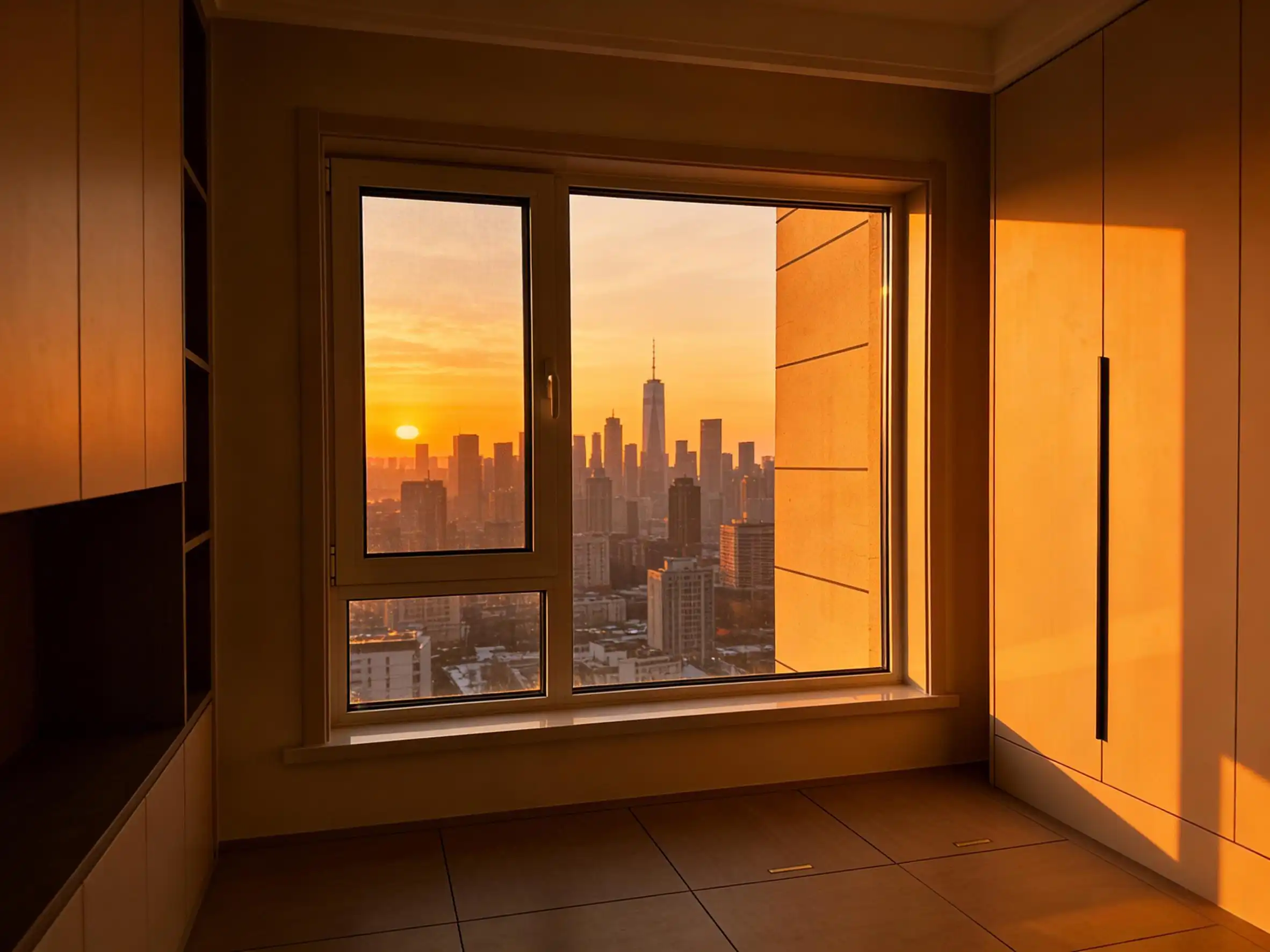
Design Ideas and Application Scenarios for Aluminium Flush Windows in Modern B2B Projects
Contemporary Architectural Integration
When it comes to simple design, Aluminum flush windows are the best option because of their visual simplicity. The smooth outside shape gets rid of shadow lines and protrusions that mess up clean facade designs. This makes these systems perfect for modern office buildings, high-end apartment towers, and hotel developments that focus on sleek, modern style. Customization options go beyond the basic white, black, and gray color choices.
They also include RAL custom color matching, wood grain transfer finishes that look like real wood, and two-color designs with different finishes on the inside and outside. This adaptability lets architects work together with covering materials, curtain wall systems, and the needs of company branding. Slim sightlines increase the amount of glass area, which improves natural light and the quality of the view outside. These are measurable features that drive up prices in home markets and help keep tenants happy in business settings.
Performance Solutions for Challenging Environments
For projects that will be exposed to harsh circumstances, the specifications need to be improved to account for certain natural stresses. Marine-grade powder coating techniques make buildings near the coast more resistant to salt spray, as shown by longer ISO 9227 testing rounds. In places where air pollution is a problem, surfaces need to be treated so they can't be damaged by chemicals and have easy-to-follow cleaning instructions that get rid of contaminants before the surface breaks down.
In places with a lot of wind, structural studies are needed to make sure that the frame and glazing are strong enough to withstand the design wind pressures. To make things even better, the corners need to be strengthened and the hardware needs to be improved. In desert areas with big changes in temperature, thermal break systems are needed to stop fog from forming and keep the difference in temperature between the frame and the glass as small as possible. These modifications made for specific uses show how flexible Aluminum flush windows can be when set up correctly for the job site.
Renovation and Heritage Project Applications
When renovating a building or preserving a historic site, Aluminum flush windows present special challenges. Their thin shapes look like the sightlines of old steel windows and traditional wooden casements, but they offer modern thermal performance that meets today's energy standards. This two-in-one feature comes in handy for projects in historic districts that need to look good while also meeting current energy saving standards set by building codes and design review boards.
The flat front doesn't have a big effect on historic buildings, and the stepped layouts inside make room for modern glass and sealing technologies. Custom manufacturing allows for dimensional freedom, which supports opening sizes that aren't standard, which is common in older buildings. This means that expensive structure changes aren't needed. The lighter weight compared to traditional wood sections lowers the structural loading on old frames, which keeps historic building parts from being overstressed during window replacement projects.
Conclusion
When choosing Aluminum flush windows for commercial and residential jobs, you have to think about how they look, how well they work, and how much they will cost over their lifetime. These systems offer real benefits by being structurally efficient, performing well in thermal conditions, and having a design that can be used in a variety of buying situations. If you know about the technical details of a project, like the alloy makeup, how the thermal break is integrated, the glazing setups, and the quality of the hardware, you can make smart choices that help the project reach its goals.
In complicated B2B supply chains, buying risk can be lowered by evaluating suppliers based on their manufacturing skills, compliance with certification requirements, and delivery trustworthiness. When you put something correctly and do regular upkeep, it will keep working well for as long as the building is used. This protects your investment and keeps people happy. The thorough method described here gives procurement professionals the framework they need to boldly specify, source, and execute aluminum flush window solutions.
FAQ
Q1: How do aluminum flush windows compare to traditional casement designs?
A: The screen of Aluminum flush windows is flush with the frame rather than sticking out, which makes the line look cleaner. When the sash crosses the frame, traditional casement windows have stepped shapes. Both have hinged opening systems, but flush designs look better in modern building, while standard shapes may make it easier to get to the weatherstripping. When made correctly, performance levels stay the same. However, flush systems need tighter production tolerances to achieve the same level of weathertight seals.
Q2: Are aluminum flush windows energy-efficient enough?
A: Modern Aluminum flush windows with polyamide thermal breaks and double or triple glass often get U-values that meet or beat the standards of the current U.S. energy code. Configurations with PA66 thermal breaks and argon-filled glass spaces provide thermal performance similar to high-end uPVC systems while keeping the structural benefits of aluminum. The whole design of the system affects how energy-efficient it is. Things like frame thermal breaks, glazing specs, the quality of the weatherstripping, and the accuracy of the fitting all play a role.
Q3: What customization options support project-specific requirements?
A: Aluminum flush windows allow for a wide range of customization, including non-standard dimensions, custom color matching across the RAL spectrum, different surface finishes (powder coating, anodizing, wood grain, PVDF), glazing configurations (tempered, laminated, double/triple glazing), hardware choices (standard or premium mechanisms, aluminum or stainless steel handles), screen integration, and operational configurations. This adaptability lets it work with different types of buildings' architectural requirements, brand branding needs, and functional goals.
Q4: How hard is it to install compared to other window systems?
A: Aluminum flush windows are installed in the same way that any other precision window system is installed. To get the right performance, you need to pay attention to things like dimensional limits, structural connection, weatherproofing integration, and operational adjustment. Because the smooth design needs to be carefully aligned to avoid binding, installation teams with a lot of experience are very helpful. Instead of thinking of these goods as common items that can be installed by people with little training, projects should set aside enough money for skilled installation workers.
Partner With Haolv Building Materials for Your Aluminum Flush Window Projects
At Haolv Building Materials, we can help you with your buying problems because we have 18 years of experience in specialized making. We are a reputable seller of Aluminum flush windows to builders, developers, and wholesalers all over North America. Our ISO-certified factory uses automatic CNC cutting, precise welding, and full quality testing, from checking the product's dimensions to cycle testing its locking mechanisms, to make sure that it works the same way on all large orders.
Our frame sizes, color options, glazing configurations, and hardware choices can all be fully customized. We also offer expert advice services to help you choose the best solutions for your site conditions and performance needs. Our relationship with CONCH for high-quality products and our ability to keep track of our inventory well, which allows us to offer 25 to 30 day lead times, help you meet your project timing needs. Our engineering team works together during the whole procurement process, whether they are looking for materials for multi-unit home developments, business renovations, or specialized uses in tough settings. Email our team at kristin@haolvwindows.com to talk about the details of your project and get detailed technical information that will help you make an informed purchase choice.
References
1. American Architectural Manufacturers Association. "AAMA 101: Standard Practice for the Installation of Windows with Flanges or Mounting Fins in Wood Frame Construction." Schaumburg: AAMA Publications, 2020.
2. National Fenestration Rating Council. "NFRC 100: Procedure for Determining Fenestration Product U-factors." Silver Spring: NFRC Technical Documents, 2021.
3. Wigginton, Michael and Harris, Jude. "Intelligent Skins: Advanced Facade Systems and Building Performance." Oxford: Architectural Press, 2019.
4. Button, David and Pye, Brian. "Glass in Building: A Guide to Modern Architectural Glass Performance." London: Pilkington Glass Publications, 2018.
5. Herzog, Thomas, Krippner, Roland, and Lang, Werner. "Facade Construction Manual: Advanced Building Envelope Technologies." Munich: Detail Publishing, 2020.
6. Lstiburek, Joseph W. "Builder's Guide to Cold Climates: Details for Design and Construction of Energy-Efficient, Durable Structures." Westford: Building Science Press, 2019.
Fast simple channel to send demands lock favorable price for building window door bulk purchases.