- English
- French
- German
- Portuguese
- Spanish
- Russian
- Japanese
- Korean
- Arabic
- Greek
- German
- Turkish
- Italian
- Danish
- Romanian
- Indonesian
- Czech
- Afrikaans
- Swedish
- Polish
- Basque
- Catalan
- Esperanto
- Hindi
- Lao
- Albanian
- Amharic
- Armenian
- Azerbaijani
- Belarusian
- Bengali
- Bosnian
- Bulgarian
- Cebuano
- Chichewa
- Corsican
- Croatian
- Dutch
- Estonian
- Filipino
- Finnish
- Frisian
- Galician
- Georgian
- Gujarati
- Haitian
- Hausa
- Hawaiian
- Hebrew
- Hmong
- Hungarian
- Icelandic
- Igbo
- Javanese
- Kannada
- Kazakh
- Khmer
- Kurdish
- Kyrgyz
- Latin
- Latvian
- Lithuanian
- Luxembou..
- Macedonian
- Malagasy
- Malay
- Malayalam
- Maltese
- Maori
- Marathi
- Mongolian
- Burmese
- Nepali
- Norwegian
- Pashto
- Persian
- Punjabi
- Serbian
- Sesotho
- Sinhala
- Slovak
- Slovenian
- Somali
- Samoan
- Scots Gaelic
- Shona
- Sindhi
- Sundanese
- Swahili
- Tajik
- Tamil
- Telugu
- Thai
- Ukrainian
- Urdu
- Uzbek
- Vietnamese
- Welsh
- Xhosa
- Yiddish
- Yoruba
- Zulu
UPVC Sliding Windows Buying Guide: How to Choose the Perfect Design
When building a business, picking the right fenestration system can make or break the project's schedule and budget. Two Track UPVC Sliding Windows are a well-thought-out option that combines low cost with good functionality. They are perfect for projects that need to keep costs down while still managing heat and air flow. These two-rail systems let horizontal panels move within a small space, which is useful for high-density projects that are short on room. The multi-chambered profiles and steel reinforcements keep the structure strong. Contractors and buying managers can choose windows that meet both short-term project needs and long-term performance goals by learning about their technical specs, operational benefits, and sourcing issues.
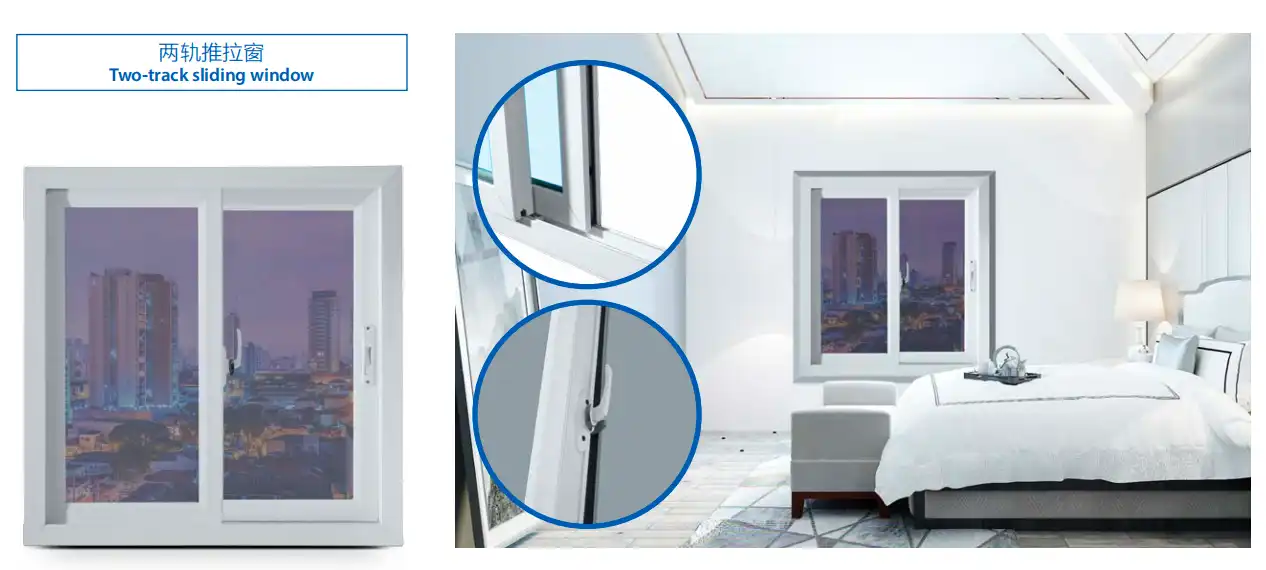
Understanding Two Track UPVC Sliding Windows: Features and Benefits
Parallel tracking devices that move two separate sashes along stainless steel tracks make up the main structure of these systems. This design gets rid of the space needs of swing-out casement windows while still allowing 50% of the window to be opened for natural air. This is an important thing to think about in apartment buildings and rental properties where optimizing space has a direct effect on unit density and revenue.
Multi-Chambered Profile Construction
Modern UPVC profiles have three to five air pockets inside them that stop heat from crossing. The walls of our Series 70 and 80 systems are 2.0 mm to 2.8 mm thick, which meets Class A construction standards set by ISO 9001 rules. Galvanized steel supports built into these spaces give the panels the strength they need to be bigger without lowering their insulation values. Titanium dioxide stabilizers give the material a natural resistance to UV breakdown. This keeps the structure and color integrity in all kinds of climates, from humid coastal areas to dry desert sites.
Operational Efficiency Through Engineering
Precision-made rollers placed on tracks that won't rust make up the sliding system. When compared to standard sash weights, this design lowers the operational force. It also keeps the movement smooth even when the panel weight is over 80 kg. Brush closing strips around the edges of the tracks stop dust and water from getting in, which is especially important in places that often get storms. Weep holes placed every few sills let water drain out, which stops frame rot problems that happen when systems aren't properly sealed. Thermal efficiency measurements show that double glazing setups have U-values between 1.8 and 2.2 W/m²K. Most sound attenuation qualities reduce noise by 25 to 30 decibels, which is good for residential areas near mild traffic areas but not good enough for high-noise industrial areas that need special sound treatments. Because of these efficiency traits, Two Track UPVC Sliding Windows are more suitable for normal building projects than for high-end architectural needs.
Comparing Two Track UPVC Sliding Windows with Other Window Types
Choice of material has a big effect on repair cycles and prices over the life of the product. Aluminum frames lose heat about 1,000 times faster than UPVC frames, so they need thermal breaks that add 15–20% to the cost of the materials. Wooden frames need to be treated every two years to keep them from getting damaged by water and bugs, which means they cost more in work than polymer systems. UPVC's dimensional stability across temperature fluctuations prevents the operational binding common in metal frames during seasonal expansion cycles.
Track Configuration Trade-Offs
Three-track systems have lines just for mosquito screens, which add 30–40 mm to the overall frame width. This extra track uses more materials and makes installation more difficult, but it improves usefulness in places where controlling insects is worth the cost. Two Track UPVC Sliding Windows give up the choice of an integrated screen for thinner shapes that work better with thin walls when retrofitting. The choice between configurations depends on whether or not separate screen setups are still possible within the price and space limitations of the project. Casement windows are better at closing because they have compression gaskets that connect around the whole edge when the window is closed. However, their outward swing demands clearance zones impractical in high-rise applications or properties with narrow exterior pathways. Sliding systems keep the same footprints no matter what state they are in, which lets you put furniture right next to window walls, which is useful in small homes where room is limited.
Performance Benchmarking
Standard Two Track UPVC Sliding Windows can handle low-rise buildings up to three stories tall, and their wind resistance rates are good for pressure differences of about 1.5 kPa. When projects go beyond these limits, they need either more advanced strengthening plans or different types of fenestration. Multi-point locking mechanisms engage at central meeting rails to provide security, and internal glazing beads stop removal of the external glass. While standard specs are fine for homes, business setups that store valuable goods may need laminated glass or extra locking hardware on top of that. Note that exact performance measures rely on the profile series, the type of glazing, and the quality of the fitting. For project-critical details, you should always look at verified test results.
Key Decision Criteria for Selecting the Right Two Track UPVC Sliding Window
For the project to be successful, the window standards must be matched to the practical needs, and the choice must not be based only on unit cost. Based on the climate, it is decided if single glazing is enough or if double-pane insulated glass units are needed to meet energy codes. In ASHRAE Climate Zones 5–8, buildings must have maximum U-values of 1.8 W/m²K, which can only be reached with dual-pane systems that have low-emissivity surfaces.
Material Quality Indicators
Profile wall thickness is directly related to how long a structure will last when temperatures change many times. Specifications below 2.0mm could break in high-temperature settings, while walls 2.5mm+ allow for decades of cycles of expansion and contraction. The gauge of the reinforcement is also important. Minimum standards call for 1.2 mm galvanized steel, but 1.5 mm pieces are better at resisting bending in panels wider than 1.5 meters. Surface treatments range from plain white extrusions to wood-grain laminates that look like real wood. Premium finishes raise the cost of materials by 8–12%.
When choosing glazing, you have to weigh the need for openness against the need to control heat. Single-pane glass lets 85% of sun energy through, which is good in climates that need to heat up but bad in climates that need to cool down. With 12 mm air holes between the panes of glass, double glazing cuts solar heat gain by 30–40% while keeping visible light transfer above 70%. For projects that want to get LEED approval or similar green standards, low-E coatings that reflect infrared wavelengths are often required. These coatings make heat performance even better by 15–20% compared to normal assemblies.
Supplier Evaluation Metrics
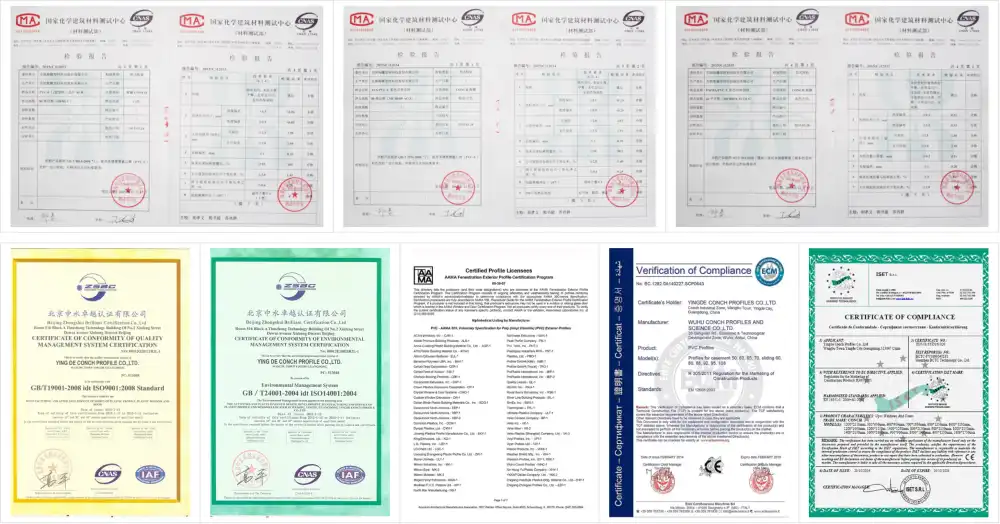
The ability to manufacture a Two Track UPVC Sliding Window determines whether unique sizes can still be met within the time frame of the project. CNC cutting stations and automatic welding lines allow for tighter tolerances than human production settings, which cuts down on the amount of work that needs to be done to make adjustments on-site. Regional compliance marks, like CE marking for European exports and AAMA standards for North American markets, should be included in certification files along with ISO 9001 quality management paperwork. Lead times for suppliers are usually 25 to 35 days from the time an order is confirmed until the container is loaded. However, custom color finishes or gear that isn't standard may add two weeks to the time it takes.
Quality assurance rules say that investigations should be done when a provider is being vetted. Reputable makers test each group to see how strong the material is, how well the glazing seals work, and how long the hardware lasts during cycles. Instead of depending only on marketing materials, ask for copies of test results that show the product meets the performance standards that were advertised. Site visits to factories let people see how they make things and how they keep track of their stock, which affects how reliable their deliveries are.
How to Source and Procure Two Track UPVC Sliding Windows for B2B Clients?
Besides unit price, procurement strategy affects the total cost of the project. Container consolidation lets you mix window sizes within a single package, which lowers your freight costs when you're ordering for projects with more than one building. Different manufacturers have different minimum order amounts. Some need full container loads, which are about 800 to 1,200 units based on size, while others will accept partial shipments at higher freight rates. Cash flow is protected during long manufacturing periods by negotiating payment terms that combine the need for a fee with delivery goals.
Verification and Risk Mitigation
Beyond what is said on the website, supplier references need to be checked out. Before agreeing to big orders, third-party inspection services can check the factory's production capacity, the state of its equipment, and how well quality control is being used. Getting trade references from past clients in similar markets can help you figure out how to communicate and solve problems when they come up. To avoid disagreements during getting checks, the terms of the contract should clearly state acceptable finish quality standards, dimensional tolerances, and how to fix packages that don't meet these standards.
Customization makes producers who compete on specs rather than just price stand out. Engineered-to-order services from providers are helpful for projects that need curved wall parts or openings that aren't the standard size. Giving architectural models during the quotation process makes sure that the costs of materials are correct and finds any problems that might arise between the design purpose and the limitations of the manufacturing process before production starts. Providing technical help during the development of specifications, such as figuring out when reinforcements are needed for panels that are too big or suggesting hardware upgrades for high-traffic areas, adds value beyond just supplying Two Track UPVC Sliding Windows.
Logistics Coordination
International procurement of Two Track UPVC Sliding Window adds factors that aren't present in local purchase. Incoterms spell out who is responsible for sending insurance, clearing customs, and getting goods from ports to job sites in other countries. FOB prices put the transportation load on buyers, while DDP (Delivered Duty Paid) terms put these duties on suppliers, but at a higher cost per unit. Even though DDP plans cost more, they are often better for projects that don't have their own import experts because they avoid customs delays that cause building schedule problems. Strategies for warehousing rely on how the installations need to be done in stages. If you store full shipments on-site, they could get damaged by weather or stolen. Just-in-time delivery sequences lower the need for storage but make it harder to change the plan if installation teams run into delays. Delivering initial amounts during the early stages of building while storing the rest of the inventory at safe sites is one way to find a balance between accessibility and security needs.
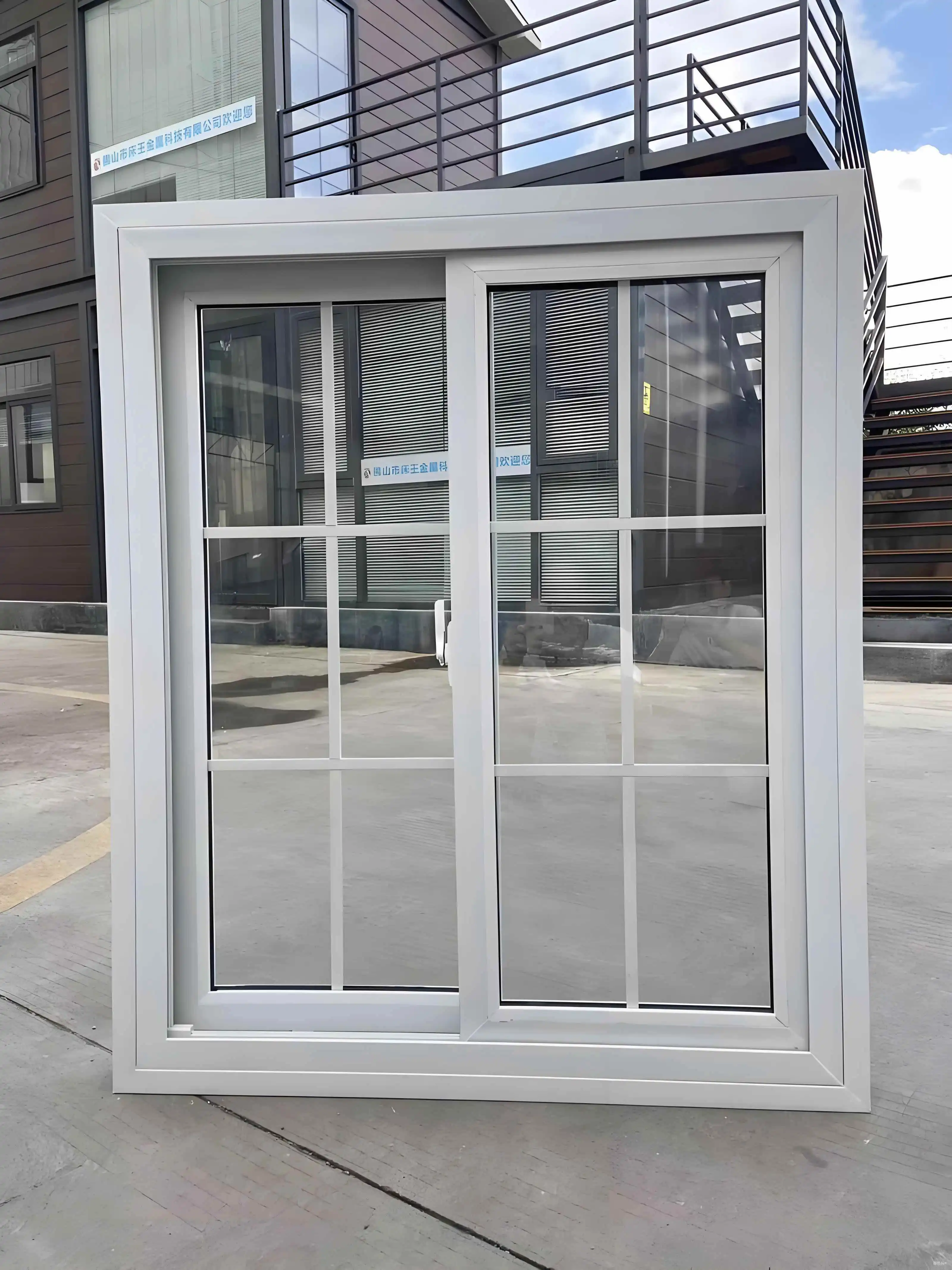
Installation, Maintenance, and Troubleshooting Guide
If windows meet their stated performance standards, it depends on how well they were installed. The first step in getting the site ready is to compare the rough hole measurements to the shop plans to make sure there is enough space for shimming and putting in insulation. Tolerances for frame squareness within 2 mm stop operations from getting stuck and seals from wearing out too quickly. Anchoring methods must be able to pass wind loads to structural members without crushing UPVC profiles. For example, using backing plates instead of point-loading screws straight into chambers spreads fastener pressures over a larger surface area.
Sealing and Weatherproofing
Low-expansion foam insulation that fills gaps without distorting shapes is needed for rough holes and gaps around the edges of frames. High-expansion foams create enough internal pressure to bend frames, which causes alignment problems that make rolling less effective. External sealant beads along trim surfaces should be made of UV-stable polyurethane or silicone formulas that keep their flexibility even when the temperature changes with the seasons. When you choose the wrong caulk, it can cause cracks that let water get behind covering systems. Installing glazing follows a set of steps that make sure the pressure is the same around the edges of the glass. Setting blocks at quarter points keep edge stress from building up, and 3–5 mm of space around the edges allow for heat expansion without letting the glass touch the metal. Glazing beads fit into channels with controlled force. If they are hit too hard, the profile could crack, and if they aren't engaged enough, the beads could come loose in the wind.
Routine Care Protocols
Track upkeep includes cleaning every three months to get rid of dirt that builds up and gets in the way of the rollers moving. Abrasive particles won't scratch rail surfaces if you vacuum the lines first and then wipe them down with damp cloths. When used rarely, silicone-based lubricants keep roller axles running smoothly without causing the dust buildup that happens with petroleum-based goods. Drainage weep holes need to be checked once a year to make sure they don't get clogged, because clogged holes cause water to pool, which speeds up the wear and tear on the seal.
The state of the gasket has a direct effect on how much air gets in and how well it keeps heat in. Every year, checks should find compression sets whose seals don't return fully, which means they need to be replaced. Most gasket systems use friction-fit profiles that can be taken off without any tools. This lets maintenance workers change them during regular service visits. Hardware changes fix any settlement or small frame movement, and the locking mechanism's alignment is checked every six months to make sure it's fully engaged, which stops anyone from getting in without permission.
Common Issues and Resolutions
When condensation forms on the inside of glass, it means that there isn't enough air flow, not that the window is broken. Moisture problems can be fixed without replacing windows by increasing air flow through mechanical ventilation or changing the sources of wetness. If there is persistent condensation between the two panes of glass, it means that the seal has failed, and the glazing unit needs to be replaced. During the first few years, most maker warranties cover this cost. Problems with sliding panels are usually caused by worn rollers or track dirt, not frame issues. Replacing just a few parts can make them work smoothly again for a fraction of the cost of a whole window.
Conclusion
When choosing Two Track UPVC Sliding Windows, you have to weigh the technical performance against the price and schedule of the job. These systems provide stable air flow and temperature control in places where other types of windows wouldn't work because of cost or room issues. To be successful, you need to make sure that the profile specs match the needs of the climate, that the supplier can do more than what they say they can do, and that the fitting practices match the designed performance potentials. Focusing on supplier openness, logistics planning, and clear contracts in procurement strategies lowers the risks that come with foreign sourcing while keeping unit costs low, which is necessary for projects to make money.
FAQ
Q1: What durability can be expected from UPVC profiles compared to other materials?
A: When made with the right UV protectors and enough wall thickness, UPVC profiles keep their structural integrity and good looks for a long time. The material doesn't rust, absorb water, or break down biologically like some other frame materials do. Performance longevity varies a lot on how well it was installed and how well it was maintained, not just on the features of the material.
Q2: How do customization options accommodate unique architectural requirements?
A: Different providers offer very different levels of manufacturing freedom. Standard customization includes changing the size of the shape within the limits of the system, choosing a color from stock finishes, and upgrading the gear to make it safer or easier to use. For complicated changes like radius curves or built-in shading systems, you need sources who can provide technical help. There may also be prototype development stages that add time to the delivery schedule.
Q3: What factors influence bulk order lead times?
A: Manufacturing times are affected by schedule, supply of raw materials, and the level of customization. Standard setups in stock colors usually ship in 25 to 30 days. Custom finishes or hardware that isn't standard may take 35 to 45 days. The availability of containers during busy shipping times and the speed with which customs clearance works at the destination ports are two more factors that affect the total purchase timelines from placing an order to delivery on the job site.
Partner with Haolv Building Materials for Your Two Track UPVC Sliding Window Projects
To do business internationally, you need manufacturing partners who can provide both production ability and quick technical help. Haolv Building Materials has been making windows and doors for 18 years, and they can help with projects that need reliable delivery dates and high quality standards. Our automatic production lines combine profile extrusion, precise cutting, and assembly tasks. They work with ISO-certified quality management systems to make sure the dimensions are correct, which is important for a smooth installation.
As a well-known company that sells Two Track UPVC Sliding Windows, we keep strong relationships with top component makers, such as CONCH profile systems, which ensures that the materials we use will last for a long time. Technical consulting services help choose the right profile series, glazing designs, and hardware packages for the job, taking into account local building rules and the needs of the project. Our 25–30 day production cycles work with building plans, and plant inventory buffers let us ship parts of orders when it makes the most sense to do so in order to save money on logistics.
Our one-stop procurement model makes it easier to coordinate with vendors, whether you're looking for supplies for home developments, business upgrades, or distributors to restock their shelves. Email our team at kristin@haolvwindows.com to talk about the details of your job and get full quotes. We offer free freight-collected sample packages so that you can see the product for yourself before placing a production order. This eliminates the need for speculative reviews, which can slow down the project approval process.
References
1. Smith, J. R., & Thompson, M. L. (2021). Fenestration Systems in Modern Construction: Material Selection and Performance Optimization. Architectural Press.
2. Building Envelope Research Council. (2022). "Thermal Performance Standards for Residential Window Systems." Journal of Building Physics, 45(3), 287-312.
3. Martinez, C., & Davidson, P. (2020). UPVC Profile Engineering: Design Principles and Manufacturing Processes. Construction Materials Publishing.
4. International Association of Certified Home Inspectors. (2023). "Window Installation Best Practices for Commercial Applications." Technical Standards Manual, 8th Edition.
5. Chen, W., & Roberts, A. (2022). "Comparative Life Cycle Analysis of Fenestration Frame Materials." Sustainable Building Journal, 34(2), 156-178.
6. National Fenestration Rating Council. (2023). Certification Program Procedures for Window Energy Performance. NFRC Technical Document 100-2023.
Fast simple channel to send demands lock favorable price for building window door bulk purchases.