- English
- French
- German
- Portuguese
- Spanish
- Russian
- Japanese
- Korean
- Arabic
- Greek
- German
- Turkish
- Italian
- Danish
- Romanian
- Indonesian
- Czech
- Afrikaans
- Swedish
- Polish
- Basque
- Catalan
- Esperanto
- Hindi
- Lao
- Albanian
- Amharic
- Armenian
- Azerbaijani
- Belarusian
- Bengali
- Bosnian
- Bulgarian
- Cebuano
- Chichewa
- Corsican
- Croatian
- Dutch
- Estonian
- Filipino
- Finnish
- Frisian
- Galician
- Georgian
- Gujarati
- Haitian
- Hausa
- Hawaiian
- Hebrew
- Hmong
- Hungarian
- Icelandic
- Igbo
- Javanese
- Kannada
- Kazakh
- Khmer
- Kurdish
- Kyrgyz
- Latin
- Latvian
- Lithuanian
- Luxembou..
- Macedonian
- Malagasy
- Malay
- Malayalam
- Maltese
- Maori
- Marathi
- Mongolian
- Burmese
- Nepali
- Norwegian
- Pashto
- Persian
- Punjabi
- Serbian
- Sesotho
- Sinhala
- Slovak
- Slovenian
- Somali
- Samoan
- Scots Gaelic
- Shona
- Sindhi
- Sundanese
- Swahili
- Tajik
- Tamil
- Telugu
- Thai
- Ukrainian
- Urdu
- Uzbek
- Vietnamese
- Welsh
- Xhosa
- Yiddish
- Yoruba
- Zulu
How do thermal break casement windows improve insulation?
By putting a low-conductivity polyamide strip between the inside and outside metal shapes, Thermal Break Casement Windows make shielding much better. This designed barrier blocks the natural path for heat to flow through metal frames. Compared to regular aluminum windows, this barrier cuts thermal transfer by about 70%. As a result, U-values drop significantly, usually by 1.0 to 1.8 W/m²K. This directly leads to lower HVAC loads and better comfort for people living in a variety of temperature zones.
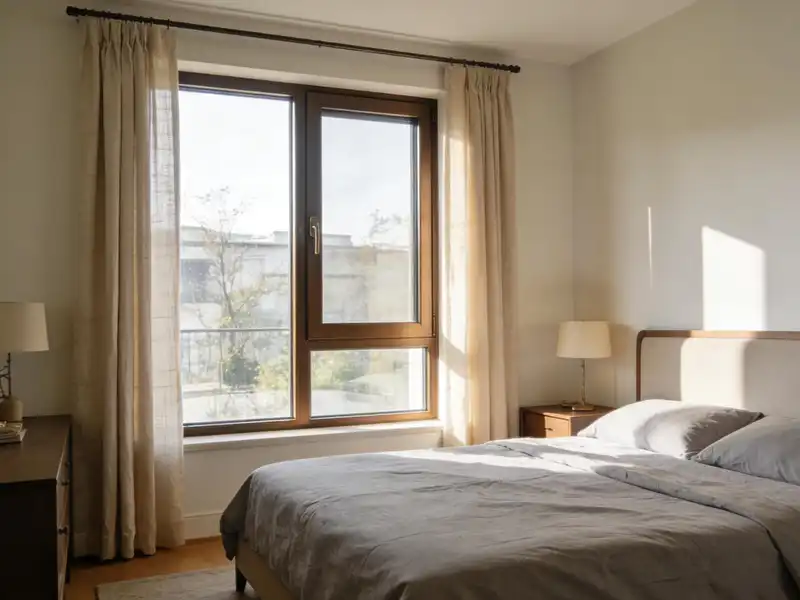
Understanding Thermal Break Casement Windows
What Defines a Thermal Break System?
A Thermal Break Casement Window is made up of several parts. The continuous metal frame is "broken" on purpose by adding a strengthened nylon barrier. This barrier, which is usually PA66GF25 (polyamide with 25% glass fiber reinforcement), keeps the inside and outside metal surfaces from coming into direct heat touch with each other. Traditional single-extrusion metal frames work as continuous heat conductors.
Thermal Break systems, on the other hand, create separate thermal zones that react to changes in both the inside and outside temperatures in their own way. The building method involves carefully joining metal shapes with thermal strips using mechanical crimping or rolling methods. This makes a structural bond that can withstand wind loads of more than 4000Pa while still keeping the heat in. This feature can be used for both meeting structural performance requirements and energy saving standards, which are becoming more popular in current building codes.
Material Composition and Structural Benefits
Most of the time, 6063-T5 architectural-grade metal is used for the aluminum parts because it has the best mix of strength, extrudability, and resistance to corrosion. Profile wall thickness varies from 1.4 mm to 2.0 mm based on series name and structural needs. Heavier parts are used in high-rise situations or places with a lot of wind exposure.
The thermal strip itself needs to have the same thermal expansion coefficients as the metal so that there is no difference in movement that could affect the weather covering over time. Quality thermal barriers have a tensile strength of more than 90 MPa and stay the same size at temperatures ranging from -40°C to +80°C, so they work the same way in all kinds of weather. Treatments like powder coating, anodizing, or PVDF finishing on the surface add extra layers of protection against UV damage and exposure to the environment. These finishes can be put on in two-color combinations, so the outside can match the building's front, and the inside can match the room's decor. This is a useful feature for business projects that have to follow strict design rules.
Key Differentiation from Standard Aluminum Systems
Standard aluminum windows quickly move heat because aluminum is a very good thermal conductor (about 205 W/mK). In the winter, this makes the inside of the frame cold, which makes it possible for internal humidity to condense on the frame's surfaces. This can lead to damage from wetness, mold growth, and poor indoor air quality. In the summer, heat gain through frames raises the cooling loads and makes uncomfortable heat zones around the edges of windows.
These problems don't happen with Thermal Break systems because they keep the temperatures inside the frames closer to the room temperature. In the lab, Thermal Break frames regularly show that their inner surfaces stay 8–12°C warmer in the winter than standard aluminum frames. This means that there is no longer any risk of condensation under normal living conditions.
The Science Behind Thermal Breaks and Insulation Performance
Understanding Heat Transfer Mechanisms in Window Assemblies
There are three main ways that heat moves through building envelopes: conduction through solid objects, convection through moving air, and radiation through electromagnetic waves. To get the best thermal efficiency, window assemblies need to take into account all three routes. Most of the heat loss through frame parts is due to conduction. Because aluminum is good at transferring heat, it can connect heated indoor areas to cooler outdoor areas. This conductive path is broken by Thermal Breaks, which make heat move through the low-conductivity polyamide barrier instead of moving easily through the metal.
Convection happens on the sides of glass and inside glazing spaces that are full of air. Good casement windows have multi-point compression closing systems that keep air out. Air leaks are a main cause of convective heat loss, which makes insulation less effective. When placed correctly, Thermal Break Casement Windows have Class 4 air penetration ratings, which means they let less than 1.5 m³/h·m² of air through at a 300Pa pressure difference. Advanced glass standards take into account radiation heat transfer, which is especially important with single glazing. Low-emissivity coatings and inert gas fills in double or triple glass units cut down on radiative transfer by a large amount while still letting visible light through for comfort.
Comparative U-Value Performance Data
U-values measure how much heat is transferred generally, and lower numbers mean better insulation. Depending on the type of glass used, standard metal casement windows that don't have Thermal Breaks usually have U-values between 3.5 and 5.8 W/m²K. Adding Thermal Break technology lowers frame U-values to 1.8 to 2.4 W/m³K. With the right glass choice, the total U-values of the window assembly (including glazing input) range from 1.0 to 1.8 W/m³K.
This increase in performance directly affects how much energy is used. When business buildings switch from normal aluminum to Thermal Break systems, they can cut heat loss through windows by 45 to 60 percent. This can save 15 to 25 percent on heating costs each year in cold climates. Even though cooling load reductions in warm areas aren't as big, they still make 8–15% more energy efficient because less sunlight gets through the frame and air leaks are better sealed. Thermal Break systems are necessary for meeting strict performance standards when engineers define fenestration for LEED or Energy Star compliance. Thermal Break technology is almost a must for projects that want to get Passive House approval because normal metal framing can't reach the maximum U-value of 0.8 W/m²K.
Frame Material Considerations for Insulation Optimization
Even though metal with Thermal Breaks improves performance a lot, the choice of material should be based on the specifics of the project. Aluminum is great for structural uses that need thin sightlines, long glazing spans, and seaside areas where resistance to rust is very important. Because the material is naturally strong, frame shapes can be thinner than with vinyl or wood. This lets more light in, which is something that is becoming more and more important in business building. While wood frames naturally insulate well, they need to be maintained regularly and don't always work well in wet environments. Vinyl has good thermal performance and is priced competitively, but it can't compare to metal when it comes to big openings or architectural finish choices.
Hybrid systems that have metal exteriors and wood or vinyl innards take advantage of the best qualities of several materials, but they are harder to make and put together. Pure aluminum Thermal Break systems provide the best performance stability across a wide range of exposure conditions while also allowing for the customization that is needed in large-scale buying situations. Performance Disclaimer: The exact thermal performance numbers rely on how the whole system is set up, how well it was installed, and how it was tested. Actual U-values should be checked with NFRC certifications that are specific to the product or third-party testing results that meet ASTM standards that apply to the installation area.
Thermal Break Casement Windows in Comparison with Other Window Types
Insulation Performance vs. Double-Hung and Sliding Windows
Casement windows are better at keeping out air and keeping out heat than sliding and double-hung windows. The main change is how the doors are closed: when casement sashes are locked, they press against the frame's weatherstripping, closing the perimeter completely. On the other hand, sliding windows use brush or fin seals that let some air flow through even when they're closed. Double-hung windows, on the other hand, have holes where the sashes meet the tracks.
Casement windows leak 30 to 50 percent less air than similar folding units, according to test results. This means that the insulation is much more effective, since leakage is responsible for 25–40% of all heat loss through windows in most homes. Casement work is increasingly being specified in projects that put energy efficiency first because it has been shown to be more efficient. Casement shape is also better for blocking wind. Casement sashes that open inward use wind pressure to help close instead of closing forces, which is what happens with slide panels. People who live in high-rise buildings or near the coast where storms happen often find this feature especially useful.
Cost-Benefit Analysis for Project Stakeholders
Thermal Break Casement Windows usually cost 30-45% more to buy at first than normal aluminum systems. The exact difference depends on the difficulty of the specifications and the number of orders. Project managers have to weigh this financial investment against practical savings that can be measured and benefits that are harder to see, like making the building more marketable and making the people who live there happier. If you switch from normal aluminum to Thermal Break systems in a typical 50,000-square-foot commercial building envelope, you can save between $8,000 and $12,000. This is based on area energy rates and mixed-use occupancy trends. Payback times vary from 6 to 11 years, based on the climate zone and the cost of energy. In places with extreme temperatures, returns are quicker.
Aside from saving energy directly, Thermal Break windows lower peak heating and cooling loads, which means that smaller HVAC equipment is needed. When it comes to new building, this drop in capital costs and longer machine life due to less runtime add a lot of value. Getting rid of humidity also lowers maintenance costs because it stops finishes from breaking down and saves money on mold removal costs. Developers who are trying to reach high-end customers say that properties with Thermal Break Casement Windows can get 3–7% higher rent or buying prices than properties with regular windows. This market price often goes over the extra cost of the product, so Thermal Break standard is not just a cost center but also a way to create value.
Selection Criteria for Cold Climate Applications
For projects in regions that are mostly hot (ASHRAE Climate Zones 5-7), choosing the right Thermal Break method is very important. The series number of a profile directly affects its thermal performance. For example, 100mm or 120mm series frames can hold bigger glazing units and provide better insulation than normal 70mm profiles. When paired with the right Thermal Break frame, triple glazing becomes cost-effective in very cold places, lowering U-values to 0.8 to 1.2 W/m²K. The heavier-duty series' greater rebate levels can hold triple units (which are usually 36–44 mm thick all around) while keeping the structure strong and the tools working.
Hardware specifications also have an effect on how well it works in cold climates. Multi-point locking systems with three to five locking points spread the force of the closing evenly around the sash's edge, making sure that the weatherstrip always compresses. Grade 304 or 316 stainless steel metal parts don't rust from condensation in situations with big temperature differences, so they keep working smoothly for the whole life of the building. Manufacturers whose products have been tested and shown to work well in cold climates usually provide proof of continued operation after going through temperature cycles. Specifications for purchases should include AAMA 910 or a similar certification that shows the product's continued performance in air and water after accelerated aging processes.
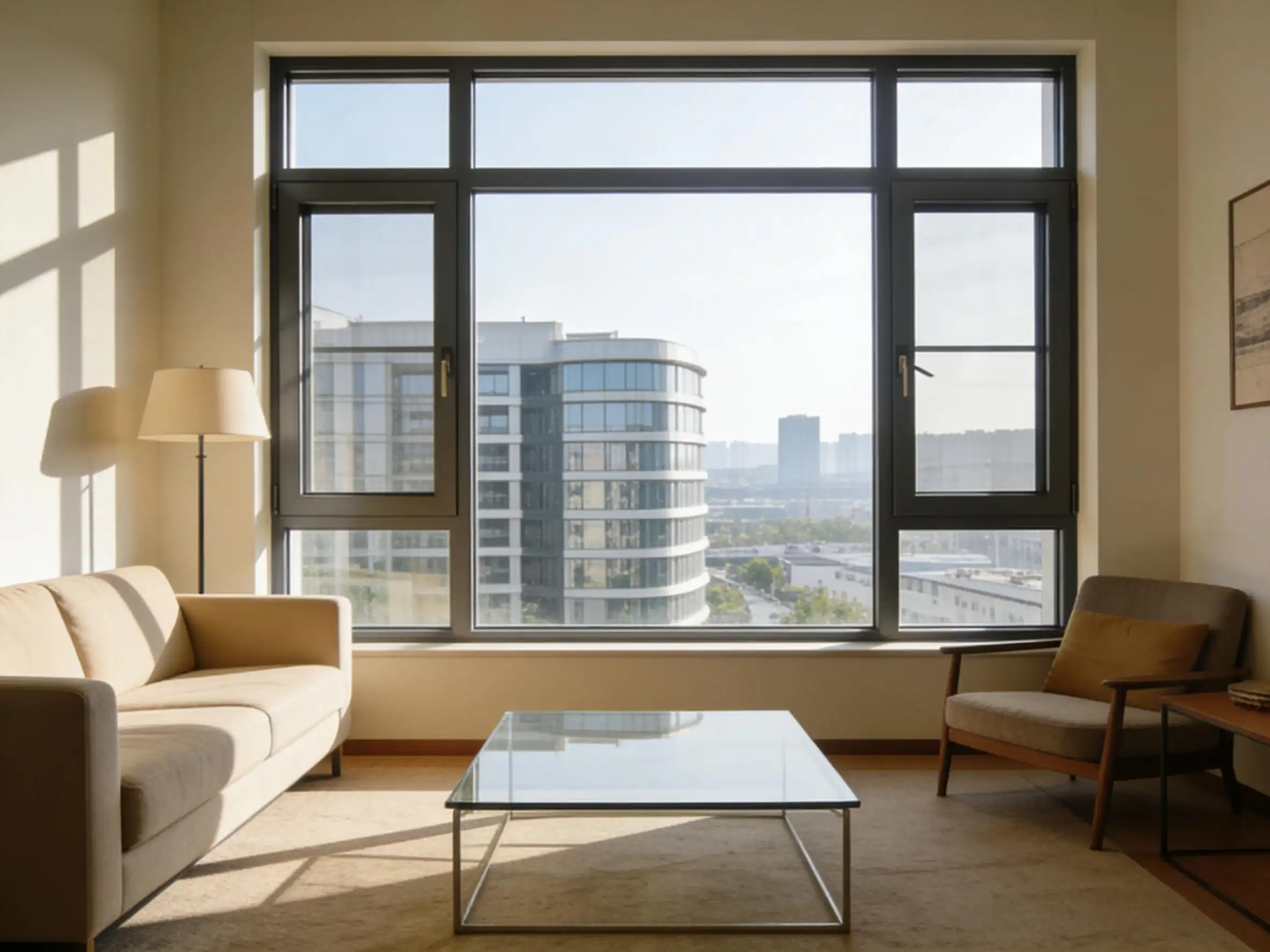
Procurement and Implementation Considerations
Evaluating Supplier Capabilities for Large-Scale Projects
Getting Thermal Break Casement Windows rests on carefully evaluating suppliers across a wide range of capabilities. Manufacturing capacity is the most important thing to think about—suppliers must show that their production throughput matches project delivery dates. This is especially important for big business developments that need hundreds of units installed quickly. Factory checks show important signs of how reliable something is in operation. Modern factories have automatic assembly lines, precise CNC cutting tools, and separate molding areas that make sure the quality of each production run is the same. Having in-house testing labs with ASTM-compliant rooms for air, water, and structural testing shows that the company is committed to quality proof beyond what the suppliers say.
When buying things from other countries, the stability of the supply chain is especially important. Hardware from well-known European names, polyamide strips from specialized makers, and glazing from approved fabricators are just a few of the high-quality parts that established manufacturers keep in touch with. These relationships make sure that the quality of the materials stays the same and lower the risk that fake or low-quality parts will affect performance.
Customization Flexibility and Engineering Support
More and more, commercial and residential projects need non-standard designs that fit the building purpose and the elements of the site. Suppliers who offer full customization options, such as changing sizes, matching colors using RAL or powder coat specs, and adding specialized parts, offer a lot more value than those who only sell standard products.
Premium providers are different from basic fabricators because they offer engineering help. During the design development stages, technical teams that can look over building drawings, do structural math to make sure they meet wind load requirements, and suggest value-engineering options are very helpful. This teamwork often finds ways to save money or make things work better that general builders or architects who aren't familiar with the latest fenestration technology might miss.
Drawing planning services make it easier to buy things and set them up. When suppliers make shop drawings with exact measurements, places of tools, and installation instructions, it's easier for people in the field to work together and the installation process goes faster. For curtain wall integration and stylistic consistency, it is important to be able to produce based on project-specific plans instead of having to compromise on design to fit standard sizes.
Installation and Maintenance Best Practices
When placed incorrectly, even high-end Thermal Break Casement Windows don't work as promised. Installation should only be allowed by certified techs who have been taught in the manufacturer's specific processes. Important parts of the construction process include shimming the frame correctly to keep it straight, applying sealant continuously at the edges, and integrating with the building's weather shields to stop water from getting around the window assembly.
The stability of the Thermal Break rests on keeping the continuous barrier function of the polyamide strip. When Thermal Breaks are being handled and anchored, the installation process must protect them from damage. Before the final connection, good fitters make sure the frame is aligned and that the compression sealing works evenly around the sash's edges by checking the close at several places.
Thermal Break Casement Windows still don't need much maintenance, but the rules for how they should be used should be made official. Checking the state of the weatherstripping, lubricating the hardware, and making sure the drainage weep holes are clear once a year keeps small problems from getting worse and causing performance failures. When put correctly, the multi-layer EPDM sealing systems usually work for a long time. However, in high-use areas, the seals may need to be replaced every so often as part of regular upkeep.
Long-Term Impact on Energy Efficiency and Sustainability
Quantifiable Energy Savings and ROI Projections
Using life-cycle cost analysis, we can see that Thermal Break Casement Windows make a lot of money by lowering operating costs. In cold climates, energy modeling of typical building types shows savings of $2.50 to $4.80 per square foot of window area per year. In warm climates, savings range from $1.20 to $2.90 per square foot per year, based on which load is primarily cooling. Over the course of a building's working lifetime, these saves add up. Assuming a reasonable yearly increase of 3% in energy costs, the net present value of energy savings over 25 years is two to four times the original cost fees. This depends on the temperature zone and the way utilities set their rates. Based on this financial success, specifying a Thermal Break window is more of a smart investment than an optional update.
As companies make bigger promises to be more environmentally friendly, lowering their carbon footprint adds to their value. Thermal Break Casement Windows use 15–30% less energy for HVAC systems than normal metal systems. This directly lowers greenhouse gas emissions from making electricity. Buildings use about 40% of the world's energy, so making changes to the efficiency of their windows is one of the most effective ways for building owners to cut down on carbon emissions.
Alignment with Green Building Certifications
The new LEED version 5 standards will put more emphasis on the energy performance of the whole building. This makes fenestration design very important for getting certified. Thermal Break Casement Windows earn points in several LEED areas, such as Energy and Atmosphere, Indoor Environmental Quality (by making rooms warmer), and Materials and Resources (when recycled aluminum is used).
The Energy Star window requirements depend on the temperature zone. For example, in the north, the windows must have a maximum U-value of 1.20 W/m²K, which can only be reached by using Thermal Break technology along with high-performance glass. For projects to get the Energy Star label, they need to include qualified windows, which means that in places where warmth is common, Thermal Break systems are required. Even stricter rules are set by Passive House and net-zero energy building standards. For example, the highest U-value that is usually allowed is 0.80 W/m²K. To meet these standards, frame Thermal Breaks, glass specs, and edge spacer choices all need to be optimized. Companies that make combined system solutions designed for ultra-low-energy uses are very helpful for projects that want to reach these higher approval levels.
Future Trends in Thermal Performance Innovation
The science behind fenestration is always changing, and some new ideas promise better heat performance than what is currently possible. Aerogel-filled frame spaces are an exciting new idea because they might lower frame U-values to less than 0.5 W/m²K while keeping the structure strong. Even though it's too expensive for most uses right now, economies of scale may make it possible for more people to use it in the next ten years. Smart glass integration allows for dynamic thermal control, changing how much visible light and solar heat gain is let through based on the surroundings or the tastes of the people who live in the building. When you combine electrochromic or thermochromic glass with the best Thermal Break framing, you can make adaptable facades that use the least amount of energy during all seasons and days.
Putting phase-change materials inside frame spaces could give the thermal mass benefits usually connected with stone building. These materials take in extra heat during high conditions and let go of stored energy during changes in temperature. This stops thermal cycle and lowers the need for HVAC. Research examples show that the idea can work, but it's still not clear when it will be available to the public. Digital integration is the next big thing, and windows with sensors can track performance in real time and send repair alerts before they break. IoT-enabled casement windows could improve ventilation schedules based on sensors that measure indoor air quality, work with building automation systems to manage energy more efficiently, and provide data on performance to help with the accuracy of energy modeling and green building certification paperwork.
Conclusion
Because they are designed to block conductive heat paths, Thermal Break Casement Windows provide measured gains in insulation, with U-values that are 40–60% lower than normal metal systems. This performance directly leads to lower operating costs, better comfort for occupants, and compliance with stricter energy rules and approval standards. Understanding the technical basics behind these performance benefits is helpful for everyone involved in the project. This lets them make smart specification choices that balance the original investment with the value over the product's life. As energy efficiency rules, corporate sustainability goals, and occupant health concerns come together, Thermal Break Casement Windows become essential parts of modern commercial and residential construction. New materials and ways of putting them together promise even better performance in the years to come.
FAQ
Q1: How does the thermal break prevent interior condensation?
A: The nylon strip keeps the inside of the frame at temperatures that are more like room temperature than outside temperature. During the winter, this higher interior surface temperature keeps the metal frame from hitting its dew point, which is what happens with normal aluminum systems when humidity inside rises.
Q2: Can thermal break casement windows accommodate triple glazing?
A: Modern Thermal Break Casement Windows in the 80mm series and above can easily fit triple glass units that are 36mm to 52mm thick all the way around. The extra weight of three units is supported by the structural strength of 6063-T5 aluminum and strengthened thermal strips. The units still work smoothly and the gear lasts for a long time.
Q3: What differentiates thermal break systems from standard aluminum windows structurally?
A: Standard aluminum windows are made up of a single, continuous projection that moves heat around. Thermal Break systems are made up of several parts. The metal sections are physically joined together with polyamide strips, forming separate thermal zones. The structure stays strong thanks to precise crimping processes that can handle loads exceeding 4000Pa.
Q4: Do color options differ between interior and exterior surfaces?
A: One of the best things about Thermal Break devices is that they can work with two colors at once. The metal shapes on the inside and outside can be given different finishes, like powder coating, anodizing, or PVDF finishing, in different colors. This lets the finishes on the outside look different from the finishes on the inside without affecting the thermal performance or structural properties.
Partner with Haolv Building Materials for Your Thermal Break Casement Window Requirements
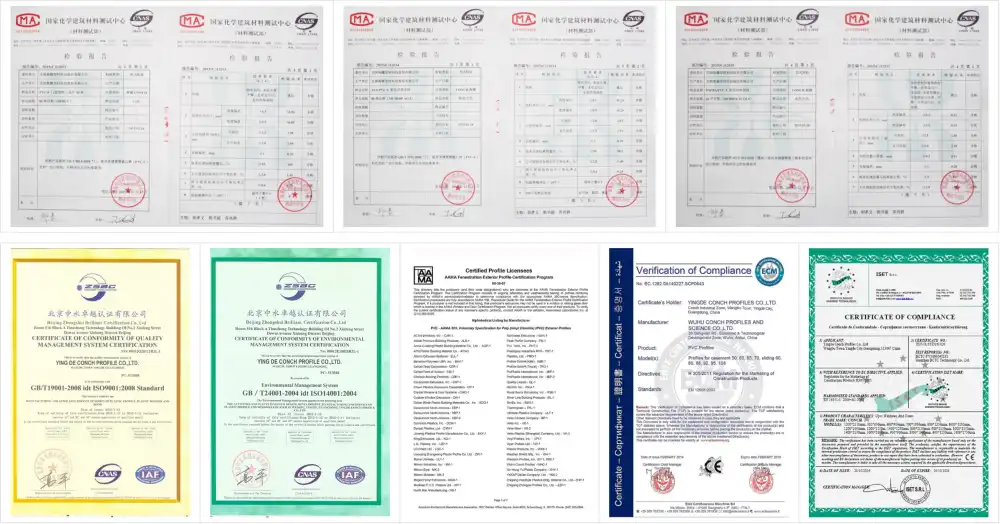
Every connection Haolv Building Materials has with a Thermal Break Casement Window supplier is based on 18 years of specialized production experience. In our 70, 80, 100, and 120 series products, our 6063-T5 aluminum shapes have PA66GF25 thermal barriers built in to give U-values between 1.0 and 1.8 W/m²K. Our ISO and AAMA licenses show that the quality of our products is uniform across all batches. Before they are shipped, we test them in-house to make sure they work well in air, water, and structural conditions.
We can customize more than just standard configurations; we can make to project-specific plans with profile widths ranging from 1.4mm to 2.0mm, meet glazing requirements ranging from double to triple units, and finish in powder painting, anodizing, or PVDF in colors that you specify. Integrated engineering help includes doing structural estimates, coordinating drawings, and giving advice on value engineering during the whole purchase process.
Email our expert team at kristin@haolvwindows.com to talk about the needs of your project. We offer free expert advice, help with designing solutions, and organization of samples for checking that they meet the requirements. We can meet tight building schedules for residential, business, and institutional projects across North American markets by delivering finished orders within 25 to 30 days when we have enough inventory and production is streamlined.
References
1. Anderson, J.E., & Brandt, P. (2021). Thermal Performance of Aluminum Fenestration Systems: A Comparative Analysis of Frame Technology. Journal of Building Physics, 45(3), 289-315.
2. National Fenestration Rating Council. (2022). Technical Standards for Window Energy Performance Certification. NFRC Technical Document 100-2022.
3. Chen, M., Liu, X., & Zhang, H. (2020). Energy Efficiency Impact of Thermally Broken Aluminum Windows in Commercial Buildings. Building and Environment, 183, 107-124.
4. American Architectural Manufacturers Association. (2023). AAMA 910-23: Voluntary Performance Requirements for Hurricane Impact and Cycle Testing of Fenestration Products.
5. Schmidt, R., & Weber, K. (2019). Lifecycle Cost Analysis of High-Performance Building Envelopes: Focus on Fenestration Systems. Energy and Buildings, 198, 445-462.
6. International Energy Agency. (2023). Building Envelope Technologies: Global Status Report on Thermal Performance Standards and Market Trends. IEA Publications, Paris.
Fast simple channel to send demands lock favorable price for building window door bulk purchases.