- English
- French
- German
- Portuguese
- Spanish
- Russian
- Japanese
- Korean
- Arabic
- Greek
- German
- Turkish
- Italian
- Danish
- Romanian
- Indonesian
- Czech
- Afrikaans
- Swedish
- Polish
- Basque
- Catalan
- Esperanto
- Hindi
- Lao
- Albanian
- Amharic
- Armenian
- Azerbaijani
- Belarusian
- Bengali
- Bosnian
- Bulgarian
- Cebuano
- Chichewa
- Corsican
- Croatian
- Dutch
- Estonian
- Filipino
- Finnish
- Frisian
- Galician
- Georgian
- Gujarati
- Haitian
- Hausa
- Hawaiian
- Hebrew
- Hmong
- Hungarian
- Icelandic
- Igbo
- Javanese
- Kannada
- Kazakh
- Khmer
- Kurdish
- Kyrgyz
- Latin
- Latvian
- Lithuanian
- Luxembou..
- Macedonian
- Malagasy
- Malay
- Malayalam
- Maltese
- Maori
- Marathi
- Mongolian
- Burmese
- Nepali
- Norwegian
- Pashto
- Persian
- Punjabi
- Serbian
- Sesotho
- Sinhala
- Slovak
- Slovenian
- Somali
- Samoan
- Scots Gaelic
- Shona
- Sindhi
- Sundanese
- Swahili
- Tajik
- Tamil
- Telugu
- Thai
- Ukrainian
- Urdu
- Uzbek
- Vietnamese
- Welsh
- Xhosa
- Yiddish
- Yoruba
- Zulu
Frameless Swing Glass Shower Door Ideas and Glass Tips
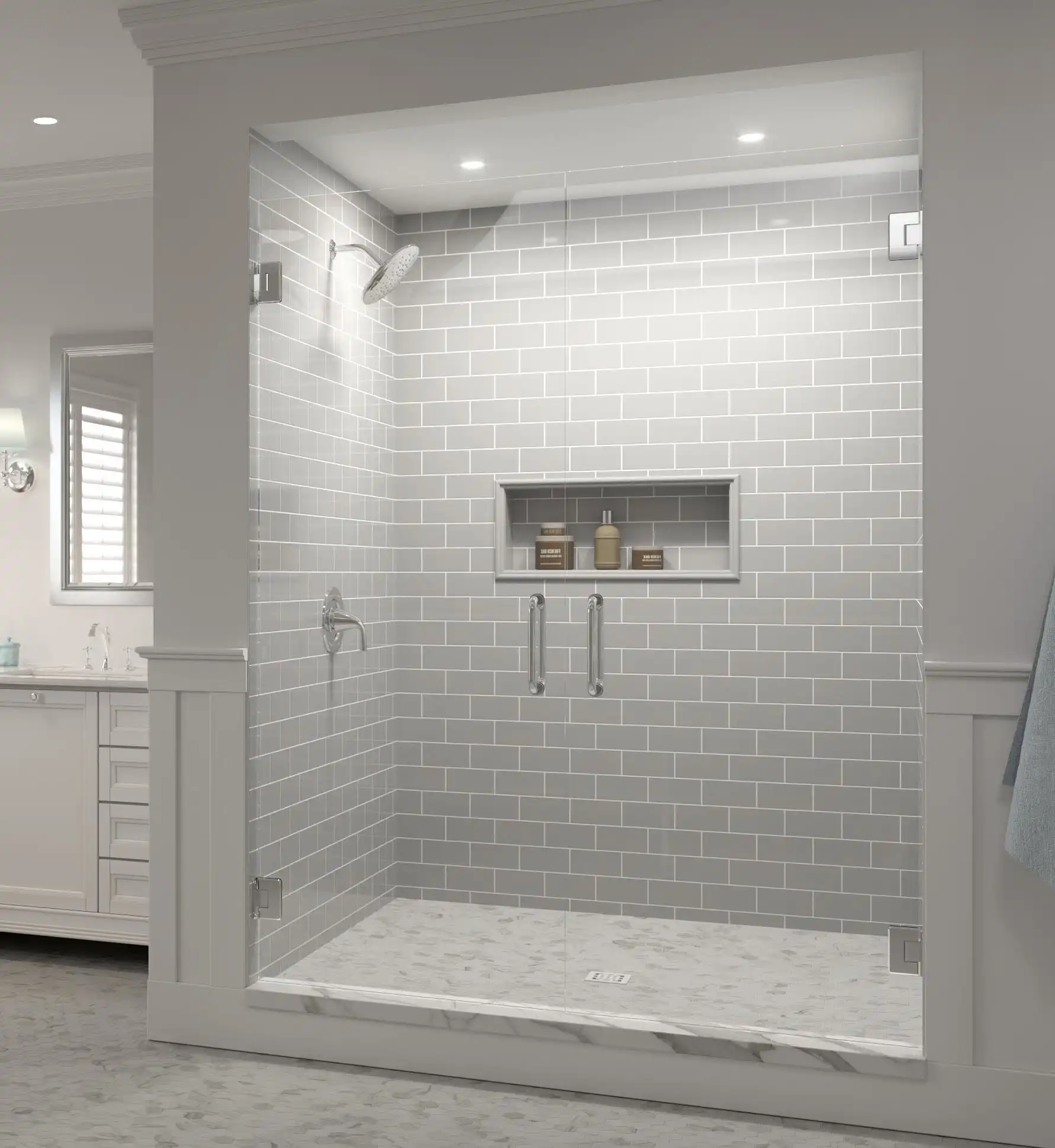
A Frameless Swing Glass Shower Door is the best way to glaze an architectural piece because it doesn't have any metal frames around the edges. Instead, it uses heavy-duty tempered safety glass and precision-engineered springs to hold it up. This design takes into account issues that come up a lot in both business and household projects, like making the best use of room, sturdiness over time, and ease of upkeep. The lack of standard frames cuts down on places where germs can grow and creates a smooth, clear look that makes the bathroom look bigger than it really is. Knowing the technical details and uses of Frameless Swing Glass Shower Doors is important for buying managers and project specifiers to make sure that the design purpose, safety requirements, and expected term performance are all met.
Understanding Frameless Swing Glass Shower Doors
What Defines a Frameless Swing Configuration?
Three important things determine the structural stability of Frameless Swing Glass Shower Doors: the thickness of the glass panels, the load capacity of the hinges, and the wall mounting system. Unlike framed options that spread weight across outer channels, these systems focus stress at the points where the hinges are attached. Glass panels are usually between 8 mm and 12 mm thick. For home uses, 10 mm is the normal, and 12 mm is best for business settings with a lot of foot traffic. The hardware for the hinges needs to be able to handle both static load and active operating forces. High-quality 304 stainless steel hinges rated for 50 kg per pair make sure the hinges work smoothly and don't sag or become out of line too soon.
Glass Material Standards and Safety Performance
When tempered safety glass is heated under controlled conditions, the surface tension strength is four to five times higher than when annealed glass is used. This process makes sure that if the glass does break, it will break into small, flat pieces instead of sharp bits, which lowers the risk of harm. Meeting the requirements of ANSI Z97.1 and ASTM C1048 makes sure that the material is resistant to impact and has fracture properties that are good for wet settings. Some makers add extra fused layers or finished edges with curved curves to make the product look better and make it safer.
Hinge Mechanics and Swing Radius Considerations
Planning the space around a swing door so that it doesn't interfere with fixtures, cabinets, or walls that are next to it is very important. For a normal 90-degree swing, there needs to be space equal to the door width plus about 50 mm for the handle expansion. Self-closing mechanisms built into hinge systems allow controlled movement within a 15- to 25-degree closing range. This stops sudden hits that could damage mounting points or the edges of the glass. When it comes to bathroom planning, bidirectional hinges let the door open inward or outward, giving you options for both barrier-free entry and setups with limited space.
Installation and Maintenance Best Practices
Pre-Installation Structural Assessment
Evaluation of the wall foundation is the first step to a successful fitting. For installing hinges, solid brick, concrete, or properly reinforced gypsum board with backing supports are all strong enough to hold the weight. When installing tiles, it's important to make sure that the bolts go through the tile layer and into the structure material. Tiles with only surface-mounted screws risk breaking under repeated operating loads. Checking the plum and level during the initial placement stops binding or odd gaps that hurt the closing process.
Hardware Selection and Configuration
Hardware includes more than just doors and handles that you can see. It also includes wall openings, support bars, and supporting clips. Chrome, brushed nickel, matte black, and gold styles can match a wider range of fixtures in terms of style. The hardware system needs to include tolerance gaps that keep stress from building up when temperatures change so that it can account for the thermal growth of the glass screens. Placing the handles should be done so that they are in optimal reach zones and not in the way of nearby fence panels or walls in a Frameless Swing Glass Shower Door setup.
Sealing Systems and Waterproofing Details
Multi-component closing techniques are needed to keep water inside. When placed along the vertical sides of the glass, PVC sealing strips act as compression shields against door frames or neighboring panels. Magnetic strips, on the other hand, add extra closing force that makes up for small installation differences. Horizontal sweeps placed at the bottom of doors stop water from moving across steps, but the floor still needs to be sloped correctly to guide water to drains. Over time, the material compression sets lower the contact pressure, so these sealing solutions need to be checked and replaced on a regular basis.
Maintenance Protocols for Commercial Applications
Regular care keeps things looking good and makes them last longer. Cleaning once a week with pH-neutral methods stops hard water deposits from building up, which can damage metal parts or scratch glass surfaces. Every six months, hinges should be oiled with silicone-based products to keep them running smoothly and stop rust in damp places. An annual hardware check can find issues like broken screws, worn-out sealing strips, or panels that aren't lined up right that need to be fixed before they become major problems that stop the system from working. Hydrophobic nano-coatings that are applied during production lower the number of times that the product needs to be cleaned. However, reapplying them after a few years returns their best water-repellent qualities.
Note: For each product standard, specific performance features and repair times should be checked against tests results and guarantee paperwork from the maker.
Comparing Frameless Swing Doors with Other Shower Door Types
Spatial Requirements and Accessibility
Frameless Swing Glass Shower Doors need specific opening areas that might not work in small bathrooms. Sliding doors have a set width that runs horizontal to the opening. This makes them useful in small areas, but the bottom track lines make them harder to clean and may make it harder for wheelchair users to get through. When it comes to space, pivot doors are in the middle. They need less room than regular swing doors but still look like they have minimal gear. As a general rule, barrier-free wet rooms should have swing doors. This is because big spaces and no steps make it easier for people with movement issues to get in and out of the room.
Cost Structure Analysis
Swing glass cabinets usually cost more to buy at first than framed options because they need thicker glass and more expensive opening hardware. When making a budget, you should think about how hard the installation will be. For example, wall strengthening, exact leveling, and special drilling for toughened glass all cost more in work than surface-mounted framed systems. However, when upkeep work, replacing corroded frames, and the beauty of lasts for a long time over several years are taken into account, lifetime cost estimates tend to favor frameless designs. When non-standard openings need to be customized, it adds to the planning and production costs that buying managers should plan for when they make their budgets.
Visual Impact and Design Flexibility
The lack of vertical frame members creates unbroken sightlines that make a room feel bigger than it really is. This is especially important in small bathrooms where visual openness helps make up for the lack of space. Clear glass is the most see-through, but frosted, colored, or patterned glass can be used to create different levels of privacy in shared spaces or master bedrooms in homes. Hardware finish coordination with taps, light fixtures, and cabinet pulls creates unified design stories that help projects stand out in competitive home or hotel markets.
Procurement Insights: How to Source Swing Glass Enclosures?
Critical Specification Parameters
In the procurement paperwork for a Frameless Swing Glass Shower Door, there should be information about the glass thickness limits, hinge load rates, finish specs, and any safety documents that are needed for the project. Certification of tempered glass to 3C, CE, ANSI, and area norms makes sure that building inspectors will accept it. Customization options, such as non-standard sizes, unique metal styles, or built-in smart features, need vendors to be qualified to make sure they have the production capacity and quality control methods to meet the needs of the project.
Supplier Evaluation Criteria
Picking a vendor isn't just about unit price; it's also about how reliable delivery is, how easy it is to get technical help, and how much the guarantee covers. Suppliers who have exported before know what paperwork is needed, how to package items properly, and how to ship things so that big glass panels don't get damaged in transit. Factory approvals, such as ISO quality control systems, make sure that production standards are the same from one order batch to the next. Case studies that show similar-sized projects completed successfully in similar markets lower sourcing risk by confirming the vendor's skills.
Order Coordination and Delivery Logistics
Deliveries that happen in stages that are timed with building goals are good for big business projects because they avoid storage problems on-site and lower the risk of breaking things from being handled too soon. Lead times are usually between 25 and 30 days for normal specs. Lead times are longer for unique configurations that need technical review or finding special materials. Working together with the installation teams makes sure that the site meets the ready criteria—completed tile work, sealed protection coatings, and available reinforcement backing—before the glass is delivered.
Design Ideas and Application Tips
Maximizing Spatial Efficiency
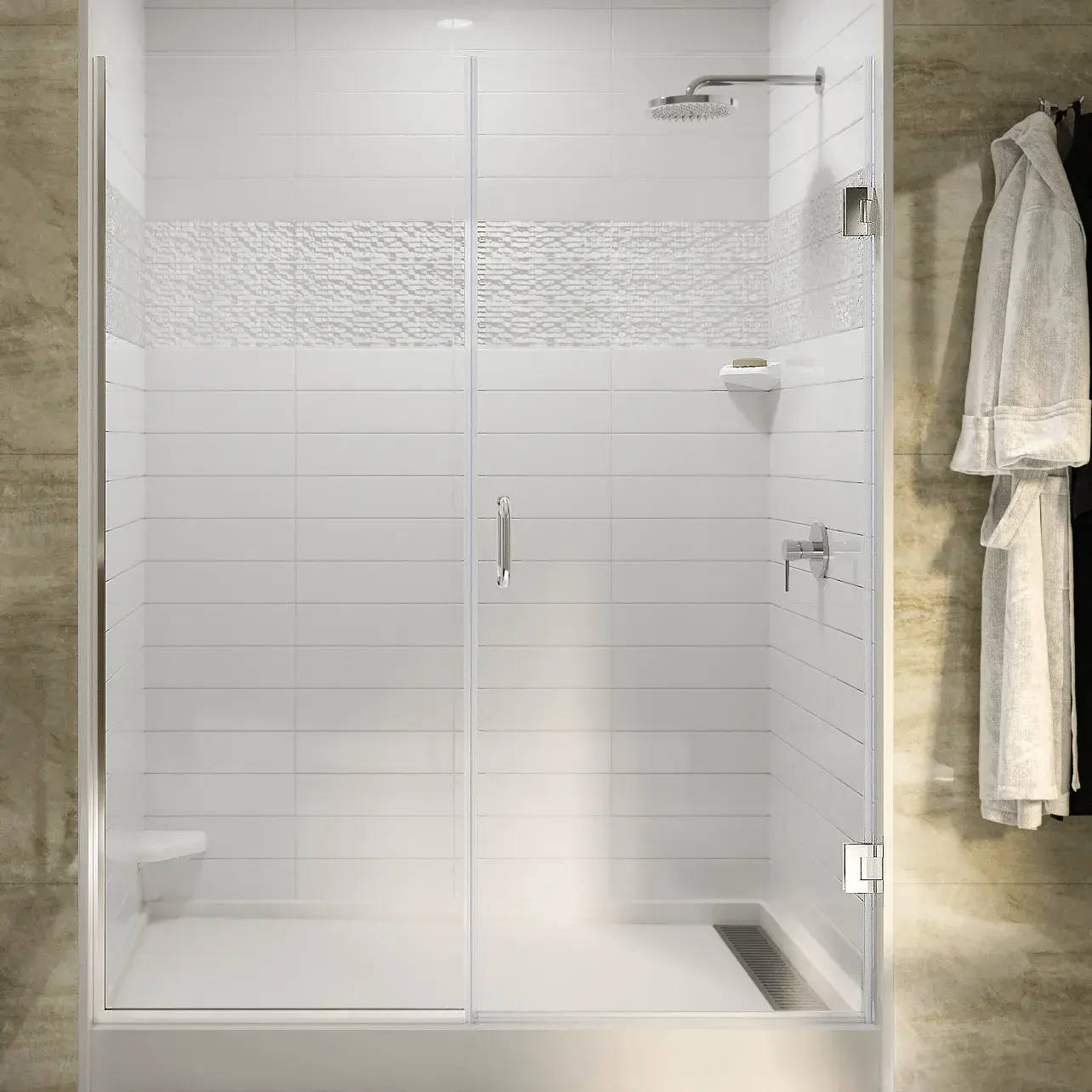
Corner setups use two separate glass panels that meet at open door parts. This makes the best use of space in small bathrooms. When there are alcoves between three walls, they make it easier to support the structure and define shower areas in open-plan bathrooms. There is no need for U-channels or return panels in wall-to-wall Frameless Swing Glass Shower Door systems that go between two surfaces that are opposite each other. This cuts down on hardware costs and cleaning upkeep spots.
Style Variations for Commercial Projects
Ultra-minimalist shapes that focus on openness are good for high-end hotel rooms or home projects where views of high-end tile work or natural stone surfaces without any obstructions raise the perceived value. Hardware styles that are different from each other, like matte black against white marble, make design statements in modern dining settings. Double-swing setups with opposite door panels can fit bigger spaces that are common in accessible guest rooms or spas while still keeping the look consistent and passing ADA clearance standards.
Innovative Accessory Integration
Smart technology integration adds features like warming glass surfaces that stop mist from forming, keeping the view clear in damp places. LED lighting built into support bars or dormer panels provides general lighting for use at night and draws attention to building details. Concerns about cleaning in shared facilities can be solved with eco-friendly surface treatments like antibacterial coats. These are appealing to health-conscious hotel owners and residential developers who put fitness services first.
Conclusion
When choosing Frameless Swing Glass Shower Doors, you have to balance your goals for how they look with your needs for functionality and your budget. Technical factors like glass thickness, hardware load capacity, and how well the seals work have a direct effect on both the success of the installation and the happiness of users in the long run. Procurement experts who know a lot about specifications can do a better job of evaluating suppliers and making sure that the skills of the vendors meet the needs of the project. The adjustable sizes, finishes, and configurations allow for a lot of different design choices. This is useful for a wide range of situations, from small home projects to large-scale hotel rollouts. Paying attention to the best ways to install and maintain glass saves project investments and gives the long-lasting good looks that make specifications prefer frameless glass solutions.
FAQ
What glass thickness is recommended for commercial shower installations?
10mm to 12mm tempered safety glass is usually used in commercial settings because it can handle more frequent use and possible contact forces. The 12mm version is more stiff, so it doesn't bend as much when it's being used. This makes the hinge last longer and keep its precise position over time. In residential settings with low traffic, 8mm glass may be appropriate, but door sizes should always be taken into account when choosing a thickness—bigger panels need proportionately thicker glass to keep the structure stable in a Frameless Swing Glass Shower Door configuration.
How do maintenance requirements compare between swing and sliding shower doors?
With swing doors, there are no bottom track lines like there are with sliding systems. This means that soap residue, hair, and mineral deposits don't have a place to build up and need to be cleaned more often. The fewer parts—usually four to six hinges instead of eight to ten rollers and guides—makes it easier to check and repair them. Rollers on sliding doors may wear out over time and need to be adjusted or replaced on a regular basis. However, good swing door hinges keep working well with little maintenance other than basic greasing.
Can vendors provide customized products with integrated installation services?
A lot of well-known makers offer "turnkey" options that include custom manufacturing, coordinating shipping, and professional installation teams. When there are a lot of projects to work on, these combined services really come in handy because they make it easier to get things done at different locations. Manufacturers usually cover more under warranty when they are responsible for both the quality of the product they give and the quality of the work. This keeps people from pointing fingers, which can make fixing problems more difficult.
Partner with Experienced Swing Glass Shower Door Manufacturers
Haolv Building Materials has been making glass products for 18 years and can help with both business and private window projects that need reliable, high-performance Frameless Swing Glass Shower Doors. We can make whole systems, from tools made of 304 stainless steel to Xinyi tempered safety glass panels that come in 8mm, 10mm, and 12mm sizes. We can meet the needs of a wide range of projects by offering unique setups with clear, frosted, colored, and patterned glass, as well as chrome, brushed nickel, matte black, or gold hardware.
Our ISO-certified quality management methods make sure that we always meet safety standards like 3C, CE, and ANSI. They are backed up by detailed technical documentation that speeds up the process of reviewing specifications and getting regulatory approval. As a direct provider, we keep enough product on hand to meet shipping times of 25 to 30 days. We also offer open customization for non-standard sizes and style needs. Whether you're in charge of business building projects, hotel upgrades, or multi-unit residential developments, our engineering team is here to help you make the best product choices for your unique needs. Email kristin@haolvwindows.com to talk about project details and get thorough quotes. We promise to provide excellent manufacturing and quick customer service after the sale.

References
1. Glass Association of North America (2021). Glazing Manual: Tempered Glass Standards for Wet Environments. Technical Publication Series.
2. National Kitchen & Bath Association (2020). Bathroom Planning Guidelines with Access Standards. Design Reference Manual.
3. American Society for Testing and Materials (2019). ASTM C1048: Standard Specification for Heat-Treated Flat Glass. Annual Book of Standards.
4. Architectural Glass Institute (2022). Hardware Load Requirements for Frameless Glass Assemblies. Engineering Guidelines.
5. International Building Code (2021). Safety Glazing Requirements for Hazardous Locations. Chapter 24: Glass and Glazing.
6. Building Materials Research Institute (2020). Comparative Lifecycle Analysis of Shower Enclosure Systems. Sustainability Research Report.
Fast simple channel to send demands lock favorable price for building window door bulk purchases.