- English
- French
- German
- Portuguese
- Spanish
- Russian
- Japanese
- Korean
- Arabic
- Greek
- German
- Turkish
- Italian
- Danish
- Romanian
- Indonesian
- Czech
- Afrikaans
- Swedish
- Polish
- Basque
- Catalan
- Esperanto
- Hindi
- Lao
- Albanian
- Amharic
- Armenian
- Azerbaijani
- Belarusian
- Bengali
- Bosnian
- Bulgarian
- Cebuano
- Chichewa
- Corsican
- Croatian
- Dutch
- Estonian
- Filipino
- Finnish
- Frisian
- Galician
- Georgian
- Gujarati
- Haitian
- Hausa
- Hawaiian
- Hebrew
- Hmong
- Hungarian
- Icelandic
- Igbo
- Javanese
- Kannada
- Kazakh
- Khmer
- Kurdish
- Kyrgyz
- Latin
- Latvian
- Lithuanian
- Luxembou..
- Macedonian
- Malagasy
- Malay
- Malayalam
- Maltese
- Maori
- Marathi
- Mongolian
- Burmese
- Nepali
- Norwegian
- Pashto
- Persian
- Punjabi
- Serbian
- Sesotho
- Sinhala
- Slovak
- Slovenian
- Somali
- Samoan
- Scots Gaelic
- Shona
- Sindhi
- Sundanese
- Swahili
- Tajik
- Tamil
- Telugu
- Thai
- Ukrainian
- Urdu
- Uzbek
- Vietnamese
- Welsh
- Xhosa
- Yiddish
- Yoruba
- Zulu
What is the cutting quality consistency of an aluminum profile cutting saw?
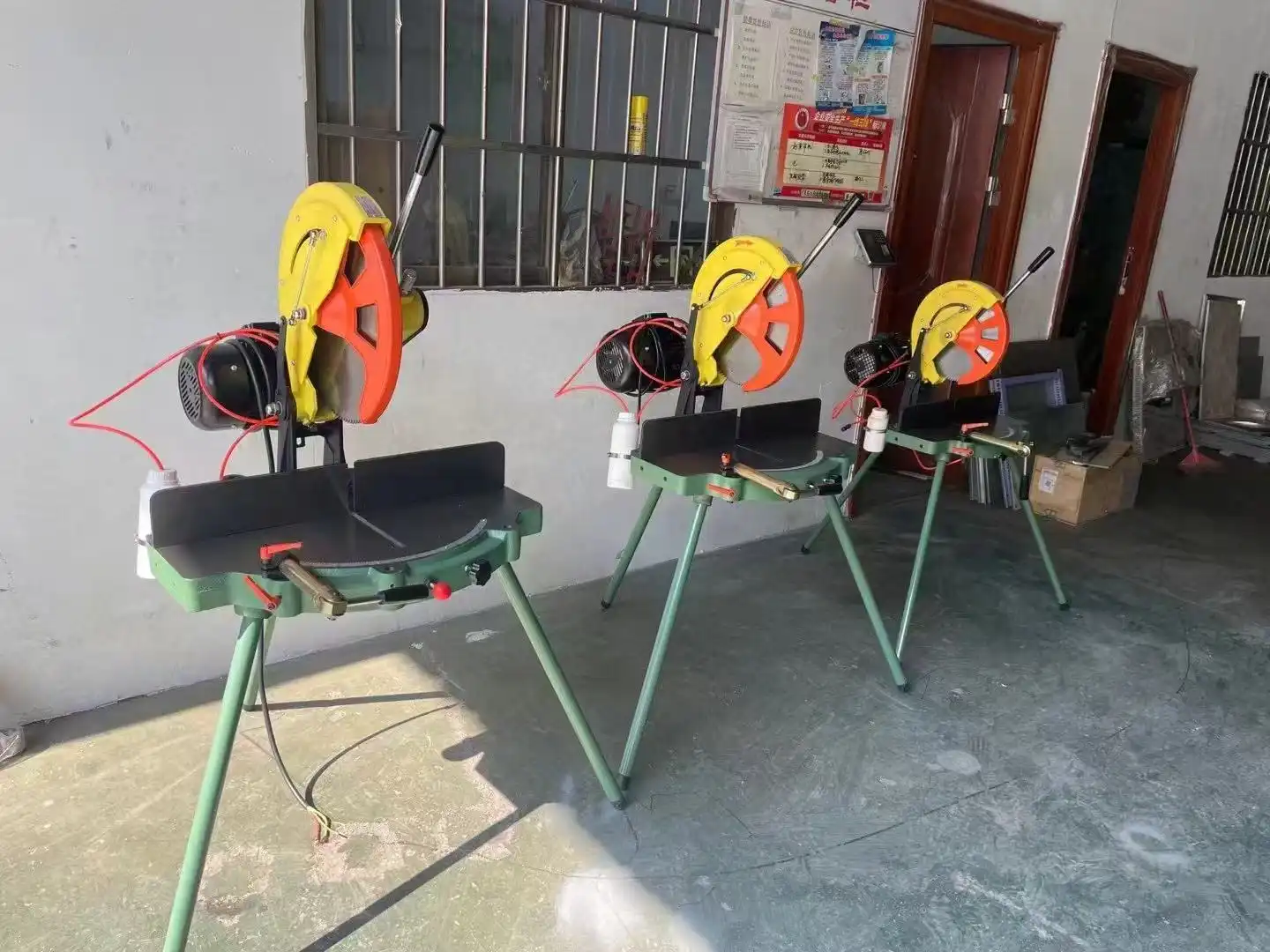
Cutting quality uniformity in an Aluminum Profile Cutting Machine is the machine's capacity to produce exact, uniform cuts across a variety of profiles without significantly deviating from the intended path. This uniformity is shown by keeping the sizes within ±0.1mm standards, making edges without burrs, and making sure that the angles stay the same throughout production runs. Consistency is affected by things like blade sharpness, machine rigidity, feed rate stability, the effectiveness of the cooling system, and correct calibration. All of these are very important for builders, developers, and system designers who need to assemble window, door, and curtain wall parts reliably.
Disclaimer: Actual product testing results and technical documentation from makers are the best ways to confirm specific performance qualities.
Understanding Cutting Quality Consistency in Aluminum Profile Cutting Saws
What Defines Quality Consistency in Profile Cutting?
Quality consistency is more than just making one accurate cut. It tracks how often and accurately a machine makes the same cuts on thousands of profiles. When making windows and doors, assembly tolerances are very strict, and even small differences can lead to fitting problems. Dimensional accuracy (precise length and angle measurements), surface finish quality (no burrs or deformation), and repetition (difference between cuts) are the three things that make this consistency. When purchasing managers look at cutting equipment, they need to pay close attention to these specs because they have a direct effect on how well the equipment is put together and on insurance claims.
Critical Parameters Affecting Cut Consistency
Cutting uniformity is controlled by a number of technical factors. Blade shape is very important. Carbide-tipped blades with 350–500mm widths stay sharp longer than regular steel, which keeps the dimensions from moving during long runs. When working with profiles up to 200 mm high, rigid machines don't bend when they're loaded, and cast-iron bases that reduce vibrations work better than lightweight frames. Stability of the motor is just as important—systems that give 2.2 to 4.0 kW at a steady 2800 to 3200 rpm stop speed changes that damage finishes. Cooling devices keep the material and blade from expanding when they get hot, so the dimensions stay the same during the cutting process.
Measurement Standards in B2B Environments
Specific measurement procedures are used by industrial buyers for an Aluminum Profile Cutting Machine to make sure that the cuts are consistent. Spindle runout tests with dial indicators proves that the radial variation stays below 0.01 mm. Too much runout shows up as angular mistakes in every cut. Using laser interferometry to check for parallelism between the guide rails and the blade travel paths makes sure that they are straight throughout the whole cutting stroke. Sample batch testing usually includes counting 50 cuts in a row and figuring out the Cpk (Process Capability Index) value. Machines that are meant to be used in production should show a Cpk value of 1.33 or higher, which means they have good process control. These validations give expert staff solid proof that they can judge a supplier's skills during the procurement process.
Types of Aluminum Profile Cutting Machines and Their Impact on Quality Consistency
Manual Versus Semi-Automatic Systems
The control method has a big impact on how consistent the results are. Manual machines depend a lot on how skilled the person operating them is. Skilled workers can get good results, but differences in people can cause problems between shifts or when staff changes happen. Pneumatic feeding mechanisms and fixed angle stops are built into semi-automatic systems, which greatly reduces mistakes made by operators. By using mechanical stops instead of hand protractors to switch between 45° and 90°, the angle change feature gets rid of measurement errors. Medium-sized to large fabricators who work with standard profiles can get better stability with semi-automatic setups while still being able to handle unique orders.
Cutting Method Impact on Profile Integrity
Window and door makers use single-head cutting tools because they make straight cuts more consistently than multi-station systems. The specialized cutting axis gets rid of the mistakes that come from doing several things at once. Choosing the right blade size has a direct effect on the quality of the cut. Larger diameter blades (up to 500mm) work at lower tooth contact angles, which means they make smoother ends with fewer burrs. Standard window frame shapes can be cut with a cutting width of up to 120 mm, and special building needs can be met with a cutting height of up to 200 mm. By knowing these limits, you can avoid overdoing, which hurts both accuracy and surface finish.
Feeding System Considerations
Feeding systems have a big effect on how consistent production is over and over again. Manual feeding works well for special work that is done in small amounts, but it causes setting to vary. Pneumatic feeding systems use consistent binding pressure and advance profiles at controlled rates, so position mistakes caused by the operator are eliminated. The binding force needs to be exactly calibrated—not enough pressure lets the profile move while it's being cut, and too much force bends extrusions with thin walls. Modern machines have pressure sensors that change the clamping based on the profile measurements. This way, the clamping stays the same across different cross-sections without any help from the user.
Enhancing Cutting Quality Consistency – Best Practices and Maintenance Tips
Routine Blade Maintenance Protocols
The state of the blade on an Aluminum Profile Cutting Machine is still the most important factor in maintaining consistent cutting. Aluminum oxide buildup and micro-chipping wear down carbide teeth over time, lowering the quality of cuts before they become obviously less effective. Setting new plans based on the number of linear meters cut instead of time intervals makes things more consistent. Cleaning the blades properly between replacements gets rid of the metal buildup that makes the cutting forces uneven. During a blade review, you should look for carbide tips that are missing, lateral runout when the blade is attached, and teeth that are the right shape. If you find any problems, you need to change the blade right away to keep the level of consistency required by the standard.
Machine Calibration and Alignment Procedures
Without regular testing, even strong machines start to deviate from what was planned. When checking the alignment every three months, you should make sure that the blade is perpendicular to the table surface in a number of different places, since frame setting can affect accuracy. Checks for guide rail parallelism stop tapered cuts that look like they are the right size at one end but aren't meeting the requirements at the other. Using precision blocks to check the angle stops makes sure that the 45° and 90° sets stay correct. In this case, calibration drift gets worse through the miter joints, which leads to assembly failures. Documenting the results of testing gives quality assurance proof to B2B users who are auditing suppliers.
Cooling System Optimization
Automatic spray cooling systems do two things: they keep workpieces from expanding when they get hot, and they also make blades last longer by controlling the temperature. Check the coolant concentration—mixtures that are too watered down lose their lubricity, which makes the friction and surface roughness worse. The placement of the nozzle affects the uniformity; correct alignment sends the coolant exactly to the cutting zone instead of flooding the whole blade. The rate of cooling should be the same as the cutting speed. If there isn't enough cooling during high-speed operations, heat builds up in certain areas, which warps thin-walled profiles. By cleaning the system regularly, you can keep the coolant from getting contaminated with aluminum fines that speed up blade wear.
Comparing Aluminum Profile Cutting Machines: Selecting for Quality Consistency
Evaluating Core Specifications for B2B Needs
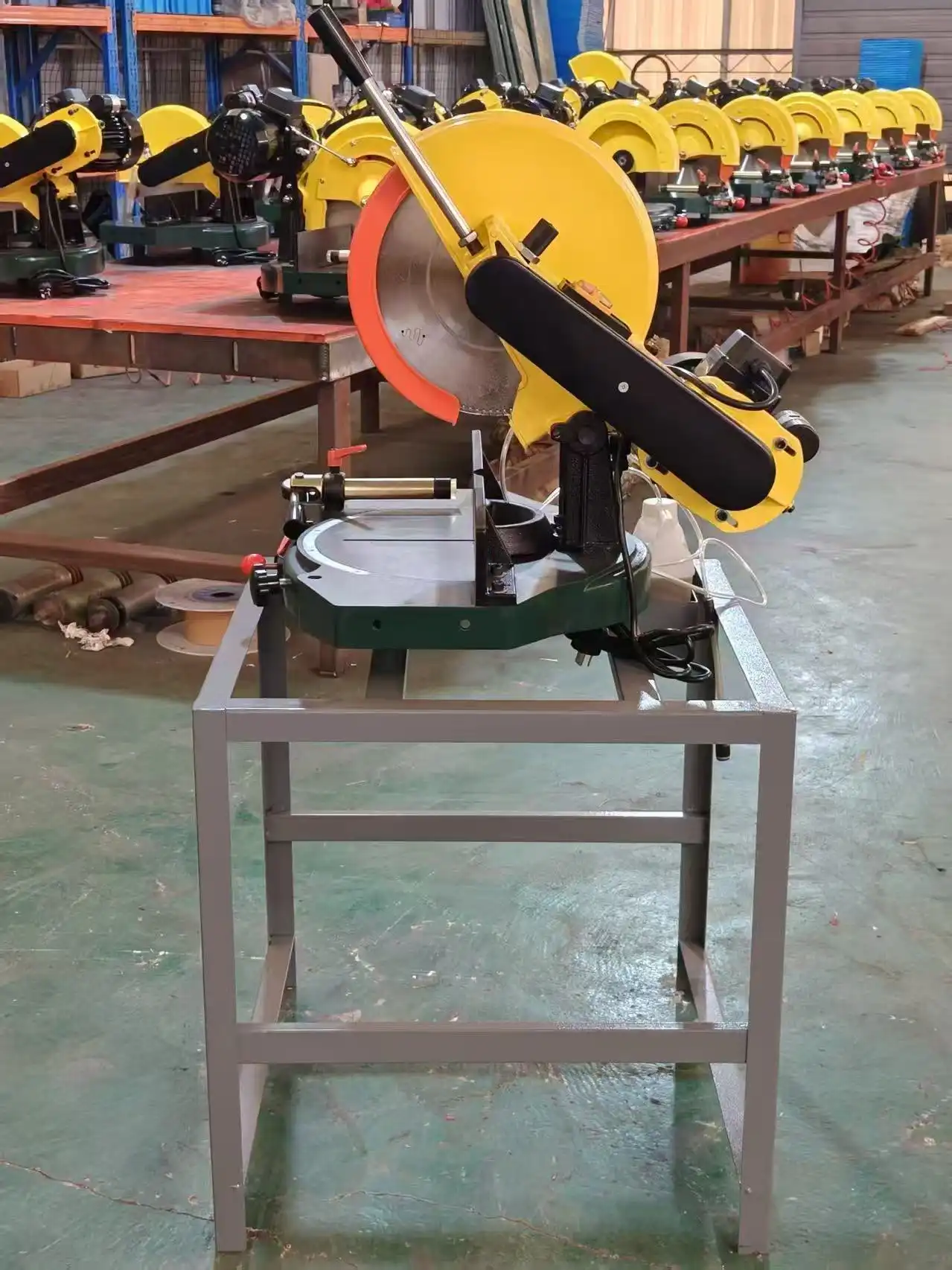
When looking at cutting tools for business use, certain features should come first. Specifications for precision accuracy of ±0.1mm show manufacturing-grade performance, good for design uses where tight assembly tolerances are needed. Motor power between 2.2 and 4 kW gives enough force for shapes up to 200 mm tall without pulling, which damages the surface finish. Rotation speeds between 2800 and 3200 rpm are best for cutting and finishing aluminum metals that are often used in window systems. Voltage flexibility (220V and 380V choices) lets different building electricity systems work without having to make expensive changes to the power.
Reliability and Support Infrastructure
Total cost of ownership and production accuracy for an Aluminum Profile Cutting Machine are directly affected by how long a machine lasts. Industrial-duty parts, like cast frames instead of welding joints, sealed bearings in pivot points, and strengthened guide rails, make expensive equipment last much longer. Replacement parts can be found within 48 to 72 hours, which keeps downtime from getting too long and messing up project delivery plans. It's just as important how quickly technical support responds; sellers who offer online tests and on-site service within regional regions cut down on the time it takes to figure out problems. Long-term warranties that cover both parts and work show that the maker trusts the product to be reliable.
Balancing Automation Level with Operational Needs
Whether to use manual or semi-automatic control depends on how much is being made and how consistent it needs to be. For operations that make less than 100 cuts per day, manual methods may be enough, especially when dealing with a wide range of unique profiles. Semi-automatic feeding and angle presetting are very helpful for shops that make more than 500 cuts every day. The increased output and accuracy make the investment worth it within months. Hybrid methods that use both manual and semi-automatic tools for standard and specialized tasks are the most flexible and efficient way to meet the wide range of needs that come up in window and door manufacturing.
Case Studies and Industry Applications Illustrating Cutting Quality Consistency
Window Frame Manufacturing Precision Requirements
Making windows for homes and businesses is a good example of why cutting accuracy is important in business. To get weathertight seals on mitered corner joints in metal frames, angles must be accurate to within 0.1°. If angles are off, gaps appear that make the seals less energy efficient and less resistant to water. A medium-sized window company that made 300 frames every day found that switching from manual to semi-automatic cutting cut the number of repairs needed by 8% to less than 2%. This saved them money on materials and made deliveries more reliable. Precision tools gave them the ability to be consistent, which let them safely promise dimensional specs to general contractors. This made them more competitive.
Curtain Wall System Component Production
Curtain wall installers have to work with even tighter tolerances because their shapes only connect to structural steel in certain places. One company that makes curtain walls for business high-rises put in place strict consistency standards, such as statistical process control for cutting operations. By keeping Cpk values above 1.5 through regular machine repair and training for operators, they were able to get failure rates below 0.5%, which is what is needed for LEED-certified projects. Their investment in precise cutting tools with automatic cooling and rigid construction paid off by reducing the number of adjustments that had to be made in the field during installation and improving their image with architectural companies.
Energy Efficiency in High-Volume Operations
Efficiency in production includes more than just cutting speed. It also includes how much energy is used and how materials are used. A window dealer that works with people who are remodeling their homes looked at how they cut windows and found that using sharp blades and improved feed rates cut motor load by 18% compared to how they used to do things. Instead of running all the time, the automatic cooling system only turned on during cutting rounds, which saved water. These operating improvements, made possible by modern machines, dropped the cost of making each unit while keeping the quality standards their dealer network needed to stay competitive in the replacement window market.
Conclusion
Consistency in cutting quality with an Aluminum Profile Cutting Machine is where machine power, upkeep skills, and operating knowledge meet. The regularity of different production runs is closely related to technical factors such as accuracy within 0.1 mm, carbide blade technology, semi-automatic control systems, and built-in cooling. Knowing how the design of the equipment, the rules for calibration, and the upkeep of the blades affect uniformity helps buyers make choices that meet the needs of the project. When you buy precision cutting tools, you get a clear return on your investment through less work that needs to be redone, faster assembly, and a better image with contractors and developers.
FAQ
Q1: How does blade diameter affect cutting consistency?
A: Larger blades, especially those between 450 and 500 mm, cut through material at deeper angles, which results in better finishes with fewer burrs. Having a bigger diameter also means that more cutting teeth are in contact with the material, which spreads out wear and keeps the dimensions accurate over longer production runs than choices with a smaller diameter.
Q2: What maintenance schedule ensures optimal cutting consistency?
A: Daily checks of the coolant, weekly cleaning and review of the blades, monthly alignment checks, and full calibration every three months are all parts of good care. Instead of time intervals, blade replacement should be based on linear meters cut. For example, quality carbide blades should be changed every 8,000 to 12,000 meters in metal uses.
Q3: Can semi-automatic machines handle custom angle requirements?
A: Semi-automatic systems work best at set angles like 45° and 90°, but unique angles need to be set by hand. When you use semi-automatic machines for regular output and hand-operated machines for specialized work, you get the best of both worlds: consistency and freedom.
Q4: What training do operators need for consistent cutting quality?
A: As part of their training, operators should learn how to properly clamp the machine, choose the right blade for the job, spot the first signs of blade wear, use the cooling system, and check the basic alignment. Competency-based certification makes sure that workers know how the things they do affect the quality and accuracy of the cuts.
Get Precision Cutting Solutions from Haolv Building Materials
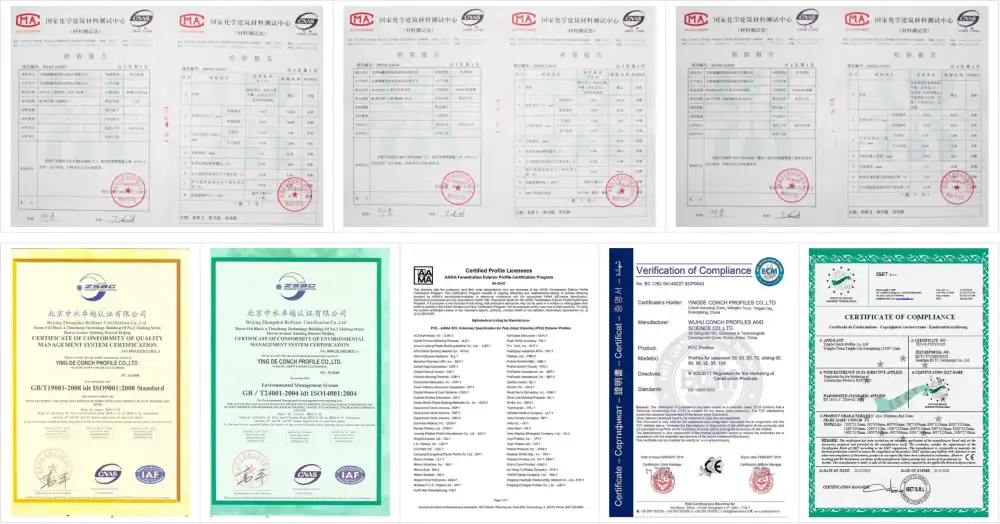
Along with our full line of window and door systems, Haolv Building Materials has been making high-quality aluminum profile cutting tools for 18 years. Our high-precision cutting machines have the technical features we've talked about: ±0.1mm accuracy, 45°/90° adjustment, automatic cooling, and carbide blade technology. This makes sure that your manufacturing operations are consistent. As a well-known company that sells Aluminum Profile Cutting Machines, we offer full technical support, from helping you choose the right equipment to teaching you how to use it. Our services are backed by ISO and CE certifications.
Our engineering team knows exactly what curtain wall fabricators, window system installers, and general builders who are working on a lot of orders need. We can set up your equipment in a way that fits your profile's measurements and production volume, and we keep enough stock on hand to guarantee delivery times of 25 to 30 days. Our relationship with top material providers, along with our ability to make deep customizations, allows us to offer combined solutions that meet all of your fabrication needs. Get in touch with kristin@haolvwindows.com to talk about how our cutting edge technology and technical consulting services can help you improve the regularity of your production and the trustworthiness of your project delivery.
References
1. American Architectural Manufacturers Association. (2021). Aluminum Extrusion Fabrication Standards for Fenestration Applications. AAMA Publication TIR-A8-18.
2. Machinery's Handbook Editorial Staff. (2020). Machinery's Handbook, 31st Edition: Guide to Metal Cutting and Machine Tool Technology. Industrial Press Inc.
3. National Fenestration Rating Council. (2022). Quality Assurance and Fabrication Standards for Aluminum Window Systems. NFRC Technical Document 500-2022.
4. Totten, G.E. & MacKenzie, D.S. (2019). Handbook of Aluminum: Volume 1 - Physical Metallurgy and Processes. Marcel Dekker Publishing.
5. Society of Manufacturing Engineers. (2021). Precision Machining Technology: Cutting Equipment Selection and Quality Control. SME Technical Paper Series MR21-285.
6. International Organization for Standardization. (2020). ISO 8486-2:2020 - Bonded Abrasives - Determination and Designation of Grain Size Distribution - Part 2: Microgrits F230 to F2000. ISO Standards Committee TC29/SC5.
Fast simple channel to send demands lock favorable price for building window door bulk purchases.