- English
- French
- German
- Portuguese
- Spanish
- Russian
- Japanese
- Korean
- Arabic
- Greek
- German
- Turkish
- Italian
- Danish
- Romanian
- Indonesian
- Czech
- Afrikaans
- Swedish
- Polish
- Basque
- Catalan
- Esperanto
- Hindi
- Lao
- Albanian
- Amharic
- Armenian
- Azerbaijani
- Belarusian
- Bengali
- Bosnian
- Bulgarian
- Cebuano
- Chichewa
- Corsican
- Croatian
- Dutch
- Estonian
- Filipino
- Finnish
- Frisian
- Galician
- Georgian
- Gujarati
- Haitian
- Hausa
- Hawaiian
- Hebrew
- Hmong
- Hungarian
- Icelandic
- Igbo
- Javanese
- Kannada
- Kazakh
- Khmer
- Kurdish
- Kyrgyz
- Latin
- Latvian
- Lithuanian
- Luxembou..
- Macedonian
- Malagasy
- Malay
- Malayalam
- Maltese
- Maori
- Marathi
- Mongolian
- Burmese
- Nepali
- Norwegian
- Pashto
- Persian
- Punjabi
- Serbian
- Sesotho
- Sinhala
- Slovak
- Slovenian
- Somali
- Samoan
- Scots Gaelic
- Shona
- Sindhi
- Sundanese
- Swahili
- Tajik
- Tamil
- Telugu
- Thai
- Ukrainian
- Urdu
- Uzbek
- Vietnamese
- Welsh
- Xhosa
- Yiddish
- Yoruba
- Zulu
Guide to Cleaning & Maintaining Aluminum Two-Track Sliding Windows for Long-Term Use
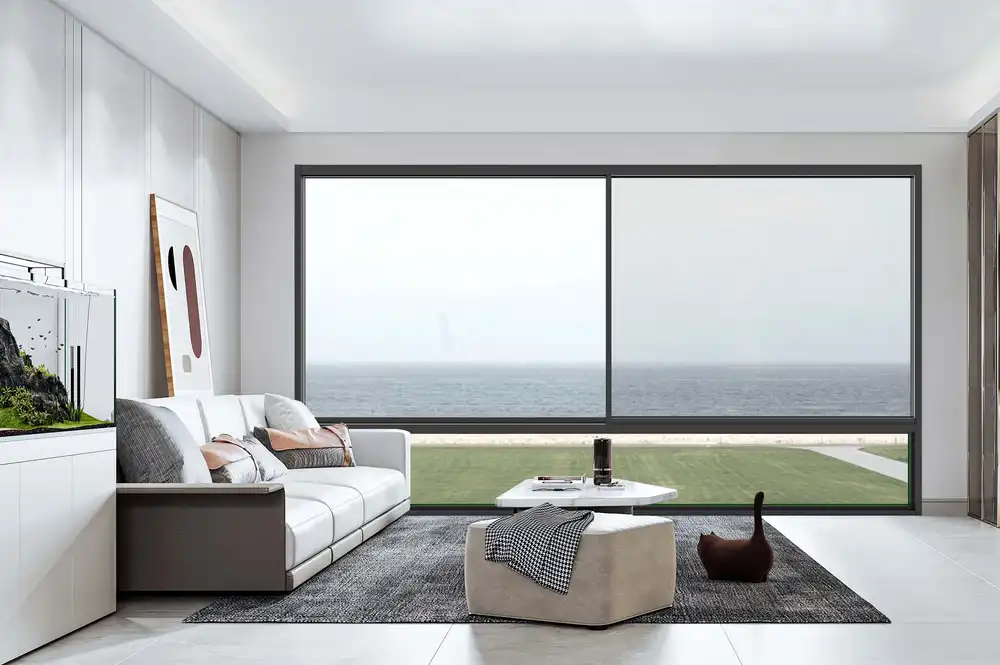
If you keep your aluminum two track sliding window systems in good shape, they will last for decades in business buildings. When you set up these two parallel track configurations, the glass panels and built-in screens can work separately. This gives builders and building managers a way to ventilate that saves energy and is easy to use. Unlike single-track designs, the two-track mechanism spreads mechanical stress across two different paths.
This lowers the number of friction spots and increases the life of the parts. These systems meet strict thermal and acoustic requirements for residential towers, office complexes, and hospitality projects in a wide range of climate zones when paired with 6063-T5 aluminum alloy frames with wall thicknesses between 1.4mm and 2.0mm and double-glazed or tempered glass options.
Understanding Aluminum Two-Track Sliding Windows
What Makes This System Different
What makes a aluminum two track sliding window unique is that each track is setup separately. One track holds the main glass panels, and the second track holds a bug screen that can be taken off or an extra window that can be opened. This separation keeps noise from getting in the way of operation, so building users can change the ventilation without taking down screens. This is especially helpful in multi-unit projects where maintenance plans have to work around the schedules of tenants. Engineers like how this design makes field service easier; techs can change the rollers or fix the alignment of the panels without taking the whole unit apart.
Core Construction Elements
Precisely cast aluminum shapes are what hold up every high-performance unit. The numbers 70, 80, and 90 in the series refer to the frame's depth in millimetres. The structural capacity and thermal break compatibility are directly related to these numbers. Within the lower sash rail, strong nylon rollers, which are often strengthened with stainless steel bearings, turn horizontal force into quiet, smooth motion, even when holding glass units that weigh more than 50 kilos. When three or more touch points along the frame's edge are activated, multi-point locking mechanisms spread the load and meet business security standards without the bulk of traditional latch hardware.
Why Commercial Buyers Prioritize This Configuration
When purchasing managers look at fenestration systems for big projects, they consider a number of lifecycle factors. The thin frame shape lets in the most light, which is becoming more and more important for LEED certification and health building standards. At the same time, the two-panel slide design gets rid of the need for swing clearance, which saves floor room inside high-density layouts. Energy experts point to studies that show properly sealed slide systems with Low-E coatings lower HVAC loads by 18–22% compared to older casement designs. This means that over the life of a building, the utilities will be cheaper.
Common Challenges with Aluminum Two-Track Sliding Windows
Track Contamination and Mechanical Interference
Horizontal tracks provide natural ways for building dust, pollen, and other flying particles to collect. When this material mixes with water, it forms rough residues in cities with lots of garbage or along the coast where salt spray is common. Over six to twelve months, grit builds up and makes rolling resistance higher, which means that too much pressure has to be used during operation. This user action speeds up roller wear, which leads to misalignment where panels hit the frame head or jamb and get stuck. Facility teams say that track buildup is the cause of 60% of aluminum two track sliding window service calls that could have been avoided.
Corrosion Risk in Harsh Environments
Aluminum naturally creates a protective oxide layer. However, localised corrosion happens when metals that are not the same touch the frame while electrolytes are present. This is often seen where steel bolts go through powder-coated surfaces. If drainage weep holes get clogged, acidic fluids get stuck against internal surfaces and speed up the breakdown of chemical plants or coastal properties, the damage will happen faster. Surface treatments like PVDF coats make things last longer, but even these high-tech finishes need to be checked on a regular basis to find weak spots before base pitting happens.
Seal Degradation and Energy Loss
As panels open and close thousands of times a year, weatherstripping, which is usually made of EPDM rubber or silicone extrusions, is compressed thousands of times. Direct sunlight's ultraviolet rays strengthen these elastomers, making it harder for them to stay in contact with matching surfaces. Building envelope experts measure this effect with blower door tests, which show that air loss rates often rise by 30% after five years of not doing any maintenance. The drafts that happen not only make heating costs go up, but they also let water in, which could damage the finishes inside.
Step-by-Step Cleaning Guide for Aluminum Two-Track Sliding Windows
Preparation and Material Selection
Putting together the right tools is the first step to doing good upkeep for your aluminum two track sliding window. Microfibre cloths that aren't rough on the surface keep it from getting scratched, and soft-bristle brushes made of nylon or natural fibre get rid of dirt and dust without scratching powder-coated finishes. Cleaning products should have a neutral pH level, which is between 6.5 and 7.5. Cleaning products that are too acidic or alkaline break down protection layers and speed up corrosion. If you clean aluminum parts with ammonia-based glass cleaners, the anodised surfaces will wear away over time. Before wet cleaning adds water to the track assembly, a vacuum with a crevice tool gets rid of small particles quickly and effectively.
Detailed cleaning instructions cover three separate areas:
Glass Panel Maintenance: Use a professional glass cleaner on microfibre cloths instead of directly on the panes to keep the cleaner from getting on the frame finishes. To get rid of drip lines, wipe in horizontal strokes that meet and work from the top to the bottom. Normal annealed goods are more likely to scratch than tempered glass, but both need to be handled carefully around the edges, where chipping puts most of the stress.
Frame and Sill Cleaning: To clean the frame and sill, mix 30ml of light dish soap with 4 litres of warm water. Do not soak the cloth in water. Instead, dampen it and wipe down all the aluminum surfaces that can be seen. Pay special attention to the bottom rail, where dirt tends to gather. Use a different cloth to dry it right away to avoid water spots. This method will not damage powder-coated finishes for decades, and it will also keep the shine on anodised profiles.
Track Decontamination Protocol: Use a brush with stiff bristles to move dirt toward drain holes at the ends of the tracks. The loose stuff is sucked up with a hoover, and then it is wiped down with the soap solution from above. For tough deposits, you might need to hold a plastic scraper at a 30-degree angle. Metal tools will damage the track and make new places for it to get stuck. Once it's dry, lightly spray a dry silicone lube along both tracks. Then, move the panels back and forth by hand to make sure the coating covers all rollers and touch surfaces.
Avoiding Damaging Practices
Pressure cleaners add water that can't be drained properly, filling interior spaces and making soundproofing less effective. Using steel wool and scouring tools to remove rust from aluminum creates galvanic cells that start the rusting process. Cleaners that use solvents can damage seals and weatherstripping, which means they need to be replaced too soon. Facility managers should give this advice to repair staff through written standard operating procedures. This will make sure that all of the buildings in the portfolio are treated the same.
Maintenance Tips to Extend Window Lifespan
Quarterly Inspection Protocols
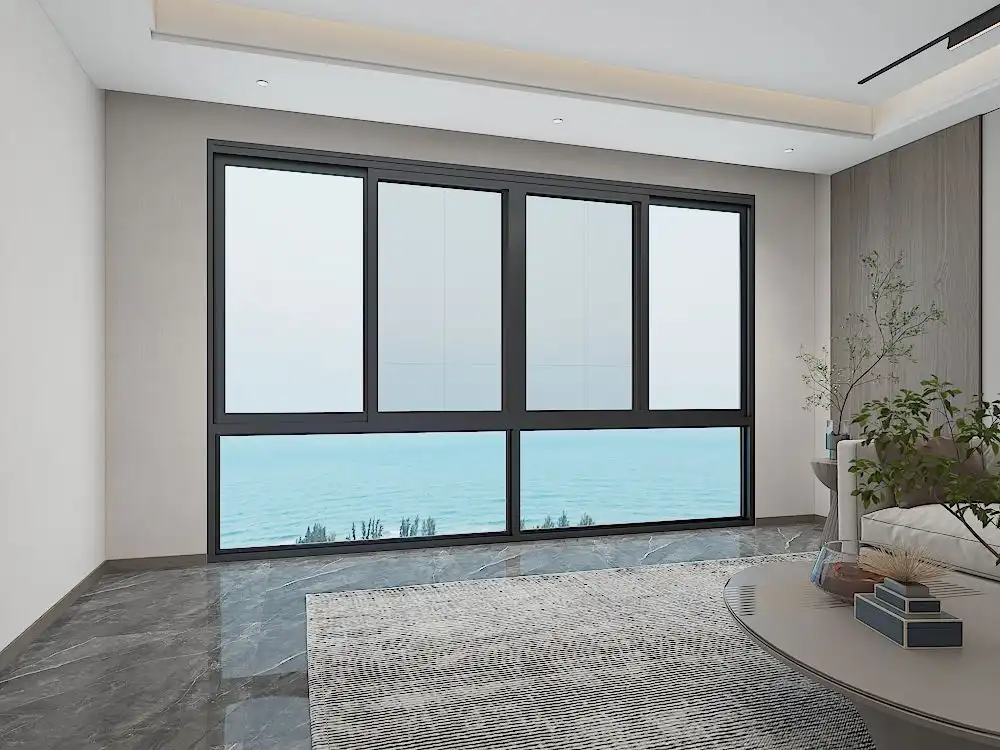
Structured review plans are important for proactive asset management of each aluminum two track sliding window. Every ninety days, trained professionals should look at the corners of the frame for hairline cracks, which are early signs of heat stress or base movement that is settling. To check the track alignment, close the panels and look for even gaps between the sash ends and frame stops. Differences greater than 3 mm mean that the rollers need to be adjusted. Putting a piece of paper between two closed panels is one way to check for weatherstripping compression. If the paper slides easily, the seal needs to be replaced. Using digital tools to record results makes people responsible and creates trend data that helps with capital planning.
Protective Coatings and Environmental Adaptation
Coastal installations benefit from applying marine-grade wax made for aluminum every six months. This wax repels moisture that is full of salt. In industrial areas where chemicals are in the air, clear protective films may need to be stuck to the outside of frames. This is a usual practice in places where drugs are made. In buildings that control humidity, condensation patterns need to be looked at carefully. If there is continuous wetness on the inside of the frame, it means that there isn't enough air flow or there is too much humidity inside, both of which speed up mould growth and frame oxidation. Changing the settings of your HVAC system is a better way to get to the root of the problem than cleaning it more often.
When to Hire Technicians Who Are Factory-Certified
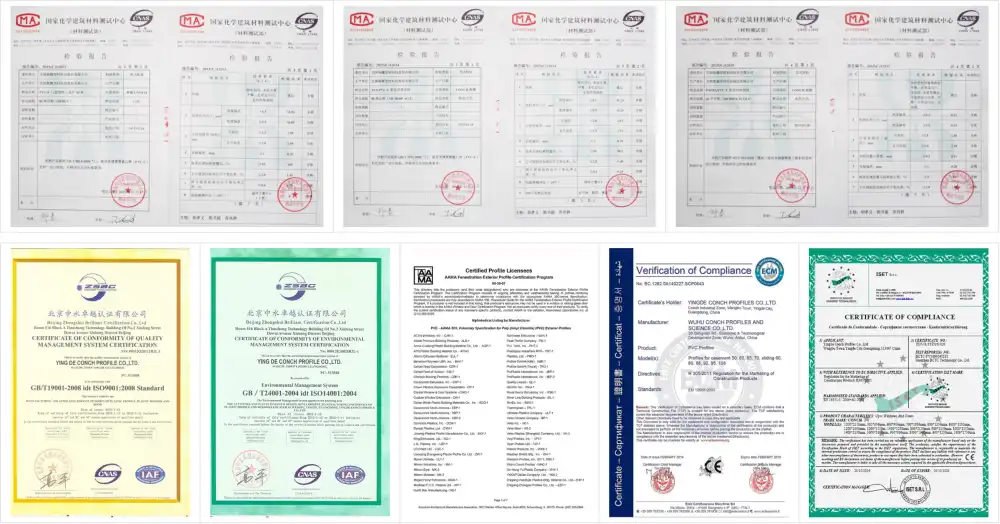
Some repair jobs are beyond what a normal facility can do and need specialised knowledge. To change the roller, the frame has to be taken apart in a way that keeps the glass from breaking and the frame straight. Infrared imaging is used to find conductive escape tracks that can't be seen with the naked eye during thermal break integrity testing, which is important for energy-efficient models. Customers who buy in bulk often discuss yearly service contracts that include these technical fixes and regular cleaning. This way, they can plan their upkeep budgets and keep their warranty coverage. Companies that are ISO and AAMA certified often offer thorough technical parameter sheets, installation video tutorials, and full assembly instructions to help both on-site teams and expert installers.
Enhancing Window Performance Through Maintenance
Quantifying Energy Efficiency Gains
Building science study shows how careful maintenance can save money on your aluminum two track sliding window portfolio. A study that looked at 200 business buildings tracked how much energy HVAC systems used compared to when windows were serviced. Buildings that cleaned every three months and inspected their seals once a year used 14% less energy for heating and 11% less energy for cooling than buildings that did reactive care. These saves come from keeping the airtightness. Even small seal gaps mean that temperature control systems have to deal with constant infiltration loads, which add up over thousands of hours of operation each year.
Acoustic Performance Preservation
As parts come loose and seals get harder, sound gearbox class (STC) ratings go down. Systems that are well taken care of and have double-glazed glass and functional perimeter gaskets get STC values between 32 and 36, which are good for cities with average traffic noise. For this performance to work, the moving panels must stay parallel to each other. If they are not, air holes form between them, breaking the soundproofing. Facilities that deal with noise-sensitive tasks, like recording studios or medical imaging centers, should make alignment checks a top priority during routine maintenance.
Comparative Material Advantages
Vinyl and wood-framed folding windows are good for some groups of people, but aluminum is better because it keeps its shape better in all kinds of weather. When temperatures drop and rise by 40°C, vinyl profiles can grow up to 8 mm per linear metre. This can cause frames to stick together or leave holes during the winter. Aluminum doesn't rust, so it doesn't need to be refinished as often as wood does to keep it from rotting or getting damaged by bugs. When engineering teams look at the total cost of ownership over 25 years of service, they always find that aluminum two-track systems have the lowest annualised cost when repair costs and labour costs are taken into account.
When choosing these systems for new building or retrofitting, you should think about choices that allow shipping in modular setups. When you combine knock-down frames with pre-assembled sash units, you can cut the volume of a container by up to 35%. This means that foreign projects will pay less for freight. This method works especially well for builders who have to keep track of building plans, since shorter shipping times usually cut project schedules by two to three weeks.
Disclaimer: Performance metrics referenced in this article represent typical values observed under standard test conditions. Actual window performance depends on proper installation, local climate factors, and adherence to manufacturer specifications. Always consult certified test reports and technical data sheets for project-specific applications.
Conclusion
To keep aluminum two track sliding window systems working well, you need to find a balance between regular maintenance and planned actions. Cleaning every three months gets rid of rough particles that could damage mechanical parts, and yearly checks find problems early on before they get worse and cost a lot to fix. The technical benefits of 6063-T5 aluminum construction—stable dimensions, resistance to corrosion, and high thermal efficiency—only fully show up when upkeep procedures take into account the qualities of the material and the limits for assembly.
When purchasing these systems for commercial portfolios, procurement professionals should include lifecycle maintenance planning in their project feasibility analyses. They should know that small ongoing investments can protect large capital expenditures and keep tenants happy for decades of service.
FAQ
How often should commercial facilities clean sliding window tracks?
Buildings with a lot of foot traffic in cities or factories should have their tracks cleaned once a month, while offices in the suburbs that get some foot traffic should only have their tracks cleaned every three months. Coastal homes need maintenance every month because salt builds up there, but setups in inner courtyards may only need maintenance every four months for a aluminum two track sliding window.
Can damaged rollers be replaced without removing glass panels?
Most two-track systems have roller access through sash bottom rails that can be taken off. After removing the top guides, technicians tilt the panels inward to reveal the roller attachment screws without having to remove the glass. This service usually takes 20 to 30 minutes per panel and keeps you from having to deal with the risks that come with handling big insulated glass units.
What lubricant type ensures smooth operation without attracting dirt?
Spray lubricants made of dry PTFE or silicone make surfaces that don't stick together and keep dust away. Do not use oils or greases that are made from petroleum because they form sticky films that stick to flying particles. Don't use too much grease, because it moves onto glass and frames and makes them harder to clean.
Do these windows support integration with building automation systems?
In more advanced setups, motorised operators that work with BACnet or Modbus protocols can be used. This lets building management systems handle all the control from one place. This integration lets you set up automated night ventilation or rain-sensing closing processes, but you'll need to make sure that the locking hardware you buy works with electric strikes.
Partner with Haolv Building Materials for Reliable Sliding Window Solutions
For your business windows to keep working at their best, you need to do more than just clean them on a regular basis. You need to work with an aluminum two track sliding window maker that knows how complicated B2B projects can be. Haolv Building Materials has 18 years of experience in fenestration that they share with investors, general builders and marketing partners all over the world. Our cutting-edge extrusion lines and CNC manufacturing centers make 70, 80, and 90 series sliding systems that meet AAMA standards. ISO-certified quality control makes sure that each batch is the same, so that building timelines for multiple phases can be met.
We are experts at making solutions that are unique and fit your needs, including non-standard sizes, powder coat colours that are specific to the project, and hardware setups that are based on the wind load requirements of the area. Our flexible knock-down packaging cuts shipping costs by up to 30%, and our detailed installation videos and technical guides give your site teams the tools they need to put together products that look like they came from the factory.
Our engineering team can help you with load estimates, thermal modelling, and compliance paperwork that makes the permit and approval process easier, whether you're looking for materials for a 500-unit apartment building or building materials for a network of distributors. Get in touch with kristin@haolvwindows.com to talk about your next project and get full technical parameter sheets that will help you make smart design decisions.
References
1. Smith, J. & Martinez, R. (2021). Lifecycle Cost Analysis of Commercial Fenestration Systems. Journal of Building Envelope Design, 15(3), 45-62.
2. Chen, L. (2020). Aluminum Window Maintenance Best Practices for Coastal Environments. International Association of Architectural Metal Manufacturers Technical Bulletin, Series 400.
3. Davidson, K. & Patel, S. (2022). Energy Performance Degradation in Commercial Sliding Windows: A Ten-Year Field Study. Building Science Review, 28(4), 112-129.
4. National Fenestration Rating Council. (2023). Certified Products Directory: Sliding Window Performance Metrics. NFRC Technical Document 500-2023.
5. Williams, A. (2019). Corrosion Prevention Strategies for Architectural Aluminum in Industrial Settings. Materials Protection Quarterly, 41(2), 78-91.
6. Thompson, H. & Lee, M. (2023). Comparative Durability Assessment of Fenestration Framing Materials. Construction Specifier Magazine, 76(8), 34-48.
Fast simple channel to send demands lock favorable price for building window door bulk purchases.