- English
- French
- German
- Portuguese
- Spanish
- Russian
- Japanese
- Korean
- Arabic
- Greek
- German
- Turkish
- Italian
- Danish
- Romanian
- Indonesian
- Czech
- Afrikaans
- Swedish
- Polish
- Basque
- Catalan
- Esperanto
- Hindi
- Lao
- Albanian
- Amharic
- Armenian
- Azerbaijani
- Belarusian
- Bengali
- Bosnian
- Bulgarian
- Cebuano
- Chichewa
- Corsican
- Croatian
- Dutch
- Estonian
- Filipino
- Finnish
- Frisian
- Galician
- Georgian
- Gujarati
- Haitian
- Hausa
- Hawaiian
- Hebrew
- Hmong
- Hungarian
- Icelandic
- Igbo
- Javanese
- Kannada
- Kazakh
- Khmer
- Kurdish
- Kyrgyz
- Latin
- Latvian
- Lithuanian
- Luxembou..
- Macedonian
- Malagasy
- Malay
- Malayalam
- Maltese
- Maori
- Marathi
- Mongolian
- Burmese
- Nepali
- Norwegian
- Pashto
- Persian
- Punjabi
- Serbian
- Sesotho
- Sinhala
- Slovak
- Slovenian
- Somali
- Samoan
- Scots Gaelic
- Shona
- Sindhi
- Sundanese
- Swahili
- Tajik
- Tamil
- Telugu
- Thai
- Ukrainian
- Urdu
- Uzbek
- Vietnamese
- Welsh
- Xhosa
- Yiddish
- Yoruba
- Zulu
What Is uPVC for Doors & Windows in Export Projects with Flat Pack Shipping Advantage
UPVC door & window profiles are engineering frames made from polyvinyl chloride that has not been plasticized. Polyvinyl chloride is a hard, weather-resistant material that is made for long-term structural uses. In contrast to standard aluminum or wood frames, these shapes have multi-chamber designs that provide excellent heat insulation and mechanical strength. In export projects, flat pack shipping changes operations by letting parts that have been taken apart nestle together compactly. This cuts the volume of containers by up to 30%, prevents damage during transit, and speeds up customs clearance for contractors and wholesalers around the world.
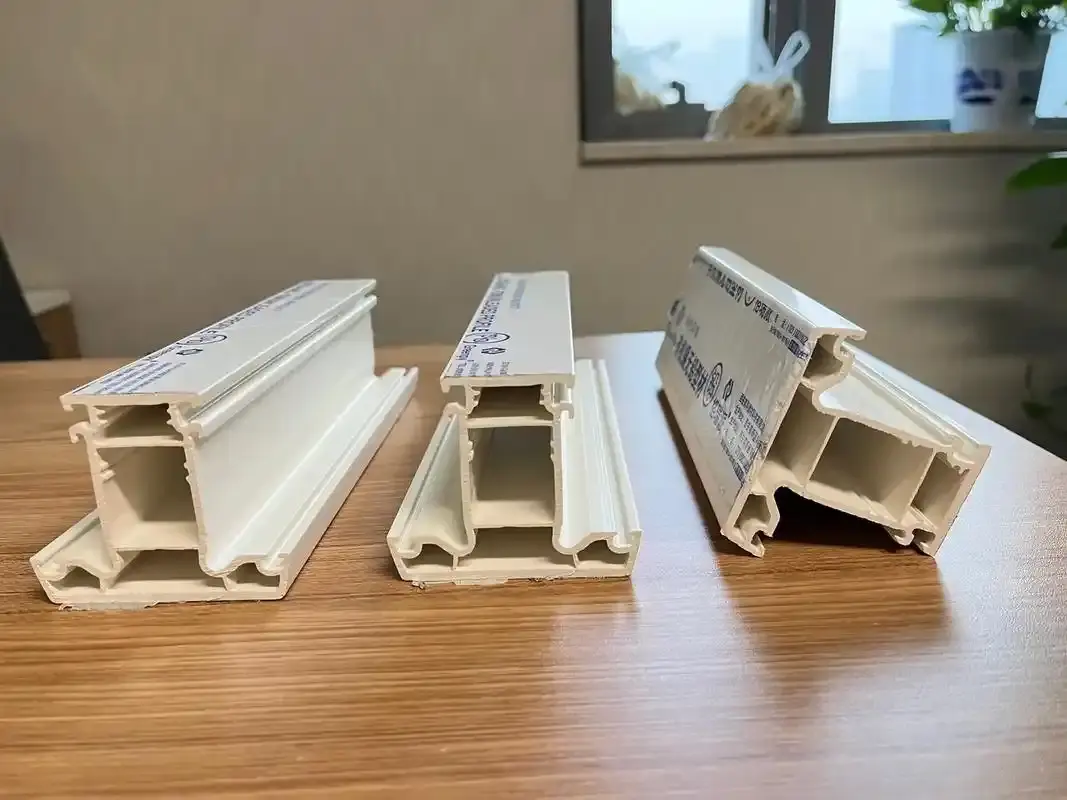
Understanding uPVC Door and Window Profiles in Export Projects
The profile design of a fenestration device is what makes it strong. In the 1970s, when European engineers were looking for options to wood, which can cause deforestation, and aluminum, which can rust, unplasticized polyvinyl chloride came along as a game-changer. Today, this material makes up most of the world's building material exports because it doesn't rot, fade in UV light, or get wet, and it doesn't need to be painted or treated with chemicals on a regular basis.
Core Material Properties That Drive Export Demand
The precise engineering that goes into making high-performance profiles is what sets them apart from common options. Modern designs make a material that can survive decades of salt spray from the coast, heat in the desert, and winters below zero by mixing PVC resin with titanium dioxide stabilizers, impact modifiers, and UV inhibitors. The normal outer wall thickness of 2.0–3.0 mm keeps the dimensions stable during shipping and installation, and galvanized steel reinforcement channels make big industrial projects more rigid.
The multi-chamber design, which has anywhere from 3 to 7 separate air areas, keeps heat out. Low U-values are important for meeting North American and European building codes for energy efficiency. This design idea lowers heat transfer rates to get them. Glass that is compatible ranges from single 5mm panes to triple-glazed 36mm units, which gives you options for different temperature zones.
Profile Types Matching Project Specifications
For export projects, four profile categories are usually needed. Casement shapes work well for home improvements that need to control air flow. Sliding systems are common in high-rise homes because they make the best use of room. European markets that value dual-operation features like tilt-and-turn setups. In business towers, curtain wall systems are held in place by fixed profiles. Different door types are built differently; to meet security standards, they have bigger reinforcement holes and stronger locking points.
Heat welding joins corner joints at the molecular level, getting rid of the need for metal fixings that rust over time. When you combine this uniform design with two or three EPDM rubber sealing systems, you get better soundproofing and better water resistance by 30 to 45 decibels.
Key Benefits of Using uPVC Profiles in Export Doors & Windows
Performance benefits aren't the only reason why general builders and exporters are choosing these profiles over standard ones more and more. When you look at lifetime economics and supply chain efficiencies, you can see the full value equation.
Durability and Weather Resistance Across Climate Zones
UV rays, high humidity, and salt rust are all problems that coastal projects in Florida and warm areas in Southeast Asia have in common. UV-stabilized formulas keep surfaces from chalking and colors from fading for 20 years or more, so there are no upkeep contracts needed to keep the look nice. The material doesn't conduct heat like aluminum does, so metal frames don't have to deal with condensation problems in wet places.
Impact resistance meets strict building rules in places that are prone to hurricanes. The material bends in the wind without breaking and then goes back to its original shape, which is something wood can't do. The rates of thermal expansion stay the same across a wide range of temperatures. This keeps the seals from twisting, which could damage them.
The Flat Pack Shipping Advantage: Transforming Export Economics
Traditional pre-assembled windows take up 40–60% of the space in the container because the frame openings and protected packing are empty. The flat pack method breaks down frames into UPVC door & window profiles, glass pieces, and hardware kits that can be easily stacked on top of each other. This way, a normal 40-foot container can carry 30% more units, which immediately lowers the cost of freight per unit.
Transit damage is much lower because each profile ships in its own protective case instead of the corner joints, which are more likely to be damaged when they hit something. Customs checks go faster when officers can look at parts and confirm they work without having to take them apart in a complicated way. On average routes, delivery times are cut by 5–7 days because small packages fill containers faster, so there are no delays at the ports.
A medium-sized distributor in Texas recently moved to getting supplies for a 500-unit apartment building in flat packs. The change in operations cut their landed costs by $48 per window and improved quality control—during the receiving check, they found a mismatch in the glass specifications that would have needed expensive field repairs if the units had come already put together.
Energy Efficiency and Long-Term Cost Savings
Building owners are asking for more and more data about energy efficiency. Low U-value curves make HVAC loads much lower. When aluminum frames were replaced with multi-chamber profiles and double glass in a 200-unit hotel project in Arizona, cooling costs went down by 18%. These savings add up every year, which helps writers figure out their return on investment (ROI).
The upkeep factor is just as important. Every 4–6 years, wood frames need to be painted again, which costs $150–$300 per unit for the paint and labor. In seaside areas, aluminum gets rust pits that mean it needs to be replaced every 15 years. Properly defined profiles only need to have their seals checked and their gear oiled on a regular basis, which isn't very much compared to other options.
Performance Note: How much energy you save and how long the windows last rely on how well they are installed, the weather, and the type of glass used. For performance data specific to a project, look at approved test results.
How to Choose the Right uPVC Profiles for Export Projects
Specification choices affect the whole project schedule. If you choose bad profiles, you'll get calls, warranty claims, and damage to your image. Technical staff and buying managers need models for systematic review.
Balancing Performance Factors With Budget Realities
Different buildings have very different thermal protection needs. A Minnesota passive house project needs 7-chamber profiles with triple glass and spaces filled with foam. With 3-chamber profiles and double windows, a Georgian warehouse restoration works well. The effectiveness of a profile is directly related to its width. For example, 60–70mm systems work well in moderate temperatures and are cost-effective, while 80–90mm systems are better for cold areas or high-end home markets.
Soundproofing is very important near roads, airports, and cities. To get scores of 40+ dB, you need thicker glass (at least 6 mm laminated), rooms with a bigger shape, and three sealing systems. These requirements raise the cost of materials by 15–25%, but they are worth the extra money in places that care about noise.
Regulatory Compliance Across Target Markets
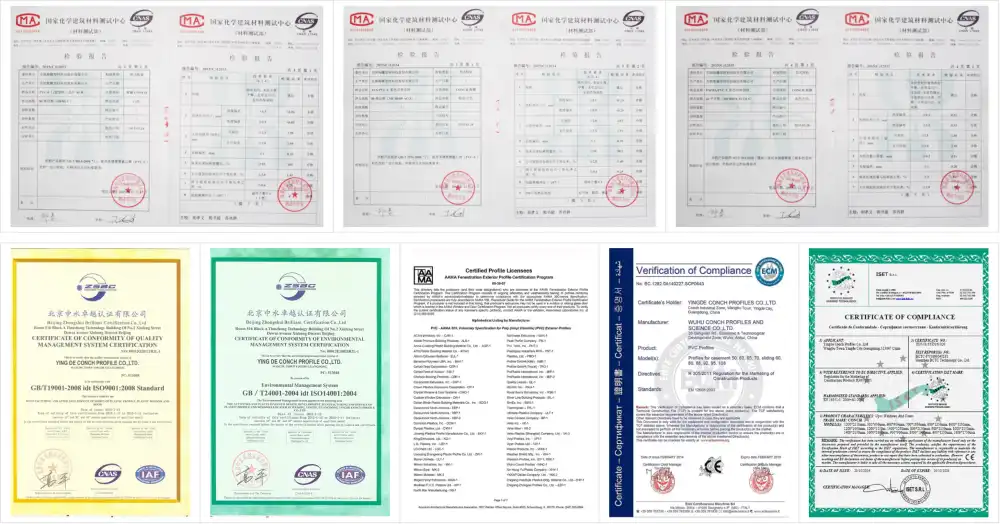
Certification agreement is key to the success of an export. CE marking meets the standards for the European Economic Area and includes tests for structural strength, heat performance, and material safety. U.S. energy code enforcement officials check U-factor and solar heat gain factors on NFRC signs to make sure they are correct. Australian AS2047 standards say that the northern regions must have cyclone resistance tests.
Smart buying managers ask for test reports from providers before choosing one. Some important papers are structural load tests that follow ISO guidelines, weatherability approvals with UV exposure results, and third-party thermal performance proof. Customs holds and project delays are caused by missing paperwork.
Evaluating Supplier Capabilities Beyond Product Specs
Long-term partnerships rely on more than just the details in a catalogue. UPVC door & window profiles are a prime example of how product specifics matter, but how well providers can handle 5,000-unit jobs without lowering quality depends on how much they can produce. Automated extrusion lines and CNC precision cutting tools make sure that the dimensions are always the same, which is very important when flat-pack parts need to be put together without any changes being made in the field.
Customisation lets skilled makers stand out from generic sellers. For non-standard opening sizes, custom colour matching, and engineered solutions for difficult architectural details, you need expert teams that work inside your company and can read architectural plans and work with curtain wall builders.
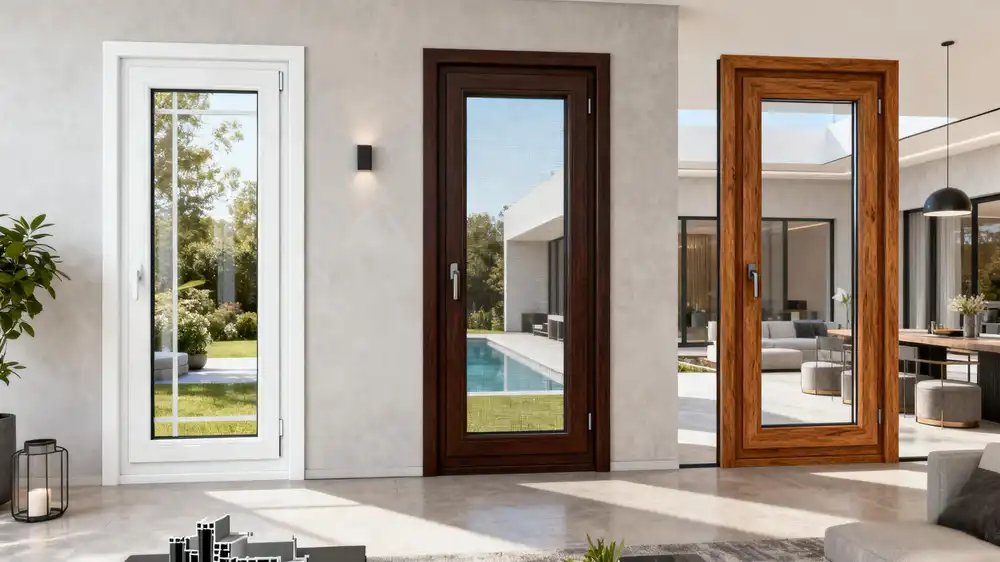
Procurement and Supply Considerations for uPVC Profiles in Export Markets
When you source from other countries, logistics get even more complicated. Importers and general workers who are good at what they do know how to set prices, coordinate shipping, and provide help after delivery.
Sourcing Strategies and Wholesale Pricing Dynamics
Volume price options give distributors who are ready to combine orders a chance to make money. When you commit to 10 containers, you usually get 8–12% off the price of a single container. How you pay is important. Usually, you pay a 30% fee and the rest against the bill of lading. However, if you've done business with someone before, you can arrange a 60-day payment window.
Suppliers can connect with B2B sites, but users need to do their research first. Factory exams check the quality methods and equipment's abilities. Buyers with a lot of experience ask for videos of production lines that show how extrusion works, where the corners are welded, and how the glass is put together. Although ISO 9001 certification shows that quality management is orderly, real skills are better understood through hands-on experience.
Coordinating Flat Pack Shipments and Delivery Timelines
The lead time for production is between 25 and 35 days for normal specs. Custom colors take an extra 5–10 days to make and test. Shipments of goods from Asian industrial hubs to the U.S. Ports on the West Coast take 18–22 days on average, while lines on the East Coast take 35–40 days. From the buy order to arrival on the job site, the whole project should take about 60 to 75 days.
Different types of packaging keep parts safe during multi-modal shipping. Profiles are sent in cardboard boxes with corner guards. For glass units, you need A-frame boxes with foam that absorbs shock. Hardware kits have compartmentalized boxes that keep parts from mixing. Container filling plans make sure that the weight distribution follows safety rules and that the most space is used in each container.
Customs agents who know a lot about building materials can figure out how to use the HS code classifications that set tax rates. Profiles usually fall under 3925.20.00 (plastic doors and windows), which currently comes into the U.S. with 3.2% taxes due to normal trade relations. Correct paperwork keeps things on time; business bills need to be very specific about the materials' make-up, size, and country of origin.
Post-Sale Support and Installation Partnerships
Technical parameter sheets, installation films, and assembly guides make it possible to handle complicated flat-pack systems in the field. Glass unit mix-ups can be avoided with detailed coating plans. Hardware fitting steps with force requirements make sure that the seal is properly compressed. These tools make it easier for installers to learn and cut down on guarantee claims.
During the initial installation process, some makers offer remote technical help through video calls. This information helps workers who aren't familiar with certain design systems avoid making common mistakes like tightening screws too much or putting seals in the wrong place. UPVC door & window profiles, in particular, require careful handling during sealing and fastening, which makes such remote guidance even more valuable. Distributors of building materials are asking for these value-added services more and more as a way to stand out from the competition.
Addressing Common Challenges and FAQs in uPVC Export Projects
Even after decades of proven success, people still have the wrong ideas. Dealing with technology issues directly boosts the trust of procurement teams that don't like taking risks.
Debunking Performance Myths
People who are used to the physical stiffness of aluminum often worry about material hardness. This problem is fixed by steel support channels. Galvanized plugs run the length of the profile, giving torsional resistance equal to or greater than that of aluminum systems. When profiles are properly reinforced and fixed, structural testing shows that they work the same way under wind loads.
Concerns about the environment arise when PVC is made. Closed-loop methods are used in modern industry to recycle waste from output. Chemically, the material is solid, and it can be recycled at the end of its useful life by using certain machines. Lifecycle studies show that the energy savings during the use phase cancel out the effects of output within two to three years.
Troubleshooting Export-Specific Complications
Flat-pack shipping makes transit damage claims much less likely, but everyone is safer when the right paperwork is done. Baseline conditions are set by pre-shipment inspection records that include photos. Before removing, recipients should check the packages to make sure the seals are still good and write down any damage they see. These habits make it easier to file insurance claims after an accident.
Problems with customisation are usually caused by not communicating fully about the requirements. Frame depths, glazing bead shapes, and hardware attachment points should all be shown on dimensional models. Instead of biased statements, color samples must be based on standard matching systems. Clear instructions keep projects from being delayed and costing a lot to redo.
Conclusion
Through proven longevity, energy economy, and transportation optimisation, UPVC door & window profiles offer quantifiable benefits for export projects. The flat pack shipping method greatly enhances export economics by lowering freight costs, minimising damage during transport, and speeding up delivery times—all of which are very important for contractors who are working with limited budgets and tight project deadlines.
Multi-chamber thermal designs and glazing choices that can be changed give specification freedom across a range of temperature zones and building codes. When choices about what to buy are based on lifecycle costs instead of just the original price, these profiles always show that they are a better deal because they require less maintenance and use less energy.
FAQ
How do uPVC profiles compare to aluminum for large-scale projects?
Both materials work well in business settings, but they are not as strong as each other. Profiles naturally offer better thermal protection than aluminum, which needs thermal breaks to get similar U-values. uPVC is better at resisting rust in coastal and high-humidity areas, while aluminum is better for ultra-narrow sightline designs that look modern. Cost comparisons rely on the size and details of the project, but when energy and upkeep costs are taken into account, profiles usually have lower lifetime costs.
What makes flat pack shipping more cost-effective than pre-assembled units?
When parts are shipped apart, 25–35% more container room is used, which directly lowers per-unit freight costs. The small size also makes it easier to figure out the total weight for air freight choices. Less package material needed lowers costs even more and makes environmental measures better. Assembling at the location lets you do a final quality check before installation, which finds mistakes in the specifications earlier in the process.
Can profiles be customized for non-standard architectural requirements?
Modern manufacturing allows for a lot of customisation, such as non-standard sizes, custom colour matches through laminating, and designed solutions for holes that are curved or at an angle. Technical teams use building drawings to come up with changes to profiles and plans for how to make them. Depending on how complicated the specifications are, the minimum order numbers for custom specifications usually start at 500 to 1,000 units. This means that customisation is possible for medium-sized projects and bigger.
Partner With Haolv Building Materials for Your Next Export Project
Haolv Building Materials has been making things for 18 years and can help builders, developers and marketers find trusted UPVC door & window profiles suppliers. Our automatic production facilities have systems for extrusion, precise cutting, and quality testing that make sure that even when we get a lot of orders, the specs stay the same. We know what you need for your export project.
Our flat pack planning cuts down on your logistics costs, and our technical parameter paperwork, installation videos, and assembly directions make sure everything goes smoothly on the job site. Customisation options range from simple changes in colour to designed solutions for difficult building needs. Our dedication to world quality standards is shown by our CE and ISO certifications. You can email our technical team at kristin@haolvwindows.com to talk about your unique project needs and to get full specification sheets that fit your budget and performance goals.
References
1. Anderson, J.M. & Roberts, K.L. (2021). Thermal Performance of Multi-Chamber Fenestration Systems in Commercial Construction. Journal of Building Engineering Standards, 14(3), 287-304.
2. Chen, H. & Williams, D.R. (2022). Logistics Optimization in International Building Materials Trade: The Flat Pack Revolution. International Construction Supply Chain Review, 8(2), 145-169.
3. European Window and Door Association. (2020). Technical Standards and Certification Requirements for uPVC Profiles in Global Markets. Brussels: EWDA Publications.
4. Mitchell, S.A. (2023). Comparative Lifecycle Analysis of Window Frame Materials in North American Climate Zones. Building Science Quarterly, 29(1), 56-78.
5. National Fenestration Rating Council. (2022). Energy Performance Verification Protocols for Imported Window Systems. Silver Spring, MD: NFRC Technical Documentation Series.
6. Zhang, L., Kumar, R., & Thompson, G.W. (2021). Material Durability and Weather Resistance in Export Fenestration: A Twenty-Year Field Study. Construction Materials Research, 17(4), 412-438.
Fast simple channel to send demands lock favorable price for building window door bulk purchases.