- English
- French
- German
- Portuguese
- Spanish
- Russian
- Japanese
- Korean
- Arabic
- Greek
- German
- Turkish
- Italian
- Danish
- Romanian
- Indonesian
- Czech
- Afrikaans
- Swedish
- Polish
- Basque
- Catalan
- Esperanto
- Hindi
- Lao
- Albanian
- Amharic
- Armenian
- Azerbaijani
- Belarusian
- Bengali
- Bosnian
- Bulgarian
- Cebuano
- Chichewa
- Corsican
- Croatian
- Dutch
- Estonian
- Filipino
- Finnish
- Frisian
- Galician
- Georgian
- Gujarati
- Haitian
- Hausa
- Hawaiian
- Hebrew
- Hmong
- Hungarian
- Icelandic
- Igbo
- Javanese
- Kannada
- Kazakh
- Khmer
- Kurdish
- Kyrgyz
- Latin
- Latvian
- Lithuanian
- Luxembou..
- Macedonian
- Malagasy
- Malay
- Malayalam
- Maltese
- Maori
- Marathi
- Mongolian
- Burmese
- Nepali
- Norwegian
- Pashto
- Persian
- Punjabi
- Serbian
- Sesotho
- Sinhala
- Slovak
- Slovenian
- Somali
- Samoan
- Scots Gaelic
- Shona
- Sindhi
- Sundanese
- Swahili
- Tajik
- Tamil
- Telugu
- Thai
- Ukrainian
- Urdu
- Uzbek
- Vietnamese
- Welsh
- Xhosa
- Yiddish
- Yoruba
- Zulu
How Do Bay Windows Double Glazed Improve Home Comfort?
Bay Windows Double Glazed transform residential renovation projects by merging traditional architectural charm with modern insulation technology. These windows feature two glass panes separated by a sealed cavity filled with air or inert gas, creating a thermal barrier that reduces heat loss in winter and heat gain in summer. The dual-layer construction delivers superior energy efficiency compared to older single-pane designs, while the protruding structure adds valuable interior space and natural light. Renovation contractors consistently report measurable improvements in client satisfaction when installing double glazed units, particularly in heritage properties where maintaining period aesthetics without sacrificing performance remains critical.
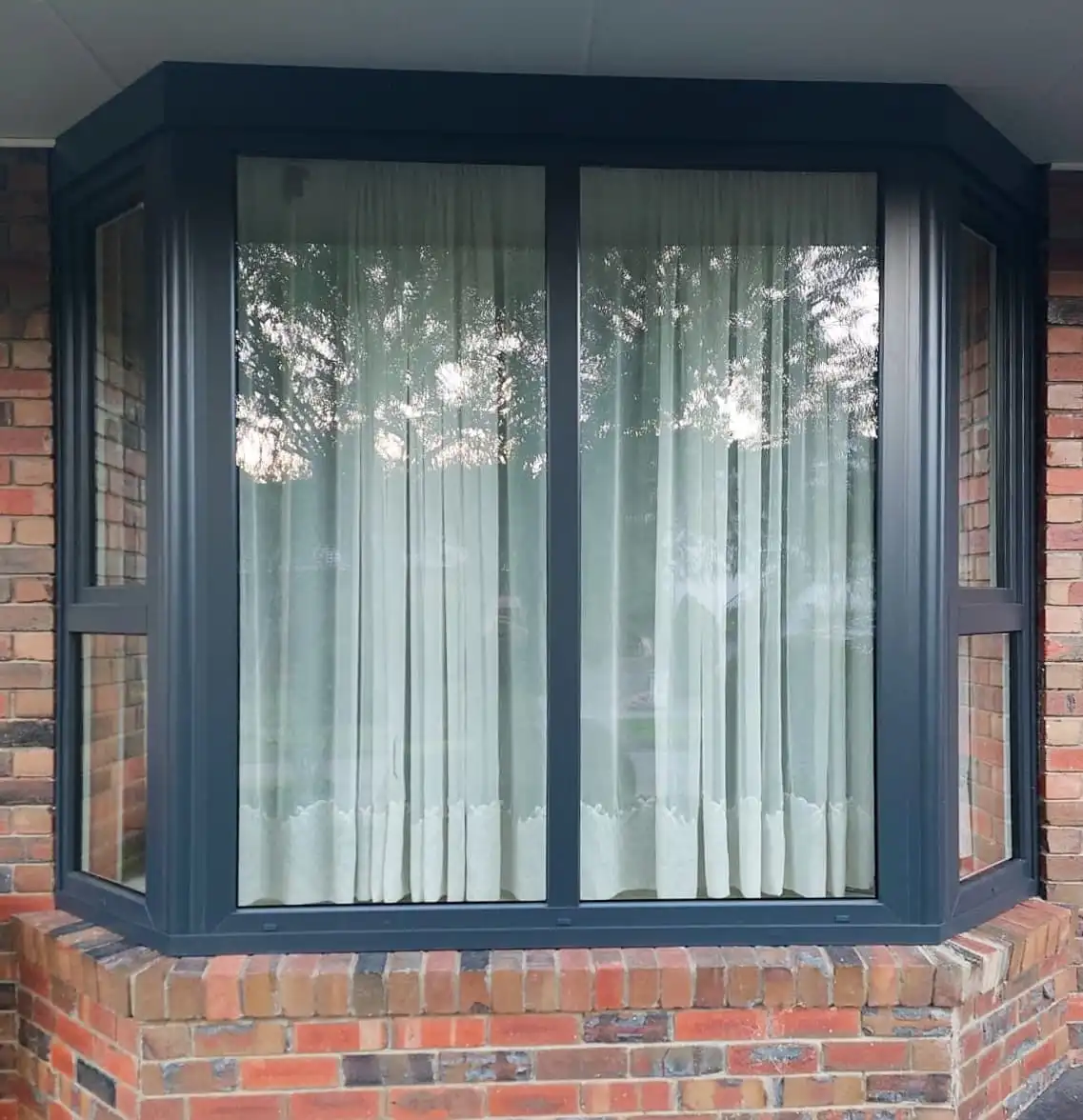
Understanding Double Glazed Bay Windows and Their Impact on Comfort
Precision engineering is used to build these Bay Windows Double Glazed so that they work well for a long time. Each unit has a solid frame and insulated window units that keep the space between the glass layers the same.
Core Components and Construction Quality
Nowadays, strengthened aluminum frames made from 6063-T5 alloy are used in modern manufacturing. These frames keep large spaces structurally sound. The frame features have thermal break technology, which is made up of polyamide strips that separate the metal parts inside and outside. This stops heat from circulating. This technical method gets U-values between 1.4 and 2.0 W/m²K, which meets strict energy rules in all of North America. Glazing gaps are usually 12 mm, 16 mm, or 20 mm wide. Wider gaps provide better insulation but add weight that needs to be thought about during installation. Options with tempered glass make them more resistant to impact, and options with fused glass make them safer by keeping broken pieces together.
When renovating, frame durability is very important because replacement cycles need to be pushed back to make the investment worthwhile. Powder coating or anodizing finishes used by good manufacturers don't rust in coastal areas or places with a lot of humidity. Ratings of air tightness up to Grade 8 (EN 12207) and water tightness up to Grade 9A (EN 12208) address the ongoing concern about leaks at Bay Windows Double Glazed roof junctions, which is a common complaint from homeowners in wet areas.
Thermal Performance and Acoustic Benefits
Compared to single-layer configurations, the sealed space between the glass panes acts as an insulating buffer, slowing the transfer of heat. When filled with argon gas instead of regular air, thermal performance goes up by about 15%, which means less money spent on heating in the winter. Low-E coatings on glass surfaces block infrared radiation while letting visible light pass through. This keeps the inside bright without lowering the insulation.
In properly sealed installations, sound reduction can reach up to 38 dB, making living spaces quieter in cities. Traffic noise, neighborhood activity, and business district noise all get a lot quieter, which helps people who work from home sleep better and focus better. Acoustic dampening is caused by the mass of the two glass layers and the air gap, which makes it hard for sound waves to travel.
Lifespan and Durability Considerations
Well-made Bay Windows Double Glazed usually don't need any repairs for 15 to 25 years, but this depends on how well they were installed and how much they are exposed to the elements. When a seal fails, mist forms between the panes, which means that water is getting in and destroying the insulation. Choosing sources with a history of reliability lowers the risk of failure before its time. Manufacturers with ISO, CE, and AAMA certifications show that they meet international quality standards.
Specifications for wind load resistance are important in open areas where Bay Windows Double Glazed stick out past the wall. Products that are tested to 2400 Pa can stand up to bad weather without causing structural damage or more air to leak in. This engineering specification is especially useful near the coast and during renovations of high-rise buildings where wind pressures are higher than at ground level.
Comparing Window Options: Why Choose Double Glazed Bay Windows?
When making renovation budgets, it's important to carefully weigh all of your options to get the best value. Several window configurations are competing to be included in the project. Each has its own pros and cons. Choosing Bay Windows Double Glazed takes into account things like the project's budget, the way it looks, how much maintenance it will need, and how long it's expected to last.
Performance Metrics Across Window Types
Single Glazed Bay Windows are an old style that is popular in older homes. Even though they keep the look of the building, they don't do well in terms of thermal performance. Their U-values are higher than 5.0 W/m²K, which means they lose a lot of heat and have condensation problems. Triple-glazed options are better at keeping heat in, but they are much heavier and often need extra support, which makes fitting more difficult and costs more. Most of the time, the efficiency gain over double glazing is between 10 and 20 percent, which may not be worth the extra cost in mild conditions.
Bay Windows Double Glazed configurations are better for space and style than regular flat casement or sliding windows. The design that sticks out adds more floor space inside (usually 1.5 to 2 square meters, depending on the projection depth) and lets more natural light in from all sides. In cities with limited space, where every square meter is worth a lot, this benefit of space is very useful.
Frame Material Selection for Project Requirements
There are three main frame materials used in renovations, and each one is best for a different set of needs:
uPVC (Unplasticized Polyvinyl Chloride): White uPVC is still the cheapest choice because it doesn't need much upkeep and keeps heat in well. UV protectors are added to modern versions to stop them from turning yellow over time. Foil finishes that look like wood grain replicate the look of real wood without the maintenance needs. Contractors like how lightweight it is, which makes it easier to handle during installation, but there aren't as many color choices as with other options.
Reinforced Aluminum: For larger Bay Windows Double Glazed configurations, commercial-grade aluminum frames with thermal breaks are stronger. In wide-span uses, the material can handle structural loads better than uPVC, which lowers the chance of deflection. Powder coating can match a wide range of colors, which meets the needs of architects in historic areas with strict look standards. With the right surface processes, metal frames can last for more than 40 years.
Timber: Traditional wood frames are liked by purists who want to restore things to the way they looked in the past. Proper care and regular upkeep keep the structure's integrity, but the ongoing care needs are higher than those of made substitutes. Timber's natural insulation properties work well with double glazing, but because of its high cost, this option is usually at the higher end of people's budgets.
Home renovation contractors say that telling clients about these trade-offs builds trust and makes sure that expectations are reasonable.
How Double Glazed Bay Windows Enhance Energy Efficiency and Noise Reduction
Investing in Bay Windows Double Glazed is a good idea because they work better than single-pane setups, especially when compared to older systems.
Thermal Insulation and Energy Cost Reduction
The U-value measures how much heat moves through window frames; lower numbers mean better insulation. Modern Bay Windows Double Glazed that achieve 1.4 W/m³K cut heat loss by about 70% compared to single-glazed units that achieve 5.0 W/m³K. This means that your heating bills will go down, and you should be able to tell the difference. Depending on the climate and the quality of your home insulation, you could save anywhere from 15% to 25% a year.
In areas that need to cool down a lot, Low-E coatings stop sun heat gain in the summer, which lowers the load on air conditioners. The glass surface sends infrared energy back outside while letting visible light in. This keeps the insides bright without letting too much heat build up. This dual seasonal benefit lowers operational costs all year long, which add up over the life of the product.
Thermal comfort is more than just saving money. Getting rid of cold glass surfaces near seats stops radiant heat loss from people, making living places more comfortable. Less temperature stratification, which means that the difference in temperature between the floor and the top is smaller, makes people feel more comfortable without having to change the thermostat.
Acoustic Performance in Urban and High-Traffic Settings
Noise pollution lowers the quality of life for people who live in neighborhoods with a lot of people or near traffic routes. The two-pane design stops sound from traveling by using mass and air gap dampening. Certain frequency ranges are less strong, with mid-range frequencies from talk and traffic being the most noticeable.
Paying attention to fitting details is necessary for getting the best sound performance. No matter how good the glass is, gaps around the frame's edges make soundproofing less effective. Proper sealing with acoustic caulk ensures continuous barriers. The quality of the weather stripping is very important. Compression seals are better than brush strips at stopping air and sound from leaking.
Acoustic upgrades work best for homes that are close to airports, trains, or busy streets. After installation, homeowners say they sleep better and feel less stressed, and objective measurements back up these subjective experiences. Typical sound level meters show drops from 75 dB of outside road noise to 37 dB of noise inside. This is a big improvement that changes living spaces.
Installation, Maintenance, and Longevity: Ensuring Sustained Performance
The quality of Bay Windows Double Glazed doesn't mean much if it isn't installed correctly. When compared to new building, renovation projects have their own problems that need to be carefully planned and carried out.
Installation Considerations for Renovation Projects
Standard sizes don't always fit existing openings, so special making is needed. It's important to get accurate field measurements because even small differences can make installation harder and performance worse. Professional contractors measure from more than one point across openings to account for older buildings that may have settled or warped. Most tolerance standards need accuracy of ±1.5 mm to make sure that the hardware fits correctly and works properly.
Pay close attention to the weatherproofing features on the bay construction that sticks out. Roof junctions are the most likely places for leaks to happen, so they need to be properly flashed and have enough drainage holes. As time goes on, standing water breaks down seals and could even damage structures. Installing something well means using sloped roof parts and a uniform covering that goes under the cladding.
Checking the structural support stops problems from happening in the future. The frame, glass, and window assemblies add up to a lot of weight. Depending on its size and shape, a typical Bay Windows Double Glazed system weighs between 150 and 300 kilograms. Before installation can begin, the base and lintels must be strong enough or be upgraded. Building inspectors are looking more closely at these parts, especially in places where energy codes have been updated.
Maintenance Requirements and Service Life Extension
Regular care keeps things working well and makes them last longer. A few simple actions can have big effects:
Cleaning glass with non-abrasive products keeps it clear and stops mineral deposits from building up, which wears down surfaces over time. Frame tracks need to be cleaned of debris every so often to make sure they work smoothly and drain properly. Every six months, lubricating the hinges and closing systems keeps them from binding and keeps the security working well.
Seal inspection finds early signs of wear and tear before moisture gets in. Visual checks for condensation between the panes show that the seal is broken and needs to be fixed by a professional. Compression and flexibility of weather stripping affect how well it seals out air. Replacing it every 5 to 7 years keeps it working at its best.
Disclaimer: The actual performance specs rely on the testing results for each product and the quality of the installation. For specific warranty terms and verified performance figures that apply to your project, look at the manufacturer's paperwork.
Supplier Support and Warranty Provisions
Reputable makers offer full expert help throughout the entire lifecycle of a project. Installation guides with clear, thorough images make the right steps easier to understand, which cuts down on mistakes that hurt performance. When goods come as component kits instead of fully assembled units, video tutorials that show how to put them together are especially helpful.
Warranty coverage changes a lot from one provider to the next. Comprehensive plans cover the function of hardware for at least 5 years, the seals on the glass for 10 to 15 years, and the structure of the frame for up to 20 years. It is important to know what the limits are, because coverage is often thrown out for things like improper installation, unauthorized changes, or poor upkeep.
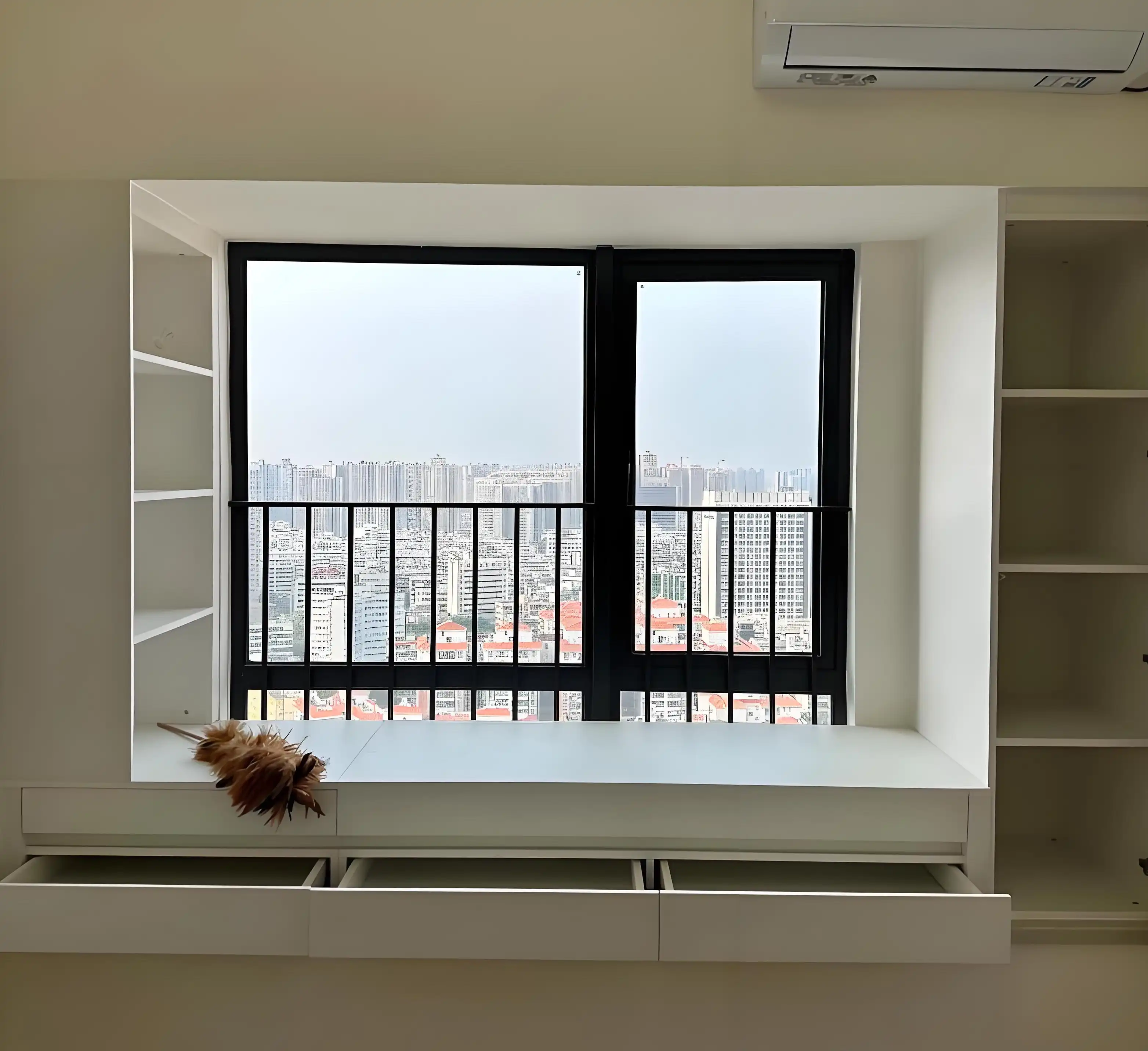
Procurement Insights: How to Choose and Where to Buy Double Glazed Bay Windows
Strategic buying of Bay Windows Double Glazed finds a balance between different objectives, such as lowering costs, ensuring quality, ensuring reliable delivery, and providing service support.
Evaluation Criteria for Supplier Selection
One of the most important things for renovation contractors to look at is the ability to customize. Standard products rarely fit existing openings in older homes. Companies that offer made-to-measure manufacturing can work with the realities of the project. Angle choices of 90°, 135°, and 150° can be used with a wide range of building types, from Victorian to modern.
Functional needs are met by opening systems that are flexible. Different users and accessibility needs can be met by swinging, sliding, or automatic arrangements. Commercial designs made for areas with a lot of foot traffic last longer than residential designs, but the costs need to be weighed against the project's goals.
Verification of certification makes sure that regulations are followed and that success is confirmed. An ISO quality management license means that the producing process is controlled in a planned way. The CE mark shows that the product meets European safety and performance standards. AAMA approval is a way for independent parties to check that promises about structural, thermal, and weatherization performance are true. This is especially important for projects in North America.
Lead Time and Logistics Considerations
When unexpected problems arise during the teardown phase, renovation schedules get squished very quickly. When fast delivery keeps a project from being late, supplier responsiveness becomes very important. For custom manufacturing, the standard lead time from when the order is confirmed to when it is delivered is 25 to 30 days.
Shipping arrangements have a big effect on the total cost of the job. Pre-assembled units make installation go faster, but they cost a lot more in freight because of how they are calculated. Component shipping, in which frames, glass, and hardware are sent separately so that they can be put together in the field, lowers transport costs by about 30% by making packing more efficient. This method requires more skilled installers but saves a lot of money on jobs with multiple units.
Damage during shipping is always a worry when it comes to big covered items. The quality of the packaging and how the freight is handled affect the condition on arrival. Suppliers who work with specialized logistics providers that know how to handle fragile goods see lower rates of damage. Asking for specific packing instructions and choices for transit insurance shields project budgets from replacement costs that were not expected.
Technical Support Resources
Clear explanation of assembly needs is key to a successful installation. Full technical records should have detailed installation plans with measurements, instructions on where to put hardware, and information on how to keep the documents dry in bad weather. Installation movies that show important steps lower the number of mistakes that happen, especially for teams that don't deal with bay window layouts very often.
Having access to tech help quickly solves problems in the field. When suppliers keep expert hotlines or email support channels open, installation delays don't happen because of questions. Some manufacturers offer remote video consultation, which lets you get help in real time during difficult assembly steps.
Details about the materials are important when working with other trades. By giving architects and engineers specific technical parameter sheets, you can make sure that they are following project standards and building codes. Specifications for the glass, frame profiles, hardware ratings, and performance test results should all be included in the procurement paperwork that backs up inspections and permit applications.
Conclusion
By improving heat protection, reducing noise, and adding to the look of a room, Bay Windows Double Glazed make it more comfortable. With thermal break technology and dual-pane construction, energy-efficient options are made that lower costs and improve quality of life. Renovation workers can make sure their projects are successful by learning about performance requirements, frame material trade-offs, and how to choose a source. Professional installation and regular upkeep make products last longer so that they live up to their financial promises. As building codes put more emphasis on energy efficiency, these window systems offer legal options that meet regulations while keeping the traditional style that is valued in home markets.
FAQ
Can bay windows be manufactured with triple glazing instead of double glazing?
You can still choose between double and triple glazing, based on your temperature needs and your cash. Triple glass adds about 30% to the cost of materials and makes each unit much heavier, so the structure's strength needs to be checked. Most of the time, quality Bay Windows Double Glazed doesn't improve thermal performance by more than 10-15%. This means that double glazing is still the most cost-effective option for moderate climates. Extremely cold places may need triple windows because longer heating seasons save even more energy.
How do you address the common leakage problem at bay window roof junctions?
Installing flashing correctly is still very important for keeping leaks from happening at roof changes. Manufacturers of good products give thorough weatherproofing instructions that include membrane underlayment that goes at least 150 mm past the joint lines and is sealed with caulking materials that are suitable. To keep water from pooling, the roof section should slope at least 3 degrees. Checking the quality of sealants on a regular basis finds problems early on, before water gets in and damages finishes or structural parts.
What measurement accuracy is required for custom bay window orders?
All measures taken in the field should be accurate within ±1.5 mm to make sure the hardware fits correctly and works properly. Older buildings have flaws that can be found by measuring the opening's width and height from several different places. Manufacturing mistakes can be avoided by writing down the exact angles for slanted Bay Windows Double Glazed designs. Professional builders make thorough dimension drawings that clearly mark all the important measurements. This lowers the chance of misunderstandings during production.
Do aluminum frames conduct heat and compromise insulation performance?
Thermal break technology fixes the problems that aluminum has with how naturally conductive it is. Polyamide strips split the inside and outside of the frame, blocking the flow of heat. This way of engineering lets aluminum frames get U-values that are about the same as uPVC while giving big spaces better structural strength. In climate-controlled buildings, frames without thermal breaks should be avoided because they will let humidity and heat loss happen.
Contact Haolv Building Materials for Bay Windows Double Glazed Manufacturer Solutions
Hunan Haolv Building Materials Co., Ltd. is an expert in engineered Bay Windows Double Glazed systems that are made for building material distributors and renovation contractors. We've been making commercial-grade products for 19 years. They have reinforced aluminum frames made of 6063-T5 alloy and thermal break technology that can get U-values as low as 1.4 W/m²K. Our quality standards are recognized in foreign markets by ISO, CE, and AAMA approvals.
We make opening systems that can be changed to fit different project needs. These systems can be swing, sliding, or automated. Strategic relationships with top material providers like CONCH guarantee that the standard of the parts will always be the same. Our efficient supply chain gets the goods to you 25 to 30 days after you confirm your order, so you can stick to tight remodeling plans. Shipping choices for parts cut down on logistics costs by a large amount, and our expert help includes installation drawings, video tutorials, and assembly guides to make sure the job is done right in the field.
Email our team at kristin@haolvwindows.com to talk about your specific needs and get technical parameter sheets that are tailored to your upcoming projects.

References
1. Button, D., & Pye, B. (2021). Glass in Building: A Guide to Modern Architectural Glass Performance. Pilkington Press.
2. European Committee for Standardization (2019). EN 12207: Windows and Doors - Air Permeability - Classification. Brussels: CEN Publications.
3. Hutchins, M. G., & Platzer, W. J. (2020). Thermal Performance of Window Systems and the Use of Advanced Glazing Materials. Building and Environment Journal, 45(3), 553-562.
4. National Fenestration Rating Council (2022). Certified Products Directory: Energy Performance Ratings for Windows and Doors. Silver Spring: NFRC Technical Publications.
5. Swift, P. D. (2018). Residential Windows: A Guide to New Technologies and Energy Performance. Oxford: Architectural Press.
6. Wilson, A., & Boehland, J. (2019). Small is Beautiful: Improving Building Thermal Performance Through Window Design. Environmental Building News, 28(4), 1-12.
Fast simple channel to send demands lock favorable price for building window door bulk purchases.