- English
- French
- German
- Portuguese
- Spanish
- Russian
- Japanese
- Korean
- Arabic
- Greek
- German
- Turkish
- Italian
- Danish
- Romanian
- Indonesian
- Czech
- Afrikaans
- Swedish
- Polish
- Basque
- Catalan
- Esperanto
- Hindi
- Lao
- Albanian
- Amharic
- Armenian
- Azerbaijani
- Belarusian
- Bengali
- Bosnian
- Bulgarian
- Cebuano
- Chichewa
- Corsican
- Croatian
- Dutch
- Estonian
- Filipino
- Finnish
- Frisian
- Galician
- Georgian
- Gujarati
- Haitian
- Hausa
- Hawaiian
- Hebrew
- Hmong
- Hungarian
- Icelandic
- Igbo
- Javanese
- Kannada
- Kazakh
- Khmer
- Kurdish
- Kyrgyz
- Latin
- Latvian
- Lithuanian
- Luxembou..
- Macedonian
- Malagasy
- Malay
- Malayalam
- Maltese
- Maori
- Marathi
- Mongolian
- Burmese
- Nepali
- Norwegian
- Pashto
- Persian
- Punjabi
- Serbian
- Sesotho
- Sinhala
- Slovak
- Slovenian
- Somali
- Samoan
- Scots Gaelic
- Shona
- Sindhi
- Sundanese
- Swahili
- Tajik
- Tamil
- Telugu
- Thai
- Ukrainian
- Urdu
- Uzbek
- Vietnamese
- Welsh
- Xhosa
- Yiddish
- Yoruba
- Zulu
How Do Thermal Break Casement Windows Work?
Thermal Break Casement Windows are a high-tech answer to one of the building industry's biggest problems: how to balance energy economy with structural performance. A polyamide strip is sandwiched between the inner and outer metal profiles of these high-performance fenestration systems. This creates a thermal barrier that makes it much harder for heat to move through the window frame. This design makes it possible for aluminum windows to perform as well in insulating heat as windows made of materials that are usually better at that. They still have the strength, slim sightlines, and durability that make aluminum perfect for industrial and large-scale home projects.
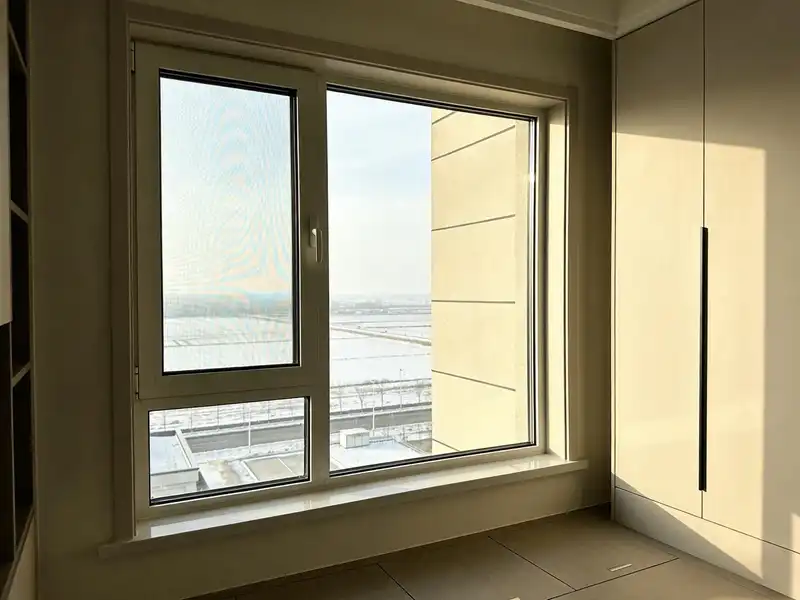
What Are Thermal Break Casement Windows?
Understanding Thermal Break Technology
In a way, the thermal break itself acts as a break in the otherwise smooth metal frame. Standard metal windows let heat move through them, so they let heat leave in the winter and come in during the summer. Engineers make a thermal bridge that stops this heat flow by putting a low-conductivity polyamide strip (usually PA66GF25 with 25% glass fiber support) between the inner and outer sections. The thermal resistance of polyamide is about 1,000 times lower than that of aluminum. This turns what would normally be a thermal risk into a high-performance insulating assembly.
This engineering method keeps the good things about metal building for structure while fixing the bad things about it for heat. The thermal break doesn't make the frame weaker; the polyamide strip is manually crimped into holes in the aluminum extrusions that were specially designed for it. This makes a strong bond that can handle high wind loads and operational stresses. U-values for modern thermal break systems are usually between 1.0 and 1.8 W/m²K, though this can change based on the glass and profile depth.
Key Design Components
In addition to the thermal break, these windows have a number of other design features that work well together. 6063-T5 architectural-grade aluminum was used to build the frame because it has the best mix of strength, formability, and resistance to rust. Different performance needs and glazing widths can be met by profile models running from 70mm to 120mm. Deeper features make room for triple windows and more insulation chambers, which raises the thermal performance to a level that meets passive house standards in mild conditions.
Multi-chamber profile shapes add extra layers of insulation by making air holes inside the frame. Together with the thermal break, these spaces keep heat from moving through the whole frame system to a minimum. The casement design has tension seals instead of slide seals like other window types, which makes it better at keeping out air and weather. At the points where the sash and frame meet, multi-layer EPDM gaskets make weathertight shields that keep working well even in high temperatures and after decades of use.
Surface processes keep the aluminum from rusting and deteriorating in the environment while also letting you change the way it looks. Powder coating is long-lasting and lets you change the color; anodizing makes things more resistant to rust in seaside or industrial settings; and PVDF finishes are the most weatherproof and color-fast. A profile thickness of 1.4 mm to 2.0 mm keeps the structure strong for a range of hole sizes and wind load needs. Because of these specs, these windows can meet strict building rules in many places, such as the NFRC standards used for business construction in North America.
How Do Thermal Break Casement Windows Work?
Thermal Transfer Interruption Mechanics
The main idea behind how it works is to stop heat from moving through the window frame. There are three natural ways for heat to move from hot to cooler places: conduction, convection, and radiation. Standard aluminum windows work mostly through conduction, with the metal frame being a very good way for heat to move between the inside and outside. This single electrical path is turned into a multi-stage thermal resistance system by the thermal break.
When the temperature outside drops below the temperature inside, heat tries to escape through the window system. The metal profile inside gets warmer when it comes into touch with room air, but the heat doesn't go straight to the profile outside; instead, it hits the polyamide thermal break. The low conductivity of the polyamide makes the rate of heat movement very slow. The profile on the outside stays much closer to the temperature outside, while the profile on the inside stays close to room temperature.
This difference in temperature across the thermal break cuts down on heat loss through the frame by a large amount. When it's hot, the same process works backwards. Outside heat has a hard time getting through the thermal break to the inside profile. This keeps the inside frame surface cooler and lowers the cooling load. Because these windows are thermally resistant in both directions, they can be used in a wide range of temperatures, from northern markets that tend to heat up to southern markets that tend to cool down.
Sealing and Weather Resistance Integration
The heat break works better when it is airtight. If air gets in around moving windows, even frames that are well sealed will not work as well. Thermal Break Casement Windows are better in this way because when they are closed, their compression seal design puts pressure against gaskets, while slide windows use brush or fin seals that have holes in them. At the frame-sash junction, multi-layer EPDM gaskets make two weathertight shields. This closing benefit is strengthened by the way the system works.
With multi-point locking hardware, the compression forces are spread out evenly around the sash's edge, getting rid of the weak spots that single-point locks often have. Lockable handles make things safer by keeping them from opening by mistake in high winds. When there is wind pressure, the compression action actually gets stronger because outside forces push the sash tighter against its seals instead of trying to separate it from the frame.
The concepts behind water resistance are similar. Water stays away from weak joints with sloped sill shapes and built-in drainage pathways. The same compression seals that keep out air also keep water out, even when it rains hard from the wind. Systems usually get Class E1050 water tightness scores, which mean that water can't get through under test pressures that are the same as a strong storm. This resistance to weather saves building surfaces and keeps the thermal performance that lowers operating costs over the life of the building.
Comparing Thermal Break Casement Windows with Other Window Types
Performance Against Sliding and Awning Systems
While sliding windows are easier to use, they don't work as well as Thermal Break Casement Windows when it comes to keeping heat in and air out. The main difference is how the seals are made. Sliding systems use fin or brush seals that allow the panels to move, which leaves small holes that let air in. When the casement is closed, the compression seals get rid of these holes. In the lab, Thermal Break Casement Windows regularly achieve air infiltration rates 30–50% lower than similar sliding units. This directly leads to lower heating and cooling costs.
Operational engineers also like casements for controlling air flow. The sash swings outward, which lets you precisely place it to catch breezes or keep rain out while airflow is happening. Slider windows can only have two states: open or closed. They are less flexible than other types of windows. Awning windows protect you from rain while letting air flow, but they usually have smaller openings and cost more for the same size.
The window form strikes a balance between these factors, making it flexible enough to meet a wide range of project needs. Frame technology is different for each type of window, but thermal break systems work well with Thermal Break Casement Windows. To handle practical pressures, the hinge side needs stronger shapes, but these changes don't affect the thermal performance. Thermal breaks go all the way through the hinge-side profiles and the passive frame members, so the insulation stays the same all the way around.
Material Considerations: Aluminum Versus Alternatives
Vinyl windows are the most popular type of new window for homes because they are affordable and keep heat in. But vinyl's structural limits mean that openings can't be as big, and it doesn't look as good, so it's not as good for business or high-end domestic projects. Vinyl profiles require significantly greater width to achieve comparable strength, reducing glass area and creating bulkier sightlines. Thermal Break Casement Windows have the slim profiles that builders like and are just as good at insulate as vinyl, if not better.
Calculations of durability change how lifetime costs are compared. Aluminum frames look good and keep their structural strength for decades. Vinyl can break when it's very cold, changes color when it's exposed to UV light, and isn't stiff enough for big industrial installations. The metal frame itself doesn't need much upkeep; it just needs to be cleaned every so often. Coatings or anodizing on the surface of metal last a lot longer than vinyl when it comes to protecting it from rust.
Wood windows have a classic look, but they need to be maintained regularly and are easily damaged by water. Thermal Break Casement Windows have the slim profiles and changeable finishes of wood, but they don't need as much upkeep and isn't as likely to get wet. Dual-color powers let outdoor finishes match facades and interior surfaces match interior design. Wood can only do this by painting or staining, which needs to be done on a regular basis.
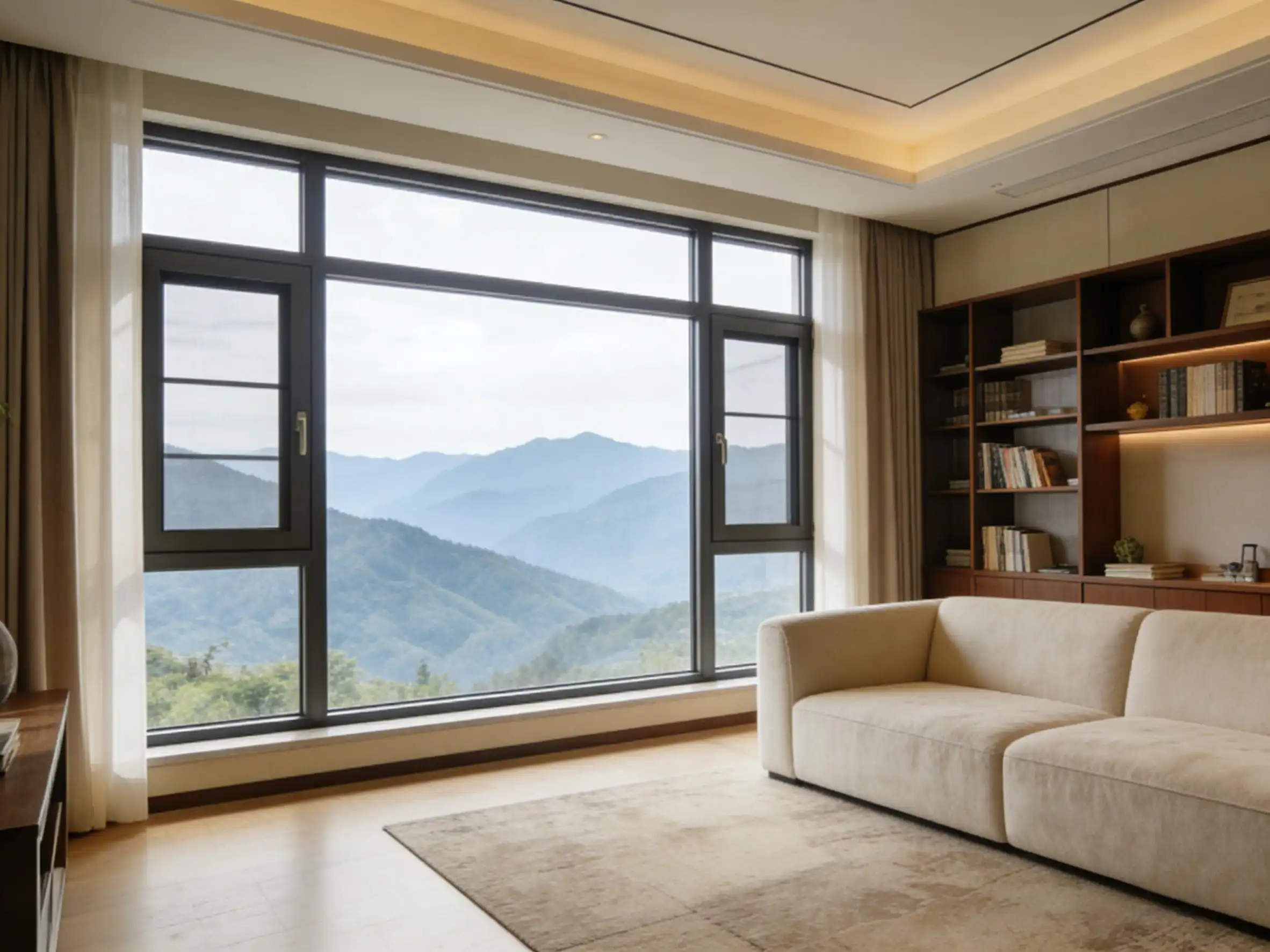
Benefits and Practical Advantages for Procurement
Energy Efficiency and Cost Reduction
Energy efficiency directly leads to cost saves in operations. Buildings with properly defined Thermal Break Casement Windows have 25–40% lower heating and cooling costs than those with normal aluminum installations. These saves add up every year for as long as the building is used. Thermal modeling for a normal 50,000-square-foot business building in a moderate temperature zone shows that switching from standard metal systems to thermal break systems can save more than $15,000 a year on HVAC costs. Over the course of 30 years, the total saves are much higher than the cost of the new window.
ENERGY STAR certification sets efficiency standards that are the same across all areas in North America. When designed with the right glass, Thermal Break Casement Windows easily meet these requirements. U-factors below 0.30 and Solar Heat Gain Coefficients that are designed for temperature zones make sure that building codes are followed while also getting the most energy efficiency. These licenses make the process of writing specifications easier and help with the certification paths for LEED or other green building programs.
Another benefit of this process is less humidity. Standard metal frames cool to temperatures close to those outside, which makes wetness inside the frame condense on its surfaces. This mist hurts finishes next to it, helps mold grow, and shows that energy is being wasted. Thermal breaks keep the temperature inside the frame above the dew point, which stops condensation and the maintenance problems it causes. This benefit is especially useful in places with a lot of humidity or in buildings with indoor pools, business kitchens, or other activities that make wetness.
Durability and Maintenance Advantages
Aluminum's natural qualities make it stable in terms of performance over time. Aluminum's structure qualities will never change, unlike materials that break down when exposed to UV light or water. The 6063-T5 metal used in high-quality systems is very resistant to corrosion and doesn't need any extra security in most environments. Surface treatments make this resilience last longer in harsh settings. For example, anodized finishes or seaside-grade powder coatings that are resistant to salt spray work well for placements near the coast.
When systems use high-quality parts, the hardware lasts as long as the frame does. Multi-point locks made of stainless steel, strengthened hinges, and precision-machined operators work reliably for thousands of rounds. The casement design itself lowers hardware stress compared to slide systems, where wheels and tracks wear out over time from rubbing against each other. Operational testing shows that good window gear keeps working smoothly after more than 50,000 rounds, which is many years of normal use.
During the working life, there aren't many maintenance needs. Cleaning it every so often keeps it looking good, and lubricating the parts every so often makes sure it works smoothly. Building upkeep funds don't have to pay for painting, sealing, or structural fixes. This feature of low maintenance lowers lifetime costs and keeps operations running smoothly without the need for extensive window repair or replacement too soon. Even though they cost more up front than cheaper options, thermal break systems are still a good investment because they save money in the long run.
Compliance and Certification Benefits
More and more, basic thermal efficiency standards are required by regional building codes. In many places, Thermal Break Casement Windows meet or go beyond these standards. NFRC ratings are a normal way to show how well something works, and code officials all over the US know them. The CE mark shows that the product meets European standards for energy saving, safety, and the performance of the structure. These licenses make it easier to get things approved and lower the risk of the job.
Green building approval systems, such as LEED, give points for how well the envelope works. High-performance windows help with many types of credits, such as energy efficiency, daylighting, and choosing the right materials. Materials credits are supported by the metal frame's recovered content and ease of recycling, and energy credits are supported by its thermal performance.
This multi-credit addition makes choosing windows a smart move toward certification levels that raise the value and marketability of the building. Having good acoustics is useful in cities and other places near transportation hubs. Thermal break casement designs block out noise very well thanks to their compression seals and heavy frame construction. When ordered with laminated glass, systems achieve Sound Transmission Class ratings above 40, which successfully blocks out road noise and creates comfortable interiors even in noisy settings.
Performance Note: The exact thermal, structural, and acoustic performance numbers rely on the whole system, such as the type of glazing used, the profile series, and how well it was installed. Product testing records and engineering paperwork from manufacturers should be used to confirm the real performance.
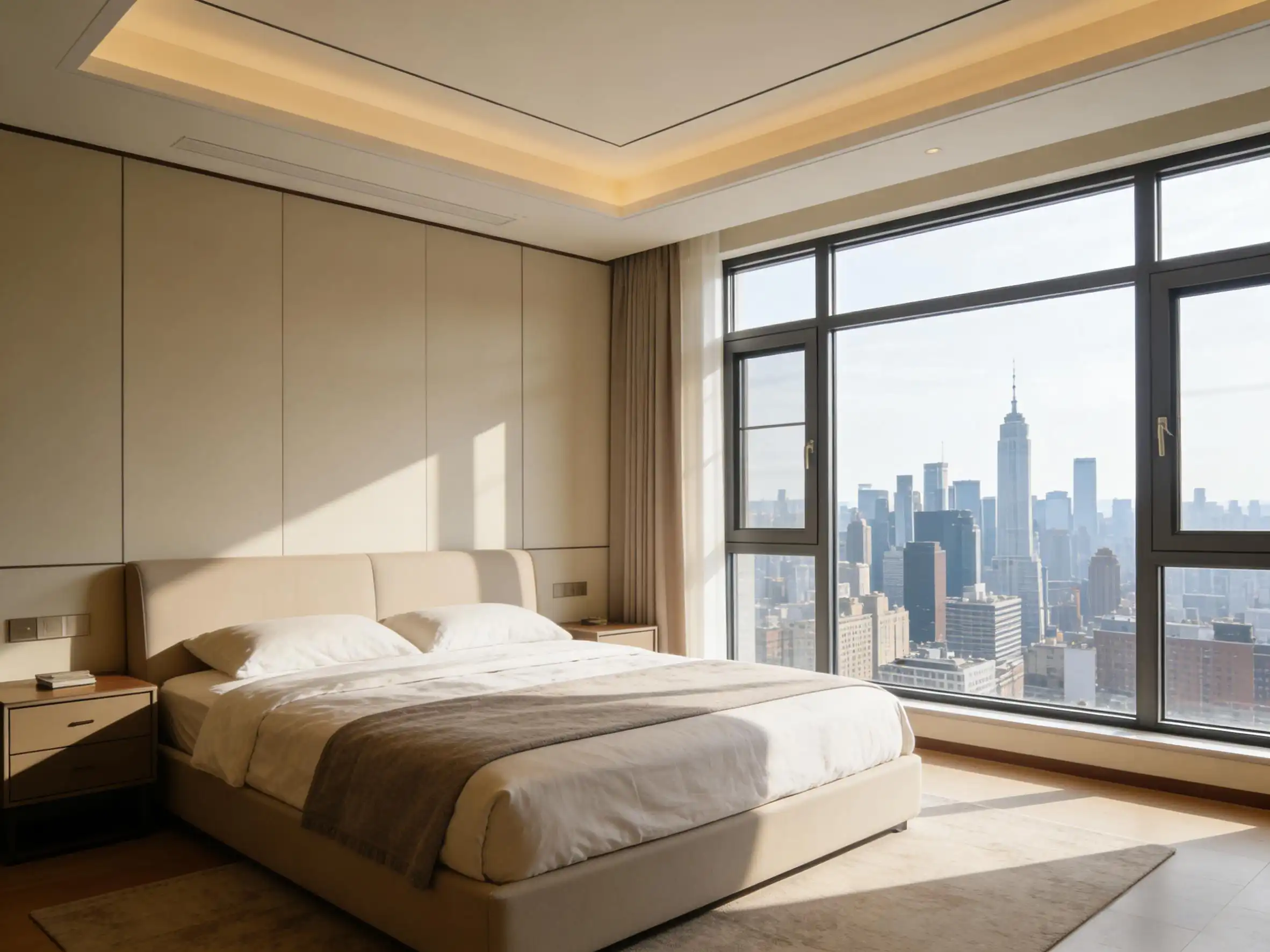
How to Procure Thermal Break Casement Windows Effectively?
Supplier Selection Criteria
Finding skilled makers for a Thermal Break Casement Window is the first step to successful procurement. It's important to work with providers who have done similar projects before. They can help with planning and lower the risk of executing the project. If providers can meet project deadlines, it depends on how much they can produce, especially for big projects that need thousands of units in a short amount of time. Automated manufacturing equipment makes sure of uniform quality and accurate measurements that are hard to achieve with human labor.
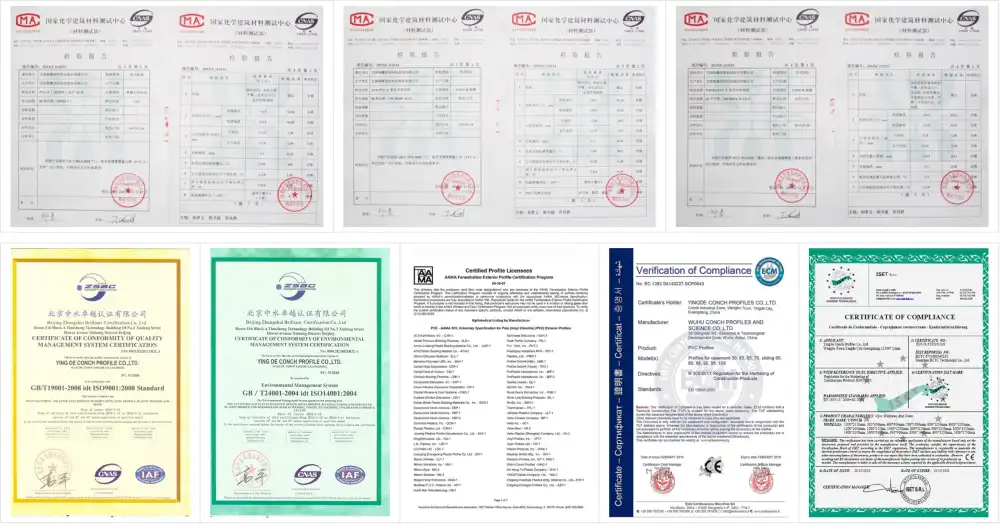
Documentation for certification verifies quality processes in production. Getting ISO 9001 approval means that quality management methods have been formally set up. Product-specific certifications, such as NFRC ratings or AAMA tests, show that goods do what they say they will do. Ask for test records that show the results of structural, air, and water entry, thermal performance, and test reports. These papers should come from independent, accredited labs, not tests done by the seller.
Technical help is what sets skilled providers apart from manufacturers. Suppliers who offer engineering advice, help with writing specifications, and back the submittal process are helpful for complicated tasks. Being able to look at building plans and suggest improvements keeps problems in the field from getting too expensive. Technical teams that are responsive, know the local code standards, and know how to get things approved add a lot of value beyond just providing product.
Customization and Ordering Logistics
Standard product lines work well for most uses, but business projects often need to be customized. When choosing a profile series, you have to weigh the performance needs against the cost. For example, thicker profiles with more insulation spaces offer better thermal performance but cost more in materials. The sizes of openings must fit building plans while also taking into account the limits of the structure. Good providers give technical data that shows the biggest sizes that are suggested for certain wind loads and deflection standards.
The color and finish you choose affects both how it looks and how long it lasts. Powder finishing lets you choose from the most colors and lasts a long time in safe places. The higher cost of PVDF finishes for outdoor applications is justified by the fact that they last longer and fight weather better than other finishes. Anodizing gives metals their unique looks while giving them the best rust protection. The ability to use two colors means that outdoor finishes can match facade color schemes and interior surfaces can match interior design schemes. This is an important thing to think about for high-visibility uses.
The way hardware is set up lets systems change to the needs of operations. Most of the time, standard casement action works fine, but tilt-turn gear makes cleaning easier on upper floors. Lockable handles keep holes that people can get to safe. Integrated screens allow air flow in places where bugs are common. With these customization choices, a single product platform can meet the needs of a wide range of projects. This makes purchasing easier and meets a wide range of useful needs. Planning ahead is important for ordering operations.
For foreign sellers, the normal time between confirmation of an order and delivery is between 25 and 30 days. This is because of the time it takes to make and ship the goods. Calculating a container's size determines how it will be packed, and making the best use of its space lowers the cost of shipping each unit. Delivery dates must match the order of construction, and enough storage space on site should be thought about in case the building isn't ready for delivery times.
Cost Evaluation Framework
The initial price is only one part of the total cost. Lifecycle cost analysis is important for making smart choices about what to buy because it shows how thermal performance affects long-term energy costs. Simple payback estimates compare the extra cost of the windows to the amount of energy they are expected to save each year. More advanced methods use things like upkeep costs, when to replace something, and rising energy prices to figure out the net present value of different options.
The terms of the warranty divide the risk between the buyer and the seller. Comprehensive guarantees that cover both flaws in the making process and loss of performance are a great way to protect yourself. Carefully read the warranty terms to make sure you understand what's covered, how long the guarantee lasts, and how to file a claim. Manufacturers who offer strong guarantees are confident in the stability of their products and give customers a way to get help if problems arise.
Volume price makes it possible to get the best deals on big jobs. Suppliers usually offer different prices based on how much you order, with big savings for orders over a container load. You can get these big savings by combining orders from different project stages or projects. But you should weigh the savings in volume against the costs of keeping goods and the freedom of your plan. For example, buying too much to get a discount can backfire if it makes storage hard or increases the risk of obsolescence.
Conclusion
Thermal Break Casement Windows offer measured performance benefits that make them worth specifying in business buildings and high-end homes. The thermal break technology stops heat from moving through metal frames, which lowers energy use while keeping the structural and aesthetic benefits that make aluminum the best material for demanding uses. Casement windows have better weather protection and airtightness than folding windows because they have compression seals built in. When procurement teams look at lifetime costs instead of just the original price, thermal break systems show strong economic value by lowering costs and increasing service life.
FAQ
Q1: Are thermal break casement windows suitable for extreme climates?
A: These window systems work well in a wide range of climates, from places where it's hotter in the north to places where it's cooler in the south. The thermal break device stops heat from moving in both directions, so less heat is lost in the winter and gained in the summer. Thermal Break Casement Windows work well even in harsh conditions if they are ordered with the right glass.
Q2: What maintenance do these windows require?
A: Maintenance needs stay low throughout the whole life of the system. Cleaning the glass and frames on a regular basis keeps them looking good. Normal cleaners that don't scratch can be used on both glass and metal. Hardware works better when hinges and locking systems are oiled every once in a while with light machine oil or silicone-based lubricants.
Q3: Which certifications matter most for procurement?
A: NFRC certification gives uniform performance scores that are accepted all over North America. It records U-factor, Solar Heat Gain Coefficient, and Visible Transmittance numbers that are needed for code compliance and energy models. Standardized testing methods used by AAMA to certify structures show that they work well and last a long time. Getting ISO 9001 approval shows that a company has quality control systems in place.
Partner with a Reliable Thermal Break Casement Window Manufacturer
Every project that Haolv Building Materials works on is backed by their nearly twenty years of experience in specialized production. Precision CNC cutting, advanced extrusion lines, and strict quality control procedures in our automated production sites make sure that both standard and special orders get the same level of quality. We have a wide range of products, including 70, 80, 100, and 120 series thermal break systems. All of them are made of 6063-T5 aluminum and have PA66GF25 thermal breaks and multi-layer EPDM seals for better thermal and weather performance.
Our engineering team offers full technical support, from helping with the initial design to delivering the finished project. We are committed to quality, as shown by our ISO and CE certifications. We know how hard it can be to buy things for a lot of people. We can customize sizes, colors, and hardware configurations to meet the needs of each individual project. We also have enough inventory and streamlined processes to support delivery times of 25 to 30 days, and our order management is flexible enough to work with construction schedules and budgets.
As a Thermal Break Casement Window provider with a lot of experience, we welcome questions from contractors, developers, distributors, and system designers who are looking for a manufacturing partner they can trust to provide reliable performance and quick service. Email kristin@haolvwindows.com to talk about your project needs and find out how our thermal break window solutions can improve the performance of your building shell.
References
1. American Architectural Manufacturers Association. "Thermal Performance of Fenestration Systems: Design Considerations for Energy-Efficient Buildings." AAMA Technical Standards Publication, 2021.
2. National Fenestration Rating Council. "Understanding Energy Performance Ratings for Windows, Doors, and Skylights." NFRC Consumer Education Series, 2022.
3. Efficient Windows Collaborative. "Window Technologies: Thermal Break Frame Systems and Their Impact on Whole-Building Energy Performance." Building Science Research Report, 2020.
4. International Organization for Standardization. "ISO 10077-2: Thermal Performance of Windows, Doors and Shutters—Calculation of Thermal Transmittance, Part 2: Numerical Method for Frames." ISO Building Construction Standards, 2022.
5. U.S. Department of Energy. "Energy-Efficient Window Coverings and Fenestration Systems for Commercial Buildings." Office of Energy Efficiency and Renewable Energy Technical Publication, 2021.
6. Glass Association of North America. "Glazing System Performance: Integrating Frame and Glass Technologies for Optimal Energy Efficiency." GANA Technical Document, 2023.
Fast simple channel to send demands lock favorable price for building window door bulk purchases.