- English
- French
- German
- Portuguese
- Spanish
- Russian
- Japanese
- Korean
- Arabic
- Greek
- German
- Turkish
- Italian
- Danish
- Romanian
- Indonesian
- Czech
- Afrikaans
- Swedish
- Polish
- Basque
- Catalan
- Esperanto
- Hindi
- Lao
- Albanian
- Amharic
- Armenian
- Azerbaijani
- Belarusian
- Bengali
- Bosnian
- Bulgarian
- Cebuano
- Chichewa
- Corsican
- Croatian
- Dutch
- Estonian
- Filipino
- Finnish
- Frisian
- Galician
- Georgian
- Gujarati
- Haitian
- Hausa
- Hawaiian
- Hebrew
- Hmong
- Hungarian
- Icelandic
- Igbo
- Javanese
- Kannada
- Kazakh
- Khmer
- Kurdish
- Kyrgyz
- Latin
- Latvian
- Lithuanian
- Luxembou..
- Macedonian
- Malagasy
- Malay
- Malayalam
- Maltese
- Maori
- Marathi
- Mongolian
- Burmese
- Nepali
- Norwegian
- Pashto
- Persian
- Punjabi
- Serbian
- Sesotho
- Sinhala
- Slovak
- Slovenian
- Somali
- Samoan
- Scots Gaelic
- Shona
- Sindhi
- Sundanese
- Swahili
- Tajik
- Tamil
- Telugu
- Thai
- Ukrainian
- Urdu
- Uzbek
- Vietnamese
- Welsh
- Xhosa
- Yiddish
- Yoruba
- Zulu
Aluminum Two Track Sliding Windows: Features, Benefits, and Best Uses
Aluminum two track sliding windows are a high-tech way to add windows to a building. They have two different sashes that slide horizontally on separate tracks inside a single frame. This new style of architecture makes better use of limited space in modern buildings by getting rid of the swing room needed by casement or awning windows. The two tracks work together to let air flow and block out unwanted views at the same time. The 6063-T5 aluminum alloy structure is stronger and lighter than standard wood and uPVC options, making it better for business use.
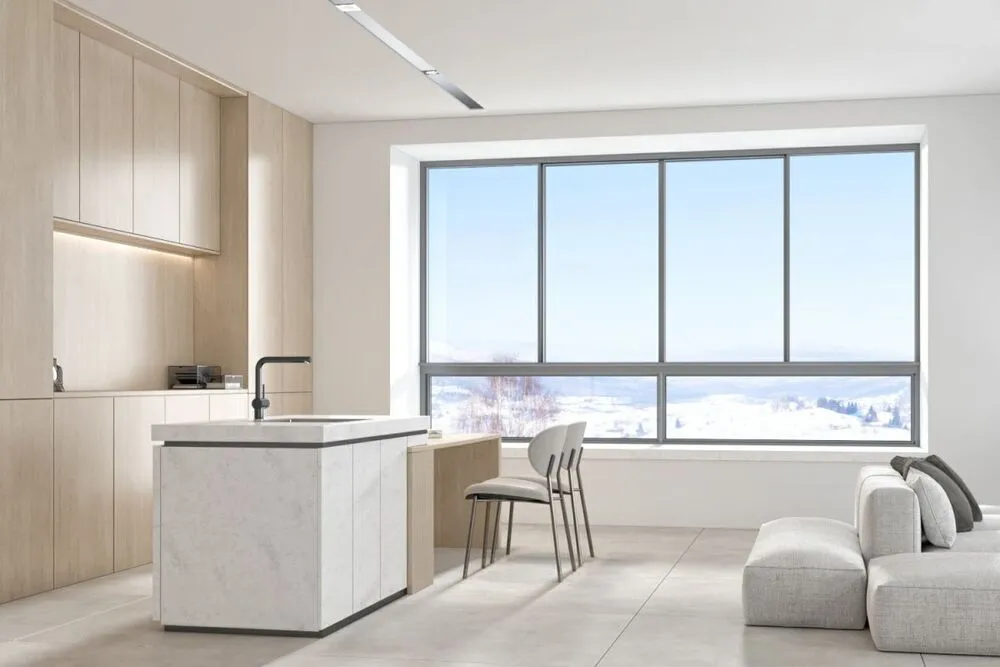
Understanding Aluminum Two Track Sliding Windows
When project managers choose fenestration systems for multi-story residential developments or commercial renovations, they often have to deal with problems like making the most of natural light without losing space, making sure the systems meet energy codes while keeping costs low, and making sure the systems last a long time even when they are used a lot. The aluminum two track sliding window mechanism directly fixes these problems with its parallel train systems that split the track for the glass panel from the track for the bug screen.
Core Components and Structural Design
Precision-extruded aluminum shapes that meet 6063-T5 alloy standards are the building blocks of these windows. Walls with a thickness of 1.4 mm to 2.0 mm are strong enough to support big glass units. Sashes can be up to 1500 mm wide and 2400 mm tall when they are paired with the right tandem roller systems. In single-track versions, the sash and screen fight for the same channel. The separated track design lets them work separately, which stops the binding and misalignment that happen in less advanced systems.
Surface treatments are different depending on the environment they will be exposed to. For example, powder coating is a cheap way to protect things in mild climates, anodized finishes protect against wear and tear in high-traffic areas, and PVDF coatings are AAMA 2605-certified for coastal projects that will be exposed to salt spray corrosion. Adding polyamide thermal break strips between the inside and outside metal parts of the frame greatly improves its thermal performance. These strips create a barrier that lowers U-values and stops condensation from forming.
Track System and Operational Mechanics
The two-rail design has a main track for the moving glass sash and an extra track for adding bug screens or security grilles if desired. Attached to the bottom of the sash are stainless steel twin rollers that are usually rated for 50,000 or more operation cycles. These rollers spread the weight across multiple contact points to reduce friction. This choice of hardware is very important in business settings where repair windows are small and component failures mess up people's daily routines.
A well-designed track profile has a "staircase" sill design with check valves and weep holes that are hidden. This drainage system uses gravity to get rid of mist and wind-driven rain while stopping reverse airflow. This stops water from getting into installations that aren't properly detailed. The stepped shape of the sill also makes natural debris traps that keep grit from getting into the roller path. This keeps the system running smoothly between maintenance periods for longer.
Available Series and Customization Parameters
Most manufacturers give profiles in the 70, 80, and 90 lines. The numbers next to the profiles show the frame depth in millimeters. The 70 series works well with normal domestic buildings with wall thicknesses and structural loads that are similar to those used in wood-stud construction. The 80 series can handle bigger insulated glass units (IGUs) with 12mm–20mm air gaps, which results in sound reduction indices (Rw) of 35–40 dB, which is a feature that is valued in urban infill projects next to main roads. The 90 series has the deepest glass available for triple-pane systems in net-zero energy buildings that need to have the best thermal performance.
Customization is more than just changing the size. For repairs on a budget, you can choose 6mm tempered monolithic panes. For strict energy rules, you can choose double-glazed Low-E units with argon fills. The meeting rail has multi-point locking systems built in. Shoot-bolt versions secure the sash at three or more places around the frame's edge. Color matching is done according to RAL or custom powder coat standards. This lets the facades of many buildings match, which is important for property values because it makes the buildings look more consistent.
Key Features and Benefits of Aluminum Two Track Sliding Windows
The choice of material is the most important design decision for the long-term success of a project. Aluminum doesn't rust because it has a natural oxide layer that fixes itself when it gets scratched. This is a passive safety system that ferrous metals don't have. In coastal areas, where salty humidity speeds up the breakdown of steel-reinforced uPVC profiles, this feature means that lifetime costs can be predicted.
Structural Performance and Longevity
The 6063-T5 heat treatment process used in an aluminum two track sliding window makes a material with a tensile strength of more than 190 MPa. This lets frame shapes be thinner without lowering the wind load resistance. According to the AAMA/WDMA/CSA 101/I.S.2/A440 standards, structural testing shows that these windows can withstand design pressures that are common for mid-rise buildings, which can be anywhere from 2.4 to 4.8 kPa based on the exposure category. This strength lets bigger glass lites work, which improves daylighting tactics while still meeting code-required displacement limits.
Aluminum stays the same size when temperatures change from -40°F to 160°F, unlike plastic extrusions that shrink when heated or painted, or wood frames that need to be painted every so often. The coefficient of temperature expansion is very close to that of glass, which lowers the differential movement forces that cause glazing seals to crack when two different materials are paired together. This flexibility makes IGU last longer, keeping the argon gas fills and Low-E coatings that provide the promised energy efficiency.
Energy Efficiency and Operational Savings
With thermal break technology, metal can be changed from a good carrier of heat to a good insulator. The frame shape is split in half by polyamide strips, which are made of engineered polymers that don't carry heat well. This makes two different metal chambers, one inside and one outside. This break lowers the U-factor from 1.2+ BTU/hr·ft²·°F in frames that aren't thermally broken to 0.35-0.50 BTU/hr·ft²·°F in luxury assemblies. This lowers the building's HVAC loads and operating costs over its lifetime.
Low-E coatings on windows reflect infrared radiation while letting visible light through. This lowers solar heat gain coefficients (SHGC) to 0.25-0.35 for areas that tend to be cooler. Higher SHGC glass (0.50-0.60) catches winter solar gains in places where heating is common. The best mix between heat resistance and weight is found in double-glazed units with 12mm to 16mm air gaps. Triple glazing is best for net-zero projects that are willing to pay more up front but save money in the long run. For these options to work, mechanical engineers who are working on building energy models and buying teams who are discussing prices for bulk glass need to work together.
Security Provisions and Safety Standards
Multi-point locking systems contact the sash at the header, sill, and meeting rail all at the same time. This spreads the forced-entry resistance around the frame's edges instead of putting all the stress on one latch point. With shoot-bolt designs, steel rods are extended into frame pockets. This makes a safe link that makes it harder for people to pry open single-point cam locks. This hardware upgrade meets the insurance needs of business setups on the ground floor and multifamily housing in cities.
Tempered glass meets the safety glazing standards set out in CPSC 16 CFR 1201. When it breaks, it breaks into small granules instead of dangerous bits. A polyvinyl butyral (PVB) interlayer is added to laminated glass structures to keep pieces together even after they break. This provides both security and control after a failure. These requirements are required in places like schools, hospitals, and other places where protecting people is more important than just following the rules.
Maintenance Protocols and Lifecycle Management
Cleaning the tracks once a year gets rid of the dust, pollen, and building debris that builds up and speeds up roller wear. A soft brush and vacuum can get rid of dust and dirt in the channels' corners, and a damp cloth with light soap can be used to get rid of buildup of residue. Dry silicone spray keeps the rollers smooth without attracting dirt. Stay away from petroleum-based products that leave behind sticky films that slow down the machine over time.
After five years of use, EPDM glazing seals should be looked at visually to see if they are breaking or having their tension set. When seals wear out, they make it easier for drafts to happen, which lowers the energy efficiency of the building. To replace an aluminum two track sliding window, you have to take off the inner glazing bead, pull out the glass unit, put in new gaskets, and re-bed the glass with the right setting blocks to keep the edge gaps. This repair job can be done by in-house building teams with simple hand tools, so you don't have to pay for specialty contractors to come to your location.
Disclaimer: Specific performance metrics depend on manufacturing tolerances, installation quality, and environmental conditions. Always reference product testing reports certified by accredited laboratories before finalizing specifications.
Comparing Aluminum Two Track Sliding Windows with Other Window Types
Comparative study of functional, financial, and aesthetic factors is key to making buying choices. While marketing materials focus on the good things about each product, designed reviews look at the pros and cons of each option within the limits of the project.
Single-Track vs. Two-Track Configurations
When compared to dual-rail designs, single-track systems save 15% to 20% on unit costs by using less frame material and making the hardware less complicated. But this saves money comes with some practical costs: the sash and screen share the same channel, so users have to take off the screens before opening the windows. This is an annoyance that leads to a lot of complaints and repair calls in apartment buildings where people often change the ventilation. Aluminum two track sliding window systems get rid of this delay, which makes the extra cost worth it in situations where user experience is important.
Material Comparisons: Aluminum, uPVC, and Wood
Wood frames naturally insulate better (R-value = ~1.0 per inch) and add a warm look that is appreciated in traditional makeovers. But because wood is hygroscopic, it easily rots, warps, and gets damaged by insects. This means that it needs to be refinished over and over, which costs a lot of money in work. Lifecycle studies that cover 30 years regularly show that wood frames need three to four times as much care as metal installations, and this is true even when premium paint systems are taken into account.
When it comes to thermal efficiency and starting cost, uPVC profiles are competitive. Multi-chambered extrusions can achieve U-factors that are similar to those of thermally broken aluminum. But because uPVC has a lower tensile strength (50–60 MPa), the walls have to be wider and reinforced with steel to make the structure strong enough. This means that the glass area has to be 10%–15% smaller for the same size opening. The material also expands more when it gets hot, which can make it stiff to use in the summer and cause seals to fail at soldered corners. Surface temps above 140°F in tropical or desert conditions speed up the breakdown of uPVC, but metal stays stable.
Color stability sets these materials apart over long periods of time. If you choose AAMA 2603-compliant coats (5-year weatherability) or AAMA 2605-compliant PVDF finishes (10-year warranties), powder-coated aluminum will still have 90% or more of its original finish after 20 years. uPVC depends on pigments that are mixed into the polymer structure. These pigments fade unevenly when exposed to UV light, especially darker colors that soak up more UV light. This change in color affects how the face looks in big business buildings where tenants care about how the building looks.
Operational and Cost Considerations
Casement or awning windows take up a lot of room, but sliding mechanisms don't. This keeps internal circulation routes and outdoor clearances clear. This shape works well on high-rise platforms, where projecting sashes can be dangerous, and in crowded cities, where nearby buildings can limit the size of swing circles. The horizontal action also works with blinds and curtains that are fixed inside the frame depth, which gets rid of the problems that come up with systems that open outward.
The cost of installation work goes down as the project gets bigger. Pre-assembled metal frames with factory-glazed units make installation faster and easier. Each opening only takes 1-2 hours to install, compared to 3–4 hours for field-assembled wood windows that need to be painted and glazed on-site. This efficiency adds up over the course of 100+ unit residential projects, cutting weeks off of building plans and speeding up occupancy times, which has big effects on financing costs.
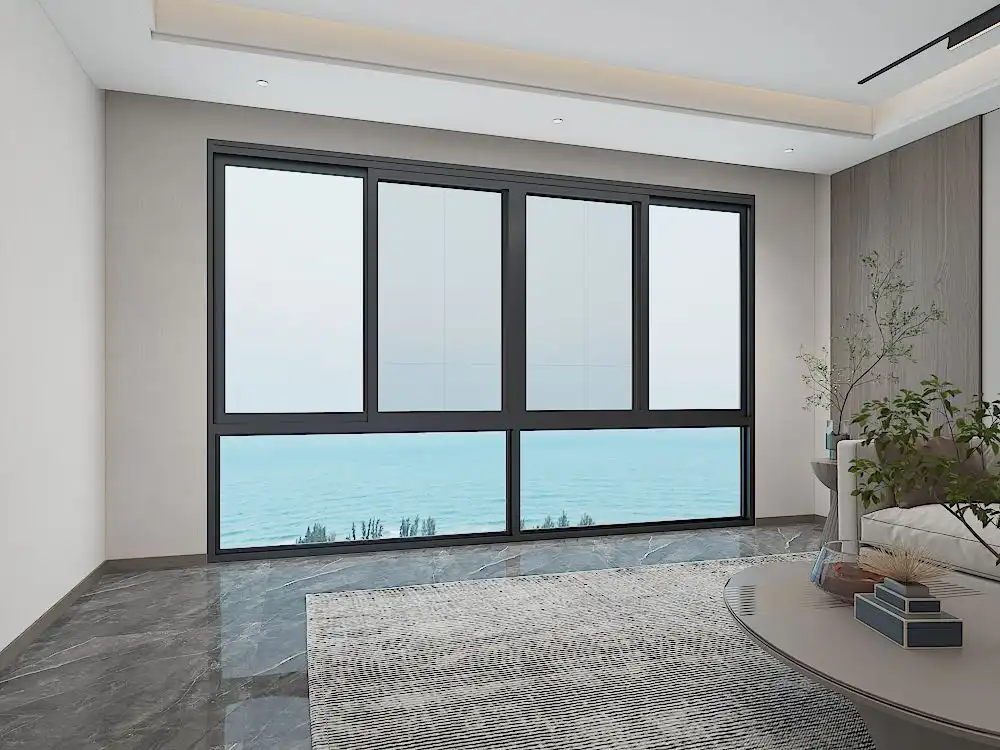
Procurement Guide for Aluminum Two Track Sliding Windows
Technical compliance, supply chain dependability, and overall cost of ownership must all be balanced for sourcing to work well. Specifications that set performance levels are written by engineering teams, and buying managers use these standards to evaluate suppliers and negotiate contracts.
Quality Certifications and Standards Compliance
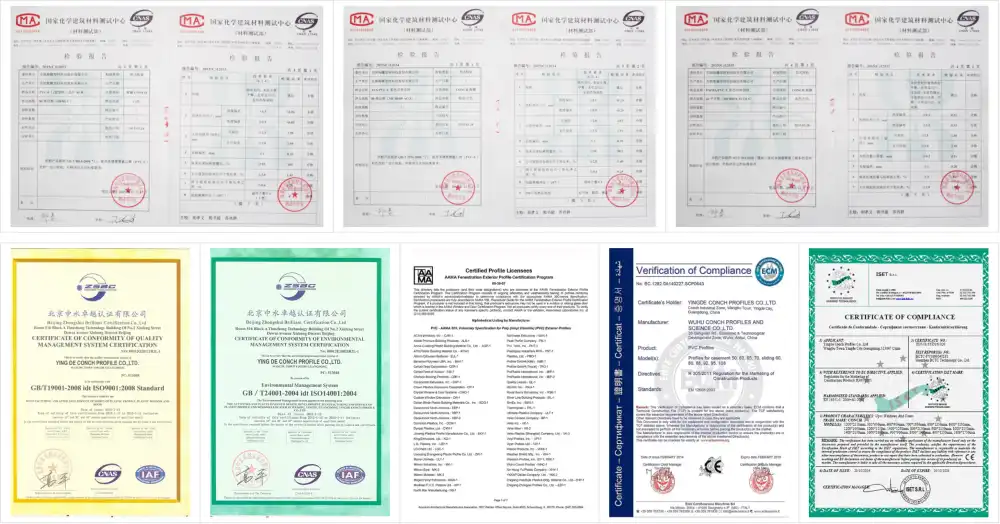
Manufacturers with a good reputation use ISO 9001 quality management systems to keep track of process controls from casting to final assembly. Third-party testing following NFRC guidelines verifies promises about energy efficiency, creating certified product listings that make the permit approval process easier. AAMA approval shows that the windows meet North American standards for structural load strength (ASTM E330), air leakage (ASTM E283), and water penetration (ASTM E331).
In addition to certifying products, plant audits check the accuracy and ability to produce. Automated CNC cutting centers make sure that the dimensions are accurate to within ±0.5 mm, and hydraulic corner binding tools apply even pressure that stops the frame from racking, which can happen when assembly is done by hand. Surface treatment lines with seven stages of pre-treatment and automatic powder application make it possible for coatings to stick that pass ASTM B117's 1,000-hour salt-spray test.
Supplier Evaluation and Partnership Criteria
When you deal directly with the factory, you don't have to pay markups to distributors. This cuts costs by 20% to 30% on large sales. But you need to be careful when you use direct sourcing. Make sure that the production capacity is 30% higher than what you need for the project so that you can meet the tight deadline. Also, make sure that you own the extrusion tools so that competitors can't take your design, and make sure that the warranty covers both manufacturing defects and installation instructions.
Depending on how complicated the design is, the minimum order quantity is usually between 100 and 500 units for aluminum two track sliding windows. Standard setups, like white frames with clear tempered glass, have lower MOQs. Custom colors or specialty glazing, on the other hand, have higher limits. Lead times range from 25 to 30 days for stock shapes to 45 to 60 days for non-standard extrusions that need to be made with a custom die. Logistics planning decides landing costs: containerized packages are the most efficient way to ship freight, but break-bulk orders work better for building plans that are broken up into stages where storage space is limited for bulk deliveries.
Pricing Structures and Budget Considerations
Standard domestic units (1200mm x 1200mm, white, double-glazed) cost between $180 and $280 per unit in stores. This is because of differences in labor costs and brand prices. When you buy 500 or more units at once, the wholesale price drops to $120-$180 per unit. You can get even bigger savings if you commit to more than one project for 12 to 24 months. Custom designs add 15% to 40% more, depending on how complicated they are.
Non-standard sizes don't cost much more as long as they're within the limits of extrusion, but proprietary colors or custom parts make prices go up because they take longer to set up and require larger coating numbers. The cost of installation depends on the details of the job. New building projects with rough openings that are already built cost $50 to $80 per unit. Retrofit projects that need to change the structure and do trim carpentry cost $120 to $180 per unit. These numbers are based on professional teams with experience in fenestration. General contractors who don't have this kind of specific knowledge have to pay more for labor and take longer to finish projects.
Negotiation Tactics and Contract Protections
Volume agreements get you better prices, but delayed delivery terms protect you from changes in the market. Contracts with a 30% deposit, 50% due when production is finished, and 20% due after installation are set up in a way that combines the buyer's need for cash flow with the supplier's need for quality guarantee. Performance bonds (5% to 10% of the contract value) protect against not delivering on projects worth more than $100,000, and retainage terms fix problems that were not noticed during the first year of service.
To keep competitive bids going, technical specifications must use appropriate standards instead of proprietary product names. You can use performance-based language like "minimum 1.8mm wall thickness per AAMA standards" instead of "Brand X Series 80" to save money while still meeting quality standards. Approved equals lists with three qualified makers keep you from being locked into a single supplier, which takes away your ability to negotiate prices.
Conclusion
To choose aluminum two track sliding windows, you have to weigh the costs of energy efficiency, structural soundness, and maintenance over the course of their lifetimes against the project's budget and schedule. The two-track design makes it easier to use than single-rail designs, and aluminum's high strength-to-weight ratio lets it have thinner curves and bigger glass areas than uPVC or wood alternatives.
Energy codes are met by thermal break technology and Low-E glass, which also lowers operating costs over the life of the building. Installing the window system correctly according to the manufacturer's instructions and following best practices for flashing makes sure it works as it should. Regular care keeps it running smoothly and extends the life of its parts. Sourcing directly from factories, third-party certifications, and performance-based requirements that keep quality standards high and encourage bidding all help procurement teams.
FAQ
Q1: Is energy efficiency achievable with aluminum sliding systems?
A: Tough energy rules can be met with aluminum frames that are thermally broken and Low-E double glass. Inside and outside metal parts are separated by a polyamide thermal break, which lowers U-factors to 0.35 to 0.50 BTU/hr·ft²·°F. Low-E coats block infrared rays while letting visible light through. This lowers the building's HVAC needs and costs over its lifetime.
Q2: How does the drainage system prevent water infiltration?
A: Professional designs have a shape for the stairs step that hides the weep holes and check valves. Rain and mist are pushed out by gravity-fed drains, and check valves stop the flow of air backwards. This engineered method solves the problem of water getting into sites that aren't properly detailed, which is a big problem in coastal areas where it rains a lot.
Q3: What customization options suit large commercial projects?
A: Sizes, colors, and screen choices can be changed to fit the needs of the project. Different wall thicknesses and window depths can be accommodated by the series pick (70/80/90mm). There are different types of glass, such as tempered solid panes and triple-glazed IGUs with argon fills. Multi-point locking systems make buildings safer, and RAL color matching makes sure that the facades of big projects all look the same.
Q4: What distinguishes aluminum sliding windows from uPVC alternatives?
A: Aluminum's 190+ MPa compressive strength lets it have thinner shapes and bigger glass areas than uPVC, which has walls that are thicker and steel reinforcements. Aluminum stays the same size at very low and high temperatures (-40°F to 160°F), but uPVC expands more when heated, making it less flexible. After 20 years, powder-coated metal still has 90% or more of its original finish. uPVC colors, on the other hand, fade unevenly when exposed to UV light.
Partner with Haolv Building Materials for Your Next Project
Getting aluminum two track sliding window systems from a company with a lot of experience makes the process easier and guarantees the quality of the product and the trustworthiness of delivery. Haolv Building Materials has been working with windows and doors for 18 years and has state-of-the-art production facilities with automated CNC cutting centers and precision extrusion lines. They work on business and private projects all over the world. Our ISO-certified quality management system keeps track of every part, from choosing the raw materials to the final review. This makes sure that all big orders are the same size and work the same way.
We are experts at making unique solutions for general builders, developers, and window system integrators who need help with engineering and written instructions. With factory-direct prices, you don't have to pay the markups that distributors do, and our 25–30 day production cycle works with phased building schedules. Whether you need 100 units for a home building or 5,000 windows for a mixed-use complex, our technical team can help. They can provide CAD models, structural calculations, and code compliance paperwork that make the permit approval process easier.
You can talk about your project needs, ask for product samples, or set up a video plant tour by emailing kristin@haolvwindows.com. We are a reliable provider of aluminum two track sliding windows, and our engineering precision, production capacity, and quick service will help you keep your project on plan and on budget.
References
1. American Architectural Manufacturers Association. Fenestration Performance Standards for Aluminum Windows and Doors. AAMA/WDMA/CSA 101/I.S.2/A440-17, 2017.
2. National Fenestration Rating Council. Procedure for Determining Fenestration Product U-factors. NFRC 100-2020, Greenbelt, MD, 2020.
3. ASTM International. Standard Test Method for Structural Performance of Exterior Windows, Doors, Skylights and Curtain Walls by Uniform Static Air Pressure Difference. ASTM E330/E330M-14, West Conshohocken, PA, 2014.
4. Carmody, John, Stephen Selkowitz, Eleanor S. Lee, Dariush Arasteh, and Todd Willmert. Window Systems for High-Performance Buildings. New York: W.W. Norton & Company, 2004.
5. Canadian Standards Association. Energy Performance of Windows and Other Fenestration Systems. CSA A440.2-14, Toronto, Ontario, 2014.
6. Straube, John, and Eric Burnett. Building Science for Building Enclosures. Westford, MA: Building Science Press, 2005.
Fast simple channel to send demands lock favorable price for building window door bulk purchases.