- English
- French
- German
- Portuguese
- Spanish
- Russian
- Japanese
- Korean
- Arabic
- Greek
- German
- Turkish
- Italian
- Danish
- Romanian
- Indonesian
- Czech
- Afrikaans
- Swedish
- Polish
- Basque
- Catalan
- Esperanto
- Hindi
- Lao
- Albanian
- Amharic
- Armenian
- Azerbaijani
- Belarusian
- Bengali
- Bosnian
- Bulgarian
- Cebuano
- Chichewa
- Corsican
- Croatian
- Dutch
- Estonian
- Filipino
- Finnish
- Frisian
- Galician
- Georgian
- Gujarati
- Haitian
- Hausa
- Hawaiian
- Hebrew
- Hmong
- Hungarian
- Icelandic
- Igbo
- Javanese
- Kannada
- Kazakh
- Khmer
- Kurdish
- Kyrgyz
- Latin
- Latvian
- Lithuanian
- Luxembou..
- Macedonian
- Malagasy
- Malay
- Malayalam
- Maltese
- Maori
- Marathi
- Mongolian
- Burmese
- Nepali
- Norwegian
- Pashto
- Persian
- Punjabi
- Serbian
- Sesotho
- Sinhala
- Slovak
- Slovenian
- Somali
- Samoan
- Scots Gaelic
- Shona
- Sindhi
- Sundanese
- Swahili
- Tajik
- Tamil
- Telugu
- Thai
- Ukrainian
- Urdu
- Uzbek
- Vietnamese
- Welsh
- Xhosa
- Yiddish
- Yoruba
- Zulu
Find aluminum two track sliding windows designed for coastal or saltwater environments
When choosing windows for coastal projects, aluminum two track sliding windows have become the best option for builders and developers who want to protect their work from the harsh marine environment. In high-salinity environments, wood and uPVC options can't compare to these systems' rust resistance, structural integrity, and ease of use.
Aluminum two-track sliding windows feature two parallel tracks inside a single frame, one for glass panels and the other for built-in screens. These windows are made of 6063-T5 alloy and have protected coatings on the outside. They are reliable in places like residential towers, business buildings, and hotels where salt spray and coastal humidity could damage regular glass.
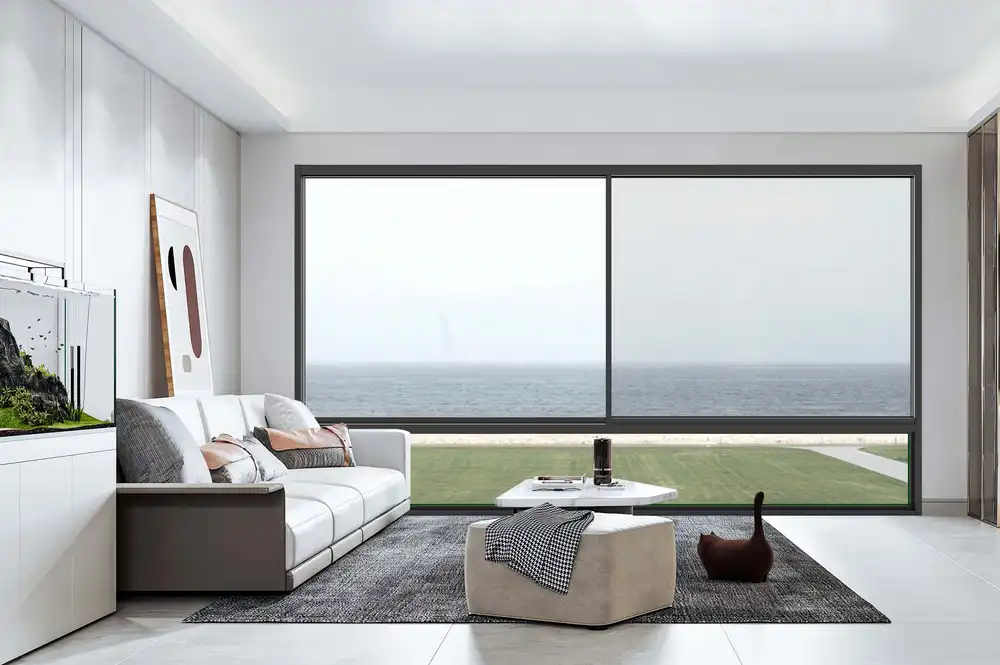
Understanding Aluminum Two Track Sliding Windows for Coastal Environments
Marine settings need fenestration goods that are made to last longer and not break down quickly. The two-track layout splits the glass sashes from the screen tracks, letting them move separately and keeping the mechanical parts from getting in the way when the temperature rises. Finishes like powder coating or anodizing create barrier layers that keep chloride ions from penetrating the metal base. This is important because chloride ions are what cause pitting corrosion in coastal areas.
Why Aluminum Excels in Saltwater Climates
When aluminum is exposed to air, it naturally forms a protective metal layer. However, aluminum that hasn't been handled can still break down in marine environments. Professional coastal windows get an extra treatment on the outside, like a Qualicoat-certified powder finish or hard anodizing that goes beyond 15 microns. This protects the base from breaking down in the sun's UV rays. Unlike plastic extrusions, which crack when exposed to UV light, or wood frames that soak up water and swell, metal stays the same size even when the temperature changes, which is common in waterfront areas.
Structural Advantages of the Two-Track System
The two tracks separate the different areas that can be used. In the main track, glass panels move on stainless steel twin rollers, and in the secondary track, bug screens can be taken off and put back on. This split makes maintenance easier because screens can be cleaned or changed without damaging the weatherseals on the glass panels. It also keeps rollers from wearing out as quickly, which increases their useful life. Profile walls that are between 1.4 mm and 2.0 mm thick meet the structural standards set by AAMA, WDMA, CSA 101, I.S.2, and A440. This means that big panes of glass can be installed without the frame bowing.
Product Series and Customization
Our systems come in three types, each named after a frame depth in millimeters: 70, 80, and 90. In warm coastal areas, deeper shapes allow for thicker insulated glass units and better thermal breaks, which are very important when controlling the temperature inside needs to deal with heat loads from the outside. Each series can use either single-glazed or double-glazed units with air gaps of 12 mm to 20 mm, depending on the energy rules and soundproofing needs of the project.
Key Benefits and Performance Features in Coastal Settings
It's important to weigh the prices of thermal performance, noise insulation, and long-term reliability when choosing windows for marine projects. Material science and precision engineering are used to make aluminum two-track sliding windows that meet these needs.
Thermal and Acoustic Performance: These systems have U-values below 2.0 W/m²K when they are equipped with polyamide thermal break strips and Low-E coated double glass. This means that conditioned areas need less HVAC power. Sound Transmission Class rates can go up to 35 dB if the gaskets are sealed properly and the cavities are thick enough. This protects the inside from surf noise and wind buffeting. This kind of performance is especially important in hotel makeovers and seaside homes, where the comfort of guests directly affects the number of people who stay there.
Corrosion Resistance and Maintenance: Unprotected metals oxidize faster in air that is high in salt, but our aluminum two track sliding window systems, equipped with AAMA 2605-compliant finishes, can withstand 3,000 hours of salt spray tests according to ASTM B117 without pitting or delaminating. The wheels, locking points, and strike plates are made of stainless steel, which doesn't rust, so they don't need to be replaced very often. Rinsing the roller parts every three months with fresh water and lubricating them with dry silicone once a year keeps them running smoothly. This is much less care than painting wooden frames every two years.
Design Flexibility: The slim shape looks great and makes the most of the glass area that can be seen, which lets more natural light in and improves views of the ocean. As long as the structural load is checked, panel spans can go up to 1500 mm wide and 2400 mm high. Multi-point locking systems offer better protection and even compression of EPDM seals, which is necessary to keep water out during storms. Standard RAL colors and custom-matched finishes are available for color choices, which lets them work with curtain wall systems and building coverings.
These features add up to measured value: lower energy bills, fewer replacement cycles, and compliance with strict coastal building codes like the High Velocity Hurricane Zone sections in the Florida Building Code.
Comparing Aluminum Two Track Sliding Windows with Alternatives in Coastal Applications
Purchasing teams often compare metal systems to those made of uPVC, wood, and extended track. Understanding the important trade-offs makes sure that the project's performance needs and price limits are met.
Aluminum Versus uPVC
In cool interior markets, uPVC profiles are cheaper, but in hot coastal areas, their service life is limited by the temperature at which they turn into glass. Long-term UV exposure breaks apart polymer chains, which shows up within ten years as chalking and brittleness. Aluminum has a melting point higher than 660°C, which makes it thermally stable and able to keep its shape when the sun heats it up. The system for recycling aluminum is also better developed; post-consumer extrusions still have material value, which helps with sustainability certificates.
Aluminum Versus Wood
Wood has a classic look, but it needs a lot of upkeep in marine settings. Ingress of moisture leads to fungal decay and bug invasion, while salt spray pulls moisture into end grain, which speeds up rot. Marine-grade treatments make things last longer, but they cost more over their whole life because they need to be refinished and have parts replaced more often. Aluminum gets rid of these worries by providing a solution with no rot and consistent performance over service times of many decades.
Two Track Versus Three Track Systems
Three-track windows can open up to 66% of the space they're in, while two-track windows can only open up to 50%. This is better for rooms that need a lot of cross-ventilation. But this benefit comes at the cost of thicker frames, bigger sash weights, and more money. The simpler two-track system provides enough ventilation, is easier to handle, and costs less for normal domestic and small business uses where two operable panels are enough.
Because two-track units are cheaper when bought in bulk, they are a good choice for large-scale projects where cost-cutting is important. These similarities make it clear why aluminum two-track sliding windows are the most popular choice for coastal projects: they offer the best performance, ease of maintenance, and low cost all in one system.
Procurement Considerations for B2B Buyers
The choice of provider, technical proof, and contractual protections are all important for a project's successful delivery. Purchasing managers and project engineers should use strict criteria to judge possible partners.
Certifications and Testing Documentation
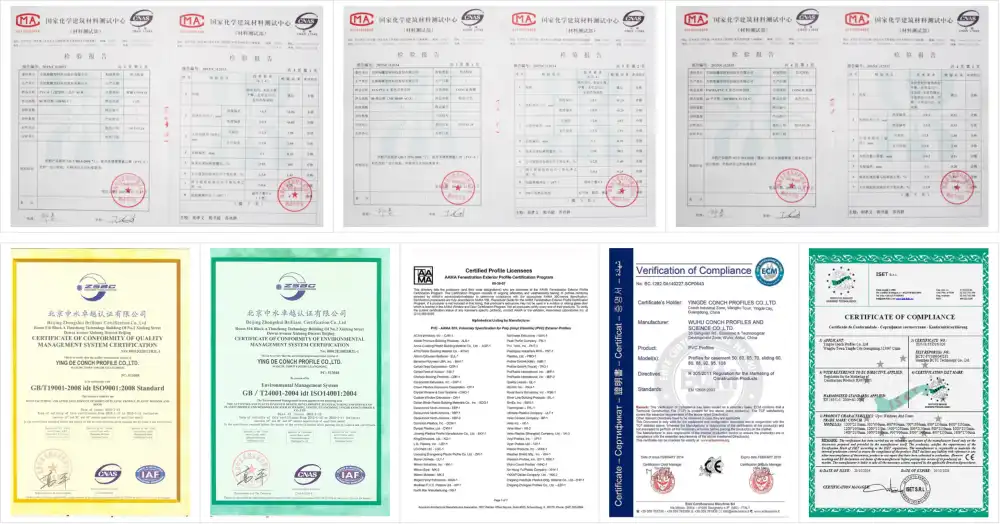
Ask for test results from a third party that prove the aluminum two track sliding window meets ASTM E283 (air leakage), ASTM E331 (water entry), and ASTM E330 (wind load performance). Labels from the NFRC should show the U-factor and Solar Heat Gain Coefficient on goods that are going to the U.S. market. Marine-grade approvals, like ASTM B117 salt-spray protection, show that the product is safe for use near the ocean. Suppliers who offer full technical data sheets show that they are good at building and lower the risk of buying from them.
Customization and OEM Capabilities
Standard catalog sizes don't always match up with architecture plans for high-end home or business facades. Find out if the maker supports production-from-drawings processes, such as CNC precision cutting, custom anodizing colors, and unique glazing requirements. OEM relationships give wholesalers the freedom to choose their own brands and create exclusive product lines, which is helpful for setting their products apart in competitive markets. Custom orders usually have lead times of 25 to 30 days; make sure you know how much capacity you have so you can increase production during busy building seasons.
Logistics and Delivery Reliability
Freight prices and transit times are cut when you are close to big seaports. Suppliers who are close to container hubs can easily combine orders, which lowers the risk of handling fragile glass units. Choose clear Incoterms like FOB, CIF, or DDP to spell out who is responsible for insurance and customs processing. Late supplies throw off building schedules and raise carrying costs. Check the supplier's history of meeting deadlines by calling references or looking at reviews from a third party.
Warranty and Post-Sale Support
Marine sites put windows through rougher conditions than inland projects, so the terms of the guarantee are very important. Look for covering that lasts at least five years for the quality of the finish and ten years for problems with the structure. Technical support should include help with installation, debugging, and getting extra parts.
Service teams that are quick to respond keep small problems from turning into expensive fixes in the field. This protects project margins and client relationships. When you buy in bulk, you can often get tiered discounts. Talk to the seller about setting prices that reward promises to more than one project while still keeping quality standards. Strategic sourcing means finding a balance between short-term cost saves and long-term performance guarantee.
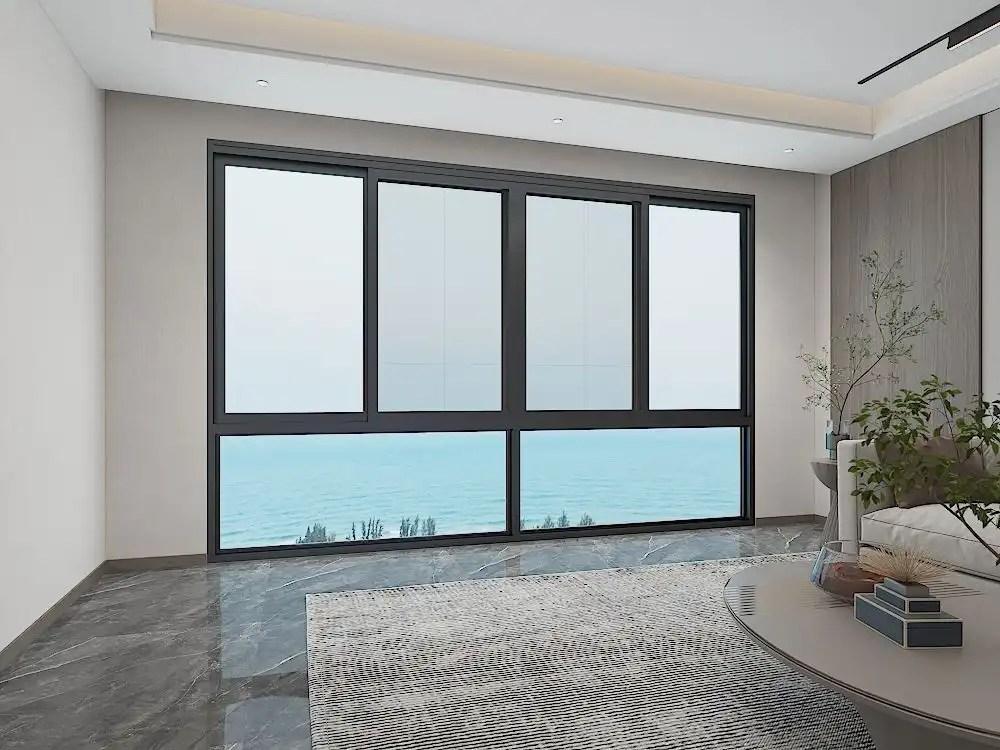
Installation Guide and Best Practices for Coastal Aluminum Two Track Sliding Windows
The performance and longevity of a product are directly affected by how it is installed. Marine-specific problems, like salt intrusion, wind-driven rain, and structure movement, must be carefully handled by site teams.
Pre-Installation Preparation
Make sure that the rough holes match the approved shop plans, and that the tolerances don't go over ±3 mm. This will stop the shimming that can affect the alignment of the weatherseal. Check that the supports are level and plumb; holes that aren't squared off pass stress to the corners of the frame and could cause the gasket to fail from tension. By adding corrosion-resistant flashing tape to the sill pans and jambs, you can make an extra barrier against water that keeps it from getting into the walls.
Frame Installation and Anchoring
Put the aluminum two track sliding window frame in the hole and fix it with hot-dip galvanized or stainless steel fasteners that are placed no more than 400 mm apart. Anchors made of aluminum or carbon steel should not be used because they form galvanic pairs that speed up rusting. Inject low-expansion polyurethane foam or use backer rod and sealant to fill in holes around the edges to make sure there is continuous insulation without bending the frame. If you over-tighten screws, they can warp extrusions, bind sashes, and cancel warranties. Always follow the manufacturer's torque recommendations.
Weatherproofing and Sealing
Put EPDM or silicone seals around the glass panels and make sure they are in full touch with the glass without any gaps at the corners. Use neutral-cure silicone sealant on the outside areas where the frame meets the wall. Stay away from acidic sealants that damage metal finishes. Water flows toward weep holes with check valves through the "staircase" sill shape that is standard on high-quality systems. The design of these valves has been proven by ASTM E331 tests to let water drain naturally while stopping rain that comes from the wind. Before the final check, clean out the weep holes of any building waste.
Common Pitfalls to Avoid
As a result of bad flashing, water often gets behind frames and stains and damages the structures of the units around them. Not removing the shims before the final fixing leaves spaces where water can gather. If you don't check that the sash operates smoothly after installation, it means that it's not aligned correctly. Fixing this problem quickly stops roller wear and track deformation.
Keeping track of the steps of the work with photos, notes, and signatures helps with warranty claims and shows that building codes were followed. Following these rules makes sure that the engineered performance of aluminum two-track sliding windows is matched by real-world reliability. This protects both the installer's image and the client's investment.
Conclusion
For coastal building, window options must be able to withstand salt spray, keep their thermal efficiency, and work reliably after decades of exposure. These needs are met by aluminum two track sliding windows with safe surface finishes, metals that don't rust, and thoughtfully designed spaces between the glass and screen tracks. Because they are structurally sound, don't need much upkeep, and can be customized easily, they are the best choice for builders, developers, and wholesalers who serve the marine market.
There are risks that come with long-term investments in building materials, but they can be lessened by strict buying processes that check certifications, evaluate seller capabilities, and confirm warranty terms. Using the right placement methods also makes sure that the product works the way it's supposed to in the field, which protects project timelines and shareholder returns.
Disclaimer: Performance characteristics vary based on specific configurations and environmental conditions. Project teams should reference certified test reports and manufacturer specifications when making final product selections.
FAQ
Is the aluminum two track sliding window energy efficient?
Yes, if you order it with a thermal break frame and Low-E toughened glass, it meets strict energy rules because it keeps heat from moving. Polyamide thermal strips stop electrical paths through the metal extrusion, which lowers U-values and stops condensation from forming inside. Double-glazed windows with argon gas fillings make heat protection even better.
How do you prevent water from entering the room through the tracks?
Professional designs have a "staircase" sill shape with secret weep holes and check valves that let water drain by gravity but stop rain that comes from the wind. By overlapping floor pieces, you can make wind-free labyrinths that keep water from rising. EPDM gaskets that are squeezed by multi-point locks keep air and wetness out.
Can these windows be fitted with insect screens?
Yes, most two-track systems are built with a screen rail built in or can fit fly screens that are clipped on. The separate track keeps the screen mesh from getting in the way of the glass panels working. The screens can be taken down for the season without any tools, which makes upkeep and storage easier.
What is the maximum size for a sash in an aluminum two track sliding window?
As long as the roller load capacity is right, sashes can be up to 1500 mm wide and 2400 mm tall, depending on how thick the profile is. AAMA guidelines say that structures with longer spans need to be structurally validated to make sure they meet the limits on bending and wind load ratings.
How do I maintain the smooth sliding action?
Cleaning the stainless steel track once a year to get rid of dirt and adding a dry silicone grease to the rollers will make sure they work smoothly for life. Check the weatherstripping for compression set and repair any gaskets that are cracked or losing their elasticity. Rinsing with new water every three months gets rid of salt buildup that could speed up wear.
Partner with Haolv Building Materials for Coastal Window Solutions
You can trust Haolv Building Materials to make high-quality aluminum two-track sliding windows. They have been doing this for 18 years and have a track record of doing well in marine settings. Our high-tech factories use CNC machines for precise cutting, automatic assembly lines, and quality control that is ISO-certified to make sure that every unit meets AAMA standards and any site-specific needs. We let architects and builders make any changes they want, from the frame size and color of the powder coat to the glazing options. This helps them make projects that can stand up to the difficulties of coastal living.
We make it easier for developers and sellers to buy things by offering reasonable prices for large orders, quick technical help, and wait times of 25 to 30 days. You can email our team at kristin@haolvwindows.com to talk about your coastal project needs, get test reports, or set up plant tours. Improve your supply chain by working with a partner who cares about long-lasting products that work well and happy customers.
References
1. American Architectural Manufacturers Association. (2017). AAMA/WDMA/CSA 101/I.S.2/A440-17: North American Fenestration Standard/Specification for Windows, Doors, and Skylights. Schaumburg: AAMA.
2. ASTM International. (2021). ASTM E283-04: Standard Test Method for Determining Rate of Air Leakage Through Exterior Windows, Skylights, Doors, and Curtain Walls Under Specified Pressure Differences Across the Specimen. West Conshohocken: ASTM.
3. ASTM International. (2020). ASTM E331-00: Standard Test Method for Water Penetration of Exterior Windows, Skylights, Doors, and Curtain Walls by Uniform Static Air Pressure Difference. West Conshohocken: ASTM.
4. ASTM International. (2019). ASTM B117-19: Standard Practice for Operating Salt Spray (Fog) Apparatus. West Conshohocken: ASTM.
5. Qualicoat. (2018). Qualicoat Specifications for the Quality Certification of Aluminum Building Products After Coating and Anodizing. Zurich: Qualicoat Association.
6. National Fenestration Rating Council. (2020). NFRC 100-2020: Procedure for Determining Fenestration Product U-factors. Silver Spring: NFRC.
Fast simple channel to send demands lock favorable price for building window door bulk purchases.