- English
- French
- German
- Portuguese
- Spanish
- Russian
- Japanese
- Korean
- Arabic
- Greek
- German
- Turkish
- Italian
- Danish
- Romanian
- Indonesian
- Czech
- Afrikaans
- Swedish
- Polish
- Basque
- Catalan
- Esperanto
- Hindi
- Lao
- Albanian
- Amharic
- Armenian
- Azerbaijani
- Belarusian
- Bengali
- Bosnian
- Bulgarian
- Cebuano
- Chichewa
- Corsican
- Croatian
- Dutch
- Estonian
- Filipino
- Finnish
- Frisian
- Galician
- Georgian
- Gujarati
- Haitian
- Hausa
- Hawaiian
- Hebrew
- Hmong
- Hungarian
- Icelandic
- Igbo
- Javanese
- Kannada
- Kazakh
- Khmer
- Kurdish
- Kyrgyz
- Latin
- Latvian
- Lithuanian
- Luxembou..
- Macedonian
- Malagasy
- Malay
- Malayalam
- Maltese
- Maori
- Marathi
- Mongolian
- Burmese
- Nepali
- Norwegian
- Pashto
- Persian
- Punjabi
- Serbian
- Sesotho
- Sinhala
- Slovak
- Slovenian
- Somali
- Samoan
- Scots Gaelic
- Shona
- Sindhi
- Sundanese
- Swahili
- Tajik
- Tamil
- Telugu
- Thai
- Ukrainian
- Urdu
- Uzbek
- Vietnamese
- Welsh
- Xhosa
- Yiddish
- Yoruba
- Zulu
Top Hung Windows: Benefits & Installation
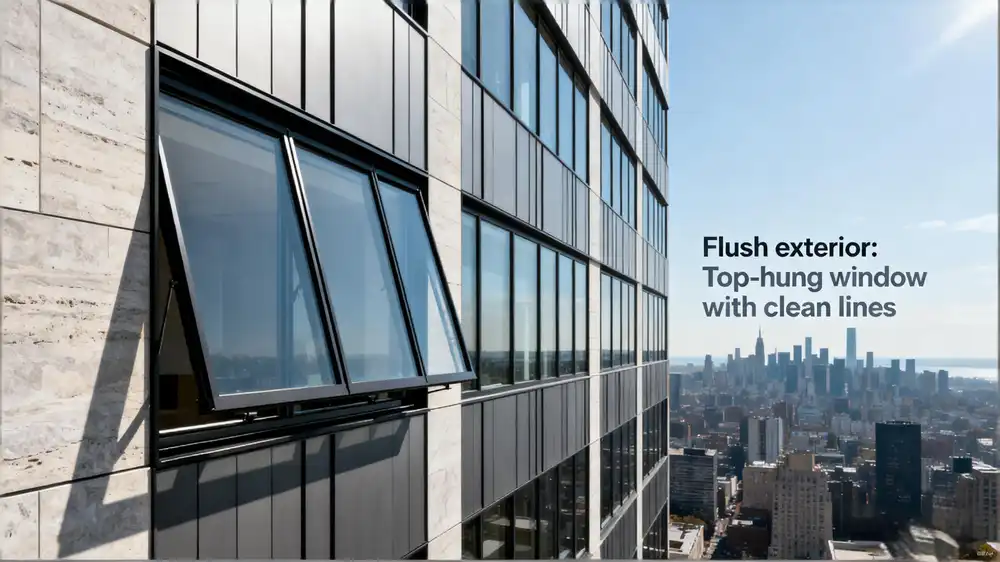
The aluminum top hung window stands out as a technical solution that addresses ventilation, weather resistance, and space optimization all at once when selecting fenestration systems for business or home projects. This kind of window has a horizontal opening at the top of the frame that lets the sash open outward from the bottom. In areas with a lot of rain, this design is especially useful because it keeps air moving while creating an awning effect that pushes rainwater away from the opening. Made from 6063-T5 aluminum alloy and having profile widths ranging from 1.4mm to 2.0mm, these units meet strict building standards like AAMA, CE, and GB/T 8478-2020 in terms of both structural stability and thermal performance.
Understanding Aluminum Top Hung Windows
Core Design and Operation Mechanism
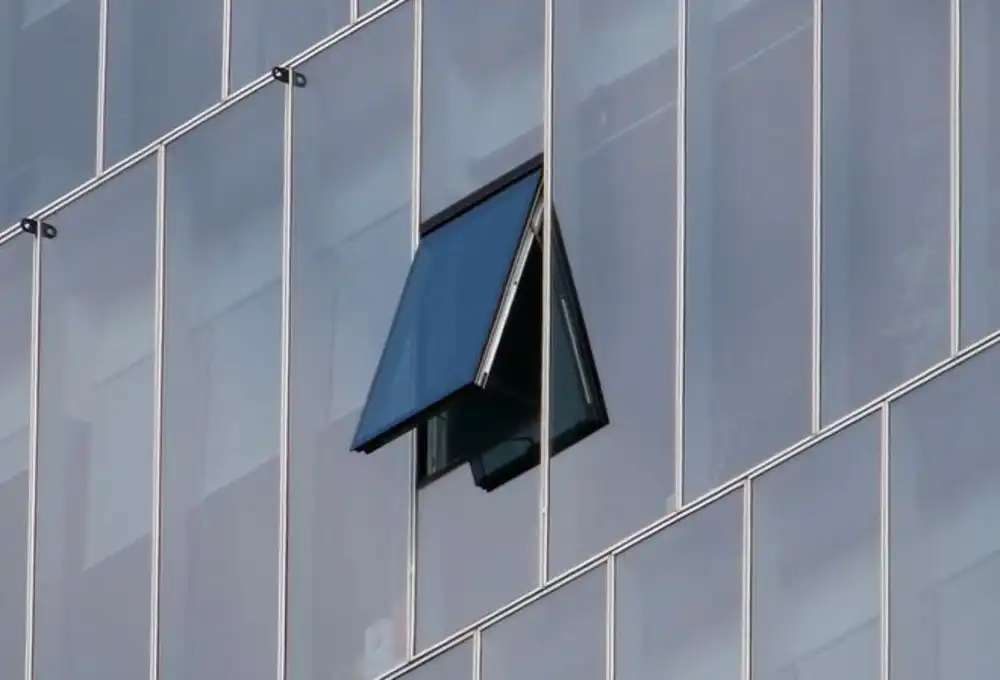
Operating outward-opening top hung units is based on closing that is helped by gravity. The bottom of the sash tilts outward, but the top hinge line stays put. This makes an angle hole that keeps rain out while letting air flow through. This system depends on stainless steel friction stay hinges, which usually come in 4-bar or 6-bar configurations and keep the sash at a set angle even when wind loads are higher than 600Pa. The multi-point locking handles and these friction stays work together to make sure the window stays stable throughout its operating cycle, which can last more than 20,000 to 50,000 cycles based on how it is used.
Frame Construction and Thermal Performance
In modern aluminum window systems, polyamide thermal break strips made of PA66GF25 grade material are placed inside the frame extrusion to block thermal transmission paths. This separation between the inside and outside metal surfaces greatly lowers heat transfer coefficients, making it possible to follow energy rules that set maximum U-values. Profile forms in the 60, 70, and 80 series names show different frame depths, with thicker insulated glass units fitting into deeper parts. Triple-glazed or double-glazed panels with argon gas fills offer better insulation, and laminated glass choices meet security and soundproofing needs without affecting the flow of visible light.
Sealing Systems and Weather Protection
Coordinated gasket systems that use EPDM rubber seals and brush-type weatherstripping at key junction points are needed for weatherproofing to work well. The EPDM material stays flexible at temperatures ranging from -40°C to +120°C. This means that the material will always be compressed against the frame, even when it expands due to heat.
There are hidden drainage channels built into the frame profile that send water that collects to weep holes located on the outside sills. This keeps water from building up and damaging the sealant. Lab tests following ASTM E331 guidelines confirm the resistance to water entry at pressure differences that mimic serious storm conditions. This gives us measurable performance data that we can use for specification reasons.
Benefits of Aluminum Top Hung Windows for B2B Procurement
Procurement teams evaluating fenestration choices for large-scale developments must balance performance specifications against lifecycle costs and installation logistics. Aluminum top hung windows address these considerations through several interconnected advantages that become apparent during project execution and building operation phases.
Durability and Corrosion Resistance
The natural oxide layer on aluminum makes it resistant to rust. This trait can be improved by powder coating, anodizing, or PVDF finishing the surface. If the coating is at least 60µm thick, it can stand up to salt spray and UV damage without coming apart, so the building's exterior looks the same all the way around. Unlike ferrous materials that need to be refinished every so often, aluminum frames keep their shape and look with little to no upkeep. These frames last a long time, which is especially helpful in seaside or industrial areas where air pollutants speed up the breakdown of other frame materials.
Energy Efficiency and Operating Cost Reduction
Using less HVAC energy is measured in buildings with thermally broken metal windows compared to setups with standard frames. The broken thermal path through the frame part cuts down on direct heat loss when it's cold outside and solar heat gain when it's hot outside. Installing low-emissivity glass films and insulated glazing units together makes the whole fenestration assembly meet thermal performance standards that help meet LEED certification requirements or stricter energy codes. Over the course of a normal building's decades-long lifespan, these efficiency gains save a lot of money that covers the cost of buying the building in the first place.
Customization Capabilities for Project Integration
The casting process, which is a key part of making metal frames, gives designers a lot of freedom without the need for costly retooling that comes with other methods. Customized needs for a project can be met by frame shapes that have non-standard sizes, different glass thicknesses, or built-in shading devices.
There are many types of surface finishes, from ornamental metal anodizing to wood-grain powder coatings that look like real wood but keep aluminum's performance properties. Because of this, architects can keep the same design purpose in a wide range of building types, such as healthcare facilities that need specific soundproofing levels and schools that value natural air, without changing the way the building works.
Comparative Analysis with Alternative Window Types
Evaluating aluminum top hung units against casement, sliding, or tilt-turn configurations reveals distinct operational advantages. When casement windows stick outward, they take up room outside that could be used by walkways or other buildings nearby. Top hung windows, on the other hand, stay inside the building shell. Sliding mechanisms need to have their tracks cleaned and their weatherstripping replaced as it wears out. Top hung units, on the other hand, have an easier hinge-and-stay system that reduces the number of servicing spots. When compared to uPVC frames, aluminum frames are stronger to their weight, which means they can hold more glass while having thinner sightlines.
Installation Process and Best Practices
Achieving the performance characteristics inherent in quality aluminum window systems depends critically on installation precision. Procedural deviations during fitting compromise weatherproofing, structural anchoring, and long-term operational reliability regardless of product quality.
Pre-Installation Site Assessment and Measurement
To make sure the measurements are correct, the first step is to compare the rough opening sizes to the architecture plans, keeping in mind that structural tolerances are usually around 3mm. Inspectors should use diagonal measures to check how square a hole is—differences greater than 1.5 mm mean that the framing needs to be fixed before the aluminum top hung window can be installed. Conditions of the substrate need to be checked to make sure they have enough anchoring power. This is especially important for retrofit situations where current building may have hidden damage. During this phase, waterproofing membrane integration points need to be found because the right order of flashing installation based on window placement decides whether the unit will work as a drainage plane component.
Frame Anchoring and Alignment Procedures
Through-frame anchors that go into brick or concrete bases or mounting clips that are attached to wood or steel framing members are used to mechanically attach the window frame to the structural opening. Manufacturers usually say that the distance between fasteners shouldn't be more than 600 mm, with closer spacing near corners where structural loads are concentrated.
Shimming materials placed at anchor points keep the frame straight while loads are transferred. These shims must not be able to be compressed to keep the frame from warping under practical pressures. Checking the level and plumb at several points around the frame's edge makes sure the sash works right, since even small deviations of 2 mm can cause it to stick or not close properly.
Weatherproofing Integration and Quality Verification
Applying a perimeter sealant is the last line of defense against air and water leaks. The sealant's chemical makeup must be compatible with both the window frame finish and the materials next to it on the wall. To get the right sealant shape, the backer rod should cover about 75% of the joint depth. Tooled sealant profiles should make curved surfaces that let the joint move without breaking the sealant's bond. Any holes in the weatherproofing assembly can be found after installation using calibrated pressure difference tools or easy water spray methods. This is done before the inside finishes cover up the access. Complete opening and closing processes are used to test the hardware's functionality.
Maintenance Protocols for Operational Longevity
Maintenance checks that are done every six months or three months, based on the exposure conditions, keep the parts working and the frame looking good. Using pH-neutral soaps and soft cloths to clean gets rid of built-up surface dirt without wearing away protected coatings. Applying a light silicone-based oil to moving hardware parts, especially friction stay pivots and locking mechanism contact points, keeps them running smoothly without collecting dust. When the gasket is inspected during these maintenance processes, compression set or breaking is found and fixed before the weatherproofing is compromised. Drainage path verification makes sure that weep holes don't get clogged, which stops water from backing up and flooding nearby building parts.
Please note: Specific performance characteristics and durability expectations should be confirmed through product testing reports and manufacturer documentation relevant to your project requirements.
Purchasing and Procurement Guide for Aluminum Top Hung Windows
Navigating the procurement process for aluminum top hung window systems involves evaluating suppliers against multiple criteria that extend beyond unit pricing to encompass quality assurance, production capacity, and logistical reliability.
Supplier Qualification and Certification Verification
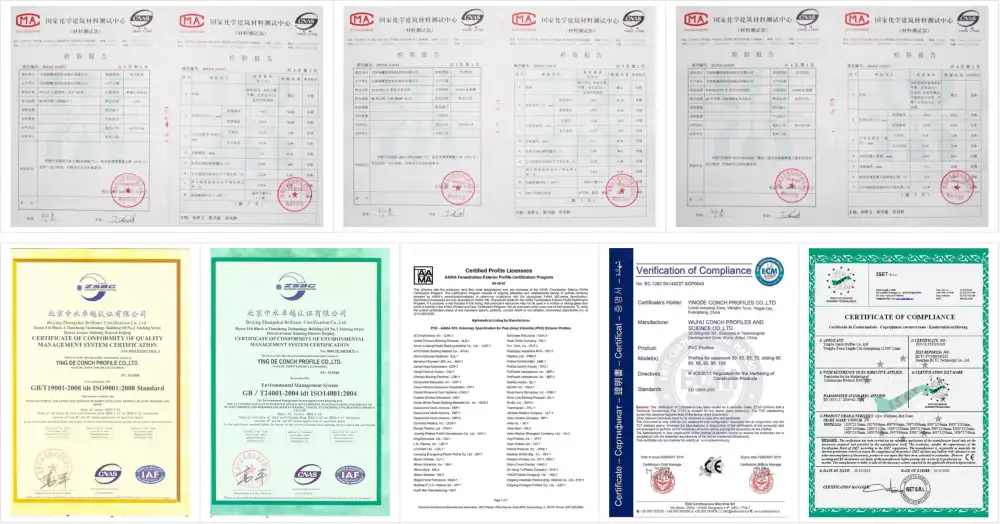
Reputable makers have quality management systems that are approved to ISO 9001 standards. Certifications for specific products, like NFRC scores for thermal performance, AAMA structure testing compliance, or region-specific approvals like CE marks, show that the specifications being claimed are true. Factory audits, which are done by procurement teams or designated representatives, check the capabilities of production equipment.
For example, they check to see if CNC cutting machines keep the tolerances needed for consistent frame geometry and if welding stations achieve corner strength that meets or exceeds the 3000N tensile load requirements. Transparency in the supply chain about where aluminum alloys come from, especially when it comes to verifying the 6063-T5 temper name, keeps material substitutions that hurt structural qualities at bay.
Standard versus Custom Product Selection
Standard aluminum top hung window selection is helpful for projects that need windows of the same size on different building levels. This is because it saves time and money during production, which leads to faster lead times and lower prices for large orders.
For custom setups that deal with specific architectural features or non-standard rough openings, engineering review is needed to make sure the structure is strong enough and that the weatherproofing is properly integrated. When choosing between these two options, the extra cost of customization (which can be anywhere from 15% to 35%) needs to be weighed against the costs of field labor and performance risks that come with making changes to stock units on-site.
Pricing Structure and Total Cost Analysis
Price offers that are clear break down the costs of each part, such as frame extrusions, glazing panels, hardware packages, and finishing treatments. This lets you make value engineering choices that focus on specific cost drivers. When a project involves more than a few hundred units, volume discount levels should be negotiated. Tiered pricing should represent lower setup costs and material buying economies.
The seller and buyer share the risk based on the terms of the warranty, which cover things like frame structural integrity, coating durability, and hardware operation. Standard covering for 10 years for structural parts and 5 years for finishes. Lifecycle cost estimates take into account after-sales support that includes expert help, the availability of replacement parts, and field service capabilities.
Logistics Coordination and Delivery Planning
When you buy something from another country, things like shipping methods, customs paperwork, and port handling processes become more complicated, which can delay projects. The cost of shipping each unit is affected by how the containers are loaded, and the best way to pack them is with special crating that keeps the frames from warping during transport.
Lead times for normal products are usually 25 to 30 days from the time the order is confirmed until the plant ships the goods. For custom engineering or specialized finishes, the lead time goes up to 35 to 45 days. When buyers are planning multiple deliveries of materials, it's helpful when suppliers are flexible about where shipments are staged.
Conclusion
Aluminum top hung window systems offer a great mix of weather protection, ventilation control, and structural life that meets the needs of both business and private buildings. The outward-opening design lets air flow continuously, even when it rains, and thermally broken frame designs meet energy performance standards that are becoming more important in building codes and green ratings. When making purchasing choices, it's helpful to look at more than just price when comparing providers based on their quality standards, production capabilities, and support infrastructure. When installed correctly according to the manufacturer's instructions and maintained regularly, these fenestration systems will work at their best for a long time, giving building owners and residents stable function and long-lasting value.
FAQ
What maintenance routines extend aluminum window lifespan?
Cleaning every six months with pH-neutral liquids gets rid of outdoor contaminants without hurting the protection coatings. Every three months, use a silicone-based lubricant on the locking mechanisms and friction stay hinges to keep them running smoothly. Check EPDM seals once a year for cracks or loss of compression, and replace any broken parts right away. During each upkeep cycle, make sure that the drainage weep holes are still free of waste to keep water from building up.
How do thermal break frames enhance energy savings?
Polyamide strips inside the metal frame shape block the path for electricity to flow between the inside and outside surfaces. This split greatly lowers heat transfer coefficients—thermally broken frames usually have U-values that are 40% to 60% lower than non-insulated peers. This directly lowers the amount of energy used by HVAC systems.
What distinguishes top hung windows from casement designs?
Both types of units work with hinges, but top hung units have the hinge at the top, so they turn outward from the bottom. This makes an umbrella effect that protects the opening from rain. Casements have hinges on the side that allow them to fully open outward, taking up room on the outside. Top hung designs offer weatherproof air in small spaces that are perfect for bathrooms, kitchens, or crowded city areas.
Partner with Trusted Aluminum Window Specialists
Haolv Building Materials has been making things for 18 years and can handle difficult window jobs that need precise planning and on-time delivery. Our ISO-certified factories use cutting-edge CNC machines and automatic assembly lines to make aluminum top hung window systems that meet AAMA, CE, and other building standards. We have strategic relationships with top sources, such as CONCH profile systems, which makes sure that the quality of the materials is the same for big orders. Technical teams provide complimentary consultation services addressing thermal performance modeling, structural load calculations, and custom configuration development tailored to your project specifications.
Our aluminum top hung window manufacturer capabilities extend from standard 60/70/80 series production through fully customized solutions accommodating non-standard dimensions, specialized glazing requirements, and architectural finishes spanning powder coating to wood-grain treatments. For inquiries and technical support, please contact us at kristin@haolvwindows.com. Adequate inventory levels combined with 25 to 30-day production cycles support aggressive construction timelines, while comprehensive after-sales support ensures long-term partnership value.
References
1. American Architectural Manufacturers Association (AAMA). (2021). Performance Standards for Windows, Doors, and Skylights. AAMA Publication Series.
2. Carmody, J., Selkowitz, S., Lee, E., Arasteh, D., & Willmert, T. (2004). Window Systems for High-Performance Buildings. W.W. Norton & Company.
3. Herzog, T., Krippner, R., & Lang, W. (2017). Facade Construction Manual. Birkhäuser Architecture.
4. National Fenestration Rating Council (NFRC). (2020). Certified Products Directory: Thermal Performance Ratings. NFRC Technical Documents.
5. Patterson, M. (2011). Structural Glass Facades and Enclosures. John Wiley & Sons Professional Publishing.
6. Yudelson, J., & Meyer, U. (2013). The World's Greenest Buildings: Promise Versus Performance in Sustainable Design. Routledge Environmental Science Publications.
Fast simple channel to send demands lock favorable price for building window door bulk purchases.