- English
- French
- German
- Portuguese
- Spanish
- Russian
- Japanese
- Korean
- Arabic
- Greek
- German
- Turkish
- Italian
- Danish
- Romanian
- Indonesian
- Czech
- Afrikaans
- Swedish
- Polish
- Basque
- Catalan
- Esperanto
- Hindi
- Lao
- Albanian
- Amharic
- Armenian
- Azerbaijani
- Belarusian
- Bengali
- Bosnian
- Bulgarian
- Cebuano
- Chichewa
- Corsican
- Croatian
- Dutch
- Estonian
- Filipino
- Finnish
- Frisian
- Galician
- Georgian
- Gujarati
- Haitian
- Hausa
- Hawaiian
- Hebrew
- Hmong
- Hungarian
- Icelandic
- Igbo
- Javanese
- Kannada
- Kazakh
- Khmer
- Kurdish
- Kyrgyz
- Latin
- Latvian
- Lithuanian
- Luxembou..
- Macedonian
- Malagasy
- Malay
- Malayalam
- Maltese
- Maori
- Marathi
- Mongolian
- Burmese
- Nepali
- Norwegian
- Pashto
- Persian
- Punjabi
- Serbian
- Sesotho
- Sinhala
- Slovak
- Slovenian
- Somali
- Samoan
- Scots Gaelic
- Shona
- Sindhi
- Sundanese
- Swahili
- Tajik
- Tamil
- Telugu
- Thai
- Ukrainian
- Urdu
- Uzbek
- Vietnamese
- Welsh
- Xhosa
- Yiddish
- Yoruba
- Zulu
Energy-efficient aluminum flush window options
Aluminum flush windows are a revolutionary option for business and residential projects that want to save energy. They combine simple design with excellent thermal performance that has a direct effect on running budgets. As environmental rules and building codes get stricter across the US, procurement teams are under more and more pressure to choose fenestration systems that cut energy use by measurable amounts without changing the design purpose.
This guide talks about the technical facts, performance standards, and sourcing options that general contractors, developers, curtain wall integrators, and building material distributors need to know when looking at flush window systems for high-performance building envelopes, retrofit projects, and developments with multiple units.
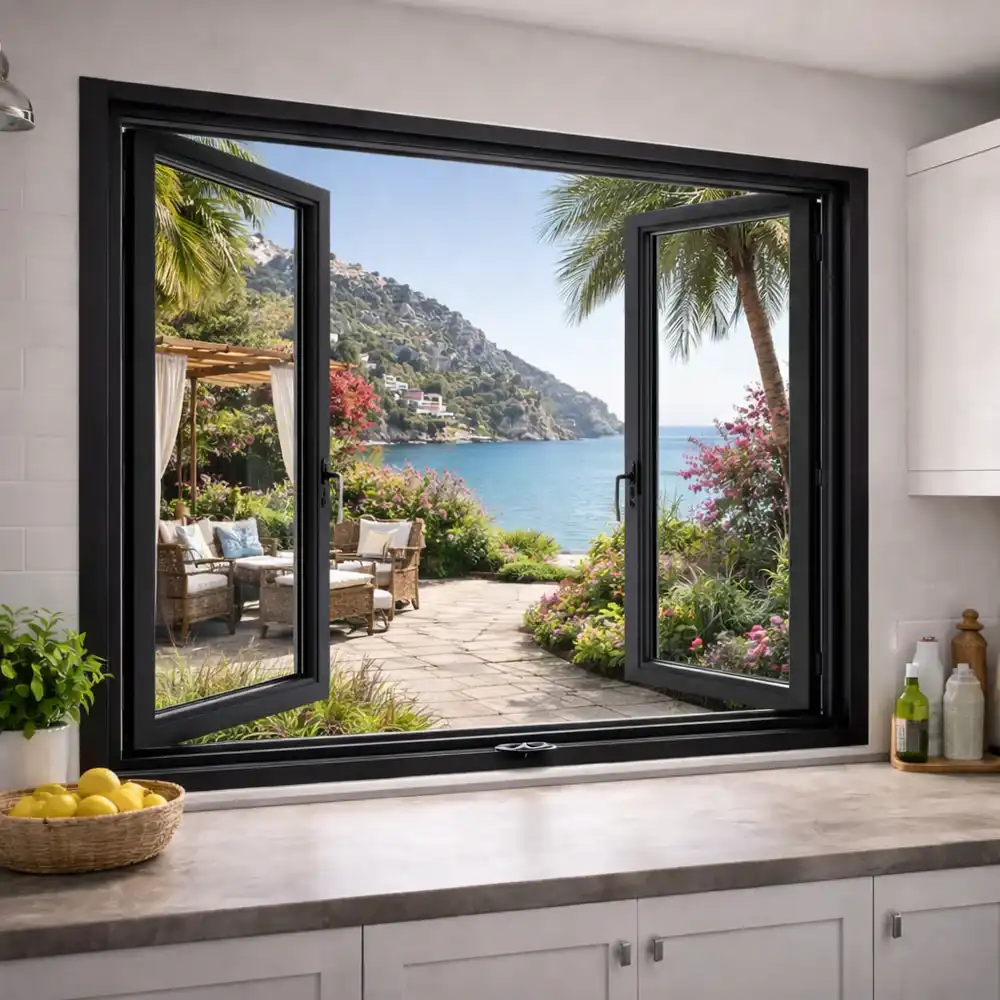
Understanding Aluminum Flush Windows and Their Energy Efficiency
The flush sash design is what makes these windows unique. When the windows are closed, the operable sash sits perfectly level with the outer frame. This eliminates any protruding features and leaves a smooth, unbroken wall line. This smooth integration does more than just look good; it also makes the building airtighter by cutting down on the number of exterior joints and gaps that let wind-driven rain or thermal bridging happen.
Structural Composition and Thermal Performance
Modern Aluminum flush windows are made from 6063-T5 aluminum alloy extrusions with profile widths that range from 1.4 mm to 2.0 mm. These are designed to balance the strength of the structure with the efficiency of the material. The most important improvement in thermal performance comes from putting polyamide thermal breaks, which are usually PA66 nylon strips, inside the metal frame to stop heat from moving. By separating the inside and outside, these breaks make clear zones that keep heat from moving and allow U-values that meet strict energy codes.
More modern glazing designs make the window even more energy efficient. Double glazing systems, which usually have 5+12A+5 panes of 5 mm glass between 12 mm of argon-filled space, offer basic insulation that is good for mild temperatures. Triple glass with low-emissivity coatings that reflect infrared radiation while letting visible light through is an option for projects that need better performance. You can get tempered or layered glass, which improves safety and soundproofing without lowering heat resistance.
Comparative Advantages Over Alternative Materials
Unlike wood systems that need to be maintained on a regular basis and lose their shape when it's hot, metal profiles keep working the same way in all temperature ranges. Aluminum windows are stronger and lighter than uPVC windows, so they can have bigger glass areas with thinner sightlines. This is important for letting more light into modern business spaces and meeting architectural requirements. Aluminum doesn't rust naturally, and it stays in good shape for a long time in coastal or industrial settings where things tend to break down faster. This is especially true after being handled with powder coating or anodized finishes.
Performance Disclaimer: The exact thermal, structural, and acoustic performance numbers will rely on the configuration of the product, the type of glazing chosen, and the quality of the installation. Always check claims about performance against independent test results and the needs of the individual project.
Key Design Options to Maximize Energy Efficiency in Aluminum Flush Windows
For the best thermal efficiency, various system components must be carefully specified. Whether a window meets project energy goals or becomes a problem in lifetime cost analysis depends on how well the frame design, glass technology, and sealing work together.
Thermal Break Technology and Frame Engineering
It comes in different models, with 60, 70, and 80 numbers indicating frame depth in millimeters. Profiles that are deeper can fit wider thermal breaks and more insulation chambers. The PA66 polyamide strips are non-conductive barriers. They come in sizes that range from 14 mm for low-cost devices to 34 mm for high-end ones. It is possible to measure lower U-values when breaks are wider. This means that HVAC loads are lower during both the heating and cooling seasons.
The shape of the frame also affects how well it uses energy. Multi-chambered extrusions make air pockets that make it even harder for heat to move, and carefully designed drainage lines keep water from building up, which could make the insulation less effective. Surface treatments like powder coating, anodizing, wood grain finishes, or PVDF coats add a protected layer that keeps the frame's thermal qualities even after decades of use.
Advanced Glazing Solutions
Since most of a window's surface is made of glass, choosing the right glazing is the most energy-efficient choice. Low-E coatings are very thin layers of metal that are put on glass surfaces. In the winter, they reflect long-wave infrared energy back into living areas, and in the summer, they stop solar heat gain. To choose the right low-E coating—either one with high solar gain for passive heating or one with low solar gain for climates that cool a lot—you need to know the building's position, climate zone, and working profile.
Aluminum flush windows benefit greatly from gas fills and spacer technology. Fillings of inert gas between the panes stop heat from moving through convection. Most people choose argon because it is more insulating than air and doesn't cost too much more. It is more expensive than other materials, but krypton works better in small spaces and is better suited for very high-performance uses. The material of the spacer bar between the glass panes is also important. Compared to standard metal spacers, warm-edge spacers made from composite materials reduce condensation along the edges of the glass and make the window warmer overall.
Sealing Systems and Installation Integrity
In good flush window systems, EPDM seals are the main thing that keeps air and water out. This synthetic rubber stays flexible even when the temperature changes a lot, while cheaper PVC plugs harden and stop working. To stop air from getting in, gasket profiles must be pressed down evenly around the whole sash edge. If they aren't, air will leak in and make insulation less effective, even in well-specified glazing systems.
How well the installation is done decides whether the energy calculations done in the planning stage are accurate in the real world. To properly install flashing, use sealant at frame-to-wall joints, and get rid of thermal bridges through rough holes, skilled workers must follow the manufacturer's instructions. To protect their investments in energy efficiency, projects that call for flush windows should set aside enough money for installation training and quality control checks.
These technical factors are used to create procurement standards that balance the cost of the original purchase with the cost of running the business in the long term. When project teams understand these factors, they can make trade-offs that are in line with their performance goals and price limits.
Comparing Aluminum Flush Windows with Alternative Window Types for Energy Performance
When making a procurement choice, it is common to look at a number of fenestration possibilities based on their cost, performance, and appearance. Aluminum flush windows stand out in this market because they have benefits that are especially useful in certain project situations.
Material Performance Benchmarks
Wood windows naturally insulate, but they need to be maintained regularly to keep them from rotting, bending, and losing their paint. This is an ongoing cost that is often not taken into account in the initial analysis of the purchase. uPVC systems are cheaper and better at keeping heat in, but they aren't strong enough for big windows that are popular in commercial settings. Their tendency to expand and contract with temperature changes and their color not staying stable when exposed to UV light can cause long-term problems with how they look in high-visibility installations.
When it comes to structural strength and physical steadiness, aluminum solutions are the best. The flush design gets rid of the exterior stepped shape that is common in traditional casement windows. This makes the wall easier to clean by reducing the amount of surface area that is exposed to wind-driven rain. In seaside areas, marine-grade powder coats protect against salt corrosion, which is a type of failure that makes other materials very hard to use.
Operational Comparisons
Energy performance changes a lot depending on how it is set up. When properly installed, an aluminum flush window with thermal breaks and good glass can achieve U-values that are similar to high-end uPVC systems while giving designers a lot more options. Larger glass areas boost passive solar gain in places that rely on heating, which might balance out the slightly higher material conductivity of aluminum frames.
Long-term productivity is also affected by how things work. It's possible to get flush windows with both inward and outward casements, which lets designers make the best choices for air flow, upkeep access, and escape. Multi-point locking systems with high-quality metal or stainless steel hardware make sure that weather seals stay compressed over thousands of working cycles, keeping the window airtight for as long as it lasts.
Aluminum flush windows are especially well-suited for projects where long-lastingness, low upkeep, and consistent design across large window populations are more important than small changes in material cost.
Maintenance and Longevity Tips to Preserve Energy Efficiency
Long-term thermal performance relies on routine repair plans that take into account the unique problems that metal window systems have. Even high-end goods break down over time if they are not properly cared for, which causes more energy to be used and parts to fail before they should.
Routine Inspection and Cleaning
Every six months, you should check the state of the gaskets, the way the hardware works, and the space in the drainage channels. EPDM seals stay flexible in most situations, but they can break down more quickly if they are cleaned with petroleum-based products or are exposed to UV light for a long time in setups that aren't covered. Visual checks for compression set—permanent damage that stops the seal from engaging properly—find problems before they affect the seal's ability to keep air out.
To get rid of dirt on aluminum surfaces, all you need are pH-neutral cleaners and soft brushes. Harsh chemicals or cleaners that are too rough can damage protection layers, which speeds up corrosion in naval or industrial settings. Powder-coated finishes can usually last for decades if they are taken care of properly, but any chips or scratches should be fixed right away to keep the metal from oxidizing.
Component Rehabilitation and Upgrades
The most frequent upkeep task is replacing a gasket, which is usually needed after a long time of use in high-exposure areas. Keeping manufacturer-specified spare profiles in the repair inventory of a building lets leaks be fixed quickly. If the seal fails and water gets between the panes, as shown by condensation or fogging inside, the windows need to be reglazed.
Hardware lubrication with lubricants allowed by the maker, usually silicone-based lubricants, keeps things running smoothly and keeps friction stays and locking mechanisms from wearing out too quickly. During regular inspections, hardware cycle testing finds parts that are getting close to failing before they cause practical problems. These care practices make windows last longer while keeping the energy-saving features that made people buy them in the first place. Setting clear upkeep rules and allocating the right resources can help protect the value of investments in windows and doors throughout a building's lifetime.
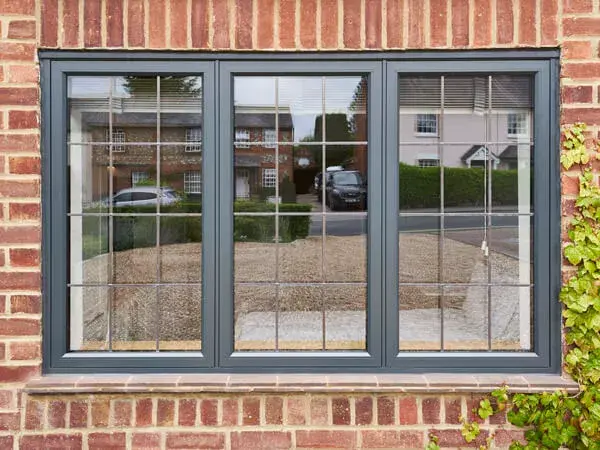
Procurement Considerations for Energy-Efficient Aluminum Flush Windows
When choosing a provider for a large-scale window installation job, you have to look at more than just the unit price. For aluminum flush windows, factors such as thermal break quality, gas fill consistency, and spacer bar durability become critical performance differentiators at scale. A structured procurement method is needed for large-scale building projects because it is hard to keep track of specs, delivery dates, and quality control.
Certification and Performance Verification
NFRC (National Fenestration Rating Council) approval gives buildings in the U.S. standardized energy performance scores that are needed to make sure they follow the building codes. Certified items have U-factor, Solar Heat Gain Coefficient (SHGC), and Visible Transmittance (VT) values that have been checked by a third party. These ratings allow for correct energy modeling. For credit application, projects that want to get LEED or another green building approval need this information.
Besides measuring energy use, AAMA (American Architectural Manufacturers Association) testing for structure approval confirms wind load strength, air infiltration limits, and water penetration performance. These scores have a direct effect on the terms of building exterior warranties and the insurance needs of coastal or high-rise construction.
Total Cost of Ownership Analysis
Lifecycle costs are much higher than the price you pay at the window. To compare offers, you have to make sure that the included parts are all the same. For example, mounting tools, flashing materials, finish choices, and shipping methods are all different from one provider to the next. Differences in energy performance lead to changes in the costs of running a building over its lifetime. For example, a 0.1 drop in U-value can explain big price increases when looked at over thousands of window units that have been used for decades.
The warranty terms show how confident the source is in the product's longevity. Long-term warranties that cover hardware operation, finish integrity, and seal performance are a sign of quality promises. On the other hand, restricted warranties or exceptions for certain failure modes are a sign of possible lifetime cost risks. When dealing with single problems in big window populations, after-sales support features like expert help, replacement parts availability, and quick field service response become very important.
Supplier Evaluation Criteria
Manufacturers you can trust show they can make things by showing plant certifications, equipment specs, and portfolios of past projects they've worked on. Automated assembly systems and precise CNC cutting tools show uniform manufacturing quality, which is important for limits in flush profiles. Supply chain security, shown by relationships for getting raw materials and systems for keeping track of stockpiles, prevents delivery delays that throw off building plans.
Customization skills show if providers can meet project-specific needs for non-standard sizes, colors, or performance improvements. Being able to work together with engineering teams on shop plans and submission paperwork speeds up the approval process and makes it easier for people to work together in the field. Having worked on similar projects in the past, like multi-unit residential, business office, and institutional buildings, gives faith in the ability to carry them out.
When negotiating a bulk purchase, you should talk about more than just unit prices. You should also talk about delivery methods, phased shipment plans, and warehousing arrangements that work with the order of building. Payment terms, advance billing structures, and retainage conditions all affect the cash flow of a project and should be in line with standard practices in the material supply business.
Conclusion
In the context of complicated project settings, selecting energy-efficient Aluminum flush windows necessitates striking a balance between thermal performance, structural needs, aesthetic goals, and procurement realities. These systems—which include improved thermal breaks, better glass, and precise sealing—reduce energy use in a way that can be measured and has a direct effect on the costs of running a building.
When procurement teams have performance data, models for evaluating suppliers, and lifetime cost views, they can make specification decisions with confidence, making sure that the choices for fenestration are in line with the project's overall sustainability goals. Aluminum flush windows are a practical choice for projects that need to hold their value over time because they are long-lasting, easy to design, and have been shown to save energy.
FAQ
What U-values can aluminum flush windows realistically achieve with thermal breaks?
U-values for thermal break windows with PA66 polyamide strips are usually between 1.1 and 1.6 W/m²K, but this depends on the break width and the type of glass used. With low-E coatings and argon fills, double glazing usually gets to a value between 1.4 and 1.6. Triple glazing systems can get close to 1.1 in the best designs.
How does flush design specifically improve energy performance compared to stepped profiles?
The flush design cuts down on the amount of outside surface area that is open to the weather. This means that water doesn't collect in as many places and heat doesn't flow through visible sash parts as much. Fewer external joints mean fewer ways for air to get in, which directly improves test results for airtightness and real-world energy use.
What maintenance frequency preserves energy performance over multi-decade service lives?
For most uses, reviews every six months are enough to check the state of the gasket, make sure the drainage is clear, and make sure the hardware is working properly. Checking installations every three months is helpful for coastal or high-exposure ones. In normal situations, gaskets need to be replaced about every ten years. However, places with a lot of UV light or very high temperatures may speed up the replacement processes.
Which certifications matter most when sourcing for U.S. commercial projects?
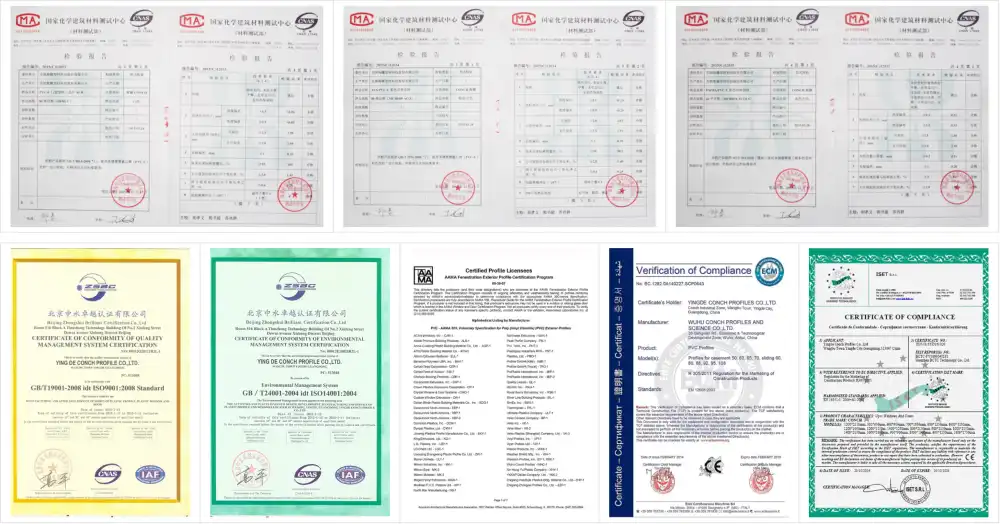
As a result of NFRC energy scores, code compliance can be checked and accurate energy modeling can be done. AAMA structural standards prove that a building can withstand wind stress and bad weather. Quality management systems are shown by ISO manufacturing certifications (ISO 9001). For credit applications, projects that want to get green building certifications need to provide certain NFRC documents.
Partner with Haolv Building Materials for Your Aluminum Flush Window Requirements
We know how hard it is for builders, developers, and distributors to find fenestration systems for business and private projects that are very specific. With 18 years of experience in making, Haolv Building Materials makes high-quality Aluminum flush windows that are backed by ISO, CE, and AAMA approvals. Our customization options include size, color, finish, and performance requirements.
To back this up, we have in-house engineering teams that offer free technical help and shop drawing planning. Production capacity includes automated assembly lines and precision CNC tools that make sure the quality of both standard and custom orders is the same. Lead times are usually 25 to 30 days, which helps keep project plans on track. As a reputable seller of Aluminum flush windows, we keep close relationships with top material suppliers and provide whole window systems, including frames, glass, hardware, and extras, in one place. Email our team at kristin@haolvwindows.com to talk about the details of your project, ask for performance data, or set up shipping of samples. We offer the technical help, reliable production, and reasonable prices that make hard choices about buying things easy.
References
1. American Architectural Manufacturers Association. (2021). AAMA 101: Voluntary Standard for Aluminum Windows and Doors. Schaumburg, IL: AAMA Publications.
2. National Fenestration Rating Council. (2020). NFRC 100-2020: Procedure for Determining Fenestration Product U-factors. Greenbelt, MD: NFRC Technical Publications.
3. Department of Energy. (2022). Energy Performance Ratings for Windows, Doors, and Skylights. Washington, DC: Office of Energy Efficiency and Renewable Energy.
4. Straube, J., & Burnett, E. (2019). Building Science for Building Enclosures. Building Science Press. Chapter 12: Fenestration Performance and Selection.
5. Lstiburek, J. (2018). "Window Installation and Flashing Details." Journal of Light Construction, 36(4), 22-29.
6. Aluminum Association. (2023). Aluminum Design Manual: Specifications and Guidelines for Aluminum Structures. Arlington, VA: The Aluminum Association Standards Division.
Fast simple channel to send demands lock favorable price for building window door bulk purchases.