- English
- French
- German
- Portuguese
- Spanish
- Russian
- Japanese
- Korean
- Arabic
- Greek
- German
- Turkish
- Italian
- Danish
- Romanian
- Indonesian
- Czech
- Afrikaans
- Swedish
- Polish
- Basque
- Catalan
- Esperanto
- Hindi
- Lao
- Albanian
- Amharic
- Armenian
- Azerbaijani
- Belarusian
- Bengali
- Bosnian
- Bulgarian
- Cebuano
- Chichewa
- Corsican
- Croatian
- Dutch
- Estonian
- Filipino
- Finnish
- Frisian
- Galician
- Georgian
- Gujarati
- Haitian
- Hausa
- Hawaiian
- Hebrew
- Hmong
- Hungarian
- Icelandic
- Igbo
- Javanese
- Kannada
- Kazakh
- Khmer
- Kurdish
- Kyrgyz
- Latin
- Latvian
- Lithuanian
- Luxembou..
- Macedonian
- Malagasy
- Malay
- Malayalam
- Maltese
- Maori
- Marathi
- Mongolian
- Burmese
- Nepali
- Norwegian
- Pashto
- Persian
- Punjabi
- Serbian
- Sesotho
- Sinhala
- Slovak
- Slovenian
- Somali
- Samoan
- Scots Gaelic
- Shona
- Sindhi
- Sundanese
- Swahili
- Tajik
- Tamil
- Telugu
- Thai
- Ukrainian
- Urdu
- Uzbek
- Vietnamese
- Welsh
- Xhosa
- Yiddish
- Yoruba
- Zulu
Aluminium Sliding Door that are perfect for Your Home
Aluminium sliding external doors offer a unique mix of structural strength and design versatility that few other building materials can match when planning home or business construction projects. These engineered fenestration systems take simple steps and turn them into architectural statements that meet strict efficiency standards. Whether you're a contractor in charge of multi-unit developments, a developer looking for compliant solutions for coastal properties, or a distributor looking for reliable stock, knowing what makes a good sliding door system different can have a big effect on the success of your projects and the happiness of your clients.
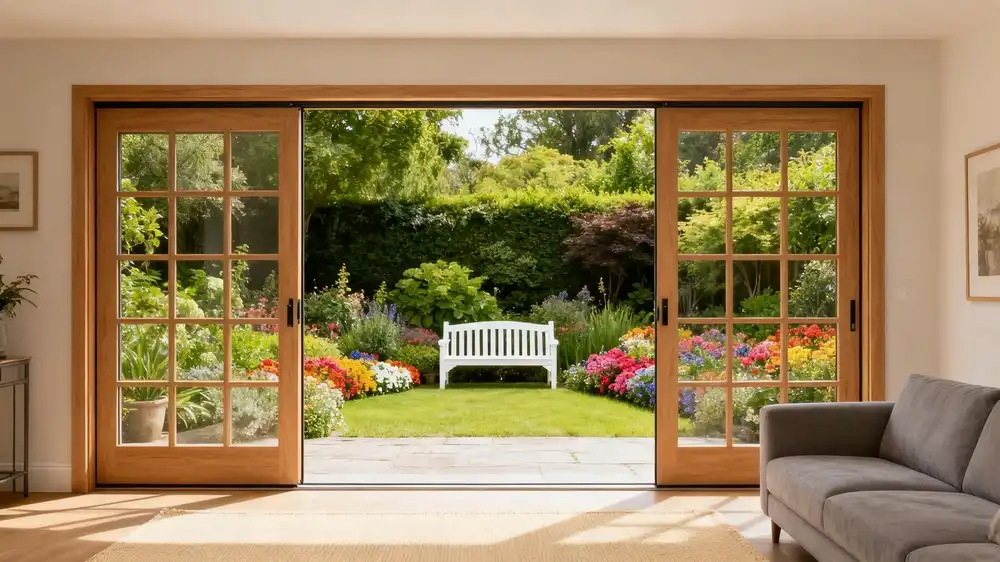
What Are Aluminium Sliding External Doors and Their Key Benefits?
Aluminium sliding external doors are highly developed architecture systems that connect indoor and outdoor areas without affecting the building's structural integrity or its aesthetic appeal. Unlike regular hinged doors, these systems use horizontal sliding mechanisms placed on stainless steel or strengthened roller tracks. This lets them hold large glazing units—often 3 to 4 meters in width—while keeping frame sightlines as low as possible.
Core Engineering Characteristics
The building blocks of these systems are the materials they are made of. Premium units are made from 6063-T5 or T6 grade aluminium alloys, which have great strength-to-weight ratios and can hold sash weights of more than 400 kg. This engineering method solves a problem that has been bothering modern architects for a long time: how to get clear views without losing structural safety. By using the extrusion process, makers can make profiles with multiple chambers and polyamide thermal breaks that are between 24 mm and 34 mm deep. These breaks stop the metal frame from transferring heat or cold effectively.
Weather Resistance and Durability
Materials that can stand up to regular exposure to the environment are needed for external uses. When applied with Qualicoat-certified powder coats or anodized finishes, aluminium frames are much more resistant to UV damage, salt spray rust, and changes in temperature than other materials. In seaside settings where salt-mist corrosion speeds up material breakdown, aluminium that has been properly handled will keep its structural integrity and good looks for decades. The EPDM and brush sealing systems that are built into high-quality units make many barriers against water and air leaks. These systems improve the performance of the building shell in important ways that affect energy use and occupant comfort.
Thermal and Acoustic Performance
With the addition of thermal break technology, aluminium sliding external doors are much better at keeping heat in. Modern systems can get U-values as low as 1.2 W/m²K when they are paired with double or triple-glazed Low-E glass units. This means that they don't need as much HVAC load. Acoustic protection levels for these doors are usually between 35dB and 45dB, which makes them good for cities where noise pollution from outside makes it hard to live. Because of these performance traits, building owners can save money on running costs while still meeting North American energy rules that are getting stricter.
How to Choose the Best Aluminium Sliding Doors for Your Project?
To choose the right aluminium sliding external doors, you have to match technical specs to the needs of the project. The decision process includes more than just personal tastes when it comes to looks. It also takes into account structure needs, environmental factors, and following the rules.
Profile Structure and Glass Configuration
The load-bearing capacity and long-term physical stability of a frame are based on its width and reinforcement. The structure needed for large-format displays is made up of systems with reinforced aluminium frames that have heat barriers. Specifications for glass should be carefully thought through. For example, tempered glass is resistant to pressure and can be used at ground level, while coated glass offers better security and UV protection. In most cases, double glazing works well in milder climates. However, triple glazing is needed in places with extreme temperatures or on projects that need to get high energy ratings. Glass thicknesses from 8 mm to 28 mm are available to meet a wide range of performance needs and price constraints.
Track Systems and Operating Mechanisms
The most common type of setup is a bottom-rolling track system, which makes installation and upkeep easy. Top-hung options get rid of all floor tracks, making barrier changes that are smooth and easy for ADA compliance and modern minimalist style. The ease of operation and life are directly related to the quality of the roller assemblies. High-end systems have stainless steel bearings and adjustable mechanisms that keep the operation smooth for tens of thousands of cycles. For projects that will be used a lot, like business stores or hotel apps, buying high-quality hardware parts is a great idea.
Security Hardware Integration
When compared to single-point locks, multi-point locking systems make it much harder to break in by spreading the force across more frame contact points. Anti-lift designs stop the sash from being removed from the outside, which is a weakness that many basic aluminium sliding external doors have. Specifying these security features is a smart way to control risk for business uses or high-value private properties. Handles, strikes, and keeper plates are all part of the hardware environment. Differences in quality have a big effect on both security performance and user experience.
Customization Capabilities and Lead Times
For big projects, it's common to need unique color matching, non-standard sizes, or the ability to work with certain building features. Manufacturers who can make products from drawings give you more options than standard goods can offer. When looking at possible providers, you should see how well they can handle custom requirements without having to add too many days to the wait time. Manufacturers you can trust keep enough core parts in stock and offer customization services. Usually, they send finished orders 25 to 30 days after you approve them. This mix between being flexible and being efficient is very important for projects with tight plans.
Installation, Maintenance, and Performance Optimization
If you build and maintain aluminium sliding external doors correctly, they will work the way they were meant to for as long as they are used. Technical specs don't mean much if problems with the fitting make it less watertight or less thermally efficient.
Installation Protocols and Common Challenges
Correctly measuring the site is the very first and most important step. Mistakes at this stage can affect the whole process, from planning to building to putting it together, and could require expensive repairs. The size of the wall hole needs to take into account the frame size plus any shimming and closing gaps that need to be there. For expansive units in particular, the load requirements set by the door system maker must be met by the structural support around the hole.
It is important that the placement is level; even small differences can cause operational binding and speed up the wear on roller parts. Professional installation teams that know how to work with certain product systems can usually finish setups faster and with fewer mistakes that could void the guarantee. Building up in-house installation skills through factory training programs can help businesses that are working on multiple projects at the same time save money and make schedule changes in the long run.
Preventive Maintenance Requirements
Regular repair keeps systems running well and extends their life. Most places should clean their tracks every three months, but places with a lot of foot traffic or a lot of dust should do it more often. Roller assemblies need to be inspected and oiled on a regular basis, as specified by the maker. Skipping this upkeep speeds up wear and causes the machine to run rough. Weatherstripping and seals slowly break down due to UV light and mechanical wear. Replacing them before they fail stops water from getting in and energy from being lost. No matter if the frame is powder-coated or anodized, pH-neutral treatments should be used to clean it every so often. Harsh chemicals or rough cleaning methods wear away protected layers, which speeds up corrosion in industrial or seaside settings. Hardware parts, especially locking systems, need to be oiled once a year with the right items that don't collect dust.
Performance Enhancement Through Accessories
Fully built-in fly screens keep bugs out without blocking air flow, which is especially helpful in home settings. Between-glass blinds keep dust from building up and block the sun without making things more difficult to use. Integrating automated opening systems with building management tools makes things easier and makes sure that everyone can get in and out of the building. With these add-ons, simple sliding doors can be turned into complete systems that meet multiple building efficiency goals at the same time.
Disclaimer: If you want to be sure of certain performance characteristics, you should compare them to product testing reports and maker documentation. This is because real results may be different depending on the installation conditions, environmental factors, and system setup.
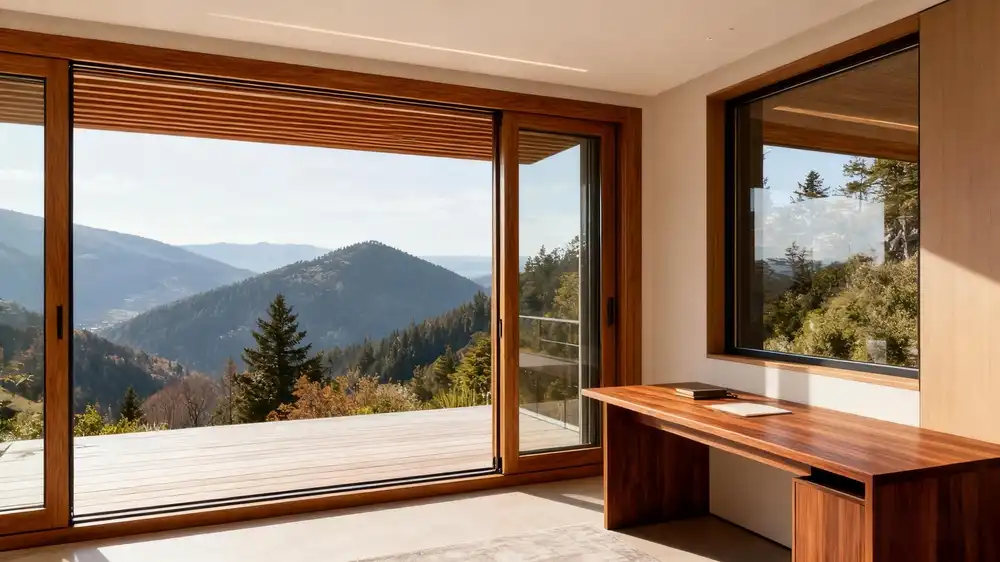
Cost Analysis and Procurement Advantages for Bulk Orders
When you know the total cost of ownership instead of just the buying price, you can make better choices about what to buy. The prices of aluminium sliding external doors are very different from those of other window and door goods.
Component Cost Breakdown
Materials like aluminium extrusions, thermal break materials, and surface finishes usually make up 40 to 50 percent of the total unit price. Glazing adds 20 to 30 percent, but this number can change a lot depending on the type of glass, its thickness, and the finishing specs. Some of the hardware systems that make up 15-20% are wheels, locks, and handles. The rest of the money goes to manufacturing costs, quality control, packing, and the manufacturer's profit.
When you compare quotes from different providers, make sure that the specs stay the same. When a price seems good, it's likely that performance and durability have been sacrificed by thinner glass, simpler hardware, or the absence of thermal break components. Ask for thorough reports that list the main parts so that you can make accurate comparisons and figure out when value engineering might be a good fit for certain situations.
Bulk Procurement Strategies
When you buy in bulk, you can get better deals and lower prices. When compared to small-order prices, projects that need 50 units or more usually get bulk savings of 8 to 15%. In addition to lowering the cost per unit, placing large orders gives you more power in negotiations about shipping options, payment terms, and guarantee terms. Setting up framework deals for current projects makes prices more stable and makes the reordering process easier. When buying teams and makers work together to create specifications, they can often find ways to save money without sacrificing performance. Custom finishing costs are avoided by choosing standard colors, and waste is kept to a minimum by organizing measurements around standard extrusion lengths. Manufacturers can pass some of these savings on to buyers.
Logistics and Risk Mitigation
When you buy aluminium sliding external doors internationally, you have to keep track of things like shipping times, customs processes, and damage that might happen during transit. Experienced sellers give full shipping documents, the right packing for fenestration goods, and clear instructions on how to file a damage claim. Dependability in delivery affects building plans. Suppliers with established export operations and logistics partnerships lower the risk of delays. Warranty terms should make it clear what is covered, how long it lasts, and how to file a claim; unclear language often means that you won't have many options when problems appear.
Enhancing Security and Functional Features
Security is a must for outdoor door systems, and functional improvements are made to meet changing user standards for ease of use and building technology interaction.
Advanced Security Technologies
When triggered, multi-point locking systems engage at least three points along the door frame. This spreads the force out and makes it much harder to break in. Even if the locks are broken, anti-lift systems keep the sash from being removed. This is a weakness that single-point locks alone can't fix. Impact-resistant glass can take a lot of force without breaking, giving security staff time to respond in business settings or discouraging people from trying to break in for no reason.
The quality of locks from different makers changes a lot. Premium cylinders don't allow picking or cutting, and strengthened strike plates keep the frame from deforming when it's hit hard. For high-security uses, choosing disks that work with limited key systems stops people from making copies without permission. These security layers make up "defense in depth," which greatly improves the safety of a building's surroundings.
Smart Building Integration
Automated aluminium sliding external doors can be set to run on a plan, can be used to automatically open emergency exits, and can be integrated with access control systems. Motorized action meets accessibility standards for barrier-free design and makes things easier in business settings with a lot of foot traffic. Sensors can open doors automatically when someone walks up to them, or they can connect to HVAC systems to improve air flow and temperature control. With these smart systems, sliding doors go from being inactive parts of a building to being active players in how the building works. The money spent on automation infrastructure pays off in the long run through improved usability, cost savings, and unique building features that fetch higher rent or sale prices.
Conclusion
When it comes to the structural performance, operational efficiency, and lifetime cost measures that mean most to procurement professionals, aluminium sliding external doors are the clear winners. Through proven material science and production accuracy, their engineered construction meets the unique challenges of external uses, such as weather exposure, thermal performance, security needs, and architectural freedom. To successfully define and buy these systems, you need to know the technical details that set high-quality goods apart from alternatives that look a lot alike. It's better for projects when verified performance data, manufacturer skills, and the total cost of ownership are given more weight than the original price alone when making purchase choices. Installing sliding door systems today will affect how well buildings work and how happy their occupants are for decades to come, so making an informed choice is key to a successful project.
FAQ
Q1: How does aluminium compare to uPVC for sliding door applications?
A: Aluminium is stronger than uPVC, so it can have thinner curves and bigger glass areas than uPVC can at the same sizes. Both materials are durable enough, but aluminium is better at withstanding physical impacts and staying the same size across a wider range of temperatures. The thermal performance of a building rests more on the type of glass used and the quality of the thermal break than on the frame material itself. However, modern systems made of both materials can achieve similar insulation values if they are designed correctly.
Q2: What maintenance schedule should be implemented for commercial installations?
A: Track cleaning every three months, roller inspection and lubrication every six months, and full hardware service every year are all good things for commercial uses that get a lot of traffic. Every three months, you should look at the weatherstripping and replace it if you see signs of tears or tension set. Coastal or industrial areas may need more regular care because people are exposed to the environment more quickly. Setting up preventative maintenance plans is a lot cheaper than fixing problems after they happen and affect the performance of the building surface.
Q3: Can sliding door systems accommodate custom sizes for unique architectural requirements?
A: Manufacturers that offer custom manufacturing services can make aluminium sliding external doors that meet specific performance, size, and color requirements. Custom production usually adds one to two weeks to normal lead times and may cost 10 to 20 percent more, based on how complicated the specifications are. During the quotation process, providing thorough architectural plans allows for accurate pricing and makes sure that manufactured units fit in perfectly with the existing building. Maximum possible measurements depend on the type of system, but good makers can support spans over 4 meters if they are designed correctly.
Partner With Haolv Building Materials for Your Aluminium Sliding Door Requirements
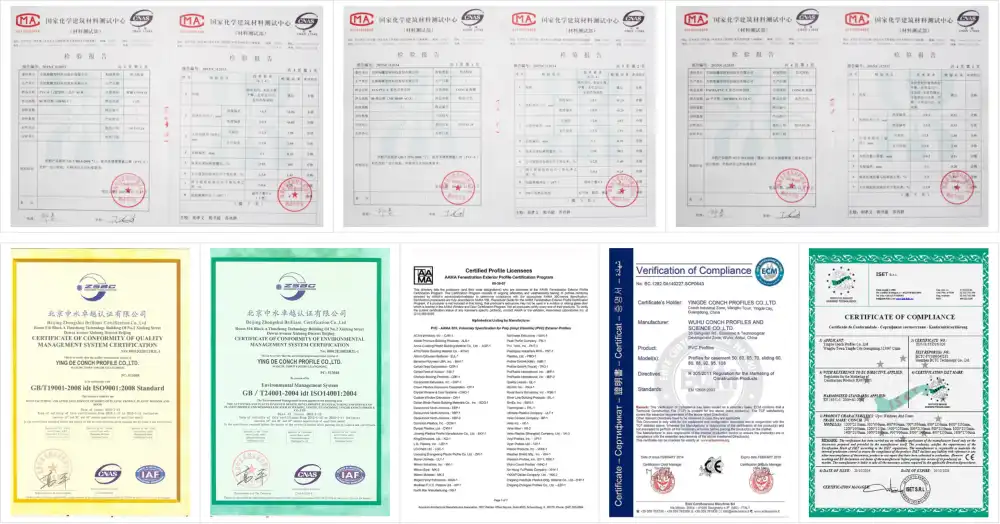
In order to build successful projects, you need to work with aluminium sliding external doors providers who are familiar with the intricacies of business-to-business purchasing and who can provide reliable quality service even for big orders. Haolv Building Materials brings 18 years of experience in specialized manufacturing to every project. They help builders, developers, and distributors with complicated projects by providing them with the technical know-how and production capacity they need. Our ISO, CE, and AAMA certifications show that we follow international quality standards. Our modern CNC cutting systems and automatic assembly lines make sure that our products are always the same size and shape.
We know that the way you run your business depends on how well your projects are done. Our engineering team offers free technical advice and solution design services, turning project needs into the best possible specs before production starts. The Series 120 and 140 are high-end exterior sliding door systems. They have strong metal profiles with thermal breaks, multiple locking systems, and track setups that can handle one, two, or three sliding panels.
We support your building plans without the delays that throw off project timelines by keeping enough inventory on hand and offering delivery windows of 25 to 30 days from the time an order is confirmed. To talk about your project needs and get full technical specs, email our procurement experts at kristin@haolvwindows.com. We'd love the chance to show you how our manufacturing skills, quality control systems, and customer service infrastructure can help your projects be reliable.
References
1. American Architectural Manufacturers Association (AAMA). Performance Standards for Aluminium Sliding Door Systems in Commercial and Residential Applications. AAMA Publications, 2022.
2. Johnson, Michael R., and Patricia L. Stevens. Fenestration Systems: Engineering, Specification, and Performance Optimization. Building Technology Press, 2021.
3. National Fenestration Rating Council (NFRC). Thermal Performance Metrics and Energy Efficiency Standards for Glazed Building Components. NFRC Technical Documents, 2023.
4. Richardson, David K. Modern Aluminium Extrusion Technology and Architectural Applications. Materials Engineering Publishers, 2020.
5. Thompson, Sarah J., et al. "Comparative Analysis of Door System Materials in Coastal Environmental Exposure." Journal of Building Envelope Design 15.3 (2022): 187-204.
6. Wilson, Gregory T. Building Security Systems: Design, Specification, and Risk Management Strategies. Construction Industry Institute, 2021.
Fast simple channel to send demands lock favorable price for building window door bulk purchases.