- English
- French
- German
- Portuguese
- Spanish
- Russian
- Japanese
- Korean
- Arabic
- Greek
- German
- Turkish
- Italian
- Danish
- Romanian
- Indonesian
- Czech
- Afrikaans
- Swedish
- Polish
- Basque
- Catalan
- Esperanto
- Hindi
- Lao
- Albanian
- Amharic
- Armenian
- Azerbaijani
- Belarusian
- Bengali
- Bosnian
- Bulgarian
- Cebuano
- Chichewa
- Corsican
- Croatian
- Dutch
- Estonian
- Filipino
- Finnish
- Frisian
- Galician
- Georgian
- Gujarati
- Haitian
- Hausa
- Hawaiian
- Hebrew
- Hmong
- Hungarian
- Icelandic
- Igbo
- Javanese
- Kannada
- Kazakh
- Khmer
- Kurdish
- Kyrgyz
- Latin
- Latvian
- Lithuanian
- Luxembou..
- Macedonian
- Malagasy
- Malay
- Malayalam
- Maltese
- Maori
- Marathi
- Mongolian
- Burmese
- Nepali
- Norwegian
- Pashto
- Persian
- Punjabi
- Serbian
- Sesotho
- Sinhala
- Slovak
- Slovenian
- Somali
- Samoan
- Scots Gaelic
- Shona
- Sindhi
- Sundanese
- Swahili
- Tajik
- Tamil
- Telugu
- Thai
- Ukrainian
- Urdu
- Uzbek
- Vietnamese
- Welsh
- Xhosa
- Yiddish
- Yoruba
- Zulu
What Are Thermal Break Casement Windows?
When choosing windows for business or high-volume domestic developments, thermal efficiency is often a key factor that affects both the long-term costs and the comfort of the people who live or work in the buildings. A Thermal Break Casement Window is a high-tech way to build windows that directly solves this problem. Between the inside and outside metal shapes of these systems is a strengthened polyamide bar that acts as a thermal bridge. This design makes a barrier that greatly lowers the metal frame's conductivity. This stops heat transfer while keeping the strong structure and thin sightlines that aluminum is known for. Because these windows don't have aluminum's high heat conductivity, they are just as energy efficient as, or even more so than, wood and uPVC systems. This makes them a good choice for projects where performance and longevity are important.
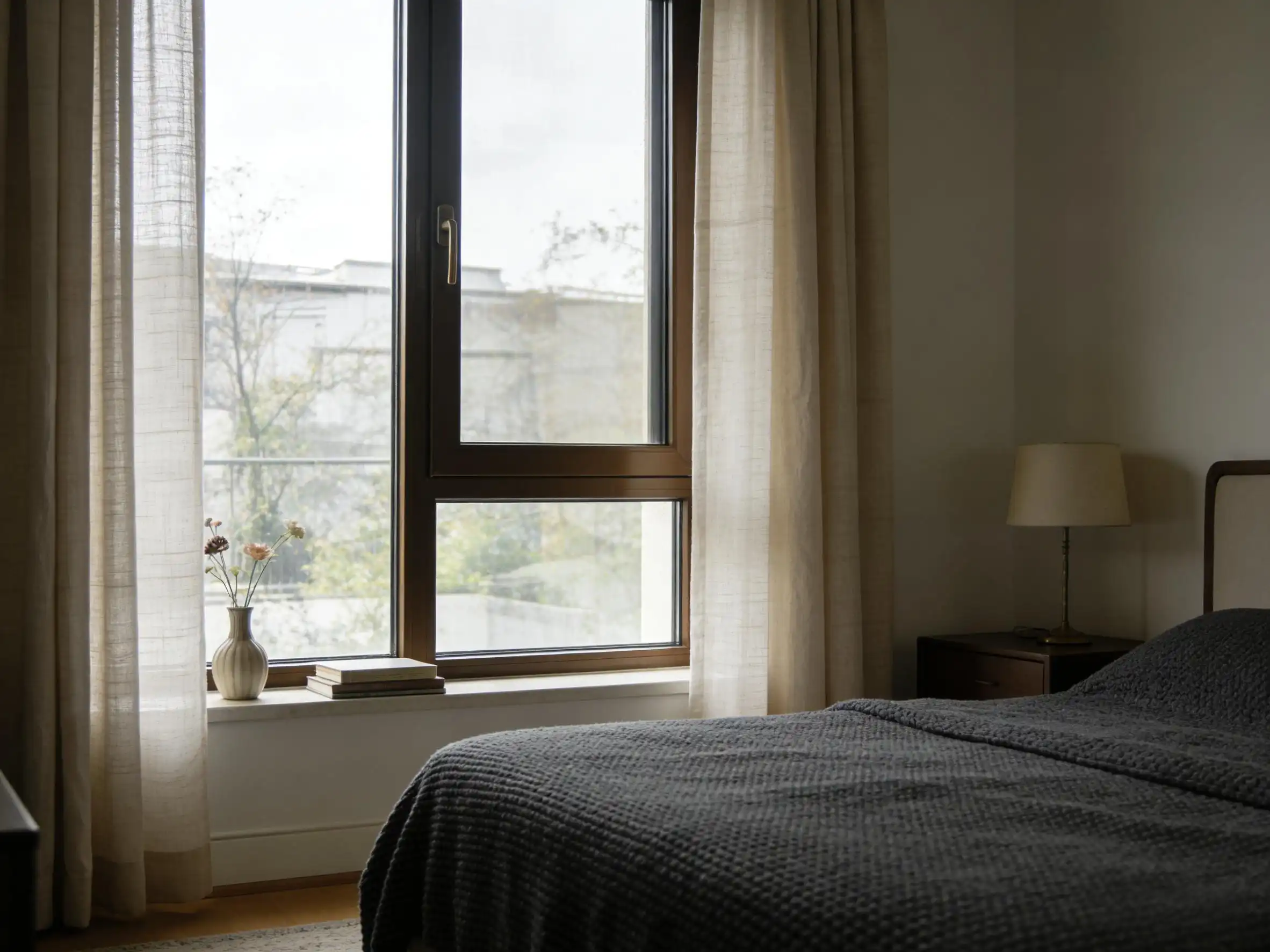
Understanding Thermal Break Casement Windows
What Defines a Thermal Break System?
The main idea behind these windows is that they stop heat from moving through the frame. Standard metal windows let a lot of heat escape because they are constant thermal conductors. Thermal break systems, on the other hand, are made up of several parts. The inner and outer metal sections are separated by a low-conductivity polyamide strip, which is usually PA66GF25 (polyamide with 25% glass fiber). This strip has the same expansion rate as the metal, so the structure will stay stable even if the temperature changes.
To physically lock the thermal break into the metal extrusions during the assembly process, they are precisely crimped or rolled. In this way, a window frame is made that keeps the strength and slim profile of metal while adding a thermal barrier that makes heat movement much slower. This makes the frame stay closer to room temperature on the inside, which lowers the risk of wetness and raises the comfort level of the people inside.
Key Components and Material Standards
The outlines of our Thermal Break Casement Windows are made from 6063-T5 architectural-grade aluminum metal, which was chosen because it is the best combination of strength, workability, and resistance to corrosion. Depending on the series (70, 80, 100, or 120 series), the profile thickness runs from 1.4 mm to 2.0 mm. The bigger sizes can handle more demanding performance needs or larger glass areas.
Another important part is the multi-layer EPDM closing system. In contrast to single-seal designs, this method uses several compression seals placed in key locations around the sash and frame. This setup is very good at keeping air out and water out; it meets Class 4 air permeability standards and Class E1050 water tightness grades. When used in high-rise buildings or near the coast, where wind pressure and water leakage are big problems, these standards are especially helpful.
You can choose from double-glazed, triple-glazed, or laminated glass, and the cavity sizes can fit units from 24mm to 52mm, based on the type you choose. This versatility lets you choose the right glass for your temperature zone, soundproofing needs, and safety concerns. Hardware systems have closing mechanisms with multiple points and lockable handle choices. This gives security and even compression at all seal points.
Design Features That Support Project Requirements
The thin profile design makes the glass-to-frame ratio as high as possible, which makes the inside brighter and lowers the amount of thermal bridges around the frame's edges. Surface treatments like powder coating, anodizing, or PVDF finishing keep the color for a long time and don't need much upkeep. Powder coating, in particular, is very durable and comes in a wide range of colors. It also supports dual-color designs, where the frame colors on the outside and inside can be different to meet building needs.
When it comes to air and cleaning, casement and tilt-turn openings give you a lot of options. When compared to slide options, the casement design's outward swing makes it better at ventilating and creating a strong seal under wind pressure rather than letting air in. With tilt-turn choices, you can get safe ventilation when the door is in the tilt position while still being able to open all the way when you need to.
Benefits and Performance of Thermal Break Casement Windows
Energy Efficiency and Thermal Performance
Energy efficiency that can be measured is the main value offering for business-to-business clients. Depending on the type of glass and frame design, Thermal Break Casement Windows usually have U-values between 1.0 and 1.8 W/m²K. This grade for thermal transmittance directly leads to lower HVAC loads. If systems are properly designed, they can cut heating and cooling costs by a large amount compared to options that don't have thermal breaks. The thermal break keeps the inside frame from getting cold in the winter, so frost doesn't form on the frame, which can damage finishes and cause other problems related to moisture. For example, this resistance to condensation is very useful in climate-controlled business areas where humidity levels may be high, like pools, restaurants, and some manufacturing plants.
You can change the Solar Heat Gain Coefficient (SHGC) performance by choosing the right glass. This lets you get the best results for different temperature zones and facade directions. In areas that tend to cool, low-SHGC glazing helps keep heat from the sun in the south, while higher SHGC glazing may be needed in the north to take advantage of passive solar heating. Because of this, it's easier to use integrated building planning methods where the requirements for windows and doors match up with the total energy modeling.
Acoustic Insulation and Durability
In addition to their temperature performance, these systems can also reduce noise by up to 45dB when they are properly defined. Insulated glass pieces, multiple sealing layers, and the weight of the metal frame all work together to block out noise from the outside. Thermal Break Casement Windows are perfect for urban projects near traffic routes or in mixed-use developments where residential areas are next to business areas because of this feature. The longevity of a structure depends on both the materials used and how well the plan was carried out.
The 6063-T5 aluminum alloy doesn't rust and keeps its shape over a work life that often lasts longer than thirty years with proper care. With wind load strength values of up to 4000Pa, these systems can be used in high-rise buildings and along the coast, where the weather is harsh. The mechanical strength of the PA66GF25 thermal break material meets or beats international building standards, such as the AAMA requirements. This makes sure that the thermal break doesn't affect how well the window works overall.
Long-Term Value and Sustainability
When looking at the total cost of ownership, the extra money spent on thermal break technology usually pays for itself in energy savings within a reasonable amount of time for both business and home projects. Lowering the amount of energy used directly lowers running costs, supports sustainability goals, and may help meet LEED or BREEAM certification standards. Aluminum's ability to be recycled at the end of its useful life adds another level of sustainability. Recycling aluminum uses only 5% of the energy that is needed to make it in the first place, and the recovered aluminum keeps all of its original qualities. This feature of the circular economy fits in with business duty goals and the green building standards that are making lifecycle requirements for building materials stricter.
Performance Disclaimer: Actual thermal, acoustic, and structural performance values depend on specific product configurations, glazing selections, and installation quality. Reference manufacturer test reports and project-specific calculations for precise specifications.
Comparing Thermal Break Casement Windows with Other Window Types
Casement vs. Sliding and Double-Hung Configurations
Casement windows have built-in efficiency benefits that come from the way they open and close. When the wind blows, the outward swing presses against the frame seal, making it more airtight instead of letting air in. This is a weakness in sliding designs where weather stripping has to stop leaks across the sliding interface. This compression seal helps Thermal Break Casement Windows get such high scores for air leakage.
Access for maintenance is very different for each type of window. Casement designs, especially those with tilt-turn features, let you clean both sides of the outside glass from inside the building. This is very helpful for high-rise buildings where getting to the outside takes special tools. While double-hung windows are easier to clean, they usually aren't as secure as a well-designed casement system.
Aesthetic concerns are also taken into account when choosing. Aluminum Thermal Break Casement Windows have thin sightlines that give them a modern look that goes with current architectural styles. The big areas of clear glass let in the most light and views. In high-end home and business projects where artistic expression is important, these visual traits often determine the specifications.
Aluminum vs. Vinyl Material Comparison
When choosing between metal thermal break and vinyl (uPVC) systems, you have to weigh the pros and cons of strength, thermal performance, cost, and look. Aluminum frames stay stable over longer distances, which lets you have bigger window units or thinner frame shapes than vinyl. In business curtain wall uses or residential projects that want large glass areas, this structural benefit is especially useful.
Quality thermal break metal systems can now match or beat the thermal performance of many vinyl goods, especially when looking at glazing specs that are the same. Aluminum has been bad at this in the past, but the thermal break technology makes up for it. Vinyl still has a slight advantage when it comes to frame conductivity in some setups, but the gap gets smaller when there are more insulation spaces and bigger thermal break cavities.
Surface finish longevity favors aluminum, particularly in the form of powder coating or anodizing. These treatments resist fading, chalking, and impact damage more effectively than vinyl, which can become brittle in extreme cold or discolor under prolonged UV exposure. The ability to specify custom colors—including dual-color interior/exterior combinations—provides design flexibility difficult to achieve with vinyl extrusions.
Understanding U-Value and SHGC Ratings
The U-value, which stands for "thermal transmittance," tells us how much heat moves through the whole window unit. It is given in W/m²K or BTU/hr·ft²·°F. Insulation that is lower means better performance. Both center-of-glass and whole-window U-values should be included in procurement requirements, since frame effects can have a big effect on performance as a whole. Thermal Break Casement Windows with double glazing usually have U-values of 1.6 to 2.0 W/m²K for the whole window. Windows with triple glazing have U-values of 1.0 to 1.4 W/m²K.
SHGC measures how much solar radiation comes in through the window, including radiation that is directly transferred and radiation that is received and then released back into the room. Values range from 0 to 1, with smaller numbers meaning less heat gain from the sun. In places where cooling is the main climate, SHGC values below 0.30 are common for sun-exposed walls. In places where heating is the main climate, values of 0.40 or higher may be acceptable to catch passive solar gains. Low-E coatings and colored glass are the main ways to control SHGC while still letting visible light through.
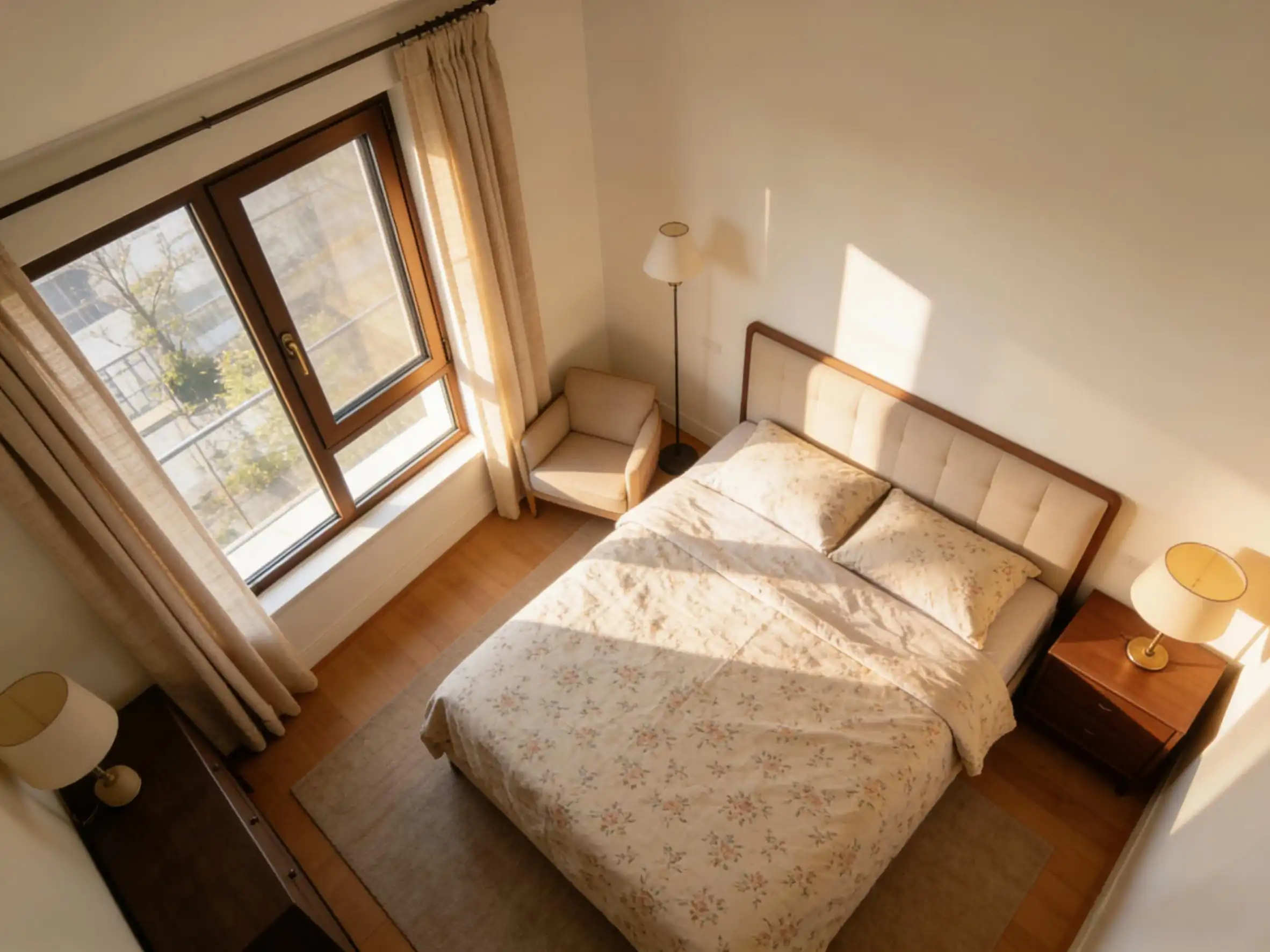
Procurement, Installation, and Maintenance Insights
Critical Procurement Considerations
When looking for Thermal Break Casement Windows for projects, B2B buying teams should think about a number of things. Supplier certification is the basis of quality assurance. For example, ISO 9001 quality management certification shows that processes are controlled in a planned way, and product-specific certifications like NFRC ratings for the US market or CE marking for European compliance show that performance claims are true.
The ability to customize tells you if a seller can meet the unique needs of your project in addition to standard catalog goods. Full-service makers are different from limited product suppliers because they can make products based on architectural plans, match specific color needs, and work with certain curtain wall or facade systems. Over the past 18 years, Haolv Building Materials has built up these skills, and their engineering help goes beyond just selling products and includes expert advice and designing solutions.
Lead time stability is important, especially for orders that are planned for a project, because delays can throw off the whole building timeline. If a supplier has enough stock and production ability, they can usually deliver within 25 to 30 days of receiving an order. Payment terms, shipping plans, and paperwork needed for import compliance are the last real procurement issues that affect how the project is carried out.
Installation Best Practices
Whether the speed that was promised is actually achieved depends on how well the system is installed. Pay close attention to the area where the window meets the wall; the flashing details, the consistency of the air barrier, and the ways that the structure is attached all affect how water is managed, how much air leaks out, and how well the structure works. When installing, make sure to follow the manufacturer's instructions and any local building rules. Pay special attention to the details of the attachments to make sure the thermal break stays intact.
Shimming and orientation change how things look and how they work. To get uniform compression at all seal points, casement shutters need to be aligned and given enough space. Check the diagonal lengths to make sure the installation is straight, and once the installation is done, adjust the hardware to make sure it works smoothly and the locking points are properly engaged. Opening size (bigger units need more work and maybe even special tools), building height (high-rise installations need different tools and safety rules for entry), and how well the installation works with other building systems all affect the cost. Installing something in a new building is usually easier than installing something in an old building and having to work around the way things are now.
Maintenance Requirements
Thermal Break Casement Windows don't need much upkeep as long as they're used regularly. They'll keep working well for decades. It is a good idea to check the seals and bolts every six months, paying extra attention after bad weather. The EPDM seals should be free of dirt and checked for damage or tension set. Good seals should stay flexible for a long time, though. Hardware parts work better when they are oiled once a year with items that are allowed by the maker. The pivot points, locking mechanisms, and handle sections should all be able to move freely and easily. Over time, adjustments may be needed because the building settles or parts wear out, but these needs are usually minimal in hardware systems that were well-made.
Cleaning glass is normal, but you should be careful to use cleaning products that are safe for treated glass and won't damage the low-E coats. The casement design and slim shape make it easier to clean the glass than with many other window types. This lowers the building's upkeep costs over its lifetime. How to clean a frame depends on the type of finish it has. Powder-coated and anodized surfaces usually only need to be washed with mild soap solutions every so often. PVDF finishes are the most resistant to damage from the elements and keep their look the longest with little work.
Choosing the Right Thermal Break Casement Window Supplier
Evaluating Supplier Capabilities
Understanding how things are made is the first step in evaluating quality. Integrated production, which includes extrusion, surface treatment, cutting, welding, and assembly, is better for quality control than businesses that buy parts from different providers. Haolv Building Materials has modern production facilities with automatic assembly systems, precise CNC cutting machines, and extrusion lines for both aluminum and UPVC. This makes sure that the quality of big production runs is consistent.
The ability to provide technical help is what sets solution partners apart from commodity sellers. More value is added than just selling products when you can look at building drawings, suggest the right series and combinations, and do technical math to make sure the products work as expected. If a supplier has an experienced engineering team, they can find problems early on in the design process, before they become expensive to fix during building. Export experience shows how well a seller knows how to handle foreign shipping, paperwork, and rules. Suppliers who work with customers in North America should know about the NFRC rating requirements, the AAMA standards, and the ways that local building codes can be followed. Track records with similar projects give you faith in your ability to carry them out.
Certification and Compliance Documentation
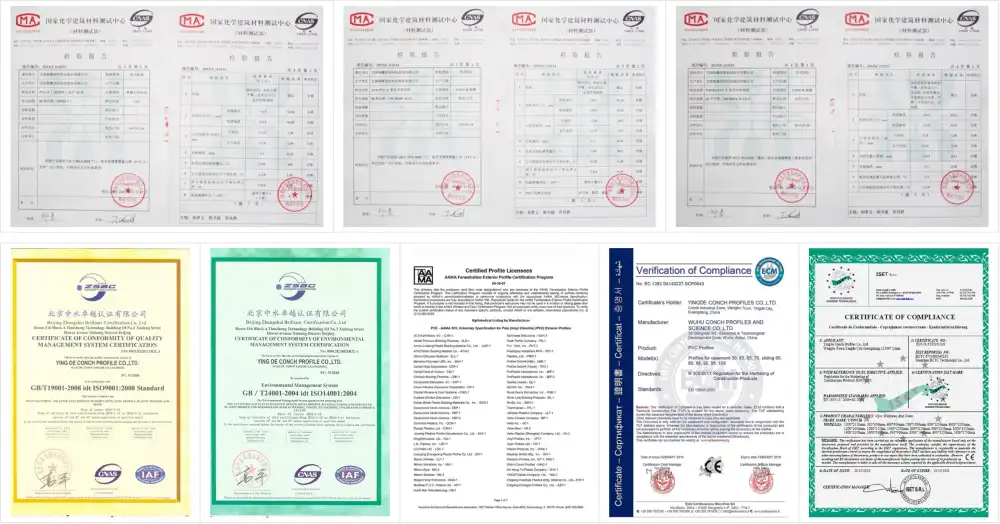
Specifications for purchases should call for proof of any necessary certifications. For the US market, NFRC certification gives makers standard scores of how well their products work that can be compared between them. AAMA certification talks about standards for structure function and materials. If you have an ISO 9001 quality management certification, it means that you have structured process rules, not quality that isn't consistent. Independent labs should be able to provide test results for specific performance claims, such as U-value, SHGC, air infiltration, water entry, and structural grades. These studies make sure that the advertised performance matches what the product can actually do. These standards are often directly mentioned in project specifications, which is why source paperwork is so important for code and specification compliance.
Procurement Checklist for Decision-Makers
The technical review should check the thermal break material specs (PA66GF25 or a similar), the grade of the aluminum alloy (6063-T5 for structural uses), the profile thickness that fits the needs of the project, and the glazing cavity capacity for the insulation glass units that were specified. It is important to check the name and specs of the hardware, as good hardware has a big effect on how long it works and how happy the users are with it.
It's important to write down all of the commercial terms, such as the price system for project quantities, payment terms, delivery promises, and warranty coverage. There should be clear language in the warranty terms about how long the service lasts and how to file a claim for both manufacturing defects and performance promises. Support services, such as expert advice, samples for testing, project-specific engineering support, and quick response time for after-sales service, round out the evaluation factors. Suppliers who give full help lower the risk of a project and make it easier to carry out.
Conclusion
Thermal Break Casement Windows offer measured performance benefits that are in line with modern building objectives for comfort, energy economy, and durability. Polyamide thermal shields stop heat from moving through metal frames in these systems. This technology solves problems from the past while keeping aluminum's structural benefits and good looks. Thermal break systems have been tested and proven to work well in the real world, so procurement workers looking at fenestration choices for business projects, home developments, or renovation work can be sure they will do a good job. When choosing a provider, it's important to pay attention to technical specs, their skills, and the system's lifecycle. But the benefits of these high-performance systems make it worth the extra work.
FAQ
Q1: How does thermal break technology prevent condensation on window frames?
A: There is a physical difference between the outside and inside metal profiles because of the polyamide thermal break. This stops the flow of heat, so the frame's inside surface stays closer to room temperature than to the outside temperature. This fixes a problem that often happens with normal metal frames in cold places: if the inside frame stays above the dew point of the air inside, water can't condense on the surface.
Q2: Can triple glazing be accommodated in thermal break casement window systems?
A: Most modern Thermal Break Casement Window profiles in the 80mm line and above can hold insulated glass pieces that are up to 52mm thick, which makes triple glazing easy to install. The specific capacity depends on which series is chosen. For example, our 100 and 120 series designs are made to support high-performance triple-glazed units while keeping the structure's integrity and the way it looks.
Q3: What distinguishes thermal break aluminum windows from standard aluminum frames?
A: Standard aluminum windows have continuous extrusions, which means that the outside surface is connected to the inside surface straight through the metal frame. This makes a heat bridge. Thermal break systems physically separate these surfaces with a polyamide strip that doesn't carry electricity well. This makes heat movement much less effective. This seemingly small difference makes a big difference in how much energy is saved, how well humidity is kept out, and how comfortable the people inside are.
Q4: Are thermal break strips strong enough for structural applications?
A: The mechanical strength of PA66GF25 thermal break material is tested thoroughly to make sure it meets or exceeds the requirements of international standards such as AAMA specs. The glass fiber support gives the profiles the same tensile strength and stiffness as the aluminum itself, and the precise crimping or roll-forming process makes mechanical locks that effectively transfer loads. When made correctly, thermal break windows meet the structural performance standards for high-rise buildings and areas with a lot of wind.
Partner with a Proven Thermal Break Casement Window Manufacturer
The experts at Haolv Building Materials have been making metal and UPVC window and door systems for demanding business and domestic uses for 18 years. Our Thermal Break Casement Windows are made with 6063-T5 aluminum frames, PA66GF25 thermal break technology, and multi-layer EPDM sealing systems that are made to work well for your projects. Our ISO, CE, and AAMA approvals show that our quality processes and products are up to par.
Our integrated production skills allow for a high level of customization, ranging from standard series setups to designs made just for your project from your architectural drawings. We keep the quality the same for both mass production and one-of-a-kind orders by using automatic building systems and precise CNC equipment. From the first meeting to installation, engineering help makes sure that the performance that was promised is what is delivered.
Some of the benefits of procurement are having enough inventory to allow for 25–30 day lead times, having competitive price structures for project quantities, and having thorough technical paperwork that supports code compliance. For projects that qualify, we'll ship samples for free and give expert advice. Contact our team at kristin@haolvwindows.com to talk about your Thermal Break Casement Window needs and get suggestions that are perfect for your situation.
References
1. American Architectural Manufacturers Association (AAMA). Performance Requirements and Test Procedures for Fenestration Products. Standards Publication TIR-A8-04.
2. National Fenestration Rating Council (NFRC). Energy Performance Certification for Fenestration Products: Technical Guidelines and Procedures.
3. Building Science Corporation. Thermal Bridging Solutions: High-Performance Building Enclosure Design.
4. Aluminum Association. Aluminum Design Manual: Specifications and Guidelines for Aluminum Structures in Building Construction.
5. Department of Energy. Window Selection Guide for Commercial Buildings: Optimizing Fenestration Performance in Different Climate Zones.
6. International Code Council. International Energy Conservation Code: Fenestration Requirements and Compliance Pathways.
Fast simple channel to send demands lock favorable price for building window door bulk purchases.