- English
- French
- German
- Portuguese
- Spanish
- Russian
- Japanese
- Korean
- Arabic
- Greek
- German
- Turkish
- Italian
- Danish
- Romanian
- Indonesian
- Czech
- Afrikaans
- Swedish
- Polish
- Basque
- Catalan
- Esperanto
- Hindi
- Lao
- Albanian
- Amharic
- Armenian
- Azerbaijani
- Belarusian
- Bengali
- Bosnian
- Bulgarian
- Cebuano
- Chichewa
- Corsican
- Croatian
- Dutch
- Estonian
- Filipino
- Finnish
- Frisian
- Galician
- Georgian
- Gujarati
- Haitian
- Hausa
- Hawaiian
- Hebrew
- Hmong
- Hungarian
- Icelandic
- Igbo
- Javanese
- Kannada
- Kazakh
- Khmer
- Kurdish
- Kyrgyz
- Latin
- Latvian
- Lithuanian
- Luxembou..
- Macedonian
- Malagasy
- Malay
- Malayalam
- Maltese
- Maori
- Marathi
- Mongolian
- Burmese
- Nepali
- Norwegian
- Pashto
- Persian
- Punjabi
- Serbian
- Sesotho
- Sinhala
- Slovak
- Slovenian
- Somali
- Samoan
- Scots Gaelic
- Shona
- Sindhi
- Sundanese
- Swahili
- Tajik
- Tamil
- Telugu
- Thai
- Ukrainian
- Urdu
- Uzbek
- Vietnamese
- Welsh
- Xhosa
- Yiddish
- Yoruba
- Zulu
Top Reasons to Choose UPVC Sliding Windows for Your Home and Office
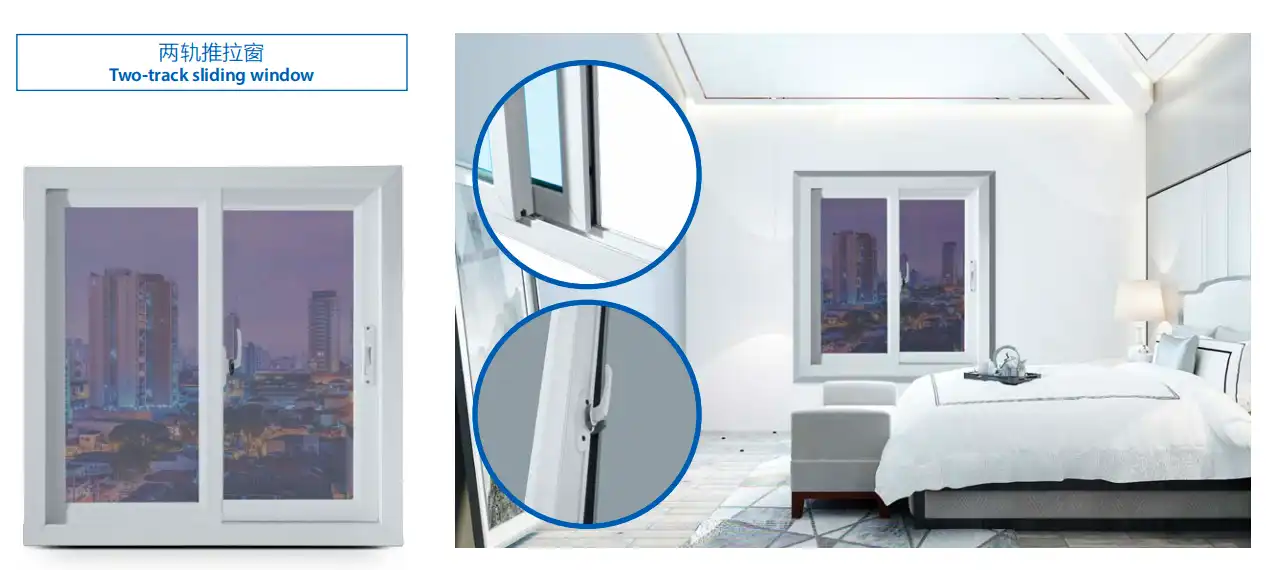
When your project needs solid performance without spending a lot of money, UPVC sliding windows have been used successfully in many types of buildings. The Two Track UPVC Sliding Window is one of the most useful options for builders, developers, and wholesalers who want to find a balance between price and function. This Two Track system lets the glass panels and optional screens work separately. This makes it perfect for low-cost housing projects, rental properties, and small business areas where every square foot counts.
Understanding Two Track UPVC Sliding Windows
Fundamental Design Architecture
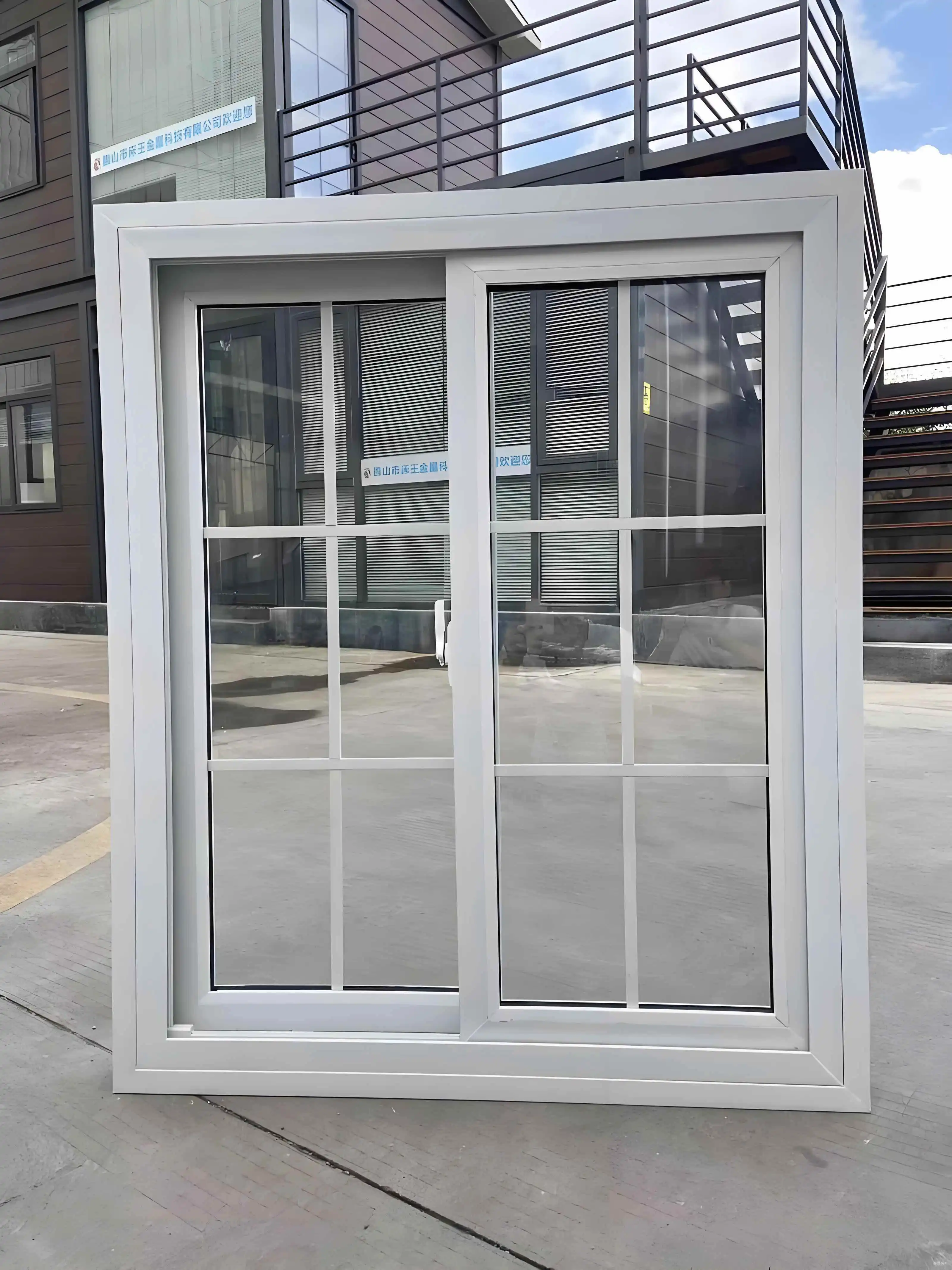
A Two Track UPVC Sliding Window has horizontal lines that run parallel to each other inside a single frame. This set-up lets two panels move freely along their own tracks, which is more useful than designs with fixed panels. The UPVC shape usually has more than one chamber—usually between three and five internal chambers—that create air holes inside the frame that keep heat in. The material is made of unplasticized polyvinyl chloride that has been designed with titanium dioxide-based UV protectors to keep the color from changing when exposed to the sun for a long time.
Frame wall thickness usually falls between 2.0 mm and 2.8 mm, and based on the product line, it meets Class A or B structural standards. A 1.2mm to 2.0mm thick layer of galvanized steel support is built into the profile's core chambers. This gives the profile the rigidity it needs for bigger holes while still providing corrosion protection that metal frames alone can't provide.
Operational Components and Configurations
The moving system is made up of stainless steel or nylon rollers that are attached to each sash and move along tracks that are built into the floor. This set of gear makes sure that the hole can move smoothly from side to side across its width. Standard setups have a central lock at the meeting rail, but for higher security in business settings, multi-point locking systems can be chosen.
There are different types of glazing that can fit both single-pane and double-insulated glass units. The profile's glazing channel can usually handle IGU widths of 20mm to 24mm. This means that Low-E coatings or argon-filled spaces can be specified when better U-values are needed for the project. Around the edges of each sash are EPDM or brush-type seals that keep the air out and the weather out for the life of the window.
Technical Parameters Relevant to Procurement
When looking at specs for a Two Track UPVC Sliding Window, people who work in buying should keep in mind that Series 70 and Series 80 refer to the frame depth in millimeters, which has a direct effect on how well it handles heat and how strong it is. The drainage system uses weep holes that can be seen spaced out along the outside sill. These holes direct water outward through stepped paths that keep wetness from building up inside the frame. Two Track systems usually have wind resistance ratings that are good for low-rise uses. This means that they can be used for buildings up to four stories tall under normal wind load conditions. Projects in seaside areas with a lot of wind may need a technical review to make sure they are suitable, but changes to the reinforcement can make the use range wider.
Core Benefits of Choosing Two Track UPVC Sliding Windows
Energy Performance and Insulation Properties
The multi-chamber UPVC shape separates the inside from the outside, keeping the temperature stable. When compared to metal frames, which conduct heat about 1,000 times faster than plastic materials, this design slows it down. When double-glazed, these windows can reach U-values close to 1.6 W/m²K, which is a level of performance that meets ENERGY STAR requirements in many temperature zones.
When building managers switch from single-pane metal systems to double-glazed UPVC systems, the HVAC runtime is reportedly cut by a measured amount. Actual savings depend on the environment and how the building is used, but the better insulation will lead to lower energy costs over the window's useful life. This factor is especially important for business owners who are looking at long-term running budgets and environmental success metrics.
Acoustic Comfort in Occupied Spaces
When you put together a UPVC frame and sealed glazing parts, the soundproofing ranges from 25 to 30 decibels under normal testing circumstances. This level of noise reduction works well for homes near moderately trafficked areas and offices where controlling speech privacy between rooms next to each other is necessary. The brush binding system that goes around the edges of the sashes helps with soundproofing by reducing the number of air holes that let sound travel. For projects that want better sound control, they can ask for improved windows with laminated glass or asymmetric IGU setups, but the cost of the materials goes up by the same amount.
Durability and Maintenance Requirements
UPVC material naturally doesn't break down when exposed to water, cold air, or living things. Vinyl profiles don't need to be refinished like wood frames do or metal systems do because they can rust in some places. Instead, they stay structurally sound with little work. Regular cleaning with light detergents is usually enough to keep things looking good, so you don't have to pay for the time and materials needed to paint or apply a protection coating.
The substance can't catch fire without being exposed to an outside flame all the time. This means that it meets fire safety standards for most types of buildings when placed correctly according to the rules. Adding UV protectors during processing stops the chalking and color fade that happened with older vinyl products. This makes sure that the product keeps its good looks for the normal amount of time.
Space Optimization Through Sliding Operation
The horizontal sliding mechanism doesn't need to be extended into indoor or outdoor places, so the floor space next to window openings can still be used. This trait is especially useful in urban home projects where room sizes are limited and there aren't many places to put items. In the same way, desks can be placed directly under window lines in offices without any problems caused by casement hardware or operating gaps. With sliding setups, it's easier to install in areas with a lot of foot traffic because the sash stays in the line of the wall opening while it's working. This lowers the chance of hitting someone or something on the ground, which is important for business and institutional areas on the ground floor.
Comparing Two Track UPVC Sliding Windows with Other Window Types
Performance Metrics Against Aluminum Sliding Systems
When comparing materials for a Two Track UPVC Sliding Window to aluminum alternatives, aluminum frames are stronger per unit of material, so they can have thinner sightlines that make the most of the glass space in a given opening. Thermal conductivity, on the other hand, has its limits unless thermal breaks are built into the shape, which makes the metal system much more expensive. UPVC naturally separates heat from air without any extra parts, which makes it a cost-effective choice for projects that want to save energy.
When comparing weights, aluminum is better for high-rise uses because the frame is stiffer and there is less mass, which makes fitting easier. The fact that UPVC is heavier than other materials doesn't usually affect how it is installed on low-rise projects with mild structural needs. When quality gear is used, maintenance times for different materials are usually about the same. However, because aluminum is more likely to corrode electrolytically in coastal areas, it may need to be checked more often.
Advantages Over Single Track Configurations
Single-track sliding windows make it harder to change how things work because the panels have to share the same train line. This limits the ways you can vent air and makes it harder to install a screen. The Two Track method lets a fixed or moving screen fit on one track, while glass panels can move freely on the other track, which is a useful improvement that building occupants always appreciate. The second track doesn't make installation any harder, and the cost of the materials stays low because the extrusion methods are uniform. For projects that need screens that can be opened and closed, the Two Track design means that air control and bug protection don't have to be compromised.
Comparison with Casement Windows
When closed, casement windows usually keep out more air than other types of windows because they squeeze against the frame's edge. If the glazing specs stay the same, this means that the building will perform a little better in terms of energy efficiency and weather protection. Casement function, on the other hand, needs clearance zones both inside and outside the building plane, which limits where it can be placed in tight spaces. Hinges, operators, and multi-point locks are some of the more complicated parts of casement window hardware that may need to be adjusted or replaced more often than sliding window rollers and basic latches. Casement systems usually have higher installation costs because the hardware is more complicated and there are more precise alignment requirements during the fitting process.
Wooden Window Alternatives
Wood frames look nice and are historically accurate, which are both things that some types of projects need. When the right joining methods and materials are used, thermal efficiency can be similar to that of UPVC. But wood needs regular care to keep it from getting wet, rotting, and losing its shine. This upkeep need creates ongoing costs that add up to a lot when you add up all the years that a building is used. Different materials also have different dimensional stability. Wood grows and shrinks with changes in temperature, which could affect how smoothly it works and how well the seals hold over time. The dimensions of UPVC don't change much when the temperature and humidity are normal. This means that it keeps working the same way all year long.
Procurement and Installation Considerations for B2B Clients
Supplier Selection and Quality Verification
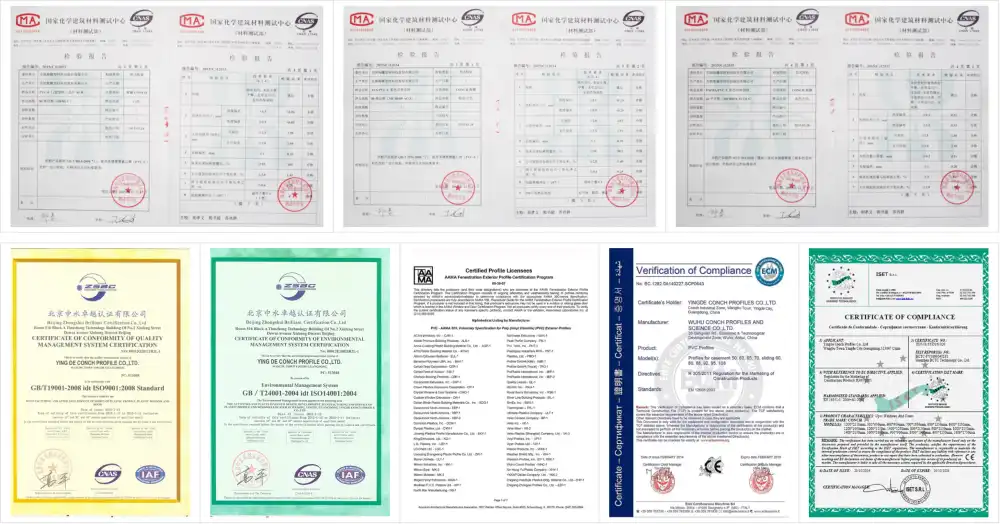
When making sourcing choices, companies that consistently follow ISO quality management standards and related product certifications should be given the most weight. In the U.S. market, making sure that a building meets AAMA (American Architectural Manufacturers Association) standards gives buyers peace of mind about its strength, how well it stops air from getting in, and how well it stops water from getting in. Factory checks show more than just what samples of products can do. CNC precise cutting equipment, automated extrusion lines, and integrated assembly systems all show that the factory has the ability to make a lot of parts for a lot of projects. Manufacturers who have partnerships with well-known providers of raw materials, like well-known PVC resin makers, usually offer more stable product quality across order batches.
Customization Capabilities and Order Logistics
Most standard product lines for a Two Track UPVC Sliding Window can fit common opening sizes, but for many business uses, special sizes are needed. Make sure that any possible suppliers have engineering staff that can read building drawings and give you shop drawings to approve before they are made. This technical help is very important for keeping the work from getting in the way of other building and avoiding problems in the field.
Lead times from order approval to arrival depend on how customized the item is and how busy the factory is at the moment. Standard setups usually ship in 25 to 30 days, but non-standard sizes or finish requirements may make shipping take longer. Check the steps for coordinating deliveries, especially for building projects that are being built in stages and need shipments to be timed with installation plans. When you place a bulk order, you usually get savings that get bigger as you add more units. Ask for detailed quotes that break down the prices of the materials and any extras like custom color matching, special glazing, or faster production plans. Clear pricing makes managing budgets easier and lets you compare prices accurately between different sources.
Installation Planning and Cost Factors
No matter how good the product is, the performance of a window is directly affected by how well it is installed. It is important to prepare the rough hole by taking into account the manufacturer's instructions for shimming clearances, sealant joints, and thermal expansion limits. Installers of windows that have worked with UPVC systems before know what these requirements are and can make sure that the flashing is properly installed to keep water out at the wall contact. Installing a sliding window usually costs less than installing a casement window because the hardware is easier to change. But precise alignment is still very important—wrong leveling makes the seal less effective and causes it to stick during operation. Plan for review time into your project plan to make sure the work is done right before covering up rough openings with finishes on the inside and outside.
Post-Purchase Support Expectations
Different makers offer very different warranty options. Standard coverage usually covers flaws in the material and broken seals for five to ten years, based on how the product line is positioned. Make it clear if warranties are transferred to new owners of the property, as this affects how much an asset is worth when figuring out the value of business projects that will be sold when they're finished. Long-term serviceability depends on how easy it is to get replacement parts. Manufacturers who keep metal parts, weatherstripping, and roller systems in stock can make fixes more cost-effective than replacing the whole unit when a part fails. Check the rules on keeping parts in stock and the usual wait times for popular replacement items.
Why Two Track UPVC Sliding Windows Are a Smart Long-Term Investment?
Lifecycle Cost Analysis
When it comes to how much they cost to buy at first, UPVC sliding windows are usually in the middle of basic metal systems and high-end wood or composite goods. When upkeep costs, energy savings, and projected service life are added up, the total cost of ownership of UPVC systems often shows that they are a good investment for projects on a budget. During the working time, maintenance costs stay low. Unlike materials that need to be refinished or treated with protective coatings on a regular basis, UPVC only needs to be cleaned to keep working.
This lowers both the direct costs of care and the indirect costs of making sure that service access is coordinated in buildings that are already filled. Saving energy adds up slowly but steadily over time. When buildings have highly efficient windows and doors, they need less heating and cooling, which means lower energy bills and less need for HVAC equipment. Payback times depend on local energy costs and how bad the weather is, but the effect that builds up over many decades is very valuable in lifetime financial models.
Environmental Considerations and Sustainability
Making UPVC has changed over time to be better for the earth by making processes more efficient and starting recycling programs. In the past few years, it has become easier to recycle post-consumer PVC, but the supply of infrastructure varies by area. Some makers use recovered materials in parts that you can't see. This supports the idea of a circular economy without affecting the structure performance.
The long-lasting nature of the material helps with sustainability by stretching the time between replacements. When something has a longer service life, it means that it needs to be manufactured less often, moves more slowly, and creates less building trash that ends up in landfills. When it's time to replace something, UPVC can be manually turned into non-structural uses, which keeps trash out of landfills.
Adaptability to Emerging Building Technologies
More and more, modern building management systems include fenestration in their automatic control systems. Basic Two Track UPVC Sliding Windows can be operated by hand, but the standard frame systems can be modified to accept motorization after the fact if projects need them to work automatically. This way of improving keeps the original investment safe and lets new technology be added as building automation spreads.
Smart glass technologies keep getting better, now giving dynamic tinting or privacy features that can be turned on and off. These special glazing goods can be used in normal IGU configurations with UPVC frame systems. This means that in the future, performance can be improved without having to change the frames. This ability to adapt keeps things from becoming useless too soon as technologies change.
Conclusion
There are realistic needs for different types of projects in the household, business, and public sectors that can be met by Two Track UPVC Sliding Windows. Value-engineering goals are common in modern building, and the low cost of acquisition, easy installation, and low upkeep needs are all good examples of this. Even though there isn't a single type of product that works perfectly in every situation, these windows fit a clear need for projects where cost is an issue but performance must also be met. UPVC is naturally better at keeping heat in and weather protection than aluminum that hasn't been changed, though luxury metal systems with thermal breaks can achieve similar results for a higher price. When purchasing managers look at their options, the choice they make is based on certain project factors, such as budgets, performance goals, and long-term ownership issues.
FAQ
Q1: What distinguishes two-track from three-track UPVC sliding windows?
A: Two Track systems have an extra rail that is only used for screen panels, so multiple elements can be used at the same time. Two Track configurations offer simpler construction and lower cost, suitable when screen functions can be achieved in other ways or when budget constraints prioritize economy over maximum operational flexibility.
Q2: How do these windows perform in heavy rain conditions?
A: The graded drainage system sends water away from the house through weep holes that are spaced out along the outside sill. When the sill is installed correctly, it should be sloped so that water flows away from the frame and doesn't build up there. For normal rains, this design works fine, but extreme weather events can destroy any window system if the flashing isn't properly integrated.
Q3: Can two-track sliding windows accommodate double glazing?
A: The shape of the profile makes it possible to use double-insulated glass units that are 20 mm to 24 mm thick. Low-E coatings and inert gas fills can be put in this window hole to make it better at keeping heat in. Check the product's specs to make sure they work with the glazing combinations you want.
Q4: What security features are available?
A: Standard central locks offer basic protection that is good enough for home use. Multi-point locking mechanisms that connect at multiple frame contact points can be chosen for commercial projects or setups that care about security. Adding another layer of security, internal glaze beads stop glass from being taken off from the outside.
Ready to Specify High-Performance Windows for Your Next Project?
Haolv Building Materials has been making products for 18 years and now sells Two Track UPVC Sliding Window systems in North America that meet strict ISO and CE standards. Precision CNC cutting and quality-controlled assembly are both done automatically in our production sites. This makes sure that product specs stay the same even when we get a lot of orders. Working with well-known material sources ensures that the frame will be stable and that it will not fade in the sun, so it will look good for a long time. Technical support teams help with shop drawings and installation, which lowers the risk of the project during the most important part of building.
Standard setups can be delivered in 25 to 30 days based on current inventory levels, and non-standard opening measurements can be customized. You can email our specification team at kristin@haolvwindows.com to talk about project needs, get approved test results, or set up shipping of samples. Our engineering staff can help you find the best Two Track UPVC Sliding Window configurations for your needs and budget, whether you're buying for a multi-unit residential development, a commercial office retrofit, or an institutional facility upgrade. We are a reputable supplier of building materials.
References
1. American Architectural Manufacturers Association. (2021). AAMA/WDMA/CSA 101/I.S.2/A440: North American Fenestration Standard/Specification for Windows, Doors, and Skylights. Schaumburg: AAMA.
2. U.S. Department of Energy. (2020). Energy Performance Ratings for Windows, Doors, and Skylights. Washington: Office of Energy Efficiency & Renewable Energy.
3. ASTM International. (2019). ASTM E283-19: Standard Test Method for Determining Rate of Air Leakage Through Exterior Windows. West Conshohocken: ASTM.
4. National Fenestration Rating Council. (2022). NFRC 100-2020: Procedure for Determining Fenestration Product U-factors. Greenbelt: NFRC.
5. Carmody, J., Selkowitz, S., & Heschong, L. (2020). Residential Windows: A Guide to New Technologies and Energy Performance (4th ed.). New York: W.W. Norton & Company.
6. Building Science Corporation. (2018). Water Management Guide: Design and Installation Principles for Window and Door Assemblies. Somerville: Building Science Press.
Fast simple channel to send demands lock favorable price for building window door bulk purchases.