- English
- French
- German
- Portuguese
- Spanish
- Russian
- Japanese
- Korean
- Arabic
- Greek
- German
- Turkish
- Italian
- Danish
- Romanian
- Indonesian
- Czech
- Afrikaans
- Swedish
- Polish
- Basque
- Catalan
- Esperanto
- Hindi
- Lao
- Albanian
- Amharic
- Armenian
- Azerbaijani
- Belarusian
- Bengali
- Bosnian
- Bulgarian
- Cebuano
- Chichewa
- Corsican
- Croatian
- Dutch
- Estonian
- Filipino
- Finnish
- Frisian
- Galician
- Georgian
- Gujarati
- Haitian
- Hausa
- Hawaiian
- Hebrew
- Hmong
- Hungarian
- Icelandic
- Igbo
- Javanese
- Kannada
- Kazakh
- Khmer
- Kurdish
- Kyrgyz
- Latin
- Latvian
- Lithuanian
- Luxembou..
- Macedonian
- Malagasy
- Malay
- Malayalam
- Maltese
- Maori
- Marathi
- Mongolian
- Burmese
- Nepali
- Norwegian
- Pashto
- Persian
- Punjabi
- Serbian
- Sesotho
- Sinhala
- Slovak
- Slovenian
- Somali
- Samoan
- Scots Gaelic
- Shona
- Sindhi
- Sundanese
- Swahili
- Tajik
- Tamil
- Telugu
- Thai
- Ukrainian
- Urdu
- Uzbek
- Vietnamese
- Welsh
- Xhosa
- Yiddish
- Yoruba
- Zulu
Which profile is good for UPVC windows?
When choosing the right window shape, you need to think carefully about how well it works, how long it will last, and how well it meets building codes. For engineering projects, UPVC door & window profiles regularly prove to be the best option, especially for general contractors, developers, and architecture companies in charge of big installs. With their multi-chamber design, these profiles provide great energy efficiency. They are also very strong (optional steel reinforcement) and resistant to weather, which makes them perfect for use in homes, businesses, and renovations in a wide range of climates.
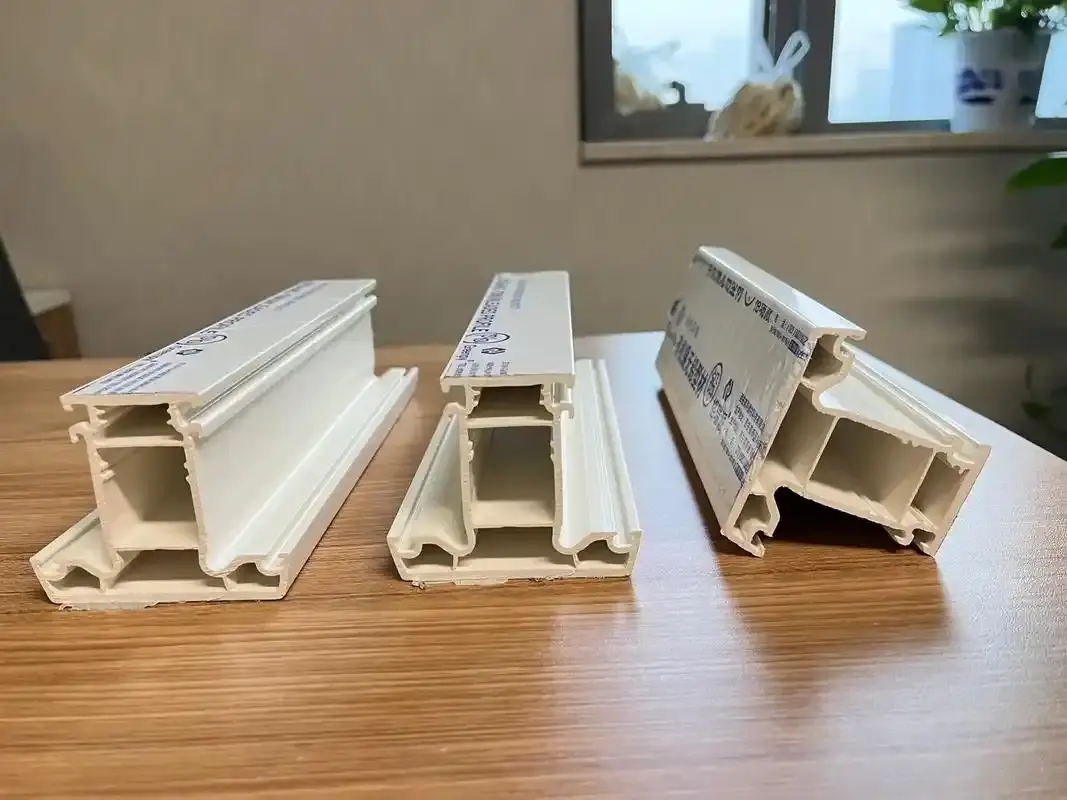
Understanding uPVC Window Profiles: Features and Benefits
What Are uPVC Window Profiles?
Unplasticized Polyvinyl Chloride window profiles are engineered frame systems made for making long-lasting window and door goods. The material is made up of PVC plastic mixed with stabilizers, impact enhancers, and UV-blocking agents. Unlike plasticized versions, this hard substance doesn't deform, let water in, or rust, so it will keep its structure for decades. Multi-chamber shapes with anywhere from 3 to 7 internal spaces are common in modern profiles. These spaces make air pockets that act as insulators and make it much harder for heat to move through them. The outside walls of profiles are usually between 2.0 and 3.0 mm thick, which is just the right amount of thickness for strength while still being light enough to make fitting go quickly.
Key Performance Advantages
Controlling temperature is one of the most valuable traits. Low U-values are achieved by using double or triple EPDM sealing systems along with multi-chamber structure. This is necessary for business buildings to meet energy codes. These profiles work especially well for projects that want to get NFRC approval or ENERGY STAR compliance. The ability to reduce sound levels ranges from 30 to 45 decibels, which helps with noise problems in cities. This sound performance is important for hotels, office buildings, and apartment towers that are close to traffic routes. When used with the right types of glass, profiles can block out noise better than what is required by law.
Durability features include UV stability that stops discoloration, heat welding technology that makes corner joints look smooth, and the ability to work with 5–36mm single, double, or triple glass units. Galvanized steel reinforcement channels, which are available as an option, make the window frame more rigid so that it can fit bigger spaces without losing its thermal performance. Maintenance requirements remain minimal compared to wooden alternatives. The material doesn't rot, get damaged by bugs, or react with chemicals, so there's no need to paint or seal it. This means lower lifetime costs, which is something that buying managers look at carefully when they figure out total ownership costs.
Comparative Analysis with Alternative Materials
When compared to metal systems, uPVC profiles offer better thermal protection without the need for thermal breaks. Aluminum quickly transfers heat, which requires extra technical work that raises the cost per unit. But metal has thinner sightlines that are more popular in modern building designs. Wooden profiles look nice and add warmth, but they need to be stained, sealed, and protected from rot on a regular basis. Exposure to moisture changes the dimensions of things, which affects how well they work. When projects don't have a lot of money for upkeep or are in wet areas, wood can be hard to work with. uPVC systems don't have these problems. When you compare the prices of materials, workers for installation, and long-term upkeep, cost-effectiveness becomes clear. The cost of purchasing uPVC at first depends on the specs, but because it doesn't need to be treated often, it is cheaper over 20 to 30 years of use.
How to Choose the Right uPVC Profile for Your Windows?
Evaluating Climate and Environmental Factors
Extreme temperatures determine the profile's requirements. Profiles with 6-7 rooms and triple glazing compatibility are good for places that have hard winters. These arrangements keep the inside comfortable while lowering the HVAC loads, which is a selling point for builders who want to sell energy-efficient homes. Coastal sites need stronger UV protection and gear that won't rust. Salt air speeds up the breakdown of materials in low-quality goods. By choosing designs that have been shown to work well in coastal areas, guarantee claims and replacement costs are kept to a minimum.
Technical Performance Metrics
U-value readings for UPVC door & window profiles give a number to the rate of thermal transfer. Lower numbers mean that the insulation is better. U-values below 0.30 W/m³K are usually required for purchases in cold areas. These scores are affected by the number of profile chambers, the thickness of the walls, and the sealing methods used. Impact resistance is important for placements on the ground floor and places that get a lot of storms. Profiles that meet ASTM E1996 standards can take hits from debris without breaking. Optional steel strengthening makes it more resistant to impact, which is useful for shops and academic buildings. Design freedom lets different ways of working work. Casement profiles are good for uses that need to let in air; sliding systems make the most of limited space by maximizing glass area; and tilt-and-turn setups offer two functions that are popular in European markets. When profile design is matched to use cases, operational issues and callbacks are avoided.
Real-World Application Scenarios
To meet state energy rules, a home building in Minnesota asked for 7-chamber profiles with triple glazing. The installation had an R-5 thermal performance rating, which meant that the project could get efficiency refunds that helped pay for the extra materials. Delivery dates were in sync with building plans, which kept delays from being too expensive. The quick installation of uPVC makes it a good choice for commercial jobs like replacing single-pane metal windows in New York office buildings. When compared to field-assembled options, pre-fabricated units with built-in steel support require 40% less work to be done on-site. Improving sound shielding directly raised the happiness scores of tenants. Careful profile selection that fits the needs of the project shields workers from poor performance and developers from complaints from tenants.
Installation and Maintenance Best Practices for uPVC Door & Window Profiles
Installation Procedures and Considerations
Accurate rough opening measures are the first step to a proper fitting. Tolerances usually leave 10 to 15 mm of space around the edges of the border for shimming and insulation. Profiles come with corners already welded, so they need to be checked for squareness before they can be attached. Anchoring devices need to be able to handle both structure loads and changes in temperature. When steel support is present, galvanic rusting can't happen because of stainless steel fasteners. The distances between windows are set by the maker and are usually between 400 and 600 mm, with adjustments made for window size and wind load estimates.
It's important to pay attention to suitability when applying sealant. Silicone formulas made for uPVC stop stains and problems with bonding. As required by ASTM E283 and E331, continuous beads around the frame's edges and the glass-to-frame surfaces keep water and air out. Some common construction mistakes are overtightening bolts, which distorts the frame, not putting in enough insulation, which causes thermal bridging, and not integrating the flashing properly, which lets water in. These problems hurt efficiency even when a quality plan is chosen.
Maintenance Guidelines
Surface finishes last longer when they are cleaned regularly with water and a light soap. Co-extruded layers and layered films get damaged by cleaners that are rough or chemicals that are based on solvents. Hardware, seals, and draining pathways should be checked every three months to keep them working properly. To avoid staining, stay away from strong chemicals and make sure there is good drainage to get rid of standing water. UV protectors keep the wood from turning yellow, but lower sides can get stained from standing water for a long time. Keeping hardware oiled makes it last longer. Putting silicone-based lubricants on hinges, locking systems, and sliding tracks once a year keeps them running smoothly. If a gasket shows signs of compression set after a long time of use, you can get a new seal.
Warranty and Installer Certification
The standard guarantee for UPVC door & window profiles covers flaws in the material for 10 to 20 years and the finish for 2 to 5 years. Glass and hardware usually come with different guarantees from the companies that make them. For extended service, installations must be done by a trained installer who can prove they meet technical standards. Certified workers go through training that covers techniques that are unique to each type, strategies for managing water, and how to diagnose and fix problems. This knowledge lowers the number of callbacks and makes relationships between suppliers and contractors stronger. Insurance companies and building departments often need proof of an approved installation. These execution practices keep maker guarantees valid and project budgets safe from the costs of rework, which are important factors for procurement teams that don't like taking risks.
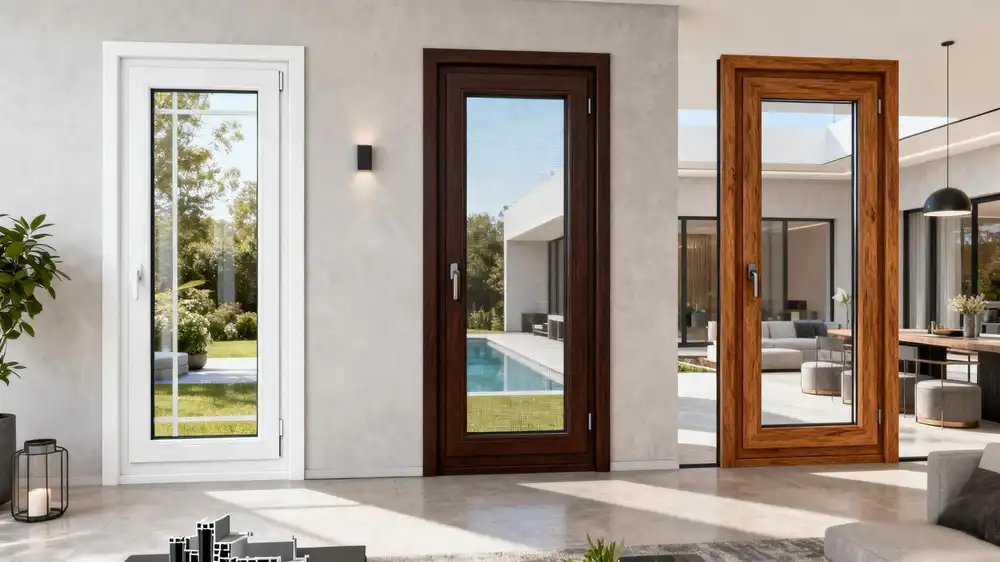
Procurement Insights: Buying uPVC Profiles for B2B Clients
Sourcing Strategies and Quality Assurance
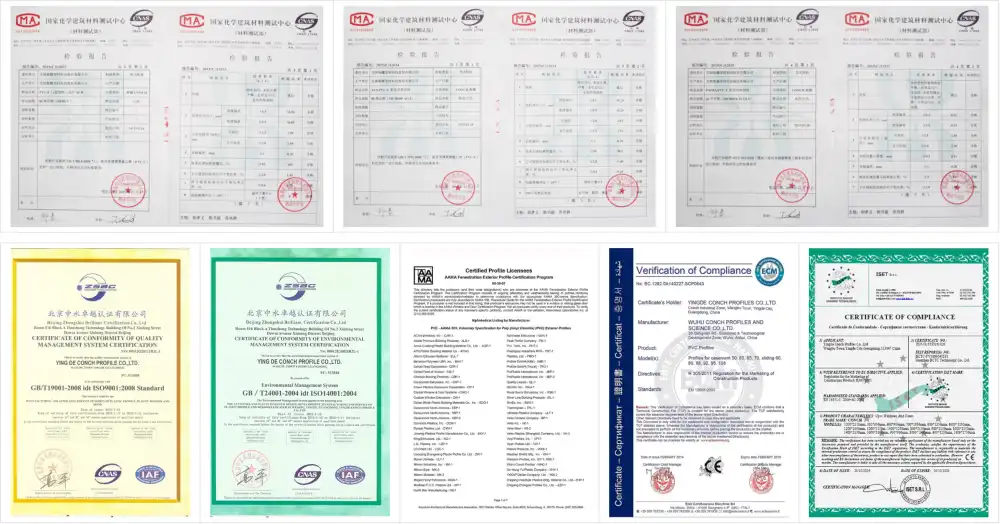
Direct ties with manufacturers can save you money and let you make changes that fit your needs. OEM agreements let dealers use private labeling to build brand recall. Online business-to-business (B2B) sites let you compare products, but you have to carefully check certifications and production ability. Validation of certifications is still a must. The CE mark shows that a product meets European safety standards; the ISO 9001 mark shows that a product has quality management systems; and the NFRC label checks that energy performance claims are true. Specification mismatches and liability exposure can be avoided by asking for test results from accredited labs.
Pricing Components and Negotiation Tactics
The prices of materials change based on the markets for PVC resin, the chemistry of stabilizers, and the requirements for additives. The number of chambers, the addition of reinforcements, and the surface finishing on a profile all have a direct effect on the unit price. Configurations of the glass and the hardware chosen add more factors that need specific quotes. Things to think about when it comes to logistics are container efficiency, wait times, and choosing the right incoterms. FOB prices put the responsibility of importing on the buyer, while CIF prices include both shipping and security. When you order in bulk, you can get savings ranging from 10 to 25 percent, based on how much you commit each year. When you show plans for multiple projects or agree to longer payment terms, you have more negotiating power. Suppliers like stable order patterns that make planning production easier. Pricing talks are often rounded out with technical help packages, sample provisions, and marketing materials.
Identifying Reputable Manufacturers
A production capacity estimate for UPVC door & window profiles keeps big projects from failing to meet their deadlines. Factory checks show how well the technology is working, like how well the automated extrusion lines, CNC cutting, and welding are all doing. Back-up tools and quality control labs show that the business is fully developed. Having a market presence in goal areas proves performance. Manufacturers who work on projects in North America know how to follow NFRC testing procedures and the specifics of the building code. Knowing a lot about CE approval means having knowledge with the European market. Referencing customers from similar-sized projects can give you useful information about how well a project is doing.
After-sales help structures differentiate suppliers during operational phases. Long-term happiness is affected by technical hotlines, the availability of new parts, and how quickly warranty claims are handled. Distributors and builders give more weight to partners who consistently connect with customers after the sale. Strategic sourcing that matches the needs of the project with the skills of the seller lowers procurement risks and raises the total cost of the project.
Comparing Top uPVC Profiles for Windows: Performance and Value
Thermal Insulation Performance
The insulation capacity is directly related to the shape of the chamber. Three-chamber profiles work well in mild temperatures because they can reach U-values of about 1.2 W/m³K. Transmission is cut down to 0.9 W/m³K in five-chamber systems, which meets most energy codes for homes. When paired with the right glass, seven-chamber systems are meant to meet passive house standards and have U-values of around 0.7 W/m²K. How the steel support is placed affects thermal bridges. Channels placed in the middle keep structure benefits while reducing heat transfer. Thermal break designs put insulation material between the steel and the outside, which makes it even harder for energy to move.
Impact Resistance and Structural Integrity
Impact range is controlled by the profile wall width. Standard walls of 2.0 mm are good for homes, while walls of 2.5 to 3 mm are better for businesses. Impact testing according to ASTM standards measures resistance, which is important information for placements on the ground floor and in storm zones. Galvanized steel tubes with a thickness of 1.2 to 2.0 mm can be used for reinforcement. Different amounts of rigidity are available for square and rectangular tube shapes. Engineers figure out how much support is needed by looking at the size of the windows, the wind loads, and how the windows work.
Sound Insulation Capabilities
How well a profile seals and what kind of glass is used affect its acoustic performance. Base profiles lower noise levels by 30 to 32 decibels; improved closing systems lower noise levels by 35 to 38 decibels; and specialized acoustic profiles with extra rooms lower noise levels by 40 to 45 decibels. Maximum sound reduction is best for cities that are close to airports, trains, or roads. When you put together adjusted profiles and laminated acoustic glass, you get complete noise shields. Performance evaluation through field testing makes sure that the specs work in real-world settings.
Environmental Considerations
Using recycled stuff cuts down on damage to the earth. Some producers use post-industrial uPVC waste that has 20–30% recycled material without affecting the performance. End-of-life recyclability lets materials be used again after their useful life is over. Lifecycle studies look at how much energy is used during production, how much energy is saved during use, and how much energy is wasted during removal. When looking at UPVC profiles over many decades of service, they usually show good environmental profiles. Third-party approvals, such as Cradle to Cradle, make it clear how to buy things that are good for the environment.
Disclaimer: The actual performance traits rely on the formulation of the product, the quality of the installation, and the conditions of the surroundings. For project-specific information, look at certified test results and detailed paperwork from the maker.
Conclusion
To choose the right window shapes using UPVC door & window profiles, you have to find a balance between thermal performance, structural needs, personal taste in terms of style, and finances. Multi-chamber uPVC systems with steel reinforcement choices can be used for a wide range of projects in private, business, and public buildings. The success of procurement relies on checking certifications, figuring out what the seller can do, and making sure that the right steps are taken during installation. The material is better than alternatives because it works well with energy economy, doesn't need much upkeep, and is cheap. Technical performance data, source references, and building code alignment in the area can all help with specification choices. For projects to have the best results, suppliers should be involved early on, clear specifications should be made, and qualified installers should be chosen.
FAQ
Q1: What is the expected lifespan of uPVC window profiles?
A: Under normal circumstances, good uPVC profiles should last between 25 and 35 years. UV stability stops damage from happening too soon; multi-point locking systems keep things safe for the whole time they're working; sealed glass units need to be replaced every 20 to 25 years, based on how much they are exposed to the weather. Most material guarantees cover flaws for 10 to 20 years, but they don't cover regular wear and tear items like gaskets and hardware.
Q2: Can uPVC profiles be customized for large commercial projects?
A: Of course. Manufacturers can meet specific needs for each project, such as custom colors besides white and wood-grain finishes, non-standard sizes for architectural designs, interaction with building management systems for automatic controls, and different ways of arranging the windows. When you customize something, you usually have to place a larger order and wait longer for it to arrive—usually 25 to 30 days after you approve the specifications.
Q3: How often do uPVC windows require maintenance?
A: As part of routine upkeep, surfaces and tracks are cleaned every three months, gear is oiled once a year, and seals are checked every so often. Unlike wood that needs to be refinished or metal that needs to have its thermal break checked, uPVC doesn't need much work. Scheduled maintenance plans are good for commercial installations, but basic home care is usually enough for household installations to work well.
Partner with a Trusted uPVC Door & Window Profiles Manufacturer
With 18 years of experience, Haolv Building Materials has been making engineered window and door systems for builders, investors, and wholesalers all over North America. Our ISO and CE-certified factories use cutting-edge extrusion technology and precise CNC manufacturing to make sure that the quality is the same for both standard and special orders. Our multi-chamber profile systems have anywhere from 3 to 7 chambers, and you can add steel reinforcements if you want to. They can be used with single, double, or triple glass. Our engineering team helps with project-specific math, developing specifications, and giving fitting advice as part of our technical support.
Procurement managers like our all-around service approach because we offer free technical consultations to make sure that product specifications and project needs are met, sample programs let them see how well the products work before committing to a full purchase, and enough inventory to support 25–30 day delivery schedules that keep construction projects on schedule. Our relationship with top material sources guarantees that the sizes and colors will stay the same from one production run to the next. We offer reliable options that meet NFRC standards and local building codes, whether you need profiles for home growth, business upgrades, or institutional projects. You can email our team at kristin@haolvwindows.com to discuss your project needs and get full quotes from a well-known UPVC door & window profiles provider.
References
1. Smith, J.R. (2021). Engineered Fenestration Systems: Material Science and Performance Standards. Building Research Institute Press.
2. Thompson, M.A. & Chen, L. (2022). "Comparative Lifecycle Analysis of Window Frame Materials in Commercial Construction." Journal of Sustainable Building Technology, 15(3), 287-304.
3. National Fenestration Rating Council. (2023). Technical Guidelines for uPVC Window Profile Testing and Certification. NFRC Publication Series.
4. Williams, K.D. (2020). Thermal Performance of Multi-Chamber Polymer Profiles: Design Optimization and Energy Modeling. Construction Technology Press.
5. European Committee for Standardization. (2022). uPVC Building Products: Manufacturing Standards and Quality Assurance Protocols. CEN Technical Report 451.
6. Martinez, R.G. & O'Connor, P.J. (2023). "Cost-Benefit Analysis of Window System Specifications in Multi-Family Residential Construction." Construction Economics Quarterly, 28(1), 112-129.
Fast simple channel to send demands lock favorable price for building window door bulk purchases.