- English
- French
- German
- Portuguese
- Spanish
- Russian
- Japanese
- Korean
- Arabic
- Greek
- German
- Turkish
- Italian
- Danish
- Romanian
- Indonesian
- Czech
- Afrikaans
- Swedish
- Polish
- Basque
- Catalan
- Esperanto
- Hindi
- Lao
- Albanian
- Amharic
- Armenian
- Azerbaijani
- Belarusian
- Bengali
- Bosnian
- Bulgarian
- Cebuano
- Chichewa
- Corsican
- Croatian
- Dutch
- Estonian
- Filipino
- Finnish
- Frisian
- Galician
- Georgian
- Gujarati
- Haitian
- Hausa
- Hawaiian
- Hebrew
- Hmong
- Hungarian
- Icelandic
- Igbo
- Javanese
- Kannada
- Kazakh
- Khmer
- Kurdish
- Kyrgyz
- Latin
- Latvian
- Lithuanian
- Luxembou..
- Macedonian
- Malagasy
- Malay
- Malayalam
- Maltese
- Maori
- Marathi
- Mongolian
- Burmese
- Nepali
- Norwegian
- Pashto
- Persian
- Punjabi
- Serbian
- Sesotho
- Sinhala
- Slovak
- Slovenian
- Somali
- Samoan
- Scots Gaelic
- Shona
- Sindhi
- Sundanese
- Swahili
- Tajik
- Tamil
- Telugu
- Thai
- Ukrainian
- Urdu
- Uzbek
- Vietnamese
- Welsh
- Xhosa
- Yiddish
- Yoruba
- Zulu
How to best cut aluminum profile?
To cut aluminum profiles with the utmost accuracy, you need an Aluminum Profile Cutting Machine with specific features. Using saw blades with carbide tips that spin at 2800–3200 rpm, along with pneumatic clamping systems and automatic spray cooling to stop heat warping, is the best way to do it. Machines that can change angles between 45° and 90° and stay accurate to within 0.1mm can make sides without burrs that are needed for window frames, curtain walls, and door parts. By choosing machines with stable motor power, the right feed rates, and built-in safety features, you can be sure that the quality will be the same on all of your large projects, and you'll also cut down on waste and the need for extra finishing.
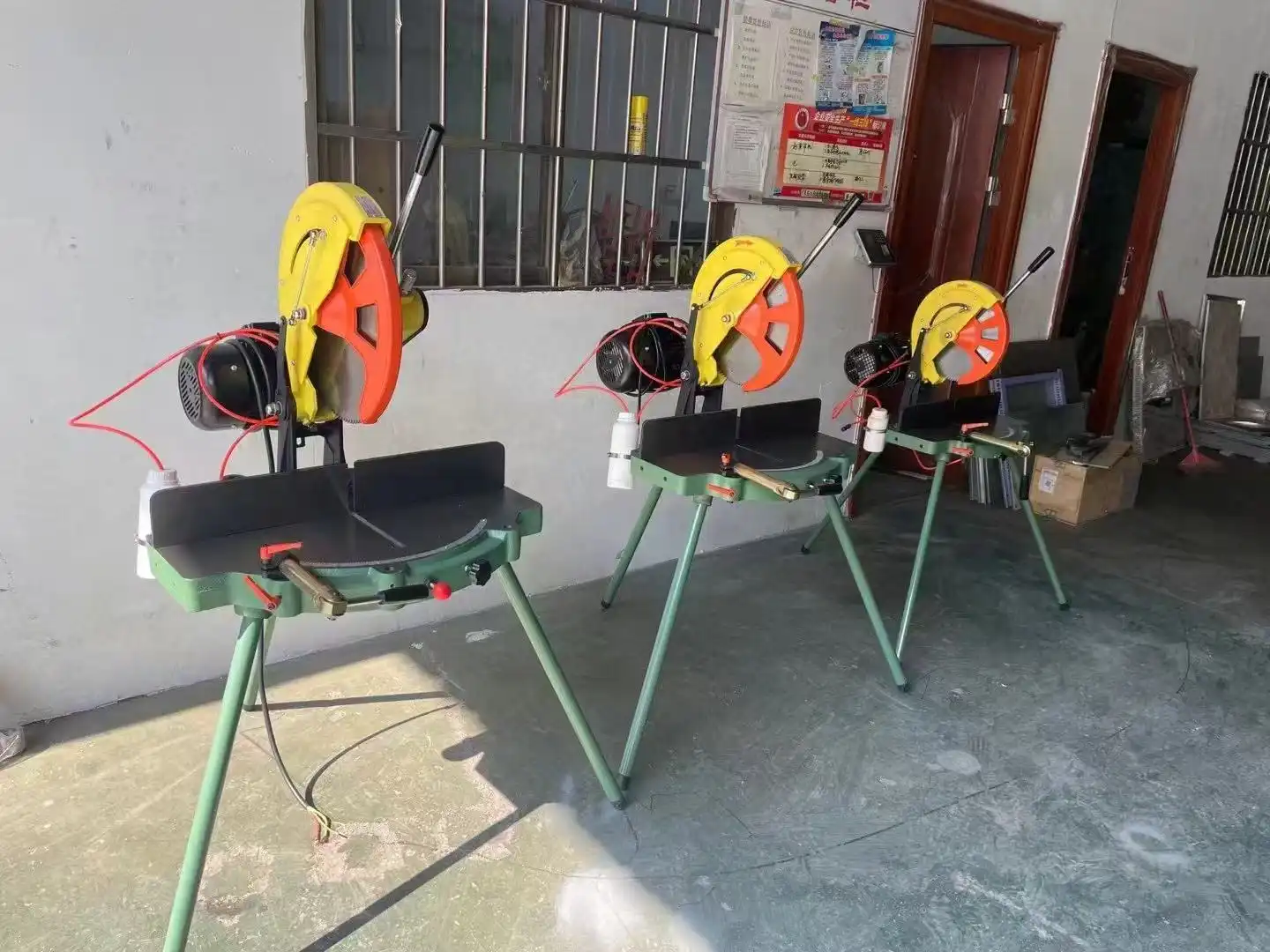
Understanding Aluminum Profile Cutting: Fundamentals and Techniques
The Mechanics Behind Precision Cutting
Using tungsten carbide-tipped (TCT) tools to remove material quickly is how aluminum profile cutting works. These blades have carefully designed tooth shapes that cut through extruded aluminum alloys without chip welding, which happens a lot when cutting speeds are too fast for the material. The blade's spinning speed, which is usually between 2800 and 3200 rpm, gives enough cutting speed, and the feed rate determines how fast the profile moves into the blade. This balance keeps things from getting too hot, which could weaken the structure of thermal-break window systems or curtain wall parts.
Professional cutting tools have micro-lubrication systems that send the right amount of coolant straight to the cutting zone. Compared to dry cutting, this method lowers the temperature of the blade by about 30 to 40 percent. This increases the blade's life and keeps the dimensions accurate throughout production runs. The cooling system also keeps the newly cut surfaces from oxidizing, which is very important for shapes that will be anodized or powder coated.
Blade Selection and Material Compatibility
Picking the right blade width and tooth design has a direct effect on how well it cuts. Different profile heights can be cut with blades that range from 350mm to 500mm in diameter. Larger sizes make cuts easier because they bend less. Tooth count is very important. Blades with 80 to 120 teeth make tighter finishes that are better for building uses, while blades with 60 to 80 teeth work better with thicker-walled structural profiles.
The best cutting factors depend on the object being cut. Standard 6063-T5 aluminum alloy, which is often used for window frames in homes, cuts neatly at middling speeds. On the other hand, industrial curtain wall systems use stronger 6061-T6 alloys, which need slower feed rates to keep the blades from chattering. Some tools can also work with PVC and light metals, which makes them more useful for makers who work with more than one product line. Knowing these specific needs for materials helps buying teams choose tools that are right for their production range.
Machine Categories and Their Applications
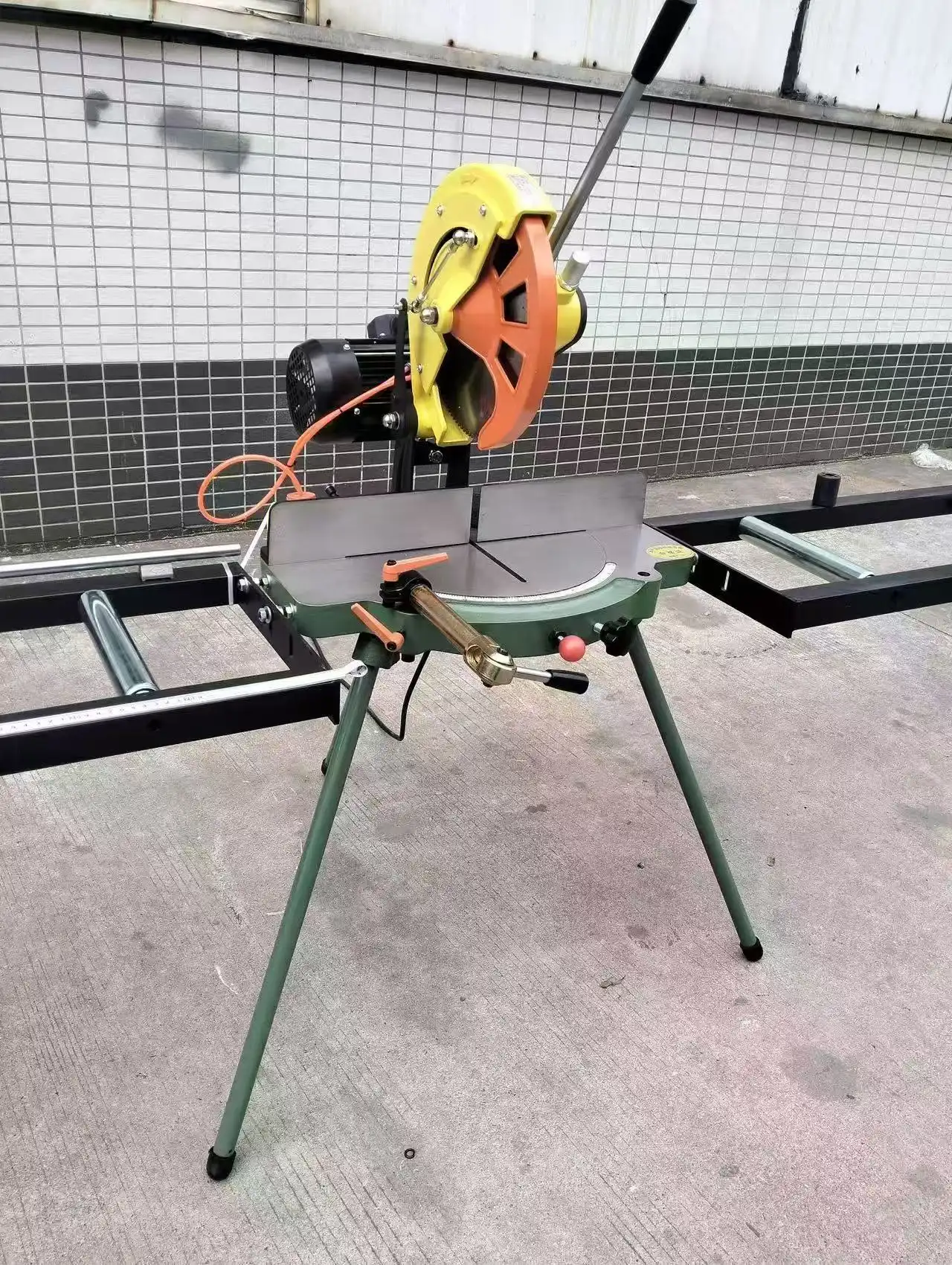
There are three main types of operations for cutting tools on an Aluminum Profile Cutting Machine. Operators of manual machines place profiles and start cutting processes, which gives them freedom for custom orders and making prototypes. Pneumatic moving devices in semi-automatic systems move profiles to set lengths, making mid-volume output more consistent. Fully automatic lines work with CAD/CAM systems to carry out complicated cut plans for big jobs that must have high output and accuracy.
Installation teams working on repair projects can use portable tools, and production facilities are held together by machines that are fixed to the floor. Whether cutting takes place in a controlled workshop or on the job site, where room and power access are different, determines the choice between flexibility and security. In the fenestration supply chain, each arrangement meets different operating needs.
Choosing the Right Aluminum Profile Cutting Machine for Your Business
Critical Decision Criteria for Procurement Managers
When choosing cutting tools, you have to think about a lot of technical and business issues. Cutting accurately is very important—machines with a range of ±0.1mm make sure that miter joints fit perfectly, without any holes that could let water in. Operational speed affects production capacity. Machines that can make 15-20 cuts per minute can handle normal business project numbers, but machines that can only make 8–10 cuts per minute may slow down during busy times.
Long-term running prices are affected by how much energy is used. Motors with ratings between 2.2 kW and 4.0 kW find a good mix between cutting power and energy efficiency. This is especially important for places that have to manage many machines at once. Voltage compatibility (220V or 380V) must match the local power grid to avoid having to make expensive changes. Instead of just asking for theoretical ratings, procurement teams should ask for thorough specs that show how much power is actually drawn when the load is on.
Price-Performance Comparison for 2026
Here are the main benefits that are driving people to buy this year:
- Entry-level manual machines (USD 3,000–5,500) are good for makers who work with 50 to 100 profiles every day. These machines let you change the angle and feed the profiles by hand. These units are affordable starting points for sellers who want to start making things or add to the tools they already have.
- Semi-automatic systems (USD 7,000–12,000) have air clamps and customizable length stops. They double output compared to manual systems while making operators less tired. Their built-in cooling systems and precise guide tracks make the extra money worth it for shops that make 200 to 300 cuts every day.
- Automated production lines (USD 20,000–45,000) can get the most work done in the least amount of time with CNC-controlled placement, multi-head setups, and automatic material handling. These systems are aimed at curtain wall makers and window system designers who make more than 500 units a day and find that labor costs make it hard to make a profit.
These price ranges are for tools whose performance has been confirmed and is good for business fenestration uses. When figuring out how much something is worth, it's better to look at the total cost of ownership, which includes how often the blades need to be replaced, how much upkeep is needed, and how much energy it uses.
Partnering with Established Equipment Distributors
Working with approved dealers makes sure you can get real new parts and help with technology issues. A lot of companies that sell tools have training programs that teach workers the best ways to cut and do preventative repair. For major parts, warranties usually last between 12 and 24 months, but longer plans are available for important production tools. Financing options designed for business-to-business buyers, such as leasing tools and delayed payment terms, help keep capital expenditures under control while keeping cash flow steady for ongoing operations.
Reliable help after the sale cuts down on downtime when technology problems happen. Distributors with regional service centers can send out techs within 24 to 48 hours, which cuts down on production stops that cause project supplies to be late. This timeliness is especially helpful for makers who have to work with tight building plans and lose money every day that equipment is down.
Maximizing Operational Efficiency and Safety
Preventive Maintenance Schedules
Using planned repair routines for an Aluminum Profile Cutting Machine helps keep the tool in good shape and extends its life. Every day, you have to check the coolant level, look at the blade teeth for wear, and clean metal chips off of the guide rails. Every week, routine tasks include lubricating air cylinders, checking that the emergency stop works, and making sure that the clamp pressure stays the same. For monthly upkeep, you need to check the motor bearings, measure the stiffness of the blades, and make sure the machine is calibrated by cutting test profiles from scrap metal.
By keeping track of repair tasks, you can find performance records that help you figure out why problems keep happening and plan replacements for major parts before they break. Assigning repair tasks to specific employees is helpful for facilities with multiple shifts because it makes sure that people are accountable and that equipment is cared for consistently. Industry studies show that proper repair cuts unexpected downtime by about 60–70%, which directly improves the efficiency of production.
Essential Safety Features and Compliance
Modern cutting machines have safety guards that cover the areas where the blades are exposed. This keeps people from touching the blades by mistake while the machine is running. When interlocked safety covers are opened, the machine stops running. This keeps workers safe while blades are being changed or jams are being cleared. Having emergency stop keys close at hand lets you turn off the machine right away if dangerous conditions arise. These features are in line with OSHA rules and help sites keep their workplaces safe.
Noise levels should be taken into account. Machines that run at less than 85 dB don't need hearing protection and make working long shifts more comfortable for the operators. Vibration dampening from cast-iron bases and precisely balanced wheels keeps cutting accuracy over time and reduces wear and tear. When you choose equipment that meets CE safety standards, you can be sure that it will comply with international safety rules at work, which is very important for exporters who serve more than one market.
Workflow Optimization Strategies
By looking at the flow of output, you can find the bottlenecks that slow down productivity. Some common problems are moving materials by hand between the cutting and assembly sites, not planning cuts well so that angles need to be changed a lot, and not having enough space to store work-in-progress, which stops the flow of work. By fixing these problems with comfortable desk setups, better cut scheduling, and better buffer stock management, you can get 25–35% more use out of your machines.
It's easier for materials to move when cutting activities are combined with shape preparation upstream and assembly downstream. Some makers use cellular manufacturing, which pairs cutting stations with specialized assembly teams. This cuts down on travel lengths and makes it easier to talk about specific needs. These practical improvements work with the equipment's strengths to get the best return on investments in machinery.
Common Challenges and How to Overcome Them?
Troubleshooting Frequent Cutting Issues
When burrs show up along the sides of cuts, it's usually because the blades are dull, the feed rate is too high, or the holding pressure is too low. To fix this, you need to check the state of the blades. Any teeth that are clearly worn or damaged need to be replaced right away. Often, lowering feed rates by 15–20% gets rid of burrs without having a big effect on cycle times. Making sure that the pressure in air clamps stays the same stops the profile from moving, which leads to uneven cuts.
Dimensional inaccuracy across multiple pieces that aren't the same size could mean that the balance is off or that machine parts have expanded due to heat. By using precise measuring tools to do calibration checks, you can find out if the length stops or angle sets need to be changed. Allowing machines to reach thermal balance before production runs—usually 15–20 minutes of warm-up work—keeps measurements stable by reducing the effects of thermal expansion on cutting.
Manual vs. Automatic Solutions
When setup freedom is more important than speed, manual cutting methods work best in low-volume settings. The flexibility of manual tools is helpful for custom building projects that need a wide range of shape types and sizes. These systems are great for specialty makers and test shops because operators can quickly change settings for one-time cuts without having to wait for programming to finish.
When more than 150 to 200 cuts are made every day, investing in automatic tools is a good idea. When compared to human operation, automatic systems keep tighter limits across thousands of similar cuts, which makes repeatability much better. When one person oversees several automatic machines instead of doing each cut by hand, labor costs go down. Programming and maintaining mechanical systems, on the other hand, require more technical know-how, which means that money needs to be spent on teaching workers.
Balancing Speed and Accuracy
Increasing the cutting speed can boost output, but it can also hurt the quality of the edges and the accuracy of the measurements. To find the best choices, you have to try at different speeds and keep track of the results. Many makers set speed limits based on the thickness of the profile wall. Sections that are smaller (1.0–1.5 mm) can handle higher speeds, while sections that are thicker (2.5–3.0 mm) need to be cut more slowly and carefully to keep the blade from deflecting.
For some projects, speed is important because small edge flaws need to be fixed later, while for others, clean cuts are needed for building uses that can be seen. Knowing these quality standards during project planning lets you make the right changes to speed that make production more efficient without losing customer needs.
Procurement Guide: From Inquiry to Purchase
Sourcing Strategies for Equipment Acquisition
To find reliable providers for an Aluminum Profile Cutting Machine, you should start by looking into the track records of manufacturers in the fenestration business. Well-known equipment manufacturers usually show off examples of their work in similar factories, showing that their products work well in real-life production settings. Going to industry shows like GlassBuild America or similar area trade shows gives you the chance to see tools for yourself and talk to expert staff about your unique needs.
Specification comparisons and application case studies can be found on websites, such as industry-specific business-to-business listings and websites for manufacturers. Teams in charge of buying things should check with sellers to see what kind of after-sales help is available in their area. They should make sure that new parts and repair techs are easy to find. Talking to people who are currently using the equipment gives you honest information about how reliable it is, how quickly help responds, and how well it actually works compared to what was promised.
Negotiation Tactics for Bulk Purchases
When fabricators buy more than one machine, they have more power to negotiate prices and get better service terms. Buying tools with an extended guarantee or an operator training package adds value that goes beyond simple price cuts. Structures for payments that include fees and payments at set points after installation and acceptance testing protect buyers while meeting the cash flow needs of suppliers.
When you commit to buying a lot of things over a number of years, you may be able to get better deals on new parts and items like blades and coolant. By negotiating service level agreements that ensure reaction times for technical help and parts supply, you can keep equipment that is essential to production safe. Most of the time, these business terms are more valuable in the long run than big price cuts up front.
Evaluating New vs. Used Equipment
New machines come with full warranties, the newest technology, and a known length of service life. They are good for companies that are starting to make things or getting rid of old tools where the extra cost is worth it for the dependability. Manufacturers' credit plans often make it possible to get new equipment by letting people pay for it over time in small amounts each month.
When you buy used equipment from a good company that fixes it up, you can save a lot of money—usually 40 to 60 percent off the price of new equipment. Before buying, experienced experts do a thorough review to check the technical state, make sure the specs are correct, and find any fixes that need to be done. Used tools are good for back-ups, test production lines, or makers who know how to fix things themselves. Knowing the risks and benefits of each choice helps make sure that decisions about tools are in line with business goals and budgets.
Conclusion
The best way to cut metal profiles using an Aluminum Profile Cutting Machine is to use the right tools and follow the right procedures. To meet the strict needs of making windows, doors, and curtain walls, machines with diamond saw technology that offers ±0.1mm accuracy, changeable angles, and built-in cooling systems are used. Businesses are set up for long-term practical success when they make purchasing choices that balance cutting accuracy, output capacity, energy efficiency, and support infrastructure. Using planned repair schedules and safety rules improves the performance of tools and protects the health and safety of workers. Understanding these technical and business factors is important for making smart choices that support quality output and a competitive place in the market, whether you're starting a new manufacturing business or improving an established one.
FAQ
What cutting speed delivers the best results when making window profiles?
The best cutting speeds depend on the metal makeup and the width of the profile wall. Standard 6063-T5 aluminum used in home windows cuts well at feed rates of 3–5 meters per minute and speeds of 2800–3000 rpm. To keep the quality of the edge and stop the blade from twisting, speeds may need to be lowered to 2400–2600 rpm for thicker industrial shapes. By trying out different speed combinations on example profiles, you can find the settings that give you the best mix of flow and surface finish for your needs.
How frequently should cutting blades be replaced?
The blade's lifespan relies on how often it is used and what kind of material it is made of. When working with standard aluminum shapes in normal production settings, good carbide blades last between 8,000 and 12,000 cuts before they need to be replaced. By keeping an eye on the cut quality and looking for more burrs or rough edges, you can tell when to clean or replace the blade. Keeping detailed cut logs helps you figure out when to change blades and how much they will cost.
Which safety features are the most important for keeping operators safe?
Important safety features include emergency stop systems, blade guards that keep blades from touching each other by mistake, and interlocking safety covers. Hearing loss is less likely to happen when equipment is running at noise levels below 85 dB for long periods of time. When you place your machines correctly and make sure there is enough space around moving parts, along with giving your operators thorough training, you can create safe working conditions that meet safety rules and protect your employees.
Partner with Haolv Building Materials for Superior Cutting Solutions
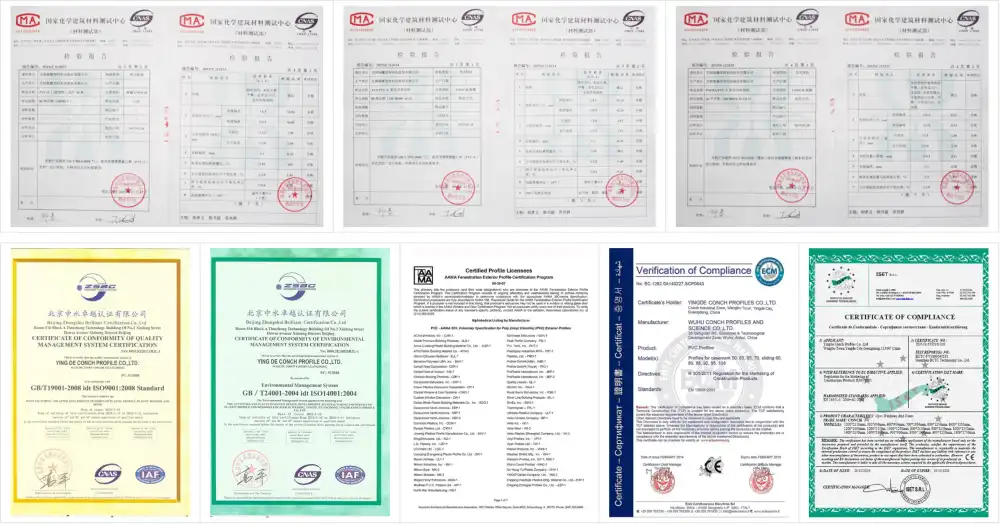
Haolv Building Materials can help you with your buying needs because they have been making metal and UPVC window and door systems for 18 years. Our modern production facilities use cutting tools that keep limits of ±0.1mm, making sure that every shape meets the strict requirements for use in homes, businesses, and curtain walls. We help with project needs from the first meeting to the final release. Our personalized solutions are backed by ISO and CE certifications that meet international quality standards.
If you need to find plans for new building, remodeling, or market sales, our engineering team can help you match the performance standards of the materials to your needs. We keep enough material on hand to allow shipping cycles of 25 to 30 days, which is important for keeping project schedules on track. As a well-known maker of Aluminum Profile Cutting Machines, we know how precise modern fenestration systems need to be and always make sure our goods meet those needs. Connect with our team at kristin@haolvwindows.com to discuss your specific project parameters, request technical specifications, or arrange sample shipments.
References
1. Anderson, M.J. (2022). Precision Cutting Technologies for Architectural Aluminum Systems. Building Materials Engineering Quarterly, Vol. 34, Issue 2, pp. 145-168.
2. Chen, L. & Rodriguez, F. (2023). Comparative Analysis of Carbide Blade Performance in Aluminum Profile Fabrication. Journal of Manufacturing Processes and Materials, Vol. 19, pp. 78-94.
3. International Building Components Association. (2023). Technical Standards for Aluminum Fenestration Component Manufacturing. IBCA Industry Guidelines, 7th Edition.
4. Kumar, S. (2021). Operational Efficiency in Window and Door Profile Cutting: A Process Optimization Study. Industrial Production Management Review, Vol. 28, No. 4, pp. 212-235.
5. National Fenestration Rating Council. (2023). Quality Control Protocols for Aluminum Frame Manufacturing. NFRC Technical Bulletin 2023-06.
6. Williams, T.R. & Zhang, H. (2022). Safety Systems in Automated Aluminum Processing Equipment: Current Standards and Best Practices. Workplace Safety in Manufacturing, Vol. 15, Issue 3, pp. 301-322.
Fast simple channel to send demands lock favorable price for building window door bulk purchases.