- English
- French
- German
- Portuguese
- Spanish
- Russian
- Japanese
- Korean
- Arabic
- Greek
- German
- Turkish
- Italian
- Danish
- Romanian
- Indonesian
- Czech
- Afrikaans
- Swedish
- Polish
- Basque
- Catalan
- Esperanto
- Hindi
- Lao
- Albanian
- Amharic
- Armenian
- Azerbaijani
- Belarusian
- Bengali
- Bosnian
- Bulgarian
- Cebuano
- Chichewa
- Corsican
- Croatian
- Dutch
- Estonian
- Filipino
- Finnish
- Frisian
- Galician
- Georgian
- Gujarati
- Haitian
- Hausa
- Hawaiian
- Hebrew
- Hmong
- Hungarian
- Icelandic
- Igbo
- Javanese
- Kannada
- Kazakh
- Khmer
- Kurdish
- Kyrgyz
- Latin
- Latvian
- Lithuanian
- Luxembou..
- Macedonian
- Malagasy
- Malay
- Malayalam
- Maltese
- Maori
- Marathi
- Mongolian
- Burmese
- Nepali
- Norwegian
- Pashto
- Persian
- Punjabi
- Serbian
- Sesotho
- Sinhala
- Slovak
- Slovenian
- Somali
- Samoan
- Scots Gaelic
- Shona
- Sindhi
- Sundanese
- Swahili
- Tajik
- Tamil
- Telugu
- Thai
- Ukrainian
- Urdu
- Uzbek
- Vietnamese
- Welsh
- Xhosa
- Yiddish
- Yoruba
- Zulu
How To Choose The Right Swing Glass Door for Residential And Commercial Projects
To pick the best aluminum glass swing door system, you need to make sure that the technical performance meets the needs of the project. A high-strength aluminum frame and thermal break technology in an aluminum glass swing door give it better structural stability. This is important for keeping heat in climate-controlled buildings. When designing a home, you should focus on customizing the look, energy efficiency (U-values below 1.6 W/m²K), and the ability to lower noise. For commercial uses, things need to be able to handle more traffic, follow building rules like AAMA standards, and have security systems with multiple points of contact. Long-term performance and upkeep costs are directly affected by the thickness of the material, the geometry of the glass, the quality of the tools, and the licenses of the provider.
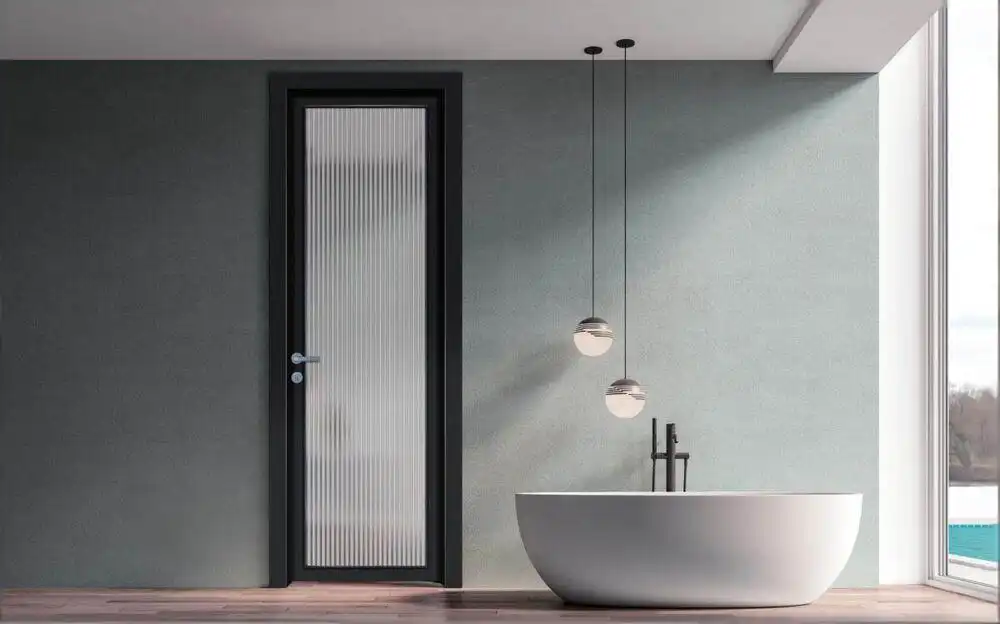
Understanding Aluminum Glass Swing Doors: Core Components and Functional Advantages
Aluminum glass swing door systems are a big step forward in building glazing because they combine engineering accuracy with design freedom. These entry options have frames made of extruded aluminum alloy (usually 6063-T5 grade) and big glass panels that open on hinges on the side. Unlike slide systems, swing layouts have full-width clear holes that let in a lot of air and make the shift between indoor and outdoor places smooth.
Material Composition and Structural Design
Modern swing door frames are made of high-strength aluminum profiles with walls that are between 1.4 mm and 2.0 mm thick. These profiles provide excellent structural stiffness without being too heavy. With thermal break technology, polyamide strips are built into the frame cavity. These strips stop heat flow and achieve U-values as low as 1.0 to 1.6 W/m²K. This building method stops thermal bridging, which is a big problem in energy-efficient building shells, while keeping the slim sightlines that are popular in modern architecture.
Safety-rated materials are often used in glass components. For example, tempered glass can take four times more pressure than regular heated glass, and layered designs provide higher security through interlayer bonding. Thicknesses of double and triple glass panels range from 8 mm to 28 mm. They offer soundproofing levels between 35 and 45 decibels, which effectively blocks out city noise in busy residential areas or business neighborhoods.
Operational Configurations and Hardware Integration
Swing doors can open in a number of different ways, depending on the space available and the flow of traffic. They can have one or two sides, and they can open inward or outward. High-quality hinge systems make sure that the door works smoothly for thousands of cycles, and multi-point locking mechanisms act at three or more frame points to spread the stress and stop attempts to break in.
Surface finishes are more than just nice to look at. Powder painting makes layers that are strong and won't scratch in custom RAL colors. Anodizing, on the other hand, makes surfaces that won't rust and are great for places near the coast where salt spray is common. When EPDM gaskets are paired with brush seals, they make better weatherstripping that keeps water out during wind-driven rainstorms.
Performance Note: Actual thermal, acoustic, and structural specs change from manufacturer to maker. You should check these specs with independent testing results that follow NFRC, ASTM, or similar standards.
All of these design features make aluminum glass swing doors the best choice for projects that can't skimp on sturdiness, security, or energy efficiency. The material doesn't rust, so it will last for decades without any problems. This is especially true when compared to standard wood frames that can be damaged by water or steel systems that can rust.
Criteria for Selecting the Right Aluminum Glass Swing Door
When buying aluminum glass swing door systems, it's important to think about a lot of different technical and practical factors. The decision process is very different for home setups that put comfort and good looks first, and for business jobs that put reliability and following the rules first.
Project-Specific Requirements Assessment
First, you need to define the program environment. Low-threshold designs that meet disability standards and keep weatherproof seals work well for residential doors. High-cycle hinge systems that can withstand more than one million operations are needed in commercial retail settings, along with panic hardware that meets life-safety exit codes. Healthcare sites need finishes that aren't porous and can handle quaternary ammonium disinfectants without breaking down.
The weather has a direct effect on the specs of materials. To keep heating and cooling costs as low as possible, buildings in areas with high temperatures need better thermal breaks and triple-glazed panels. Properties near the coast need powder coats of grade C4 or C5-M that don't let salt in, while places high up must take into account how more UV light can shorten the life of gaskets.
Technical Parameter Evaluation
The quality of the frame's materials is what determines how well it works over time. Premium systems use 6063-T6 aluminum alloy, which has a tensile strength of more than 205 MPa and can keep structures together under the wind loads that are common in mid-rise buildings. Instead of just welding, profile design should include strengthened corners with mechanical fixings. This way, the joint won't come apart during heat expansion cycles.
Choosing the right glazing depends on a number of performance factors. Low-E surfaces keep visible light through while reflecting infrared energy, which cuts solar heat gain by up to 70%. Laminated glass with 0.76mm PVB interlayers makes it safer and blocks 99% of UV rays, which keeps furniture inside from fading. Asymmetric glass systems, like 6mm + 12mm airspace + 8mm, block resonance frequencies and get STC ratings above 40 for sound-sensitive spaces like recording studios or executive offices.
Hardware Solutions
Hardware solutions need to be carefully described. Hinges made of stainless steel and protected ball bearings don't rust in damp places, and systems that can be adjusted to account for building movement over time. According to ANSI/BHMA standards, multi-point locks should connect at the head, sill, and strike wall all at the same time. This spreads the force around the frame's edges and achieves a Grade 2 security grade.
Customization and Design Integration
Modern manufacturing techniques allow for a lot of customization. CNC cutting makes shapes that match architectural plans to within 0.5 mm of accuracy. This means that non-standard sizes can be used for heritage building renovations or unique design elements. There are different ways to finish the surface, from shiny anodized effects to powder-coated textures that look like wood grain. This lets the new panels fit in perfectly with the old ones.
Threshold settings affect both how well something works and how easy it is for people to use. Flush barriers get rid of trip risks and make it easier for wheelchair users to get through, but they need to be installed correctly to keep them weatherproof. Low-profile designs are good for covered entryways that don't get too much rain because they strike a balance between being easy to use and keeping water out.
Budget concerns go beyond the original buy price. Lifecycle cost analysis shows that better systems save money over time by reducing the amount of energy they use and the number of times they need to be maintained. Doors that have been used for 30 years or more have been shown to last longer, which is especially helpful in industrial settings where installation can interrupt business operations.
Comparing Aluminum Glass Swing Doors with Alternative Entry Systems
The choice of material has a big impact on how well a door works, how much care it needs, and how it looks. Knowing the trade-offs between different systems lets you make smart purchases that are in line with the project's goals.
Wood Door Systems: Traditional Aesthetics with Maintenance Demands
Solid wood doors are the warmest and most traditional option, and they are especially valued in projects that try to preserve ancient buildings. But wood needs to be refinished every so often to keep it from absorbing water, which makes it lose its shape and cause twisting and rot over time. When it comes to warmer temperatures, termites are even more of a problem. Even though built wood products are more stable, they still need more upkeep than metal products. Wood is still a good choice for projects that want to show off true period details, but operating funds need to account for cleaning processes every 5 to 7 years.
Steel Doors: Heavy-Duty Security with Weight Considerations
Steel frames are standard in high-risk places like data centers and drug factories because they are very strong and don't break easily when they get hit. The bulk of the material naturally blocks out noise, but it doesn't do as well at keeping heat in without solid insulation layers. To keep coatings from rusting, they need to be carefully maintained, especially around weld places where protective layers are thinner. In repair situations, weight becomes a problem, and frame strengthening is often needed, which raises the cost of installation. Steel is good for situations where safety is the most important thing, but managing energy use and rust is always a problem.
Sliding Glass Systems: Space Efficiency with Operational Compromises
Sliding systems get rid of the need for swing clearance, which makes the most of limited floor space. Track-mounted systems, on the other hand, don't close as well as compression valves on swing doors, so more air gets in. Buildup of debris in guide ducts makes operation less smooth, and integrating screens is harder than integrating swing doors. Even though they aren't completely waterproof, slide systems are useful for situations where room is limited, like getting to a deck.
PVC/uPVC Frames: Budget Options with Performance Limitations
Polymer frames with multi-chambered shapes offer cost-effective soundproofing and are good for small-scale home projects. PVC, on the other hand, expands and contracts more than aluminum—up to three times more per degree—which can damage seals and make them less useful in high temperatures. The lower structural strength of the material limits the largest screen sizes, which limits the design options. Long-term UV exposure makes surfaces chalky, which lowers the street appeal. For cost-conscious home setups in mild conditions, PVC works well enough, but aluminum glass swing doors are usually better for business uses because they last longer.
When it comes to longevity, aluminum glass swing doors are the best because they look good in both business and home settings. The material doesn't rust, so it doesn't need to be maintained like wood and steel do. Its thermal break engineering is as good as or better than PVC insulation. Even though the original costs are higher than some options, the practical saves from less energy use and upkeep make the investment worth it for all types of projects. Real estate developers always choose aluminum systems for mid- to high-end apartment buildings and business office complexes because the material has a history of working well in tough situations.
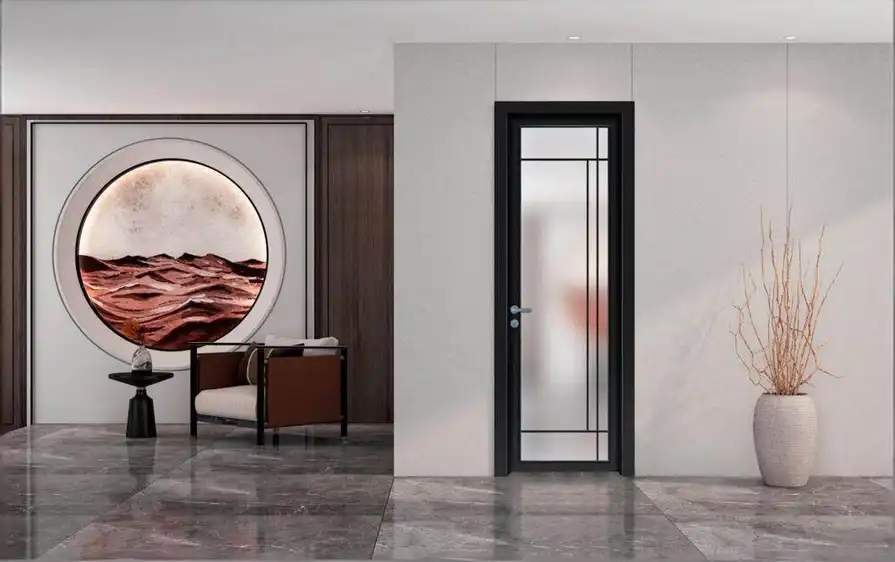
Procurement and Installation Considerations for B2B Clients
The dependability of the provider and the accuracy of the work are both important for the project to go well. By putting in place strict screening procedures, you can avoid costly delays and poor quality.
Supplier Qualification and Quality Assurance
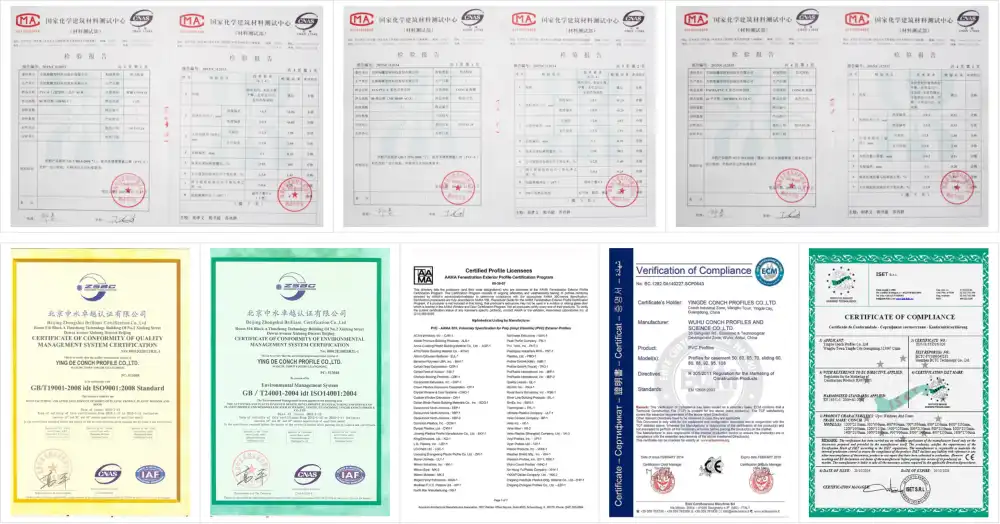
Checking manufacturing licenses is a good way to start evaluating a company. ISO 9001 approval shows that the quality management system is mature, and CE marking shows that the product meets European safety standards. For projects in the United States, AAMA approval proves that the product meets the standards of the North American Architectural Manufacturers Association. These standards cover things like air leakage, water entrance, structural load resistance, and forced entry.
Ask for written case studies that show experience with projects of similar sizes. Suppliers that work with high-rise apartment buildings must show that they can handle big orders and always meet specifications. Carefully look over the warranty terms. Full coverage should last for 10 years or more on hardware and finishes, and new parts should be easy to get during the guarantee time.
Customization Capabilities and Technical Support
For complicated projects, providers need to be able to work with engineers together. Check to see if they can make shop drawings from building plans that take into account non-standard sizes and performance needs. CNC cutting makes it possible to make precise parts for difficult installs like curved surfaces or parts that fit into existing structures.
Technical help services have a big effect on how long a job takes to finish. On-site installation training from suppliers shortens the learning curve for contractors, and quick response from engineering teams to problems in the field avoids costly delays in the building process. Make sure there are expert reps in the U.S. who know the local building rules and can work with inspection officials.
Ordering Workflows and Lead Time Management
Set clear deadlines for buying that take into account production, shipping, and clearing customs. Standard product lines usually ship between 25 and 30 days, but based on how complicated they are, special specs may take 45 to 60 days. Ocean freight from Asian production hubs adds three to four weeks to the travel time, so it's important to place your order early to keep to the building timeline.
Payment arrangements should find a mix between reducing risk and meeting the cash flow needs of suppliers. Usually, you have to pay a 30% to 40% deposit when you accept the order, and the rest is due when the goods are shipped or the work is finished. For big projects, letters of credit are a good idea because they protect both sides by guaranteeing payment with a bank.
Installation Best Practices and Quality Control
Professional placement is necessary to get the efficiency that was promised. If you don't move the frames properly, they can become operationally bound, and if you don't use enough sealant, you can create leak paths that weaken the weather resistance. Make sure that only approved workers who are trained in that line of products can install it, and make sure that important steps like setting the frame, placing the anchors, and applying the sealer are photographed.
After installation, commissioning should check that the system works smoothly, the closing mechanism engages, and the weather seal compresses. Test the water according to ASTM E1105 guidelines by releasing specific amounts of water at certain pressures to make sure there is no penetration. Thermal imaging scans find air leaking paths that can't be seen with the naked eye. This lets problems be fixed before the building is occupied.
Support after the sale is what sets top sellers apart. Make sure that new hardware is available through well-known distribution networks so that you don't have to wait for long shipping times for regular repair parts from abroad. Technical hotlines with expert staff can answer practical questions without having to pay for costly site visits.
Maintenance and Longevity: Maximizing Door Performance
Regular repair keeps things working well and makes them last longer, which protects investments in infrastructure and keeps replacing costs to a minimum.
Routine Cleaning and Surface Care
Aluminum frames can handle rough cleaning better than wood or steel ones, but only if you use the right methods to keep the surface from getting damaged. Wash powder-coated finishes every three months with pH-neutral soaps that have been softened according to the manufacturer's instructions. Cleaners that are too acidic or alkaline can remove protective coats and speed up rust. To get rid of any chemical waste, rinse well with clean water and dry with lint-free cloths to avoid water spots.
Depending on the type of covering, glass screens in an aluminum glass swing door need different kinds of care. Scrubbing pads damage metallic coats, which lowers the thermal performance of low-E surfaces, so you need to use non-abrasive cleaners and soft cloths to wipe them down. Avoid ammonia-based treatments on laminated glass because they break down edge seals and could lead to delamination.
Hardware Lubrication and Adjustment
Hinge systems work better when they are oiled every six months with silicone-based items that keep dust from building up. Stay away from oils made from petroleum, which attract dirt and make gritty pastes that wear down faster. Lubrication is needed at the latch points and roller cams of multi-point locks because running them dry leads to galling, which stops them from engaging properly in the end.
Building settlement causes frame misalignment over time, particularly in the first years after construction as foundations stabilize. Small shifts can be fixed with eccentric mounting screws on adjustable hinges. Quarter-turn changes move door panels vertically, returning smooth operation without changing the frame. If there is a big error that is outside the adjustment range, you should talk to installation professionals to find out if there are structural problems that need to be fixed.
Gasket Inspection and Replacement
Although EPDM weatherstripping stays flexible for years, it becomes hard after being exposed to high temperatures and UV rays. Every year, checks find compression set, which is constant damage that stops the seal from working properly. Replacement seals are usually available from the original equipment manufacturers, and most systems only need simple hand tools to be put in place. Keeping the openings in good shape stops water from getting in, which damages finishes inside and lowers the building's heat performance.
Long-Term Performance Optimization
As operating needs change, retrofitting options make systems better. When you upgrade to smart locks with remote entry control, door systems are connected to building security platforms, so you don't have to keep track of actual keys. Using 15 to 25 percent less energy when you replace standard glass with improved Low-E panels. You can often get utility rebates that cover the cost of the materials.
For buildings that are worried about security more than usual, adding reinforced glass makes it harder to break in without replacing the whole door. Anti-pry hardware kits protect current frames from jimmying attacks, which increases their service life and adapts to changing threat patterns.
Keeping track of repair tasks creates useful service records that show you're following the warranty terms and keeping the asset's value for property sales. Facility management teams can access digital maintenance logs that keep things running smoothly even when staff changes happen. This keeps information from being lost, which can lead to maintenance not being done.
Conclusion
When choosing swing door systems, you have to weigh the technical specs against the needs of the job and your budget. Aluminum glass swing doors with thermal break engineering have been shown to work well in both home and business settings. They combine long-lasting structure with low energy use in a way that wood and steel options find hard to match. A successful procurement relies on carefully checking each supplier's credentials, including their ability to customize products and provide after-sale support that keeps project deadlines and quality standards in mind. Professional construction and regular upkeep keep operating quality high for longer, which maximizes the return on infrastructure investment and lowers lifetime costs.
FAQ
What security features should I specify for commercial aluminum swing doors?
When three or more frame settings are engaged, multi-point locking systems offer better forced-entry protection than single-point locks. ANSI/BHMA A156.5 guidelines say that the hardware should be at least Grade 2, and anti-pry support plates should be put on the strike jambs. For high-security uses, layered glass with 1.52mm PVB interlayers can keep things clear even when someone tries to break through.
How do thermal break profiles improve energy efficiency?
Thermal breaks put low-conductivity polyamide strips inside aluminum frames. This stops heat from moving from the metal surfaces inside to the metal surfaces outside. This building method cuts down on heat movement by 40 to 60 percent, and when paired with insulated glass, it achieves U-values below 1.6 W/m²K. The reduced energy use lowers the cost of running the HVAC system and raises the comfort level of the people inside by lowering the cold surfaces that cause condensation and drafts.
What maintenance frequency ensures optimal long-term performance?
Cleaning frames and glass every three months keeps them looking good and stops dirt and grime from building up, which speeds up wear. Hardware greasing and seal inspections done every six months find new problems before they get in the way of operation. Professional inspections once a year find alignment issues and seal wear that needs to be fixed. This schedule for servicing usually makes the service last longer than 30 years while keeping performance levels at a certain level.
Partner with a Trusted Aluminum Glass Swing Door Manufacturer
At Haolv Building Materials, we bring 18 years of specialized manufacturing experience to every project. We make high-quality aluminum glass swing door systems that are designed for tough home and industrial uses. Our cutting edge factory uses automatic CNC cutting, precise welding, and multiple levels of quality control to make sure that we always meet ISO and AAMA approval standards. Our in-house engineering team can make shop plans that meet the most complicated building needs, and we keep our wait times low, at just 25 to 30 days from the time you place your order until it ships. Our Series 100 and 120 systems have thermal break shapes, multi-point locks, and window choices ranging from 8mm to 28mm. They also have U-factors that meet strict energy codes and sound protection levels of 35 to 45 dB. You can reach our buying team at kristin@haolvwindows.com to get expert advice on your next project or to ask for product examples.
References
1. American Architectural Manufacturers Association. (2021). AAMA/WDMA/CSA 101/I.S.2/A440: North American Fenestration Standard/Specification for Windows, Doors, and Skylights. Schaumburg: AAMA Publications.
2. Carmody, J., Selkowitz, S., Lee, E., Arasteh, D., & Willmert, T. (2004). Window Systems for High-Performance Buildings. New York: W.W. Norton & Company.
3. National Fenestration Rating Council. (2020). NFRC 100-2020: Procedure for Determining Fenestration Product U-factors. Greenbelt: NFRC Technical Standards.
4. Straube, J., & Burnett, E. (2005). Building Science for Building Enclosures. Westford: Building Science Press.
5. Aluminum Association. (2019). Aluminum Design Manual: Part I - Specification for Aluminum Structures. Arlington: The Aluminum Association.
6. Lstiburek, J. (2006). Builder's Guide to Cold Climates: Details for Design and Construction. Westford: Building Science Press.
Fast simple channel to send demands lock favorable price for building window door bulk purchases.