- English
- French
- German
- Portuguese
- Spanish
- Russian
- Japanese
- Korean
- Arabic
- Greek
- German
- Turkish
- Italian
- Danish
- Romanian
- Indonesian
- Czech
- Afrikaans
- Swedish
- Polish
- Basque
- Catalan
- Esperanto
- Hindi
- Lao
- Albanian
- Amharic
- Armenian
- Azerbaijani
- Belarusian
- Bengali
- Bosnian
- Bulgarian
- Cebuano
- Chichewa
- Corsican
- Croatian
- Dutch
- Estonian
- Filipino
- Finnish
- Frisian
- Galician
- Georgian
- Gujarati
- Haitian
- Hausa
- Hawaiian
- Hebrew
- Hmong
- Hungarian
- Icelandic
- Igbo
- Javanese
- Kannada
- Kazakh
- Khmer
- Kurdish
- Kyrgyz
- Latin
- Latvian
- Lithuanian
- Luxembou..
- Macedonian
- Malagasy
- Malay
- Malayalam
- Maltese
- Maori
- Marathi
- Mongolian
- Burmese
- Nepali
- Norwegian
- Pashto
- Persian
- Punjabi
- Serbian
- Sesotho
- Sinhala
- Slovak
- Slovenian
- Somali
- Samoan
- Scots Gaelic
- Shona
- Sindhi
- Sundanese
- Swahili
- Tajik
- Tamil
- Telugu
- Thai
- Ukrainian
- Urdu
- Uzbek
- Vietnamese
- Welsh
- Xhosa
- Yiddish
- Yoruba
- Zulu
Aluminium Sliding Windows: The Smart, Space-Saving Solution
Horizontal sliding aluminum windows provide a convincing solution when your project requires the best possible use of room without sacrificing performance. These window systems move along carefully designed tracks that let the screens slide side to side instead of swinging in or out. Made from architectural-grade 6063-T5 aluminum metal, they solve important buying problems like maintaining structural integrity in big areas, keeping upkeep costs low, and meeting strict building codes. The slide system is especially useful in densely populated cities where every square foot counts and where safety or space issues make exterior-opening designs impractical.
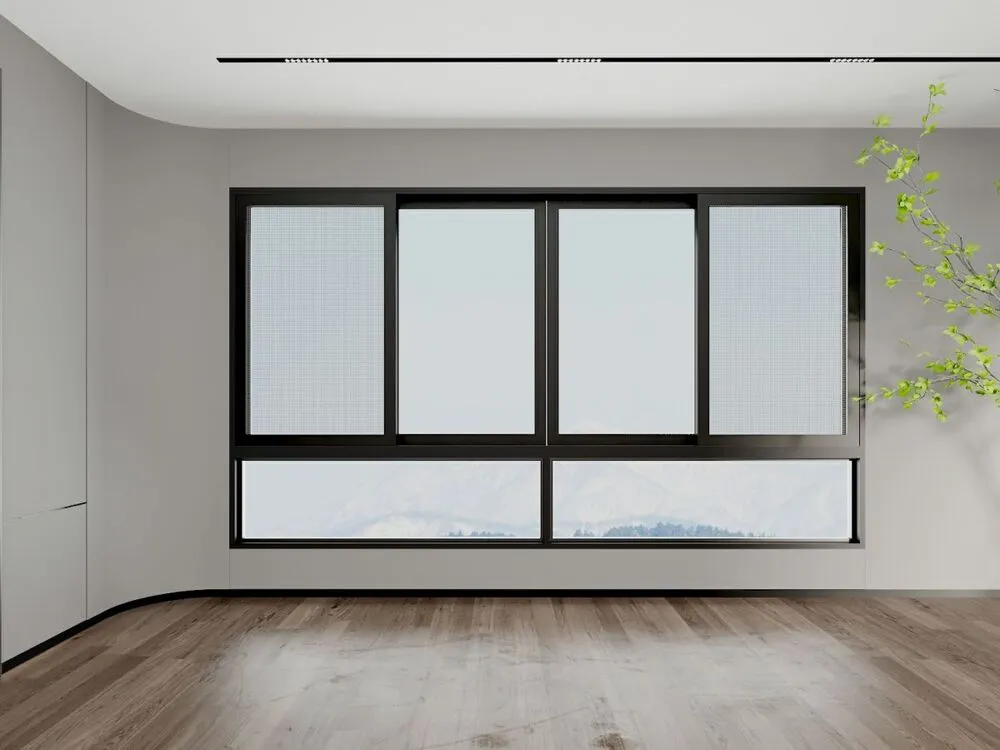
Understanding Aluminium Sliding Windows
How Sliding Aluminum Window Systems Work?
The main idea behind how it works is that precise roller systems are placed inside frames made of strengthened metal. Sashes move along single or double track systems, and high-quality rollers make sure they move smoothly and quietly even when they are used every day. These days, modern designs use brush seals along with EPDM rubber gaskets to make good shields against water, dust, and air leaks. In different conditions, from seaside areas with salty air to desert areas with extreme temperature changes, this multi-layer closing method meets performance needs.
In commercial-grade uses, profile width usually falls between 1.4 mm and 2.0 mm. This keeps big glass panels stable while keeping sightlines thin. As a result, there is more sunshine coming in and more clear views. These are important factors in modern architecture where natural lighting improves health and lowers energy costs.
Material Advantages: Why Aluminum Outperforms Alternatives
When buying for businesses, aluminum frames are better than plastic, wood, or uPVC frames in a number of ways. The substance doesn't rust, bend, or rot, which are common ways for organic materials to fail in damp or seaside settings. Vinyl can break after being exposed to UV light for a long time, but horizontal sliding aluminum windows that have been powder-coated or anodized will keep their shape and good looks for a long time.
In multi-story buildings where heat expansion and contraction cycles put stress on fenestration systems, dimensional stability is very important. When built correctly with the right specs, aluminum's low temperature expansion rate reduces practical problems and seal wear over time. This means fewer guarantee claims and lower lifetime costs, which are important things for builders and developers to think about when they are handling a building's long-term performance.
Weight-to-strength ratios make it possible for bigger spaces that aren't blocked to be made without heavy-duty supports. Aluminum can support large areas of glass while keeping the frame shapes thin, which is useful for projects that want floor-to-ceiling windows or sweeping views. This design freedom is useful in places like business offices, hotels, and high-end housing projects where the way the building looks is what sets them apart in the market.
Key Performance Characteristics for B2B Applications
When purchasing managers look at horizontal sliding aluminum windows, they should pay attention to a number of technical details that have a direct effect on how the project turns out. The heat insulation values, soundproofing, and safety standards are all affected by the type of glass used (tempered, double-glazed, or laminated). Double-glazed units with low-E finishes have U-values that meet energy code requirements in most temperature zones in the U.S. This lowers the load on HVAC systems and lowers their operating costs.
Ratings for sound transmission class (STC) are important in cities where noise from outside can make people uncomfortable and less productive. When horizontal sliding aluminum windows are properly sealed and have the right glass configurations, they can get STC ratings high enough for business office buildings and domestic buildings close to traffic routes.
Standardized testing methods show that a system can survive wind-driven rain without leaking by measuring its water entry resistance. Systems that meet AAMA, ASTM, or similar standards provide written performance data that is needed to follow specifications and lower risks in competitive pricing situations.
Performance Note: The actual thermal, auditory, and structural performance depends on the arrangement, the type of glass chosen, and the quality of the installation. When making a purchase choice, people should look at approved test results to get the exact product specs they need.
Aluminium Sliding Windows vs Alternatives: Making the Right Choice
Material Comparison for Large-Scale Procurement
To choose the best frame material, you have to weigh the prices up front against the value over time. Vinyl windows are cheaper to buy at first, but they may need to be replaced more often in business settings where they are used a lot and are exposed to harsh conditions. Wood has a classic look, but it needs to be painted, sealed, and checked for moisture damage on a regular basis, which means it costs a lot to maintain and isn't good for big building portfolios.
uPVC is a good insulator and lasts a reasonable amount of time, but its limited color range and low structural strength make it harder to build for big openings. Aluminum frames can be powder-coated or anodized to almost any color, which meets brand identity needs and building design goals without causing the finish to wear down over time.
When looking at the total cost of ownership over the normal lifetime of a business building, horizontal sliding aluminum windows have long life, low upkeep needs, and stable performance make it a strong value offer. Aluminum's constant production quality and mature global supply chain make it easier to buy in bulk, which cuts down on wait times and makes sure that specifications are met across multiple phases of a project.
Brand Considerations and Quality Standards
On the North American market, there are well-known brands whose goods meet industry standards like AAMA, NFRC, and local building codes. Systems with these certificates have been tested by a third party to make sure they meet certain standards for structure performance, water resistance, and energy efficiency. This gives buying teams the third-party confirmation they need to make sure the systems meet the requirements.
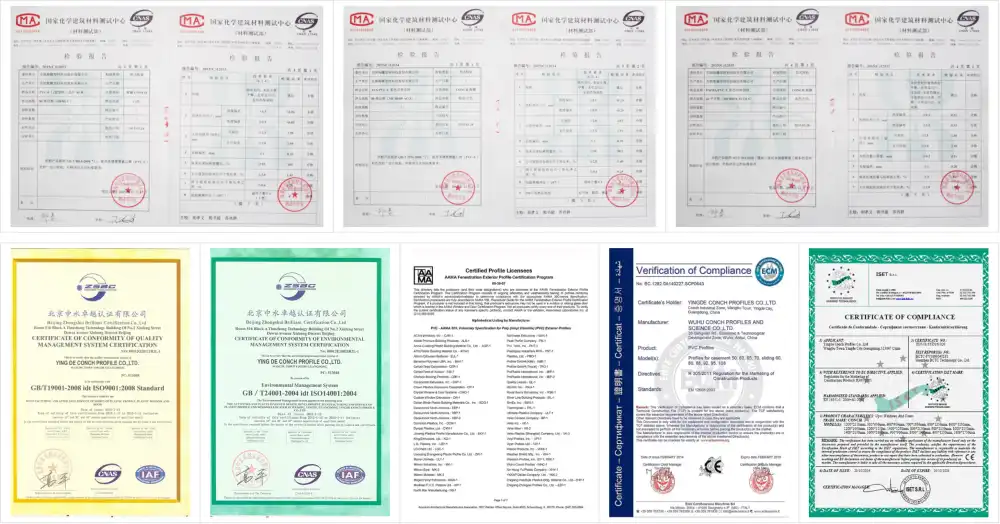
When buying from other countries, make sure the companies have quality control systems that are ISO-certified and can show proof that they meet U.S. standards. Export experience is very important. Suppliers who know about NFRC marking standards, sending processes to North American ports, and English-language technology help lower the project risks that come with buying things from other countries.
Regional wholesalers and system designers often work with more than one maker, which makes it easier for projects that need different types of windows to get them all at once. When it comes to handling complicated building plans, these trade partners add value by having local supplies, offering expert help during installation, and taking care of warranties.
Procurement Guide for Aluminium Sliding Windows
Customization Capabilities and Specification Options
Off-the-shelf sizes are rarely acceptable for commercial projects. Manufacturers with CNC cutting systems and automated assembly lines can make custom sizes, choose from profile series (60, 70, 80, and 90 series), and meet finish specifications based on architectural drawings. Being able to make horizontal sliding aluminum windows that fit exact rough opening sizes cuts down on the time and money needed for field modifications.
There are more ways to treat the surface than just powder coating. Anodized finishes are better at resisting rust for installations near the coast, and wood grain transfers meet the needs of home projects that want to look nice. PVDF coats are very good at blocking UV rays and keeping colors, which is very important for high-exposure walls where loss of look lowers property values.
When buying hardware, it's important to pay close attention to the specs. Heavy-duty roller systems last longer in business settings with a lot of foot traffic, while standard roller kits are good for home uses with mild use cycles. Lockable handle choices meet security needs, and built-in mosquito screens add usefulness without the need for different purchase lines.
Choosing a single or double track system affects how flexible operations can be and how well air can be controlled. Multiple sashes can operate independently in double-track setups, which creates different airflow patterns that are helpful in business buildings that want to get the most out of natural circulation. Instead of using stock setups, these choices should be based on the needs of the particular project.
Pricing Structures and Cost Management
When you buy in bulk, you get savings of scale that have a big effect on project costs. Manufacturers usually offer different prices based on how much you buy, with business rates applied to orders over a certain amount. Smart procurement managers combine orders from different parts of a project or from different sites to get these big prices. This can save them more than 20% on the cost of buying things one at a time.
The cost of installation depends on the type of opening, the height of the building, and the rate of work in the area. When making a budget, you should include the cost of rough-ins for the hole, lighting that fits with weather shields, trim on the inside and outside, and any final changes that are needed to make sure the system works right. When replacing things in buildings that are already occupied, there may be extra costs for coordinating with the tenants and keeping the dust under control.
When you buy something from another country, you have to include freight, customs taxes, port handling fees, and interior transportation in your landed cost numbers. Shipping costs per unit can be cut down by combining containers and planning transportation well, but project plans need to be carefully coordinated to avoid expensive delays or extra costs for temporary storage.
Strategic Sourcing Approaches
Business-to-business (B2B) shopping sites like Alibaba and Made-in-China let you find many makers and compare features, licenses, and prices. To do your research, you need to check the factory's production capacity, the level of complexity of its tools, and its quality control systems. Asking for facility checks or inspection reports from a third party lowers the risks that come with using sources you haven't worked with before.
The International Builders' Show, GlassBuild America, and area building trade shows are all examples of industry events where suppliers can be evaluated in person. Seeing real examples, talking about the ability to customize, and getting to know company representatives on a personal level all boost trust, which is important for making big purchases.
Reaching out on LinkedIn to sales managers and export directors makes it easier for people to talk to each other directly, so you can avoid middlemen and get professional help while developing specifications. Setting up these relationships early on in the planning process makes it possible for everyone to work together to solve problems when building plans call for answers that aren't standard.
Maximizing Value: Maintenance, Longevity, and Performance Optimization
Proactive Maintenance Protocols
Horizontal sliding aluminum windows don't need as much care as windows made of other materials, but regular maintenance does increase their useful life and keep them working well. Cleaning the tracks every three months gets rid of the buildup of dirt that slows down operation and speeds up roller wear. Powder-coated finishes are kept safe by cleaners that don't scratch them, and roller systems run quietly with silicone-based oils.
Seal quality should be checked once a year, looking for things like compression set in EPDM gaskets or damage to brush seals. Finding seal breakdown early stops water from getting in, which could damage finishes inside or cause mold growth. In insulated units, glass panels should be inspected for edge seal failure because moisture getting between the panes is a sign of warranty-covered flaws that need maker attention.
Tightening mounting screws, cleaning locking mechanisms, and checking that the sashes are properly aligned are all hardware changes that stop operating problems that annoy residents and lead to repair calls. Building management teams don't need to hire expert service providers to do these simple jobs because they can do them with little training.
Enhancing Energy Efficiency and Acoustic Performance
Upgrading horizontal sliding aluminum windows makes a noticeable difference without having to pay for full replacement. Putting in double-glazed units instead of single-pane windows cuts down on heat transfer by a large amount and usually pays for itself in energy saves within an acceptable amount of time. Low-E coats on glass surfaces scatter infrared radiation, which keeps heat from moving into climates that are cooling or away from climates that are heating.
Replacing the seals fixes the most common way that old horizontal sliding aluminum windows lose their function. Aftermarket weatherstripping products made for retrofitting repair the effectiveness of air closing, lowering drafts and making people more comfortable. This move saves a lot of energy and doesn't cost nearly as much as replacing windows.
Improvements to acoustic performance are important in places that need to block out noise, like hotels, hospitals, and high-end homes. Laminated glass panels with special acoustic interlayers get STC values that are much higher than normal double-glazing. This means that outside noise is kept out without having to change the frame systems.
Lifecycle Value Through Strategic Upgrades
Systematic window performance reviews help commercial buildings find upgrades that are both useful and affordable. Energy studies measure how much heat is lost through fenestration systems and make business reasons for specific changes. When building owners capitalize upgrade costs and pay for them with energy savings, they improve the performance of their properties without having to pay for them up front.
Building comfort and running costs are linked to how long tenants stay and how much they pay for rent. Properties with better natural lighting, thermal comfort, and sound privacy tend to have higher rents and lower turnover rates. Investing smartly in high-performance horizontal sliding aluminum windows gives you these benefits over the competition and lowers the cost of running your building.
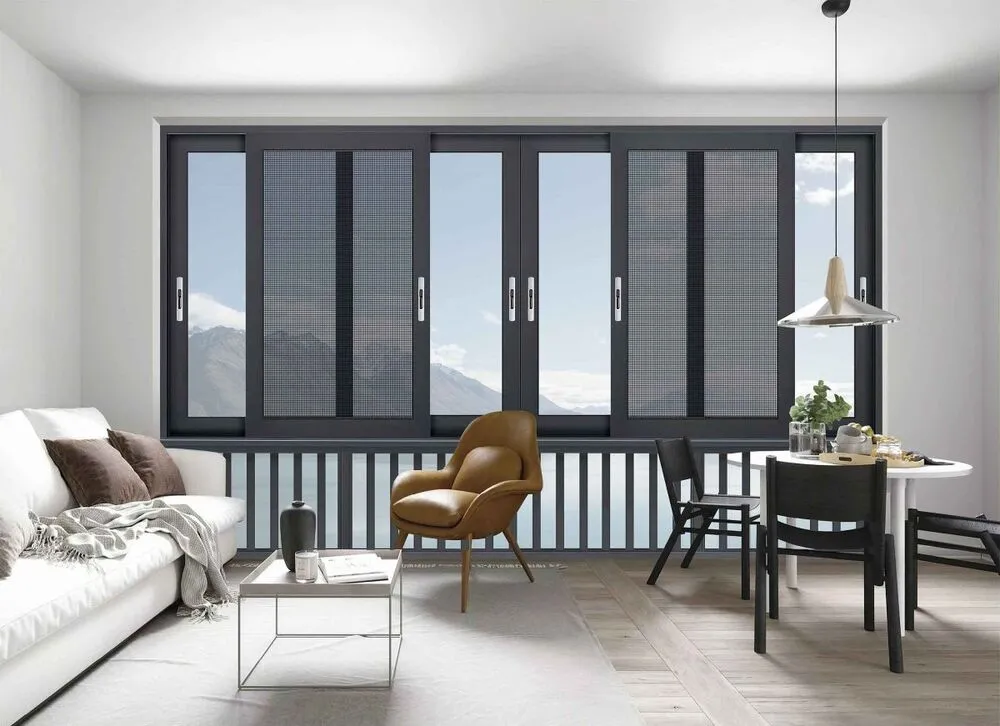
Future Trends and Innovations in Aluminium Sliding Windows
Emerging Technologies and Material Advances
New polyamide materials and design shapes are making thermal break technology better and better at preventing thermal bridges. Next-generation systems get U-values that are close to those of uPVC frames while keeping the structural and aesthetic benefits of horizontal sliding aluminum windows. As energy rules get stricter, these new developments make aluminum more competitive.
Integrated smart technologies, like automatic operation, sensor-based air control, and connection to a building management system, turn windows from inactive parts of the building shell into active devices that control the environment. More and more, commercial buildings that want to get high-performance approvals list these features. This opens up buying possibilities for companies that offer combined solutions.
Recycled metal in window frames meets standards for sustainability without lowering performance. Aluminum can be recycled over and over again and has a high rate of recovery, which is in line with green building standards and business environmental promises. These are some of the things that affect buying decisions in LEED-certified projects and developments that focus on sustainability.
Regulatory Landscape and Compliance Considerations
Fenestration efficiency standards are always getting better because energy codes are changing. People who work in procurement have to keep up with changes to the IECC, changes made by each state, and local rules that affect product specs. Working together with makers and being involved in the code-development process will make sure that you can get goods that are legal as rules change.
Green building approval programs like LEED, WELL, and Living Building Challenge use performance standards for windows that affect the choice of materials and where they come from. Products that have Environmental Product Declarations (EPDs) and Health Product Declarations (HPDs) make it easier to record for these optional programs, which speeds up the approval process.
Supply chain openness standards that are popping up in corporate buying policies want to see how things are made, how workers are treated, and how they affect the environment. In institutional buying situations, suppliers who are willing to show proof of these things through third-party approvals and clear reporting have an edge over other suppliers.
Conclusion
Horizontal sliding aluminum windows are a smart choice for projects that want to save room, get reliable performance, and get good value over time. Corrosion resistance, physical stability, and design freedom are some of the material's natural benefits that make it useful for a wide range of artistic goals and important needs in business construction. Procurement professionals can make choices that are in line with project goals when they carefully look at technical requirements, provider skills, and the total cost of ownership. As building performance standards improve and environmental concerns grow, aluminum will still be useful in high-performance building shells because it can be recycled and its heat performance is always changing. To do a good job of buying, you need to weigh the beginning costs against the long-term value while working with makers who show technical know-how, attention to quality, and reliable delivery performance.
FAQ
How do aluminum sliding windows compare to vinyl in commercial applications?
In business settings, how do horizontal sliding aluminum windows compare to plastic ones? Aluminum frames are stronger than plastic frames, so they can hold more glass and have smaller outlines. The cloth stays the same size over a wider range of temperatures and is better at blocking UV damage over longer amounts of time. In basic designs, vinyl insulation is a little better than thermally-broken horizontal sliding aluminum windows, which offer similar thermal performance while being more durable and allowing for more stylistic options through custom finishes.
What energy efficiency ratings should procurement managers target?
U-values less than 0.30 Btu/hr-ft²-°F are enough for industrial use in most temperature zones in the United States. Solar Heat Gain Coefficient (SHGC) goals are different depending on the area. Lower values (0.25-0.40) work best in climates that tend to cool down, while higher values (0.40-0.55) work better in climates that tend to heat up. Choose goods that have NFRC approval stickers that show performance data that has been checked by a third party and meets the needs of the project.
Can aluminum sliding window systems accommodate project-specific customizations?
Modern makers with CNC manufacturing tools can make horizontal sliding aluminum windows that are exactly what you want them to be, with unique sizes, different finish choices, different glass shapes, and a wide range of hardware options. Different suppliers have different production minimums, but projects that need 50 or more units can usually get full customization without having to pay too much for tools. Get makers involved early on in the planning process to make sure that the specs are reasonable and the wait times are attainable.
Partner with Haolv Building Materials for Your Aluminum Sliding Window Needs
Haolv Building Materials has been a specialized manufacturer for 18 years and can help buying workers find trusted providers of horizontal sliding aluminum windows. Our cutting-edge production center has automatic assembly systems, precise CNC cutting, and full quality testing to make sure that we always meet ISO, CE, and AAMA standards. We offer customized solutions across our 60/70/80/90 series product lines to engineering firms, developers, and wholesalers all over North America. Our flexible size, finish options, and glass setups allow us to meet the needs of a wide range of projects.
Additionally, our technical team offers free advice services and can turn building plans into window specs that are both high-performing and affordable. Sample shipments let you check the quality before making a full-scale commitment, and our large collection and fast 25–30 day delivery cycles help meet the tight plans of construction projects. Get in touch with our sourcing experts at kristin@haolvwindows.com to talk about your project needs, ask for technical information, or get cheap quotes for your next horizontal sliding aluminum window purchase.
References
1. American Architectural Manufacturers Association. (2021). AAMA/WDMA/CSA 101/I.S.2/A440-17: North American Fenestration Standard/Specification for Windows, Doors, and Skylights. AAMA Publication.
2. National Fenestration Rating Council. (2020). NFRC 100-2020: Procedure for Determining Fenestration Product U-factors. NFRC Technical Document.
3.Lstiburek, J. W. (2018). Building Science Principles Applied to Fenestration Design. Building Science Corporation Research Report.
4. U.S. Department of Energy. (2022). Energy Performance Ratings for Windows, Doors, and Skylights. Office of Energy Efficiency and Renewable Energy Publication.
5.Straube, J., & Burnett, E. (2019). Building Science for Building Enclosures: Fenestration Systems Performance. Building Science Press.
6. International Code Council. (2021). 2021 International Energy Conservation Code: Fenestration Requirements for Commercial Buildings. ICC Publications.
Fast simple channel to send demands lock favorable price for building window door bulk purchases.