- English
- French
- German
- Portuguese
- Spanish
- Russian
- Japanese
- Korean
- Arabic
- Greek
- German
- Turkish
- Italian
- Danish
- Romanian
- Indonesian
- Czech
- Afrikaans
- Swedish
- Polish
- Basque
- Catalan
- Esperanto
- Hindi
- Lao
- Albanian
- Amharic
- Armenian
- Azerbaijani
- Belarusian
- Bengali
- Bosnian
- Bulgarian
- Cebuano
- Chichewa
- Corsican
- Croatian
- Dutch
- Estonian
- Filipino
- Finnish
- Frisian
- Galician
- Georgian
- Gujarati
- Haitian
- Hausa
- Hawaiian
- Hebrew
- Hmong
- Hungarian
- Icelandic
- Igbo
- Javanese
- Kannada
- Kazakh
- Khmer
- Kurdish
- Kyrgyz
- Latin
- Latvian
- Lithuanian
- Luxembou..
- Macedonian
- Malagasy
- Malay
- Malayalam
- Maltese
- Maori
- Marathi
- Mongolian
- Burmese
- Nepali
- Norwegian
- Pashto
- Persian
- Punjabi
- Serbian
- Sesotho
- Sinhala
- Slovak
- Slovenian
- Somali
- Samoan
- Scots Gaelic
- Shona
- Sindhi
- Sundanese
- Swahili
- Tajik
- Tamil
- Telugu
- Thai
- Ukrainian
- Urdu
- Uzbek
- Vietnamese
- Welsh
- Xhosa
- Yiddish
- Yoruba
- Zulu
The casement window that makes the whole home full ofhappiness
Windows are surprisingly important when it comes to making places where people feel truly relaxed and happy. A Thermal Break Casement Window is the best type of casement window because it changes not only how a building looks but also how it works in every season. These designed fenestration systems have a stronger thermal buffer between the inside and outside metal shapes. This stops heat transfer that would waste energy and make people less comfortable. To make smart buying choices, procurement workers in charge of residential, business, or mixed-use projects need to know how these windows affect the happiness of occupants, the speed of operations, and the long-term value of the building.
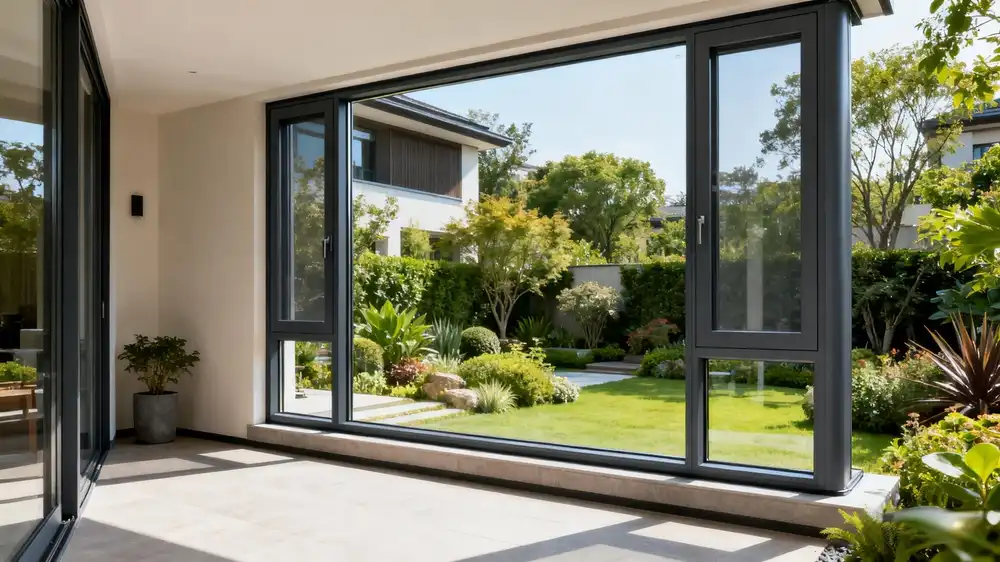
Understanding Thermal Break Casement Windows: Features and Benefits
What Makes Thermal Break Technology Different?
The high thermal conductivity of aluminum makes it hard to make windows that keep out heat. Thermal Break Casement Windows solve this problem. These windows make a good heat shield by putting a low-conductivity nylon strip between the inside and outside metal frames. This breaks up the flow of heat through the frame, which keeps energy loss to a minimum in the winter and heat gain to a minimum in the summer. The end result is a window that keeps the temperature inside fixed while making HVAC systems work less.
Core Performance Advantages
These windows improve performance in a number of ways that can be measured:
- Energy Efficiency: Compared to regular metal windows, the thermal shield cuts heat movement by a large amount. When buildings have the right thermal break systems, they often save money on heating and cooling costs. This is especially true in climates with wide temperature differences.
- Condensation Control: Thermal break windows keep the frame surface inside the window closer to room temperature. This keeps the dew point of indoor air from reaching metal surfaces. This gets rid of the mist issues that single-profile metal windows have when it's cold outside.
- Structural Integrity: New thermal break windows are made of 6063-T5 aluminum metal and have profile widths that range from 1.4mm to 2.0mm. This standard gives them great strength-to-weight ratios, which means they can be used for openings in mid-rise and high-rise buildings with heavy wind loads and strict structural needs.
- Acoustic Performance: Frames that are thermally broken and the right way to arrange the glass make good sound shields. Multi-layer EPDM closing systems make it easier to keep air out, which directly affects how well they block out noise, which is an important thing to think about for urban projects near traffic routes.
- Design Flexibility: These windows come in shapes for the 70, 80, 100, and 120 lines, and they can hold different amounts of glass, from normal double glazing to high-performance triple glazing. Slim profile designs make the most of the glass area, which lets more natural light into the inside while keeping the structure strong.
The surface treatments—powder coating, anodizing, or PVDF finishing—keep the color for a long time and protect against weather. When paired with 304 or 316 stainless steel gear, coastal projects benefit greatly from surface treatments that stop salt spray rusting.
Thermal Break Casement Windows vs. Other Window Types: A Comparative Insight
Performance Comparison with Standard Casement Windows
Casement windows made of traditional metal that don't have thermal breaks let heat pass easily through their frames. The frame is a thermal bridge that hurts the general performance of the window, even when high-performance glass is used. This problem is taken care of by Thermal Break Casement Windows, which raise frame U-values to levels that work with current low-emissivity glass packages. The difference is especially clear in buildings that are trying to get energy ratings or that are located in places with strict temperature performance rules.
How They Stack Up Against Sliding and Double Hung Options
Comparing casement windows to sliding ones, casement windows naturally keep out more air. When the window sash closes, it presses the weatherstripping against the frame, making a seal around the whole edge. If you compare this to sliding windows, they use moving covers that let some air in. Casement setups have clear benefits for projects where air loss rates have a direct effect on energy models or passenger comfort.
Double-hung windows have traditional looks and are easy to clean from the inside, but their meeting rails and multi-point closing systems make more seal surfaces. Casement windows with single-point or multi-point locking methods spread the force of closing more widely, which makes them more weatherproof. In seaside areas with a lot of wind or places with bad weather, this structure benefit means better long-term performance and less upkeep needs.
Material Considerations: Aluminum vs. uPVC and Vinyl
When it comes to strength, aluminum thermal break windows are hard for uPVC and vinyl to match in the same frame size. This makes it possible for sightlines to be thinner and panels to be bigger without affecting the structure's strength. Because of these aesthetic benefits, aluminum is often chosen for commercial projects and modern home designs.
Because they are less expensive and better at keeping heat in, uPVC windows are a good choice for jobs that need to stay within a budget. However, they don't stay the same color when exposed to strong UV light or high temperatures. If you treat the outside of your aluminum windows well, they will keep looking good and working well in a wider range of climates. The choice relies on the project's priorities: lowering costs up front versus sturdiness and design freedom over the project's lifecycle.
Procurement and Installation: How to Source and Implement Thermal Break Casement Windows Efficiently?
Supplier Evaluation Criteria
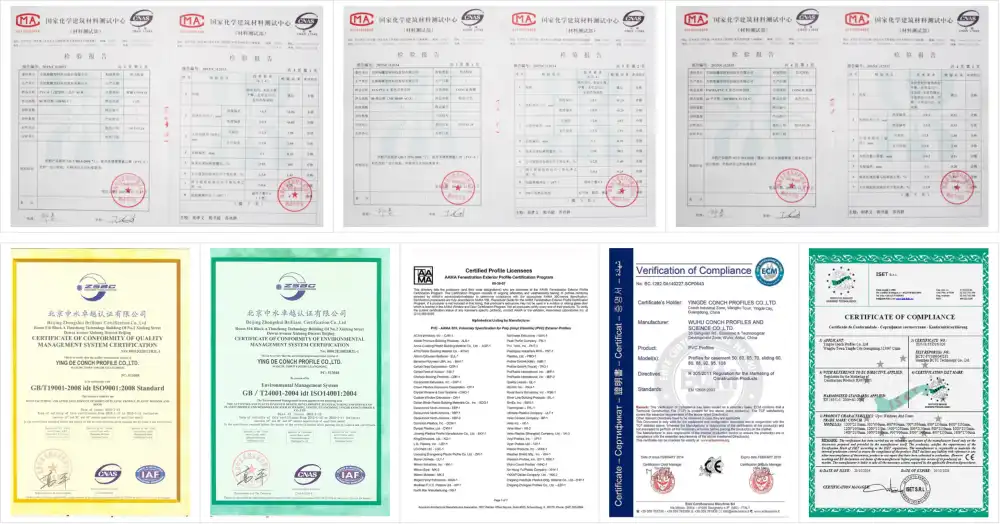
Thoroughly evaluating suppliers is the first step in effective buying. In addition to comparing prices, buying teams should look at how well the products can be made, how well they control quality, and how well the infrastructure supports the project. Companies that have ISO certification show that they handle quality in a planned way, and companies that have product certifications like NFRC scores or AAMA compliance back up their performance claims with proof from a third party.
When projects need unique designs or need to be delivered quickly, the factory's abilities are very important. Automated production lines with CNC cutting tools ensure uniform quality and accurate measurements. Integrated manufacturing processes, such as extruding metal, treating the surface, putting the parts together, and checking the end product, make quality more consistent and help keep delivery dates. For many procurement professionals, finding a reliable Thermal Break Casement Window manufacturer is the key to project success.
Customization and Technical Support
Large-scale projects don't always fit exactly into normal product lists. It's important to be able to change the sizes, shapes, gear requirements, and finishing details. Suppliers who offer technical support can help with project-specific problems like odd hole sizes, structural load requirements, sound performance goals, or integrating with certain curtain wall systems.
Costly specification mistakes can be avoided by getting technical advice during the design development process. Manufacturers with a lot of experience can help with everything from shop drawings to performance figures and installation instructions. This makes the building process go more smoothly. This help is especially helpful when working on big business projects with general builders, glass suppliers, and curtain wall fitters.
Pricing Structures and Order Logistics
It's clear that buying in bulk saves money, but the payment terms, guarantee terms, and shipping issues have a big effect on the total project costs. Freight costs are affected by container efficiency, which means getting the most window units per shipping container while avoiding damage during transport. Lead times from order approval to plant production, quality testing, and overseas shipping are usually between 25 and 30 days for normal specs. Custom orders may need longer lead times.
Knowing about these details helps project managers match delivery windows with building plans, so there aren't any costly delays or storage problems on the job site. When suppliers keep enough stock of popular setups, they can be flexible with schedules, which is good for fast-track projects.
Why Thermal Break Casement Windows Are the Smart Choice for Energy Efficiency and Sustainability?
Quantifiable Energy Performance
Thermal bridge through window frames can cause a lot of heat to escape through windows. Thermal Break Casement Window technology stops this electrical path, which raises the frame's U-values to levels that are the same as or better than those of the glass units. With double or triple glass that has low-emissivity layers and argon gas fills, these windows get total U-values that meet strict energy code standards.
In areas where heating is common, buildings save energy in the winter by losing less heat. When thermal break windows are paired with the right glass specs, areas that rely on cooling will experience less sun heat gain. Year-round, places with a mix of weather are better. The exact amount of money saved depends on the type of building, the temperature zone, and the HVAC system. However, thermal break windows that are properly installed always improve the results of building energy modeling.
Supporting Green Building Certifications
Green building programs like LEED and BREEAM give points for gains in envelope performance. Thermal break windows help with energy efficiency, daylighting, thermal comfort, and using eco-friendly materials, among other things. Their long-lasting nature and low need for upkeep are in line with lifetime assessment standards that look at the environmental impact after the building is finished.
Aluminum thermal break systems can have thin curves that let in the most light. This helps with daylighting credits and lowers the load on electric lighting systems. In cities with lots of people, where every percentage point of opening area counts for lighting inside, these design benefits make a project stand out.
Long-Term Return on Investment
The extra money that thermal break windows cost up front compared to other options is an investment that pays off in more than one way. Over the life of the building, direct energy saves lower running costs. Lowering the size of the HVAC system can lower the starting costs of the mechanical system. Making people more comfortable leads to happy tenants who stay in business properties.
When windows are properly defined for their exposure conditions, they don't need much upkeep. Good surface treatments keep the look of things without having to be painted over often. For many rounds, hardware solutions from reputable manufacturers work without any problems. Together, these factors make the useful life of a service longer and lower its total costs. Performance characteristics described here represent general industry standards. Specific performance metrics should be verified through product testing reports and third-party certifications for individual product selections.
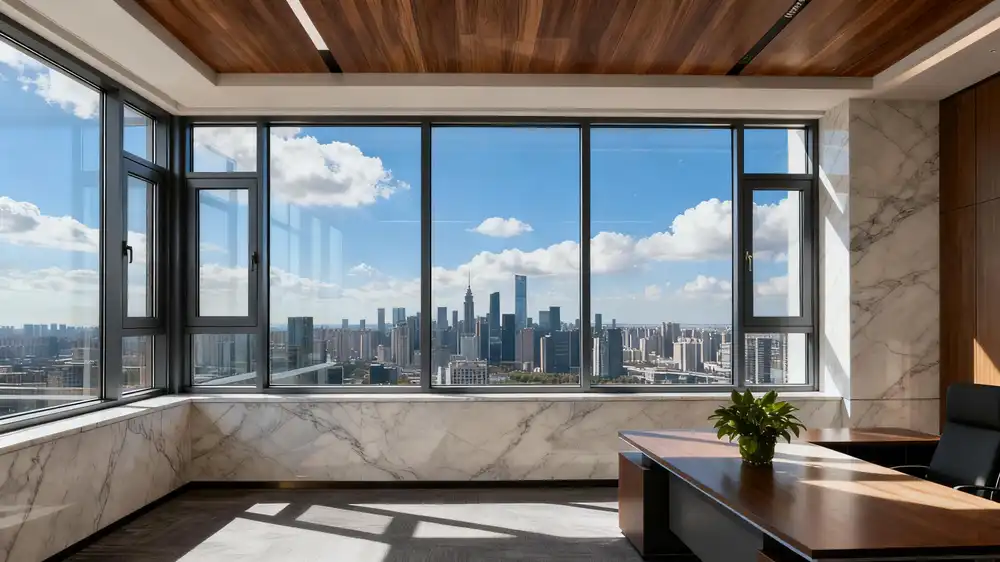
How to Choose the Best Thermal Break Casement Window for Your Project?
Matching Windows to Climate Conditions
The first step in proper window design is to look at the climate zones. In cold places, thermal protection is important, so triple glass and bigger Thermal Break Casement Window shapes are best. In hot places, it's important to reduce sun heat gain by covering glass properly and keeping a good thermal resistance. Hardware that doesn't rust and surface treatments that can handle salt spray are needed in coastal areas.
Wind load estimates figure out the necessary frame shapes and glass sizes that a structure needs to meet. For high-rise uses, you need designed methods with recorded data on how well the structure works. The project specs should include relevant building codes and performance standards. This way, you can be sure that the goods you choose meet the rules without including too many features that aren't useful for the job.
Balancing Performance, Aesthetics, and Budget
The 70, 80, 100, and 120 series numbers show the frame depth, which affects both the ability to keep heat in and the amount of glass that can fit. Deeper shapes can hold thicker insulated glass units, which improves thermal and sound efficiency but costs more in materials. Projects should choose the series that gives them the performance they need without adding extra depth that drives up costs and cuts down on glass area.
The color and finish you choose affects both the original cost and how the item looks over time. Powder finishing is very durable and doesn't cost too much. Anodized finishes look shiny and are better at resisting scratches. The high cost of PVDF coatings is justified by the fact that they offer the best weather protection and color stability. This makes them ideal for exteriors that get a lot of direct sunlight. Some requirements call for two-color choices, where the finishes on the outside should match the color scheme of the building and the finishes on the inside should match the color scheme of the room.
Evaluating Warranty and Support
Warranty terms show how confident the maker is in the product's longevity. Building owners and buying workers can reduce their risks by getting guarantees that cover both the materials and the performance of the finish. Knowing what guarantees cover and what they don't cover can help clear up problems that come up years after the installation.
Post-installation help is important, especially for big projects or growth programs that are still going on. Manufacturers who offer new parts, help with technical problems, and quick response to guarantee claims add value beyond the purchase of the product. Long-term site management benefits from building ties with makers who see projects as partnerships rather than deals.
Conclusion
Thermal break casement windows are an advanced technology that has been used for a long time and has been shown to work well in modern buildings. Because they stop thermal bridging while keeping the structural benefits and stylistic versatility of aluminum, they can be used for a wide range of projects in all climates. When buying pros are looking at window choices, these windows offer a great mix of energy efficiency, longevity, the ability to be customized, and overall value over time. Thoroughly writing specifications, picking the right suppliers, and working with project teams to make sure goods meet both short-term building needs and long-term performance goals are the keys to a successful implementation. When ordered and put correctly, these windows make a big difference in how comfortable the building's occupants are, how efficiently it runs, and how long it lasts.
FAQ
How much energy can thermal break casement windows actually save?
How much energy you save depends on a lot of things, like the temperature zone, the shape of the building, how well the windows work, and how efficient the HVAC system is. When buildings replace single-pane or normal metal windows with thermal break types, their heating and cooling costs usually go down by a large amount. Better general building shell performance is due to better airtightness and less thermal bridging. However, the exact percentage saves change from project to project.
What is the expected lifespan of these windows in commercial applications?
If you install quality thermal break casement windows correctly and keep them in good shape, they will last for a long time. Aluminum frames don't break down easily, and good surface processes keep the look and protect it. Over time, hardware parts may need to be adjusted or replaced, but frame systems usually keep their structural and heat performance for a long time after the guarantee period is over, as long as they are used in the right way.
Are thermal break windows suitable for all climate zones?
By choosing the right frame types, glass configurations, and hardware, these windows can work well in a wide range of temperatures. In cold places, thicker shapes that can accommodate triple windows work best, while in hot places, sun control glass with thermal break frames are better. Parts that don't rust are needed in coastal places. Working with skilled sources makes sure that the specs meet the needs of the region.
Contact Haolv Building Materials: Your Trusted Thermal Break Casement Window Manufacturer
Haolv Building Materials has been making specialized products for 18 years and works in the aluminum and uPVC fenestration business. We are a well-known company that makes thermal break casement windows. Our production facilities are state-of-the-art and include precision CNC cutting, automatic assembly, full quality control, and ISO-certified management systems. Our engineering team helps with project-specific customization by giving shop drawings, technical specs, and installation instructions that make it easier to coordinate buying and building things.
We know what's important for businesses when they buy things: stable quality, reliable delivery times, quick expert help, and low prices for large orders. Our relationship with top material sources guarantees the quality of our parts, and our integrated production process saves time and money without sacrificing accuracy. Our skills help you complete your project successfully, whether it needs standard setups from our 70, 80, 100, or 120 lines or special solutions that meet specific design needs.
To talk about your thermal break casement window needs, email our expert sales team at kristin@haolvwindows.com. We offer full project support services, detailed quotes, performance documents, sample planning, and detailed quotes. Go to haolvbuilding.com to see all of our products and learn more about how we can make them. Let us help you choose window and door options that improve building performance, help you reach your sustainability goals, and create places where people are truly comfortable—spaces that make them happy for a long time.
References
1. American Architectural Manufacturers Association. AAMA TIR-A8-04: Structural Performance of Composite Thermal Barrier Framing Systems. AAMA Technical Publications, 2018.
2. Carmody, John, Stephen Selkowitz, Eleanor S. Lee, Dariush Arasteh, and Todd Willmert. Window Systems for High-Performance Buildings. W.W. Norton & Company, 2004.
3. National Fenestration Rating Council. NFRC 100-2020: Procedure for Determining Fenestration Product U-factors. NFRC Technical Documents, 2020.
4. Passive House Institute. Criteria for the Passive House, EnerPHit and PHI Low Energy Building Standard. Passive House Institute, 2016.
5. Straube, John F. and Eric Burnett. Building Science for Building Enclosures. Building Science Press, 2005.
6. U.S. Department of Energy. Energy Efficiency and Renewable Energy: Window Technologies. DOE Building Technologies Office, 2021.
Fast simple channel to send demands lock favorable price for building window door bulk purchases.