- English
- French
- German
- Portuguese
- Spanish
- Russian
- Japanese
- Korean
- Arabic
- Greek
- German
- Turkish
- Italian
- Danish
- Romanian
- Indonesian
- Czech
- Afrikaans
- Swedish
- Polish
- Basque
- Catalan
- Esperanto
- Hindi
- Lao
- Albanian
- Amharic
- Armenian
- Azerbaijani
- Belarusian
- Bengali
- Bosnian
- Bulgarian
- Cebuano
- Chichewa
- Corsican
- Croatian
- Dutch
- Estonian
- Filipino
- Finnish
- Frisian
- Galician
- Georgian
- Gujarati
- Haitian
- Hausa
- Hawaiian
- Hebrew
- Hmong
- Hungarian
- Icelandic
- Igbo
- Javanese
- Kannada
- Kazakh
- Khmer
- Kurdish
- Kyrgyz
- Latin
- Latvian
- Lithuanian
- Luxembou..
- Macedonian
- Malagasy
- Malay
- Malayalam
- Maltese
- Maori
- Marathi
- Mongolian
- Burmese
- Nepali
- Norwegian
- Pashto
- Persian
- Punjabi
- Serbian
- Sesotho
- Sinhala
- Slovak
- Slovenian
- Somali
- Samoan
- Scots Gaelic
- Shona
- Sindhi
- Sundanese
- Swahili
- Tajik
- Tamil
- Telugu
- Thai
- Ukrainian
- Urdu
- Uzbek
- Vietnamese
- Welsh
- Xhosa
- Yiddish
- Yoruba
- Zulu
How to Buy a Frameless Swing Glass Shower Door & Avoid Mistakes?
To avoid expensive project delays and quality problems, buying a Frameless Swing Glass Shower Door necessitates careful consideration of technical specs, compliance standards, and seller capabilities. Using precision-engineered hinges to hold up tempered safety glass, this high-end building glazing option gets rid of the need for metal framing around the edges. People who work in procurement need to know about the required glass thickness (8–12 mm), the load limits of tools, sealing systems, and fitting tolerances. People often make mistakes like not estimating how much structure support they will need, choosing metal finishes that don't work with each other, and not paying attention to certification requirements like ANSI Z97.1 or CE standards. By following an organized evaluation process, from figuring out what the needs are to checking with the seller, you can make sure that the product is compliant, durable, and works well for a long time in both home and business settings.
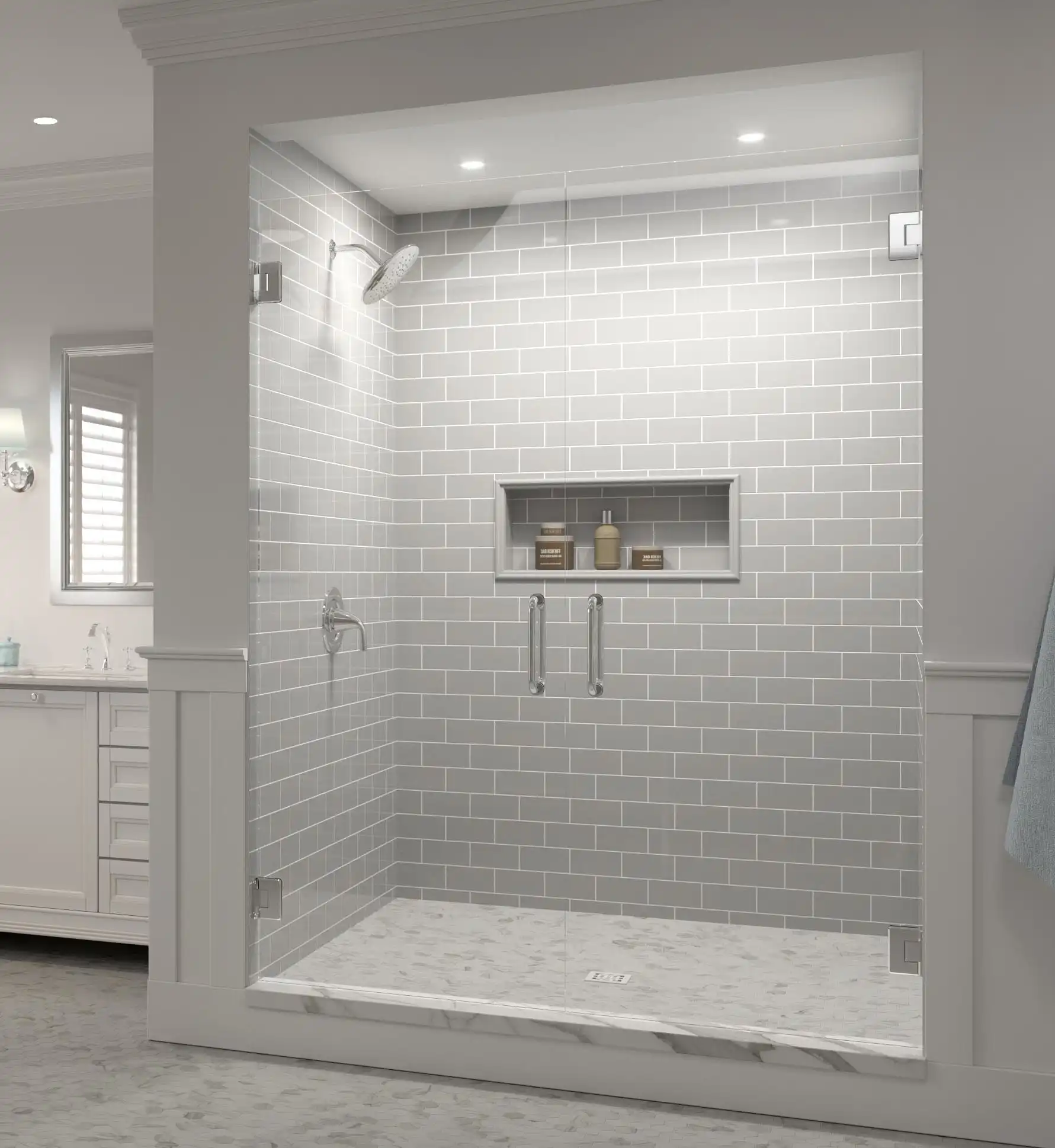
Understanding Frameless Swing Glass Shower Doors: Definition and Core Benefits
Frameless swing shower enclosures are different from other types of shower enclosures because of how they are built. Heavy-duty tempered safety glass is used as the main structural element in these units, as opposed to standard framed systems that use metal or vinyl for the edges. The thickness of the glass plates is usually between 8 mm and 12 mm, which gives them enough strength while still letting light pass through. The door's weight is supported by high-quality stainless steel hinges, which need to be carefully weighed during the design process.
What Makes Frameless Design Different
Traditional framed shower doors have metal lines that go all the way around the glass, making many places where water and cleaning residue can gather. Mold and mildew can grow on these tracks, especially in places like hotels where they get a lot of use. With the frameless method, these straight areas are not there at all. Instead, very little gear mounts directly to the glass through mounting holes that have already been drilled. This makes servicing about 40% easier than with framed options. This choice about design directly affects how much it costs property managers and building leaders to run their businesses.
Structural Performance and Longevity
For about four to five times more strength than regular annealed glass, tempered safety glass goes through a heat process that compresses the surface. When glass breaks, it doesn't break into dangerous pieces, but into small, mostly safe granules. 304-grade stainless steel is used for rust protection in wet settings for the hardware systems, especially the hinges and support bars. When units are properly put and specified, they have a long service life, but how well they work relies on the water quality, how they are cleaned, and how much they are used. The choice of material has a big effect on how often upkeep needs to be done and when to replace things.
Common Misconceptions in Procurement
A lot of buying managers think that all "frameless" goods meet the same performance standards, which can lead to mistakes in the specifications. The stability of a structure is directly related to the thickness of the glass. 8mm panels are good for normal domestic uses, while 10–12mm panels are better for business installations that get used more often. Another common mistake has to do with keeping water out. Frameless systems don't use overlapping frames to contain water; instead, they rely on precise fitting and high-quality sealing strips. No matter how good the glass is, protection can be compromised by bad fitting. These things make choosing a vendor and keeping an eye on the work very important to the success of the job.
Key Factors to Consider When Purchasing Frameless Swing Glass Shower Doors
Glass Specifications and Safety Standards
Every good Frameless Swing Glass Shower Door system starts with tempered safety glass. To temper glass, it is heated to about 620°C and then quickly cooled. This compresses the surface of the glass, making it more resistant to contact. In the US, glass must meet the ANSI Z97.1 guidelines for safety glazing materials for both business and domestic projects. In Europe, projects need to be CE-certified, and in Australia, sites need to meet AS/NZS 2208.
When choosing the width of glass, you have to balance the needs of the structure with your cash. An 8mm screen works well enough for most baths in homes that aren't used very often. 10 mm glass is better for places that will be getting a lot of foot traffic, like apartment buildings or small hotels, because it is more rigid and doesn't bend as much when doors are opened and closed. 12mm panels are often used in high-end projects because they look solid and last longer. The choice of thickness affects the hinge specs, since gear that can hold more weight needs to be thicker.
Surface treatments have a big effect on how often upkeep needs to be done. Normal clear glass lets tile work and natural light shine through, but it's easy for water spots to show up. Nano-coatings that are hydrophobic lower the surface tension, which makes water bead up and roll off instead of leaving behind mineral layers. These treatments make cleaning more often and use of harsh chemicals less necessary. This is especially helpful in business settings where labor costs affect operating budgets.
Hardware System Components
The strength of the hinge affects how well it works and how long it lasts. High-quality hinges have self-closing systems that work within a 15- to 25-degree range. This makes sure that the hinges close properly every time they are used. This function is especially useful in business settings where people might not close doors all the way. When made of solid brass or 304/316-grade stainless steel, it doesn't rust when cleaned with chemicals or exposed to water. Each pair of hinges must be able to hold the weight of the door, which is usually 50 kg per pair for normal setups.
Handle and towel bar choices aren't just about how they look. Surface finishes need to match other bathroom fittings and keep their ability to fight corrosion. Chrome finishes look classic and are easy to clean. Brushed nickel has a more modern, softer look that hides small water spots. Matte black and gold finishes make unique design statements, but they may need to be cleaned more often to keep their look. Whether you use clamp-on brackets or through-glass drilling for fixing affects how hard the work is and how well the structure holds up.
Support bars and wall channels spread the weight across the fixing points, which keeps stress from building up in one place and breaking the glass. Point-fixed systems depend on separate mounting points, while U-channel designs offer constant support along the vertical edges. The choice relies on how the walls are built, the size of the door, and your personal style. To make sure the fitting goes smoothly and the seal is good, the measurements must be exact (within ±1mm).
Installation Requirements and Professional Considerations
Professional installation saves both the warranty on the product and the schedule for the job. Anchoring must be possible through the wall surface; hollow walls may need to be reinforced at the back before hardware is installed. Before taking measurements, the tile work should be finished and fully dried, as accuracy in measures is very important. Even small changes in how straight the walls are or how square the corners are can affect how the door works and how much water stays inside.
To keep water from escaping, sealing devices use PVC strips with magnetic caps. The magnetic strips stick to the sides of the glass and press against walls or panels that don't move. This makes a barrier without the pressure that comes with regular sweeps. As part of routine upkeep, these parts need to be checked and replaced from time to time. If you place the magnetic strips correctly the first time, they will line up correctly and provide even force along their length.
Performance Disclaimer: How well sealing works, how long glass lasts, and how long hardware lasts depend on how well it was installed, the type of water that is present, how it is used, and how often it is maintained. Test reports from the manufacturer and reviews that are relevant to the project should be used to confirm certain performance qualities.
How to Compare Frameless Swing Shower Doors and Avoid Costly Errors?
Functional Differences Between Door Types
Tips for Comparing Frameless Swing Glass Shower Doors That Won't Cost You a Lot of Money. Swing doors move in a circle, which means there needs to be space outside the shower area for them to move. This design allows for wide, unrestricted entry, which is especially helpful for universal design projects that need wheelchair space. When compared to sliding systems, the swinging action lets water drain naturally from the door surface. This keeps minerals from building up. Inward-swinging designs are good for small baths, but they take up more space inside the shower when entering. Outward-swinging doors keep the shower area clear, but they need room on the bathroom floor for their circle.
Sliding shower doors save floor room because they move side to side on track systems. But these tracks make horizontal areas where soap residue and mineral layers build up, making cleaning more difficult. Because the panels meet, there is some water seepage, so floor draining needs to be thought about. Sliding systems usually cost less at first, but they may need more upkeep over time.
Instead of side hinges, pivot doors spin on fixing points at the top and bottom. This gives them a unique look. They can fit through bigger gaps than regular swing doors, but the floor needs to be properly draining so that water doesn't escape while the door is opening. Because the pivot hardware is placed on the floor, installation is more complicated than with standard swing setups.
Cost Analysis and Hidden Expenses
The initial buying price is based on more than just the glass area. The cost of materials is directly related to their thickness; 12 mm panels are usually 30–40% more expensive than 8 mm options. Hardware that is harder to use costs more. For example, self-closing doors cost more than standard pivot hardware, and high-end finishes cost more than basic chrome. Custom sizes are more expensive because they need to be cut and polished in a certain way.
Installation costs depend on the difficulty of the job and the cost of workers in the area. The easiest way to use this is with standard rectangular nook setups. Corner enclosures need extra panels and tools, which raises the costs of both materials and work. For wall-to-wall layouts, exact measures are needed, and special manufacturing may be needed, which can add to costs and wait times.
Replacement parts and repair calls bring up hidden costs. Cheap hardware might need to be replaced in a few years, which means not only paying for new parts but also paying for fitting work and the chance that the glass will get broken during service. Warranty coverage varies a lot from one maker to the next. In the long run, warranties that cover both defects in the materials and problems with the fitting are more valuable than warranties that only cover defects in the materials. Specifications should make guarantee terms clearer, such as how long coverage lasts, how to file a claim, and how long it takes for help to arrive.
Manufacturer Evaluation Criteria
Manufacturers that have been around for a while usually have better quality control and support systems. Companies that have been in business for a long time have improved their quality control and building standards over time. They keep up large networks of distributors that can help with guarantee service and new parts in your area. Documentation of product tests, such as data on impact resistance, load capacity, and rust resistance, shows that the engineering is sound.
The ability to manufacture affects the customizing choices and the dependability of delivery. When a facility tempers its own glass, it has better control over the quality of the glass and can make unique shapes faster. Accurate measurements are important for proper fitting, and automated cutting and drilling equipment makes sure of that. Suppliers who work with businesses know how to meet the schedule needs of projects and keep enough stock on hand to handle bigger orders.
Documentation for certification shows that area standards have been met. Product standards should come with ANSI Z97.1 certification for the US, CE marks for Europe, and any necessary local building code approvals. Third-party testing proof gives you more peace of mind than the manufacturer's own certification. It's easier to make sure quality standards are met when you ask for real test results instead of just accepting claims of compliance.
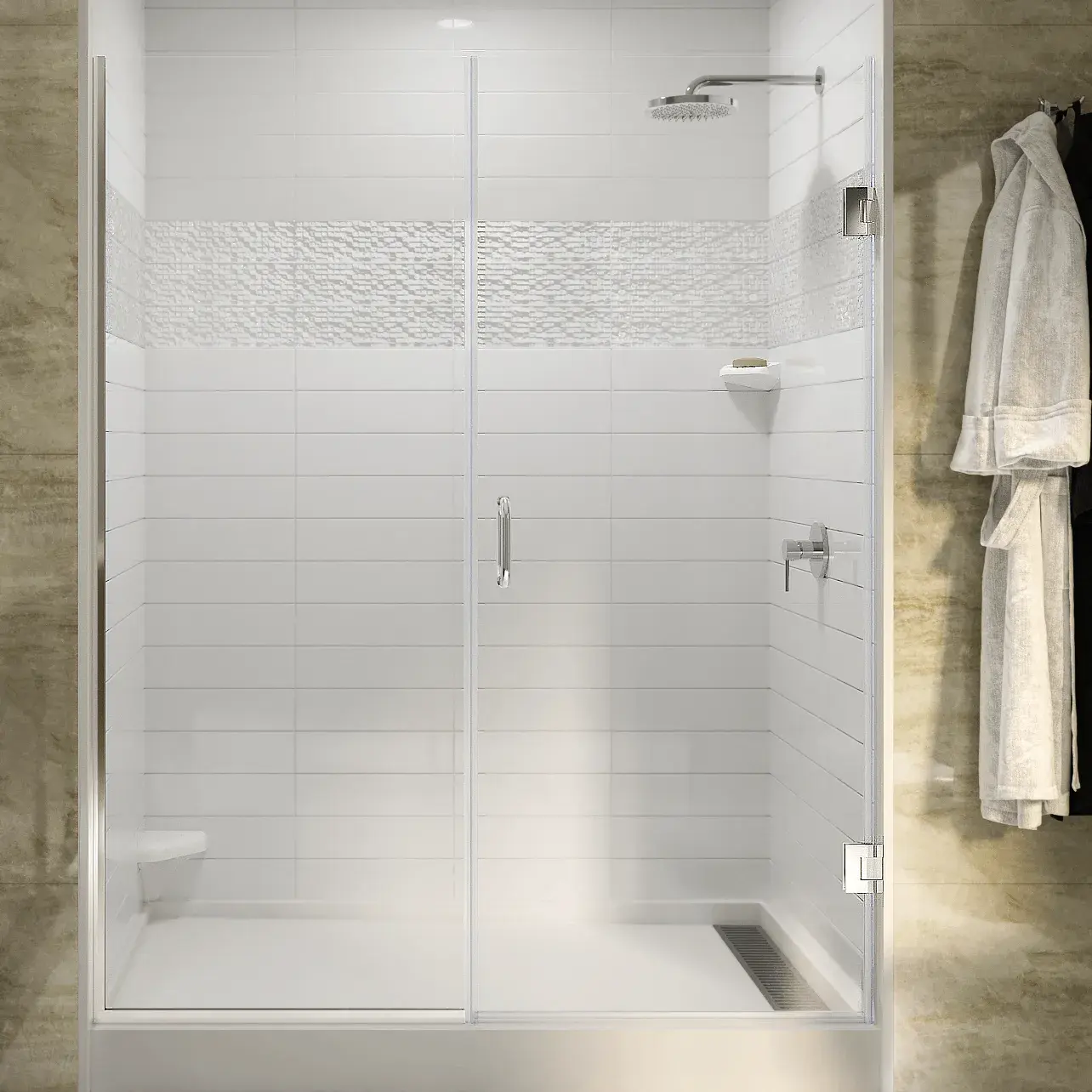
Step-by-Step Buying Guide: From Needs Analysis to Final Decision
Conducting Thorough Needs Assessment
Performing a full assessment for a Frameless Swing Glass Shower Door ensures the type of project correctly shapes the buying needs. When you build something new, you can change the rough-in sizes and the structural support, which lets you choose the best size and shape for your shower wall. When doing renovations, people have to work with the walls, pipes, and structure that are already there. It's very important to get accurate measurements in the field because mistakes in measurements can lead to expensive returns or changes to the field.
Volume needs affect how suppliers are chosen and how prices are set. For single-unit residential projects, area wholesalers who offer installation services may be a good choice. Direct links with manufacturers help multi-unit residential projects get better prices and better coordination of delivery plans. When working on commercial hospitality projects, there are some extra things that need to be thought about, like matching units across multiple bathrooms, keeping spare parts on hand for upkeep, and maybe even custom branding through etched names or unique hardware finishes.
The level of usage affects choices about specifications. Hotel bathrooms get used more than most homes' bathrooms, so buying bigger glass and higher-quality hardware to make them last longer is a good idea. Residential projects that are trying to stay within a budget might choose 8 mm glass with standard finishes, while high-end developments tend to use 12 mm glass with designer hardware and premium coatings.
Selecting Qualified Suppliers and Verifying Credentials
The first step in evaluating a supplier is to look at their producing skills. Facilities that weather glass, make tools, and put it all together offer better quality control than businesses that put together parts they bought. Dependability of delivery is affected by production capacity. Manufacturers with enough equipment and workers can stick to project plans even when demand changes unexpectedly. By asking for building certifications like ISO 9001 quality management systems, you can get a sense of how mature the operations are.
Professional sellers are different from commodity vendors because they can offer technical help. It is very helpful to have engineering staff who can look over building drawings, suggest the right specs, and solve problems that come up during installation. This knowledge is especially useful for unique jobs or projects that need dimensions that aren't standard. Suppliers who focus on commercial markets usually have better technology tools than those whose main business is retail to consumers.
Before committing to full orders, evaluating samples helps prove claims of quality. By asking for samples, you can see for yourself how clear the glass is, how well the metal is finished, and how well the whole thing was put together. The level of edge polishing, the accuracy of the hole drilling, and the fit of the tools are all signs of production standards. Testing hinge function, magnetic seal compression, and surface coats gives more than just a written review of performance.
Managing Logistics and Installation Services
Shipping issues affect the total cost and time frame of a job. To keep them from breaking while being shipped, glass pieces need to be carefully packed. Freight costs change a lot depending on how far the shipment is going, how much it weighs, and which service is chosen. When buying things from other countries, shipping them in containers can save you money, but it takes longer and more work to get them through customs. Deliveries from domestic providers are faster, but the cost per item may be higher.
Lead times depend on how busy the maker is and how much tailoring is needed. Standard-size units with common setups may ship within weeks, but custom orders that need unique glass cutting and metal finishes can take a lot longer. When planning a project, you should take into account how long it takes to make, ship, and clear borders if you are buying something from another country. To stay on schedule, it's helpful to get clear delivery promises and keep an eye on how work is going.
The availability of installation services affects the choice of provider, especially for smaller tasks. Suppliers who give installation make sure that everything is set up correctly and protect the guarantee. Large business projects, on the other hand, usually hire expert glazing contractors who know how to coordinate projects and follow building code rules. Making it clear who is responsible for installation during purchase stops arguments over wrong setups that void guarantees.
Common Pitfalls and How to Avoid Them When Purchasing Frameless Swing Glass Shower Doors
Specification Errors and Their Consequences
If you choose the wrong glass thickness for your Frameless Swing Glass Shower Door, you could end up with problems ranging from bad looks to structural problems. If you choose 8mm glass for a big door panel, it might bend too much when it's being used, making people unhappy with how thin it feels. On the other hand, selecting too much 12mm glass for small residential projects wastes money and doesn't improve performance in a useful way. Choosing the right thickness depends on the size of the door—panels wider than 900 mm usually work better with 10mm or 12mm glass.
When parts from different makers are mixed, hardware compatibility problems can happen. Hinges made for 10mm glass won't work with 8mm panels, which is bad for both the look and the strength of the structure. Handles and locks that don't match in finish make the whole thing look bad. Choosing full systems from a single maker makes sure that all of the parts work together and look good together.
Fixing mistakes in measurements costs a lot of money. For wall-to-wall installs, exact measurements must be checked because glass panels can't be cut in the field after they've been tempered. When walls aren't plumb or sides aren't straight, custom glass cutting is needed. Many makers deal with this by slightly undersizing their products and making the hardware changeable. But if there are too many differences in size, the wall may need to be fixed before the work can continue.
Underestimating Installation Complexity
Often, the requirements for preparing walls are higher than first thought. It takes a special skill to drill through brittle materials without breaking in order to mount tools to tile surfaces. For hollow wall building to safely hold the door weight, the backing may need to be strengthened. When attaching hardware, the waterproofing layer must be penetrated while keeping its structure. This requires careful attention to detail and proper sealing.
Installers with a lot of experience know the important factors that affect how doors work. When the hinges are lined up within 1-2 mm, the sliding motion is smooth and there are no gaps or stiffness. To get even tension around the whole door edge, the magnetic seal has to be placed very precisely. These details set professional installations apart from amateur ones, so the skills of the provider are an important thing to think about when buying something.
Functional problems happen when door swing space isn't planned for properly. Outward-swinging doors need enough floor space on the bathroom floor for their curve, taking into account where the toilet is placed, how far the sink sticks out, and how people use the bathroom. Shower features like showerheads, controls, and benches that could get in the way of the door's movement must be taken into account for inward-swinging designs. These problems can be avoided more easily with three-dimensional space planning during the design phase than with changes made after the installation.
Overlooking Long-Term Maintenance Requirements
Replacing sealing parts is a regular upkeep task that is often overlooked when the product is first bought. Magnetic strips and PVC plugs slowly break down when they are compressed and cleaned with chemicals over and over again. Setting up change plans and finding replacement parts keeps water containment systems working well. Suppliers should make it clear what parts are available and include upkeep instructions with the first installs.
Over time, the cleaning process standard changes the way glass looks. Nano-coatings lose their ability to repel water when they are scratched by rough tools. Hardware treatments that are brushed or matte can be damaged by harsh chemicals. Giving care staff the right cleaning directions will keep a product's look and performance. This is especially important to think about for business buildings where housekeeping staff turnover could lead to bad cleaning methods.
Hardware that can be adjusted can make up for small installation or setting differences. Good hinges have adjustment screws that can be used for both vertical orientation and fine-tuning the compression. Door knobs may need to be tightened every so often to keep them in place. Choosing hardware with these serviceability features and teaching support staff how to make adjustments increases the life of the product and keeps it running at its best.
Conclusion
In conclusion, to get a Frameless Swing Glass Shower Door that works well and looks good for a long time, you need to find a source that can meet all of your technical needs and meet your fitting needs. Focusing on choosing the right glass thickness, checking the quality of the hardware, and having a professional install it stops common mistakes that hurt both usefulness and project budgets.
Making an informed choice means knowing the differences between door types, doing thorough cost studies that include hidden costs, and judging makers based on their licensing paperwork and support infrastructure. The organized method—from figuring out what the whole project needs to coordinating logistics and planning for maintenance—makes sure that procurement teams, general contractors, and developers get reliable products that meet project needs and make end users happy in both home and business settings.
FAQ
Q1: How thick should the glass be for commercial shower door applications?
A: 10mm to 12mm tempered safety glass is usually needed for commercial setups because it can handle more use and last longer. The thicker glass doesn't bend as much while it's working, and it looks more solid, which is good for dining settings. Some residential uses with light traffic may be fine with 8mm glass, but 10mm glass is much more rigid and lasts longer.
Q2: What certifications should I verify before purchasing shower doors for US projects?
A: In the United States, installers should follow ANSI Z97.1 guidelines for safety glazing products and CPSC 16 CFR 1201 guidelines for architectural glass. Tempered glass must have lasting marks that identify it. Hardware parts should meet the standards for corrosion protection, especially for installs near the coast. Do not accept verbal promises; instead, ask for proof of cooperation.
Q3: Can frameless shower doors be installed on any wall type?
A: How easy it is to install something relies on how the walls are built and how strong they are. Solid walls, like those made of concrete, stone, or drywall that is properly built and finished, give enough supporting strength. For hardware loads to be spread out, hollow walls may need support backing plates. Tile surfaces need to be carefully drilled so that they don't crack. Professional evaluation of the wall conditions during the planning phase finds possible problems before they are bought.
Q4: What maintenance schedule keeps frameless shower doors performing optimally?
A: Mineral buildup that can damage sealing parts and metal finishing can be avoided by cleaning regularly with non-abrasive products. Every three months, the magnetic strips and PVC seals are checked for wear that needs to be replaced. A once-a-year check of the hardware makes sure that it is aligned correctly and mounted securely. Proper care greatly extends the service life across a range of usage intensities, though specific times should be changed depending on how hard the water is and how often it is cleaned.
Partner with Haolv Building Materials for Your Frameless Swing Glass Shower Door Projects
Haolv Building Materials has been making specialized products for more than 18 years and can help you with all of your glazing needs as a reliable Frameless Swing Glass Shower Door maker. Our cutting-edge production center uses precise CNC cutting, automatic assembly systems, and strict ISO-certified quality control at every stage of the manufacturing process. We sell high-quality gear made of 304 stainless steel and Xinyi tempered safety glass that is 8 mm, 10 mm, or 12 mm thick and meets 3C, CE, and ANSI standards.
Our technical team offers free advice and solution design services to help with your projects. They can support them with unique setups that include clear, frosted, tinted, and patterned glass, as well as a range of hardware finishes, from chrome to matte black. Get in touch with kristin@haolvwindows.com to talk about your unique needs and get clear technical specifications backed by our all-in-one product support and full-process project follow-up services.

References
1. Glass Association of North America. "Glazing Manual: Tempered Glass Performance Standards and Installation Guidelines." Technical Publication Series, 2021.
2. National Glass Association. "Safety Glazing Certification Council Standards for Shower Enclosures." Industry Standards Document, 2022.
3. American National Standards Institute. "ANSI Z97.1-2015: Safety Glazing Materials Used in Buildings - Safety Performance Specifications and Methods of Test." American National Standards Institute Press, 2015.
4. Bathroom Manufacturers Association. "Commercial Shower Enclosure Specification Guide for Architects and Contractors." Professional Reference Manual, 2020.
5. Building Hardware Manufacturers Association. "Corrosion Resistance Standards for Wet Environment Applications." Technical Bulletin 2019-04, 2019.
6. International Association of Certified Home Inspectors. "Shower Door Installation and Water Intrusion Prevention: Best Practices for Residential and Commercial Properties." Educational Monograph, 2023.
Fast simple channel to send demands lock favorable price for building window door bulk purchases.