- English
- French
- German
- Portuguese
- Spanish
- Russian
- Japanese
- Korean
- Arabic
- Greek
- German
- Turkish
- Italian
- Danish
- Romanian
- Indonesian
- Czech
- Afrikaans
- Swedish
- Polish
- Basque
- Catalan
- Esperanto
- Hindi
- Lao
- Albanian
- Amharic
- Armenian
- Azerbaijani
- Belarusian
- Bengali
- Bosnian
- Bulgarian
- Cebuano
- Chichewa
- Corsican
- Croatian
- Dutch
- Estonian
- Filipino
- Finnish
- Frisian
- Galician
- Georgian
- Gujarati
- Haitian
- Hausa
- Hawaiian
- Hebrew
- Hmong
- Hungarian
- Icelandic
- Igbo
- Javanese
- Kannada
- Kazakh
- Khmer
- Kurdish
- Kyrgyz
- Latin
- Latvian
- Lithuanian
- Luxembou..
- Macedonian
- Malagasy
- Malay
- Malayalam
- Maltese
- Maori
- Marathi
- Mongolian
- Burmese
- Nepali
- Norwegian
- Pashto
- Persian
- Punjabi
- Serbian
- Sesotho
- Sinhala
- Slovak
- Slovenian
- Somali
- Samoan
- Scots Gaelic
- Shona
- Sindhi
- Sundanese
- Swahili
- Tajik
- Tamil
- Telugu
- Thai
- Ukrainian
- Urdu
- Uzbek
- Vietnamese
- Welsh
- Xhosa
- Yiddish
- Yoruba
- Zulu
What is a double sliding window?
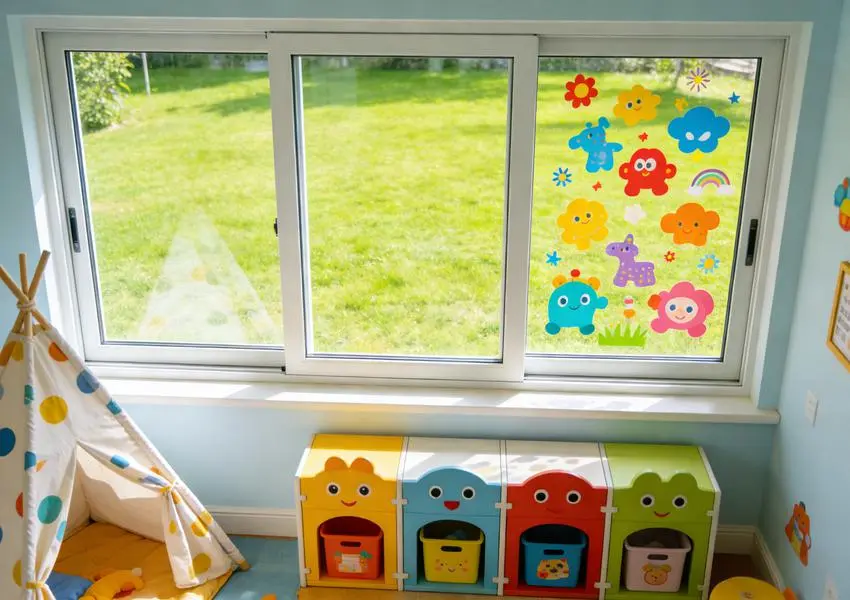
When looking for fenestration options for either business or private projects, it's important to know how window systems are built and how they work. A double sliding window has two horizontal screens that move separately along parallel tracks. This lets in air without needing extra space on the outside. Unlike casement or awning windows that open outward, this design makes the most of the floor space that can be used, which is very important in urban makeovers and high-density projects. The Two Track UPVC Sliding Window is a more modern take on this idea. It combines unplasticized polyvinyl chloride frames with two-track systems to make it durable, good at keeping heat in, and affordable. This method solves common problems like frame rust near the coast, the need for a lot of upkeep for wooden options, and the high heat transfer of metal profiles.
Understanding Double Sliding Windows and Two Track uPVC Sliding Windows
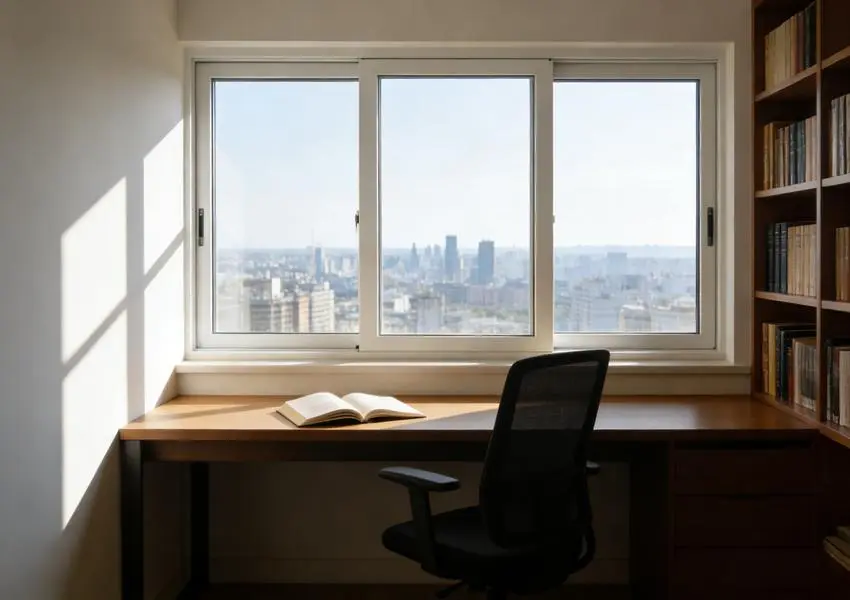
The simple but effective way that double sliding windows work is that they have two moving panels that sit on separate tracks. This lets one or both sashes open while the other stays still. This layout works especially well in places where walks, HVAC units, or greenery make it impossible for patterns to open outward.
The Two-Track Advantage in uPVC Systems
The operating freedom of the dual-track design makes it stand out. The main glass panel usually goes on one track, and a backup sash or bug screen goes on the second. This split lets people move around freely, so they can exactly control the amount of air while keeping bugs or security in mind. In single-track systems, panels overlap and make openings narrower. The Two Track UPVC Sliding Window design, on the other hand, lets you make openings that are bigger, which is important for meeting air rules in projects that are for institutions or multiple families.
Why uPVC Dominates Modern Specifications?
Polyvinyl chloride that hasn't been shaped has become the material of choice for many scientific reasons. The multi-chamber profile design, which has between three and five air pockets inside, makes thermal breaks that make heat movement much slower. The frame wall thickness is usually between 2.0 mm and 2.8 mm, which meets Class A construction standards and allows for galvanizing steel supports to fight wind loads.
UPVC doesn't take water like wood does, so it won't bend, rot, or get damaged by termites. It doesn't need thermal break pieces like metal does, and it naturally doesn't corrode when exposed to high salt levels. High-quality titanium dioxide protectors protect against UV rays, so the color doesn't change even when exposed to strong sunlight. These features of the material directly lead to lower lifetime costs, which is a key factor for makers controlling the long-term performance of assets.
Applications Across Project Types
This window method works in a variety of purchasing situations. The simple construction needs and low cost of production make budget home projects a good idea. Rental homes like how low-maintenance they are and how long they last even after a lot of use. The small opening sizes, which are popular in bathrooms, kitchens, and stairwells, work well with the slim sash shapes without losing utility. Commercial properties near the coast benefit from the resistance to rust, and remodeling projects appreciate being able to fit standard rough holes without having to make major structural changes.
Features and Benefits of Two Track uPVC Sliding Windows
Technical specs have a direct effect on how the project turns out, so buying workers who are comparing various sellers need to have a deep understanding of the system's features.
Core Technical Specifications
Our Series 70 and 80 tools are examples of engineering that is standard in the field. The multi-chamber Two Track UPVC Sliding Window shape has steel reinforcements that range in width from 1.2mm to 2.0mm. This gives spaces up to normal household sizes structural stability. The two-panel horizontal slide design uses stainless steel bars and precision-engineered rollers to make sure the door works smoothly for thousands of rounds. When the windows are closed, central locking mechanisms keep them in place, and stoppers keep them from falling out by mistake. Brush sealing systems line the edges of the tracks, stopping dust and water from getting in. This is important for keeping the air quality inside and stopping damage caused by water.
Different types of glass can be used depending on the needs of the job. Single glass works well in warm areas or secondary rooms where heat efficiency is not important. When mixed with Low-E coatings, double-glazed insulated glass units (IGUs) with opening sizes of 20mm to 24mm can achieve U-values close to 1.6 W/m²K, meeting stricter energy standards. Sound shielding usually cuts noise by 25 to 30 decibels, which is enough for neighborhood homes but not as good as specialized acoustic systems.
Comparative Performance Analysis
When you compare the two-track UPVC folding window to other options, you can see that it works better. Single-track sliding windows are cheaper to buy at first, but they have narrower openings because both panels can't open at the same time. This means that only 50% of the space is available for air flow. Aluminum slide windows have better views but let heat escape quickly unless they have expensive thermal breaks installed. They are also more likely to rust in coastal areas. For wooden frames to stay weatherproof, they need to be sealed and painted on a regular basis. This adds up to ongoing upkeep costs that add up over a 20-year service life. Casement windows are better at keeping air out and controlling airflow, but they need clearance zones on the outside, which makes installation near property lines or other buildings more difficult.
The total cost of ownership is directly affected by these factors. Even though metal may have cheaper starting material costs, UPVC systems usually make more money over the life of a building because they don't need as much upkeep and keep heat in better. To account for differences between makers, exact performance comparisons should use individual product testing results.
Energy Efficiency and Acoustic Control
This kind of thermal protection comes from using multi-chamber shapes and the right kind of glass. The air spaces in the UPVC frame stop heat from moving, and the double glass adds another barrier. In mild areas, this design significantly lowers HVAC loads, which results in lower operating costs for building owners and is a selling point for developers looking for renters who care about the environment.
How well the glass blocks sound depends on how thick it is, how wide the gaps are, and how well it is sealed. Standard setups reduce noise by 25 to 30 decibels, which is good for residential areas but might not be enough for homes next to roads or industrial zones. If the needs of the project call for it, specifying stronger glass or reinforced acoustic windows can improve sound absorption.
How Two-Track uPVC Sliding Windows Work and Installation Guide?
By understanding working processes and installation methods, project teams can make sure that deployments go smoothly, with as few calls and guarantee claims as possible. The Two Track UPVC Sliding Window mechanism relies on these precise protocols.
Functional Mechanics
Rollers that were carefully made and attached to the bottom rail of each sash make the moving happen. These rollers connect to stainless steel tracks that are built into the window sill. This spreads the weight of the panel out evenly, which reduces friction. Good hardware systems have adjustment screws that let workers fine-tune the roller height for perfect alignment, which is very important to avoid locking or too much play. Because it has two tracks, each sash can open and close on its own. One panel can stay closed while the other opens, letting in some air while keeping the door safe.
Drainage systems are built right into the form of the floor. At regular distances along the track, holes can be seen that drain water away so it doesn't pool inside the frame. This is necessary when it rains a lot. Orienting the slope properly during installation makes sure that gravity-driven draining works correctly. This keeps water from building up, which could damage the seal over time.
Pre-Installation Considerations
The success of an installation depends on accurate measurements. The rough hole sizes need to take into account the frame size plus extra space for insulation and shimming. Wall suitability checks make sure that the structure can hold the weight of the window and the wind loads that are expected. Masonry holes need different ways to be fastened than wood-framed building, so the right bolts and coatings are needed. Levels, shims, glue guns, drill sets, and screws that are approved for the base material are some of the tools that are usually needed.
Installation Procedure Overview
Before adding coatings, the process starts with test-fitting the frame to make sure the measurements are correct. Once it is sure, a continuous bead of waterproof sealer goes around the outside of the nailing fin or lip. The frame is then put into the rough hole, leveled exactly in both the horizontal and vertical planes with shims, and held in place for now.
After making sure the frame is straight by measuring the diagonals, permanent fasteners are put in place at regular intervals—usually every 12 to 16 inches along the head and jambs. Expanding foam fills in any holes left between the frame and the rough opening. This adds protection and allows for small changes in the structure. The uncovered edges are then covered with exterior trim or siding, and the waterproof shell is finished with final sealing beads. The sashes are put in last, which keeps the tracks clean and unbroken while the work is being done.
Common Installation Challenges
Misalignment is the most common problem, which is usually caused by not leveling or shimming properly. Even small changes can make the system less effective—sashes get stuck, seals get squished unevenly, and water can't drain properly. Tightening the screws too much can bend the frame. This is especially true for UPVC systems, where too much force bends the shape and makes it impossible for the sash to move. If you don't use enough caulk, thermal bridging and moisture entry paths are made, which hurts the window's performance. Installation teams with a lot of experience always follow the manufacturer's instructions to the letter, knowing that cutting corners hurts both the immediate function and the long-term sturdiness.
Procurement Insights: Choosing and Buying Two-Track uPVC Sliding Windows
When buying from businesses, choices are based on more than just price per unit, so procurement managers have to look at sellers as a whole.
Selection Criteria for B2B Buyers
The first step in figuring out durability is looking at the shape. When the walls are thick enough and have multiple chambers, they are better at resisting bending and heat stress than economy shapes. Specifications for steel support are important. For bigger spaces or areas with a lot of wind, wider thicknesses make the structure more stable. The quality of the hardware directly affects how long it will work. In acidic settings, stainless steel parts last longer than zinc-plated ones. The design of the sealing system affects both how well it resists weather and how often it needs to be maintained. For example, EPDM gaskets stay flexible longer than PVC seals, which lowers the number of callbacks.
The cost of something is more than just the buying price. Landed costs for a Two Track UPVC Sliding Window order are affected by freight charges for shipping containers, customs taxes, and interior transportation. When you order in bulk, you can usually get savings, but you need to make sure you have enough store space and can accurately predict demand. Terms of the warranty show how confident the maker is in the product; longer coverage periods and thorough claim processes show a commitment to quality. Service skills like expert help, the ability to accommodate special sizes, and the dependability of shipping set providers apart in bids.
Ratings of energy efficiency have a big effect on lifetime costs. Windows that meet ENERGY STAR requirements or area standards that are similar can help projects get green building certifications and maybe even utility rebates. The numbers for thermal permeability (U-factor) and solar heat gain coefficient (SHGC) should match the needs of the temperature zone in order to get the best warmth and cooling.
Supplier Evaluation Framework
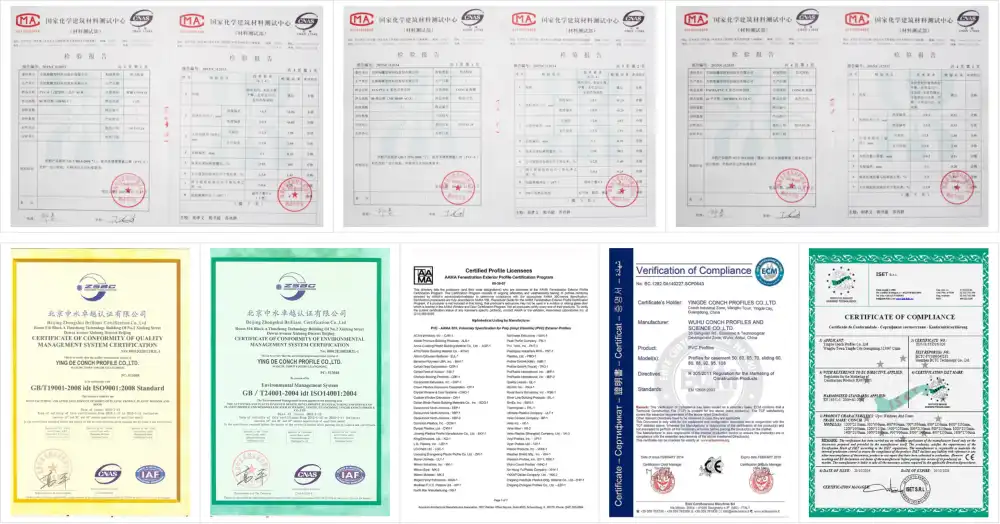
Objective quality assurance is provided by certification checks. ISO 9001 approval shows that quality management is organized, and CE marking shows that European rules have been followed. This is a standard that can be used for areas outside of the EU as well. NFRC marking verifies claims about energy efficiency through independent testing, so you don't have to rely on what the maker says. Certification by the American Architectural Manufacturers Association (AAMA) means that the building meets North American norms, which is very important for US projects.
Factory capacity estimates help you figure out if a supplier will be able to finish a job on time. Production equipment, such as extruder lines, CNC cutting machines, and automatic welding stations, shows how advanced the production process is. Lead times should include both standard and special orders, and there should be clear ways to communicate about changes to the plan. Export knowledge is very important; sellers who know about foreign shipping rules, required paperwork, and operations planning can keep delays and customs problems to a minimum.
Haolv Building Materials' Capabilities
Our building has been specializing in manufacturing for 18 years and combines all the necessary production steps under one roof. Our multi-chamber profile extrusion lines make frames that meet strict measurement limits, and our partnerships with well-known sources of raw materials ensure uniform quality. Precision is kept even during large-scale production runs by automated cutting and welding systems, and ISO-certified inspection standards are followed at every stage of production by our quality control routines.
Our products cover all of your fenestration needs, including frames, glazing choices, and metal parts. This means that you can get everything you need from a single source, which makes managing your vendors easier. Customization services can work with odd sizes and shapes, and they are backed by technical teams that can read building models and plan out the details of installation. Having enough inventory makes it possible to fill orders quickly. Usually, it takes 25 to 30 days from the time an order is confirmed until it is ready to be shipped.
Maintenance, Energy Efficiency, and Long-Term Performance
After installation, care directly affects the operating lives and long-term performance. This is why site managers and building owners need to know about upkeep procedures.
Routine Maintenance Practices
The first step in cleaning a Two Track UPVC Sliding Window is to use vacuum tools or soft brushes to remove any dirt that has built up on the tracks. You should stay away from abrasive cleaners because they damage UPVC surfaces. To clean the frame, you only need light soap solutions and soft cloths. Petroleum-based oils attract dust and leave behind sticky leftovers that make operation less smooth. Silicone-based sprays are better for keeping tracks smooth. Every year, roller systems need to be inspected to look for wear patterns that show that the bearings are out of line or starting to break down. Check the seals for tension set or breaking, especially after severe weather. Replacement seals are easy to find and can be put in place without any special tools.
Drainage holes need to be fixed every three months or after a big storm. A buildup of debris stops water from leaving, causing it to spread into inner areas. Most clogs can be cleared with a simple wire probe, but stubborn ones might need compressed air or the sash to be taken off for a full cleaning.
Troubleshooting Common Issues
Problems with operations are often caused by things that can be fixed. Misalignment, dirty tracks, or dry lube are often to blame for binding or stiff action. Most problems can be fixed by re-leveling the frame or changing the height of the rollers. Finding air leaks in drafty places means that the seal is broken or wasn't installed correctly. These problems can be fixed by replacing the weatherstripping or applying sealant again. If there is condensation between the glass panes, it means that the IGU seal has failed. This means that the glazing unit needs to be replaced because the moisture entry destroys the thermal performance forever. If locking mechanisms don't work right, they might need to be adjusted or replaced. However, good hardware systems rarely need to be fixed during guarantee times.
Energy Consumption and Sustainability
Thermal insulation cuts down on the need for warmth and cooling in a measurable way. Buildings that have been renovated with energy-efficient UPVC windows usually report 15–25% lower HVAC energy use. However, real saves can vary depending on the temperature, the building shell, and how the occupants behave. These cuts lead to continued cost savings that add up to big savings over decades, giving building owners a better return on their investment.
Environmental concerns go beyond how much energy is used for operations. UPVC manufacturing methods have changed over time to reduce waste and pollution. For example, many suppliers now use closed-loop recovery systems for production waste. Longevity of materials means they need to be replaced less often, which saves resources over the life of a building. More and more, disposal rules stress recycling because UPVC can be reground and turned into new profiles. However, pollution from mixed materials like steel support makes separation harder.
Disclaimer: Certain efficiency measures may be different depending on the quality of the system, the location, and the type of product being used. When judging technical claims, you should always look at approved tests results and maker standards.
Conclusion
Cost control, operating ease, space economy, and good thermal performance are all things that double sliding windows, especially Two Track UPVC Sliding Window setups, meet at the same time. The dual-track system gives you options for airflow while keeping the shapes small enough to fit through tight spaces. Material benefits built into UPVC construction make buildings last longer against natural factors without needing a lot of upkeep. When purchasing professionals look at these systems, they should put source certifications, the ability to customize, and the dependability of shipping above unit price. When installed correctly and maintained regularly, something will keep working well for many years or even decades. As energy rules get stricter and concerns about sustainability grow, the economic case for efficient window systems gets stronger. This makes these systems a sensible choice for projects on a budget that want reliable, long-term performance.
FAQ
What is the expected lifespan of a two-track uPVC sliding window?
Service life is usually between 20 and 30 years in normal home use, but this relies a lot on the surroundings, how well it is maintained, and the quality of the product. Without proper care, things may not last as long in coastal areas exposed to salt spray, but in mild rural conditions with regular upkeep, they can last longer than thirty years. Hardware parts like wheels and locks might need to be replaced before the frame breaks.
Can these windows be customized for large-scale commercial projects?
Different manufacturers offer different levels of customization, but most well-known brands can work with non-standard sizes, custom glass arrangements, and different hardware choices for the Two Track UPVC Sliding Window. Early on in the buying process, projects that need special colors, profiles that match history records, or connection with certain building management systems should make their needs known. Custom orders usually have lead times that are 4 to 6 weeks longer than normal production processes.
How do maintenance requirements compare with aluminum windows?
UPVC systems usually don't need to be maintained as often as metal systems. Aluminum frames need to be checked for rust on a regular basis, especially at weep holes and other places where two different metals touch. They may also need to be refinished every 10 to 15 years to keep their good looks. UPVC frames don't rust and usually only need to be cleaned once in a while. The plans for cleaning the tracks and lubricating the tools are the same for both methods.
Partner with Haolv Building Materials for Reliable UPVC Window Solutions
Finding the right Two Track UPVC Sliding Window maker isn't just about looking at product specs; you need to find a seller that can handle complicated buying processes from the initial meeting all the way through installation. When it comes to making aluminum and UPVC fenestration systems, Haolv Building Materials has almost twenty years of experience. Our cutting-edge factories use both CNC precise equipment and automatic assembly lines to make sure that all of our big orders are the same size while still being able to meet specific needs.
Quality control is more than just checking; it's built into our process through relationships with top material providers like CONCH, ISO-certified production routines, and thorough testing methods that confirm the performance of structural, thermal, and operational aspects. Our CE, ISO, and AAMA approvals show that our goods meet foreign standards that are important to the markets you want to reach.
In addition to manufacturing, we provide full project support, including technical consultation services to help you choose the right systems for your needs, free sample programs to let you try things out before placing a large order, and full-process project coordination to make sure deliveries are made on time and construction schedules are met. Our adequate stocking levels and 25–30 day production cycles keep project delays to a minimum, and the fact that we can source frames, glazing, and hardware all in one place makes managing vendors easier. Email our expert team at kristin@haolvwindows.com to talk about your project needs and get full specs that fit your buying needs. We'd love the chance to show you how our two-track UPVC sliding window systems can give your projects the longevity, performance, and value they need.
References
1. "Fenestration Performance Standards and Testing Protocols," National Fenestration Rating Council Technical Manual, 2022 Edition.
2. Smith, J., & Chen, L. (2021). Comparative Analysis of Window Frame Materials in Commercial Construction. Journal of Building Envelope Design, 18(3), 45-62.
3. "Energy Efficiency in Residential Buildings: Window System Optimization," U.S. Department of Energy, Building Technologies Office, 2023.
4. Martinez, R. (2020). UPVC Extrusion Technology and Profile Engineering. International Polymer Science Quarterly, 34(2), 112-128.
5. "Sliding Window Hardware Systems: Design Considerations for Durability," Architectural Hardware Manufacturers Association, Technical Bulletin 2021-07.
6. Thompson, K., & Patel, S. (2022). Lifecycle Cost Analysis of Fenestration Systems in Multi-Family Housing. Construction Economics Review, 29(4), 201-219.
Fast simple channel to send demands lock favorable price for building window door bulk purchases.