- English
- French
- German
- Portuguese
- Spanish
- Russian
- Japanese
- Korean
- Arabic
- Greek
- German
- Turkish
- Italian
- Danish
- Romanian
- Indonesian
- Czech
- Afrikaans
- Swedish
- Polish
- Basque
- Catalan
- Esperanto
- Hindi
- Lao
- Albanian
- Amharic
- Armenian
- Azerbaijani
- Belarusian
- Bengali
- Bosnian
- Bulgarian
- Cebuano
- Chichewa
- Corsican
- Croatian
- Dutch
- Estonian
- Filipino
- Finnish
- Frisian
- Galician
- Georgian
- Gujarati
- Haitian
- Hausa
- Hawaiian
- Hebrew
- Hmong
- Hungarian
- Icelandic
- Igbo
- Javanese
- Kannada
- Kazakh
- Khmer
- Kurdish
- Kyrgyz
- Latin
- Latvian
- Lithuanian
- Luxembou..
- Macedonian
- Malagasy
- Malay
- Malayalam
- Maltese
- Maori
- Marathi
- Mongolian
- Burmese
- Nepali
- Norwegian
- Pashto
- Persian
- Punjabi
- Serbian
- Sesotho
- Sinhala
- Slovak
- Slovenian
- Somali
- Samoan
- Scots Gaelic
- Shona
- Sindhi
- Sundanese
- Swahili
- Tajik
- Tamil
- Telugu
- Thai
- Ukrainian
- Urdu
- Uzbek
- Vietnamese
- Welsh
- Xhosa
- Yiddish
- Yoruba
- Zulu
How to Choose UPVC Flush Casement Windows for Energy Efficient Homes
Choosing the right UPVC Flush Casement Windows comes down to matching technical specifications with the energy targets, climate and budget of the market you serve. UPVC Flush Casement Windows combine a flat exterior face with the insulation values modern building regulations expect, but the performance you actually deliver depends on four variables: profile chamber design, reinforcement, the gasket stack, and glazing specification. For trade buyers sourcing across cold, hot-humid and coastal zones, understanding how those four interact is what separates a repeatable order from a warranty claim.
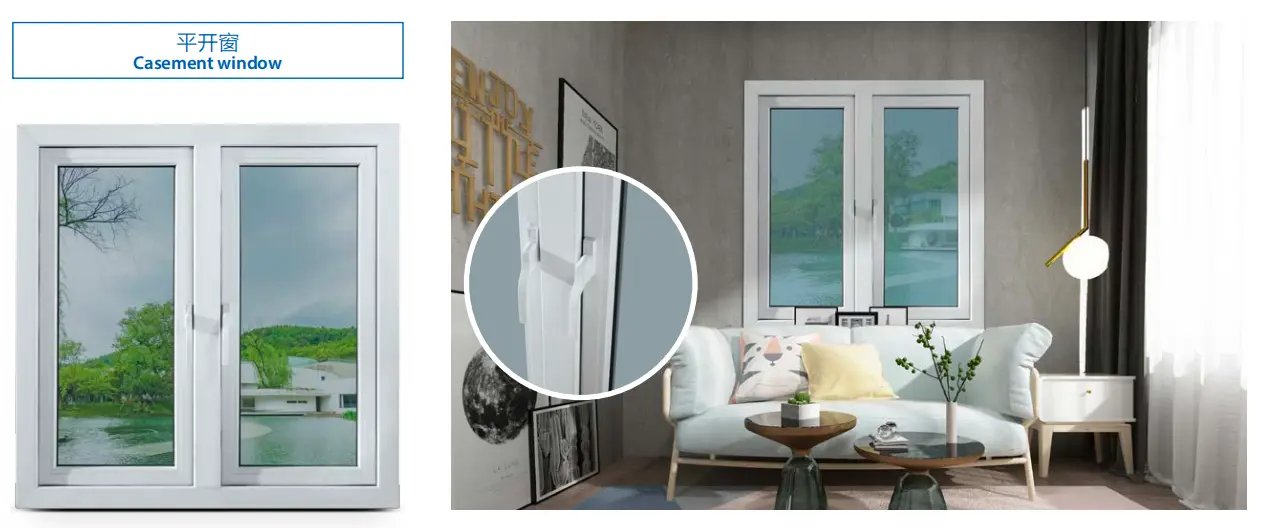
Understanding UPVC Flush Casement Windows: Design and Performance Basics
What Makes a Flush Casement Different from a Standard Casement Window?
On a conventional casement window the opening sash sits proud of the outer frame by roughly 8 to 12 mm, which breaks the flat plane of the facade and leaves a visible step. A flush casement removes that step. The sash is rebated so that its outer face closes level with the outer frame, leaving only a narrow shadow gap between the two. The benefit is not purely visual. A flat exterior face drains more evenly, traps less dirt in recesses, and is easier to clean, which matters on high-rise elevations where maintenance access is expensive.
The trade-off is tolerance. Because the sash and the frame share one plane, the rebate has to be machined accurately and the hinge set recessed to match. It also changes the sealing geometry, because a flush casement seals against a flat plane rather than a stepped rebate. The gasket profile has to be designed for that contact and compressed evenly around the perimeter. When a supplier simply rebrands a standard projecting sash as flush, the gasket line opens at the corners and the window underperforms its own data sheet.
Core Technical Advantages of Multi-Chamber UPVC Profiles
PVC-U conducts heat slowly, which is why a multi-chambered UPVC profile does not need the thermal break inserts that aluminium systems rely on. Each closed chamber traps still air and adds a layer of resistance between the interior and exterior faces. That is why a PVC-U frame with double glazing typically reaches a whole-window U-value of around 1.2 to 1.6 W/m²K, and why the same frame with triple glazing can reach roughly 0.8 to 1.2 W/m²K.
Chamber design alone is not enough on a long sash. PVC-U has a higher coefficient of thermal expansion than aluminium, so an unreinforced profile can bow under solar heat and let the seal line open. Galvanised steel or aluminium reinforcement inserts are fitted inside the chambers wherever the span, the glass load or the hardware fixing points require them. A supplier who can show you the reinforcement schedule is telling you more about quality than any brochure claim.
Bulk Procurement Considerations for Trade Buyers
Volume planning starts with the minimum order. For a first shipment into a new market, a supplier who accepts a starter order of 10 to 20 units lets you test specification and installation practice without locking up working capital. From there, production capacity and lead time decide how quickly you can scale.
Packing and loading have a direct effect on landed cost. Neutral carton packing with applied labels supports your own branding, and knock-down configurations, where frame sections, sash assemblies and glass ship separately, use 40 to 50 percent less container space than fully assembled units. When a manufacturer runs integrated supply chains with component stock on hand, standard delivery sits in the 25 to 30 day range from order confirmation.
Climate Considerations: How Weather Conditions Affect UPVC Flush Casement Performance
Cold Climate Requirements and Thermal Engineering
In markets that stay below freezing for months, the priority is keeping the interior frame surface above the dew point so it does not condense. A multi-chamber profile with adequate wall thickness and a warm-edge spacer in the glazing unit does most of that work. Double glazing with a 16 to 20 mm cavity filled with argon or krypton delivers the insulation value, and the flat contact plane of a flush casement makes it easier to run a continuous seal around the perimeter.
Installation detailing decides whether the laboratory data survives on site. Flashing and low-expansion foam around the rough opening prevent the thermal bridging that turns a good window into a cold spot. Weather-stripping has to stay flexible below zero, which is where EPDM gaskets outperform rigid vinyl seals. On accessible thresholds, a thermally broken low-profile sill prevents ice dams from forming across the opening.
Hot and Humid Climate Adaptations
In tropical and subtropical markets the failure modes change. Unprotected polymer surfaces degrade photochemically under UV, which shows up first as chalking and then as colour loss. UPVC compounds are stabilised with titanium dioxide, and cap-stock co-extrusion places a high-stability layer on the exposed outer surface, so a properly specified profile holds its colour and dimensions through years of direct sun.
Humidity control is about drainage and hardware. Sill profiles with built-in drainage channels shed water before it reaches the interior, and stainless steel hardware avoids the rust that attacks standard steel fasteners within months in humid air. Sudden cooling during tropical downpours can put a steep temperature gradient across a sun-heated panel, so tempered or laminated glass is the safer choice where both heat and impact risk are present.
Coastal and High-Wind Zone Specifications
Salt air corrodes metal, and wind-driven rain tests the seal line beyond normal service conditions. Multi-point locking hardware for coastal projects should be specified in marine-grade stainless steel or powder-coated aluminium alloy, and glazing pockets should use neutral-cure silicone sealant, which resists salt exposure longer than standard sealants.
Wind load classification tells you how much reinforcement is needed. A high wind class combined with a low permitted deflection band demands thicker reinforcement gauges and greater profile wall thickness than a light residential specification. Watertightness classification works the same way. The higher the pressure class, the more the frame, gasket and drainage detail has to be engineered as one system rather than assembled from catalogue parts.
Comparing UPVC Flush Casement Windows to Aluminium and Timber
Performance Analysis Against Traditional Frame Materials
Timber looks warm and performs well when it is maintained, but it absorbs moisture. In wet climates an unmaintained timber sash swells, warps and eventually rots, and by that point the seals have already failed. A PVC-U frame does not swell with humidity, so opening geometry and gasket compression stay constant through the seasons.
Aluminium is strong and takes up less sightline, but it conducts heat several hundred times faster than PVC-U. Thermal break systems close that gap with a reinforced polyamide strip, yet a multi-chambered PVC-U profile carrying the same glazing usually still delivers the lower whole-window U-value. Fibreglass has excellent thermal and impact stability, but pultrusion tooling costs more, which lengthens lead times and narrows the range of available colours and sizes.
Glazing Options and Energy Performance
Glass specification usually moves the final number more than the frame does. Single glazing is adequate only in mild climates. Low-E coatings reflect long-wave infrared radiation back into the room in winter and reduce solar gain in summer, lowering the load on heating and cooling systems. Argon fill slows convection inside the cavity, and a warm-edge spacer cuts the heat path at the edge of the unit.
Integrated blinds sealed inside the glazing cavity keep dust out and protect the slats from damage while still giving occupants privacy control. Because the cavity seal is never opened, thermal performance is unaffected, unlike surface-mounted treatments that can act as a thermal bridge. In dense urban markets, laminated glass adds both impact safety and sound reduction, which is often the deciding factor on projects near roads, rail lines and airports.
Procurement Factors: Making Informed Purchase Decisions
Technical Verification and Compliance Standards
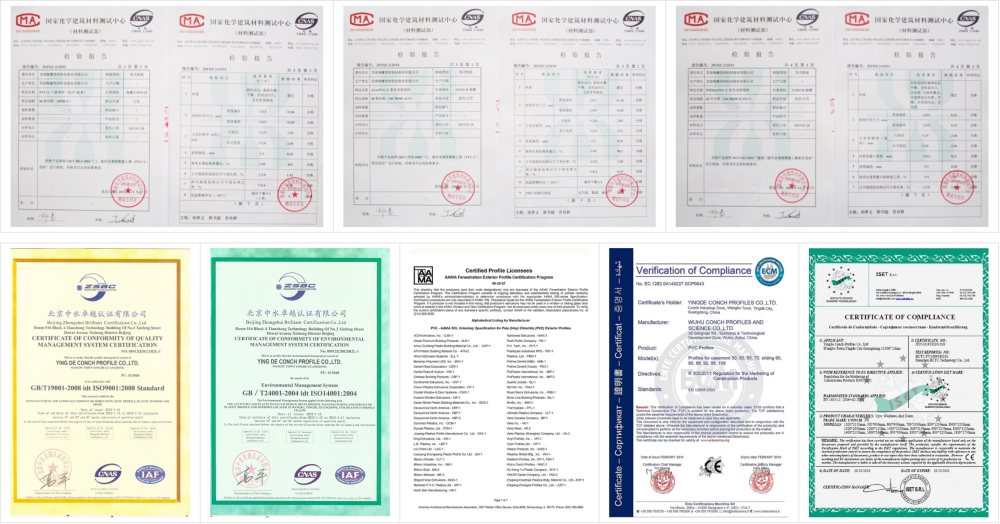
Certification paperwork is what allows you to defend a specification to a client. ISO quality management certification shows that production is controlled, CE marking demonstrates conformity with European requirements, and AAMA standards define performance criteria for air infiltration, water penetration and structural loading in North American projects. For energy claims, ask for U-value test data from a recognised laboratory and a Solar Heat Gain Coefficient rating, because those are the two figures a building code review will request.
Customization Capabilities and Order Flexibility
Standard sizes rarely fit every opening. Manufacturers who can adjust width and height within normal production tolerances, typically around 2 mm, reduce on-site modification and the callbacks that follow. Colour matching across a project keeps the elevation consistent, and dual-colour options allow a dark exterior with a light interior. Hardware selection matters too, since hinge systems must carry the sash weight over thousands of cycles while keeping the flat exterior face intact.
Logistics and Installation Support
Container planning affects cost per unit more than most buyers expect. Knock-down packing, where frame components, sashes and glass ship in separate modules, cuts the volume required and lowers freight per unit. It also means someone on site has to assemble the units correctly, so the quality of the supplier’s documentation becomes part of the product.
Verify that documentation before you order. Technical parameter sheets, assembly instructions and installation video tools shorten installer training and reduce the field errors that turn into warranty claims. On the customs side, a supplier who has exported before will provide commercial invoices, packing lists and certificates of origin formatted for the destination country, plus correct Harmonised System code classification so the shipment is not penalised for misclassification.
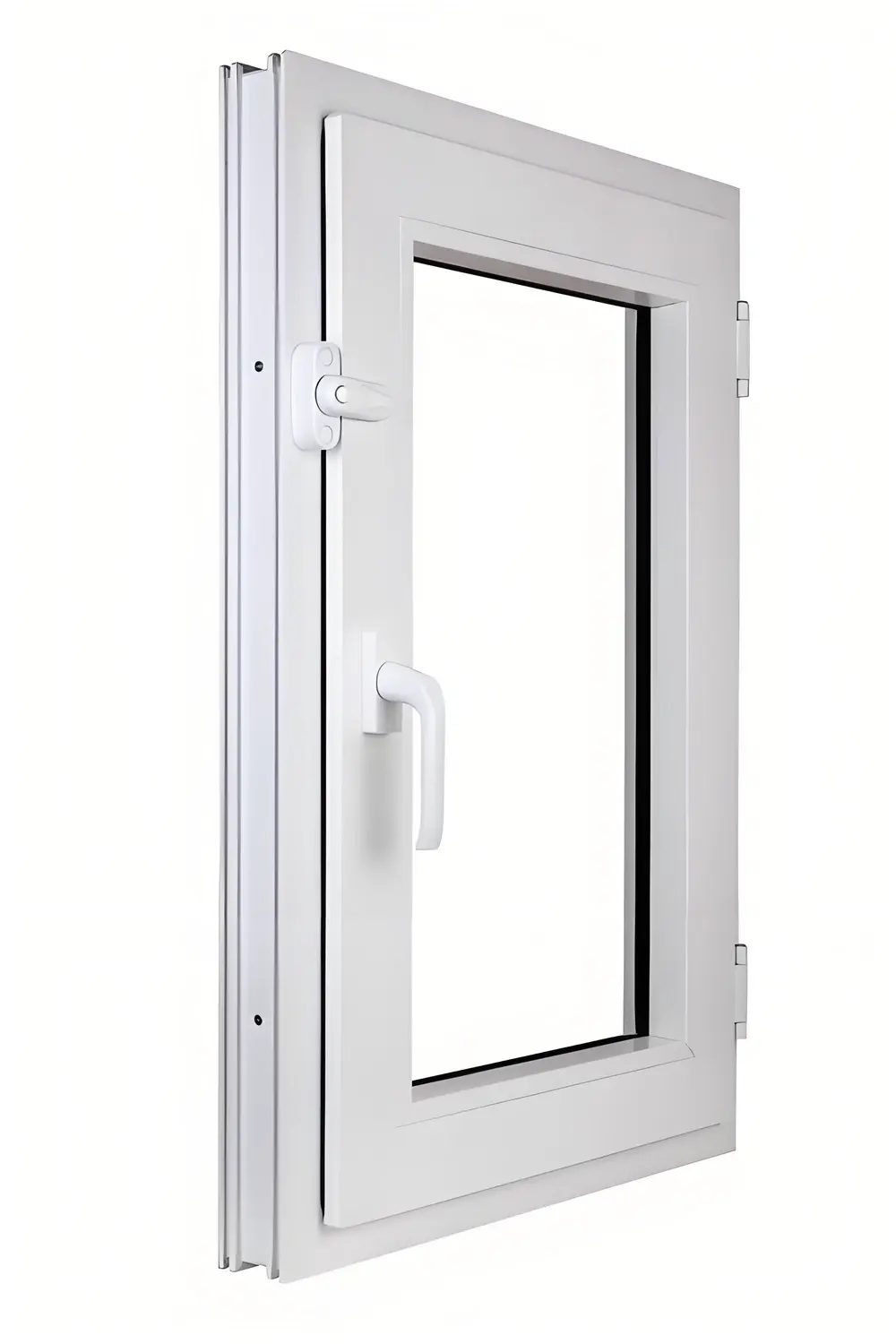
Maintenance and Longevity: Protecting Your Investment Value
Climate-Specific Maintenance Protocols
A UPVC flush casement needs very little attention, but the small amount it does need is climate specific. In dusty or coastal locations, wash the frames every three months with a mild detergent solution and rinse, using pH-neutral products safe for both the profile surface and the glazing coating. Avoid abrasive cleaners and solvents. Once a year, apply silicone-based lubricant to hinge pins, locking points and the multi-point drive system, and inspect the weather-strip for tears or loss of compression before air leakage shows up on an energy bill.
Early Warning Signs and Component Replacement
Surface checking or crazing on a frame indicates UV stabiliser depletion or mechanical damage and should be assessed before it spreads. Fogging between the panes means the desiccant is saturated or the edge seal has failed, allowing moisture into the cavity. The sealed unit has to be replaced rather than repaired.
A stiff or partially engaging lock points to internal wear or dirt in the mechanism. Dealing with it early prevents both a security weakness and premature hardware replacement. How quickly a fault gets resolved depends on parts availability, which is why a supplier carrying full spare parts inventory is worth more than a slightly lower unit price.
Performance Enhancement Options
Where UV exposure is extreme, an acrylic protective coating applied to the profile surface helps the colour hold and makes routine cleaning easier. Adding a supplementary weather seal to older units is a low-cost way to recover thermal performance in demanding climates without replacing the whole window. Both options extend service life at a fraction of replacement cost.
Disclaimer: Actual performance depends on the test reports for each specific product and on the quality of installation. Results in different climates depend on correct specification and on following the manufacturer’s fitting instructions.
Conclusion
Choosing the right UPVC Flush Casement Windows comes down to balancing climate, market expectation and cost. A reinforced multi-chamber profile with an appropriate glazing specification performs across a wide range of temperature and humidity conditions while keeping the unit price competitive. What separates a dependable supplier from a commodity vendor is verifiable certification, real customisation capability, and logistics support. Buyers who check those three things, and who keep their supplier’s technical documentation on file, give their installers a better chance of delivering the performance the data sheet promises.
FAQ
Q1: Can UPVC flush casement windows be made to non-standard sizes?
A: Yes, within normal manufacturing tolerances for width and height, and custom sizing usually adds little to lead time. Frame depth can also be adjusted to suit different wall thicknesses, which is common on renovation projects where the existing reveal varies from floor to floor.
Q2: How do flush casement windows compare with aluminium or timber on energy efficiency?
A: A multi-chambered PVC-U frame typically delivers a whole-window U-value 20 to 30 percent lower than a standard non-thermal-break aluminium frame. It also holds that performance without the swelling and warping that affects timber, so the seals stay compressed and the sash keeps operating smoothly in wet climates.
Q3: What are typical lead times and warranty terms for bulk orders?
A: With component stock on hand and integrated supply chains, standard delivery is usually 25 to 30 days from order confirmation. Warranty terms cover manufacturing defects, with hardware and glass components carrying separate periods set by their own suppliers.
Q4: Is knock-down shipping available to reduce logistics cost?
A: Yes. Shipping frames, sash assemblies and glass separately in modular packaging reduces container space by 40 to 50 percent, which lowers freight per unit significantly. These shipments include assembly documentation, technical guides and installation video tools so the units are put together correctly on site.
Partner with Haolv Building Materials for Energy Efficient UPVC Flush Casement Windows
Haolv Building Materials Co., Ltd. has been manufacturing windows and doors for 19 years, and supplies procurement teams who need a dependable UPVC flush casement window supplier. Our ISO, CE and AAMA certified factory in Hunan Province works with CONCH to keep raw material quality consistent, and our 25 to 30 day delivery schedule is supported by integrated supply chain management.
We accept initial orders of 10 to 20 units with neutral packaging or OEM branding, which makes it practical for building material sellers in Africa, South Asia and Eastern Europe to enter the market without committing to a full container. Our engineering team supports your installers with technical parameter sheets, installation video tools and assembly guidance, while reinforced multi-chamber profiles and customisable glazing cover a wide range of climates. Knock-down shipping configurations reduce your logistics cost by 30 to 40 percent. Email us at kristin@haolvwindows.com to discuss your market requirements and request FOB quotes matched to your container plan.
References
- American Architectural Manufacturers Association. (2022). AAMA 101: Voluntary Standard for Aluminum, Vinyl (PVC) and Wood Windows and Glass Doors.
- European Committee for Standardization. (2016). EN 14351-1: Windows and doors — Product standard, performance characteristics.
- European Committee for Standardization. (2000). EN 12207: Windows and doors — Air permeability — Classification.
- National Fenestration Rating Council. (2021). Certified Products Directory: Energy Performance Ratings.
- U.S. Department of Energy. (2021). Energy Efficiency and Renewable Energy: Windows and Doors Technology.
- Plastics Industry Association. (2020). Vinyl in Building and Construction: Technical Performance Guide.
Fast simple channel to send demands lock favorable price for building window door bulk purchases.